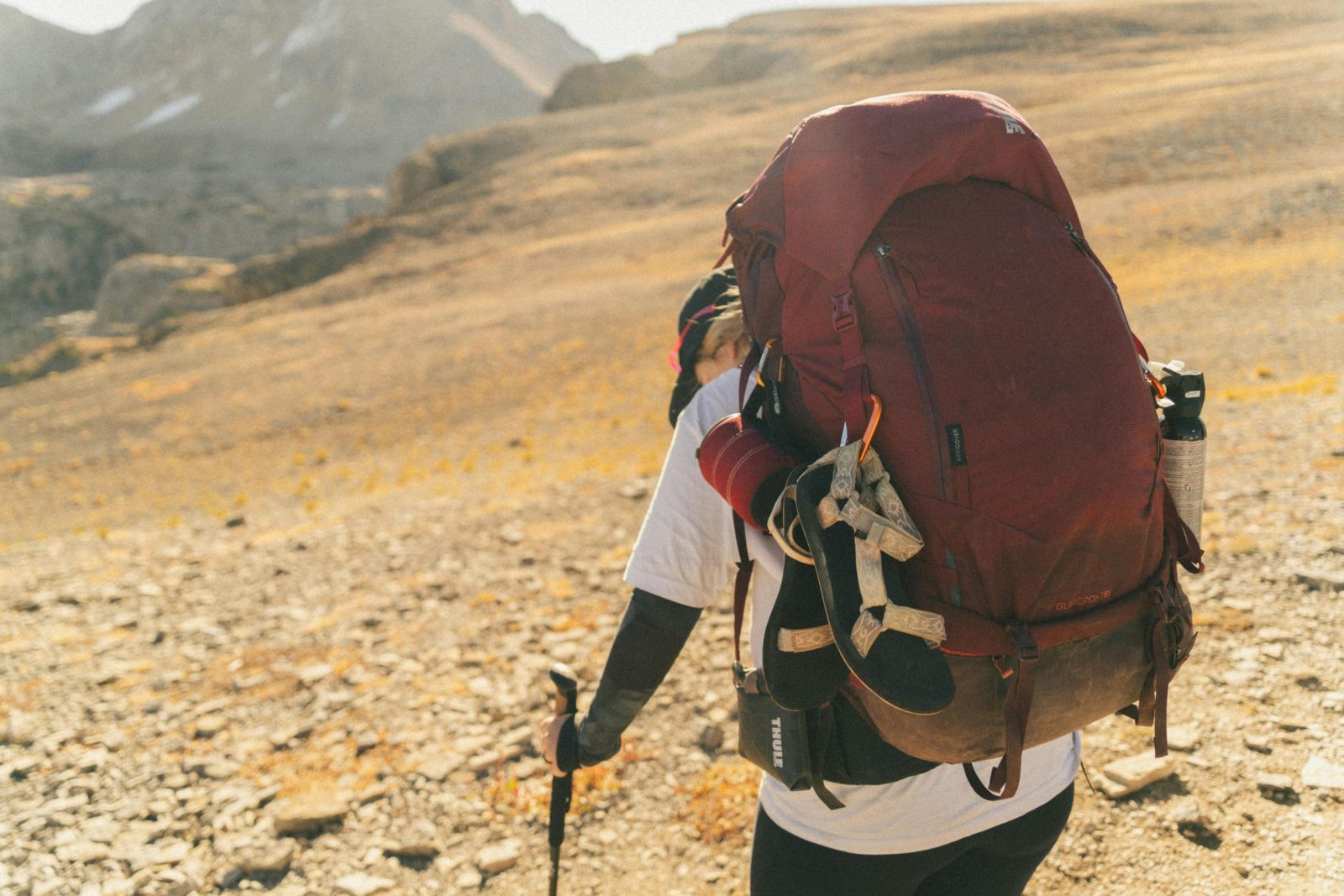
You can stay clean and healthy in the backcountry even without the luxury of running water by using a few smart and simple methods. Maintaining hygiene outdoors is about balance: protecting yourself from germs while respecting the environment. Whether you are camping, hiking, or backpacking for days, staying fresh keeps you comfortable and confident. With careful planning and eco-friendly practices, you can manage cleanliness effectively while still enjoying the freedom of the wild.
Use Biodegradable Wipes Wisely
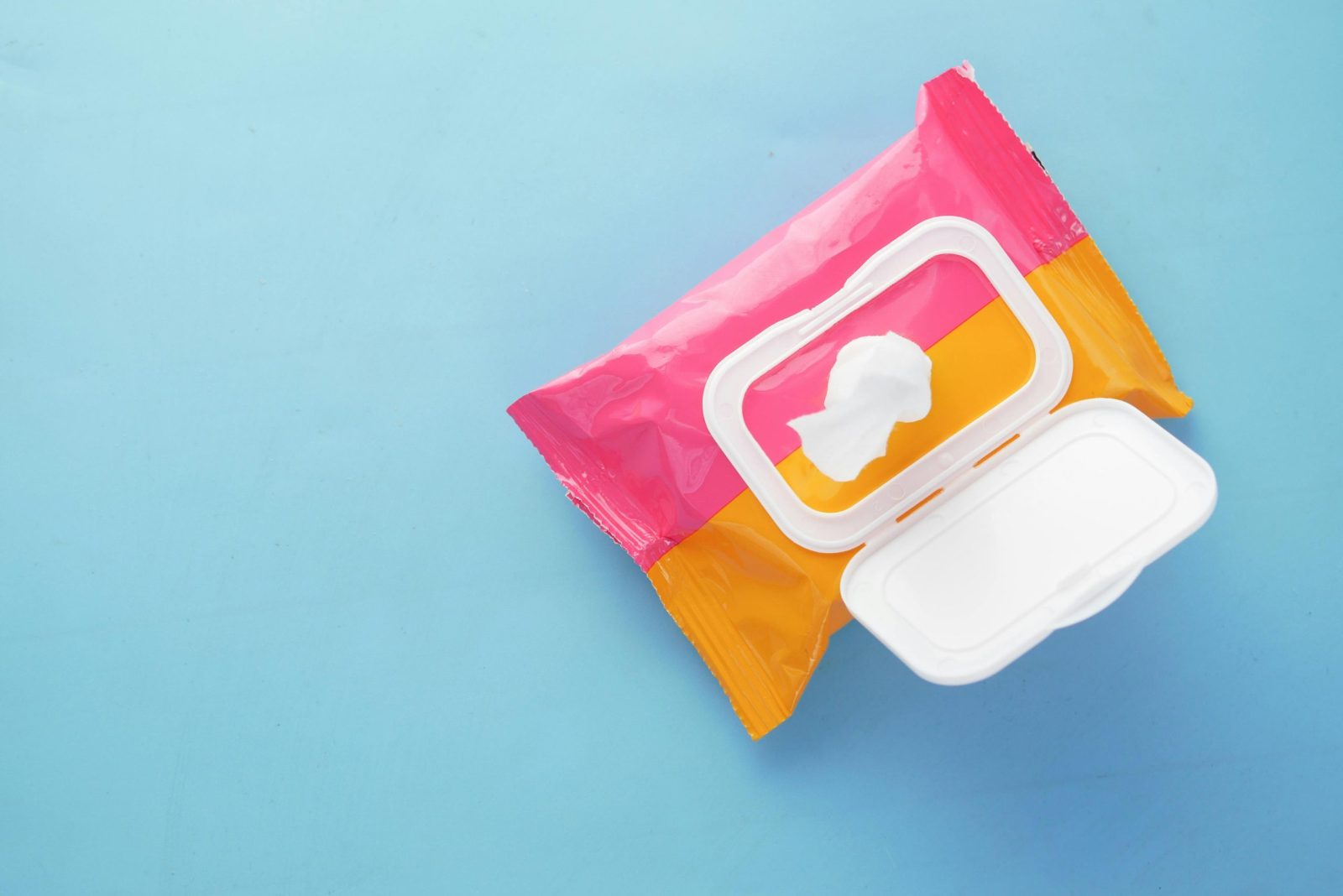
You should pack biodegradable wipes as your main cleaning tool when water is limited. They are perfect for wiping your face, hands, and body after a long hike. Always use them sparingly and pack them out instead of burying them. A quick wipe-down before bed not only removes sweat and dirt but also helps you sleep better in your sleeping bag.
Create a Simple Hand-Washing Station
You can make a small hand-washing setup using a water bottle with a small spout or a collapsible jug. Use biodegradable soap and pour sparingly to minimize waste. Focus on washing before meals and after using the restroom. Clean hands prevent the spread of bacteria, keeping you healthy and ready for the next adventure.
Prioritize Oral Hygiene
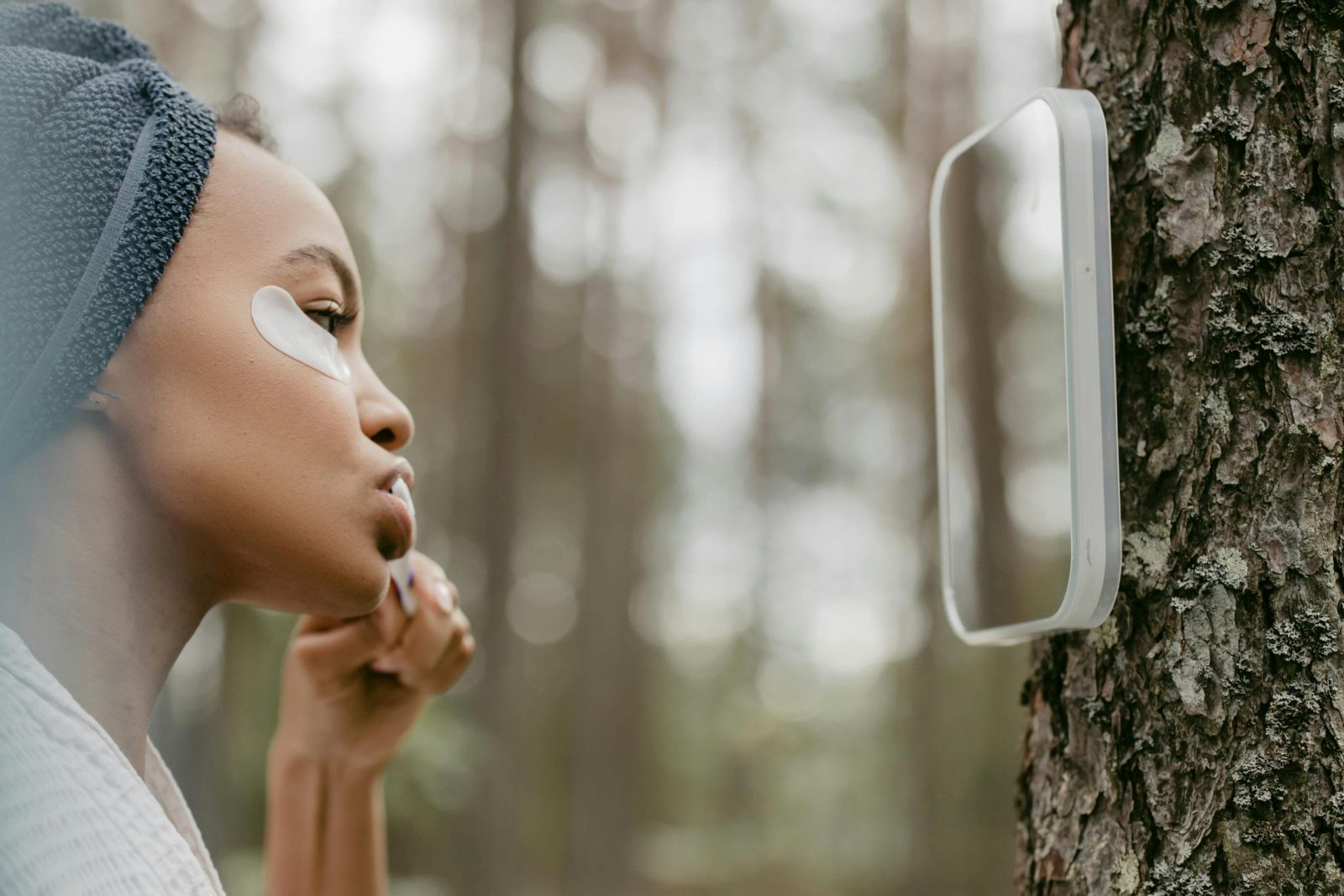
You should never skip brushing your teeth, even in the wilderness. Use a small toothbrush, a pea-sized amount of toothpaste, and spit away from water sources to avoid contamination. Maintaining oral hygiene prevents discomfort and illness during long trips. This small routine helps you feel refreshed and ready for a new day outdoors.
Manage Waste Responsibly
You can stay clean by handling waste properly, using portable bags or a designated latrine area. Always follow Leave No Trace principles and stay at least 200 feet from any water source. Cover or pack out waste depending on local regulations. Responsible disposal keeps both you and the environment safe from harmful bacteria.
Freshen Clothes Efficiently
You should air out your clothes daily and spot clean with a damp cloth instead of washing everything. This prevents odor buildup and reduces the need for extra water. If you must rinse, use a small basin and biodegradable soap. Hanging garments in sunlight also helps disinfect naturally and keeps your gear smelling fresh.
Take Sponge Baths
You can take a quick sponge bath using a small towel and a few ounces of water mixed with mild soap. Focus on key areas like your face, hands, and underarms. Avoid standing directly in water sources while washing. This simple practice maintains cleanliness and helps you feel refreshed without using large amounts of water.
Keep Feet Clean and Dry
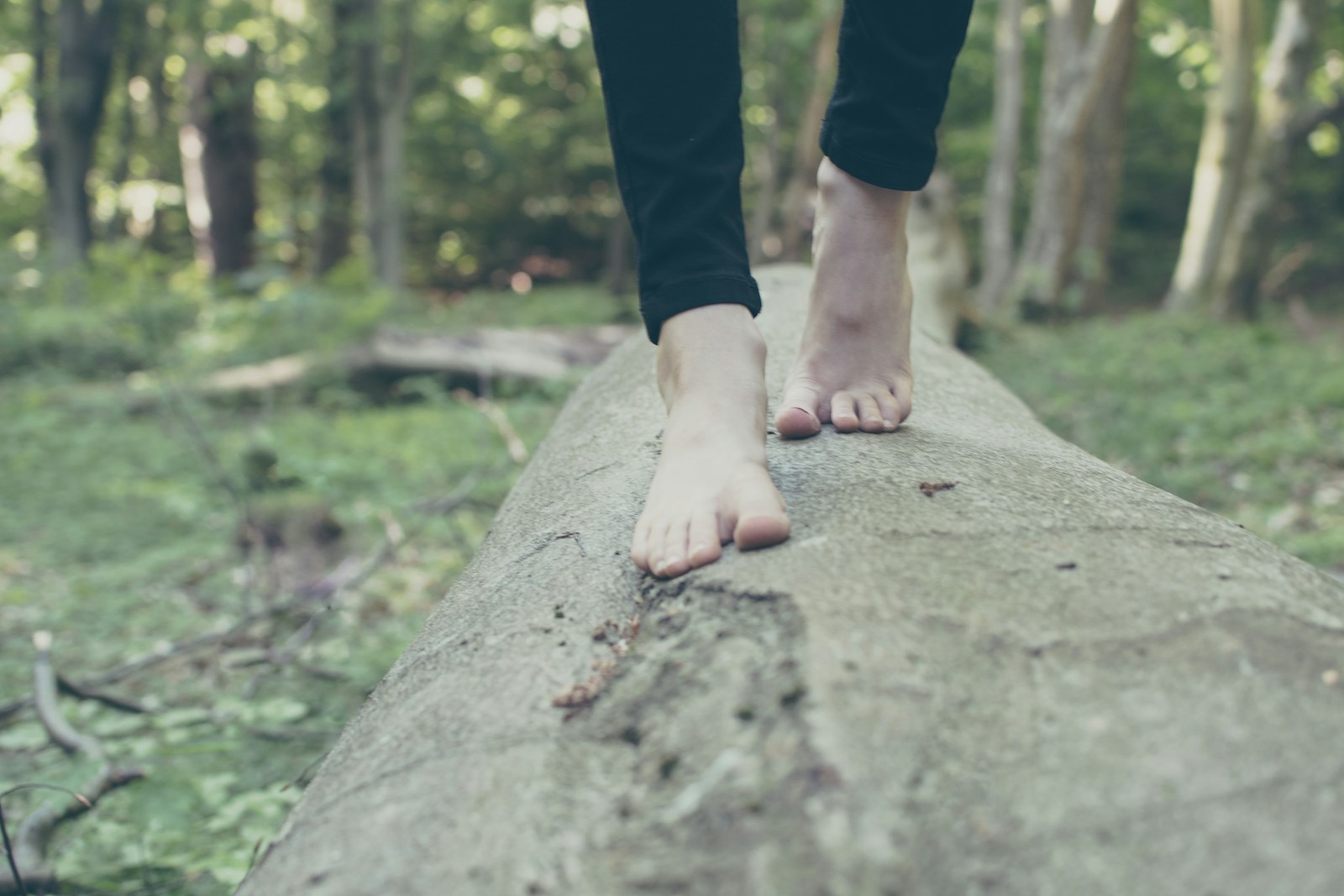
You should take care of your feet since they work the hardest during backcountry travel. Wipe them clean each night and let them dry before bed. Change into dry socks to prevent blisters and fungal infections. Clean feet not only feel better but also improve endurance for the next day’s trek.
Disinfect Cooking Gear
You can keep your cooking gear clean by boiling water or using sanitizing wipes when rinsing isn’t possible. Scrape off food debris and let utensils dry completely in sunlight. Keeping cookware clean prevents bacteria from spreading into your meals. Good hygiene at camp keeps both your stomach and your spirits strong.
Protect Skin Health
You can maintain healthy skin by moisturizing after cleaning, since dry air and sun exposure cause irritation. Choose lightweight, unscented lotions that won’t attract insects. Keeping your skin hydrated prevents cracking and discomfort. Regular care helps you stay comfortable and confident, no matter how rugged your adventure becomes.
Use Hand Sanitizer Regularly

You should keep a small bottle of alcohol-based hand sanitizer accessible throughout your trip. It’s a quick way to disinfect when water is scarce, especially before meals. Using it after contact with shared gear or nature helps reduce infection risk. While it can’t replace soap entirely, it adds an extra layer of protection.