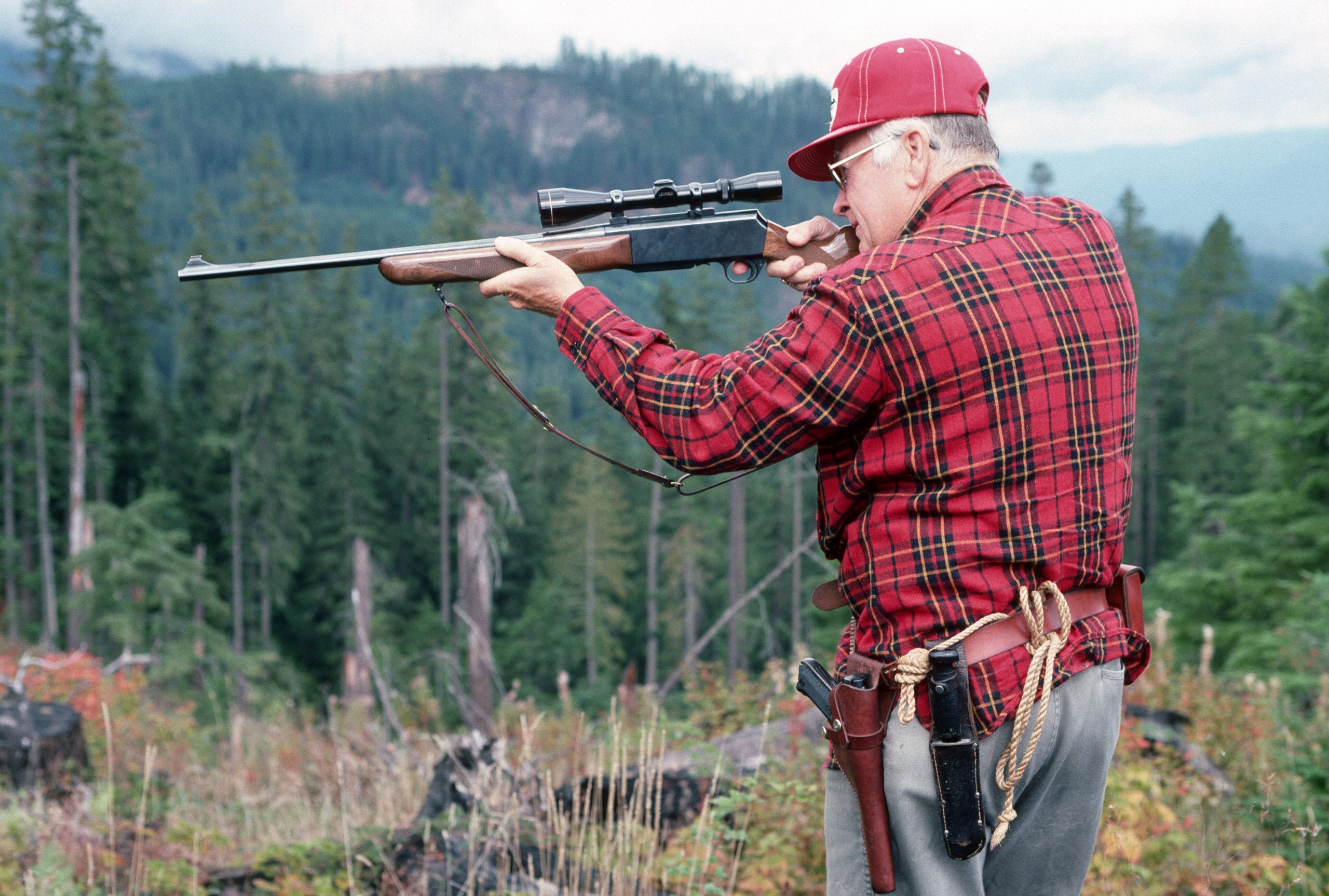
The Savage 110 has been around for decades, but its story is richer than many hunters realize. Beneath its workmanlike reputation are design choices, factory options, and accuracy features that quietly helped it earn a loyal following. This gallery breaks down seven surprising facts that reveal why the 110 remains such a relevant rifle in deer camps and on range benches alike.
It Was Designed to Be Affordable From the Start

Many hunters think of the Savage 110 as a no-frills rifle that simply grew into popularity, but affordability was part of the blueprint from day one. When it debuted in 1958, the idea was to deliver a strong, accurate bolt action without the premium price attached to some better-known competitors.
That value-first approach shaped the rifle’s identity. Savage leaned into smart manufacturing rather than flashy cosmetics, and that helped put centerfire performance within reach of everyday sportsmen. For a lot of families, the 110 was not just a budget choice. It was the rifle that made big-game hunting ownership realistic.
The Barrel Nut Is One of Its Biggest Innovations

If you ask rifle tinkerers what makes the Savage 110 mechanically distinct, many will point straight to the barrel nut system. It is not the flashiest feature, but it changed how headspace could be set at the factory and helped Savage build accurate rifles with impressive consistency.
That same design also made the platform especially appealing to hobbyists and gunsmith-minded shooters. Barrel swaps and caliber changes became more approachable than on many traditional actions. To most hunters, it just looks like a ring ahead of the receiver, but that humble part is one reason the 110 built such a strong reputation for practical precision.
Its Reputation for Accuracy Is Not an Accident

The Savage 110 earned plenty of praise as a shooter’s rifle, and not just because owners got lucky with good barrels. The action design, barrel mounting system, and factory emphasis on dependable headspacing all contributed to the kind of accuracy that often surprised people at the range.
Over time, that performance became a defining trait of the brand. Hunters who bought a 110 expecting a plain deer rifle often discovered a rifle that could print groups well above its price class. That word-of-mouth credibility mattered. In many camps, the 110 became the gun people recommended when someone wanted honest accuracy without a luxury price tag.
The AccuTrigger Changed How Many People Viewed It

For years, Savage had a loyal audience, but the introduction of the AccuTrigger reshaped the conversation around the 110. Suddenly, hunters who might have planned an immediate trigger job could buy a factory rifle with a cleaner, lighter, user-adjustable pull than they expected.
That mattered more than it sounds. Trigger quality is one of the first things shooters notice, and a good one makes a rifle feel more refined the second it leaves the rack. The AccuTrigger gave Savage a feature that stood out in showrooms and on range days, helping the 110 feel less like a compromise and more like a smart, modern pick.
It Has Been Offered in an Unusually Wide Range of Calibers

A lot of hunters know the Savage 110 in one familiar chambering, usually something like .30-06 or .270, but the platform’s caliber spread has always been broader than many people assume. Across different eras, Savage offered the action in everything from classic deer rounds to magnums and specialized long-range options.
That flexibility helped the 110 stay relevant as hunting tastes changed. A shooter could come to the same family of rifle for whitetails, elk, western hunts, or even dual-purpose target work. In practical terms, the 110 was never just one rifle. It was a whole adaptable system hiding behind one familiar model name.
The 110 Family Expanded Far Beyond a Basic Hunting Rifle

To many people, the Savage 110 is still the plain sporter stocked rifle they remember from a gun rack decades ago. But the 110 family evolved into a broad lineup that includes lightweight mountain rifles, left-handed versions, long-range configurations, and purpose-built hunting models for very different terrain.
That expansion is a big reason the name endured. Savage kept the core action relevant by wrapping it in new stock designs, barrel profiles, finishes, and optics-ready setups. So while the 110 started as a practical hunting arm, it gradually became a platform that could serve beginners, experienced hunters, and precision-minded shooters alike.
It Helped Normalize User-Friendly Rifle Customization

Long before modularity became a buzzword, the Savage 110 was quietly earning a following among people who liked to tune and personalize their rifles. Thanks to the action design and strong aftermarket interest, owners often found it easier to swap stocks, triggers, barrels, and other components than they would with some rival hunting rifles.
That culture of customization gave the 110 a second life beyond factory trim. A basic deer rifle could become a better fit for a smaller-framed hunter, a long-range experiment, or a dedicated predator rig. For many owners, the Savage 110 was not just something to buy. It was something to build on.