Benelli earned its reputation by building semi-auto shotguns that kept running when conditions turned cold, wet, dirty, or demanding. From landmark hunting guns to tactical favorites, these models showed how smart engineering could make reliability feel almost routine. This gallery highlights 10 Benelli shotguns that helped change expectations for what a semi-auto could do.
Benelli 121 M1

The 121 M1 was one of the early guns that put Benelli’s inertia-driven idea on the map. At a time when many shooters were used to more maintenance-heavy semi-autos, this model offered a cleaner-running alternative that felt refreshingly simple in the field.
Its appeal was not just novelty. The 121 M1 built trust by cycling reliably with fewer gas-system parts to foul, making it especially attractive to hunters who wanted less bench time and more trigger time.
Looking back, this shotgun feels like the foundation stone for everything that followed. It introduced the formula Benelli would refine for decades: light weight, fast handling, and a reputation for running when it mattered most.
Benelli Super 90
The Super 90 name became a calling card for rugged reliability, and for good reason. Built around Benelli’s inertia system, these guns developed a loyal following among hunters and practical shooters who valued consistency over complexity.
What made the Super 90 stand out was how confidently it handled hard use. Mud, rain, and long shooting days were less intimidating when the shotgun’s design avoided the carbon buildup that often slowed gas-operated competitors.
It also helped cement Benelli as more than an interesting European brand. The Super 90 series showed American shooters that a semi-auto shotgun could be both quick and durable, with a kind of mechanical straightforwardness that inspired confidence from the first box of shells.
Benelli M1 Super 90
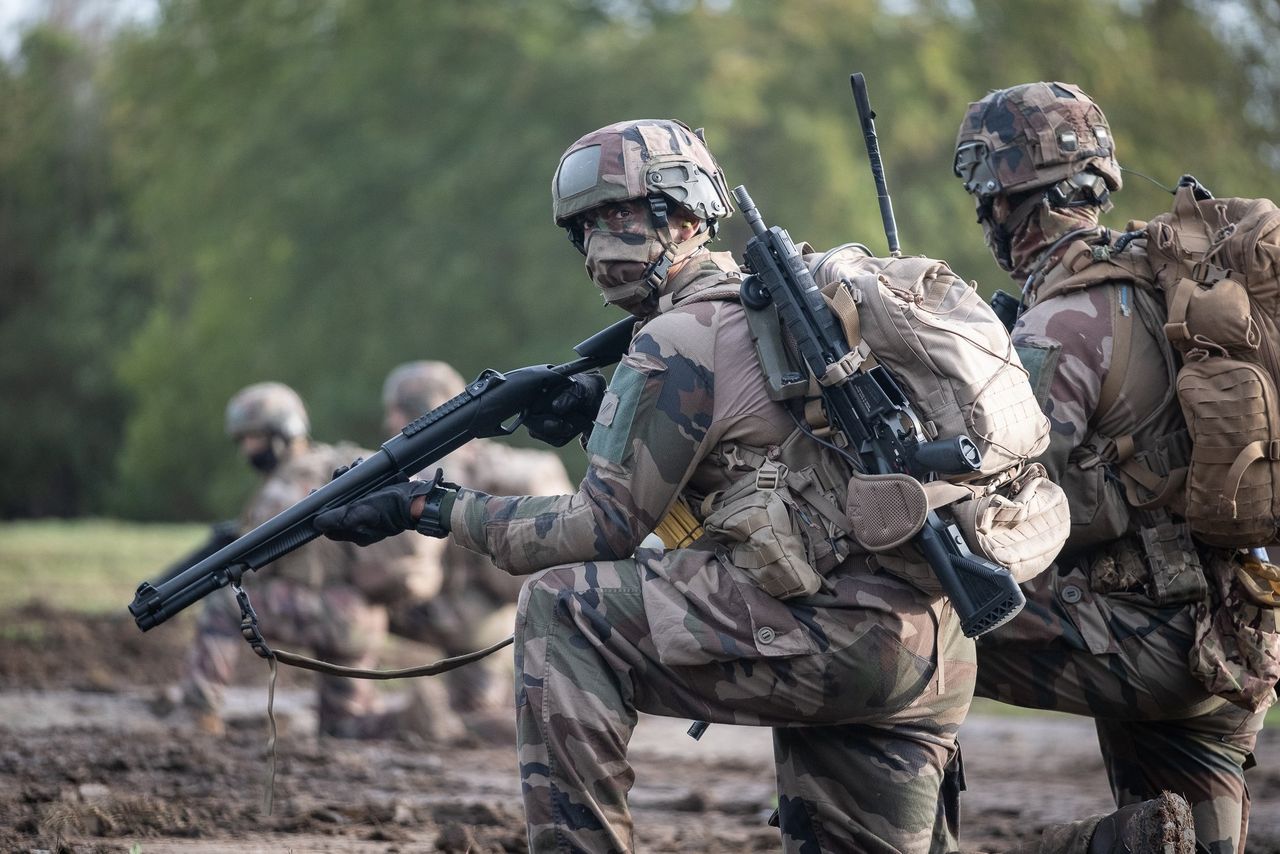
If one shotgun helped turn Benelli into a mainstream force, it was the M1 Super 90. This model balanced practical weight, fast cycling, and excellent reliability in a package that crossed over easily between hunting, competition, and defensive roles.
Shooters appreciated how little drama the gun brought to a long day. The inertia action stayed cleaner than many rivals, and the shotgun’s trim feel made it lively without seeming fragile or temperamental.
The M1 Super 90 also became a benchmark in tactical circles, where reliability is judged harshly and remembered forever. Its success proved that Benelli’s operating system was not just clever engineering. It was field-proven performance that could win over very different kinds of users.
Benelli M2
The M2 took the M1 formula and polished it into one of the most respected all-around semi-autos on the market. It was lighter, smoother, and easier to fit to different shooters, while preserving the inertia-driven dependability that made Benelli famous.
This shotgun earned its reputation in places where excuses do not last long: duck blinds, 3-gun matches, and defensive training ranges. In each setting, the M2 showed that a semi-auto could run hard, recover fast, and keep maintenance demands remarkably reasonable.
Part of the M2’s importance is how broadly it succeeded. It was not just a specialist’s gun. It became a do-everything favorite, the kind of shotgun people recommend when reliability sits at the top of the shopping list.
Benelli M3

The M3 brought something unusual to the conversation by combining semi-auto and pump-action operation in one shotgun. That dual-mode design gave users flexibility, but it also underscored Benelli’s broader obsession with real-world reliability under changing conditions.
In semi-auto mode, the gun delivered the quick follow-up shots people expected from the brand. When lighter loads or special-purpose rounds made semi-auto cycling less ideal, switching to pump mode offered a practical backup instead of a compromise.
That adaptability made the M3 especially appealing to military and law enforcement users. It showed that reliability is not always about a single mechanism working perfectly. Sometimes it is about giving the shooter a dependable option no matter what ammunition or mission is on the table.
Benelli M4
The M4 may be Benelli’s most famous tactical shotgun, and its reputation is well earned. Developed with the ARGO gas system, it represented a major departure from the company’s inertia tradition while still chasing the same goal: utter confidence in harsh conditions.
Its military adoption gave the model instant credibility, but the real story is performance. The M4 proved it could handle heavy use, varied environments, and demanding duty cycles without becoming finicky or maintenance sensitive.
More than a tactical icon, the M4 broadened Benelli’s reliability story. It demonstrated that the brand was not married to one operating system for its own sake. Benelli was willing to innovate again if that meant delivering a tougher, more adaptable semi-auto shotgun.
Benelli Montefeltro

The Montefeltro brought Benelli reliability into a sleeker, more traditional sporting package. With its slim profile and refined handling, it appealed to upland hunters and clay shooters who wanted modern semi-auto function without a bulky or overly tactical feel.
What made it revolutionary was how little reliability had to be traded for elegance. The shotgun kept the inertia-driven advantages of a cleaner-running system while offering the kind of balance and finish that made it feel equally at home in the field or at the club.
That combination mattered. The Montefeltro helped prove that dependable semi-auto performance did not have to look industrial. Benelli could deliver rugged function in a shotgun that also felt graceful, classic, and easy to carry all day.
Benelli Super Black Eagle

For many waterfowl hunters, the Super Black Eagle was a watershed shotgun. It became famous for handling a wide range of shells, including 3 1/2-inch magnums, while still maintaining the kind of reliability hunters need when weather and mud are working against them.
This was not just about chamber length. The real breakthrough was confidence. Shooters could carry one semi-auto into punishing conditions and trust it to cycle heavy hunting loads without the sluggishness or fouling concerns that often came with older designs.
The Super Black Eagle quickly became a benchmark in the marsh, and later generations only strengthened that legacy. It changed expectations for what a serious duck gun could be: powerful, weather-resistant, and impressively dependable day after day.
Benelli Vinci
The Vinci looked like a leap into the future, and in many ways it was. Its modular design, distinctive styling, and reworked inline layout gave Benelli a fresh platform that aimed to improve handling, recoil control, and ease of maintenance without sacrificing reliability.
Beneath the futuristic appearance was the same practical mission that defined the brand. The Vinci was built to come apart easily, stay clean, and keep functioning under tough hunting conditions where simple upkeep can make a meaningful difference.
Not every revolutionary gun looks traditional, and the Vinci embraced that fact. It showed Benelli was still willing to challenge conventions, proving that reliability could evolve alongside ergonomics and design rather than being trapped in yesterday’s shape.
Benelli Ethos

The Ethos demonstrated how mature Benelli’s reliability formula had become. It blended lightweight handling, polished styling, and user-friendly features into a semi-auto that felt premium, but still centered its identity on dependable real-world performance.
Hunters and target shooters noticed the softer shooting manners and thoughtful details, yet the core attraction remained familiar. Like the best Benelli designs before it, the Ethos made reliability seem effortless, as if the gun’s main job was simply to stay out of the shooter’s way.
That is part of what makes the Ethos important in this story. It was not a bare-bones proof of concept. It was evidence that semi-auto reliability had progressed from a hard-won advantage into an expected hallmark of a refined, modern shotgun.