The photo is not just for your buddies anymore. The second it goes online, it becomes a public statement about hunting itself.
Why does this debate keep getting hotter
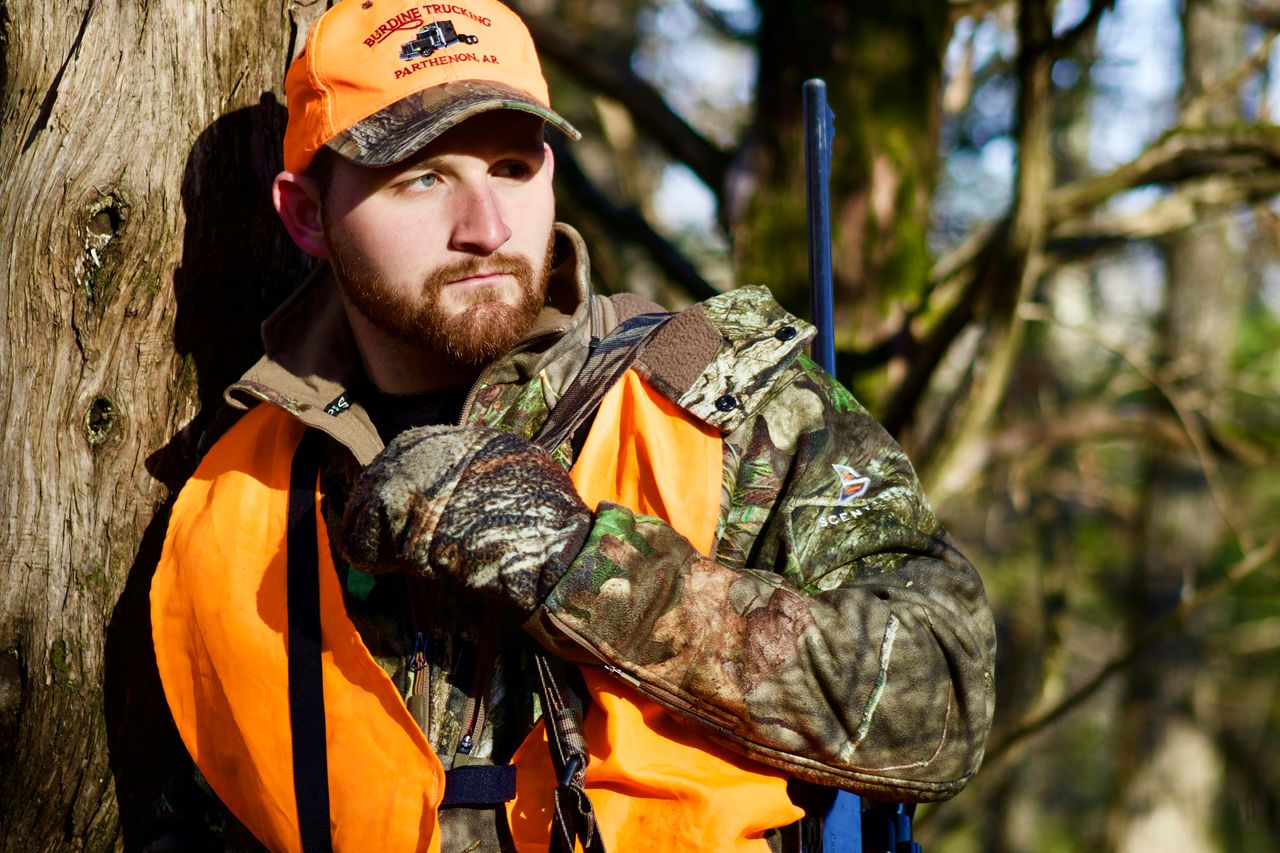
Grip-and-grin photos have always been part of hunting culture. A successful hunt is emotional, physical, and often deeply personal, so it makes sense that people want a picture to mark the moment. What changed is scale. A snapshot that once lived in a camp album or a framed print in the den now lands in front of neighbors, coworkers, activists, and strangers who know nothing about the day behind it.
That shift matters because public support for hunting is not unconditional. Boone and Crockett have said plainly that hunting is accepted when people see it as ethical, respectful, tied to food, and connected to conservation, but rejected when it appears wasteful or disrespectful. That is a useful line for understanding why some field photos go over fine while others blow up online.
Recent national attitude research backs that up. A 2025 report highlighted by the Council to Advance Hunting and the Shooting Sports said Americans are most likely to approve of hunting when the motives are food, conservation, or safety. And earlier cultural-acceptance research found that 40% of Americans believed posting a hunted animal to social media does not show respect for wildlife, while 25% said they had seen a hunting-related post they found offensive.
So the argument is not really about one photo. It is about social license. If enough people come to see hunters as reckless, arrogant, or detached from wildlife, that perception can shape regulations, access fights, ballot campaigns, and the willingness of agencies to defend hunting as a management tool.
What a grip-and-grin says to people outside hunting
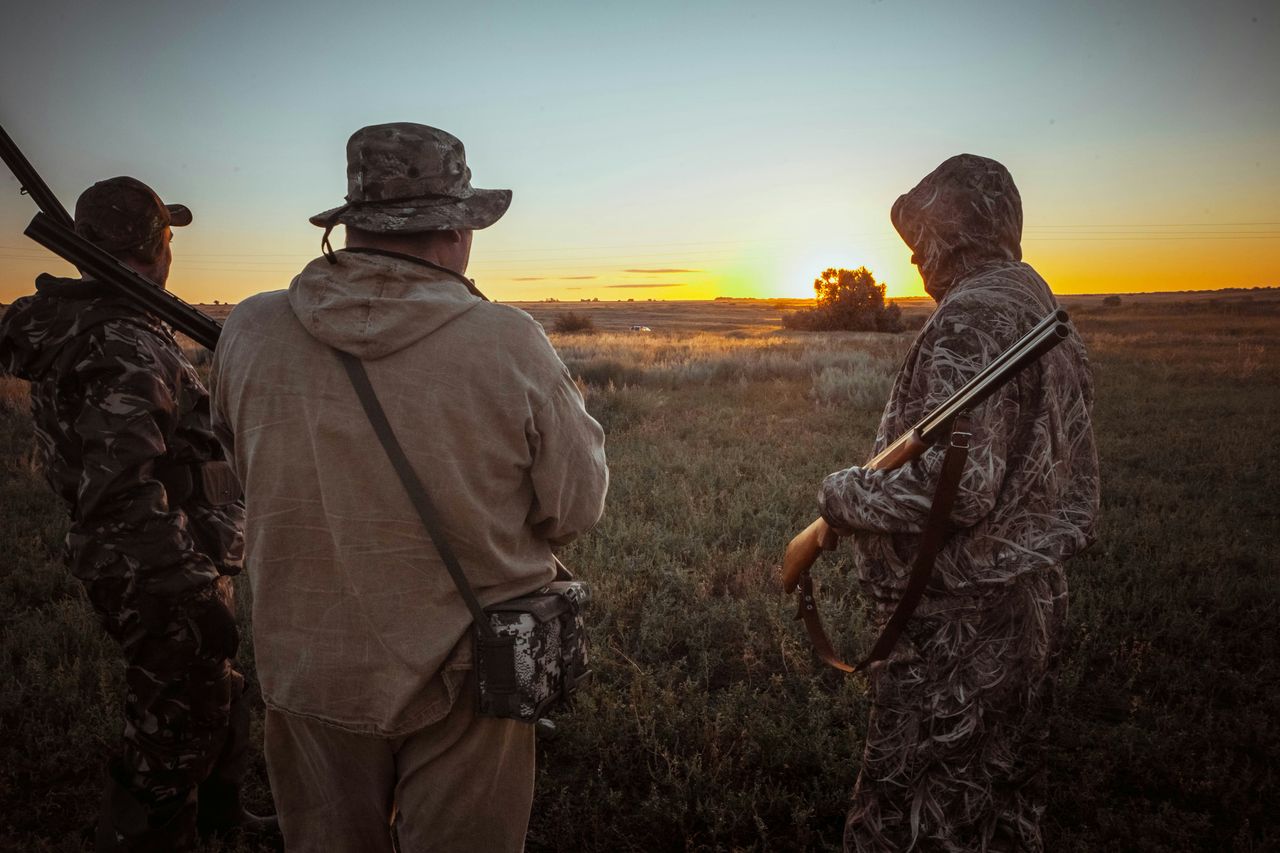
Hunters often read these images through shared experience. They see the cold morning, the missed chances, the miles walked, the clean shot, and the meat that will be packed out. Non-hunters often see only a smiling person beside a dead animal. If they already feel uncertain about hunting, that single image can confirm their worst assumptions.
Research on public perceptions of hunting has shown that familiarity matters. One study in Animals found that people who did not know a hunter were significantly less likely to find hunting acceptable, and pet ownership also correlated with less approval of trophy hunting. In other words, many viewers are not bringing field knowledge to the image. They are bringing urban distance, emotional attachment to animals, and a limited understanding of wildlife management.
That gap is why context matters so much. A photo that highlights habitat, family, weather, effort, and gratitude can communicate something very different from a close-up centered on antlers, blood, and a triumphant pose. Boone and Crockett have argued that modern hunters are ambassadors whether they like it or not, and that field photos should show respect for the animal and the hunt.
This does not mean hunters must tailor every memory to critics. It does mean they should understand the audience. The internet collapses all audiences into one feed. A post intended for hunting friends can quickly become a message consumed by people who are undecided about hunting’s place in modern life.
The case for posting them anyway

There is a strong argument against retreating from public view. If responsible hunters stop sharing their lives online, the public sees less of the food, family, stewardship, and fieldcraft that actually define most hunting. Silence does not create understanding. It often creates a vacuum filled by stereotypes.
That matters because hunting is still tied to conservation in real ways. Conservation groups and wildlife agencies regularly emphasize that regulated hunting supports wildlife management and habitat work. A 2024 paper in Nature Sustainability also argued that recreational hunting and fishing can foster nature relationships that build environmental stewardship, which pushes back against the simplistic idea that all consumptive use is anti-conservation.
There is also a practical point. Hunting memories are worth documenting. Families pass these images down, and for many people, a harvest photo is not about ego at all. It is a record of mentorship, self-reliance, food, and time outdoors. Florida’s wildlife agency, for example, actively invites people to submit hunting and wildlife photos for use in agency communications, showing that not all public-facing harvest imagery is treated as taboo.
The better defense of posting is not stubbornness. It is craftsmanship and judgment. Hunters can share real moments without feeding the worst public narrative. Good storytelling can teach. Bad posing can inflame. Those are not the same thing.
Where hunters get themselves into trouble online

Most backlash is not caused by the fact that an animal was harvested. It is caused by how the animal and hunter are presented. Photos with excessive blood, visible wounds, tongues hanging out, sloppy transport shots, chest-puffing captions, or people sitting on animals trigger a reaction even among many hunters. They read as disrespectful.
Boone and Crockett has published direct advice on this point. It warns against images showing blood, tongues, bullet or arrow damage, or posing with the animal as a prop. Its field-photo guidance also stresses muzzle control, respectful positioning, and including habitat so the image reflects the broader experience rather than just the kill. New Jersey’s Division of Fish and Wildlife makes similar recommendations, including covering wounds, keeping the head upright, avoiding truck-bed photos, and noting what will happen with the meat.
These details may sound cosmetic, but they are really ethical signals. Safety matters too. A photo with careless gun handling can undermine a hunter’s credibility instantly, especially when public support for gun-related activities is already sensitive. A bad pose can tell viewers that the animal was reduced to a trophy prop rather than a valued game animal.
And then there is the caption. A respectful image can be ruined by chest-thumping language. If the words sound like conquest, domination, or mockery, the post stops being a memory and starts being a brand problem for every hunter who comes after it.
The middle ground that actually works
The smartest answer is not “post everything” or “post nothing.” It is selective posting with standards. Think of it as the social-media version of fair chase. The same judgment hunters use in the field should apply once the phone comes out.
That starts with composition. Clean the animal, tuck the tongue, wipe away blood, and place the body naturally. Open the firearm action and point it in a safe direction. Include the ridge, marsh, timber, dog, camp, or pack-out. Show the place, not just the prize. Those choices are not fake polish. They communicate gratitude and discipline.
It also helps to widen the story. Add photos of scouting, tracks, camp coffee, kids learning, wild country, butchering, and the final meal. New Jersey advises short descriptions that frame the image with respect, and that is wise. A few thoughtful lines about the effort, the meal, or appreciation for the animal can change how a post lands.
Privacy settings are part of the middle ground,d too. Boone and Crockett have recommended that hunters think about who actually needs to see these images. Not every memory belongs on a fully public feed. There is nothing cowardly about sharing some photos only with family and close hunting friends.
What this means for hunting’s future
This issue is bigger than etiquette. It sits right at the intersection of culture, conservation, and political durability. Hunting survives not just through law and license sales, but through a continuing level of public acceptance strong enough to defend it when controversies arise.
That is why the language of social license matters. Recent research on trophy hunting attitudes using a social-license framework found minimal public support for trophy hunting’s continuance, and other work on carnivore hunting has argued that broader societal values can shape policy even when hunting remains legal. Public perception does not stay online. It spills into commissions, legislatures, ballot initiatives, and media framing.
Hunters should not overreact and act ashamed of legal, ethical harvests. But they should stop pretending the image question is trivial. In a crowded digital culture, symbolism often outruns explanation. The photo many hunters see as honest and proud may be read by outsiders as gloating or disrespectful. Ignoring that reality is strategically foolish.
So should hunters stop posting grip-and-grin photos online? No, not categorically. But some should absolutely stop posting the lazy, boastful, blood-forward versions that damage hunting’s image. If the point is to protect both memory and hunting’s future, the standard should be simple: post only what shows respect for the animal, the landscape, the food, and the responsibility that comes with the hunt.