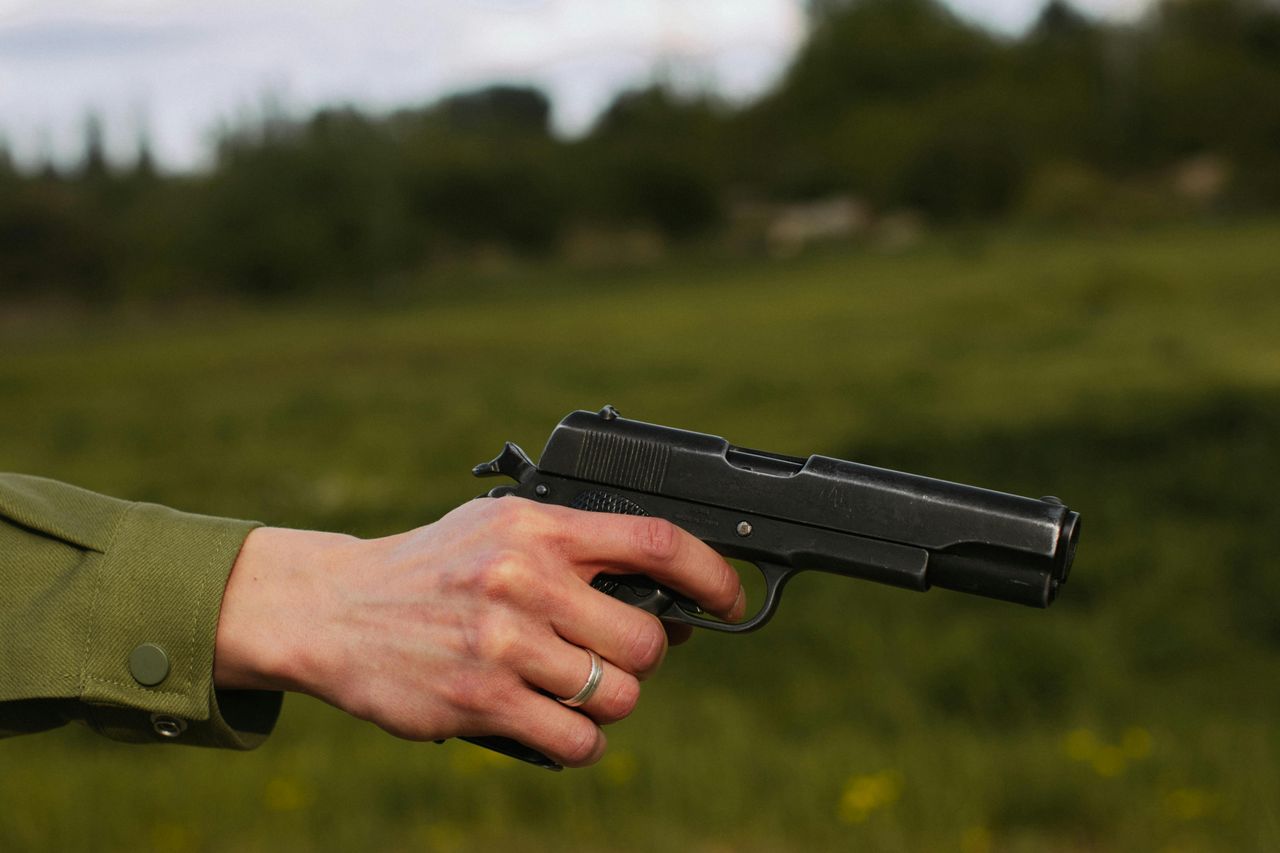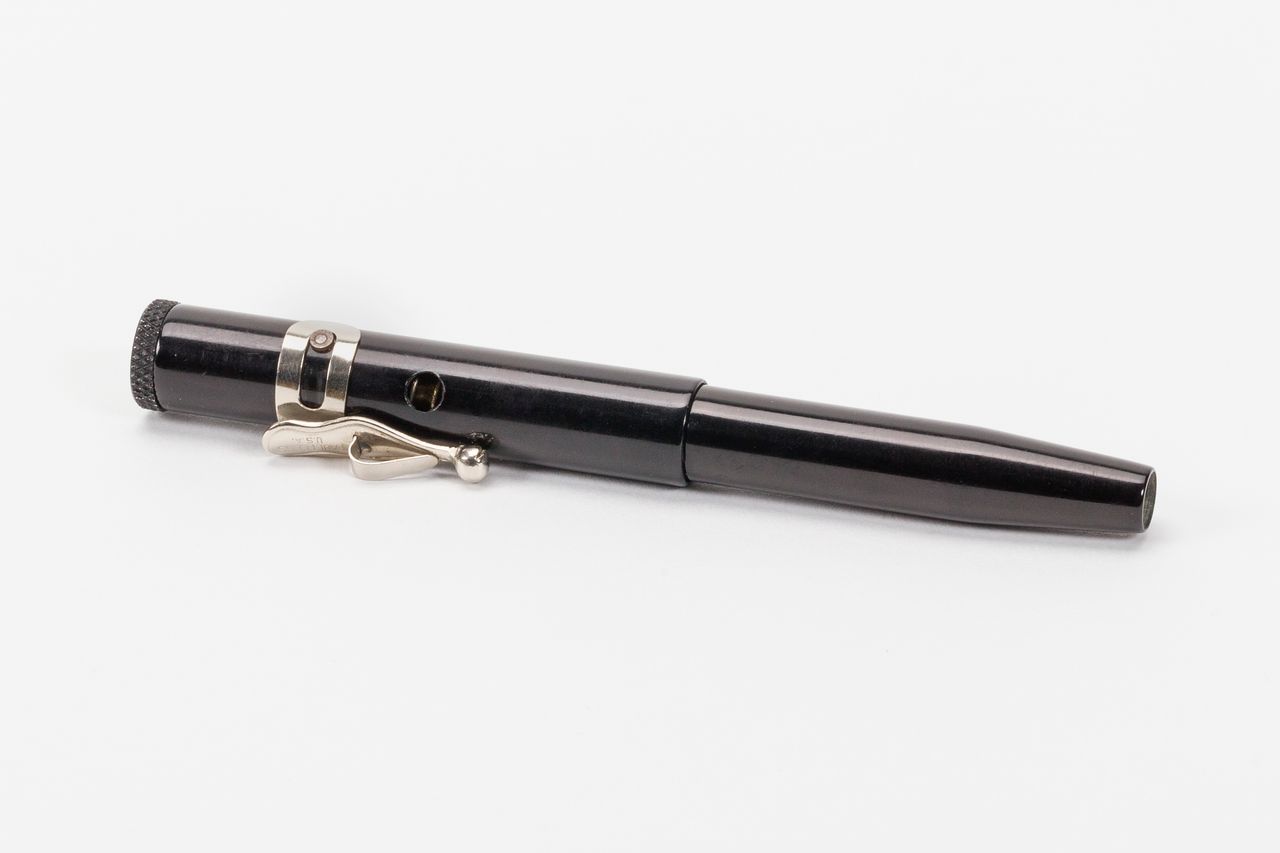
Some weapons were designed to be seen, while others were made to disappear into everyday life. This gallery explores seven pen guns and cane guns that turned ordinary objects into discreet firearms, combining craftsmanship, concealment, and a touch of old-world intrigue. From gentlemanly walking sticks to covert Cold War tools, these pieces show how design often followed the demands of secrecy.
French Apache-Style Pen Gun
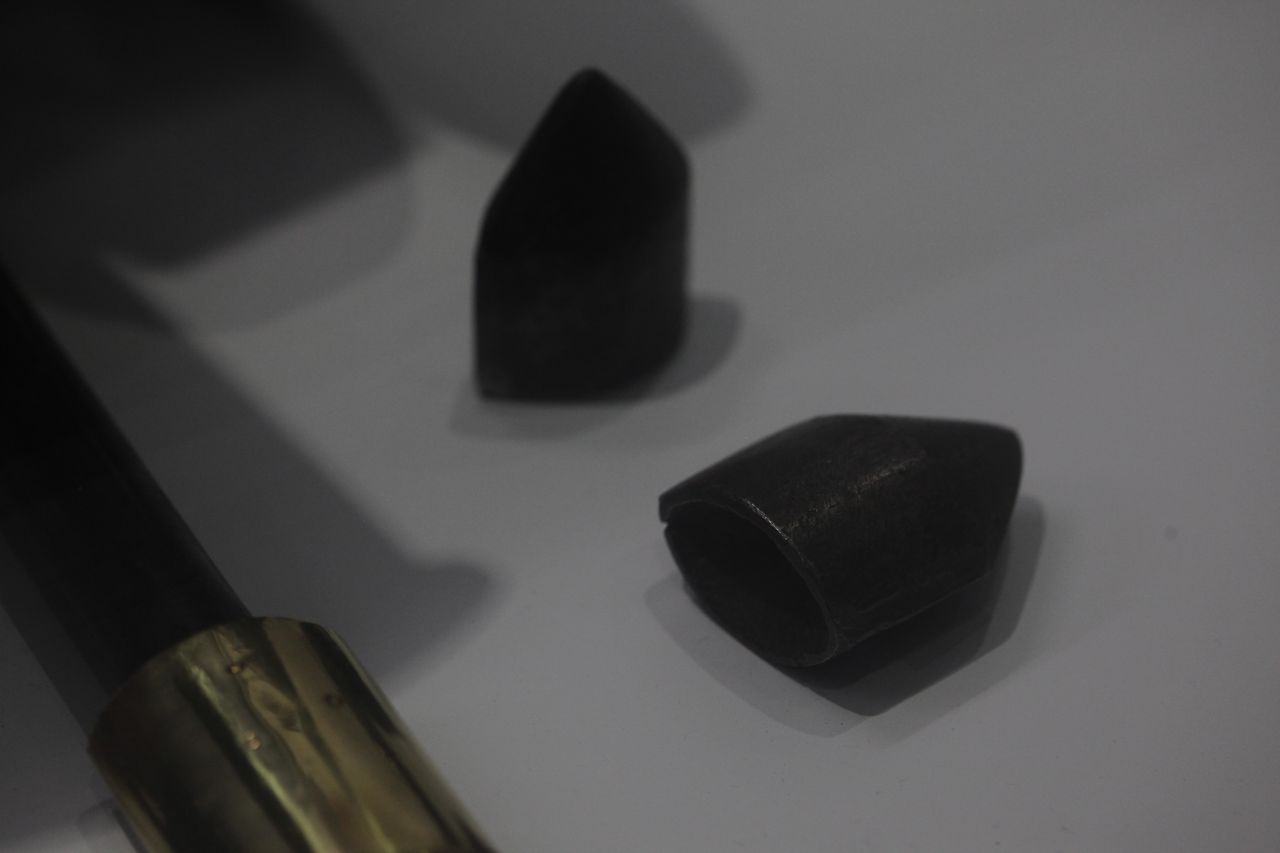
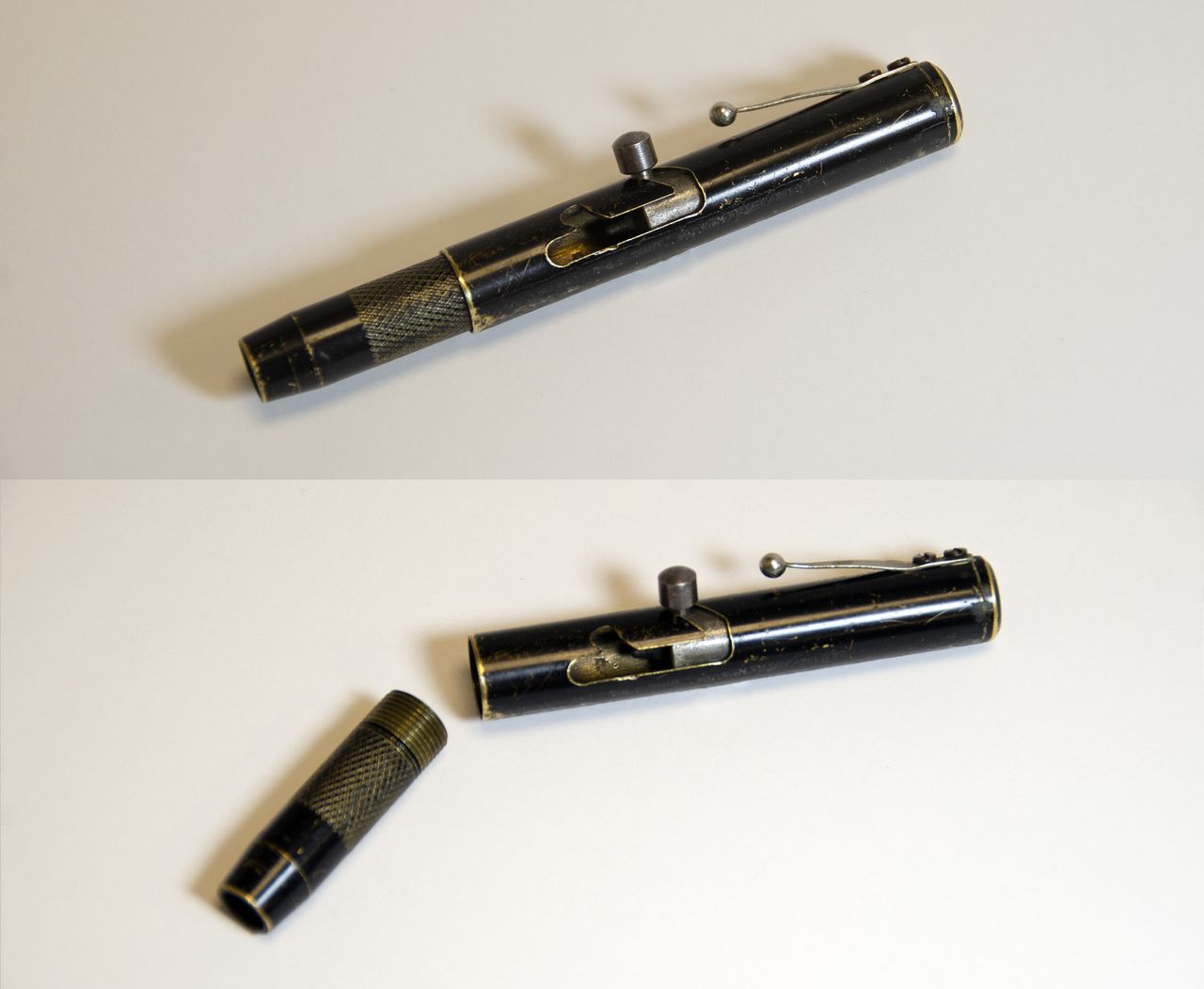
At first glance, a pen gun can seem almost playful, more curiosity than weapon. But many late 19th and early 20th century examples were practical concealed firearms, often chambered for tiny rimfire rounds and built to vanish in a vest pocket or writing case.
French makers became especially known for compact novelty arms, including pen-shaped designs that reflected urban anxieties and the era’s appetite for clever mechanics. The appeal was simple: something that looked harmless until it very much was not.
Today, surviving examples are prized less for power than for ingenuity. They sit at the strange crossroads of self-defense, craftsmanship, and the enduring fascination with objects that hide their true purpose.
Sedgley .38 Pen Gun
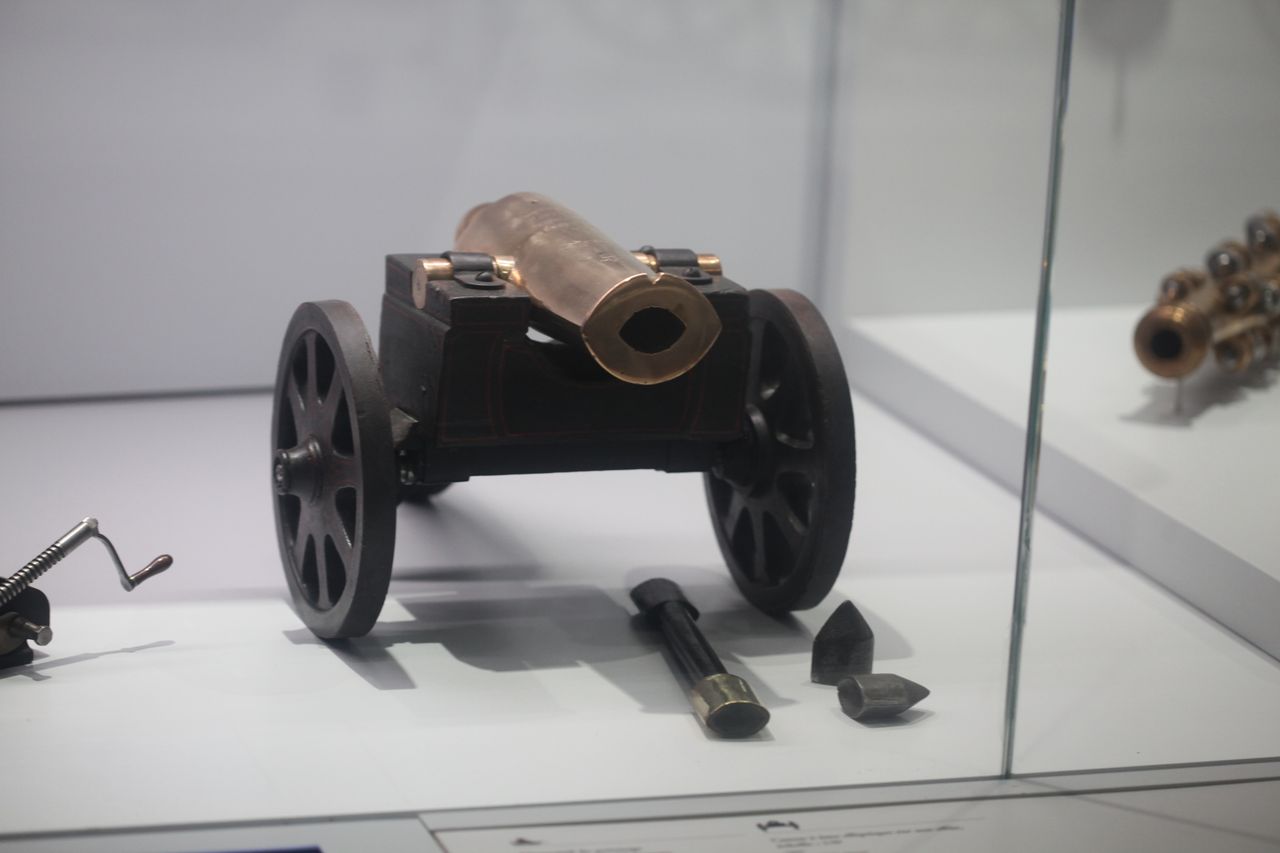
The Sedgley pen gun from the World War II era strips the idea down to pure utility. It was not dressed up like a luxury writing instrument so much as engineered as a slim, concealable emergency weapon with a stark, industrial look.
Produced in the United States, the design is often associated with clandestine use and special operations, where compactness mattered more than elegance. Its simple form reflected a wartime mindset: fewer flourishes, more function, and just enough disguise to pass unnoticed at a quick glance.
That blunt practicality gives the Sedgley its mystique today. It feels less like a parlor trick and more like a serious artifact from a period when covert gear had life-or-death consequences.
OSS Stinger Pen Gun
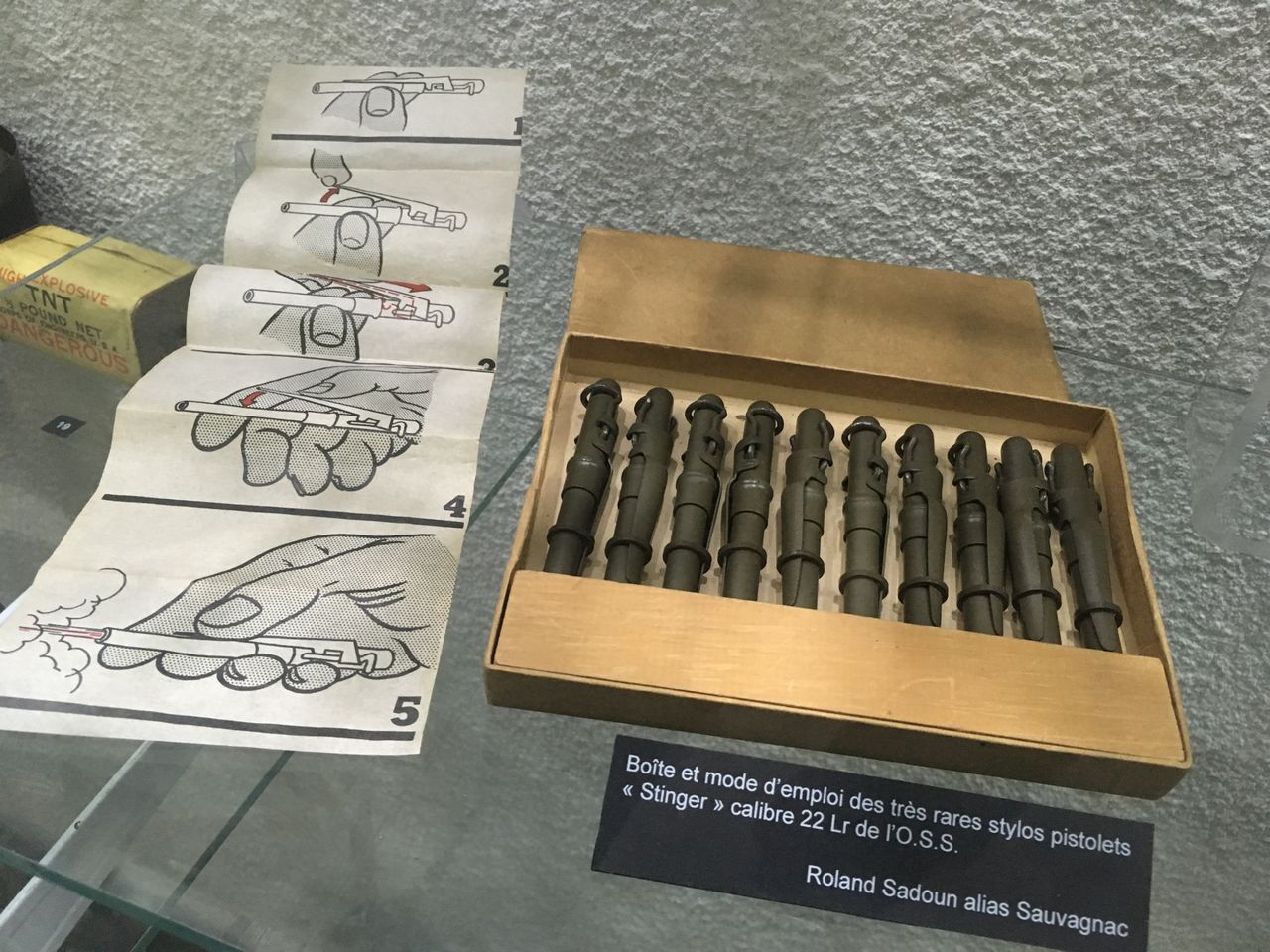
Few disguised firearms carry a more direct spy connection than the OSS Stinger. Developed for the Office of Strategic Services during World War II, it was conceived as a last-ditch weapon, compact enough to be hidden and simple enough to use under pressure.
The Stinger was never about refinement. It was about giving an operative one more chance in a desperate moment, and that mission shaped every part of its stripped-down design. In spirit, it belongs to the same family as sleeve guns and escape tools made for covert work.
Its legend has grown because it represents the hard edge of espionage, not the glamorous version. This was the kind of object built for dangerous realities rather than cinematic style.
Victorian Cane Gun for the Traveling Gentleman
Cane guns speak to a very different kind of concealed weapon culture. In the Victorian world, a walking stick was an accessory of status, routine, and travel, which made it an ideal place to hide a barrel for someone who wanted protection without openly carrying a firearm.
These pieces were often surprisingly handsome, made with polished wood, metal fittings, and the proportions of a proper gentleman’s cane. The disguise mattered because the object needed to blend naturally into public life, whether on a city street or a country path.
There is an uneasy elegance to them now. They suggest a time when style and suspicion could live side by side, and when personal security might be tucked inside a very respectable silhouette.
Systeme Lefaucheux Cane Gun
The name Lefaucheux is closely tied to 19th century firearms innovation, especially pinfire technology, and that influence extended into disguised arms as well. Cane guns bearing the Systeme Lefaucheux name combined recognizable mechanical ideas with the discreet profile of a walking stick.
What makes these examples so interesting is how little they look like weapons until examined closely. Beneath the civilized exterior, they often contained surprisingly sophisticated engineering for their day, proving that concealment did not mean crude construction.
For collectors and historians, they capture a moment when firearm design was rapidly evolving and novelty was part of the marketplace. A cane gun like this was both practical object and conversation piece, even if its real conversation-stopping talent was something else entirely.
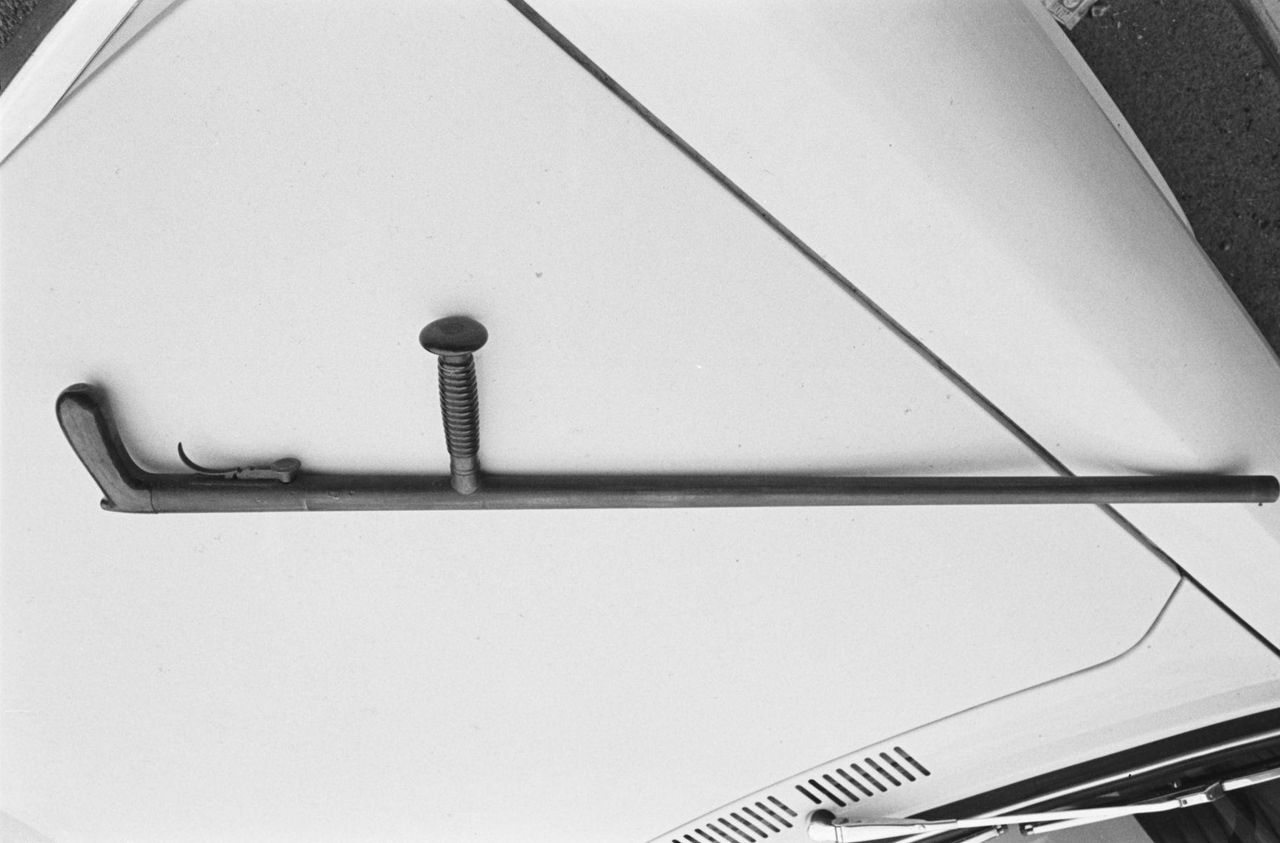
Brevete Cane Gun with Folding Trigger
A folding trigger is one of those details that instantly reveals the design priorities behind a disguised firearm. On many Brevete-marked European cane guns, the trigger could stay tucked away until needed, helping preserve the illusion of an ordinary walking stick.
That small mechanism also speaks to the broader challenge these makers faced. A cane gun had to be discreet, durable, and quickly operable, all while retaining the balance and appearance expected of a cane carried in public.
The result was often a compact feat of engineering hidden in plain sight. Even now, the folding trigger feels like the signature move, a tiny theatrical flourish that turns an elegant accessory into a very different kind of object.
Cold War Pen Gun for Covert Carry
By the Cold War, the pen gun had become less ornate and more anonymous. Designs from this period often emphasized concealment, portability, and ease of manufacture, fitting neatly into a world defined by intelligence work, border tensions, and everyday paranoia.
Whether made for military issue, clandestine use, or the gray market, these compact arms reflected a new visual language. They looked cleaner, plainer, and more modern than their antique predecessors, with the sort of minimal profile that could disappear into a pocket, pouch, or desk drawer.
That understated look is part of what makes them compelling today. They are artifacts of an era when secrecy had a sharper bureaucratic edge and disguised tools felt unsettlingly plausible.
Collector Display of Disguised Firearms
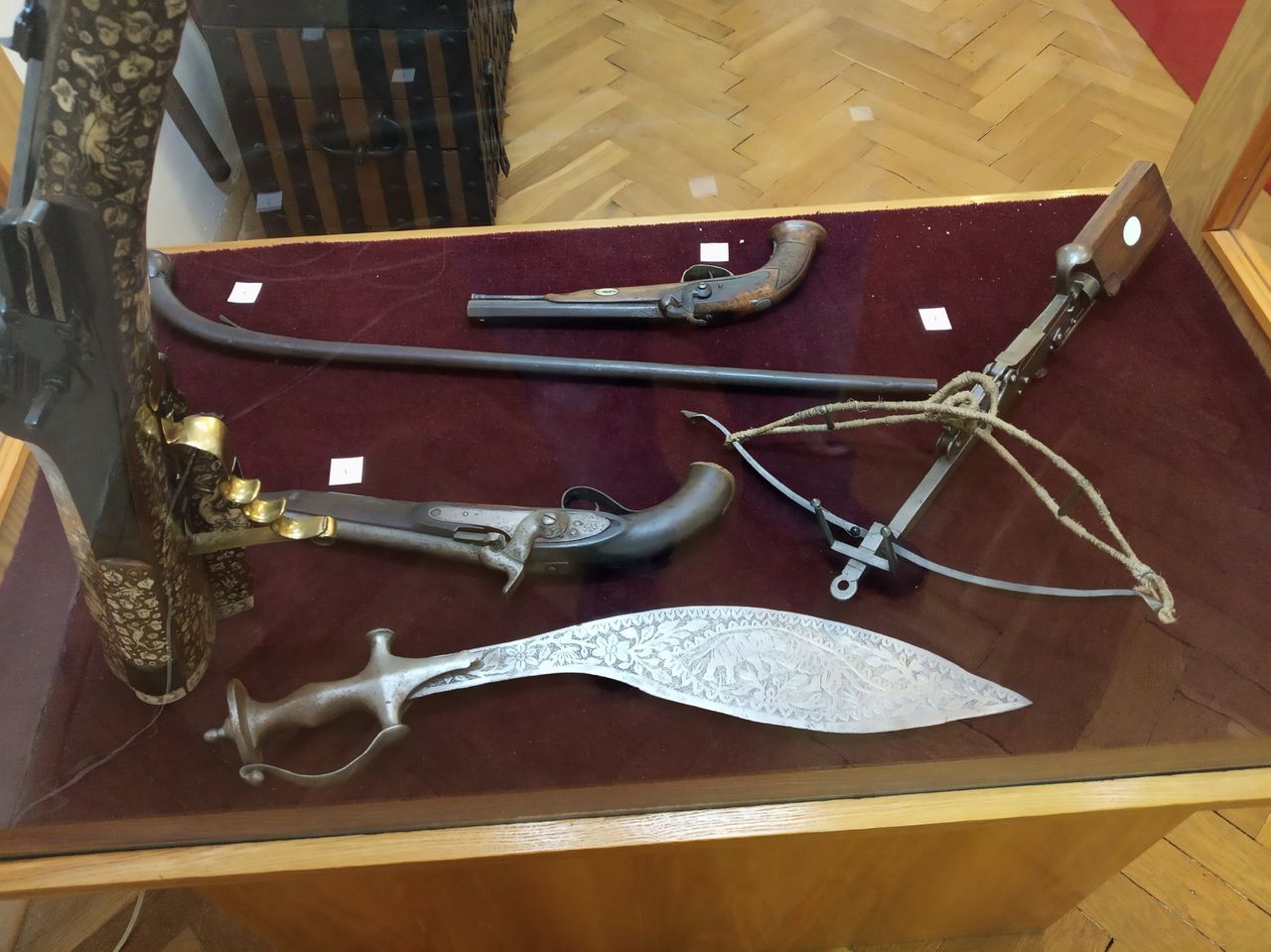
Seen together in a collector’s case or museum drawer, pen guns and cane guns tell a broader story than any single object can. They show how weapons were shaped not just by ballistics, but by manners, clothing, travel habits, and the constant desire to carry danger discreetly.
Some were practical tools, others luxury oddities, and a few became tied to espionage lore. Yet all of them reveal the same tension between appearance and intent, asking viewers to reconsider how ordinary objects can be engineered for extraordinary purposes.
That is why these pieces continue to fascinate. They are part design history, part social history, and part cautionary tale about the elegant ways technology can hide in plain sight.