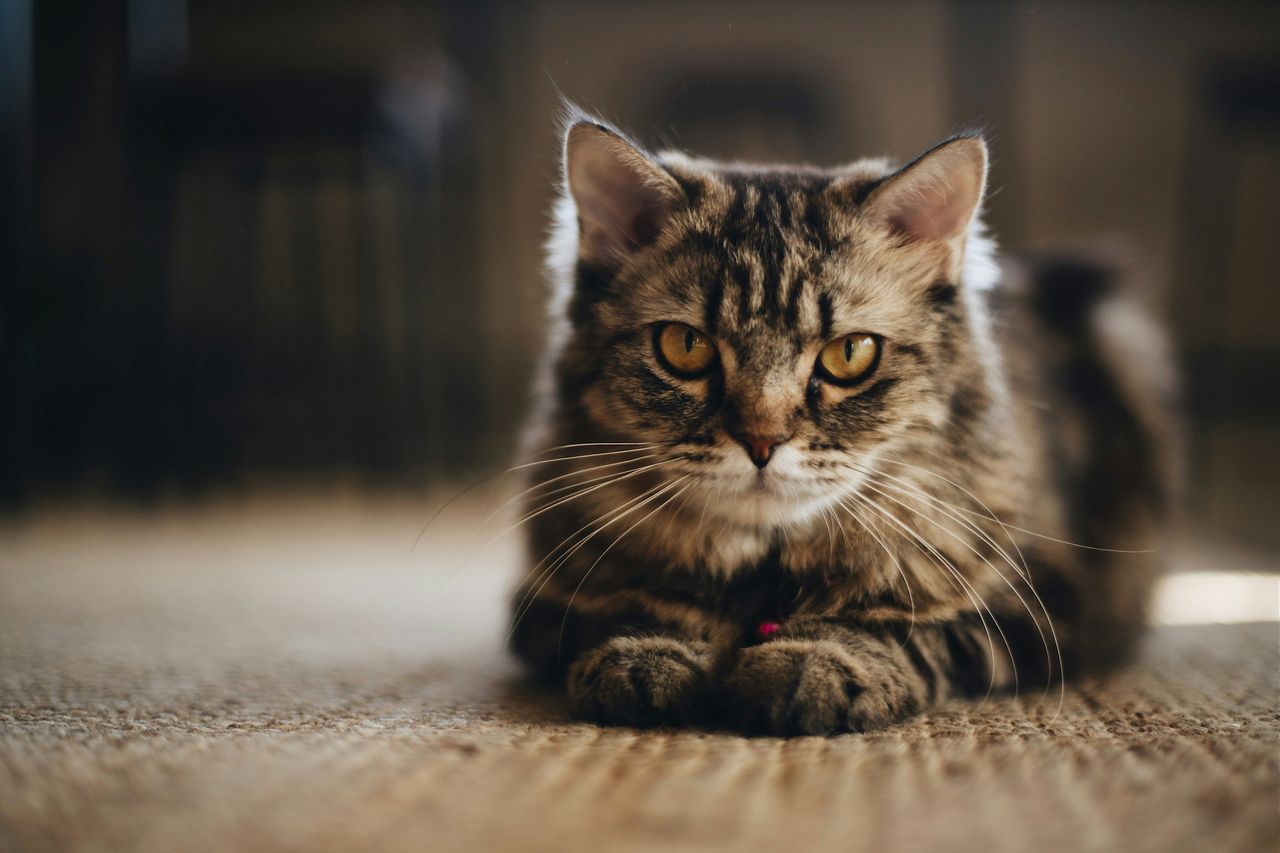
Some cats look like the ultimate low-maintenance companions, but breed can make a big difference in daily life. From intense grooming needs to nonstop energy and loud opinions, these felines may ask for more time, money, and patience than many people expect. Before you fall for a gorgeous coat or wild look, it helps to know what living with these cats is really like.
Bengal
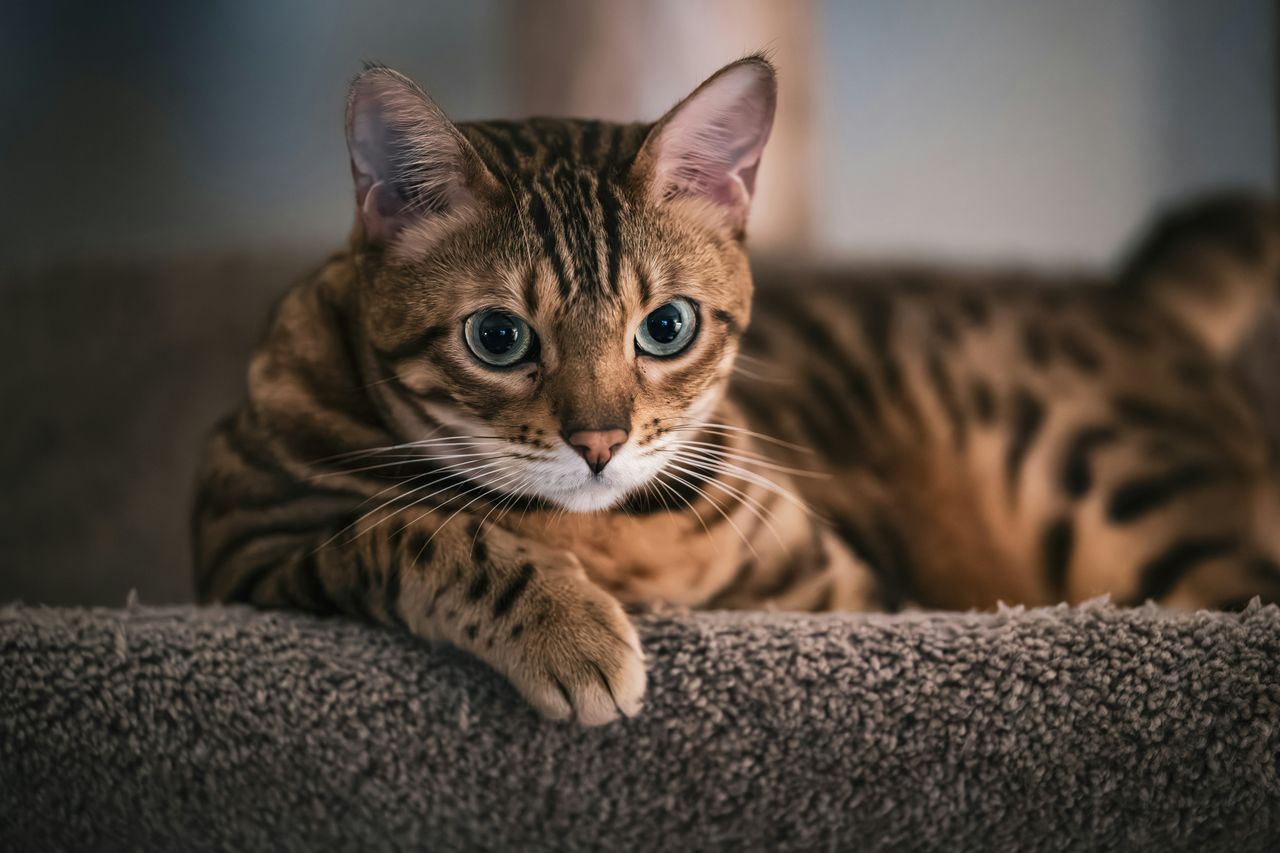
Bengals have that stunning wild-cat look, and that’s exactly what draws people in. What catches new owners off guard is how busy, curious, and athletic they can be once they settle in. This is not usually the kind of cat that’s content to nap all day and quietly admire the room.
Many Bengals want climbing space, puzzle toys, regular play sessions, and a household that doesn’t mind a cat getting deeply involved in everything. Boredom can turn into noise, mischief, and destructive behavior fast. They’re brilliant and entertaining, but they often need more engagement than the average first-time cat owner expects.
Persian
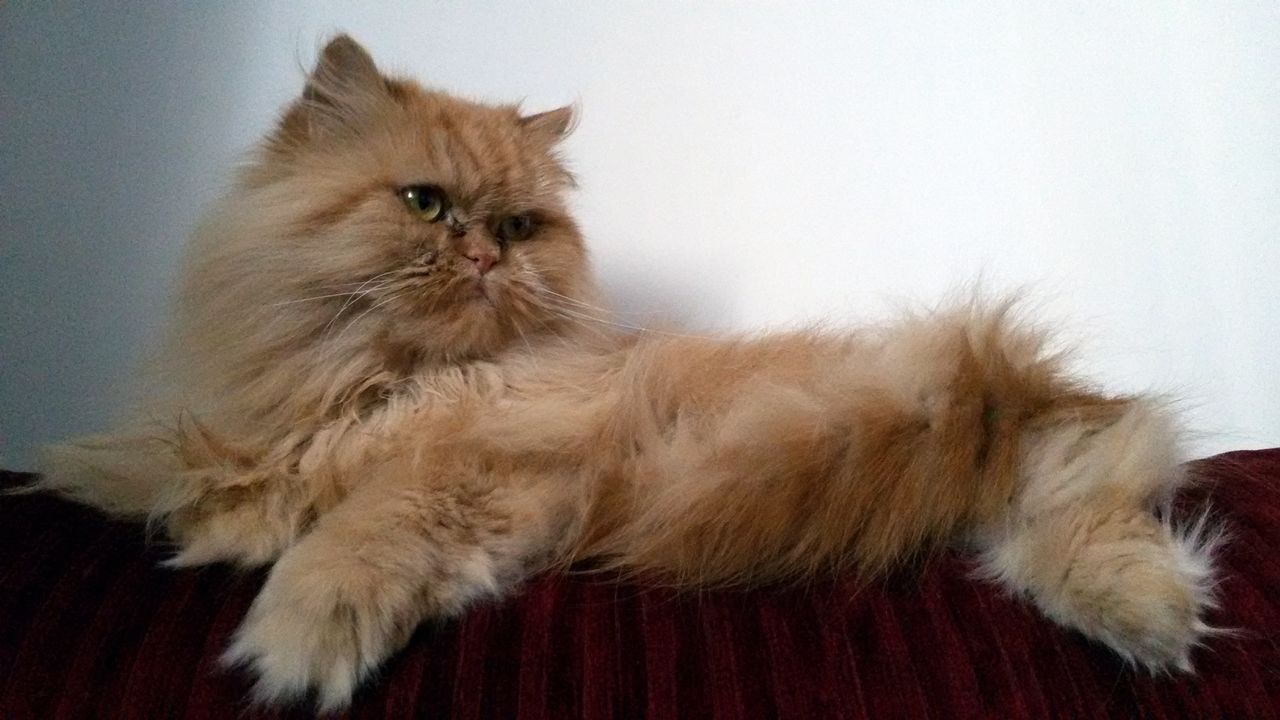
Persians are famous for their plush coats and sweet, calm presence, which can make them seem wonderfully easy. In reality, that glamorous look usually comes with serious grooming upkeep. Their long fur mats easily, and keeping it in good shape often means daily brushing and regular cleanup around the face.
They can also be less carefree than their royal appearance suggests. Tear staining, shedding, and heat sensitivity can all become part of the routine. If you love a polished, fluffy cat but don’t love combs, maintenance, and frequent cleaning, a Persian can feel like a much bigger commitment than expected.
Sphynx
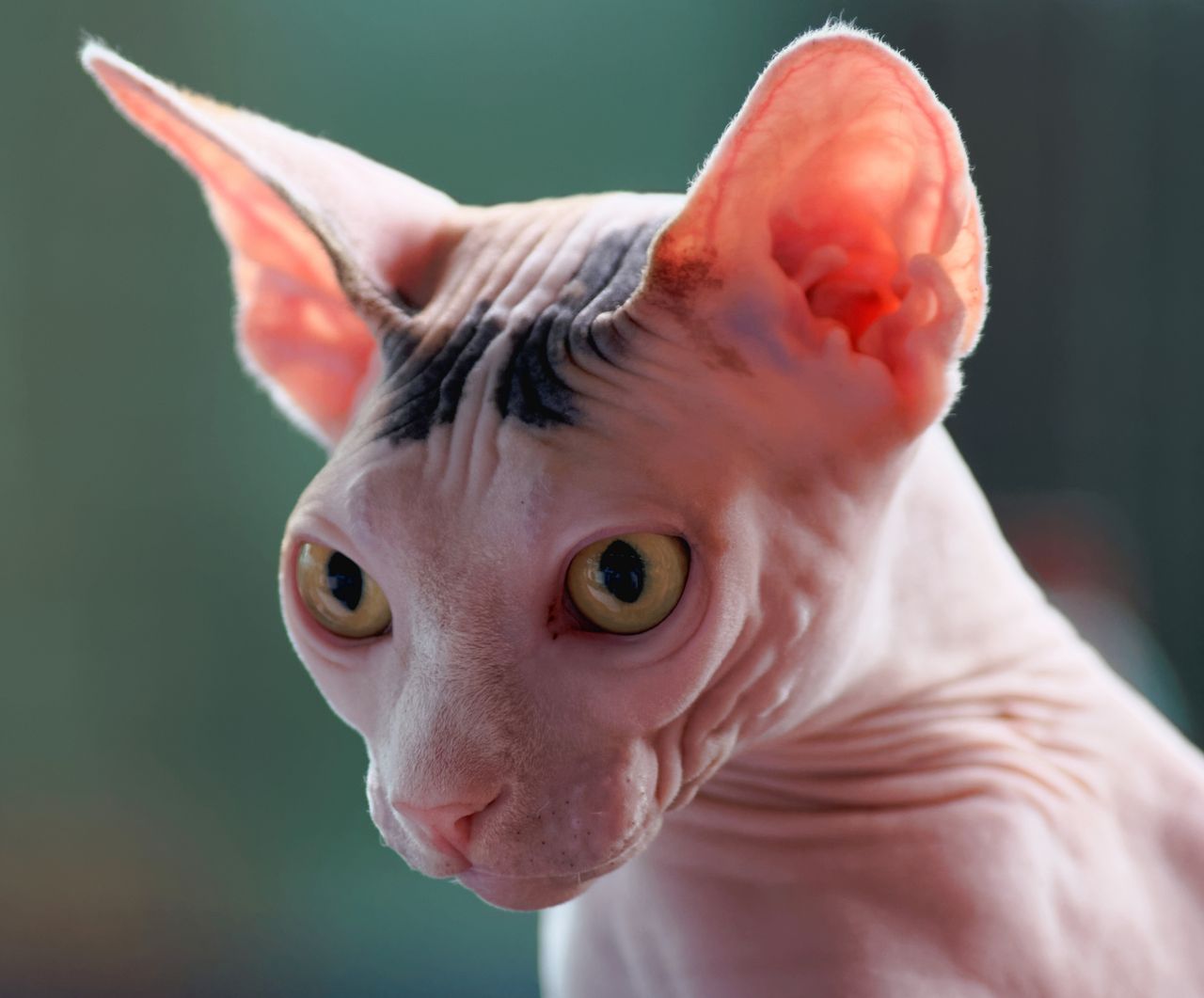
People often assume a hairless cat must be easier because there’s no fur all over the furniture. The surprise with a Sphynx is that less fur does not mean less care. Their skin produces oils that would normally be absorbed by a coat, so many need regular bathing and routine skin care.
They also tend to seek warmth constantly and may need sweaters, heated beds, and a draft-free environment. On top of that, Sphynx cats are often very social and attention-seeking. They can be affectionate little shadows, which is adorable, but not ideal if you wanted a more independent roommate.
Maine Coon
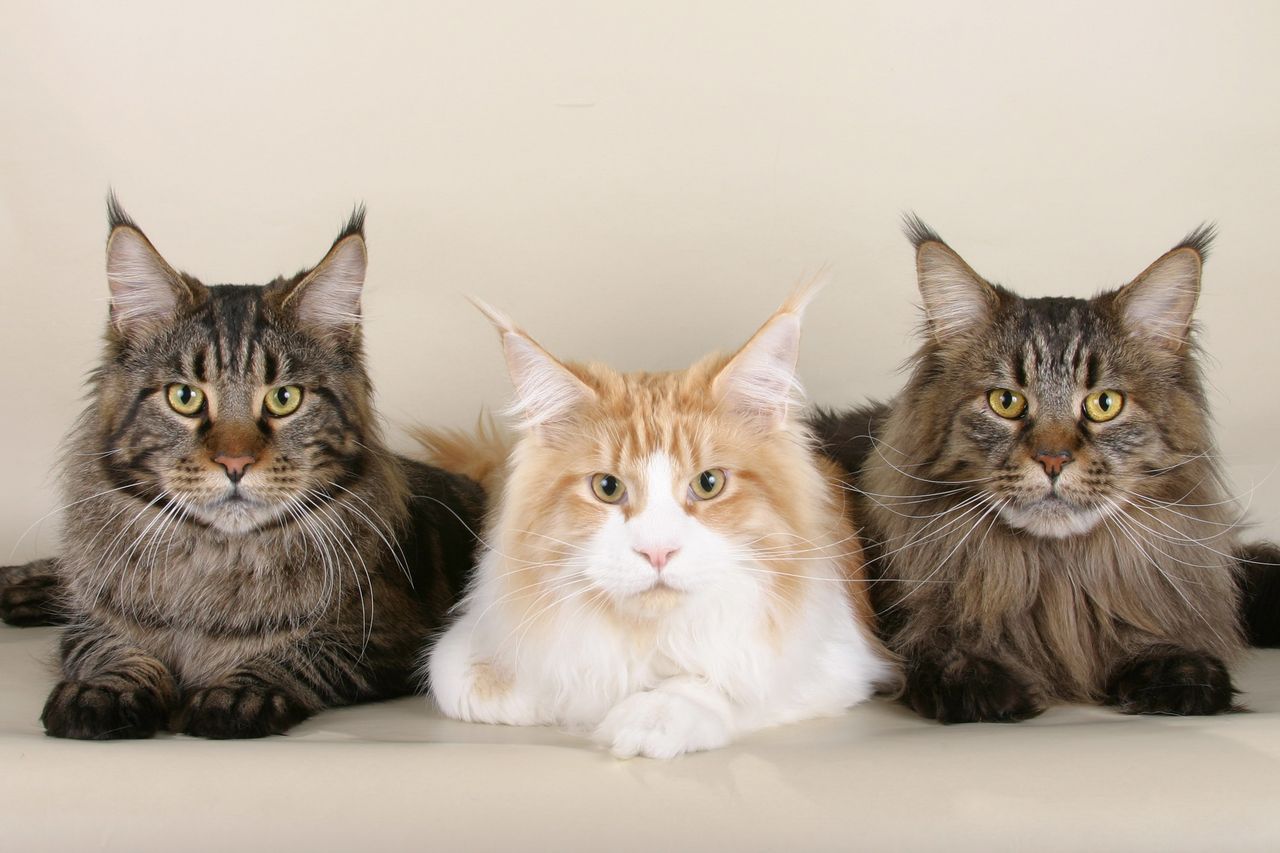
Maine Coons have a reputation for being gentle giants, and that part is often true. What people underestimate is just how much giant comes with the package. They need room to stretch out, sturdy cat furniture, bigger litter boxes, and plenty of food, which can make everyday care more expensive.
Their thick coats also need consistent brushing, especially during shedding seasons, and their playful nature lasts longer than many owners expect. A Maine Coon can be a wonderful family cat, but it’s not exactly a small, simple addition to the household. Size changes everything, from grooming to gear to general daily logistics.
Siamese
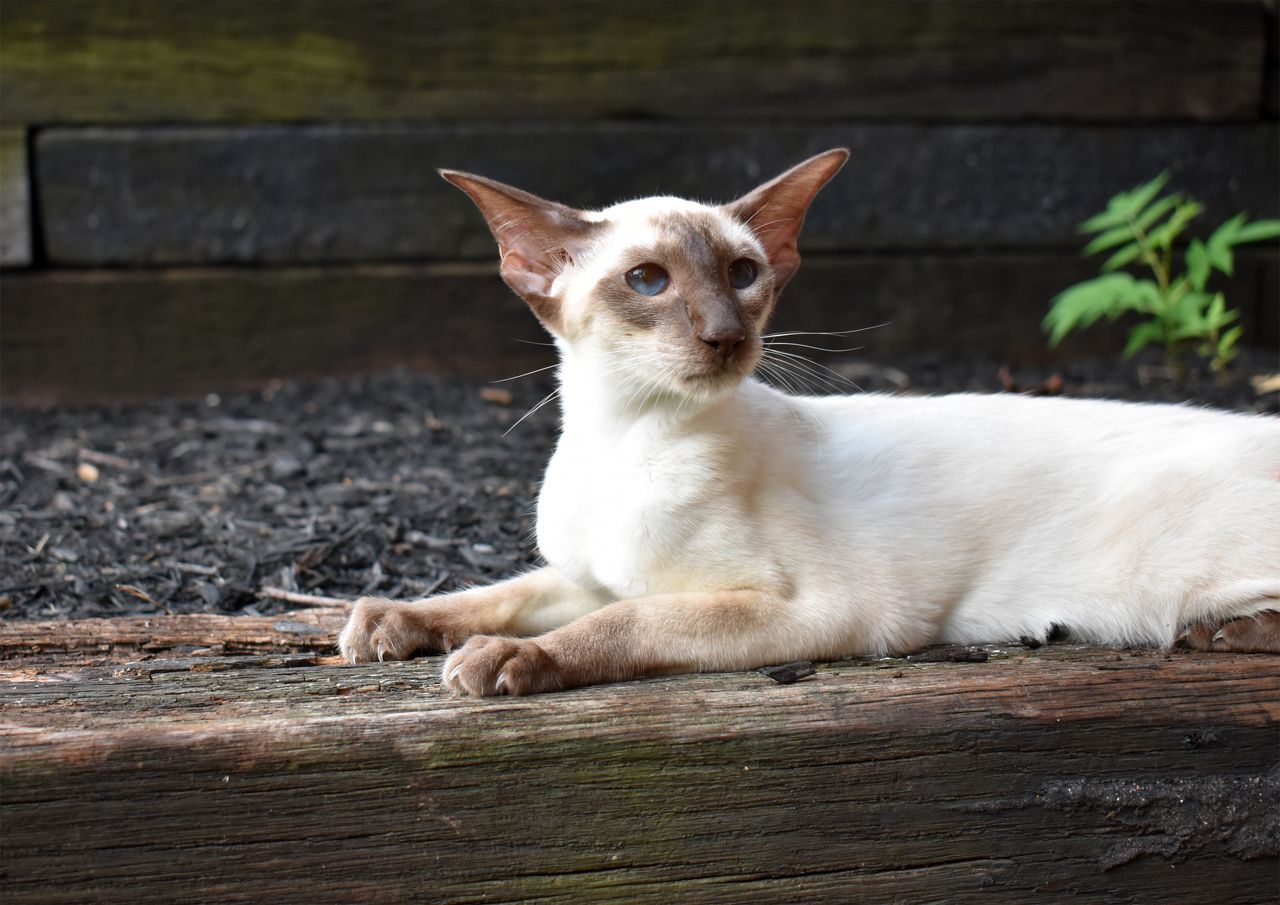
Siamese cats are gorgeous, intelligent, and famously expressive. The tricky part is that they often don’t just want companionship on their terms. They want interaction, conversation, stimulation, and a household that appreciates a cat with plenty to say at all hours.
If left alone too much, some Siamese cats can become stressed, vocal, or destructive. They tend to bond intensely and may not thrive in homes where everyone is gone all day and too tired to engage at night. For the right person, their social nature is the best part. For someone expecting a quiet, independent pet, it can be a real shock.
Scottish Fold
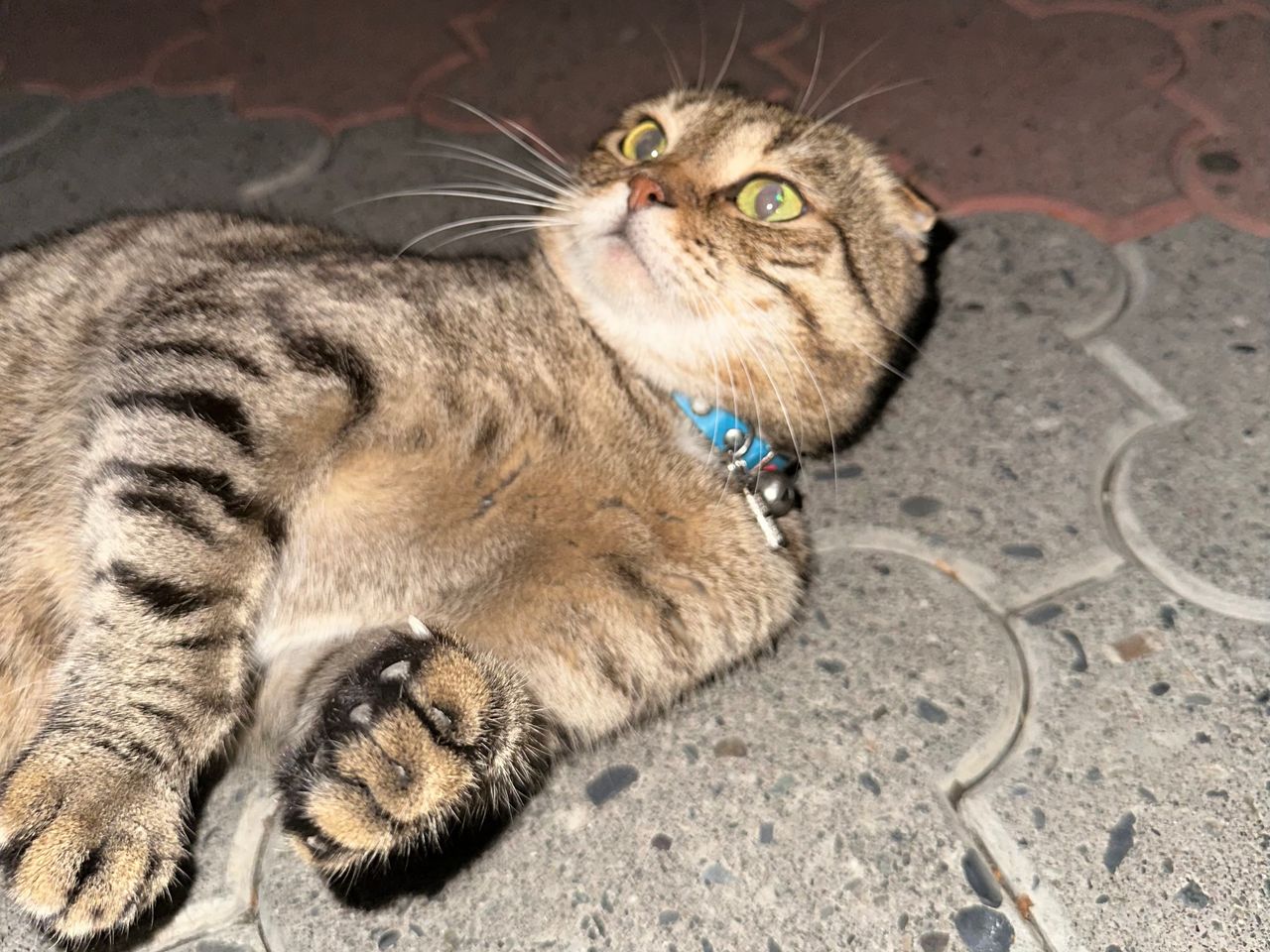
Scottish Folds are adored for their round faces and folded ears, but their appeal comes with serious concerns many buyers never hear enough about. The same genetic trait linked to those signature ears is also associated with cartilage and joint problems, which can affect comfort and mobility over time.
That means ownership may involve more than cute photos and cozy naps. Some cats can face chronic pain issues or need ongoing veterinary attention as they age. Even when they seem playful and sweet, the long-term health picture can be complicated. This is one breed where the emotional and ethical side of ownership deserves real thought.
Savannah
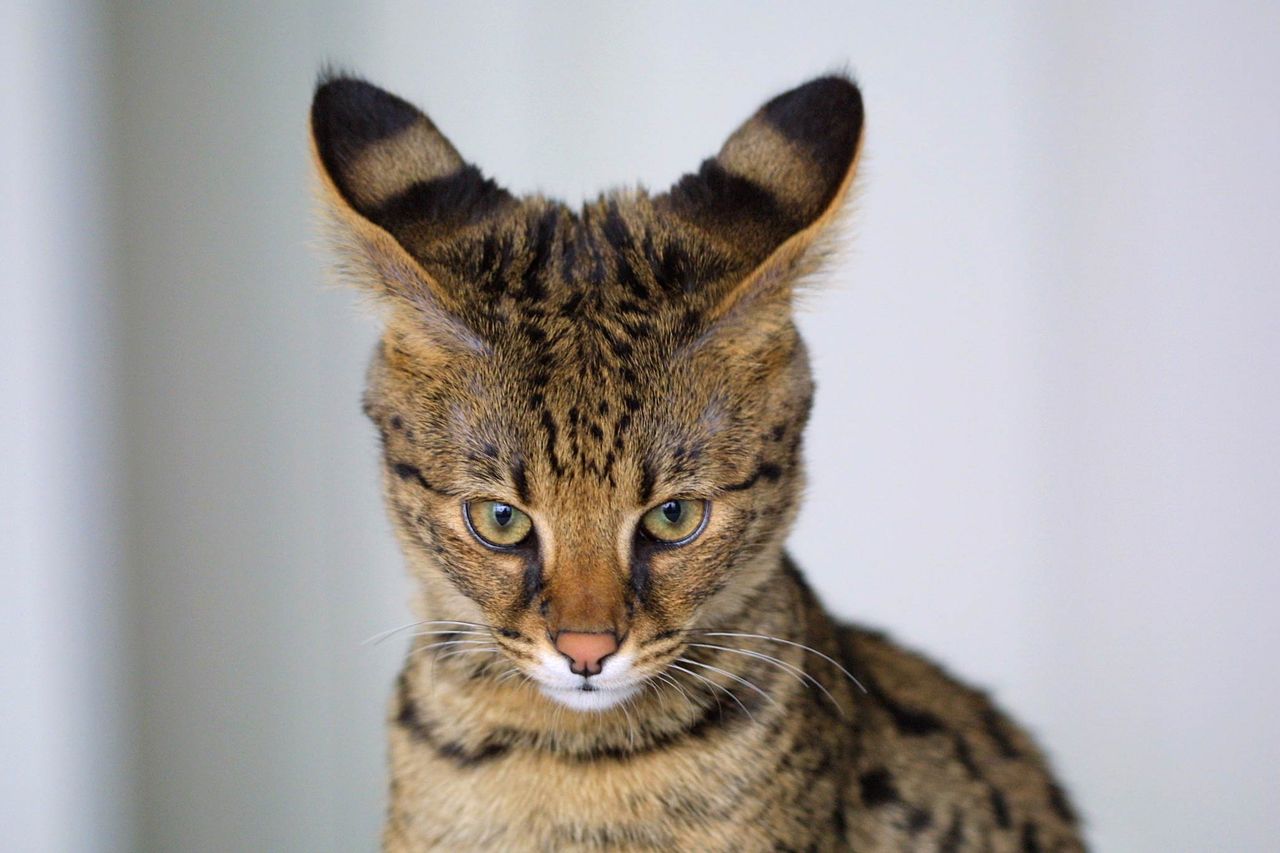
Savannah cats are striking and unforgettable, which is a huge part of their appeal. They also tend to be one of the biggest reality checks in the cat world. Many are exceptionally energetic, athletic, and strong, with an intensity that can overwhelm owners who thought they were just getting an exotic-looking house cat.
These cats may need a lot of space, serious enrichment, and secure environments that prevent escapes. Some also have legal or housing restrictions depending on where you live. Daily life with a Savannah can feel closer to managing a highly active, clever animal than living with a mellow lap cat, and that difference matters.