Pistols have played a complicated role in the history of smuggling, particularly during periods when border inspections were inconsistent, and law enforcement struggled to monitor illegal trade. Some handguns attracted attention because of their compact dimensions, unusual construction, or ability to be concealed beneath ordinary clothing. However, no pistol was literally impossible to detect, and its small size alone did not guarantee that it would escape inspection. The following eight historically notable handguns illustrate how concealability, manufacturing choices, and changing security practices shaped the relationship between pocket firearms and illicit trafficking.
1. Remington Model 95 Double Derringer
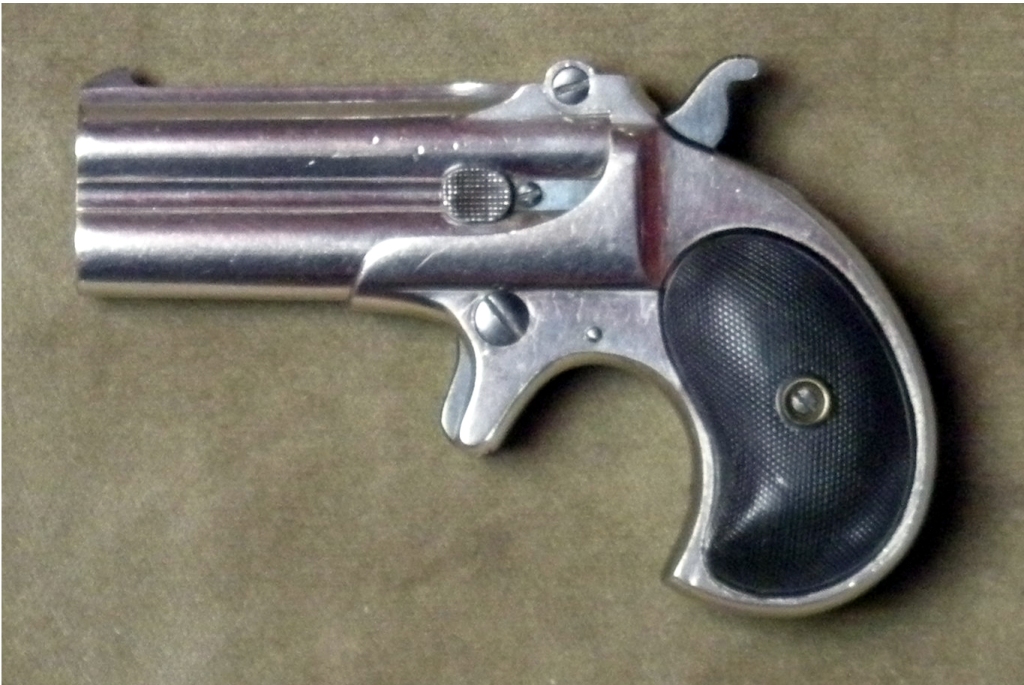
Introduced in 1866, the Remington Model 95 became one of America’s best-known pocket pistols. Its distinctive 2-barrel design and compact frame made it recognizable in an era when personal security and discreet carry were common concerns. Chambered in .41 Rimfire, it held just 2 cartridges before requiring a reload. Its small size contributed to its reputation, although its limited capacity and short effective range were serious drawbacks. Historical accounts associate derringers with concealed carry, but claims that smugglers universally preferred this model are difficult to establish.
2. Colt Model 1908 Vest Pocket
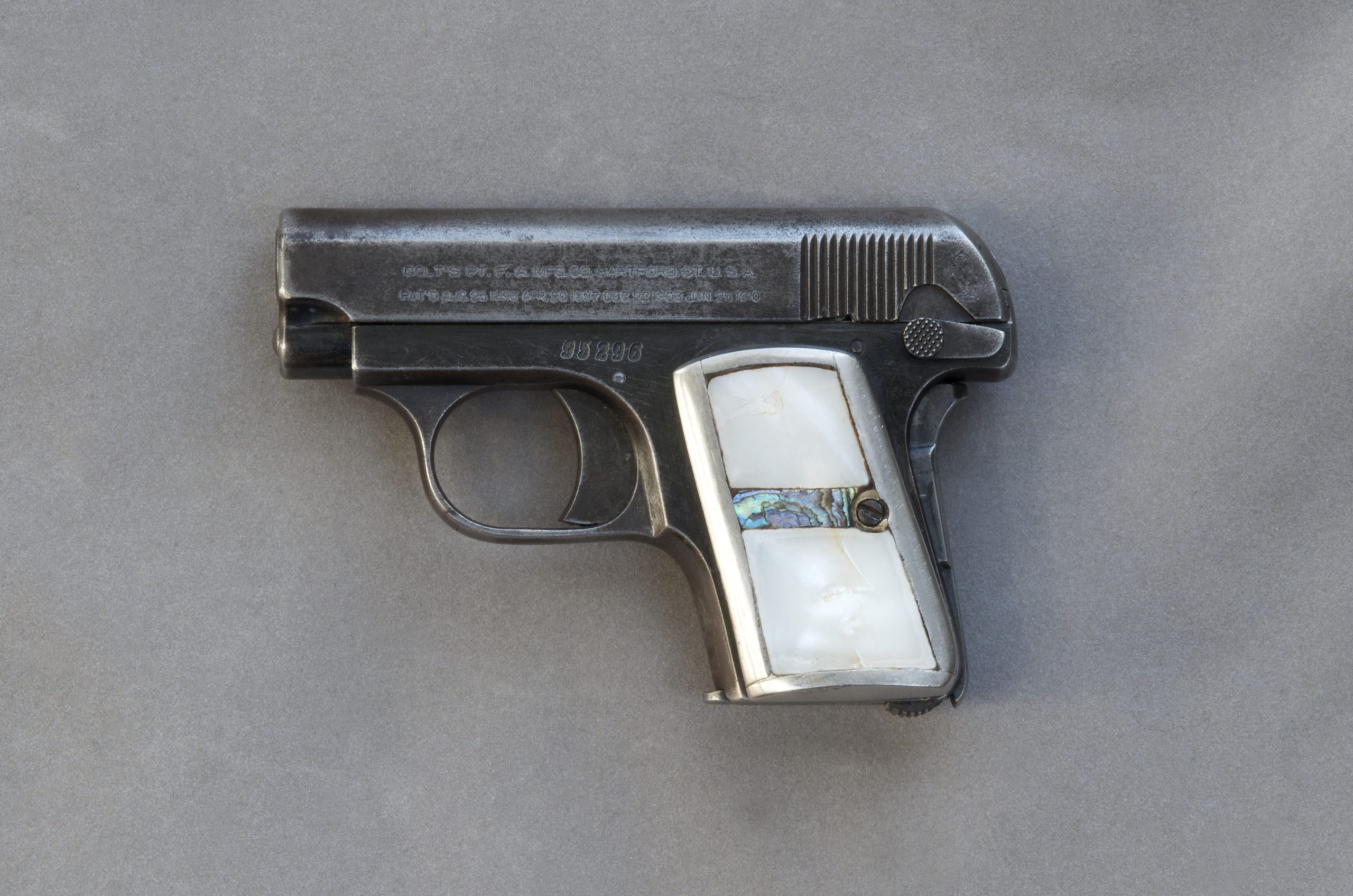
Colt introduced the Model 1908 Vest Pocket pistol in 1908, offering a semiautomatic alternative to traditional pocket revolvers. Chambered in .25 ACP, it used a 6-round magazine and featured a compact design suited to early twentieth-century clothing. Its relatively small dimensions made it attractive to civilians seeking a discreet personal firearm. The pistol also reflected advances in reliable, self-loading handgun mechanisms. Although compact pistols could appeal to people involved in illegal activities, there is no sound basis for claiming this Colt was impossible to detect or that smugglers routinely favored it.
3. FN Baby Browning
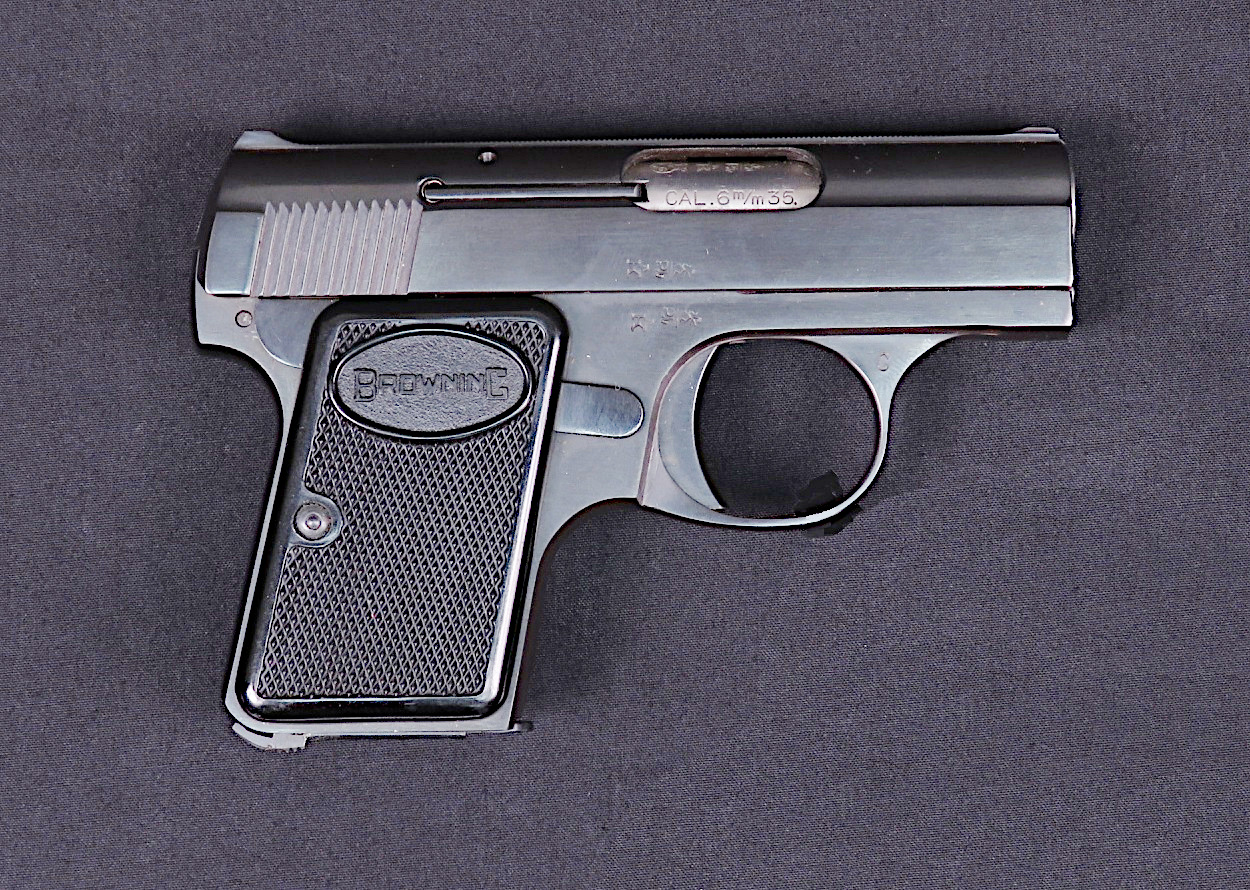
Introduced in 1931, the FN Baby Browning became a notable example of European pocket-pistol engineering. Chambered in .25 ACP, it used a 6-round magazine and a compact semi-automatic action. Its small frame reflected a growing market for personal firearms that could be carried without the bulk of conventional service pistols. Belgian manufacturing helped establish its reputation among collectors and civilian firearm owners. Its dimensions made it historically significant in discussions of concealability, but small size never guaranteed secrecy. Customs officers could still discover concealed firearms through searches, intelligence work, or other investigative methods.
4. Beretta 950 Jetfire
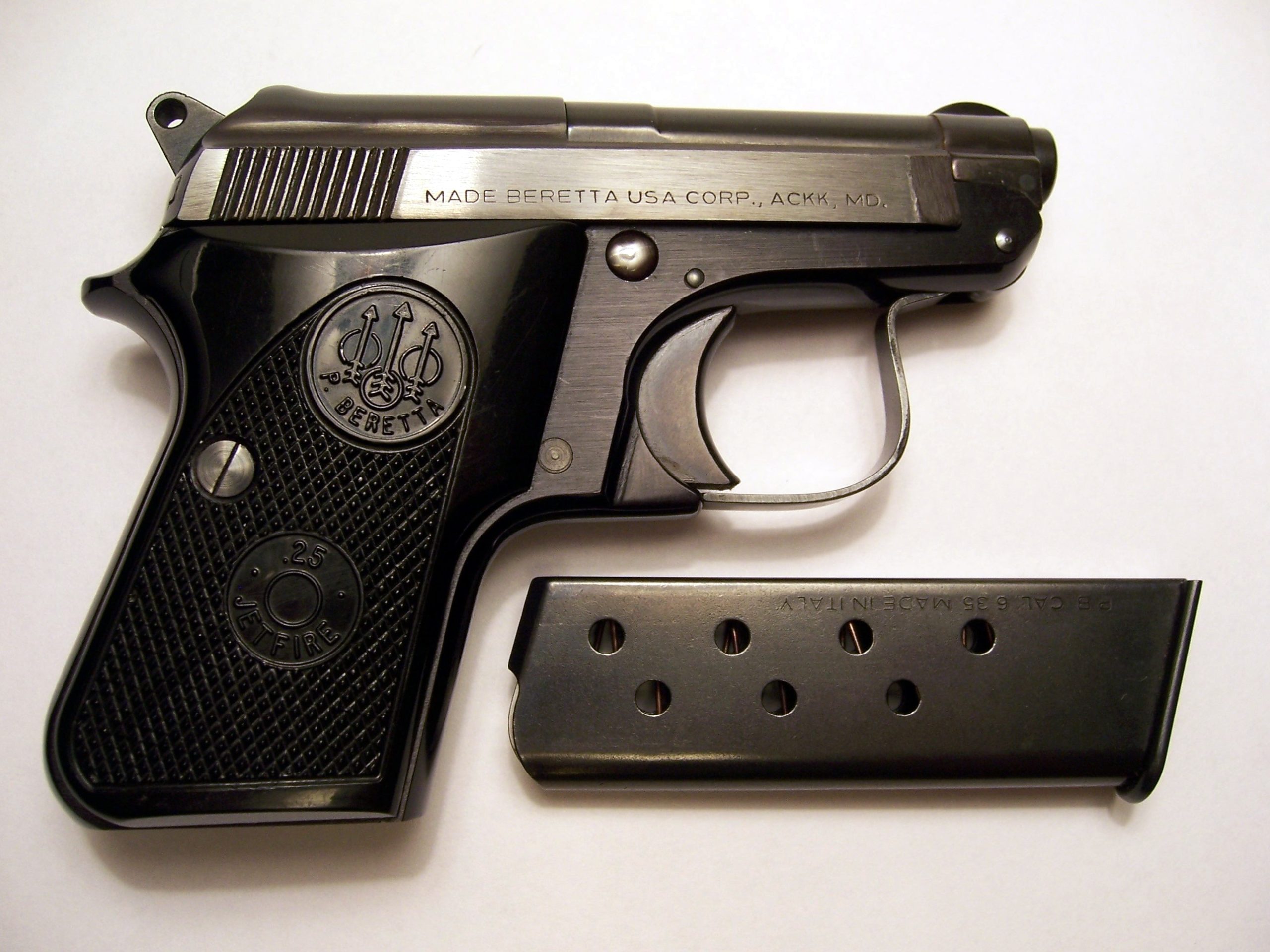
Beretta introduced the Model 950 series in 1952, developing a lightweight pocket pistol around the .25 ACP cartridge. The Jetfire variant featured a 6-round magazine and a distinctive tip-up barrel, allowing the chamber to be loaded without the conventional slide-racking procedure. This practical design made the pistol an interesting milestone in compact handgun development. Its small frame and simple operating concept attracted civilian buyers who valued portability. However, historical significance should not be confused with proven criminal preference. There is insufficient evidence to suggest that smugglers broadly selected the Jetfire because security personnel could not detect it.
5. Walther PPK

Introduced in 1931, the Walther PPK gained international recognition for its compact construction and double-action/single-action operating system. Common chamberings included .32 ACP and .380 ACP, while magazine capacity depended on the cartridge and configuration. Unlike many tiny pocket pistols, it offered a more substantial grip and a practical balance between size and handling. Its later appearances in popular culture strengthened its association with discreet personal carry. Nevertheless, its reputation should not be mistaken for proof that it was a leading smuggling weapon. A recognizable handgun could still be identified through inspection, serial-number checks, and investigative evidence.
6. Mauser Model 1910
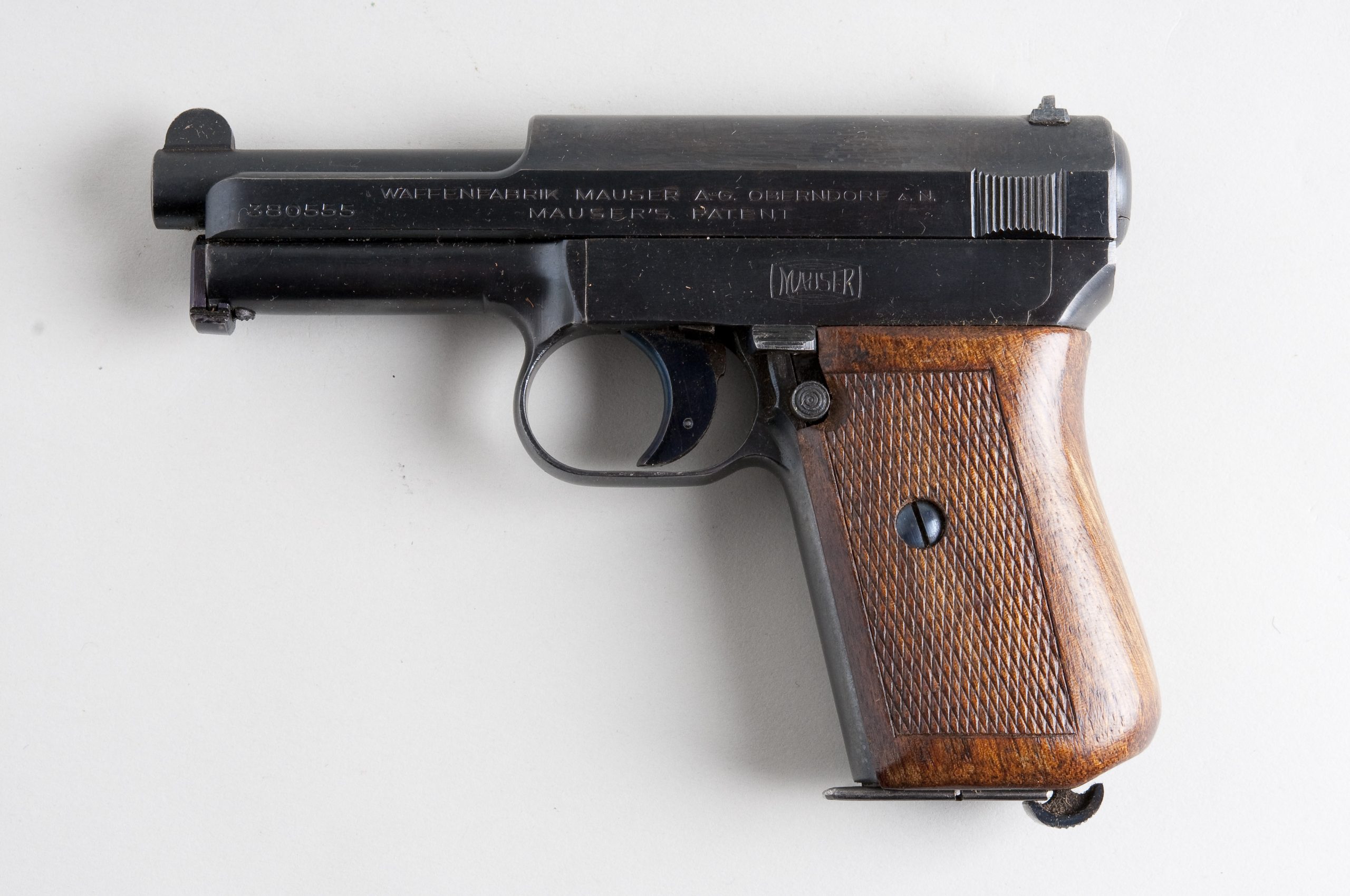
Mauser introduced its Model 1910 pocket pistol in 1910, during a period when European manufacturers were developing compact semiautomatic firearms for civilian markets. The original design used the .25 ACP cartridge and a 9-round magazine, giving it a capacity that exceeded that of many traditional derringers. Its streamlined profile reflected the growing popularity of self-loading handguns. Production variations appeared during the model’s history, so specifications should be checked against the particular version. Although its compact format could interest people seeking discreet carry, claims that smugglers specifically favored it remain difficult to verify from reliable historical evidence.
7. Browning Model 1906
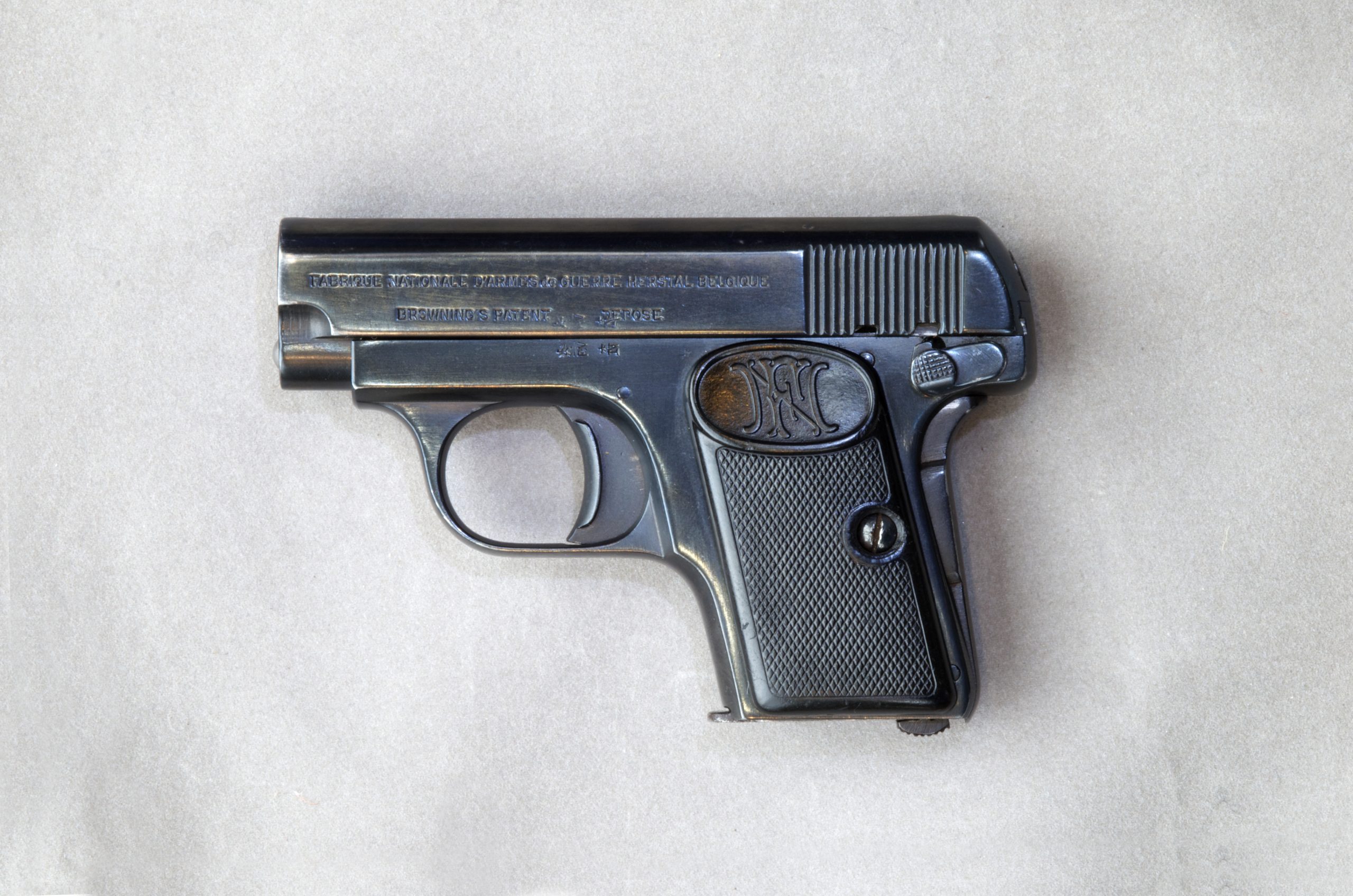
Fabrique Nationale introduced the Browning Model 1906 in Belgium in 1906, helping establish the early European market for small semiautomatic pistols. Commonly chambered in 6.35mm Browning, also known as .25 ACP, it typically used a 6-round magazine. Its compact proportions reflected a period when manufacturers were responding to demand for portable personal firearms. The design influenced the broader development of pocket pistols during the early twentieth century. Its historical importance lies in that engineering transition, rather than any proven connection to organized smuggling. Even a small handgun remained subject to discovery and legal seizure.
8. Seecamp LWS 25
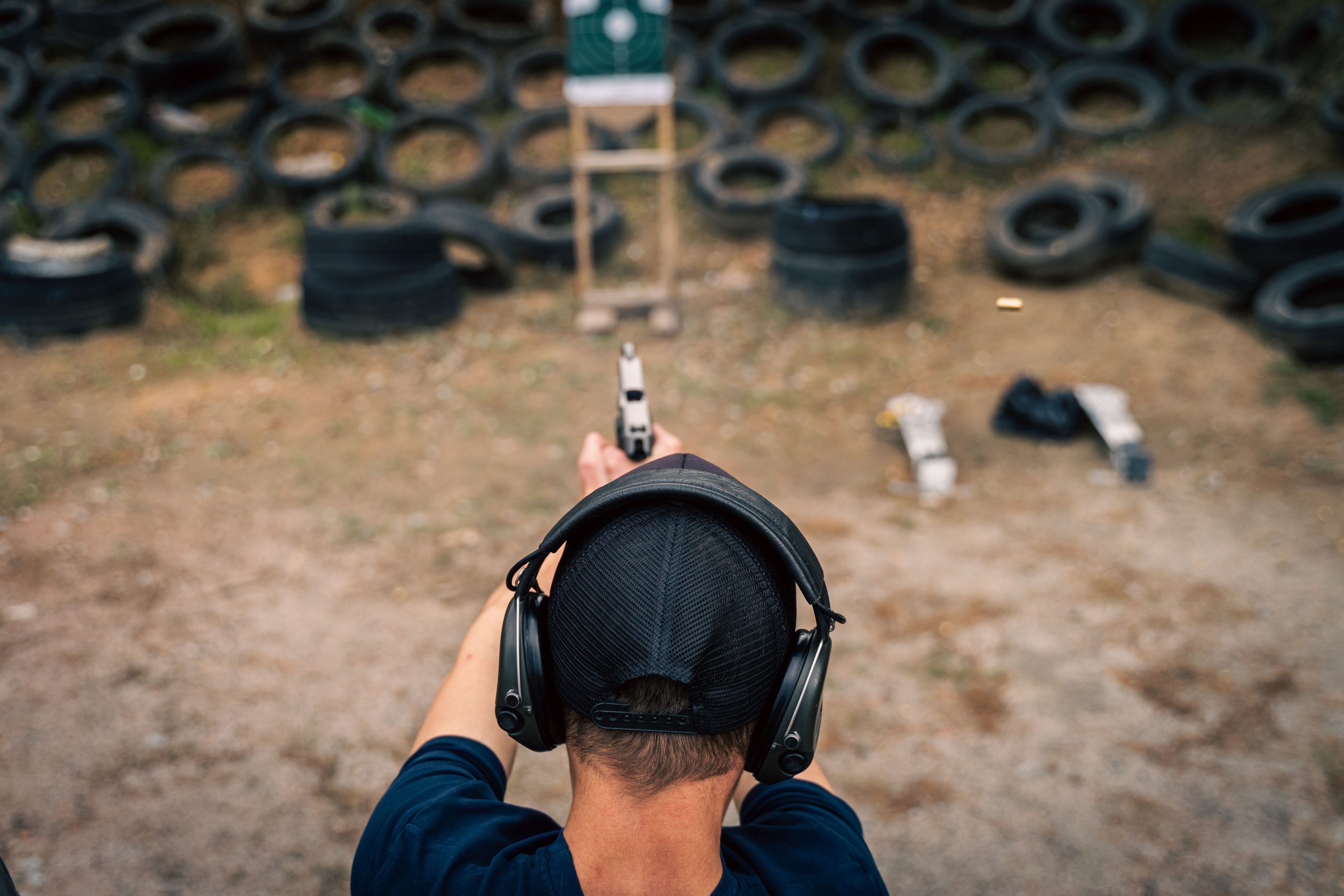
The Seecamp LWS 25 represents a much later chapter in the history of ultra-compact handguns. Developed in the United States during the 1980s, it was chambered in .25 ACP and designed around a small, double-action-only semiautomatic mechanism. Its magazine held 6 rounds, emphasizing compactness over capacity or long-range performance. The pistol illustrates how demand for smaller personal firearms continued well beyond the early twentieth century. However, modern customs screening and investigative techniques make claims of near-undetectability especially misleading. Its small dimensions are a design characteristic, not evidence that smugglers widely preferred it.