A good reputation and a busy repair bench can both be true at the same time. Some revolvers are beloved for their history, handling, or value, yet still show up again and again for the same mechanical complaints. This gallery explores 10 familiar wheelguns that gunsmiths often see for timing issues, endshake, wear, and parts breakage, along with the quirks that keep them in circulation.
Colt Python
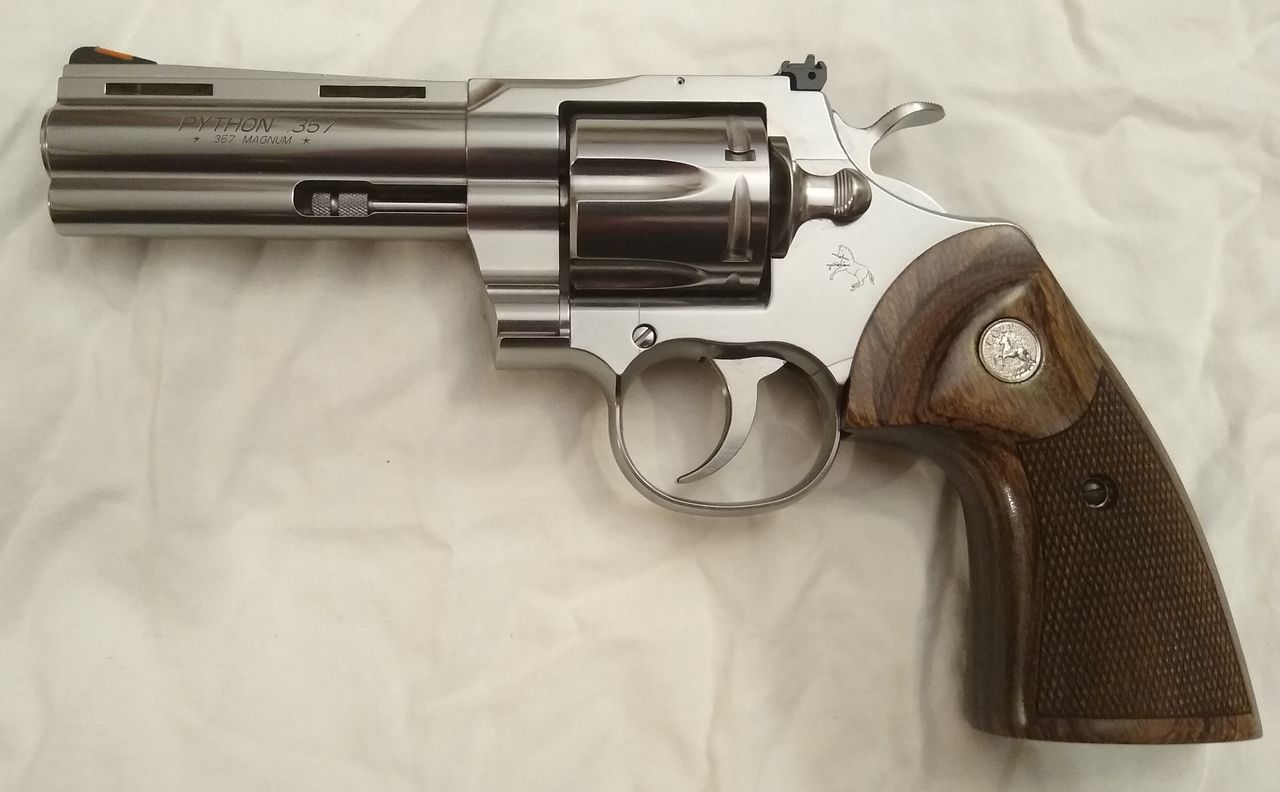
The Colt Python is one of the most admired double action revolvers ever built, and that prestige is exactly why so many worn examples still get repaired instead of retired. Owners love the finish, the trigger, and the mystique, so even small issues are enough to send one straight to a specialist.
On the bench, the familiar complaints are timing drift, cylinder lockup concerns, and hand wear from heavy use or enthusiastic dry firing. Older Pythons use an action that rewards skilled fitting but does not always forgive neglect. When they go out of tune, they often need a smith who truly knows old Colt lockwork.
Colt Detective Special
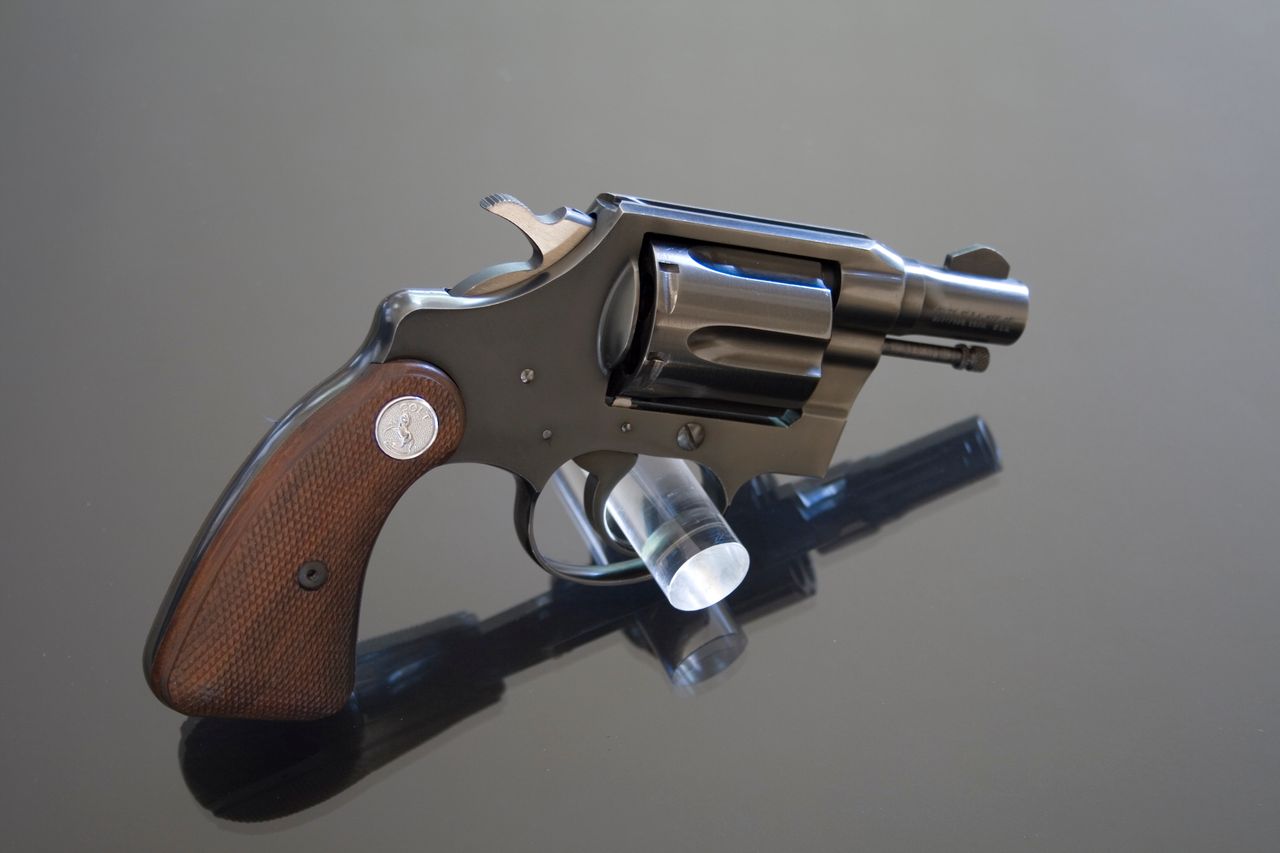
The Detective Special built a stellar name as a compact defensive revolver, and many examples spent decades riding in holsters, pockets, and nightstands. That kind of real-world service means plenty survived long enough to develop wear that only shows up after thousands of trigger pulls and years of carry.
Gunsmiths often encounter timing issues, cylinder latch wear, and general action roughness on older guns that were shot little but carried constantly. Small-frame Colts can be especially sensitive to parts wear in the hand and bolt system. Because they are still desirable, owners usually choose repair over replacement, which keeps them coming back to the bench.
Smith & Wesson Model 29
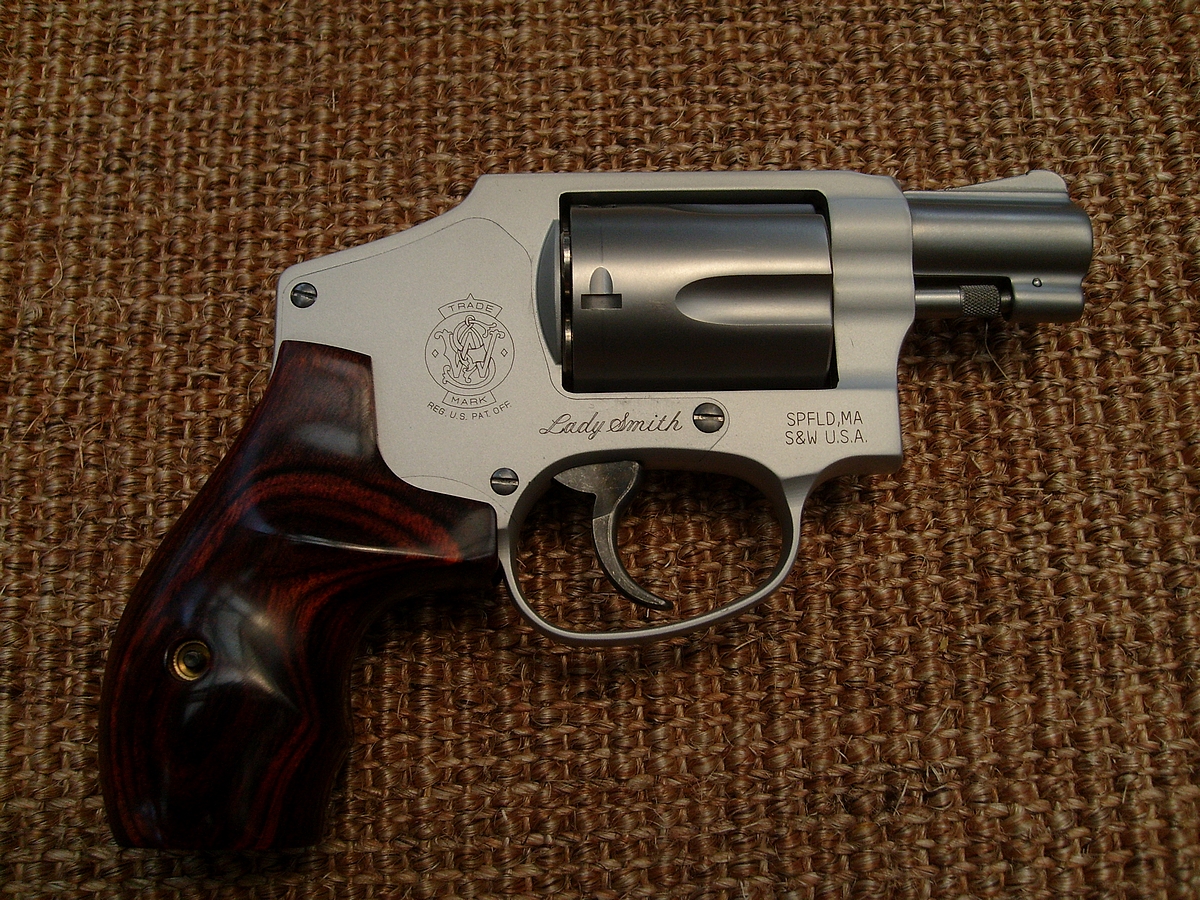
The Model 29 carries huge cultural weight, but fame did not make it immune to hard use. Many were bought to shoot powerful .44 Magnum loads, and some owners learned the expensive way that steady diets of heavy ammunition can accelerate wear on any revolver, no matter how iconic the name on the sideplate.
Common bench issues include endshake, timing wear, loose screws, and strain from repeated magnum recoil. Forcing cone erosion and cylinder stop wear also show up in revolvers that were pushed hard for years. It remains a favorite because it is handsome, historic, and deeply shootable, but gunsmiths know a well-used 29 often tells its life story in the action.
Smith & Wesson Model 19
The Model 19 earned an outstanding reputation as a beautifully balanced .357 Magnum service revolver. It points naturally and feels trim in the hand, which helps explain why so many people shot them a lot. That popularity is part of the reason gunsmiths still see them regularly.
The recurring concerns usually center on forcing cone cracking, timing wear, and general fatigue from a long diet of hot 125-grain magnum loads. K-frame magnums have a loyal following because they are elegant and practical, but they were never indestructible. Many examples arriving for repair are not abused so much as simply used exactly the way owners thought a magnum revolver should be used.
Ruger Security-Six
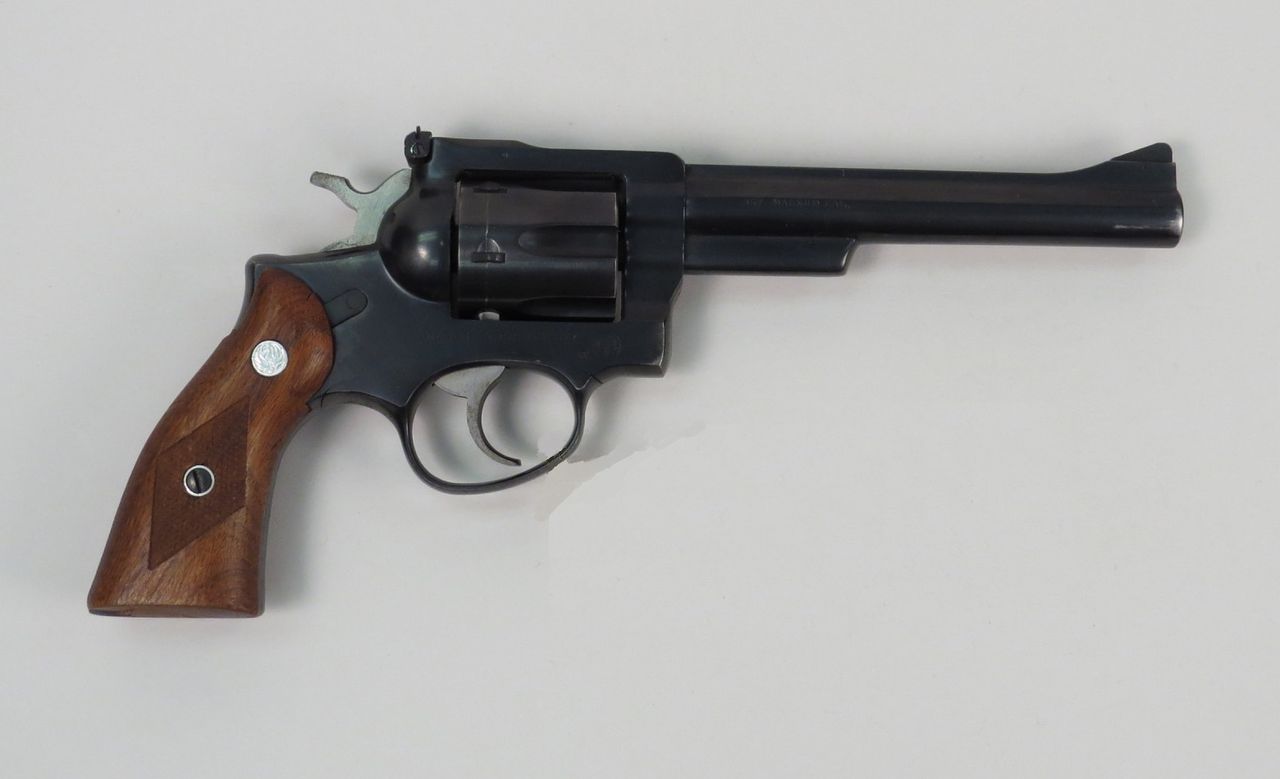
The Ruger Security-Six is widely respected for toughness, and in fairness it earned that reputation. But rugged guns still break, especially after decades of service, police trade-in mileage, and home gunsmithing experiments. A revolver known as durable often gets pushed harder and maintained later than a more delicate design.
On repair benches, the usual stories involve timing drift, worn lockwork, extractor issues, and parts damaged during disassembly by owners who assumed simple meant foolproof. The Six series is strong, but age and round count eventually catch up with springs and fitted surfaces. Their reputation keeps them alive, which means smiths continue seeing them long after many peers have disappeared.
Ruger SP101
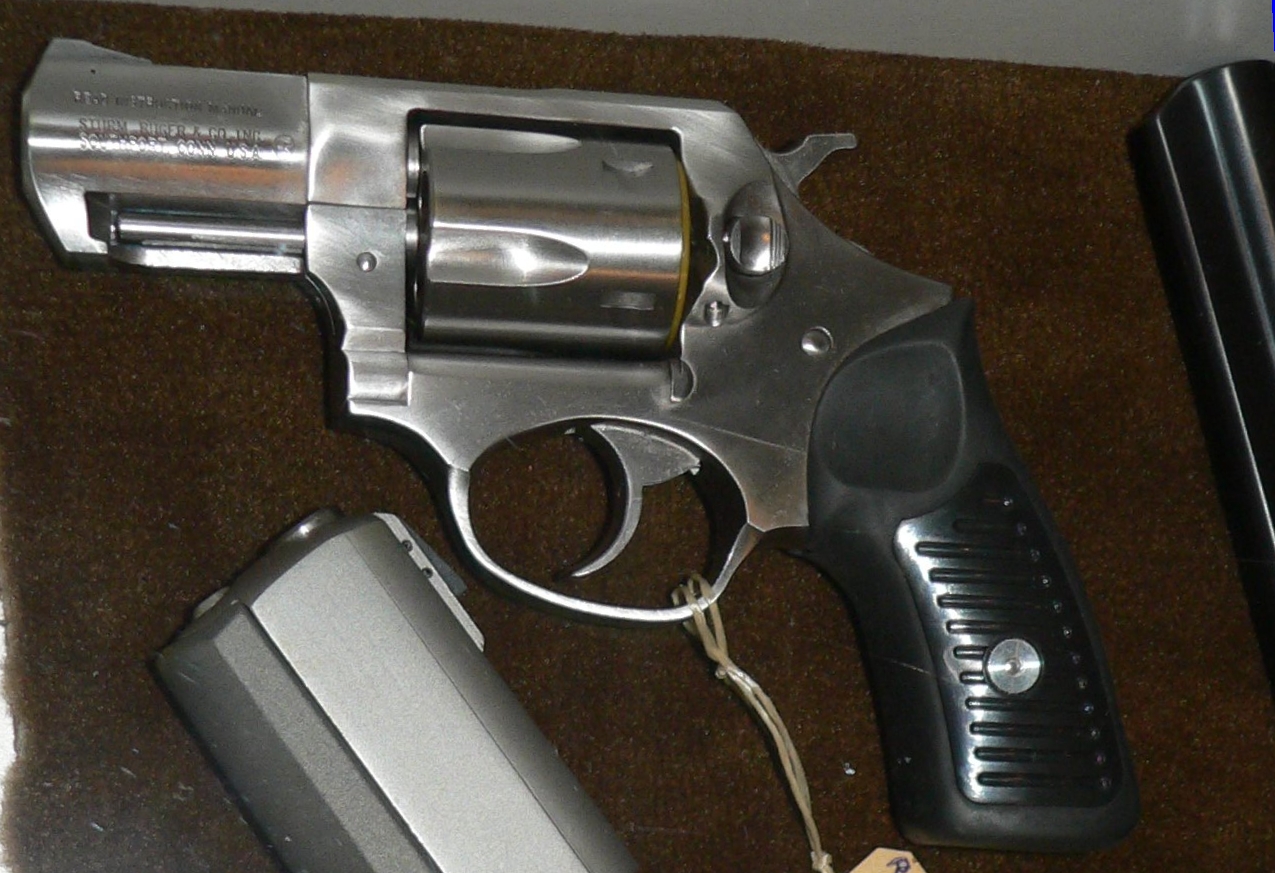
The SP101 has a deserved image as a sturdy little tank, especially among shooters who want a small revolver that can digest serious .357 Magnum ammunition. That strength is real, but it does not stop these guns from turning up with the same handful of complaints after years of pocket carry, neglect, and hard recoil.
Gunsmiths frequently see sticky extraction, crane alignment concerns, worn springs, and trigger systems made worse by amateur action jobs. Small revolvers live rough lives, and the SP101 is no exception. Because owners trust them deeply, they tend to hold onto them for decades, repairing them as needed instead of trading them away at the first sign of trouble.
Taurus Model 85
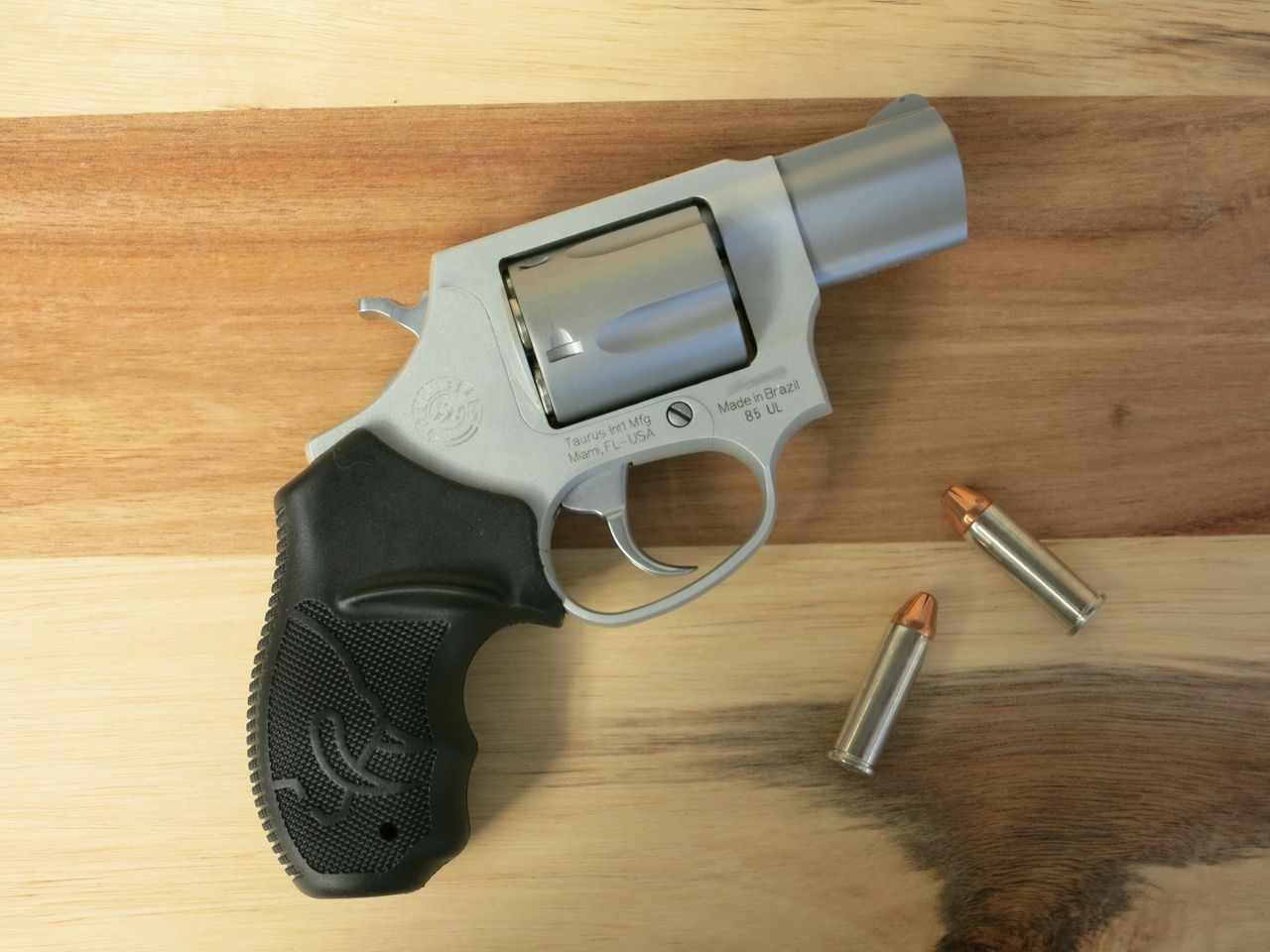
The Taurus Model 85 became popular by offering a familiar snub-nose format at a price many buyers found attractive. That broad reach put a lot of them into glove boxes, dresser drawers, and concealed-carry rotations, which also means a lot of them eventually land on a repair bench when quality control or long-term wear catches up.
Smiths often report timing issues, light strikes, latch problems, and internal wear that can be uneven from one example to the next. Plenty of Model 85s give solid service, but the line has long carried a reputation for inconsistency. For working gunsmiths, that inconsistency is exactly what makes the model such a frequent visitor.
Charter Arms Undercover
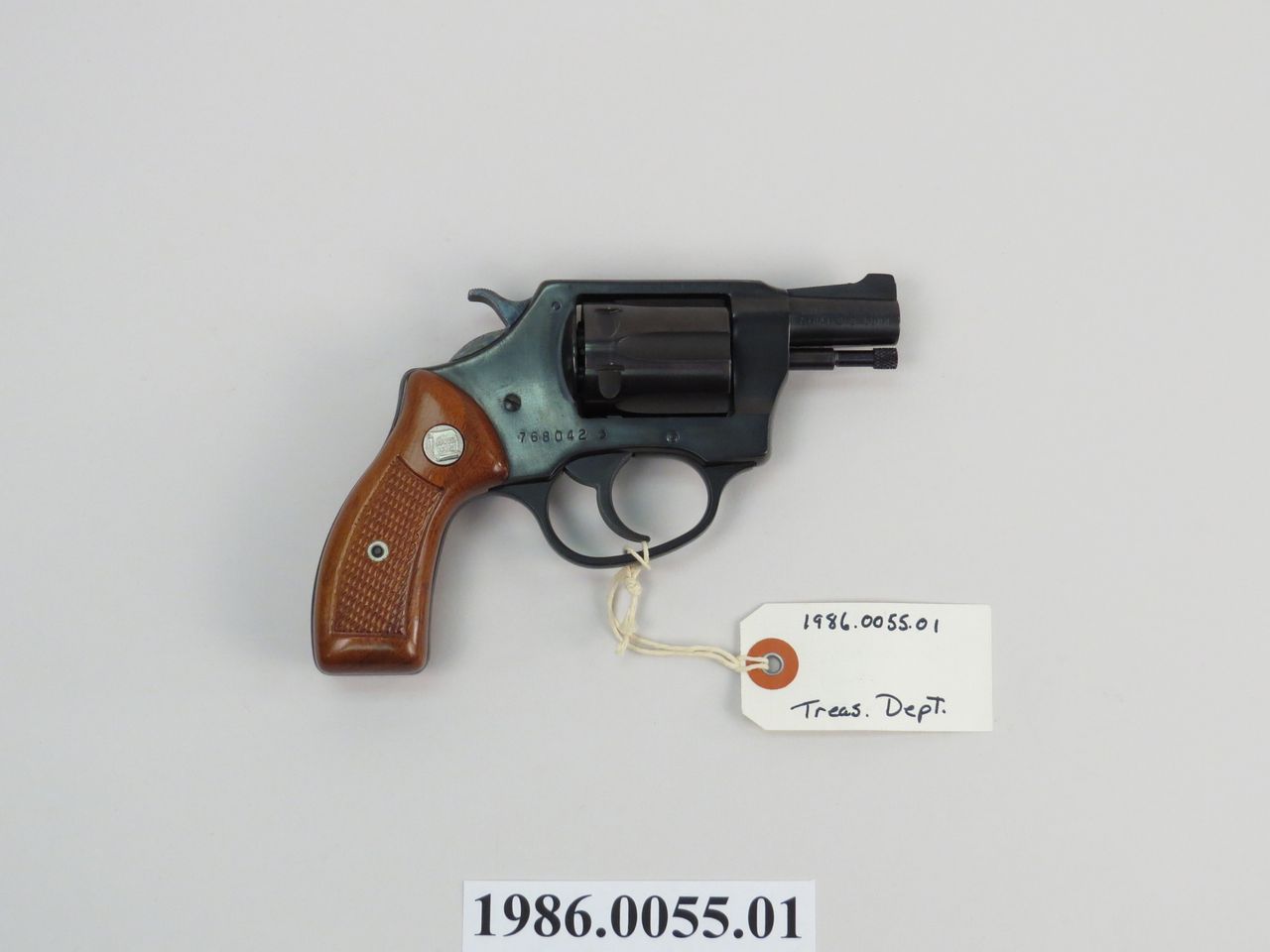
The Charter Arms Undercover has always appealed to buyers who wanted a light, simple defensive revolver without spending premium money. Its reputation is not built on polish or prestige so much as accessibility, and that means many were bought as practical tools, then carried a lot and maintained only when something finally went wrong.
On the bench, familiar trouble spots include timing wear, rough triggers, cylinder play, and small-part breakage after long storage or intermittent use. Different production eras can vary noticeably, which adds another layer to repair work. These revolvers survive because they fill a real niche, but gunsmiths know that affordability often brings them back for attention sooner.
Rossi Model 68
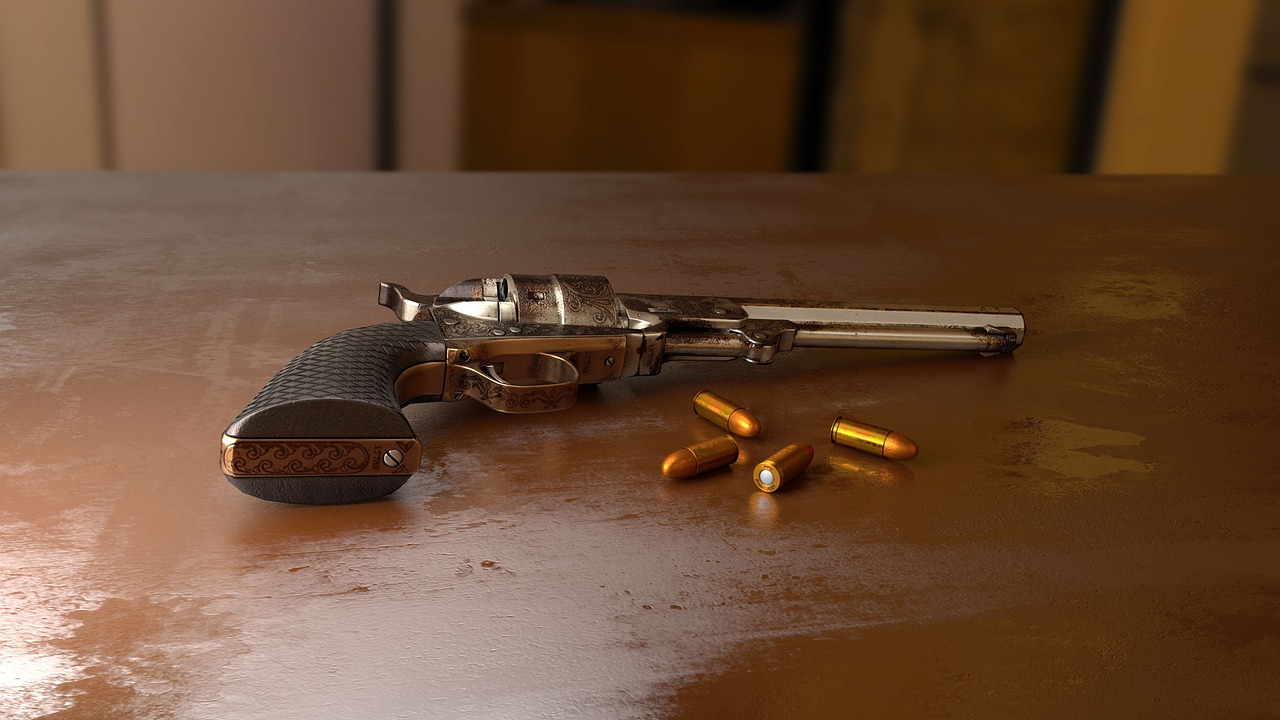
The Rossi Model 68 and related snub-nose revolvers developed a following among buyers seeking a straightforward carry gun at a lower cost than the big American brands. Many were sold in large numbers, and sheer volume alone helps explain why gunsmiths still see them. A revolver does not need to be famous to become familiar in repair circles.
The usual complaints include timing problems, gritty actions, cylinder latch wear, and inconsistent ignition from tired springs or rough internals. Some examples hold up decently, while others show shortcuts in fitting that reveal themselves over time. That mixed record gives the Model 68 a recognizable pattern on the bench, especially in shops that handle older carry guns.
Harrington & Richardson 929
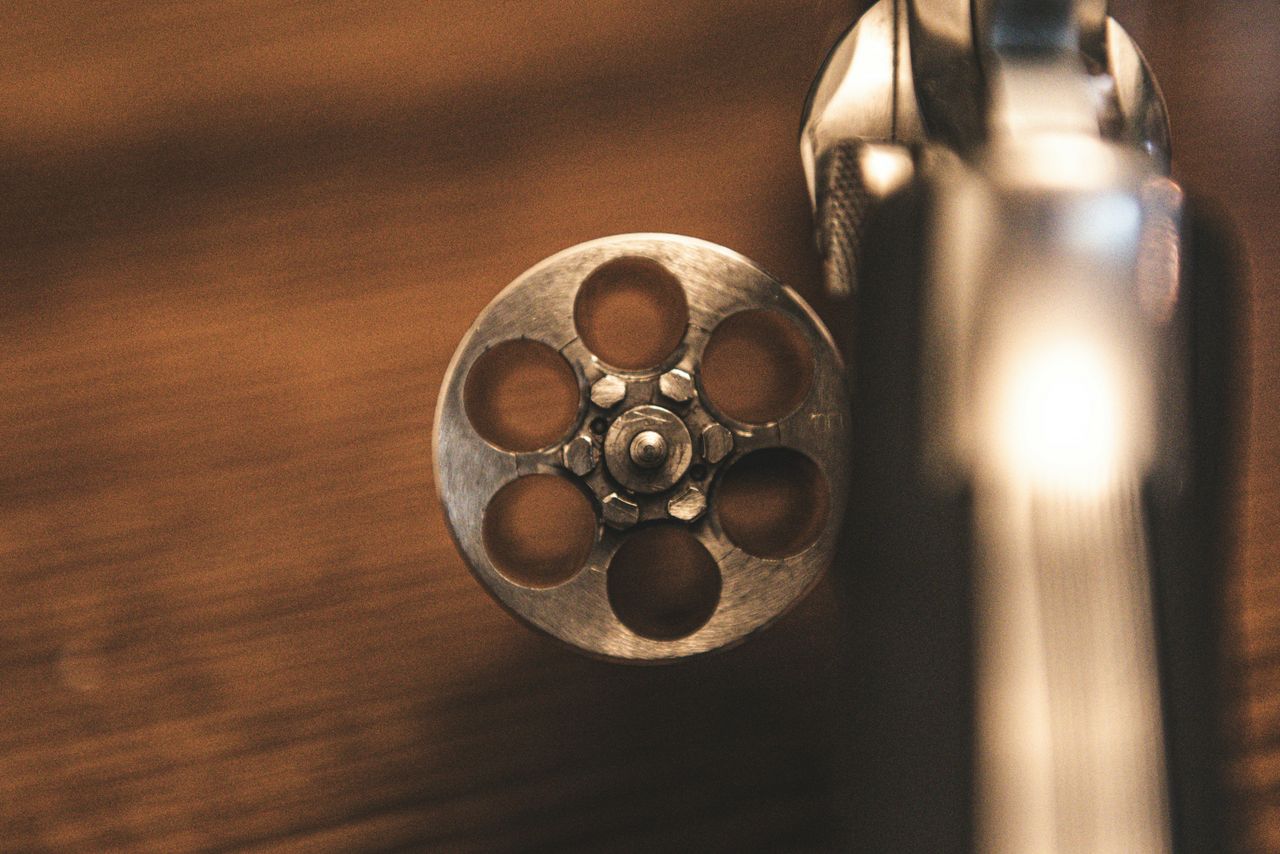
The H&R 929 is a reminder that a good reputation can mean different things to different owners. It was often valued as an affordable, reliable .22 revolver for plinking, tackle boxes, and general utility, not as a hand-fitted showpiece. Because so many were bought for casual use, many stayed around long enough to age into repair candidates.
Gunsmiths commonly encounter worn timing, weak mainsprings, cylinder alignment issues, and the accumulated effects of long storage with minimal maintenance. Rimfire revolvers can hide their wear until misfires and lead shaving finally make the problem obvious. The 929 remains liked because it was approachable and useful, but those same traits ensured a long, repair-prone working life.