A fixed blade is only as dependable as the sheath riding with it. In the field, a smart sheath design can mean faster access, better retention, and fewer gear failures when conditions turn rough. This gallery breaks down eight trusted sheath styles and details the features that make them favorites among experienced guides, hunters, and outdoors people.
Molded Kydex Sheath
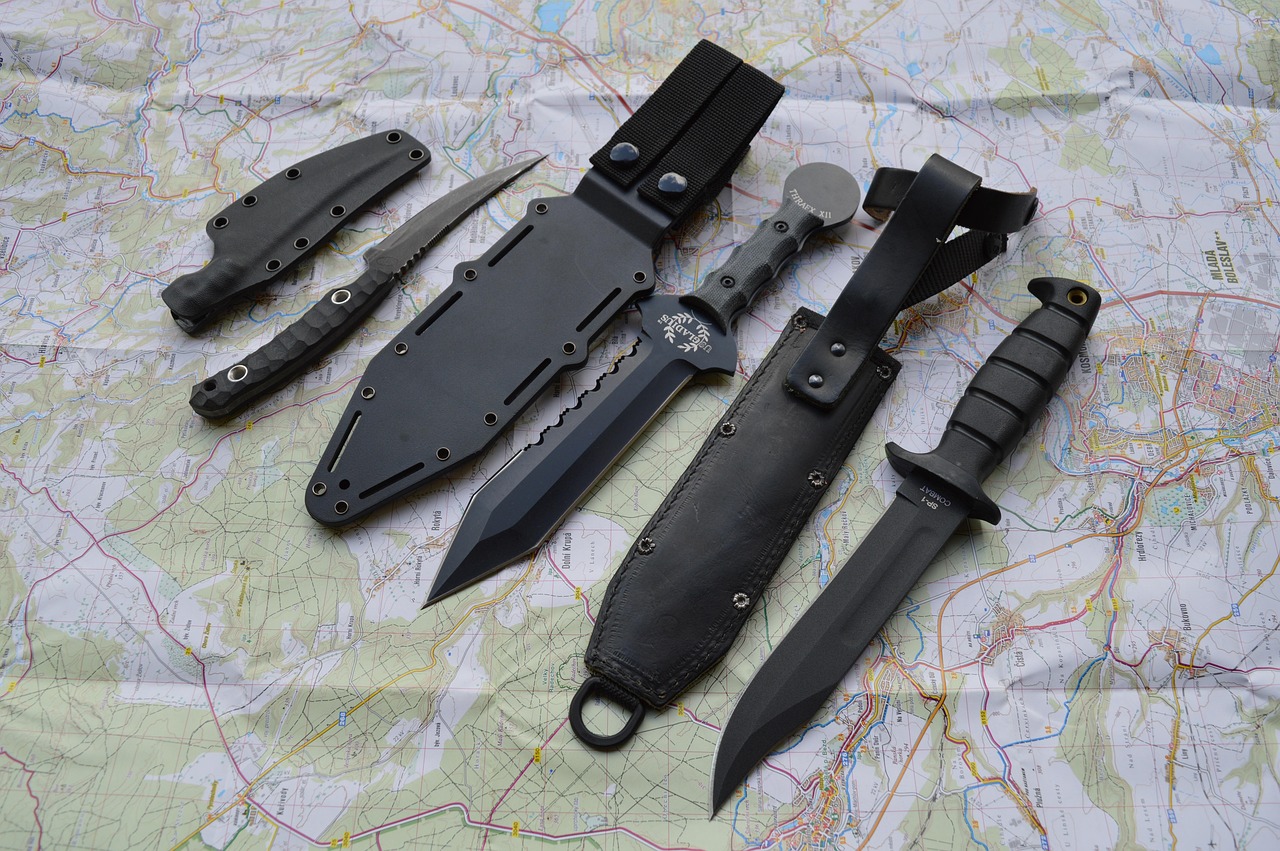
Kydex has earned a loyal following because it does one job extremely well: secure the knife with a precise, audible fit. When the blade seats with that familiar click, users know retention is working without relying on straps, snaps, or extra fuss in bad weather.
It also handles mud, rain, and repeated hard use with very little complaint. A rinse and wipe usually gets it back in service, which matters when gear cannot afford to stay dirty for long.
Guides tend to trust molded Kydex for consistency. Draw angle, retention pressure, and mounting options can all be tuned, making it one of the most dependable field choices around.
Leather Pouch Sheath
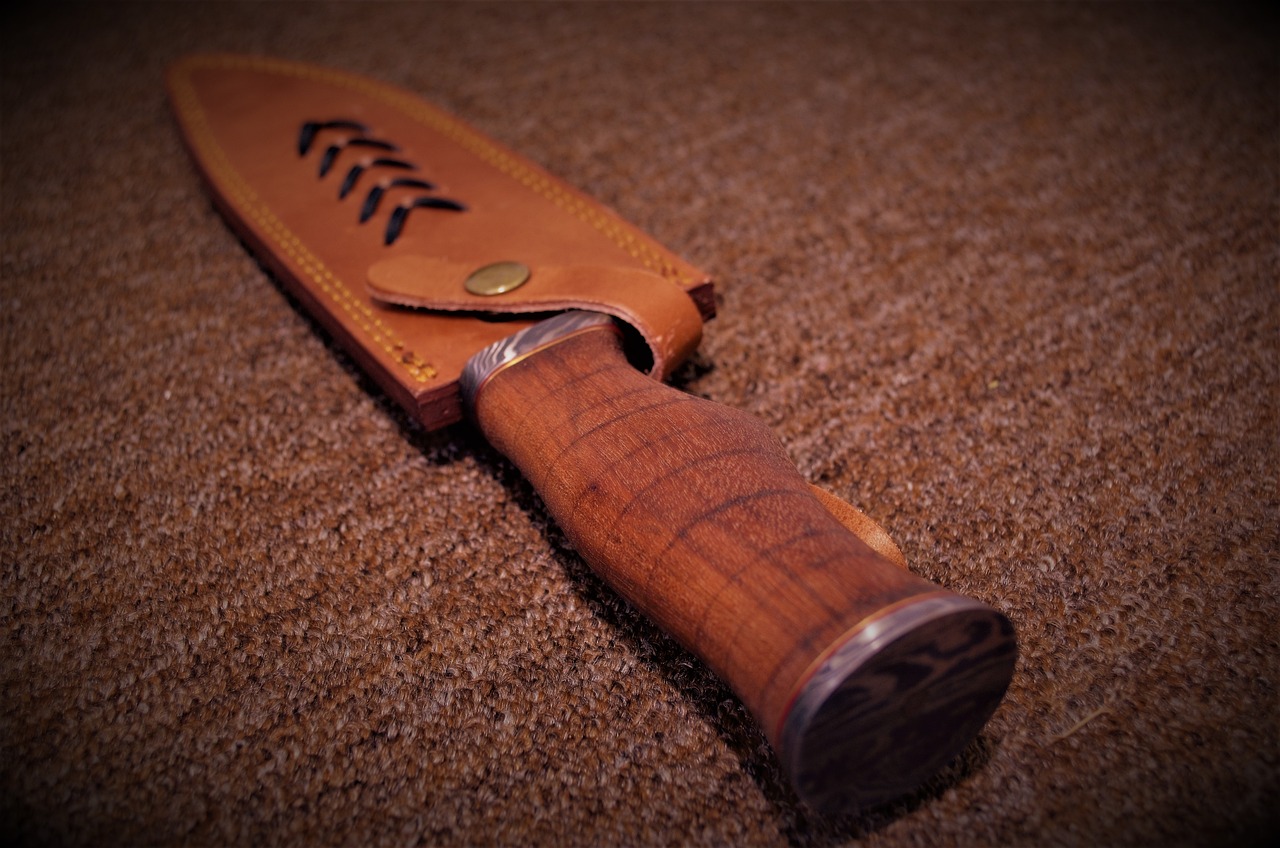
A well-made leather pouch sheath remains a classic for good reason. It carries comfortably, rides quietly, and protects the blade with a soft but structured fit that many hunters and traditional outdoors people still prefer over modern synthetics.
Good leather also conforms over time, creating a personalized hold that feels natural on the belt. In colder weather, that quieter draw can be especially appreciated when every movement seems louder than usual.
The catch is maintenance. Leather needs drying, conditioning, and a little respect after soaking conditions, but when cared for properly, it offers field reliability and timeless function in equal measure.
Dangling Belt Sheath
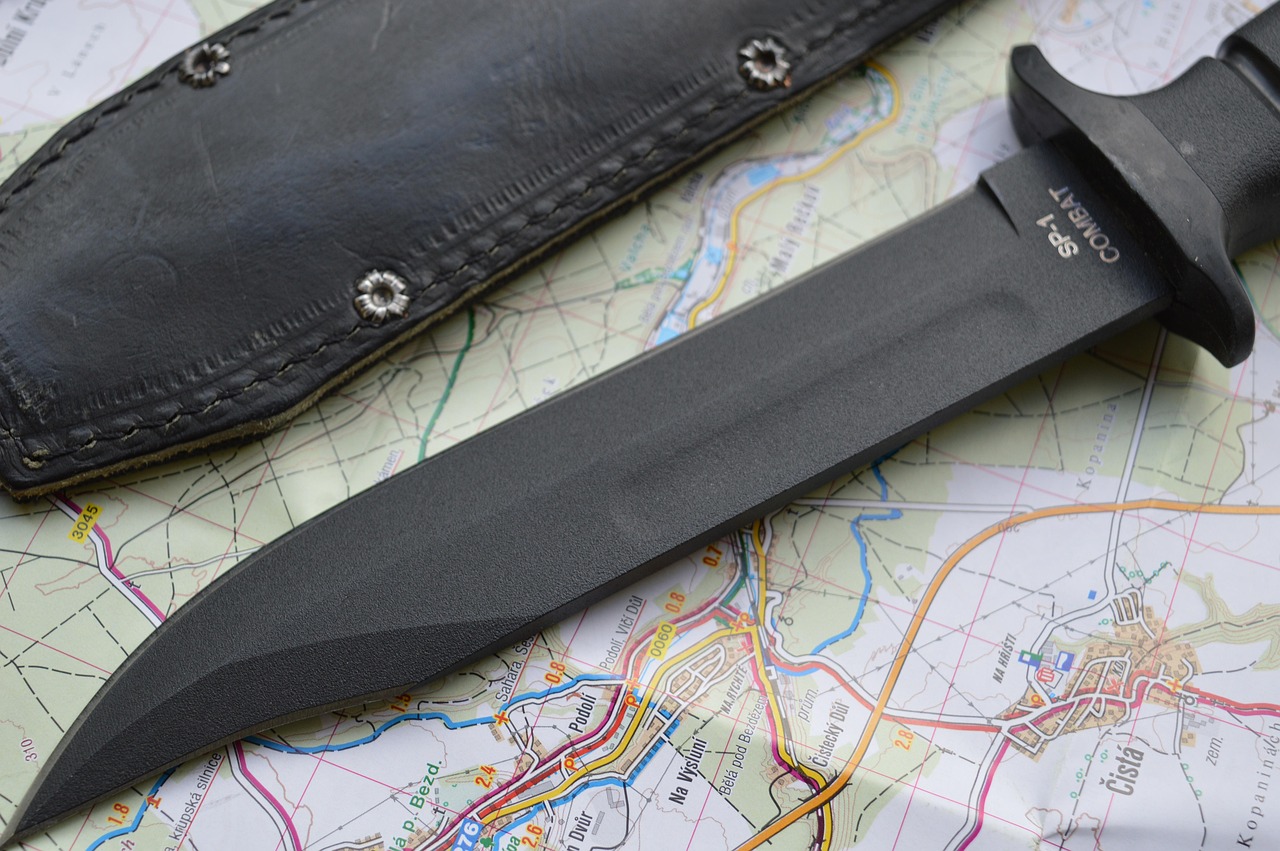
Some terrain punishes rigid belt carry, especially when climbing into vehicles, crouching at camp, or covering uneven ground. A dangling belt sheath solves that by hanging slightly lower, allowing the knife to move with the body instead of digging into the hip.
That extra freedom can make a large fixed blade much easier to live with all day. It is a practical design for people who spend long hours walking, riding, or bending repeatedly while working outdoors.
The best versions keep the knife controlled without excessive swing. When the attachment hardware is sturdy and the hanger length is sensible, this style offers comfort without sacrificing access.
Scout Carry Sheath
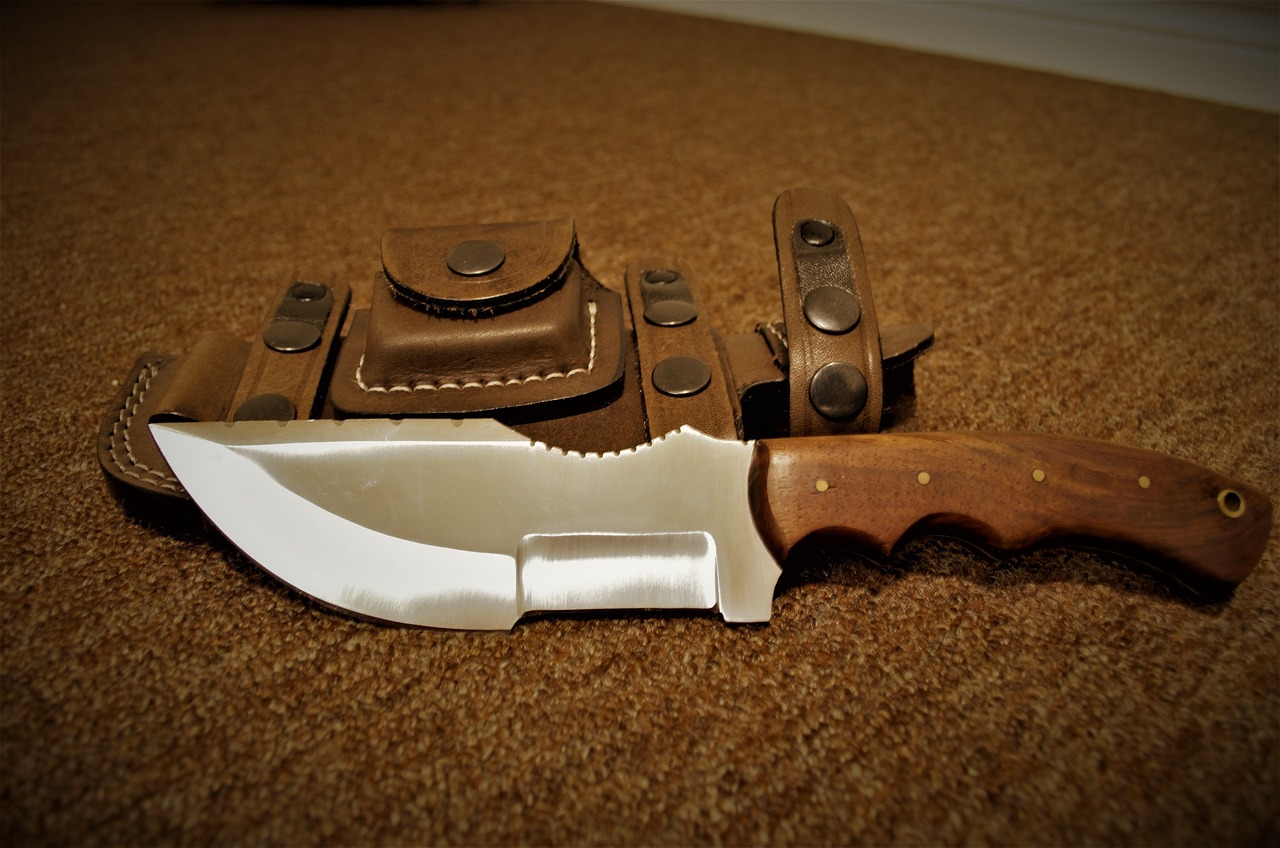
Scout carry places the sheath horizontally along the belt, usually across the lower back or just off to one side. Fans like it because it keeps the knife low profile and out of the way while sitting, hiking, or moving through brush.
It is especially effective with compact to medium fixed blades. Those sizes draw cleanly without feeling awkward, and the horizontal layout helps distribute weight in a way that many users find surprisingly comfortable.
Retention matters here more than ever. A trusted scout carry sheath needs a secure fit and thoughtful mounting, because the knife is being carried in a position where looseness becomes obvious fast.
Nylon Sheath with Snap Retention
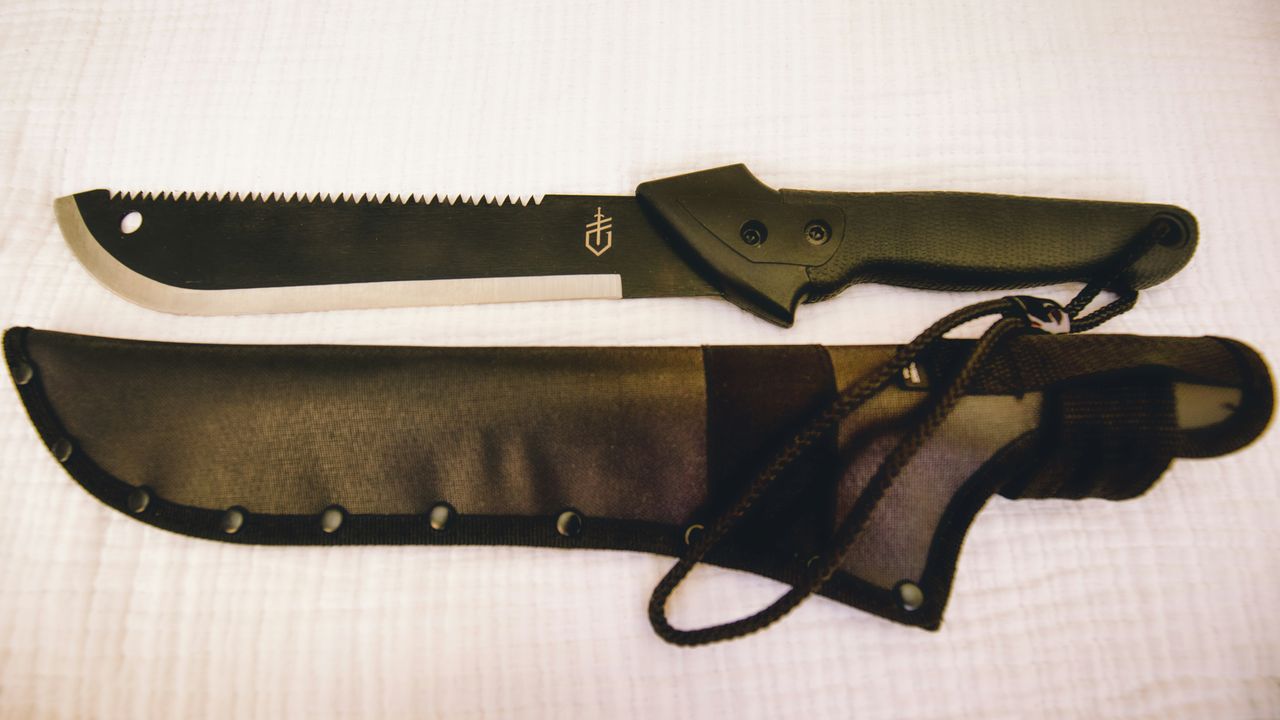
Nylon sheaths often get dismissed as entry-level gear, but a well-built one can still be a field-worthy option. Thick stitching, reinforced liners, and a strong snap strap can create a dependable setup for users who prioritize lightweight carry and versatility.
They also tend to offer extra utility, with pockets or webbing that suit multi-use outdoor kits. For someone who wants one sheath to cover camp chores, hunting, and general utility, that flexibility can be genuinely useful.
The weak point is usually construction quality, not the concept itself. Cheap nylon frays and shifts, but better examples hold up well and remain a practical, budget-conscious choice.
Deep Carry Pocket Sheath
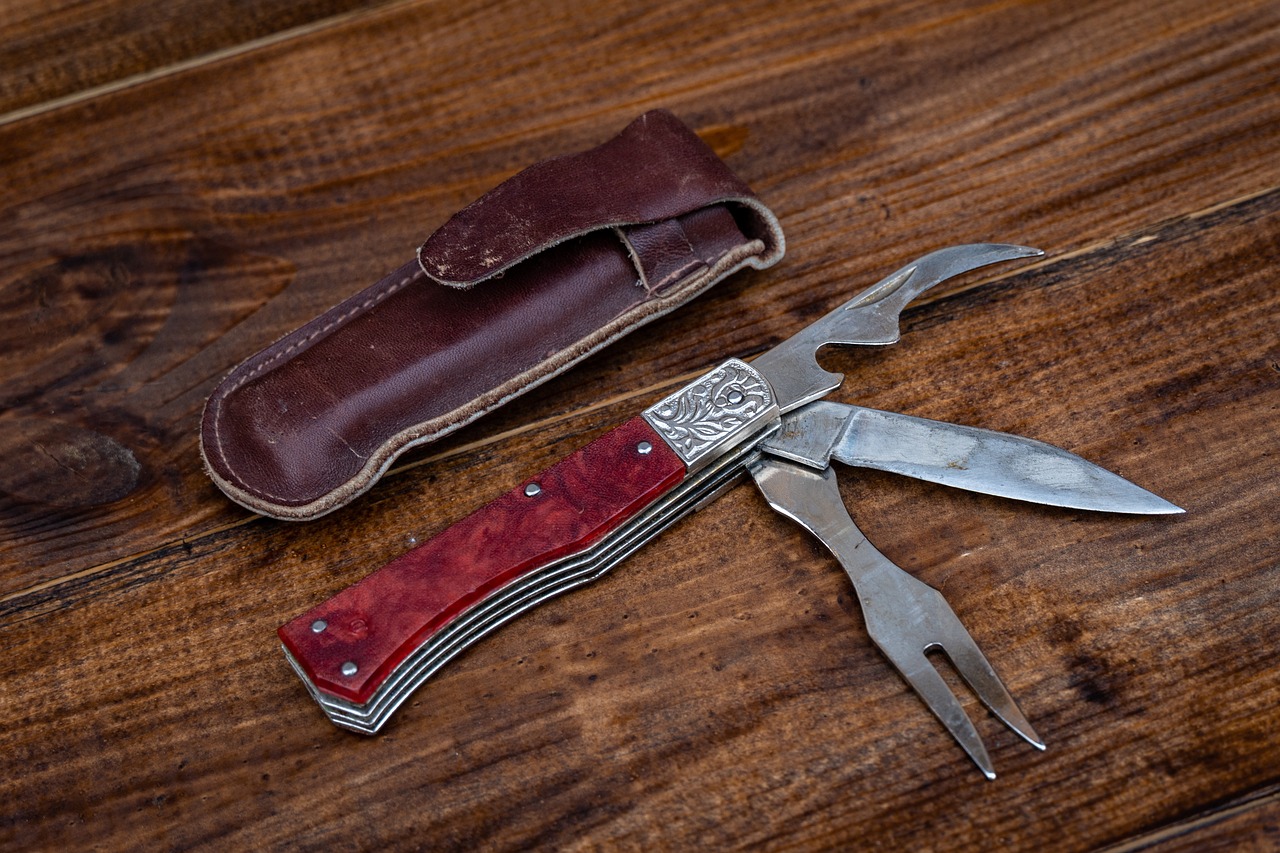
Not every fixed blade needs to ride on a belt. Deep carry pocket sheaths are designed for smaller knives, giving users a discreet and highly accessible option that feels more like carrying a folding knife, but with the strength of a fixed blade.
A good pocket sheath covers the entire edge and keeps the handle positioned for a clean draw. It should stay put in the pocket while the knife comes free, which is where design details really separate the best from the forgettable.
For guides and everyday outdoors people, this style shines when low profile matters. It is simple, quick, and surprisingly secure when executed with care.
Modular MOLLE Sheath
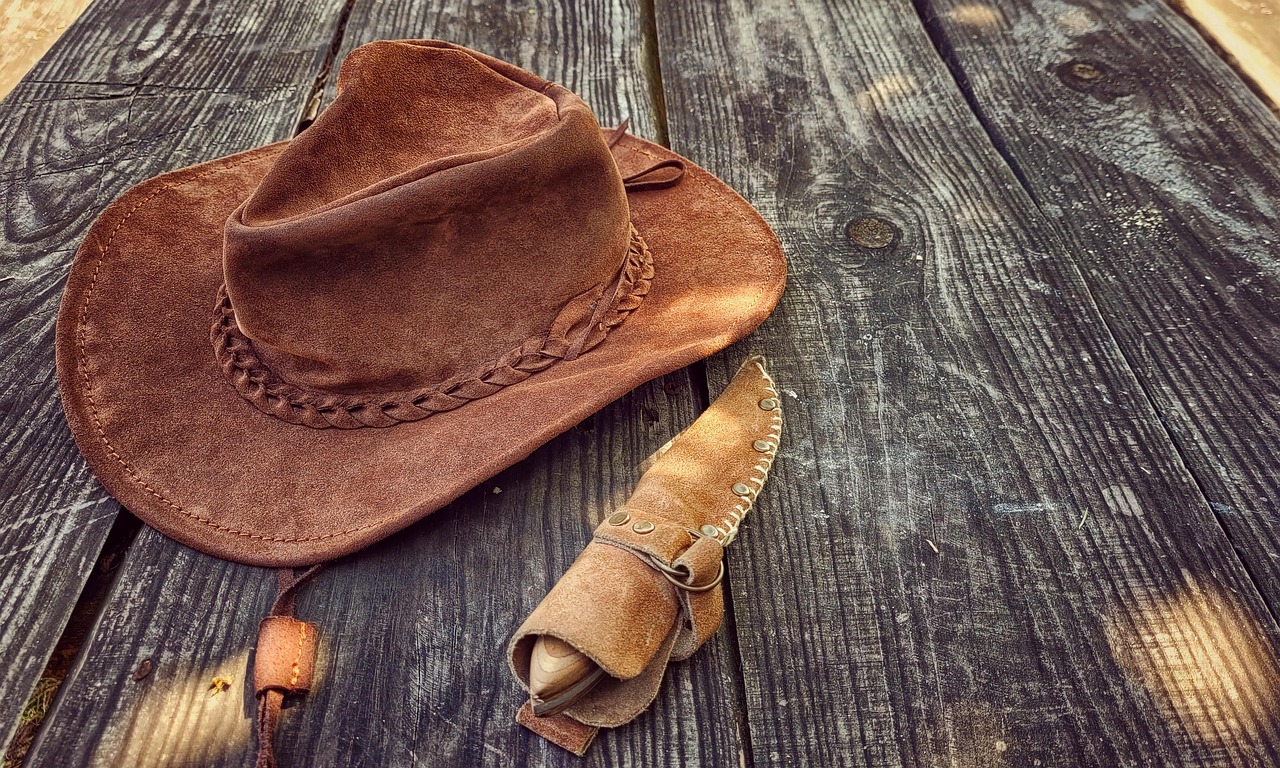
A modular MOLLE sheath is built for adaptability. It can attach to packs, chest rigs, belts, or vehicle panels, which makes it appealing for people who change loadouts often and need their knife exactly where the job demands.
That flexibility is a major advantage in the field, especially during longer trips where gear positions evolve. A knife may start on a pack strap for the hike in, then move to a belt or chest mount once camp is established.
The best designs avoid bulk and keep retention simple. When attachment points are secure and the sheath remains stable during movement, MOLLE compatibility becomes a real asset rather than just tactical styling.
Fire Starter Integrated Sheath
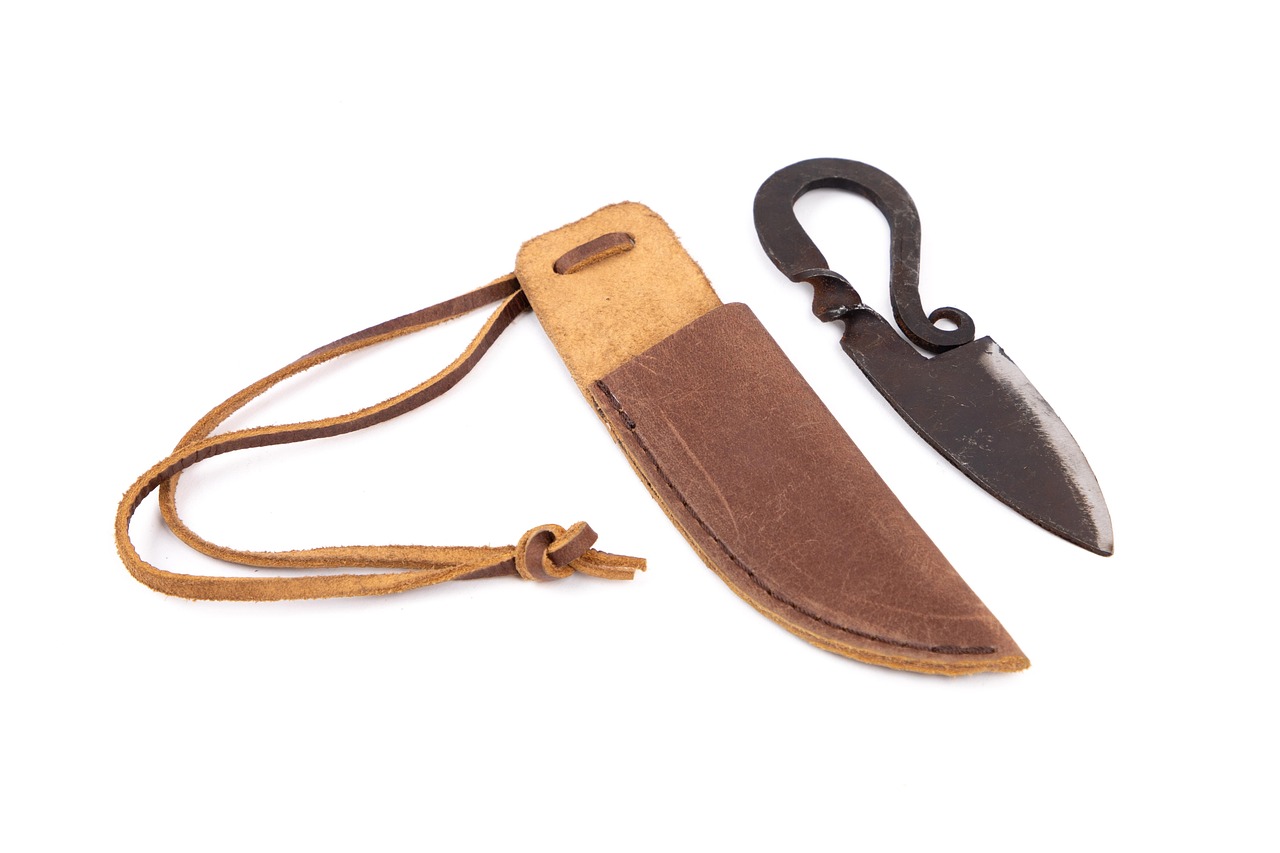
Some sheath designs go beyond carrying the knife and turn it into a compact survival platform. Integrated fire starter sheaths usually include a ferro rod loop or dedicated slot, keeping two essential tools together in one reliable package.
That pairing makes a lot of sense in real outdoor use. If the knife is the first tool grabbed for shelter, food prep, or camp chores, having fire-making capability attached can save time and reduce the chance of misplacing key gear.
The trick is keeping the setup streamlined. When the rod is secure, accessible, and does not interfere with the draw, this style becomes more than clever, it becomes genuinely field smart.