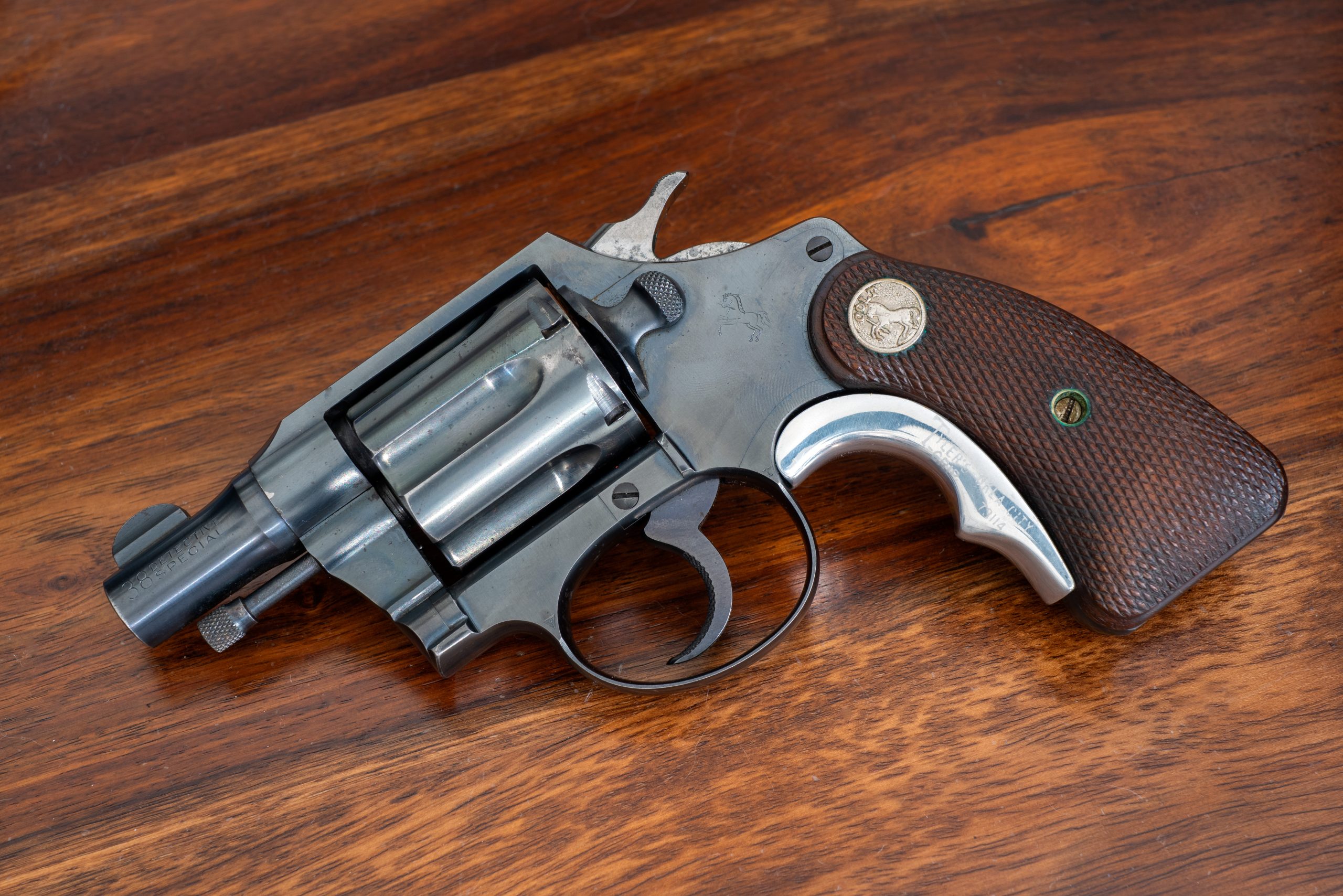
The Colt Detective Special occupies a special place in revolver history. Introduced in 1927, it took the existing Police Positive Special and transformed it into a much more compact package, pairing a short barrel with a six-shot cylinder and .38 Special chambering. It was created for detectives and plainclothes officers who needed something easier to hide than a full-size service revolver. Its proportions, handling concept, and long production history helped establish the classic American snub nose formula.
1. It Arrived in 1927
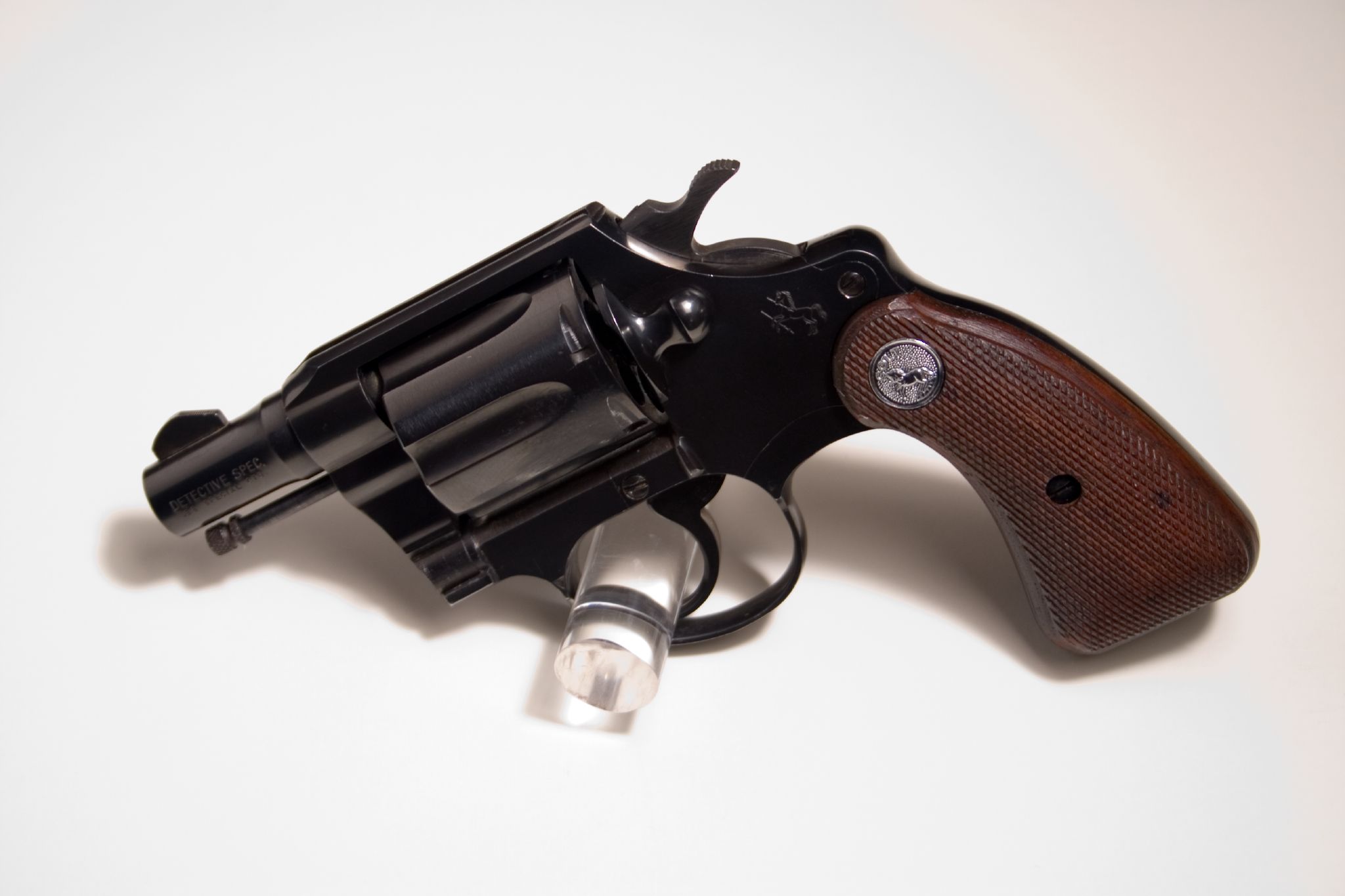
The Detective Special appeared in 1927 when Colt shortened the Police Positive Special into a purpose-built concealed carry revolver. Its defining change was the 2-inch barrel, which dramatically reduced the gun’s overall length without abandoning the established six-shot cylinder. The basic idea was simple: retain the familiar .38 Special platform while making it considerably easier to carry beneath ordinary clothing. That combination proved remarkably successful. Colt had effectively created a factory snub nose aimed specifically at detectives and plainclothes police work.
2. It Was a Six-Shooter
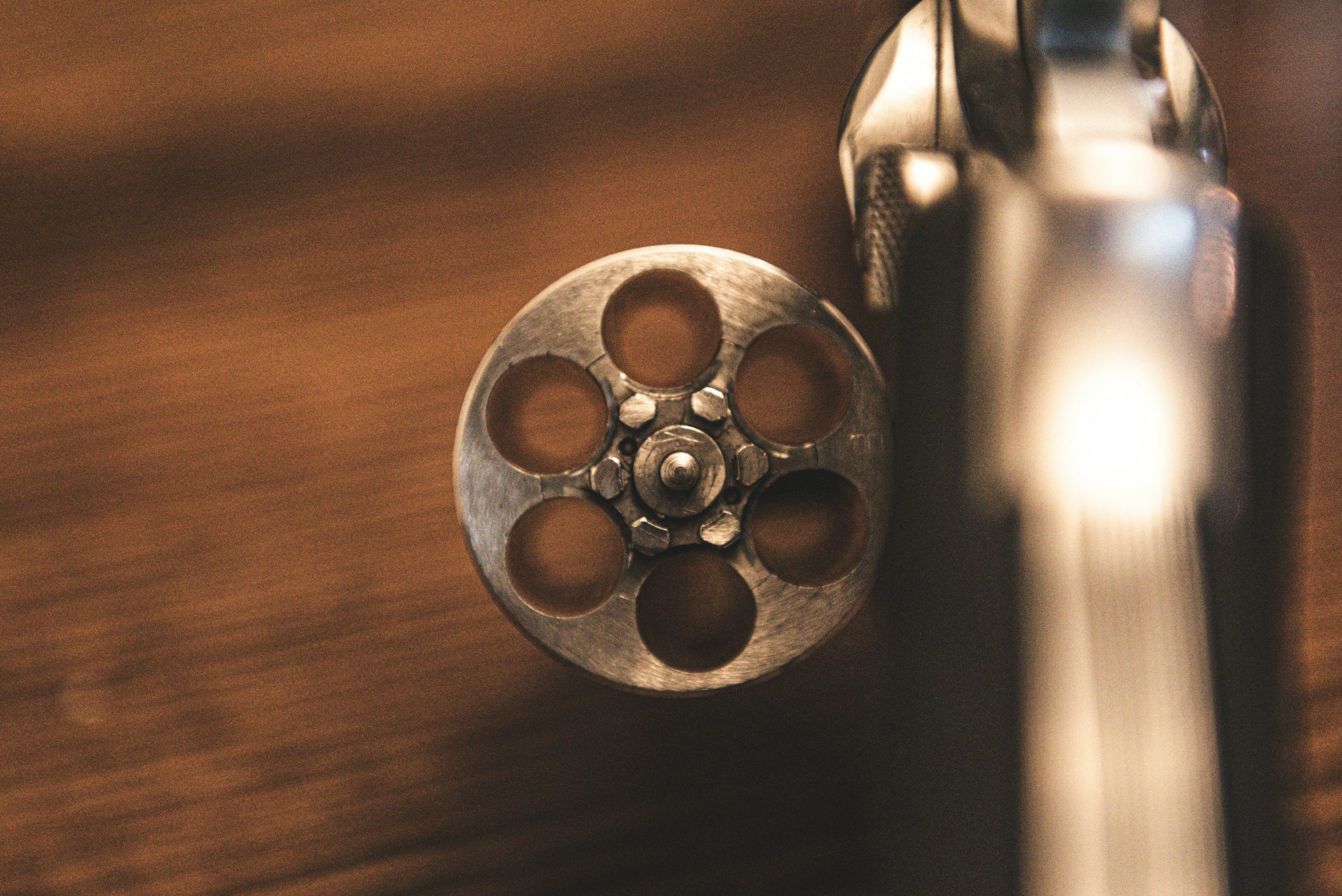
The Detective Special carried 6 rounds, giving it an advantage over many later compact revolvers that adopted five-shot cylinders to achieve smaller dimensions. Its cylinder swung outward for loading and unloading, while the double-action system allowed the shooter to fire without manually cocking the hammer. The revolver also retained single-action capability, giving users another operating option. Its typical 2-inch barrel kept the package compact, while fixed sights maintained the straightforward character expected of a working police revolver.
3. The Round Butt Improved Concealment
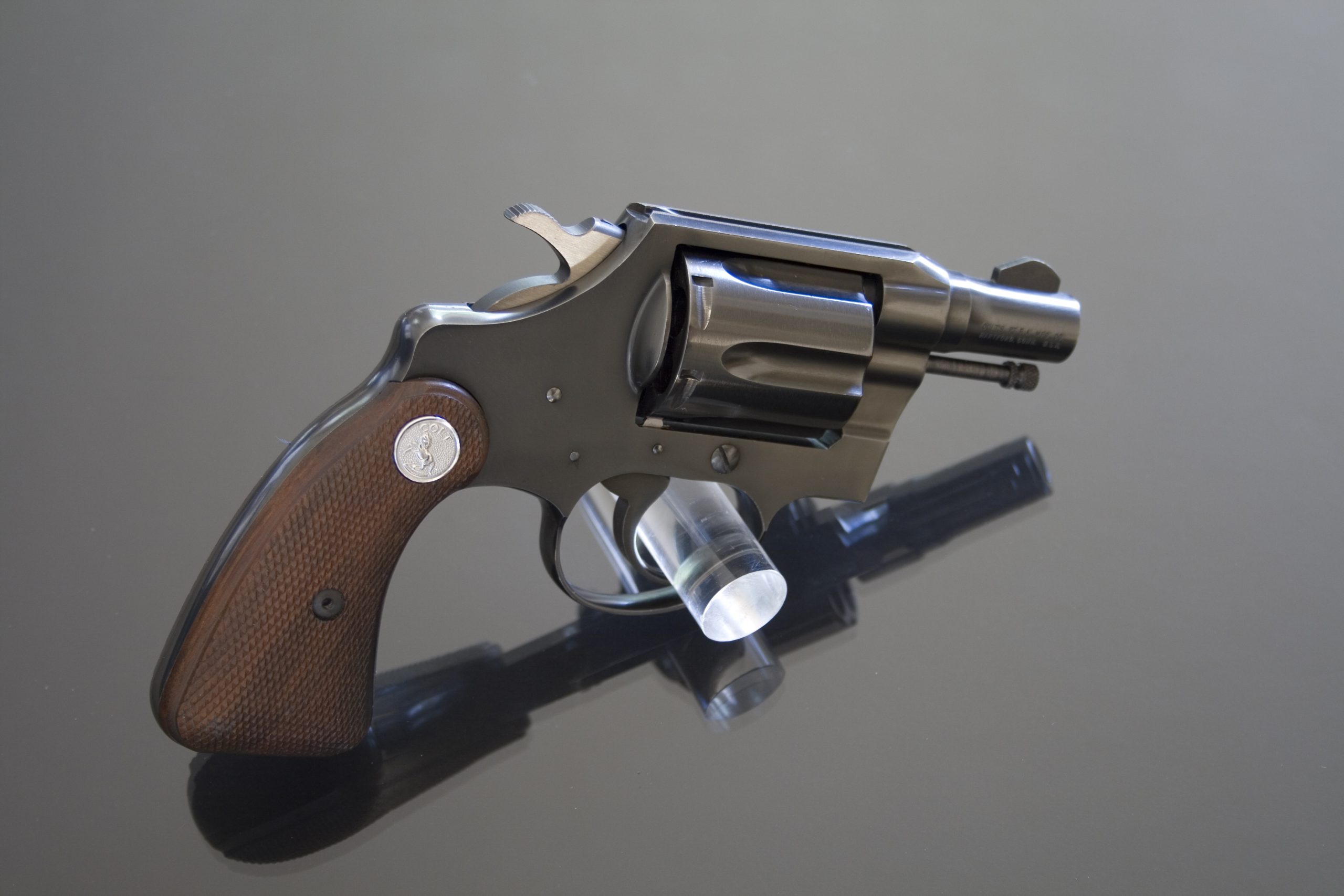
Early Detective Specials had a square butt because the original design closely followed the Police Positive Special. Colt changed the grip frame to a rounded profile in 1933, creating a smoother shape that was better suited to concealed carry. That alteration became one of the defining visual features of the model for decades. The rounded rear portion reduced the tendency of the grip to catch against clothing while preserving enough surface for a practical hold. A change made only 6 years after introduction became an important part of the Detective Special’s enduring identity.
4. It Was Built on the D Frame
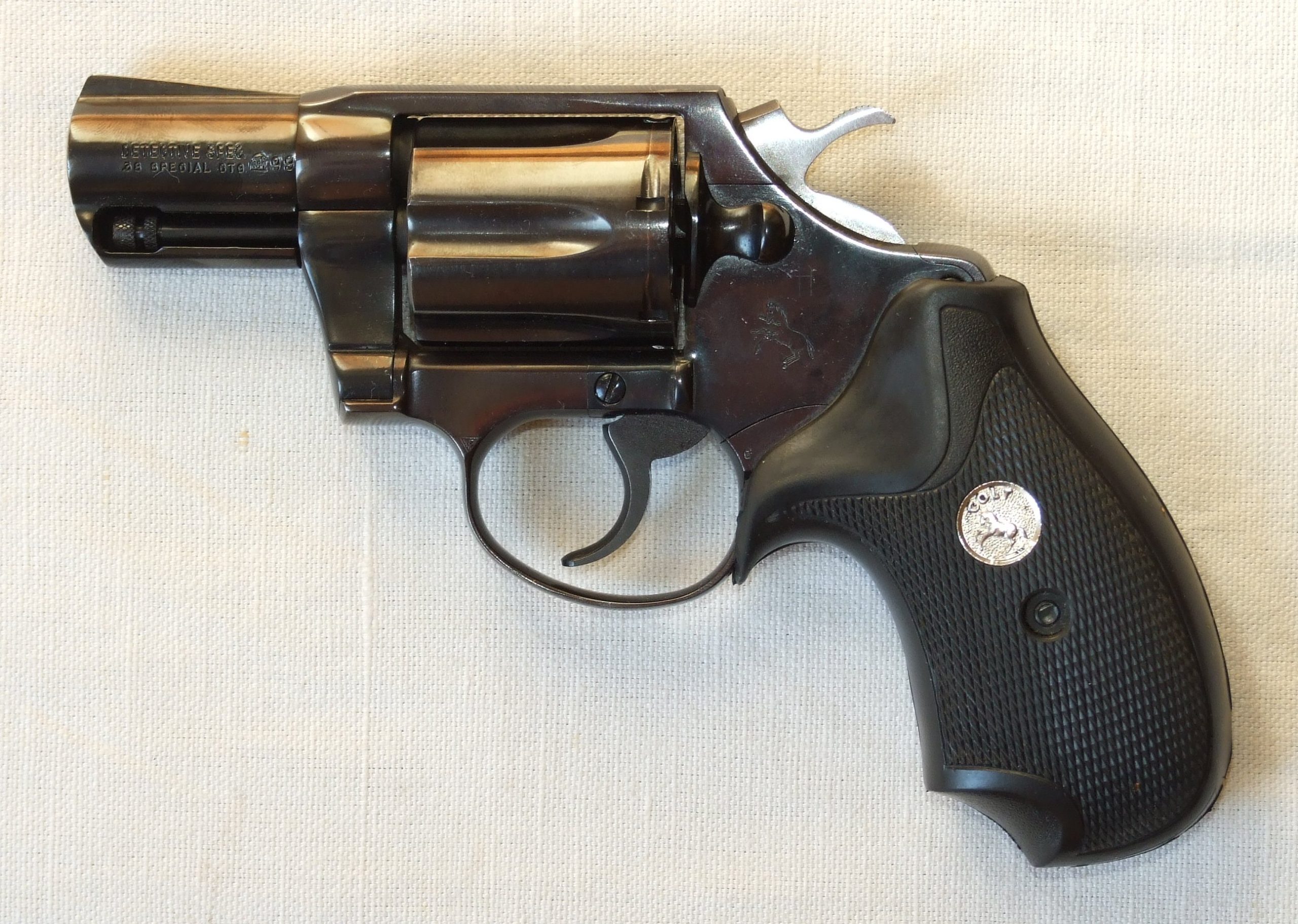
The Detective Special used Colt’s compact D frame, placing it between larger service revolvers and later ultra-compact designs in overall size. The frame was smaller than the company’s Official Police platform but still substantial enough to accommodate the .38 Special cartridge and six-shot cylinder. This balance was central to the revolver’s appeal. It was compact without becoming exceptionally delicate or difficult to operate. The D frame subsequently became the foundation for several Colt small frame revolvers, making the Detective Special part of a much broader family.
5. It Was Inspired by Fitzgerald’s Snub Nose Work
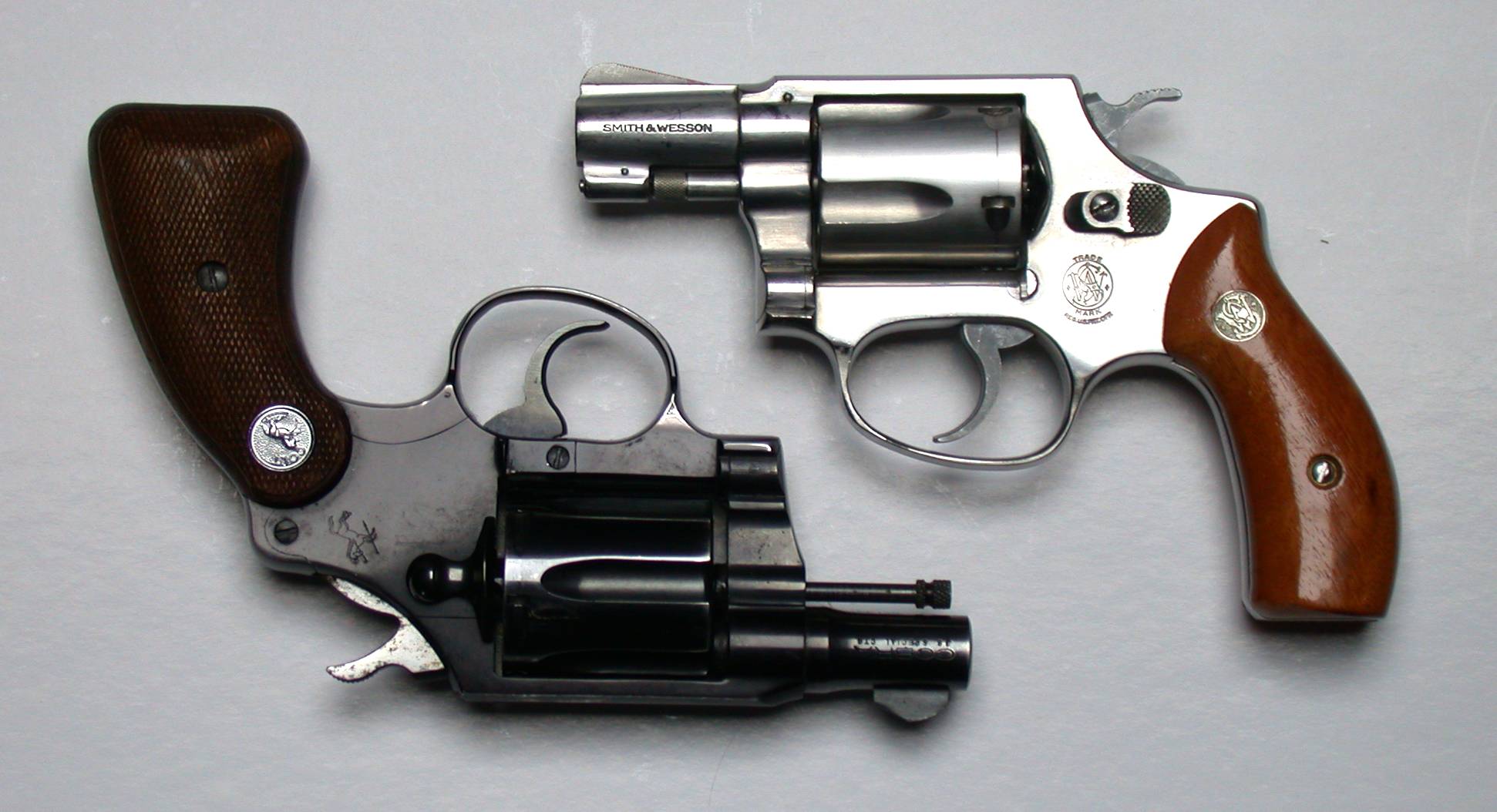
Colt’s J. H. Fitzgerald had experimented with aggressively shortened revolvers before the Detective Special appeared. His famous Fitz Special concept used a dramatically abbreviated barrel and other modifications to create a highly compact defensive revolver. Colt recognized the potential of the idea but chose a less radical factory approach. The Detective Special kept a conventional trigger guard, external hammer, and six-shot cylinder while adopting the compact 2-inch barrel. In 1927, that made the snub nose concept available as a factory-produced model rather than merely a custom modification.
6. It Came in More Than One Caliber
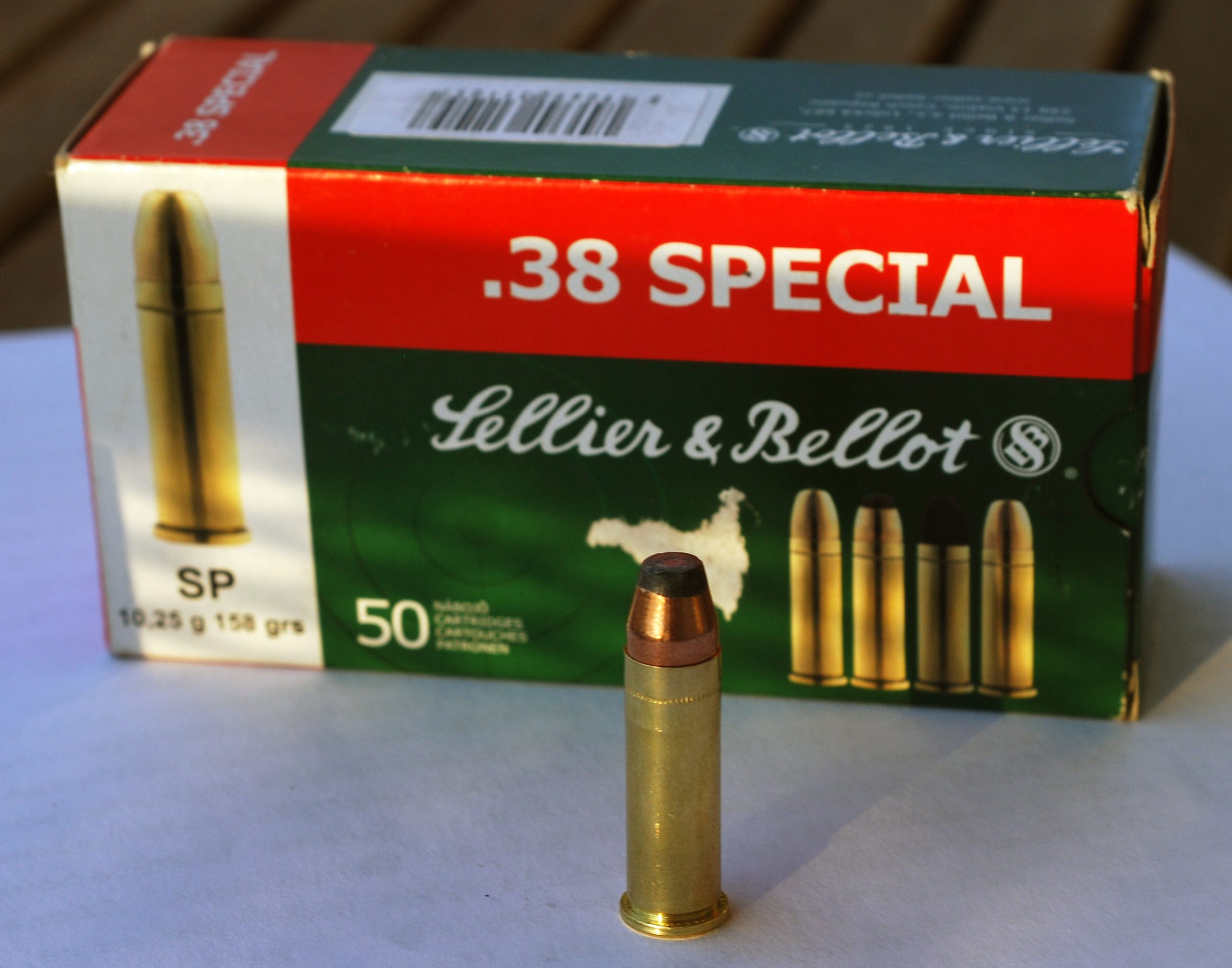
Although the .38 Special became the cartridge most strongly associated with the Detective Special, early production offered additional choices. Depending on the production period, buyers could encounter versions chambered for .32 New Police and .38 New Police as well. Later series concentrated on .38 Special, reinforcing the model’s reputation as a compact six-shot .38. This evolution reflected changing customer demand and the growing importance of the .38 Special as a general-purpose American police cartridge. The final classic configuration therefore became closely identified with one cartridge and one compact format.
7. Its Design Evolved Through Four Major Series
The Detective Special changed substantially during its long history, and collectors commonly divide it into 4 major series. The First Series covered 1927 to 1946, followed by the Second Series from 1947 to 1972. The Third Series ran from 1973 to 1986 and introduced a shrouded ejector rod along with other revisions. Colt later revived the model during the 1990s in a Fourth Series. These changes mean that two Detective Specials can look similar at first glance while differing significantly in sights, barrel details, grip configuration, and production features.
8. Its Legacy Lasted for Nearly 70 Years
The Detective Special’s production story stretched from 1927 into the 1990s, interrupted by a production gap after 1986 before Colt revived the model. The final revival ran during the 1990s, with the classic Detective Special eventually giving way to newer small-frame Colt designs. Across roughly 7 decades, its basic formula remained recognizable: a compact frame, 2-inch barrel, six-shot cylinder, and .38 Special chambering. That longevity explains why the Detective Special remains one of the defining American snub-nose revolvers rather than merely another discontinued police handgun.