The modern hunting world is changing, and so are the dogs people trust in the field. In 2026, many serious hunters are looking beyond the usual retrievers and pointers, choosing breeds with sharper versatility, tougher stamina, and a closer working bond. This gallery explores the dogs gaining attention for their drive, intelligence, and ability to handle everything from rough upland cover to cold, wet marshes.
German Shorthaired Pointer
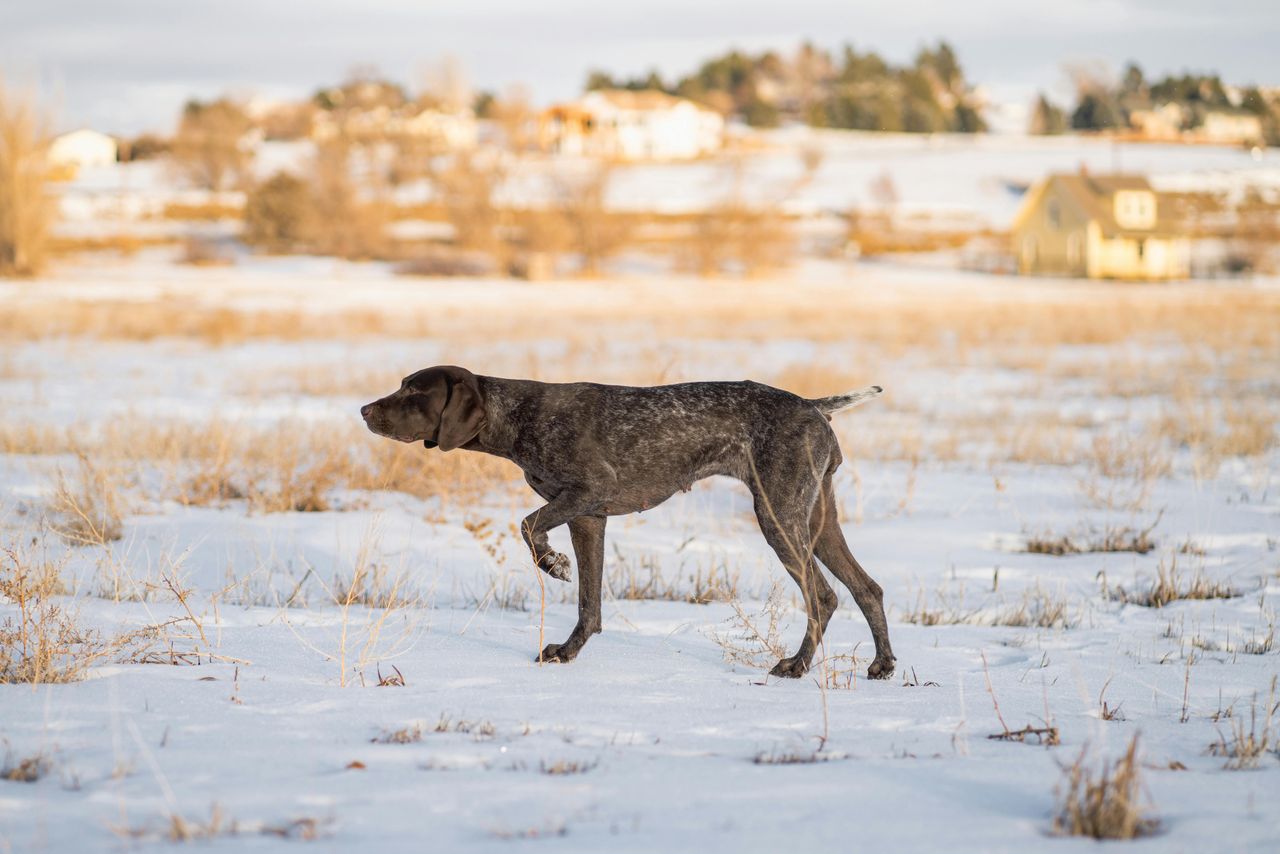
The German Shorthaired Pointer remains a powerhouse, but in 2026 it is being valued less as a conventional bird dog and more as an all-around field partner. Hunters appreciate a breed that can point, track, retrieve, and stay mentally engaged through a long day without fading.
Its appeal comes from range and flexibility. A good GSP can shift from upland birds to small game and even blood tracking with surprisingly little fuss, making it ideal for hunters who do not want a one-job specialist.
That athletic build also suits modern hunters covering more ground on public land. For people who prize versatility over tradition, this breed keeps earning serious respect.
Wirehaired Pointing Griffon
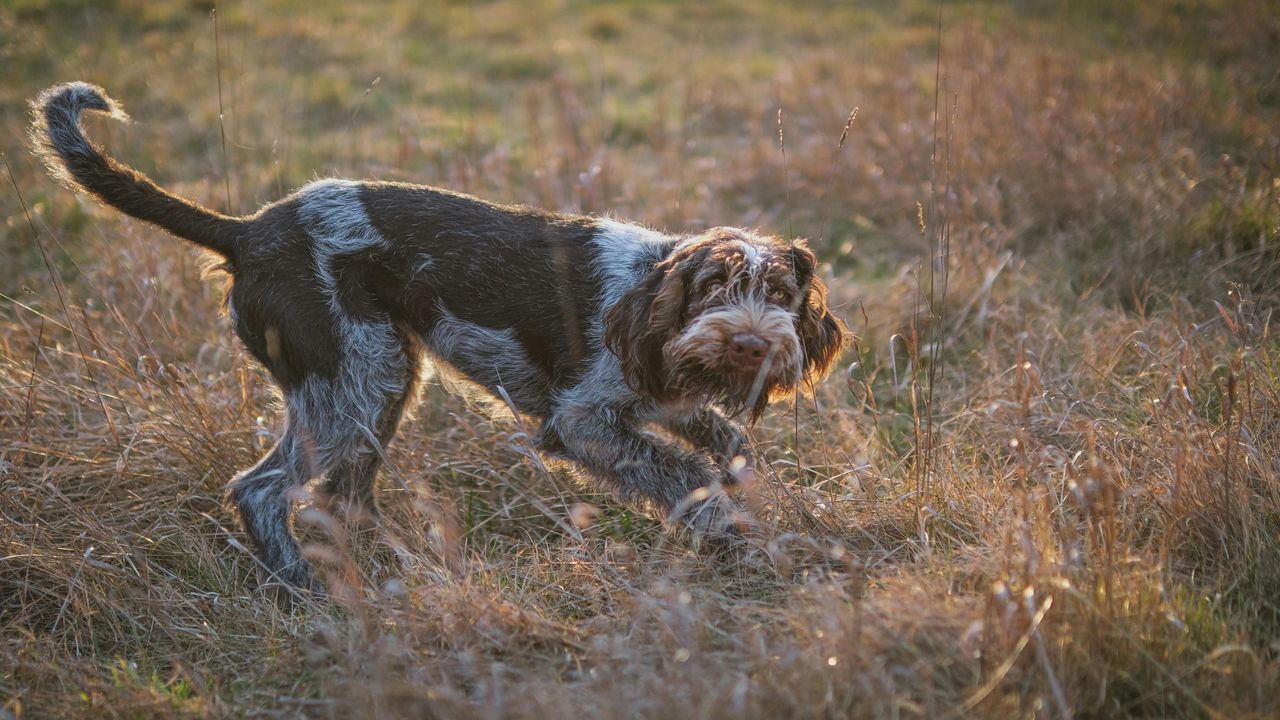
The Wirehaired Pointing Griffon has developed a devoted following among hunters who want a tougher-coated, closer-working dog. In rough cover, wet brush, and cold weather, that practical build gives the breed a real advantage over flashier field dogs.
Hunters often describe Griffons as thoughtful workers. They tend to stay connected, check in naturally, and hunt at a range that feels manageable, which matters when visibility is poor or the terrain gets chaotic.
Their retriever instinct adds to the appeal. For hunters who want one dog to handle pointing and water work without a lot of drama, the Griffon feels like a smart, modern choice.
Boykin Spaniel
derivative work: Miyagawa (talk)/Wikimedia Commons
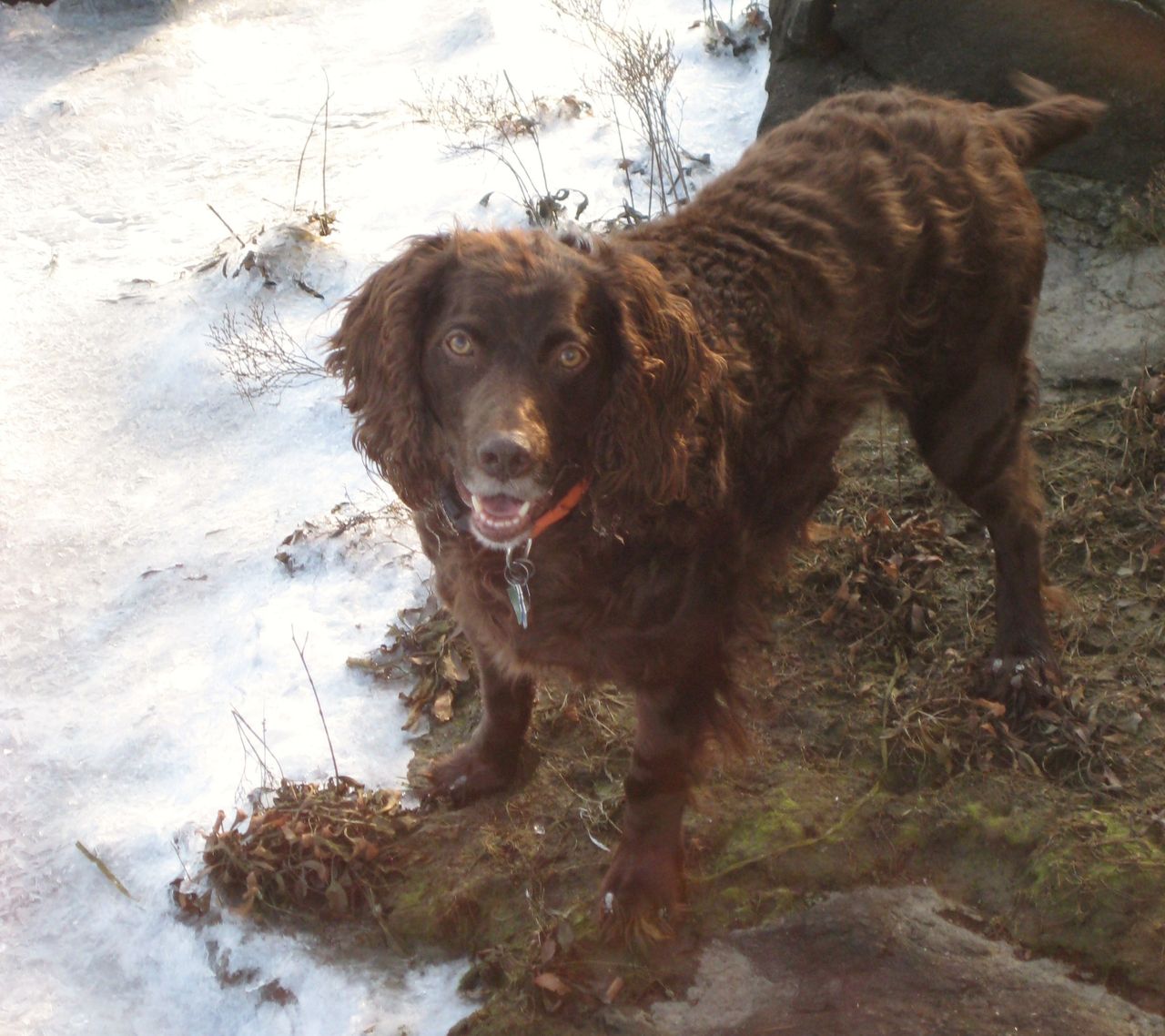
Compact, energetic, and remarkably adaptable, the Boykin Spaniel is winning over hunters who need a dog that can move easily from boat to blind to thick brush. Its smaller frame makes handling simpler, especially for hunters with limited space at home or in the truck.
What stands out is attitude. Boykins bring enthusiasm without always requiring the wide range or intensity that can overwhelm casual hunting setups, and they are especially appealing to people mixing waterfowl and upland days in the same season.
In 2026, portability matters as much as pedigree. The Boykin fits that shift perfectly, offering real field ability in a package many hunters find easier to live with year-round.
Pudelpointer
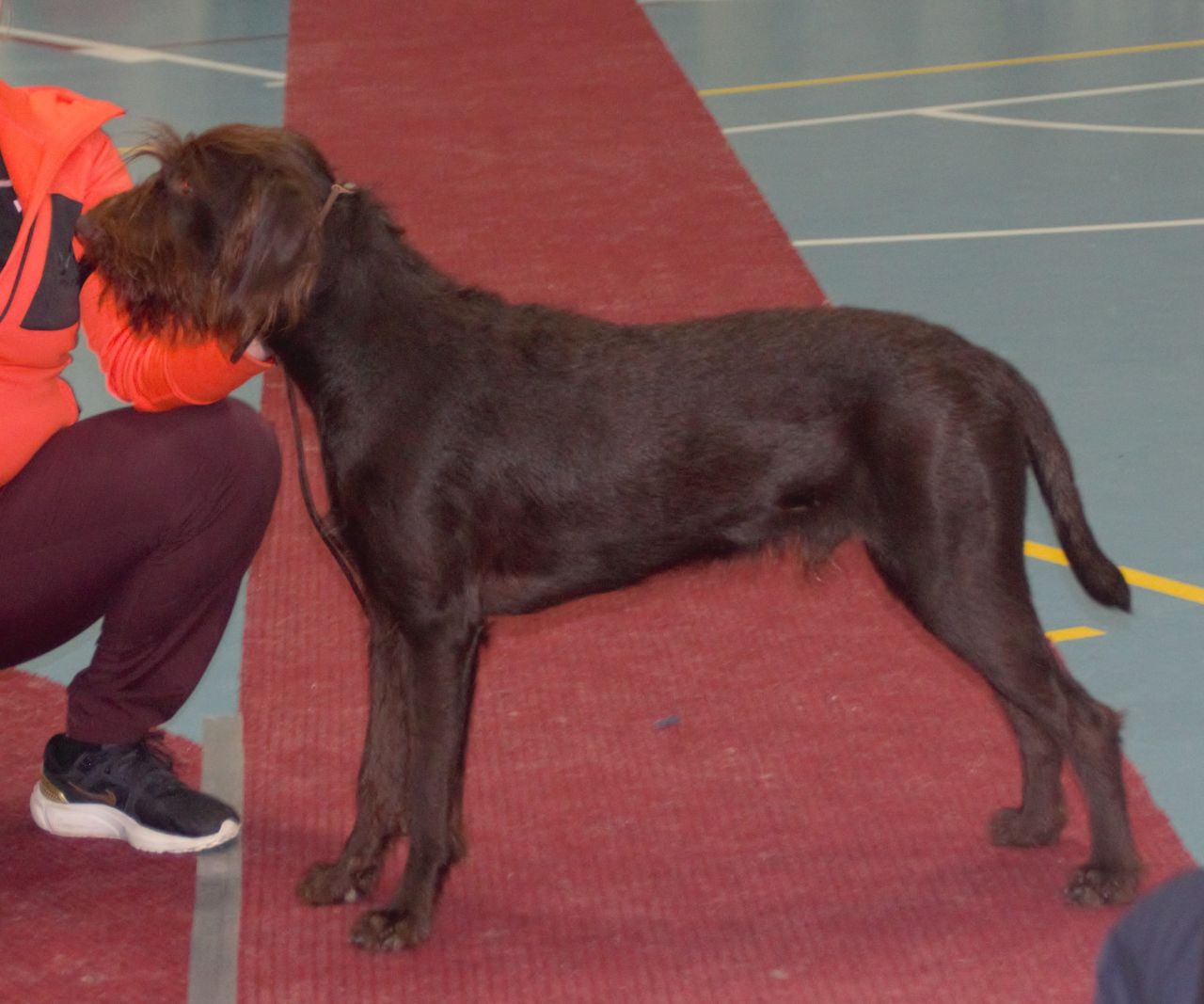
The Pudelpointer is one of those breeds hunters talk about with the tone usually reserved for insider secrets. It combines serious drive with an even-headed temperament, creating a dog that can hunt hard without turning daily life into a constant management project.
Its reputation keeps rising because it can genuinely do a bit of everything. From pointing upland birds to retrieving ducks and tracking wounded game, the breed appeals to hunters who expect performance across seasons rather than in just one niche.
There is also a practical side to the interest. Many hunters like the Pudelpointer’s rugged coat, trainability, and steady focus, all of which fit the growing demand for balanced, multi-purpose hunting companions.
Vizsla
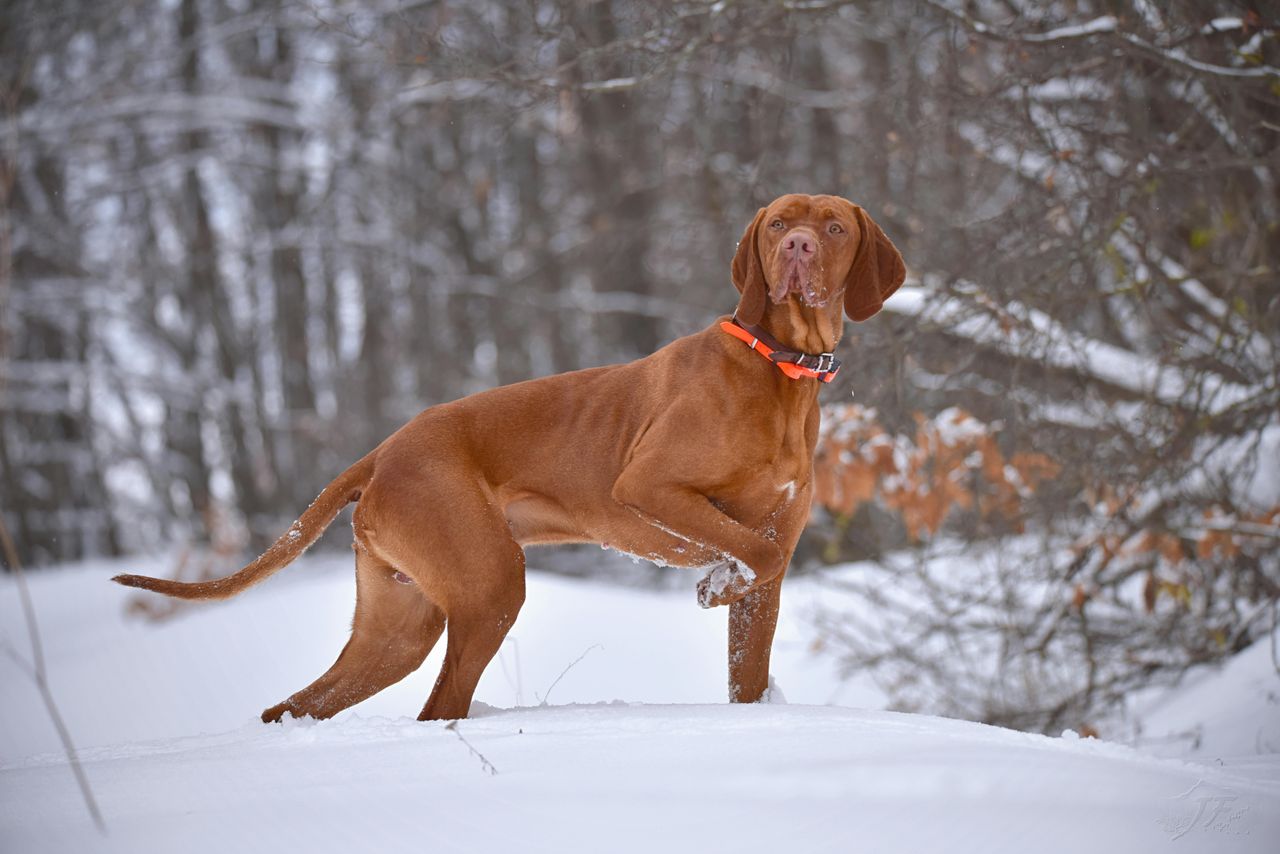
The Vizsla has long had fans, but more serious hunters are giving it a harder look in 2026 because of its blend of speed, responsiveness, and close partnership. This is a breed that tends to work with its person, not simply in front of them.
In open country, that elegant build turns into real efficiency. Vizslas cover ground quickly and often handle extended hunts well when conditioned properly, making them attractive to hunters who want a lighter, athletic dog with strong upland instincts.
They also fit a changing lifestyle. Hunters who want a field dog that can live closely with the family and still perform at a high level often find the Vizsla strikes that balance beautifully.
Brittany
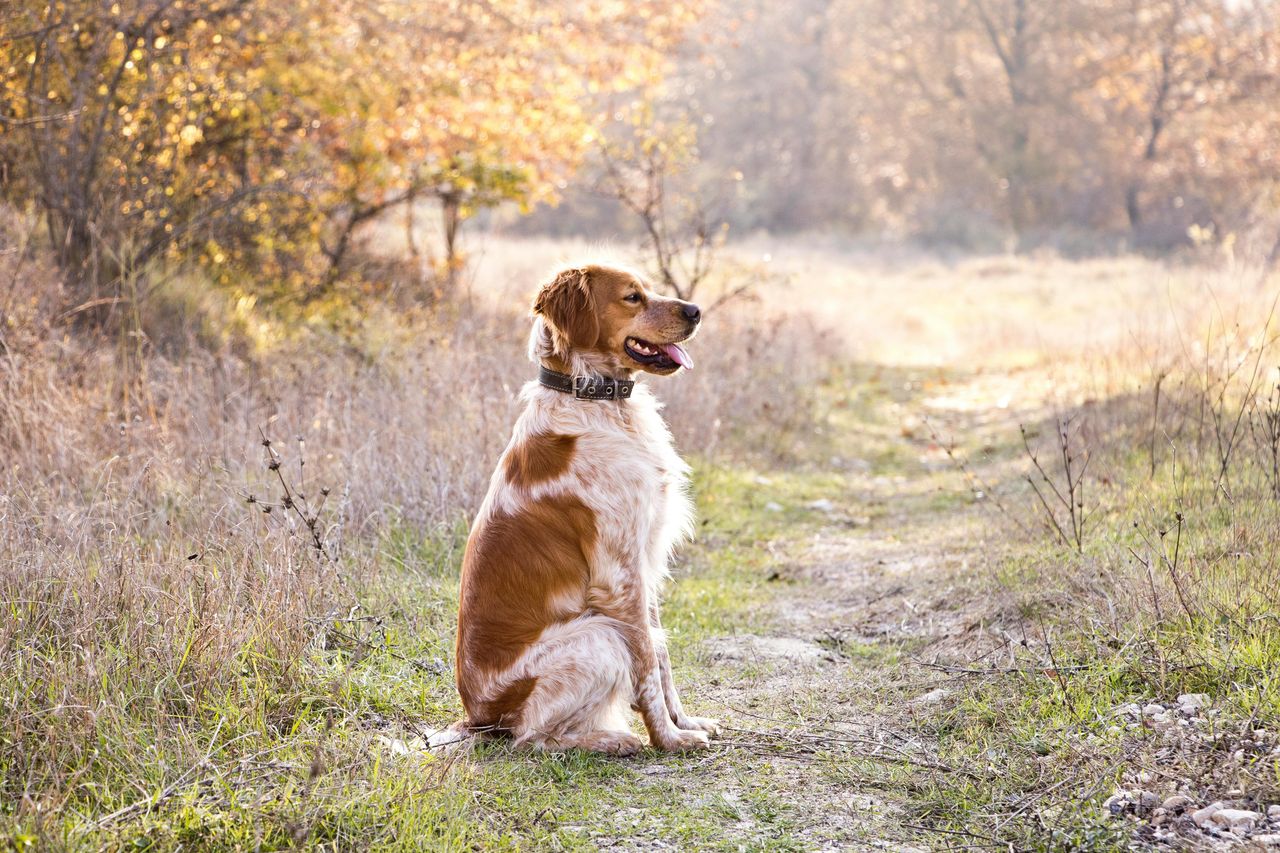
The Brittany continues to attract hunters who value energy, biddability, and bird sense over sheer size. In a moment when many people are rethinking what makes the ideal hunting dog, this breed looks especially relevant rather than old-fashioned.
Brittanys are known for hunting with animation and intensity, yet they are often easier to manage than some bigger, harder-driving breeds. That makes them appealing for people who want a serious worker but still need a dog that fits everyday routines.
Another reason for the breed’s staying power is efficiency. Brittanys can cover ground, point naturally, and adapt to a range of upland situations, giving hunters a lot of utility without asking for oversized accommodations.
Deutsch Drahthaar
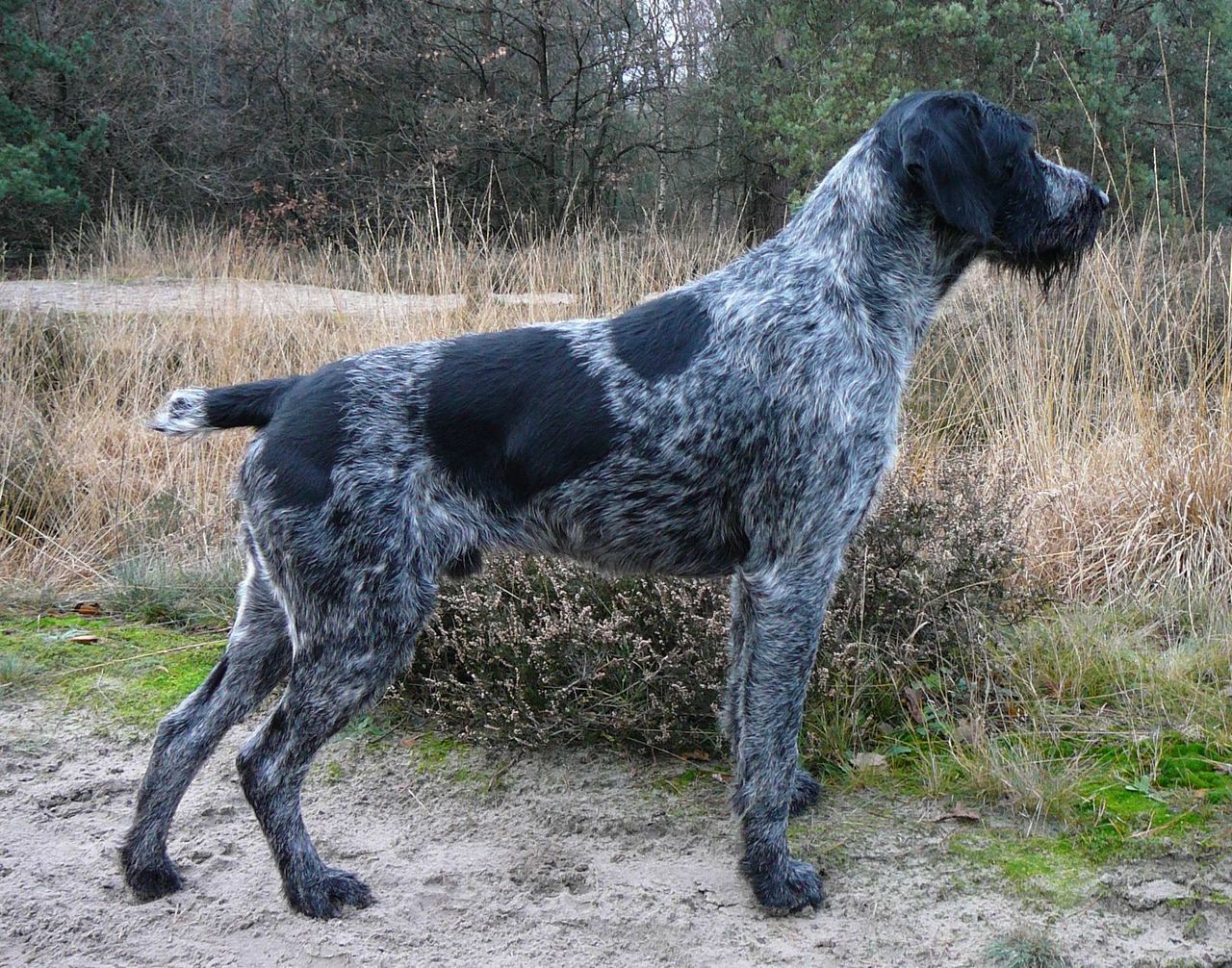
For hunters who put function above everything, the Deutsch Drahthaar has become a standout choice. It is prized for toughness, stamina, and a workmanlike attitude that suits people who expect a dog to perform in difficult, varied conditions.
This breed appeals to hunters who want more than polished field style. They are often looking for a dog that can point birds, retrieve from cold water, track wounded game, and handle rough cover with total commitment.
In 2026, that all-business profile feels increasingly attractive. As more hunters seek one dog for multiple jobs instead of a kennel full of specialists, the Drahthaar keeps gaining ground among serious field users.
Mountain Cur
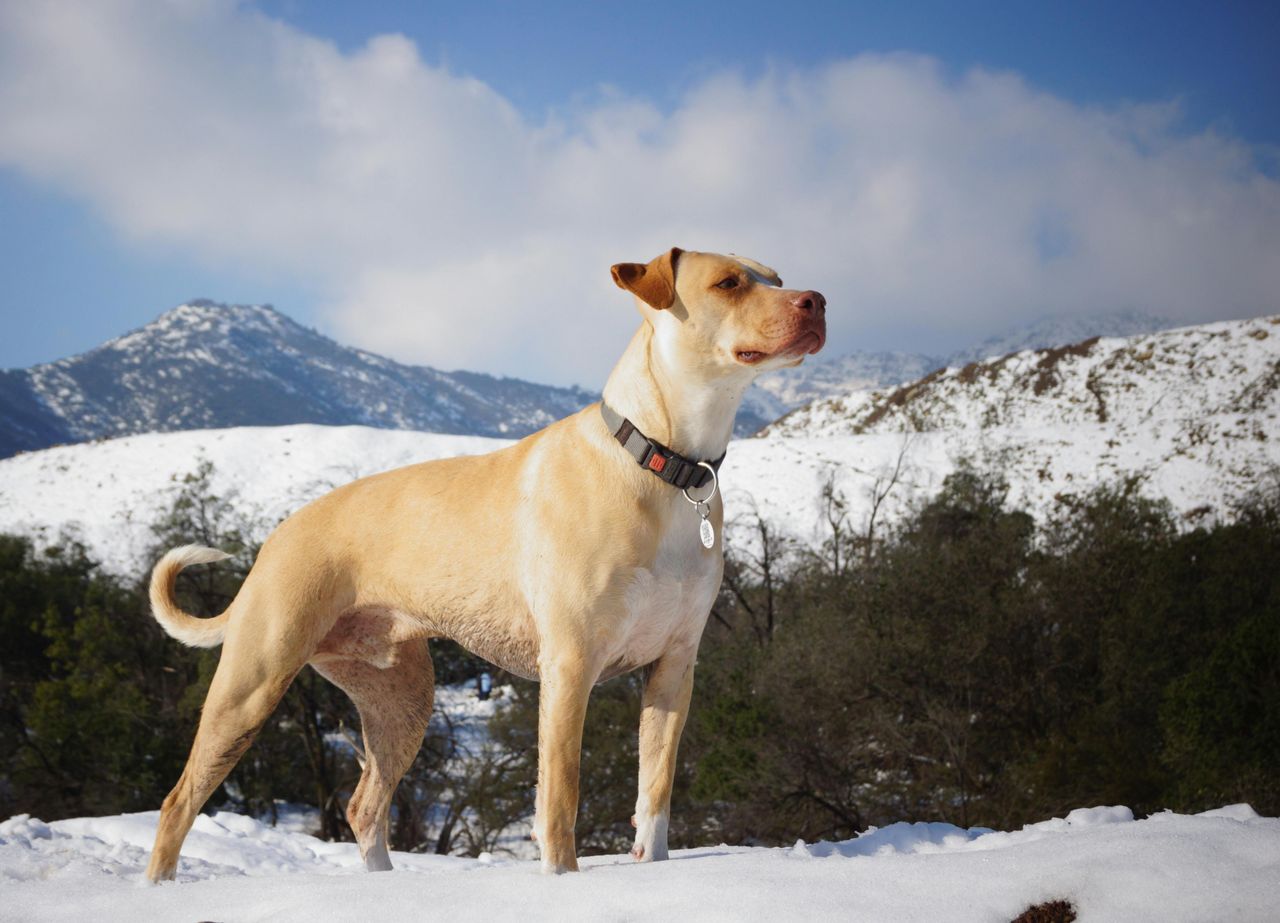
The Mountain Cur is not a traditional bird dog, and that is exactly why more hunters are taking notice. Built for grit, independence, and practical field work, this breed appeals to people who hunt small game, tree game, and mixed terrain where pure sporting breeds may not shine.
What gives the Cur its edge is toughness. These dogs are often fearless in brush, adaptable in uneven country, and intensely driven once they understand the job, which makes them especially useful for hunters outside the classic upland and waterfowl mold.
Their rising popularity says a lot about hunting in 2026. Many sportsmen now want utility first, and the Mountain Cur delivers that in a rugged, no-nonsense package.
Catahoula Leopard Dog
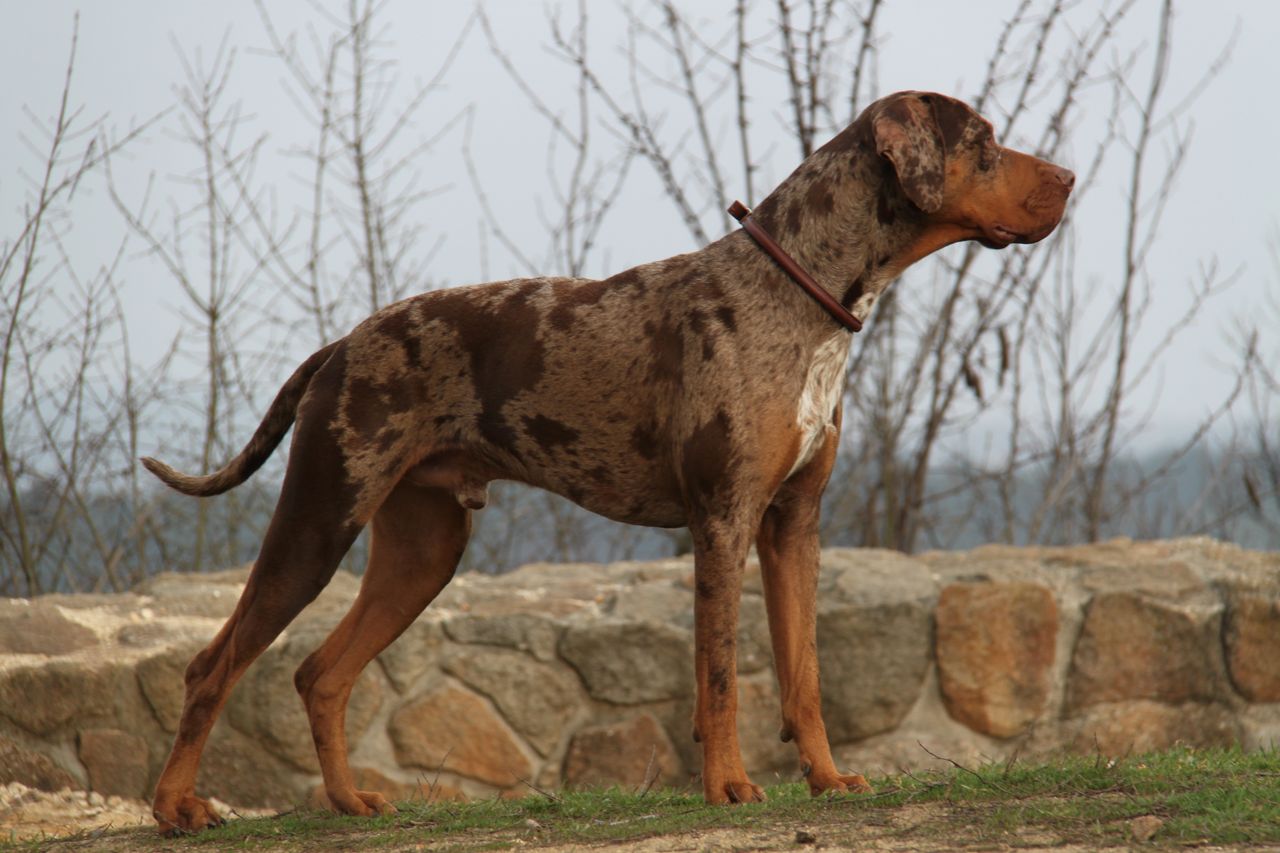
The Catahoula Leopard Dog is gaining attention among hunters who need brains, grit, and versatility in rough country. Traditionally linked with bay and tracking work, it is increasingly valued by people who hunt challenging terrain where problem-solving matters as much as raw instinct.
This is a breed with presence. Catahoulas tend to be alert, physically capable, and highly aware of their surroundings, which can make them effective partners for hunters pursuing game in swamps, woods, and brush-heavy landscapes.
They are not for everyone, and that is part of the point. In 2026, more experienced hunters are choosing dogs with specialized toughness, and the Catahoula fits that demand with confidence and edge.
Lagotto Romagnolo

At first glance, the Lagotto Romagnolo may seem like an unexpected addition to a hunting conversation. Yet in 2026, some hunters are embracing the breed for its intelligence, nose work, and compact versatility, especially in situations where close handling and scent focus are prized.
Known widely for truffle work, the Lagotto also brings retrieving ability and a strong desire to engage with its handler. For hunters interested in tracking, flushing, and practical field partnership, that combination is more relevant than many people assume.
Its size and coat add another layer of appeal. Hunters who want a durable, trainable dog that fits suburban life as well as weekend field use are giving the Lagotto a serious look.
Weimaraner
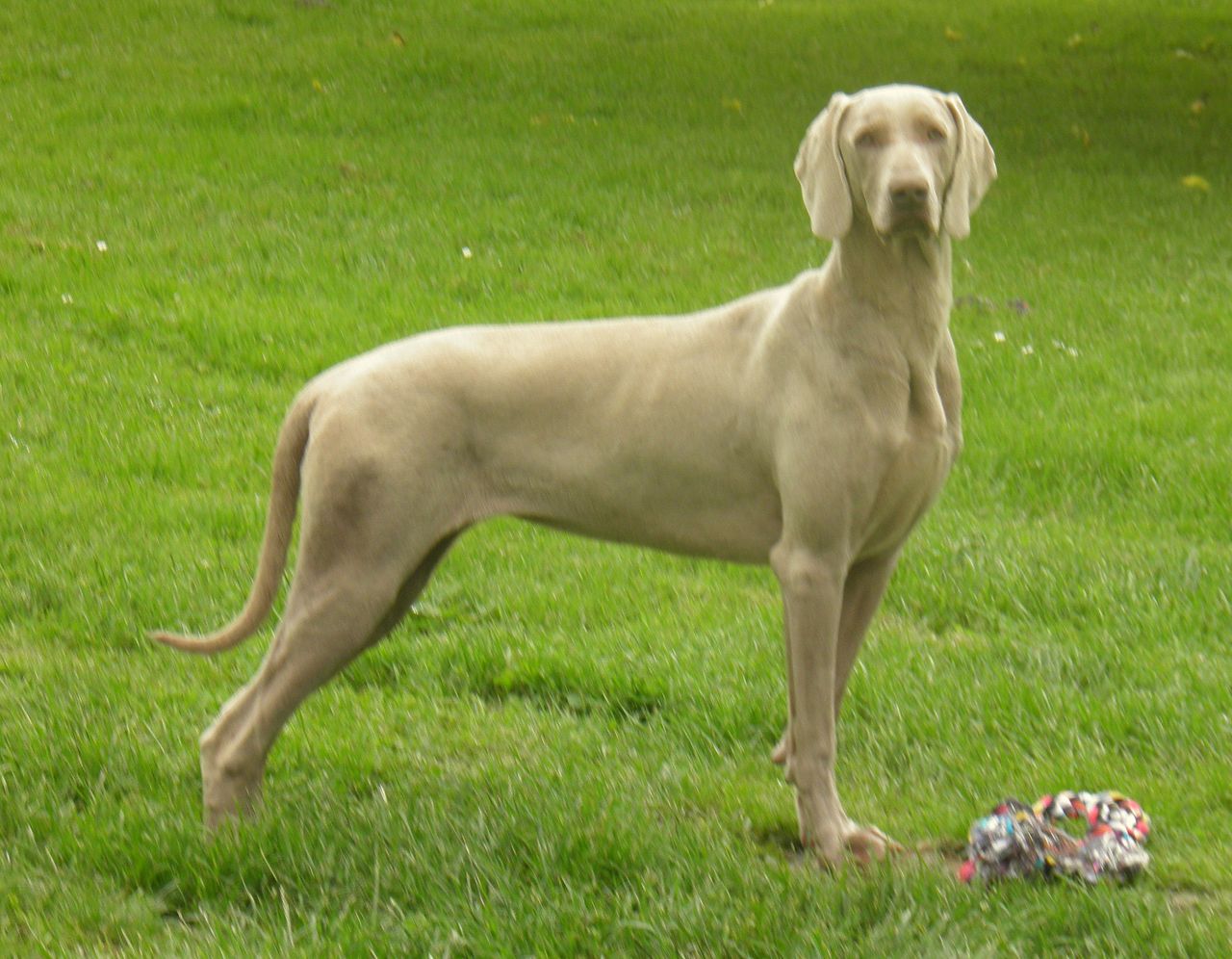
The Weimaraner is seeing renewed interest from hunters who want speed, endurance, and a strikingly close human bond. While the breed’s image sometimes drifts into the companion world, its field heritage still resonates with people who appreciate a bold and athletic hunting partner.
In the right hands, a Weimaraner can be a determined worker with excellent range and stamina. That matters to hunters covering big country, especially those who prefer a dog capable of sustained effort rather than short bursts of high excitement.
There is also a lifestyle appeal here. For owners willing to train consistently, the Weimaraner offers a mix of drive and loyalty that feels tailor-made for the hunter who wants intensity in the field and attachment at home.
Plott Hound

The Plott Hound is becoming a more visible choice among hunters who prioritize grit, nose, and stamina over traditional sporting-dog expectations. Best known for big game and trailing, this breed is drawing attention from people who hunt rugged country and need serious determination.
Plotts are built for persistence. They can handle long hours, difficult scent work, and punishing terrain, which makes them especially appealing in regions where hunting is less about polished bird work and more about endurance and resolve.
Their rise reflects a broader shift in 2026 hunting culture. Many hunters are choosing dogs based on real-world performance in their local environment, and the Plott Hound offers exactly that kind of practical value.