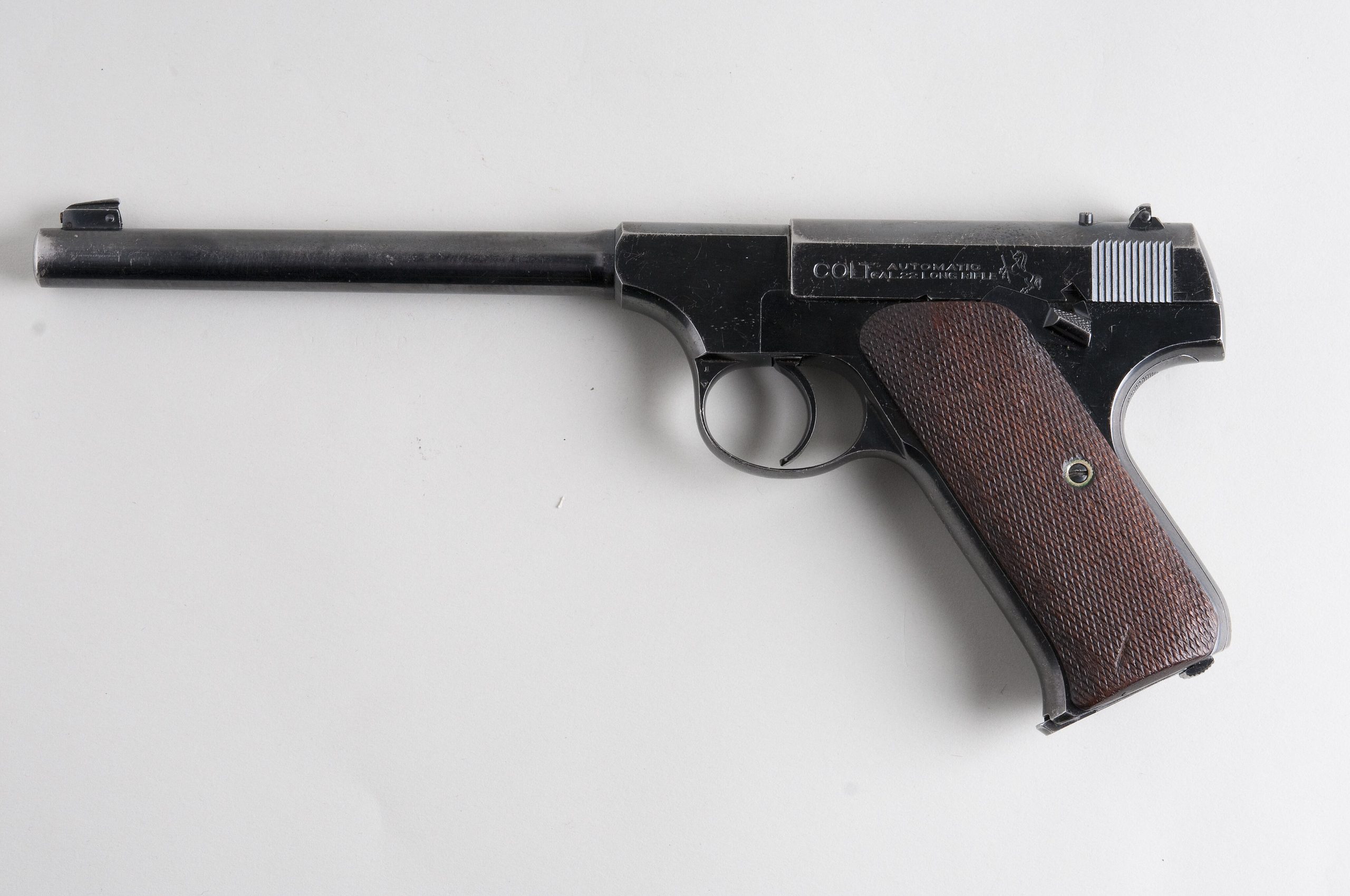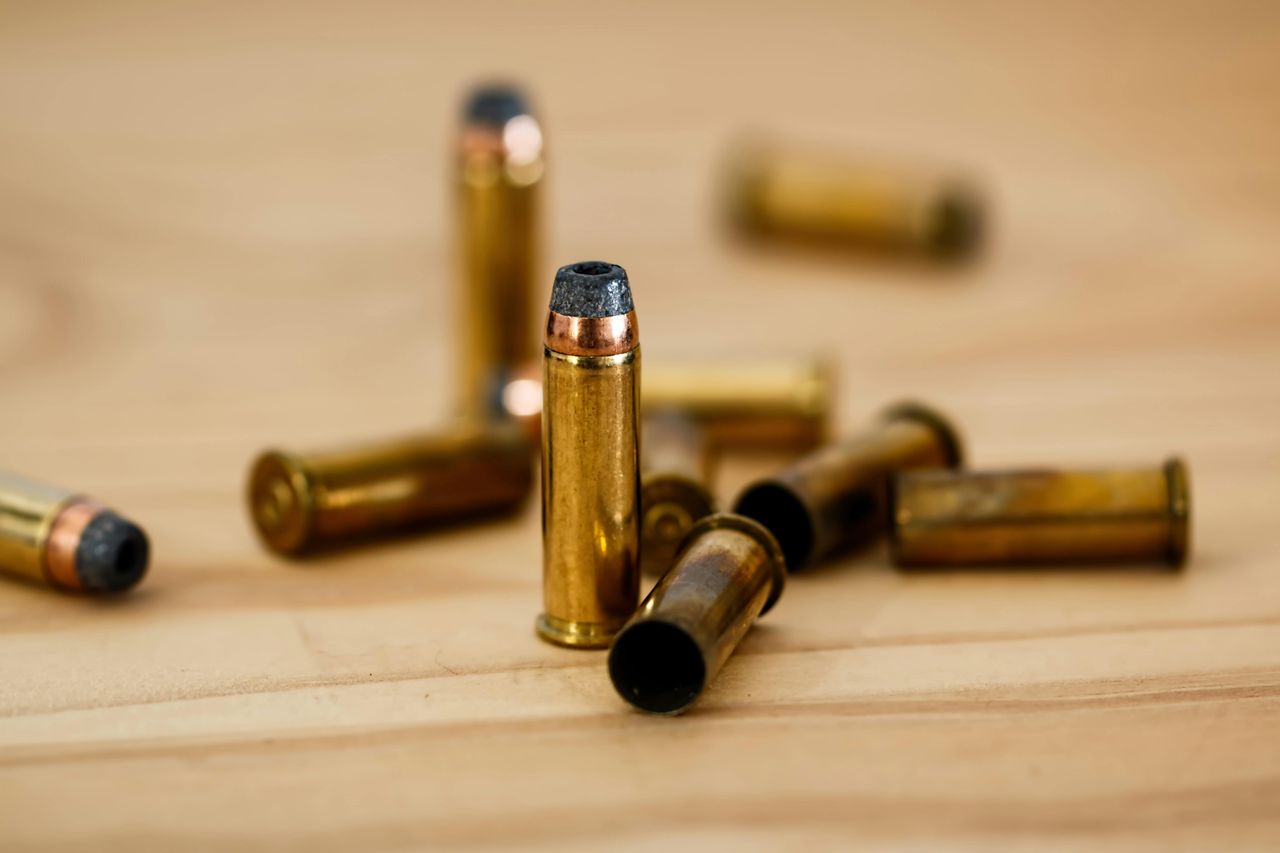
Some cartridges come and go. The .357 Magnum never really left because it keeps solving problems that newer rounds only promise to fix.
It earned its reputation the hard way.

The .357 Magnum was introduced in the 1930s, and from the start,t it was built around a simple idea: push a handgun cartridge faster and harder without giving up practical shootability. That formula worked. Lawmen, outdoorsmen, and skilled revolver shooters quickly learned that it offered a serious jump in performance over older service rounds.
Its reputation was not built in advertising copy. It was built on real use, over decades, in patrol holsters, tackle boxes, nightstands, and hunting camps. Experienced shooters tend to trust tools that have survived changing fashions, and the .357 Magnum has done exactly that while countless “next big things” faded away.
Part of that staying power comes from consistency. A good .357 revolver with quality ammunition has long been known for dependable ignition, strong terminal performance, and enough precision to reward careful shooting. That combination made it a benchmark cartridge, not just a nostalgic one.
Even now, many instructors and veteran gun owners recommend it because they have seen what it does in real hands, not ideal lab conditions. They know where it shines, where it asks something of the shooter, and why it still feels reassuring when other options seem too specialized.
The versatility is what keeps people coming back.
One of the strongest arguments for the .357 Magnum is flexibility. In a revolver chambered for .357 Magnum, you can also shoot .38 Special, and that changes the whole ownership experience. A new shooter can start with softer, cheaper .38 loads, then move up to full-power magnum ammunition as skill and confidence improve.
That dual-ammunition capability is a huge reason seasoned shooters keep recommending it. Instead of owning one gun that is only pleasant with mild loads and another that is only worthwhile with heavy loads, the .357 platform can cover both ends. It can be a low-stress range gun on Saturday and a serious field sidearm on Sunday.
This matters even more in a world where people want gear that does more than one job. A 4-inch .357 revolver can serve for home defense, trail carry, target shooting, and even small to medium game hunting with the right load. Few handgun cartridges offer that range without forcing major compromises.
Experienced shooters notice that kind of utility. They often care less about trends and more about whether a firearm can adapt to real life. The .357 Magnum has remained relevant because it bends to the user instead of demanding that the user bend to it.
Power still matters, and this round delivers it honestly

The .357 Magnum still gets respect because its power is real, measurable, and immediately obvious on the range. Common defensive loads often push 125-grain or 158-grain bullets at velocities that clearly exceed man-standard-pressure handgun rounds. Out of longer barrels, those numbers become even more impressive.
That velocity gives the cartridge a reputation for strong penetration and reliable expansion when paired with modern bullet design. Ballistics testing over many years has kept the .357 in the conversation because it can perform across barriers, heavy clothing, and animal defense roles better than many milder handgun cartridges.
Of course, experienced shooters rarely talk about power in isolation. They know recoil, muzzle blast, and flash are part of the package. The reason they still recommend the .357 is not that it is easy, but that the payoff often feels worth the extra effort, especially from a medium or large-frame revolver.
There is also an honesty to the cartridge that appeals to practical people. It does not pretend to be soft shooting while delivering magnum results. It gives you a straightforward tradeoff: more authority in exchange for more noise and recoil. Veteran shooters generally respect that kind of clarity.
Revolvers chambered in .357 make a lot of sense.

The cartridge and the revolver are deeply connected, and that pairing is a major part of the recommendation. A quality double-action .357 revolver is mechanically simple from the user’s perspective: load it, close the cylinder, and fire. There is no magazine to seat, no slide to rack, and no concern about cycling lighter loads if you are shooting .38 Special.
That simplicity matters for people who value reliability under stress. Revolvers are not magic, and they can absolutely fail, but many shooters appreciate their straightforward manual of arms. For someone who wants a firearm that can sit ready for long periods and still be immediately understandable, a .357 revolver remains attractive.
Barrel length also gives buyers useful choices. A 2-inch or 3-inch gun is easier to carry, while a 4-inch or 6-inch model can offer better sight radius, higher velocity, and more manageable recoil. That means the same caliber can live in very different revolver setups without losing its core strengths.
Experienced shooters often recommend the cartridge because the guns built around it tend to be robust. Manufacturers have spent generations refining .357 revolvers, and many of those designs have proven track records for durability. That history gives owners confidence, especially when they want a gun they can keep for decades.
It rewards good shooting without punishing growth.h

A lot of people assume the .357 Magnum is only for experts, but that misses the point. What experienced shooters really appreciate is that it scales with the user. Start with .38 Special wadcutters or standard pressure loads, learn trigger control and sight alignment, then step into magnum loads when the fundamentals are solid.
That progression teaches useful lessons. Shooters can feel the difference that grip, stance, and follow-through make when the ammunition gets hotter. Instead of masking mistakes, the .357 often reveals them clearly, which is frustrating in the moment but valuable over time.
At the same time, it rewards discipline. A practiced shooter running a well-made .357 revolver can produce excellent accuracy at distances where many casual handgun users begin to struggle. The cartridge has enough power for serious work, but enough inherent precision to keep target shooters interested, too.
This balance is a big reason veteran shooters recommend it when someone feels stuck. If a person has bounced between lightweight carry guns, small calibers, or trendy platforms and still feels dissatisfied, the .357 often brings them back to basics. It asks for competence and then pays that competence back.
Real-world usefulness beats trend-driven excitement.t
Handgun discussions often get pulled toward novelty. Every few years, a new caliber or pistol format gets sold as the answer to every defensive, sporting, or backcountry need. Experienced shooters tend to be skeptical of that cycle because they have seen how often practical, boring solutions outlast exciting new ones.
The .357 Magnum is practical in exactly that old-school way. It has a long record in personal defense, law enforcement history, metallic silhouette competition, and handgun hunting. While modern semi-automatic pistols dominate many roles today, the .357 still holds ground where versatility and confidence matter more than fashion.
For trail carry, for example, many hikers and rural property owners still appreciate a sturdy .357 loaded with hard-cast or heavy jacketed rounds. It offers more penetration and field credibility than many compact defensive calibers. In home defense, others prefer the certainty of a revolver and choose ammunition tailored to reduce overpenetration while keeping strong stopping potential.
That is the theme with this cartridge: it keeps being useful in the real world. It may not be the most comfortable, the lightest, or the highest capacity option. But when experienced shooters recommend it, they usually do so because it remains dependable across many situations, not just one carefully marketed scenario. Why does it still feel right when other calibers do not
There is a reason people circle back to the .357 Magnum after trying everything else. Some discover that tiny carry pistols are easy to conceal but hard to shoot well. Others find that milder calibers leave them unconvinced, while larger semi-auto platforms feel overly complex for what they want. The .357 often lands in the middle as a satisfying answer.
It feels substantial without being absurd. In a medium-frame revolver, the weight helps tame recoil, the grip fills the hand, and the trigger system encourages deliberate shooting. There is a physical and mechanical confidence to the platform that many shooters describe as reassuring from the very first cylinder.
That feeling is not just romance or nostalgia. It comes from the cartridge’s unusual ability to combine adaptable ammunition, proven stopping power, practical accuracy, and durable gun designs. Few handgun choices offer all of that at once, which is why the .357 remains a recommendation passed down from one generation of shooters to the next.
When nothing else feels right, experienced shooters often point to the .357 Magnum because it still makes immediate sense. It is powerful without gimmicks, flexible without compromise, and demanding in a way that ultimately makes many shooters better. That is why it endures, and why it still earns real respect.