The .243 Winchester has a reputation that sparks strong opinions, especially among hunters who grew up hearing bigger is always better. But one full season in the field tends to replace rumor with experience. From recoil and shot placement to ammo choice and game performance, these are the lessons that often change how people think about caliber for good.
Recoil matters more than people admit

A full season with the .243 Winchester quickly shows why recoil is not just a comfort issue. Hunters who shoot it well usually notice they practice more, stay calmer behind the rifle, and recover their sight picture faster after the shot. That changes confidence in a very real way.
Many first-time users start the season thinking light recoil is mainly for beginners or younger shooters. By the end, they often realize less punishment means better trigger control and fewer bad habits. Accuracy in the field is rarely about ego, and the .243 makes that lesson hard to ignore.
For many hunters, that single discovery reshapes how they judge every other caliber.
Shot placement stops being a slogan

Hunters hear about shot placement for years, but the .243 Winchester makes the point feel immediate. Because it is not usually treated like a heavy hammer, it encourages more disciplined shooting. People become more selective about angles, distance, and exactly where the reticle settles.
That is not a weakness so much as a correction in mindset. After a season, many hunters realize no caliber truly replaces precise hits, especially on deer-sized game. The .243 simply exposes sloppy assumptions faster than some larger rounds do.
In the process, hunters often become more thoughtful and more ethical, which is a bigger shift than just liking a cartridge.
Bullet choice changes everything
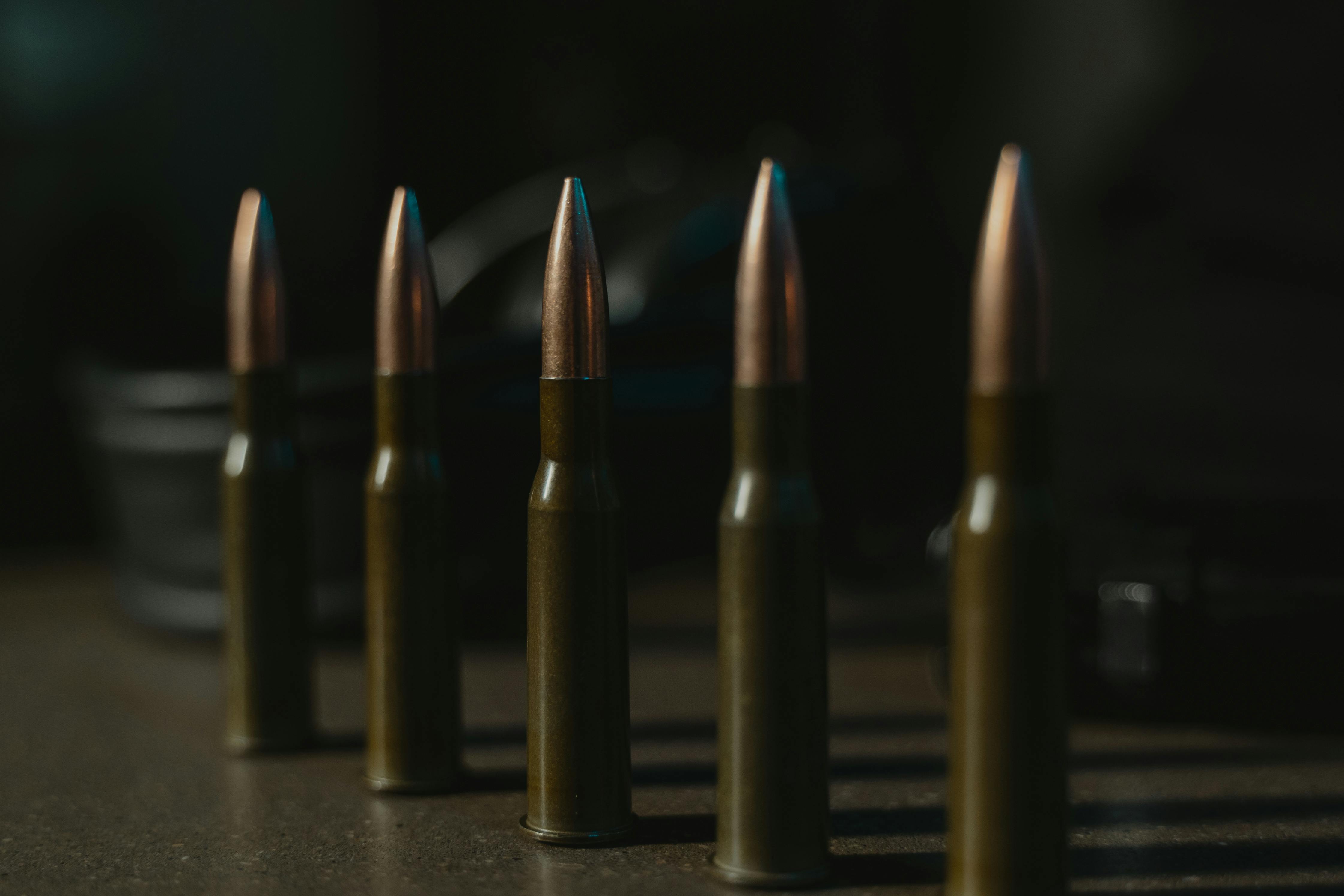
One of the biggest surprises after a full season is how much the .243 Winchester depends on matching the right bullet to the job. Hunters who try one load and expect universal results often come away confused. Those who experiment with bullet construction and weight usually see a very different story.
A softer varmint-style bullet and a controlled-expansion hunting bullet can behave like two different calibers in the field. That becomes obvious on impact, on blood trails, and in the condition of the animal afterward.
After learning this firsthand, many hunters stop talking about the .243 as if it were one simple thing. They start talking about loads, and that is a more mature way to think.
It is more capable on deer than expected

Plenty of hunters begin the season with doubts about the .243 Winchester on whitetails. Then they watch clean lung shots drop deer quickly, or they recover animals within short distances, and their assumptions start to soften. Real field results tend to speak louder than campfire opinions.
The cartridge does not erase the need for discipline, but it proves that deer-sized game is well within its lane when the hunter does their part. That can be a humbling realization for people who once dismissed it as marginal by default.
By season’s end, many hunters no longer ask whether the .243 can take deer. They ask whether they were underestimating it all along.
Range confidence can be misleading

The .243 Winchester is flat-shooting enough that it can tempt hunters into thinking distance is less important than it really is. On paper and at the range, the cartridge feels easy to trust. In the field, wind, adrenaline, and imperfect rests make that confidence more complicated.
After a season, many hunters learn that a forgiving trajectory is not the same as a free pass for longer shots. The cartridge still demands honest limits, especially when conditions get messy or game is moving.
That lesson often matures a hunter’s whole approach. The .243 does not just teach what it can do. It teaches where good judgment has to take over.
Wind becomes part of the conversation

Early in the season, many hunters focus on drop charts and zero distance, but not enough on wind drift. The .243 Winchester’s lighter bullets can make breezy conditions feel very educational, very quickly. Shots that looked simple on calm days suddenly require a lot more respect.
That does not mean the cartridge is poor in the wind. It means the hunter becomes more aware of what the wind can do to any bullet, especially one chosen for mild recoil and speed. The effect is practical, not theoretical.
By the end of the season, hunters often read fields, tree lines, and open ridges differently. The cartridge quietly turns them into better observers.
Small-framed shooters gain a real advantage
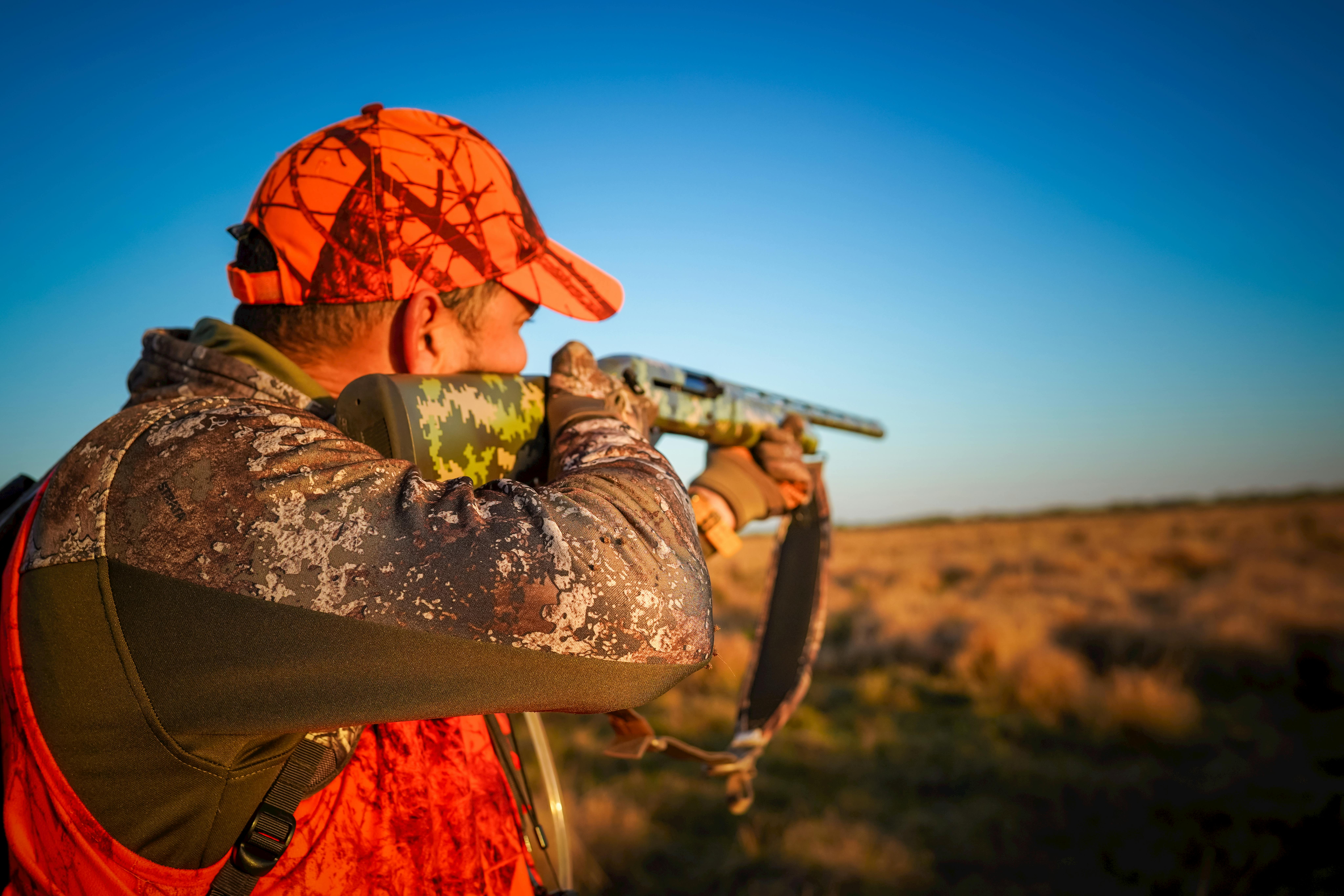
A season with the .243 Winchester often changes how families and hunting partners think about rifle fit and accessibility. Smaller-framed shooters, teenagers, and recoil-sensitive adults frequently handle it better from day one. But the real surprise is that better comfort often leads to better field performance, not just better morale.
When someone is not bracing for impact, they tend to shoot more naturally and with more patience. That matters in practice sessions, from blinds, and in awkward real-world shooting positions where confidence can disappear fast.
Many experienced hunters finish the season realizing the .243 is not a compromise rifle for these shooters. In the right hands, it is simply an effective one.
Meat damage can be surprisingly manageable

Some hunters expect high velocity to automatically mean excessive meat loss, but a full season with the .243 Winchester often paints a more nuanced picture. With suitable deer bullets and sensible shot placement, many find the cartridge to be fairly tidy on edible meat. That is especially true on broadside lung shots.
The difference between destructive impact and efficient performance often comes back to bullet design and where the shot lands. Hunters who pay attention to both usually end the season with fewer complaints than they expected.
That result changes how people talk about fast cartridges. Speed alone does not tell the whole story, and the .243 makes that clear in the skinning shed.
Follow-up shots are faster than expected
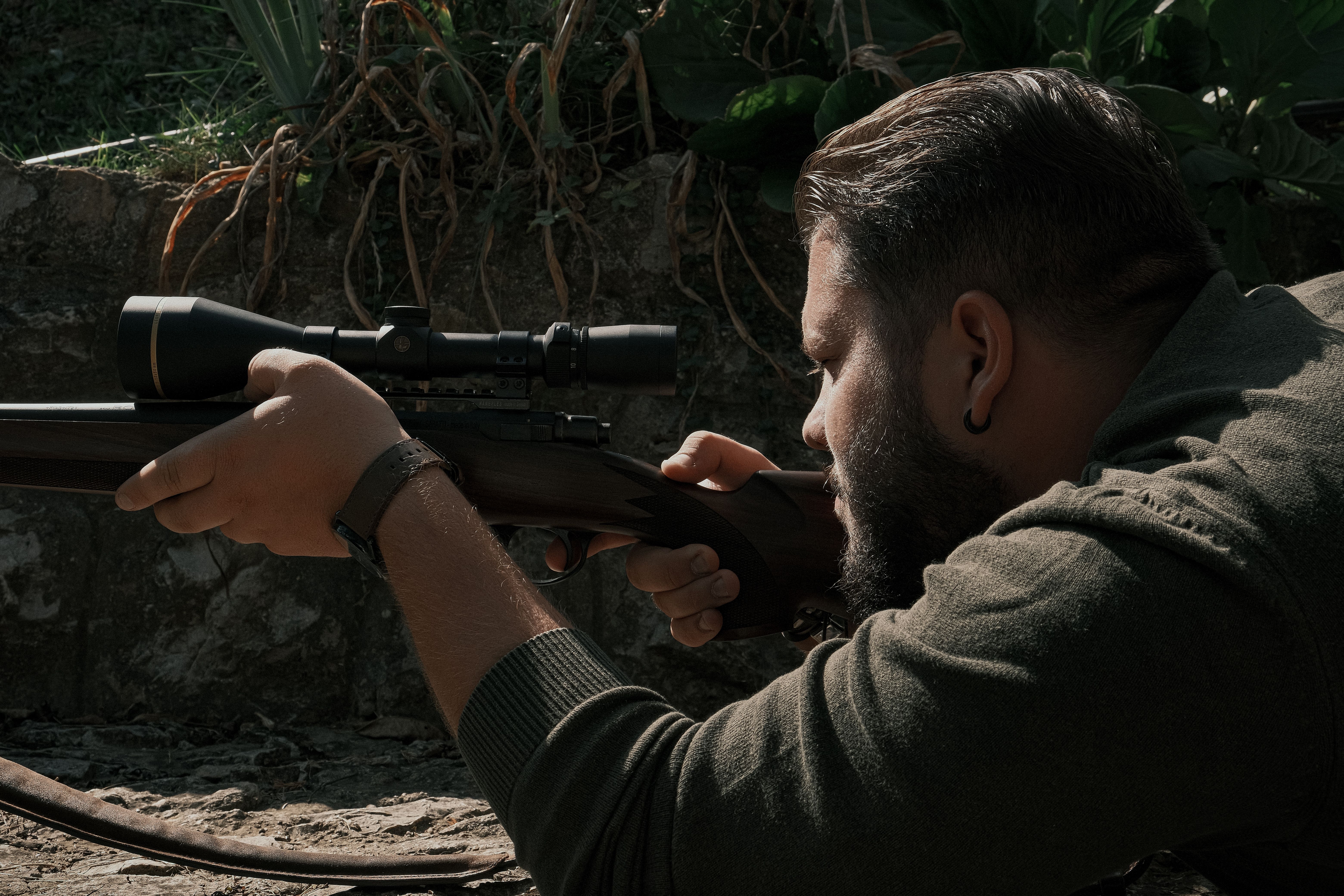
One underappreciated lesson from a full season is how quickly many hunters can get back on target with a .243 Winchester. Because recoil is moderate, the rifle tends to stay more manageable through the shot. That gives hunters a better chance to spot impact, read the animal’s reaction, and shoot again if needed.
This matters more than people think, especially in situations where an animal is about to enter thick cover or when the first shot needs rapid confirmation. The practical advantage shows up in seconds, not in theory.
By the end of the year, some hunters start valuing controllability as much as raw power. The .243 earns respect in that moment.
It reveals the difference between enough and excess
Hunters often spend years hearing caliber debates framed like horsepower contests. A season with the .243 Winchester can interrupt that thinking. When deer are taken cleanly and consistently, the hunter starts asking a different question: not what is biggest, but what is enough.
That shift is more philosophical than technical. It leads people to think about recoil, accuracy, practice time, and realistic hunting distances as part of the same equation. Bigger is still useful in some contexts, but no longer automatically superior.
For many, this is the moment the .243 changes their thinking for good. It turns caliber choice into a balancing act instead of a badge.
Its limits are real and worth respecting

The .243 Winchester wins respect partly because it teaches restraint. After a full season, most hunters understand where it shines and where caution belongs. Tough quartering shots, larger-bodied game, and marginal impact angles can quickly remind people that this is not a do-everything cartridge.
That realization is healthy, not disappointing. The cartridge tends to reward hunters who stay inside its strengths and punish those who treat it like a substitute for judgment. In that way, it creates more careful decision-making in the field.
By learning its boundaries, hunters often end up appreciating the .243 more, not less. Respect for limits usually deepens trust rather than weakening it.
It changes how hunters define a great caliber

By the close of the season, the biggest discovery is usually not about velocity or energy figures. It is about what makes a cartridge truly useful in the field. The .243 Winchester often proves that shootability, precision, and confidence can matter just as much as raw ballistic authority.
Hunters who began the year skeptical often end it with a more balanced view of caliber. They still recognize tradeoffs, but they stop reducing the conversation to bigger versus smaller. Practical effectiveness becomes the standard.
That is why the .243 leaves such a lasting impression. It does not just perform on game. It changes the way hunters think about performance itself.