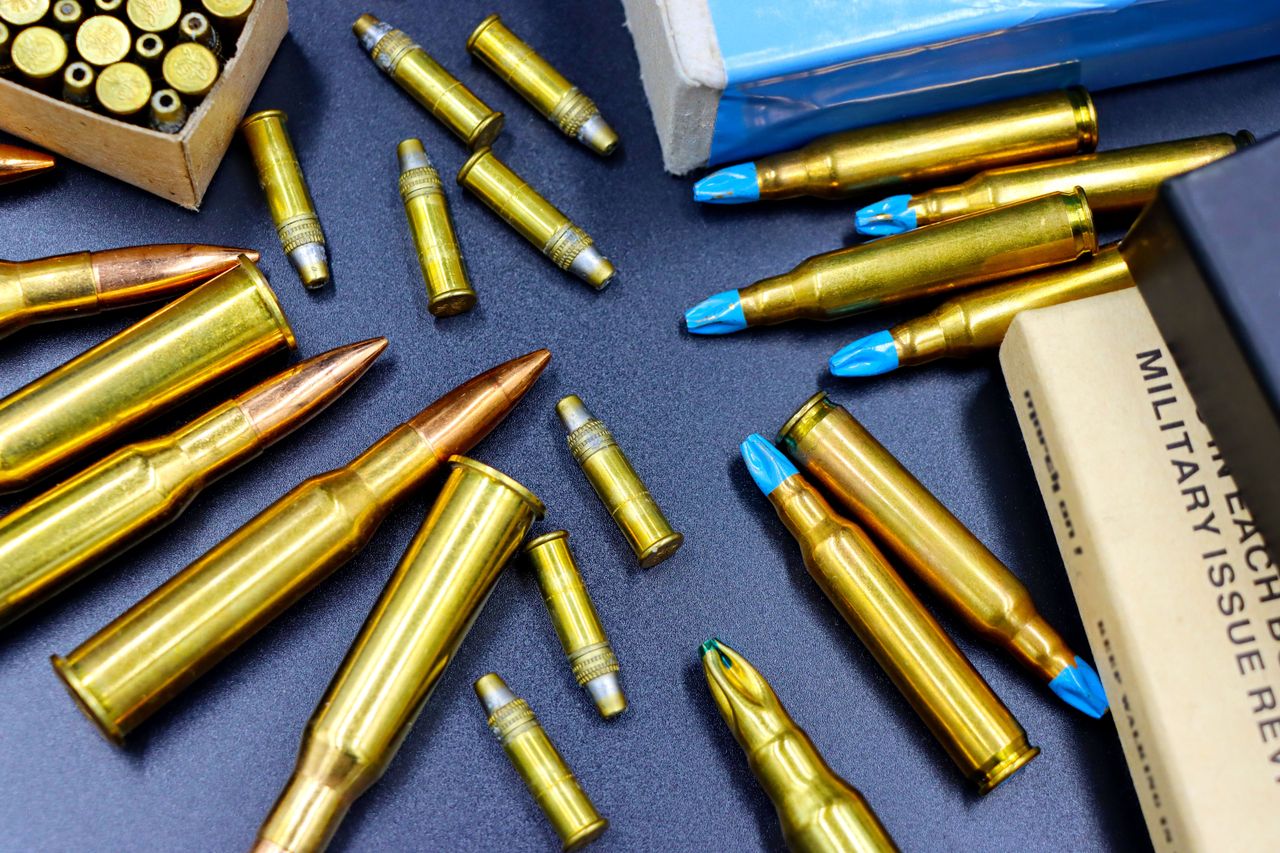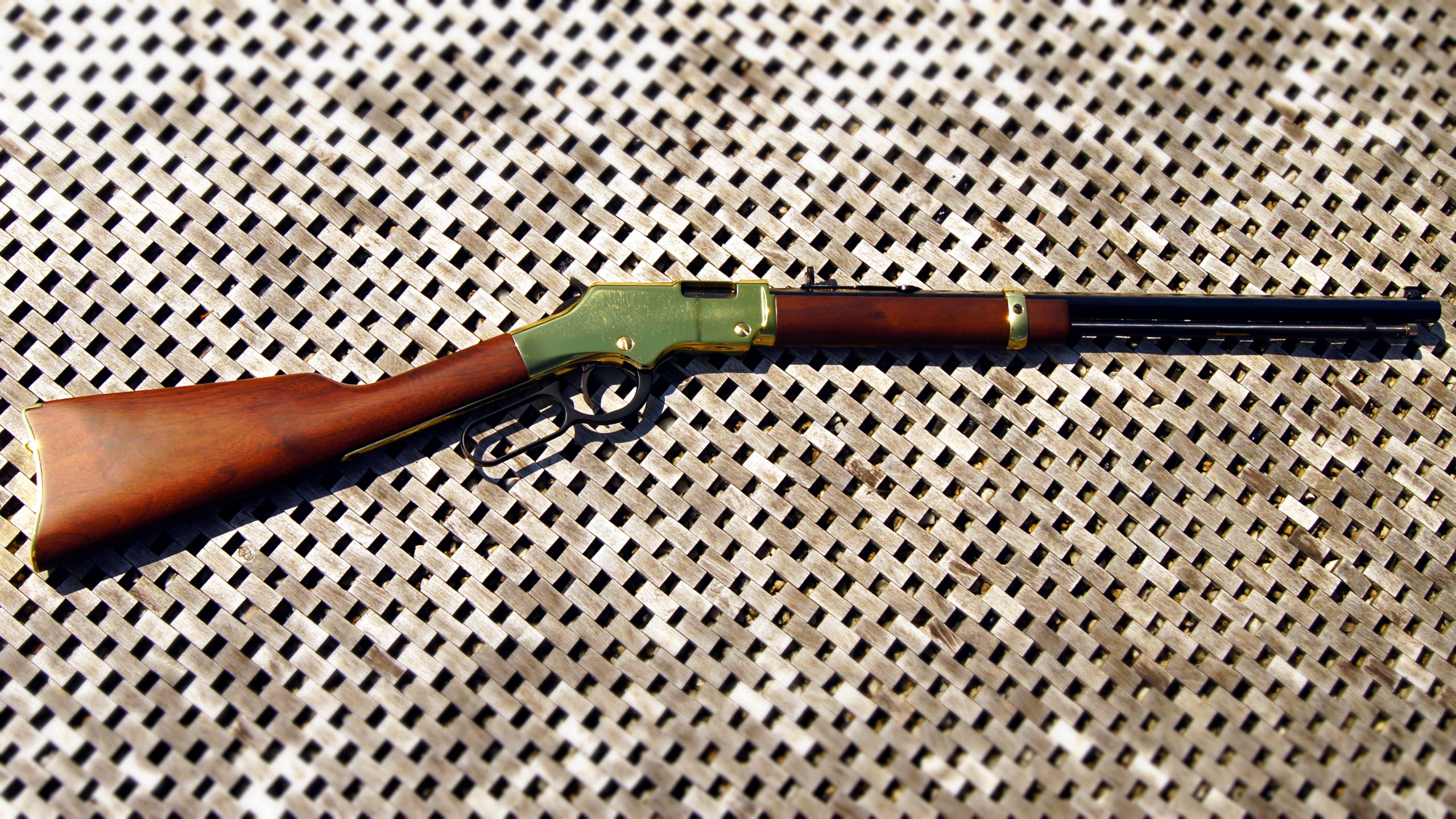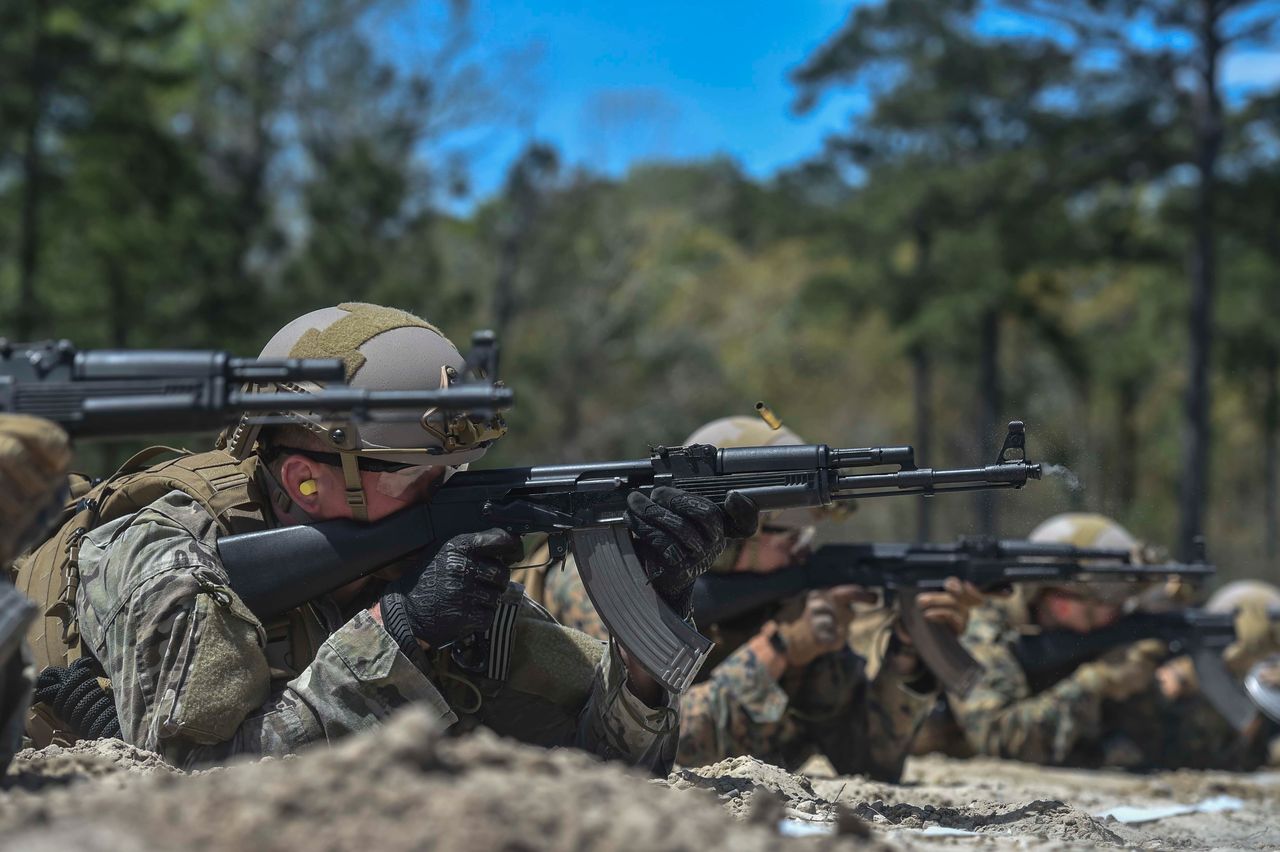
Some rifles live in reality. These two also live in legend.
The AR-15 and the AK-47 have spent decades collecting myths, politics, and war stories, but if the question is which one you would actually want when everything goes wrong, the answer depends on what kind of wrong you mean.
Why this comparison never really goes away
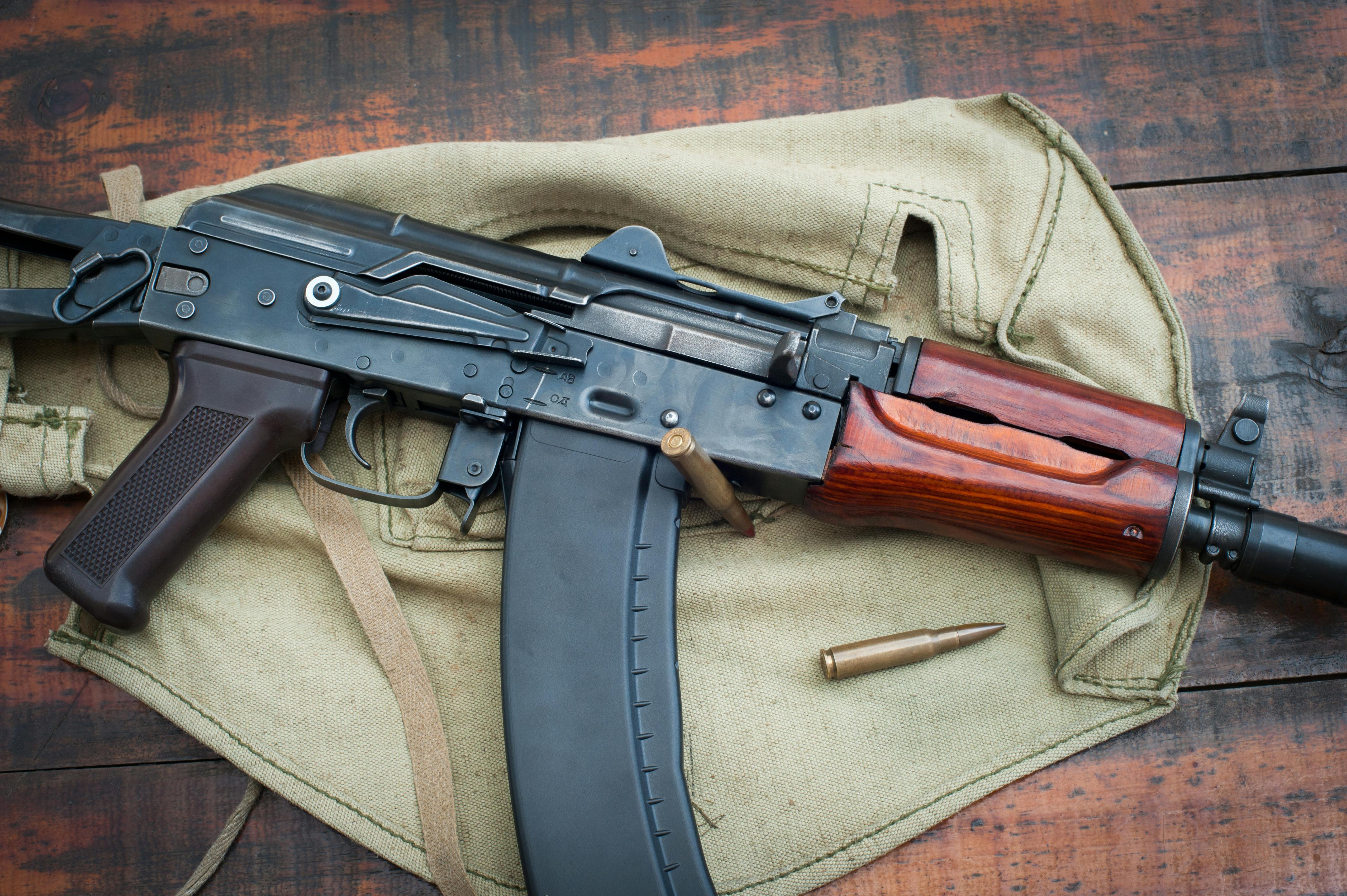
The AR-15 and AK-47 represent two very different design philosophies, and that is why people keep revisiting the matchup. The AK family grew famous for rugged simplicity, battlefield tolerance, and a cartridge that hits hard at ordinary fighting distances. Britannica notes that the original AK-47 fired the 7.62×39 mm round at roughly 700 meters per second, from a 30-round magazine, with a cyclic rate around 600 rounds per minute. It also notes that Soviet forces eventually moved to the AKM, while criticism of the platform often centered on recoil and practical accuracy.
The AR-15 story is different. In the United States, the civilian semiautomatic AR platform became dominant because it is light, modular, easy to configure, and relatively soft-shooting. The National Shooting Sports Foundation has described AR-style rifles as among the most commonly owned rifles in America, with tens of millions in circulation and broad use in target shooting, hunting, and home defense. That matters in any emergency because common tools are easier to feed, repair, and understand.
So the debate is not just caliber versus caliber. It is ecosystem versus ecosystem. In a bad situation, the better rifle is often the one you can keep running, shoot well under stress, and support with magazines, ammunition, and spare parts.
What “everything goes wrong” actually means

Most people say “collapse” as if it were one single scenario, but that hides the real question. Are we talking about a natural disaster, civil unrest, long-term grid failure, supply-chain breakdown, or just a short period where you are isolated and on your own? Your answer changes the rifle choice immediately.
If the problem is defending a home, small property, or vehicle route in the United States, the AR-15 starts with a major advantage. Ammunition in .223 Remington or 5.56 NATO is common, magazines are everywhere, and the platform is supported by an enormous domestic industry. Parts compatibility is not perfect across every manufacturer, but support is still far broader than for most imported-pattern rifles.
If the problem is rough field use with uncertain maintenance and indifferent storage conditions, the AK family earns its reputation honestly. Its long-stroke gas system, generous internal clearances, and robust construction have made it famous in places where fine maintenance is a luxury. But famous does not mean magic. Even AK-pattern rifles need magazines that fit correctly, decent ammunition, and basic upkeep.
That is why the fantasy answer is less useful than the practical one. You are not choosing a symbol. You are choosing a system for a specific environment.
Reliability is not the whole story, but it matters
The AK-47’s reputation for reliability did not appear out of nowhere. Its design is famously tolerant of dirt, rough handling, and poor logistics. That reputation became global because the rifle spread across wars, insurgencies, and developing states where maintenance standards varied wildly. The CIA’s historical small-arms reference lists the AK-47 with effective ranges of about 300 meters in semiautomatic fire and 200 meters in automatic fire, reinforcing that it was built as a practical combat arm, not a precision instrument.
Still, reliability is often oversimplified in internet arguments. A well-built AR-15, properly lubricated and fed good magazines, is highly dependable. Modern military descendants of the AR platform, especially the M4A1 family, remain standard issue because the system works. U.S. Army materials describe the M4A1 as a compact, accessory-ready carbine, and Army publications place its effective range around 500 meters for point targets in trained hands.
In the real world, rifle quality matters more than legend. A cheap, badly assembled AR can be troublesome. A poorly made U.S.-market AK with bad magazine geometry can be troublesome, too. “AK equals flawless, AR equals finicky” is an outdated shortcut. Brand quality, magazine quality, lubrication, and ammo quality usually decide more than internet mythology.
Shootability usually decides the winner faster than caliber debates.

When people compare rifles, they love talking about terminal ballistics. What decides outcomes faster, especially for ordinary shooters, is usually shootability. The AR-15’s lighter recoil impulse, straighter stock geometry, and familiar controls make it easier for many people to fire quickly and accurately. That is a major reason it became so dominant with civilian shooters in the U.S. The same traits that make it popular on the range matter even more when stress is high.
The AK’s 7.62×39 mm cartridge brings more recoil and more muzzle movement, and Britannica specifically notes that Soviet criticism of the AK and AKM included accuracy issues linked to recoil and the action’s moving mass. That does not make the AK inaccurate in an absolute sense. It means the rifle is usually harder to shoot precisely at speed, especially beyond close to moderate distances.
This is where ego often gets people in trouble. Many shooters imagine they will be calm, deliberate, and highly effective when things go bad. In reality, they will be tired, cold, scared, under-rehearsed, and overloaded with information. In that condition, the softer-shooting rifle that lets you make faster follow-up hits is often the smarter choice.
If your real mission is putting rounds exactly where they need to go, with less fatigue and easier training, the AR-15 usually has the edge.
Ammunition, parts, and logistics beat romance every time.

Logistics is where survival fantasies usually collapse. The rifle itself is only the visible part of the problem. You need magazines that work, ammunition you can store, spare parts you can replace, and a support network that still exists when stores are stripped bare.
In the United States, the AR-15 ecosystem is overwhelming. The NSSF has repeatedly pointed out how common AR-style rifles are, and that popularity translates into available magazines, bolts, springs, triggers, optics mounts, and training knowledge. If you break an extractor or need a new magazine spring, the odds favor the AR owner. If neighbors, family, or local shooters own similar rifles, commonality becomes its own force multiplier.
The AK can still make sense logistically if you already own a vetted rifle, a pile of reliable magazines, and a deep ammunition reserve. But for most Americans, support is patchier. Imported rifle patterns vary. Magazine fit can vary. Accessory mounting can be less standardized unless you bought a modernized pattern on purpose. That is manageable for enthusiasts, but it is not ideal for a last-minute crisis plan.
Romance says the AK will outlive civilization. Logistics says the rifle with the stronger local supply chain wins longer.
Weight, handling, and daily usefulness matter more than people admit
A rifle is not helpful if it is miserable to carry, slow to mount, or awkward to configure for your actual use. Here, the AR-15 benefits from decades of evolution. Even basic AR carbines tend to be light for their capability, and the platform accepts lights, optics, slings, and adjustable stocks with minimal drama. The Army’s own M4A1 materials emphasize that soldiers can add or remove accessories as the mission dictates, and that modularity translates directly into civilian practicality.
That matters because real emergencies happen in low light, around structures, inside vehicles, and under movement. A rifle that accepts a white light, a durable optic, and a comfortable sling without turning into a home gunsmithing project is easier to live with. The AR excels there.
Traditional AK-pattern rifles can feel front-heavy, especially with steel magazines and older furniture. Optics mounting has improved dramatically on newer variants, but the platform still tends to ask more from the owner if the goal is a modern setup with consistent sighting, illumination, and adaptable ergonomics.
If your scenario involves carrying one rifle for long hours, moving through tight spaces, and using common accessories, the AR often feels less like a relic and more like a practical tool.
So which one would you actually want?
If I had to choose one rifle for a general-purpose breakdown scenario in the United States, I would take a quality AR-15. Not because the AK-47 is overrated, and not because the AR is politically fashionable, but because the AR is easier for most people to shoot well, easier to configure, easier to support, and easier to keep supplied in the American market. In a bad situation, ease compounds into survivability.
That said, the best answer is still conditional. If you already own a proven AK-pattern rifle, know it thoroughly, have dependable magazines, and have stacked ammunition and parts around it, there is no reason to treat it as second-rate. It remains one of the most important rifle designs ever fielded, and its global reputation for durability is well earned.
But if the question is not “Which rifle became iconic in war?” and instead “Which rifle would I actually want when life gets chaotic, communications fail, and support gets thin?”, the AR-15 is the more rational pick for most American owners.
The fantasy answer is the AK. The practical answer, more often than not, is the AR.