The Remington 870 is one of those firearms almost everyone has heard of, but far fewer people really know. Behind its familiar profile is a story filled with clever engineering, massive popularity, and a few surprising twists that helped turn it into a legend. This gallery explores 10 facts that reveal why the 870 became such a lasting icon.
It debuted in 1950 and never really left

The Remington 870 first appeared in 1950, and that alone makes it remarkable. Plenty of firearms have had good runs, but few have stayed relevant across so many decades, generations, and changing tastes quite like this one.
Part of the secret was timing. Postwar America saw growing interest in hunting, sport shooting, and practical home defense, and the 870 arrived with a design that felt modern without being complicated.
What followed was not just a successful product launch but a long cultural lifespan. The 870 became the kind of shotgun people inherited, recommended to friends, and kept around for years because it simply fit so many roles well.
It was built to be cheaper to make than its predecessor

One of the least glamorous facts about the 870 is also one of the most important: it was designed with manufacturing efficiency in mind. Remington wanted a shotgun that could be produced more economically than the Model 31, which had a reputation for quality but was expensive to build.
The 870 used design choices that simplified production while still preserving strength and smooth function. That balance helped Remington make a gun that felt dependable without requiring luxury-level manufacturing costs.
In plain terms, smart industrial design helped create a classic. The 870’s success was not just about performance in the field; it was also about being affordable enough to reach a very large audience.
Its steel receiver helped give it a rugged reputation

A big part of the 870’s identity comes from its steel receiver. Many owners came to associate that solid construction with durability, heft, and a feeling of confidence in the hands.
That does not mean every shotgun needs steel to perform well, but in the public imagination, the 870’s receiver became part of its character. It felt sturdy in a way that matched its working-gun image, whether it was headed to a duck blind, a patrol car, or a trap range.
That physical solidity also helped distinguish it from later designs that used different materials. For many fans, the 870 seemed built for hard use, and that reputation became one of its strongest selling points.
Millions were sold, making it one of the best-known shotguns ever

The Remington 870 was not just popular; it was staggeringly popular. Over the decades, sales climbed into the millions, placing it among the most widely recognized and widely owned shotguns in history.
That kind of reach changes the way a product lives in the culture. The 870 was not a niche firearm for specialists. It showed up in hunting camps, rural closets, police inventories, and sporting-goods racks across the country.
Once a firearm reaches that level of circulation, it starts creating its own momentum. Familiarity breeds trust, and trust drives more sales. The 870 became a default recommendation for so many buyers that its fame practically sustained itself.
It came in more versions than most people realize

Many people picture the 870 as a single straightforward shotgun, but that misses the real story. Over the years, Remington offered it in a wide range of trims, barrel lengths, finishes, gauges, and purpose-built configurations.
There were field models for hunters, Wingmaster versions known for polish and smoothness, Express models aimed at value-conscious buyers, and tactical or police variants tailored for defensive use. Each one kept the core pump-action identity while speaking to a different audience.
That flexibility mattered enormously. Instead of being locked into one lane, the 870 evolved into a family of shotguns, which is one reason it stayed relevant for so long in such different corners of the market.
Police departments helped cement its reputation

The 870’s connection to law enforcement gave it a powerful image boost. When police departments adopted the shotgun for patrol use, it reinforced the idea that the platform was reliable, practical, and built for serious work.
That institutional trust mattered to everyday buyers. A firearm carried by officers naturally gained a certain aura, even among people who would only ever use theirs for home defense or range practice.
The police versions were often configured a little differently, with shorter barrels and more utilitarian furniture, but the core appeal was the same. The 870 looked like a tool professionals relied on, and that perception shaped its public standing for decades.
Hunters embraced it because it could do almost everything

If the 870 had only succeeded with one crowd, it might not have become such a household name. Instead, hunters adopted it for birds, small game, deer in some regions, and general all-around field use.
The reason was simple: versatility. With different barrels, chokes, and loads, one shotgun could cover a surprising amount of ground. That made the 870 especially attractive to buyers who wanted one dependable gun rather than a safe full of specialized options.
This broad usefulness gave the 870 a reputation as a practical companion rather than a showpiece. It was the shotgun people grabbed because it was already proven, familiar, and adaptable to whatever the season demanded.
Its aftermarket became enormous

Another overlooked fact is how much the 870 benefited from customization culture. Once enough people owned the same shotgun, accessory makers had every reason to produce stocks, forends, sights, shell carriers, magazine extensions, and more.
That created a feedback loop. The more common the 870 became, the more parts were made for it, and the more useful it seemed to buyers who wanted to tailor a shotgun to hunting, competition, or defensive roles.
In practical terms, the 870 became more than a factory product. It turned into a platform. Owners could leave it classic and plain or modify it heavily, and that adaptability helped keep it appealing in changing eras.
The Wingmaster earned a reputation for exceptional smoothness

Ask longtime enthusiasts about the Remington 870, and many will bring up the Wingmaster. This premium version became famous for polished finishes, walnut furniture, and an action people often described as especially smooth.
That feel mattered. A pump shotgun lives or dies partly by how it cycles in real hands, and the Wingmaster developed a loyal following among shooters who appreciated a slick, refined stroke without giving up practical reliability.
For many owners, the Wingmaster represented the 870 at its best: functional, handsome, and deeply familiar. It helped prove the platform could be both a hard-working field gun and an object of genuine craftsmanship, which broadened its appeal even more.
It became an American icon beyond the gun world
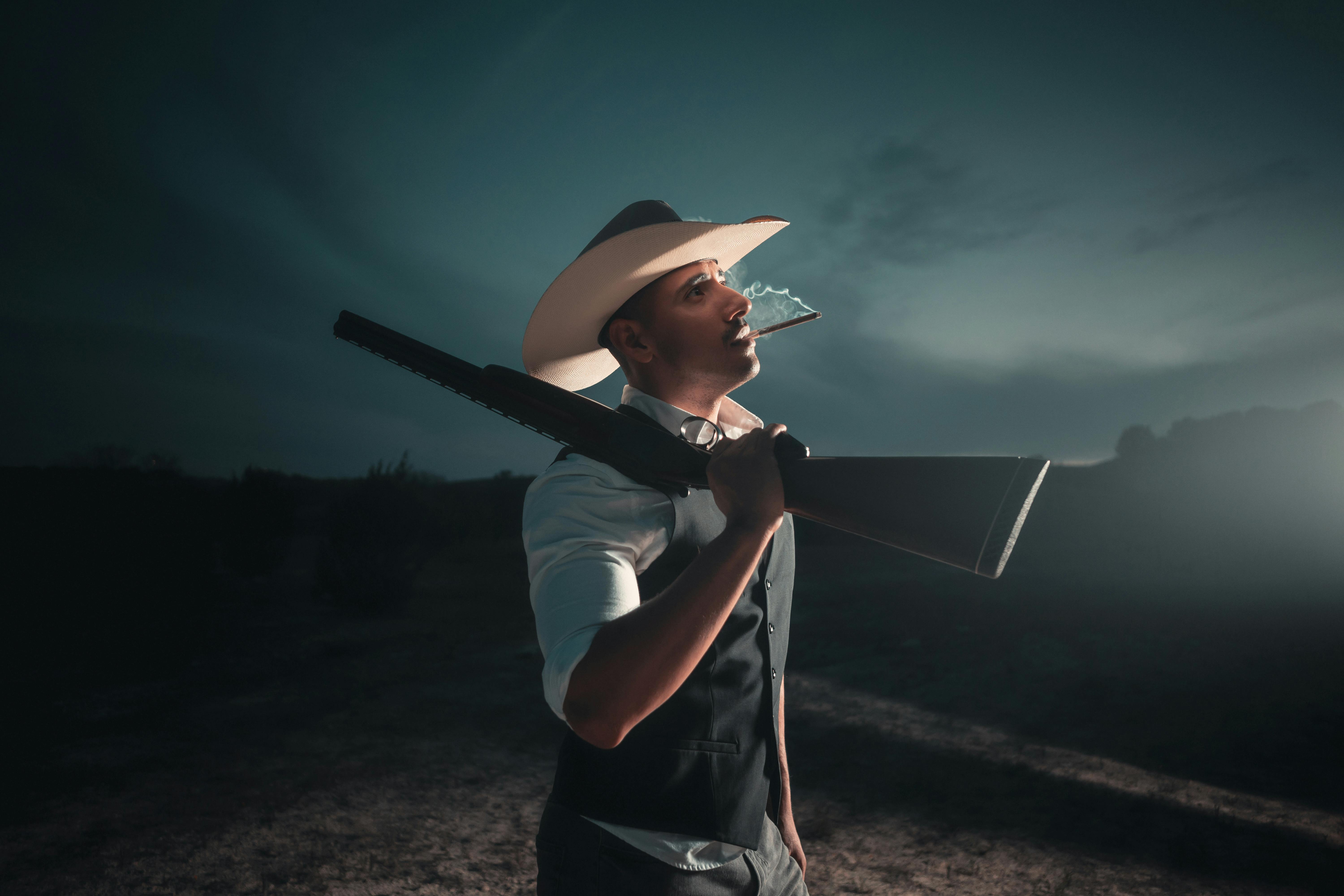
The final surprise about the 870 is that its fame spilled beyond firearms enthusiasts. It appeared in movies, television, news coverage, and everyday conversation often enough to become instantly recognizable even to many people who never handled one.
That level of visibility is rare. The 870’s silhouette and pump-action identity became part of a broader American visual language tied to hunting, law enforcement, and home defense.
In that sense, the 870 is more than a successful shotgun. It is a cultural object, one whose longevity came from performance but whose legend was amplified by repetition, familiarity, and the way it kept showing up in public life decade after decade.