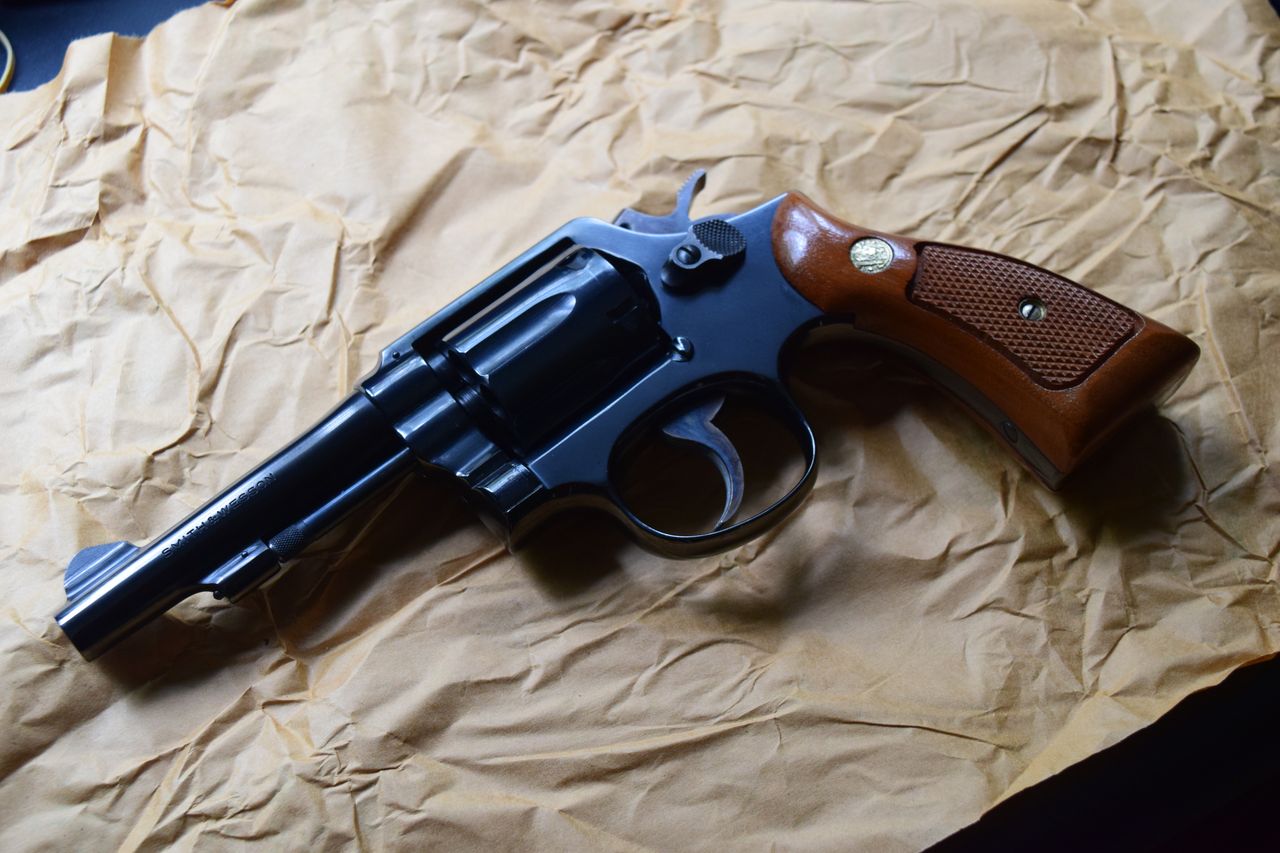
The Smith & Wesson Model 10 is one of those rare objects that quietly shaped history while becoming instantly recognizable along the way. Beloved by police departments, collectors, and firearms historians, it has a story that stretches far beyond its simple, familiar silhouette. This gallery explores 10 surprising facts that reveal why the Model 10 became an enduring icon.
It began life long before it was called the Model 10
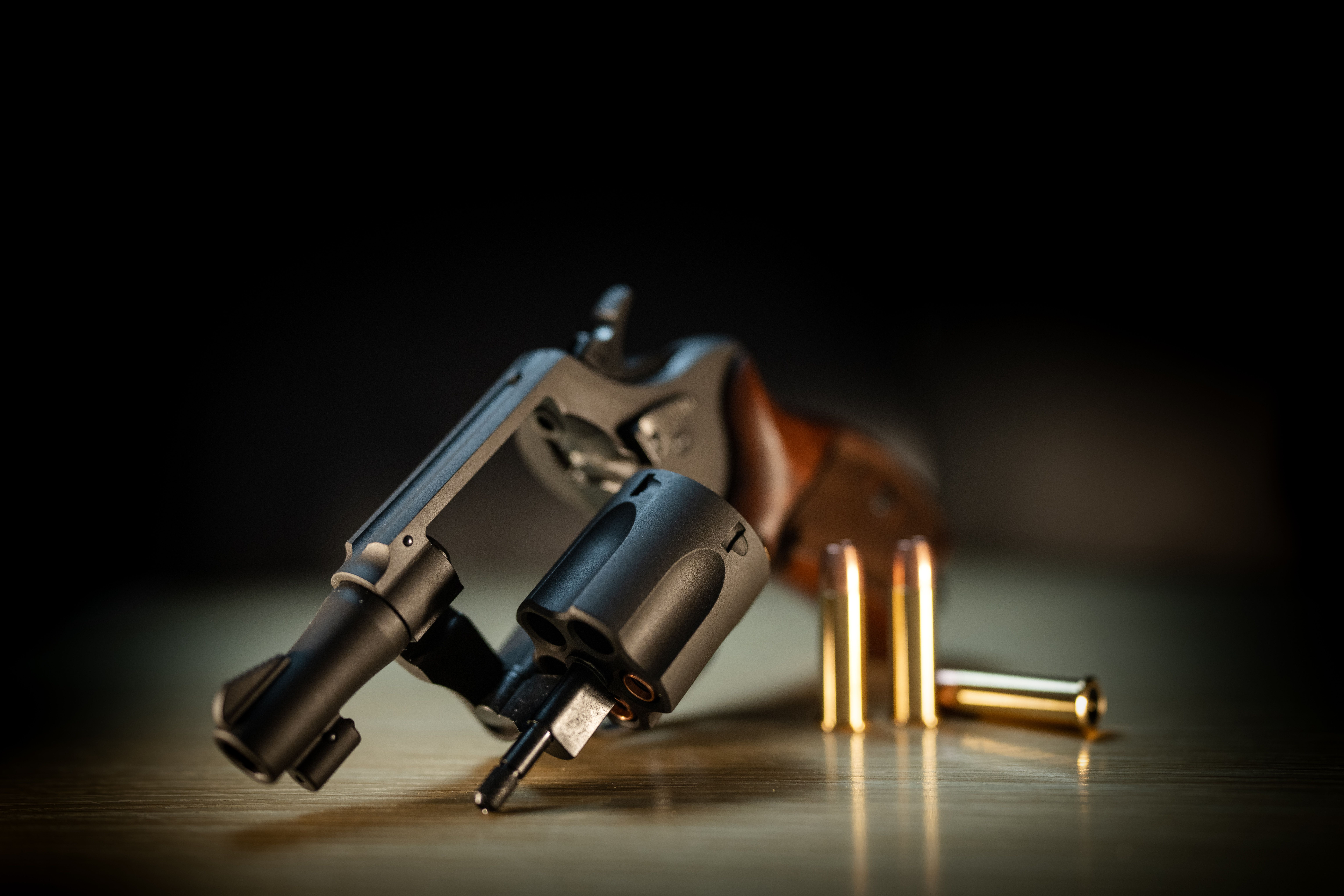
Many people assume the Model 10 was born with that name, but its story actually starts in the 19th century. It originated as the .38 Hand Ejector Military & Police, introduced in 1899, decades before Smith & Wesson began assigning model numbers to its revolvers.
That means the gun’s identity is split between two eras: the elegant named-revolver period and the more modern numbered catalog system. When Smith & Wesson adopted numeric model designations in 1957, the longtime Military & Police officially became the Model 10, carrying all of its earlier history with it.
It may be the most produced revolver in history

For a firearm with such a modest, straightforward design, the Model 10 built an astonishing production record. Over the course of more than a century, Smith & Wesson made millions of them, placing it among the most widely produced revolvers ever created.
Its popularity came from a formula that was hard to beat: practical size, manageable recoil, and dependable operation. Law enforcement agencies, security personnel, and civilian owners all found reasons to trust it. That broad appeal turned a service sidearm into a true industrial success story, one that far outlasted countless competitors.
Police departments made it a national icon
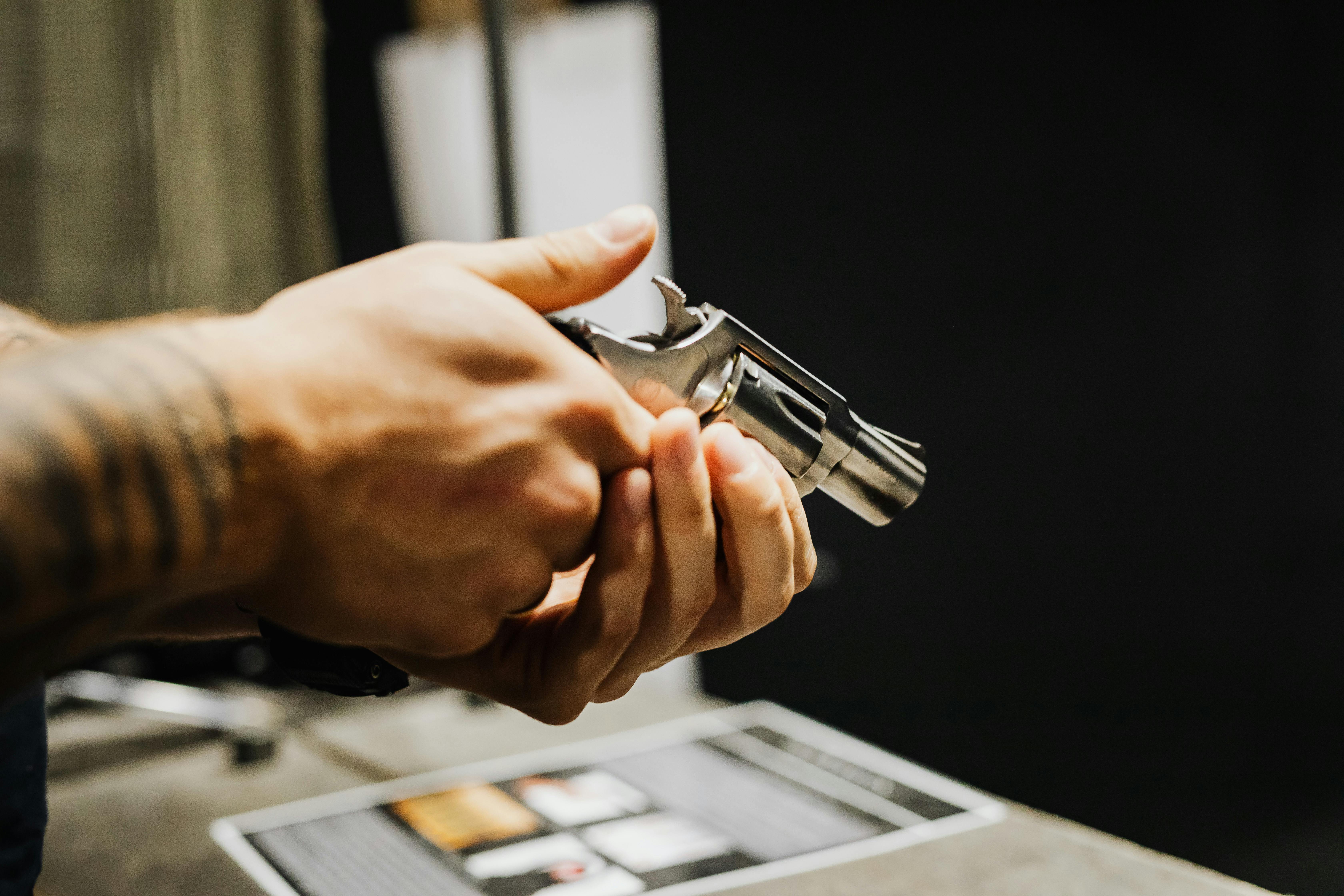
The Model 10 didn’t just serve police officers; it became visually linked with policing in the United States for much of the 20th century. From big-city departments to small-town agencies, it was often the standard sidearm riding in leather holsters every day.
That kind of official adoption gave the revolver a cultural reach most guns never achieve. It showed up in news photographs, courtroom sketches, and everyday crime reporting, embedding itself in the public imagination. For generations, when people pictured a police revolver, they were very often picturing some version of the Model 10.
Its simplest feature was one of its biggest strengths

The Model 10’s swing-out cylinder and double-action design may look unremarkable today, but that layout was a major part of its success. It offered a practical balance of speed, safety, and user-friendly handling at a time when revolver design still had room to evolve.
What made it so effective was not gimmickry but familiarity. Officers and civilian shooters could learn it quickly, maintain it without much drama, and rely on it under stress. In a product category where complexity can become a liability, the Model 10 proved that plain engineering, done well, can be surprisingly hard to improve upon.
It came in more variations than most people realize
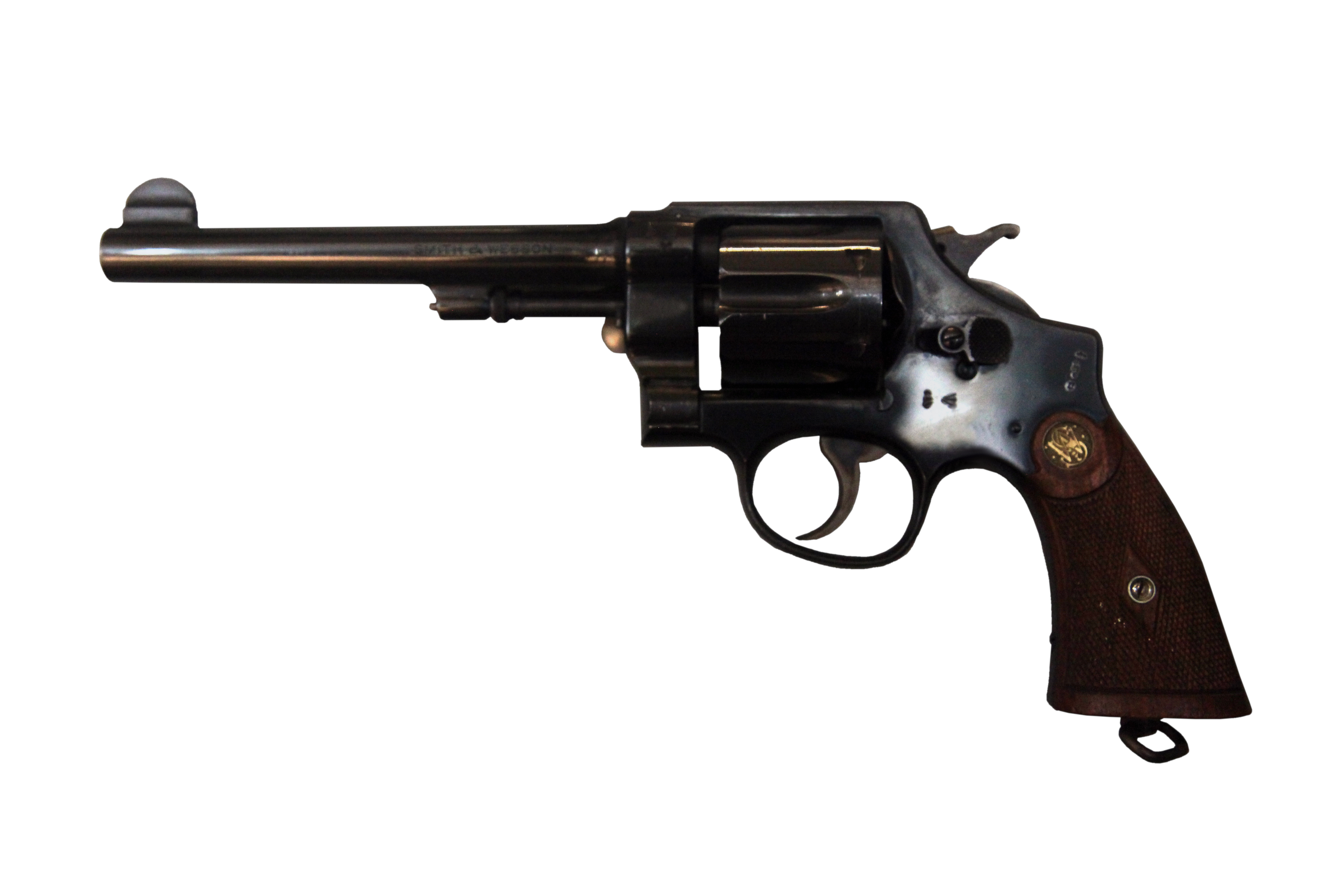
At a glance, many Model 10 revolvers look nearly identical, which can make the line seem simpler than it really is. In truth, collectors know the gun exists in a long chain of engineering changes, barrel lengths, finishes, sight configurations, and grip styles.
There were tapered barrels, heavy barrels, square butts, round butts, blued versions, and nickel-finished examples. Small manufacturing revisions also created a maze of dash numbers that enthusiasts love to decode. So while the Model 10 is often remembered as the standard revolver, it was really a whole family of closely related sidearms.
Its .38 Special chambering helped define an era
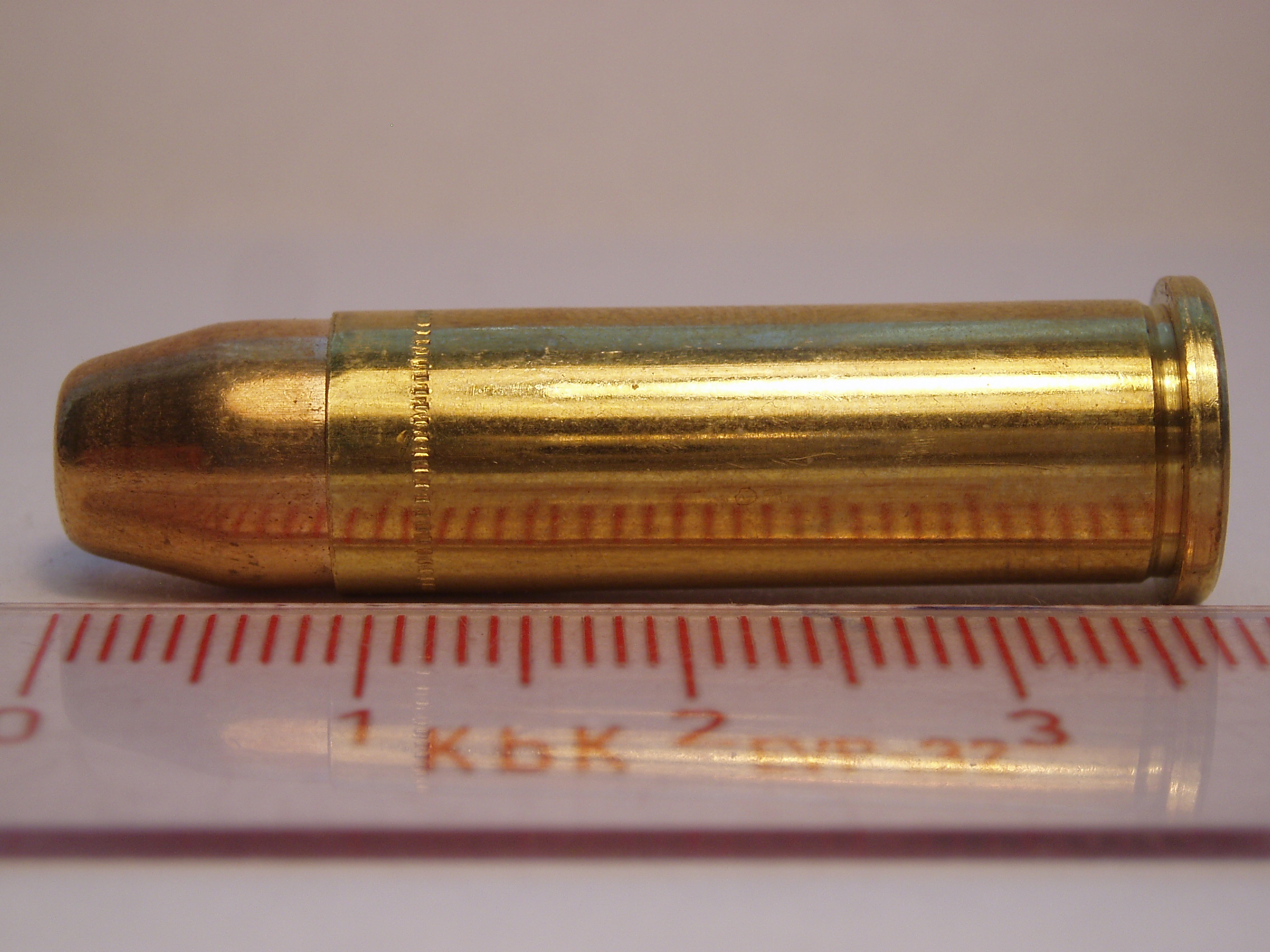
The Model 10’s long association with .38 Special was a huge part of its identity. That cartridge offered a blend of controllability and respectable performance that made it a mainstay for police service and civilian use through much of the 20th century.
Just as importantly, the pairing helped normalize what a duty handgun should feel like in the hand and on the range. Recoil was manageable for a wide range of shooters, and qualification training was more approachable than with more punishing calibers. The result was a revolver-cartridge combination that came to represent practical sidearm design at its peak.
Wartime production gave it global reach
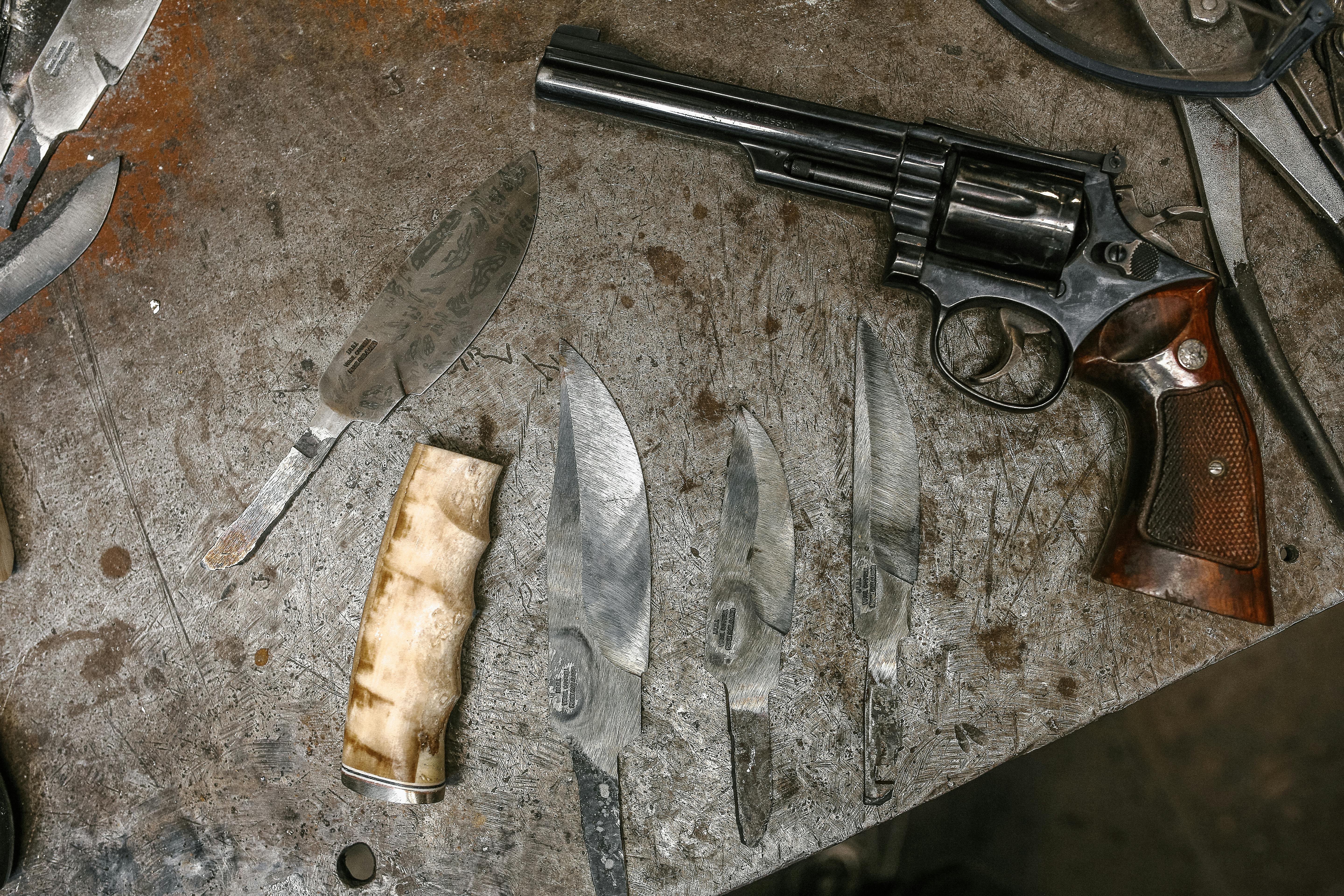
The Model 10’s lineage was not confined to domestic policing. During periods of war and emergency buildup, Smith & Wesson revolvers in this family were produced in large numbers for military and allied use, helping spread the platform’s reputation far beyond American city streets.
That wartime role matters because it turned a service revolver into part of a broader international story. Variants were shipped overseas, issued in difficult conditions, and absorbed into the arsenals of multiple countries. A design that many people think of as purely local was, in reality, connected to much larger global events.
Hollywood helped freeze its image in time
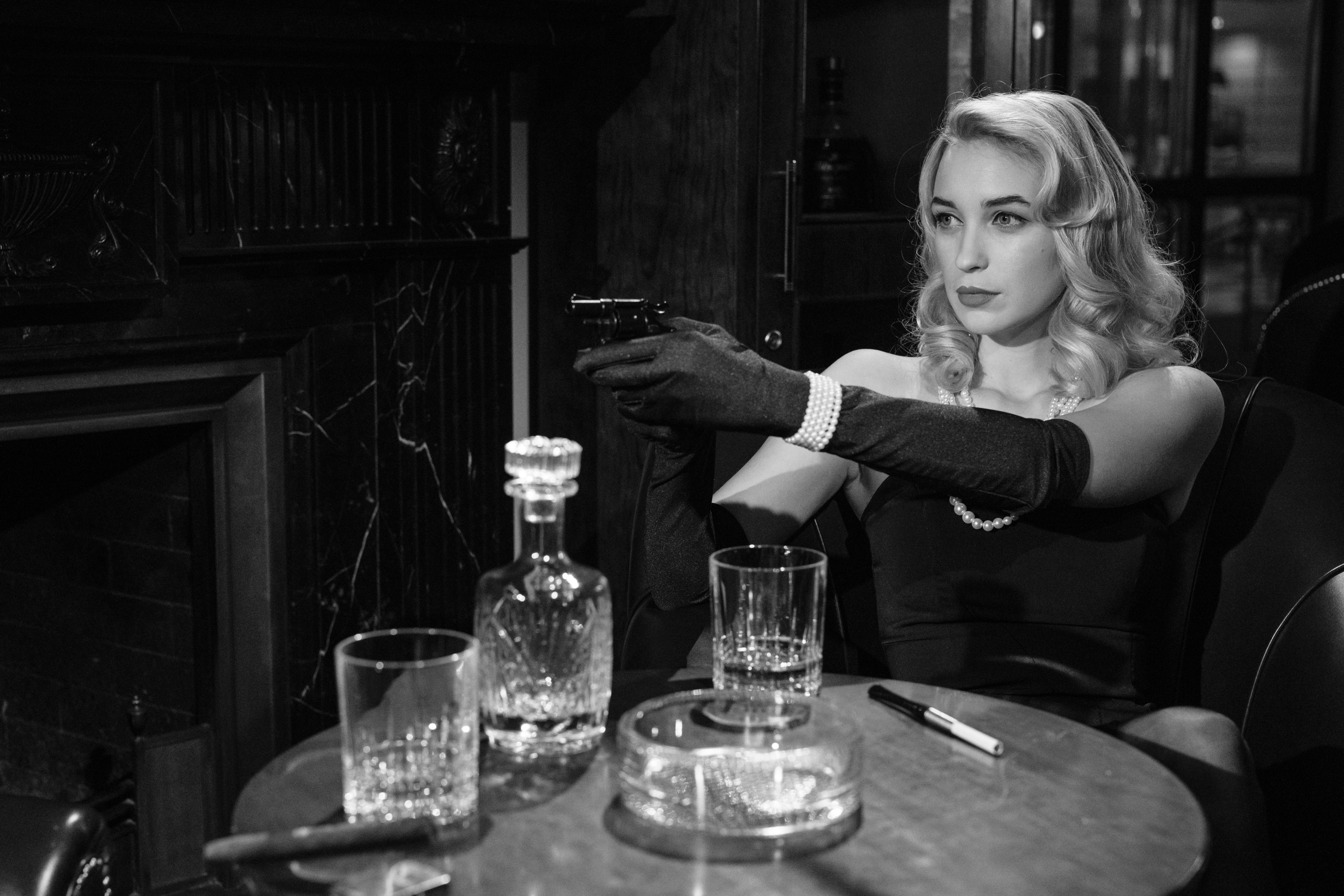
Even after semi-automatic pistols began replacing service revolvers, the Model 10 kept showing up on screen. Film and television loved its classic outline, and prop departments often leaned on that familiar K-frame look to signal detectives, patrol officers, and mid-century authority figures.
That steady visibility preserved the revolver’s reputation long after its peak years in uniformed service. For viewers, it became part of a visual shorthand for old-school policing and noir atmosphere. In that way, entertainment gave the Model 10 a second life, transforming it from standard equipment into a durable cultural symbol.
Collectors prize the ordinary examples

Usually, collectors chase the rarest and flashiest versions of a firearm, but the Model 10 has created a slightly different kind of affection. Even very standard examples can be desirable because they represent the everyday working revolver that millions of people actually carried, trained with, and relied on.
That ordinary quality is part of the appeal. Honest holster wear, department markings, and period-correct grips can tell a richer story than a pristine safe queen. For many enthusiasts, the Model 10 is compelling not because it was exotic, but because it was so deeply woven into ordinary professional and civic life.
It endured because it got the basics right

The most surprising fact about the Model 10 may be that its longevity was never built on novelty. It lasted because it was balanced, durable, and easy to understand, qualities that sound almost plain until you realize how rarely products maintain them across generations.
In an age obsessed with constant reinvention, the Model 10 is a reminder that refined practicality can be its own kind of innovation. Its legacy was earned through repetition, trust, and institutional memory rather than hype. That is why this unassuming revolver still commands respect: it became classic by doing ordinary things exceptionally well.