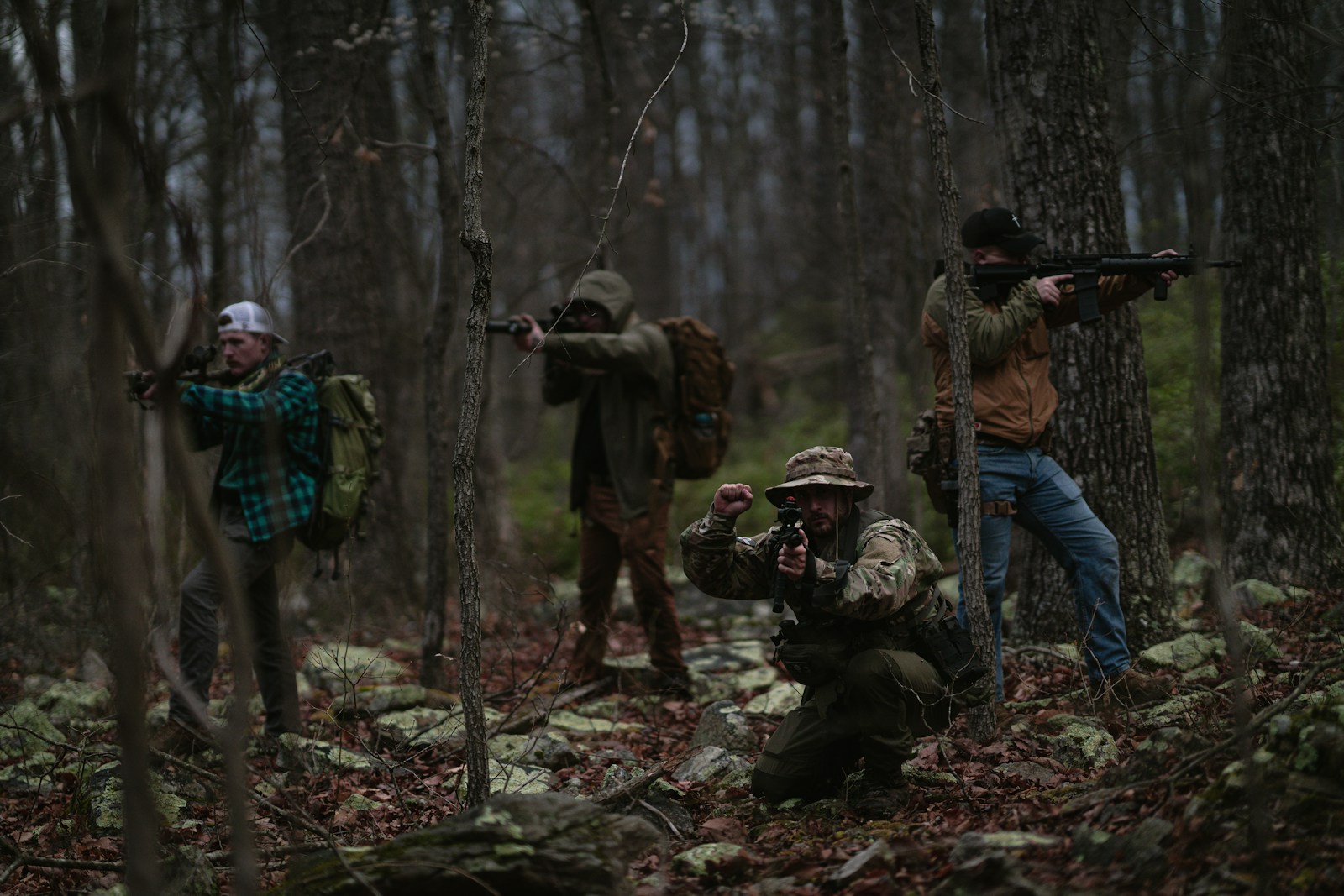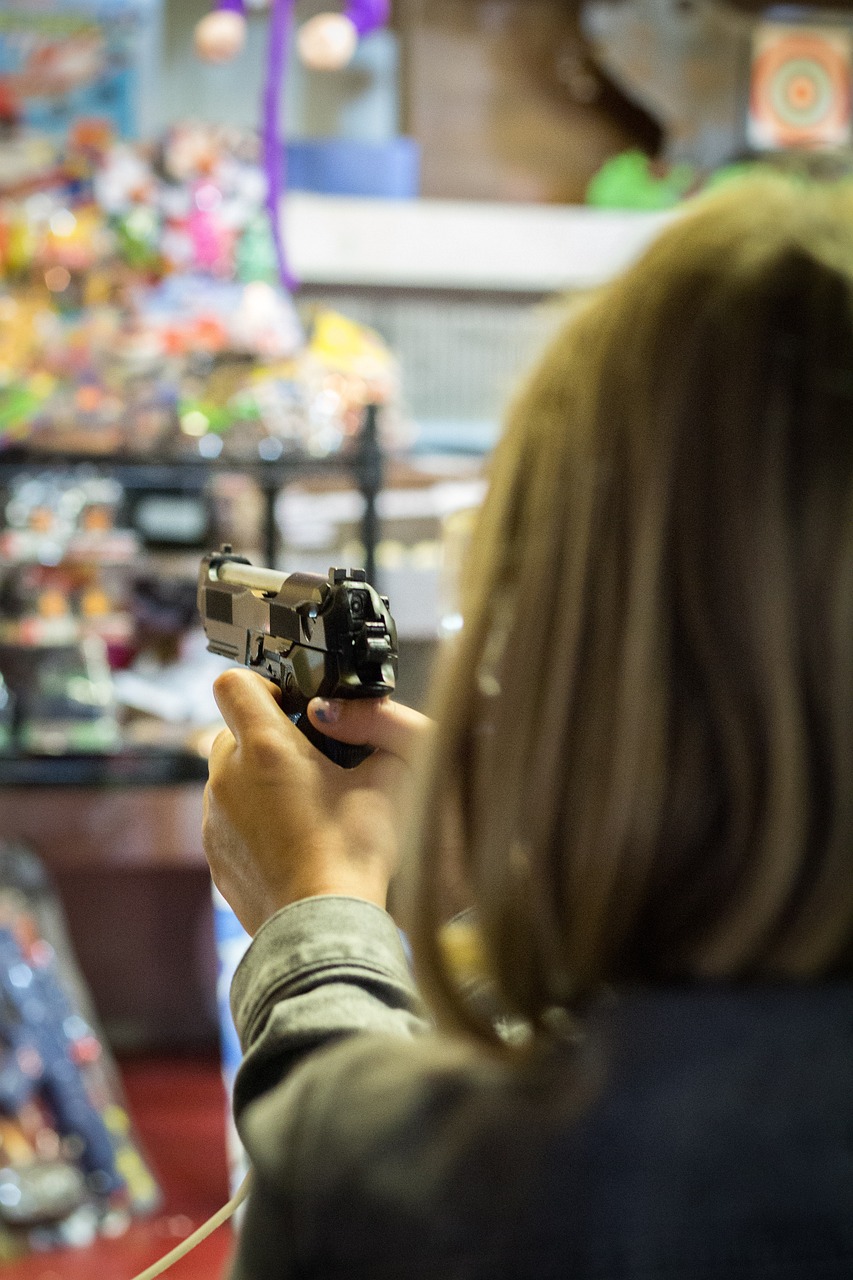
Good shooters do not usually fall apart because they forgot the basics. More often, they pick up small habits that chip away at consistency, control, and confidence over time. This gallery looks at five common handgun mistakes that can make even a capable shooter seem shaky, rushed, or unprepared, and explains why cleaning them up matters.
Slapping the Trigger

A fast, careless trigger press is one of the easiest ways to make good fundamentals disappear. Even shooters with solid recoil control can look erratic when they jab at the trigger and disturb the sights right before the shot breaks.
The problem is not speed by itself. It is unnecessary movement. A smooth, straight-to-the-rear press keeps the pistol more stable and makes every shot look more deliberate, which is exactly what polished shooting tends to look like.
When that trigger gets slapped, groups open up and follow-up shots become less predictable. What should look calm and repeatable suddenly looks rushed, and that beginner-style inconsistency is hard to miss.
Regripping After Every Shot

Nothing says shaky gun handling like constantly adjusting your hands between shots. Skilled shooters build a grip that can survive recoil, so if the pistol is shifting around every time it fires, the whole string starts to look unsettled.
A reliable grip is about pressure, placement, and consistency. If the firing hand is too loose or the support hand is not doing enough work, the pistol will bounce and rotate more than it should.
That constant regrip wastes time and breaks rhythm. It also creates the impression that the shooter is fighting the handgun instead of controlling it, which instantly reads as less experienced than they may actually be.
Breaking Visual Focus to Check the Target

One common habit that sneaks into range sessions is looking up too soon to see where the shot landed. It feels harmless, but it interrupts the shooting process and often causes the next shot to start from a weaker visual picture.
Strong shooters stay visually disciplined. They keep attention where it belongs through the shot, letting the sights or dot do the talking instead of chasing instant feedback downrange.
When someone keeps peeking at the target, their cadence gets choppy and their posture often changes with it. The result looks uncertain, almost like they are asking the gun for reassurance instead of trusting what they already know.
Leaning Back Instead of Driving Forward

Posture tells a story before the first shot even breaks. A shooter who leans back from the gun usually looks tentative, and once recoil starts, that backward balance makes the pistol appear harder to manage than it really is.
A forward, athletic stance helps absorb movement and keeps the upper body ready for quick follow-up shots. It is not about exaggeration. It is about being engaged enough that the gun does not push the shooter out of position.
When weight shifts onto the heels, recoil seems bigger and recovery gets slower. Even a shooter with decent accuracy can suddenly look off-balance, which is one of the fastest ways to appear less skilled than they are.
Rushing the Draw or Presentation

Trying to look fast can backfire quickly. A rushed draw or sloppy presentation often creates extra motion, uneven grip establishment, and a frantic first shot that does not reflect the shooter’s actual ability.
Clean handgun work usually looks efficient, not dramatic. The pistol comes out the same way every time, meets the eyes consistently, and arrives on target with the shooter already prepared to press a controlled shot.
When speed is forced too early, all the rough edges show. Fumbling the grip, fishing for the sights, or punching the gun out too hard can make an otherwise competent shooter look like a beginner trying to outrun fundamentals.