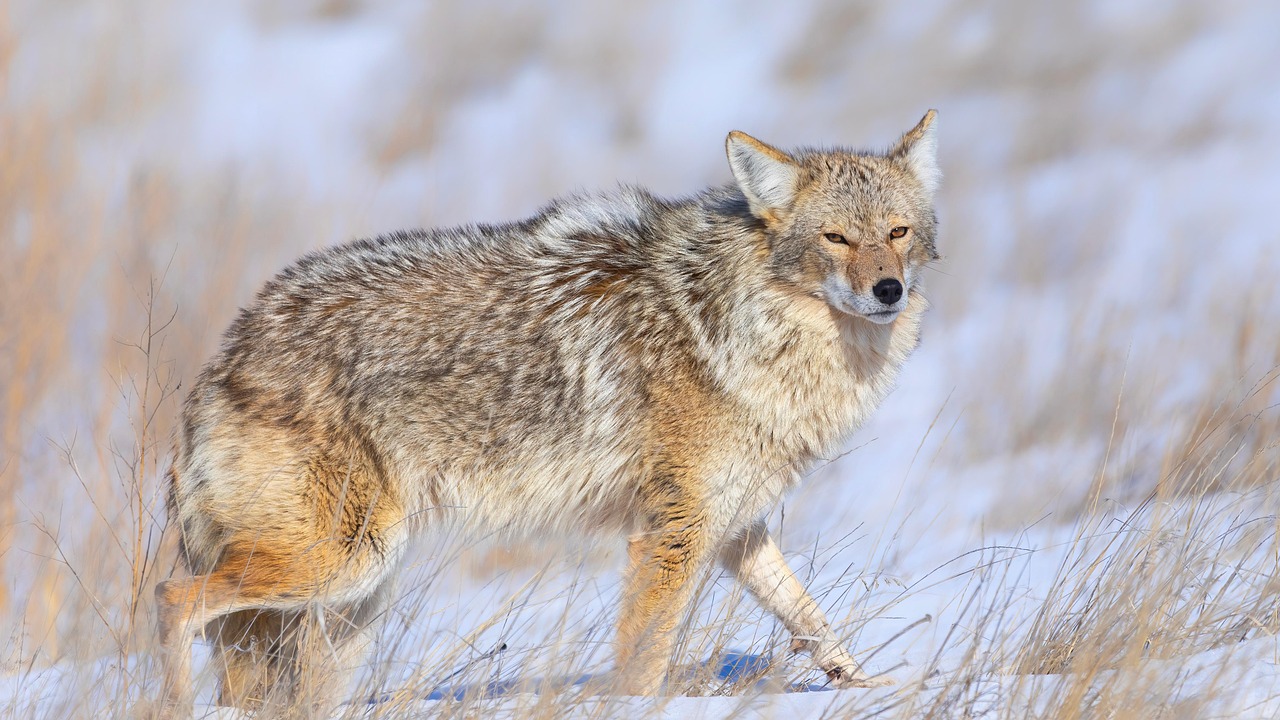
Coyotes are turning up in more places than many people expect, from suburban cul-de-sacs to city parks and rural backyards. Reports of sightings have been climbing across parts of the country as these adaptable animals expand their range and get more comfortable living near people. This gallery looks at 11 states where coyote encounters appear to be on the rise and what may be driving the trend.
California

In California, coyote sightings have become a familiar part of life in many suburbs, especially where development presses up against open space. Residents from Southern California to the Bay Area regularly report coyotes trotting along sidewalks, slipping through greenbelts, or appearing in schoolyards before sunrise.
Wildlife experts say the pattern makes sense. Coyotes are highly adaptable, and California offers everything from foothills and canyons to dense neighborhoods with easy food sources like pet food, fallen fruit, and unsecured trash.
Dry conditions and habitat pressure can also push them farther into human spaces. The result is a species that seems increasingly visible, even in places that once felt too busy for wildlife.
Texas

Texas has never been short on coyotes, but sightings are drawing more attention as cities spread and exurbs fill in former ranchland. Homeowners in fast-growing areas around Dallas-Fort Worth, Austin, Houston, and San Antonio are seeing coyotes in drainage corridors, golf courses, and neighborhood trails.
Part of the spike is simple overlap. As development expands into previously open habitat, coyotes do what they do best: adjust quickly and keep moving through the landscape, often unnoticed until they become regular visitors.
In many communities, reports also rise when people share doorbell camera clips online. What used to be a passing nighttime visit now becomes a visible reminder that wildlife is living right at the edge of everyday life.
Florida

Florida surprises many people, but coyote sightings have been increasing across the state for years. Once limited in range, coyotes are now found in all 67 counties, showing up in subdivisions, preserves, and even highly developed coastal communities.
Their success comes from flexibility. In Florida, they move through canals, vacant lots, and wooded buffers with ease, often blending into the patchwork of homes and natural areas that defines so much of the state.
Wildlife officials frequently remind residents that coyotes are usually wary of people, but regular sightings can still feel unsettling. In neighborhoods where pets are left outside unattended, a single encounter can quickly turn local concern into a larger conversation.
Illinois

Illinois has become one of the clearest examples of coyotes thriving in and around major metro areas. In the Chicago region, they have been documented using forest preserves, railroad corridors, cemeteries, and residential edges with remarkable consistency.
That visibility can make sightings seem sudden, but researchers have long noted how well coyotes navigate fragmented urban habitats. They often move mostly at night, which means a rise in reports may reflect both population stability and growing public awareness.
As more people encounter them on morning walks or catch them on security cameras, the sense of surprise remains strong. Even so, coyotes in Illinois are often simply doing what they have learned to do best: coexist quietly on the margins.
Colorado

Colorado residents are increasingly used to seeing coyotes in places that feel distinctly suburban, not remote. Along the Front Range, reports come from neighborhood open spaces, bike paths, school fields, and even busy commercial areas where natural corridors still cut through development.
The mix of foothills habitat and rapid growth creates ideal conditions for encounters. Coyotes can den in less-disturbed areas, then move into nearby communities where water, shelter, and food are easy to find.
Seasonal behavior can make them seem especially bold. During pup-rearing months, adults may be more visible and more protective, which is often when residents start noticing them and local agencies issue fresh reminders about keeping distance.
Arizona

In Arizona, coyote sightings are rising in neighborhoods built beside desert habitat, where boundaries between wild and residential space can be thin. In metro Phoenix and Tucson, people regularly report coyotes moving through washes, parks, and backyard walls after dark.
Desert-adapted and opportunistic, coyotes thrive in this environment. They use natural drainage routes like highways, slipping through developed areas while avoiding people whenever possible, even as those same areas continue to grow.
What makes sightings feel more frequent is how close the encounters can be. A coyote trotting past a pool fence or pausing near a dog run brings home the reality that wildlife in Arizona is not far away at all.
Ohio

Ohio has seen coyote reports become more common in both rural counties and suburban communities. Residents who may not have expected to see one near a shopping center, subdivision, or school property are finding that coyotes are increasingly part of the local wildlife picture.
Their spread across the Midwest has been gradual but steady, and Ohio offers the kind of mixed landscape coyotes handle well. Woodlots, creek corridors, farm fields, and neighborhoods all create pathways and shelter.
As sightings increase, so does curiosity. People often mistake a coyote for a stray dog at first, only realizing what they saw after a second glance or a review of security footage the next morning.
New York

New York’s coyote story goes far beyond remote woods. Sightings are drawing notice in suburbs, small towns, and outer urban areas where greenways, parks, and undeveloped patches give these animals room to move without being far from people.
In downstate communities especially, a single sighting can feel unusual enough to spark neighborhood alerts. Yet wildlife professionals have long said coyotes are well established across much of the state and often go unnoticed until visibility increases.
Winter and early morning hours tend to produce more reports, partly because bare landscapes make movement easier to spot. For many residents, that fleeting view across a snowy lawn or roadside is all it takes to realize coyotes are already nearby.
New Jersey

New Jersey may be densely populated, but that has not kept coyotes out. Sightings have become more common in suburban towns where wooded buffers, utility corridors, and preserved open space create a surprisingly workable network for wildlife movement.
Because many neighborhoods sit close to fragments of habitat, coyotes can appear suddenly and vanish just as fast. One evening bark, one backyard camera clip, or one early morning crossing is often enough to set off a wave of local chatter.
The state’s patchwork landscape helps explain the trend. Coyotes do not need vast wilderness to persist, only enough cover, enough prey, and enough opportunity to avoid direct conflict with the people living around them.
Georgia

Georgia has seen more coyote sightings as suburbs expand into forest and farmland, especially around metro Atlanta and other growing corridors. Residents increasingly report seeing them near retention ponds, cul-de-sacs, and neighborhood edges where deer, rabbits, and rodents are also plentiful.
Coyotes are drawn to these transition zones because they offer cover and food in close proximity. A landscaped subdivision beside a wooded creek can be just as useful to a coyote as a more obviously wild setting.
That can catch homeowners off guard. In many cases, the animals have likely been nearby for some time, but a clearer daytime sighting or a string of pet-related concerns suddenly makes their presence feel new and urgent.
Pennsylvania

Pennsylvania’s mix of forests, farms, and expanding suburbs gives coyotes plenty of room to circulate. Sightings are being reported more often in residential communities, where people may spot them near tree lines, creek beds, or roads just beyond backyard fences.
Part of the increase comes from changing expectations. In places once thought too developed for regular wildlife encounters, coyotes are proving they can use narrow habitat connections and still remain close to human activity.
Reports often surge when seasonal behavior changes or when juveniles begin dispersing. That movement can make coyotes seem suddenly more abundant, even if they have been part of the landscape for years, mostly hidden in plain sight.