A first gun can feel empowering, but it also changes the stakes in your home overnight. Before you think about carrying it, shooting it, or showing it off, get the fundamentals right.
Start With the Safety Rules Until They Feel Automatic

The first thing a new owner should do is slow down and learn the universal safety rules well enough that they become reflexes, not reminders. The National Shooting Sports Foundation and the NRA both emphasize the same core ideas: treat every firearm as if it is loaded, keep the muzzle pointed in a safe direction, keep your finger off the trigger until you are ready to shoot, and know your target and what is beyond it. Those rules sound simple, but most preventable mistakes begin when someone assumes a gun is unloaded or gets careless during handling.
Do not rely on the mechanical safety lever as if it were magic. NSSF’s safety guidance stresses that the real safety is the person handling the firearm, because safeties can be disengaged, bumped, or misunderstood. That matters most with a brand-new purchase, when you still do not fully know how your specific model behaves under stress or distraction.
Before you load anything, practice a basic handling routine with no ammunition in the room. Open the action, visually inspect the chamber, physically verify it if appropriate for the design, and say out loud that it is clear. Then repeat the process until it feels boring. Boring is good here. Safe gun handling should feel repetitive, because repetition is what holds up when adrenaline or fatigue show up later.
Read the Manual and Learn Your Gun’s Exact Controls
Many first-time owners skip the owner’s manual because they assume all guns work the same way. They do not. A striker-fired pistol, double-action revolver, pump shotgun, and AR-style rifle all have different loading procedures, takedown steps, sighting systems, and failure points. Even within one category, the location and behavior of the magazine release, slide stop, decocker, takedown lever, or manual safety can differ enough to confuse at the worst possible moment.
Spend 30 minutes learning the exact controls on your firearm before your first range trip. Figure out how it loads, unloads, locks open, and comes apart for cleaning. Learn how to confirm whether the chamber is empty. If the gun uses magazines, label them and practice inserting and removing them with the gun unloaded. If it is a revolver, learn how to open the cylinder, inspect each chamber, and close it correctly without slamming it shut like a movie prop.
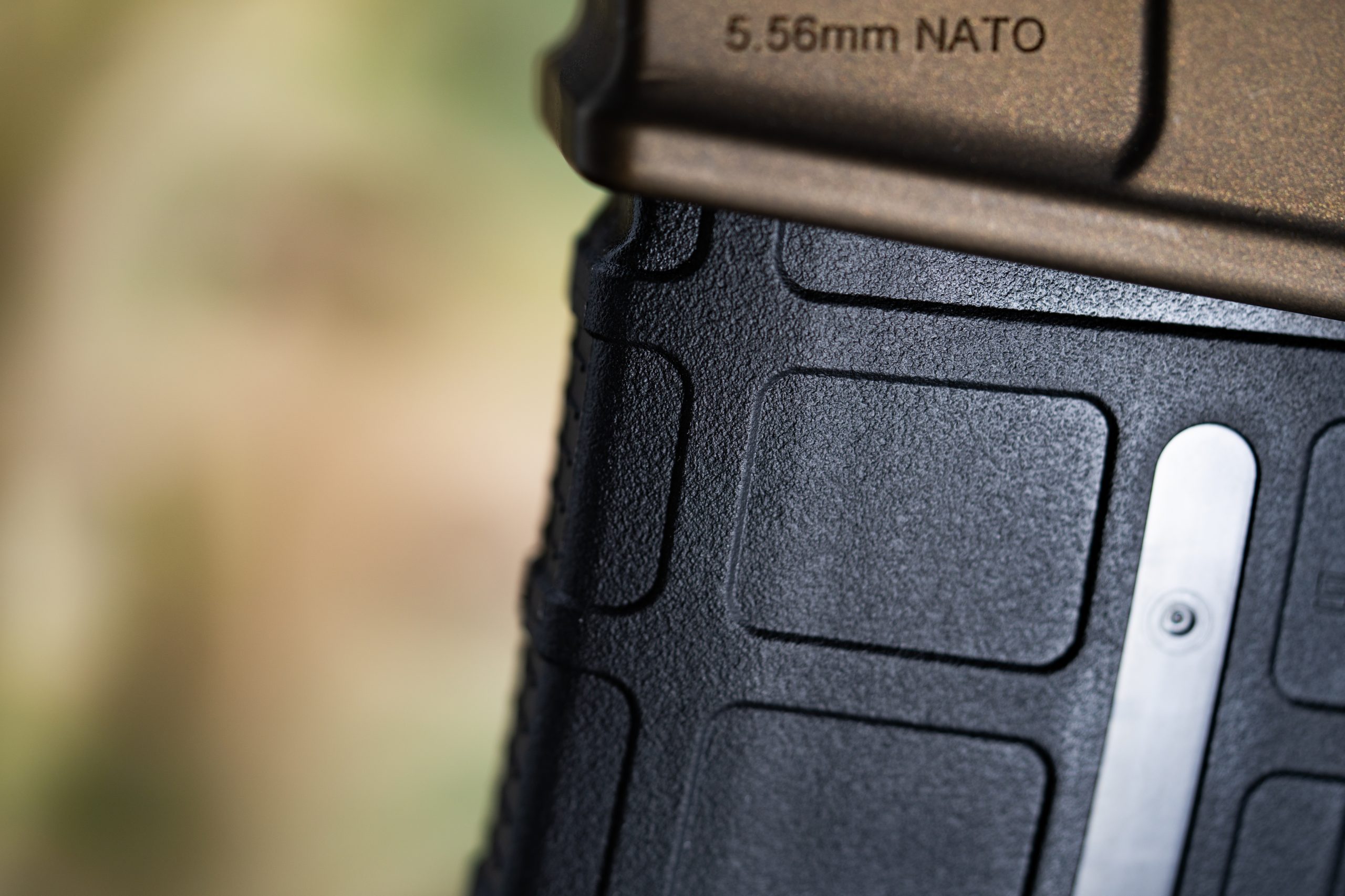
This is also the time to identify what ammunition your firearm is designed to use and what it is not designed to use. Read the caliber marking on the barrel or frame and compare it with the box before anything gets loaded. Ammunition mix-ups are among the most avoidable mistakes in gun ownership, and they usually happen when people move too fast, rely on memory, or store multiple calibers carelessly together.
Buy Secure Storage Before You Need It, Not After
If you bought the gun before you bought the storage, reverse that priority immediately. ATF guidance for firearm owners recommends keeping guns unloaded when stored, locking them in a secure location accessible to adults only, and storing ammunition in a separate locked location. The agency also advises new purchasers to take the firearm home directly instead of leaving it in a vehicle while running errands. That is practical advice, not overkill. A gun in a backpack, glove box, or dresser drawer is not “stored.” It is unsecured.
Your best option depends on how you live. A quick-access handgun safe can make sense for home-defense owners who need controlled access. A locking cabinet may work for long guns in a lower-traffic household. Cable locks and trigger locks are useful layers, but they are not substitutes for a true locking container when children, guests, roommates, or service workers may be present.
Project ChildSafe, the firearm safety program supported by NSSF, says it has helped distribute tens of millions of free gun locks over the past two decades. That tells you something important: secure storage is not a niche idea or a concession. It is mainstream responsible ownership. Buy the safe, bolt it down if appropriate, control the keys or code, and decide today who has access and who does not.
Get Real Training From a Qualified Instructor

Owning a gun is not the same as knowing how to use one well. The fastest way to build competence is a reputable beginner class with live instruction, supervised handling, and time to ask what may feel like basic questions. A good instructor will fix grip, stance, sight alignment, trigger control, loading habits, and muzzle discipline before bad habits get hard to unlearn. That is worth far more than a dozen internet videos.
Look for a class designed specifically for new shooters, not a tactical course built for people who already have range experience. The right class should cover safe handling, storage, local range rules, transportation basics, and how to respond to common malfunctions. It should also explain what your firearm can and cannot realistically do. Confidence built on accurate expectations is useful. Confidence built on fantasy is dangerous.
Training also helps with one problem many first-time owners do not anticipate: stress. People who seem calm in a gun store often get flustered when loading magazines, clearing jams, or shooting around noise and recoil for the first time. Formal instruction gives you a controlled environment to work through that. It is much better to fumble under supervision on day one than to discover your gaps during an emergency or even a casual range visit.
Set Up a Home Routine for Storage, Access, and Cleaning

Responsible ownership is mostly about routine. Decide now what happens every single time the gun comes into the house, comes out of storage, gets cleaned, or gets returned after range use. Without a system, people improvise. Improvisation is where negligent discharges and unauthorized access tend to happen.
A smart routine is simple: clear the firearm in the same place every time, with the muzzle in a safe direction and no distractions. Keep ammunition off the cleaning table unless you are intentionally loading for lawful carry or transport afterward. If you have children, teens, or frequent visitors, assume curiosity is inevitable. According to Johns Hopkins experts who advocate evidence-based safe storage, the same secure-storage principles used to limit access by children also help reduce access by unauthorized people more broadly.
Cleaning matters too, but not because every range trip turns a gun into a fragile machine. It matters because cleaning forces you to inspect the firearm. You notice unusual wear, cracked parts, loose screws, damaged magazines, or grime buildup that could affect reliability. Follow the manual, use basic supplies, and do not over-lubricate. The goal is a firearm that is clean enough to run and inspected enough to trust, not one polished into a hobby project.
Think Seriously About Mental Health and Temporary Access
This is the part some new owners are least prepared for, and it may be the most important. The CDC says firearm injuries and deaths are preventable, and federal and nonprofit suicide-prevention toolkits increasingly focus on the time and distance between a person in crisis and a loaded gun. The VA, working with the American Foundation for Suicide Prevention and NSSF, has promoted safe storage as a practical way to reduce risk during short-term crises, because many suicidal crises are brief and immediate access can make the outcome far worse.
That does not mean assuming everyone in your home is unstable. It means planning for real life. Job loss, breakup, grief, substance misuse, postpartum depression, severe anxiety, medication changes, and sleep deprivation can all affect judgment. A responsible owner thinks ahead about what temporary off-site or locked-away storage would look like if someone in the household were struggling.
Have that plan before you need it. Decide who could help, what storage method would change, and how keys, codes, or combinations would be controlled. If that conversation feels uncomfortable, good. Important safety conversations often do. Mature gun ownership includes recognizing that risk is not only about intruders or accidents. Sometimes it is about protecting the people you love from their worst day.
Learn the Law, the Range Rules, and the Limits of the Gun

Before you carry, transport, or even casually move the firearm across your daily routine, learn the laws that apply where you live. State and local rules on storage, transport, permitting, prohibited places, and use of force can vary significantly. Do not trust a social media post or a gun-store rumor on something this serious. Read your state police, attorney general, or official licensing guidance and make sure you understand the difference between what is common practice and what is actually lawful.
Range rules matter just as much because they teach discipline in a public setting. Learn commands like cease fire, cold range, and hot range. Learn where guns may be uncased, where magazines may be loaded, and when handling at the bench is prohibited. These are not arbitrary rituals. They are how dozens of strangers share a firing line without chaos.
Finally, accept the limits of the tool. A gun is not a substitute for avoidance, de-escalation, better locks, outdoor lighting, or medical care. The FBI’s NICS system processed enormous numbers of firearm background checks in recent years, including through its 2024 operational reporting, which means many Americans are entering ownership for the first time. The owners who do best are not the ones who act toughest. They are the ones who build judgment, structure, and restraint before they ever need the gun for anything real.