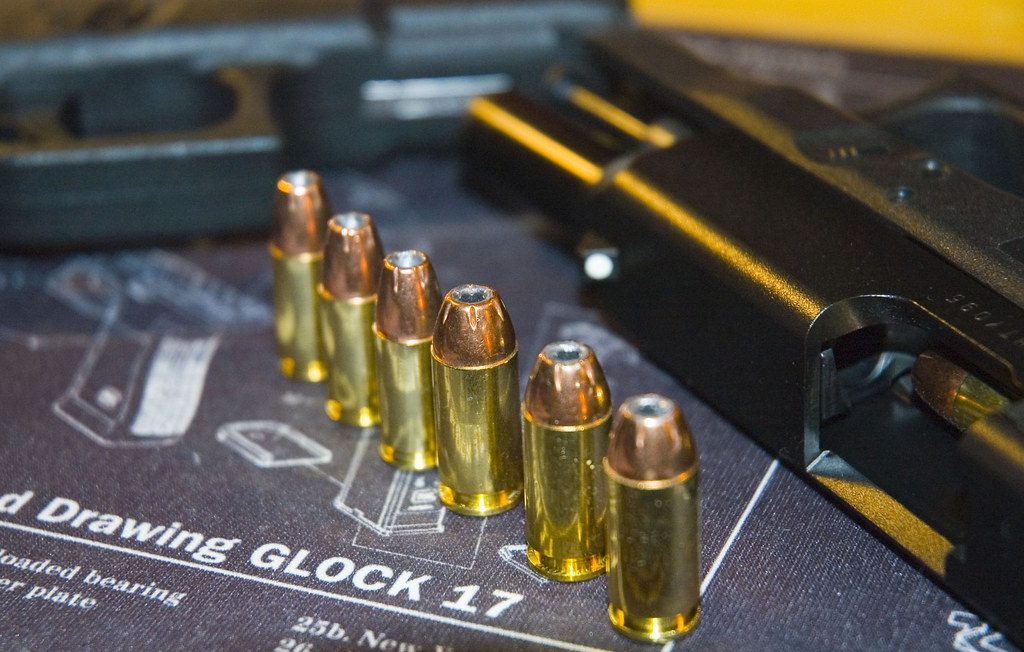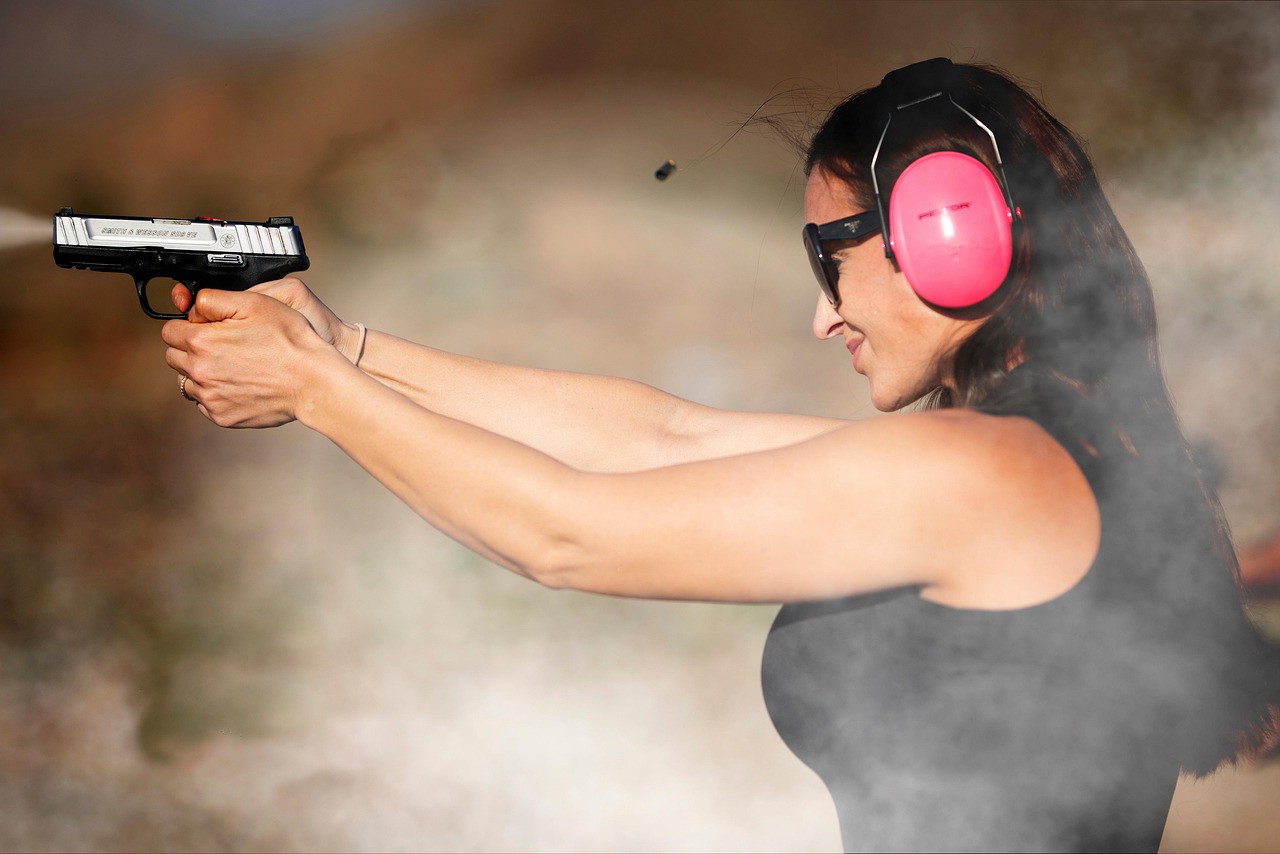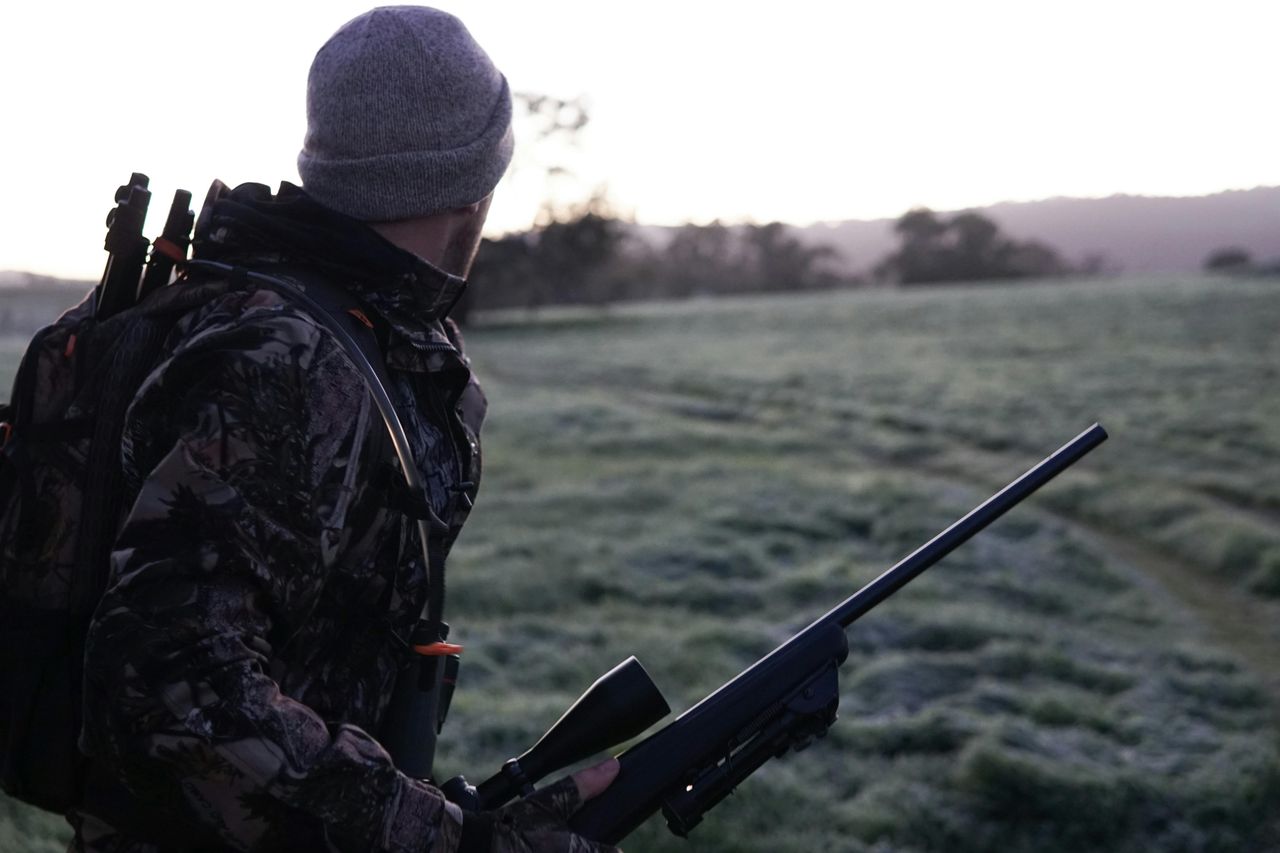
Some animals are beautiful at a distance and brutally unforgiving up close. In places where big predators, thick-skinned giants, and fast-charging threats roam, the wrong firearm can leave you badly outmatched. This gallery explores 12 animals that demand serious respect, along with why caliber, reliability, and stopping power matter when a worst-case encounter turns real.
Grizzly Bear
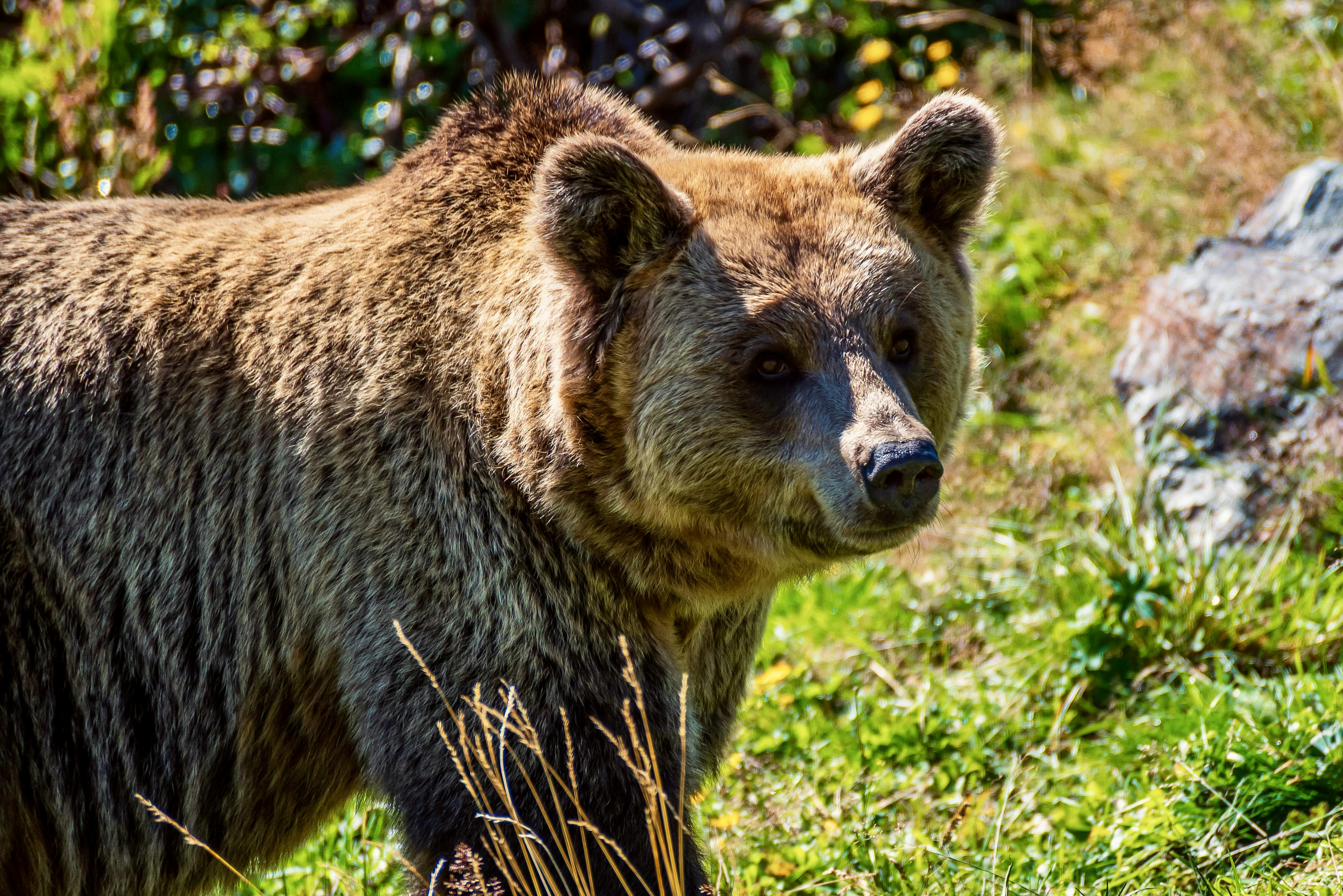
A grizzly encounter can go from awe-inspiring to life-threatening in seconds. These bears are massive, fast, and notoriously hard to stop once they commit to a charge. In thick brush or along salmon streams, visibility can collapse just when reaction time matters most.
This is why backcountry travelers and guides obsess over heavy, hard-hitting firearms. A marginal round may not penetrate deeply enough through dense muscle and heavy bone, especially at bad angles. When the animal is closing the distance at startling speed, reliability and immediate stopping power matter far more than comfort on the shoulder or the neatness of your range-day groups.
Polar Bear

Polar bears don’t just look imposing; they are among the largest land predators on Earth. In Arctic regions, they are powerful, curious, and capable of covering ground with unnerving speed. There is very little room for error when one decides to investigate you up close.
That’s why northern guides and remote workers take firearms selection so seriously. Extreme cold can affect both people and gear, turning reliability into a survival issue rather than a preference. Against an animal built for harsh conditions and raw predatory strength, anything underpowered starts to feel like wishful thinking dressed up as preparedness.
Cape Buffalo
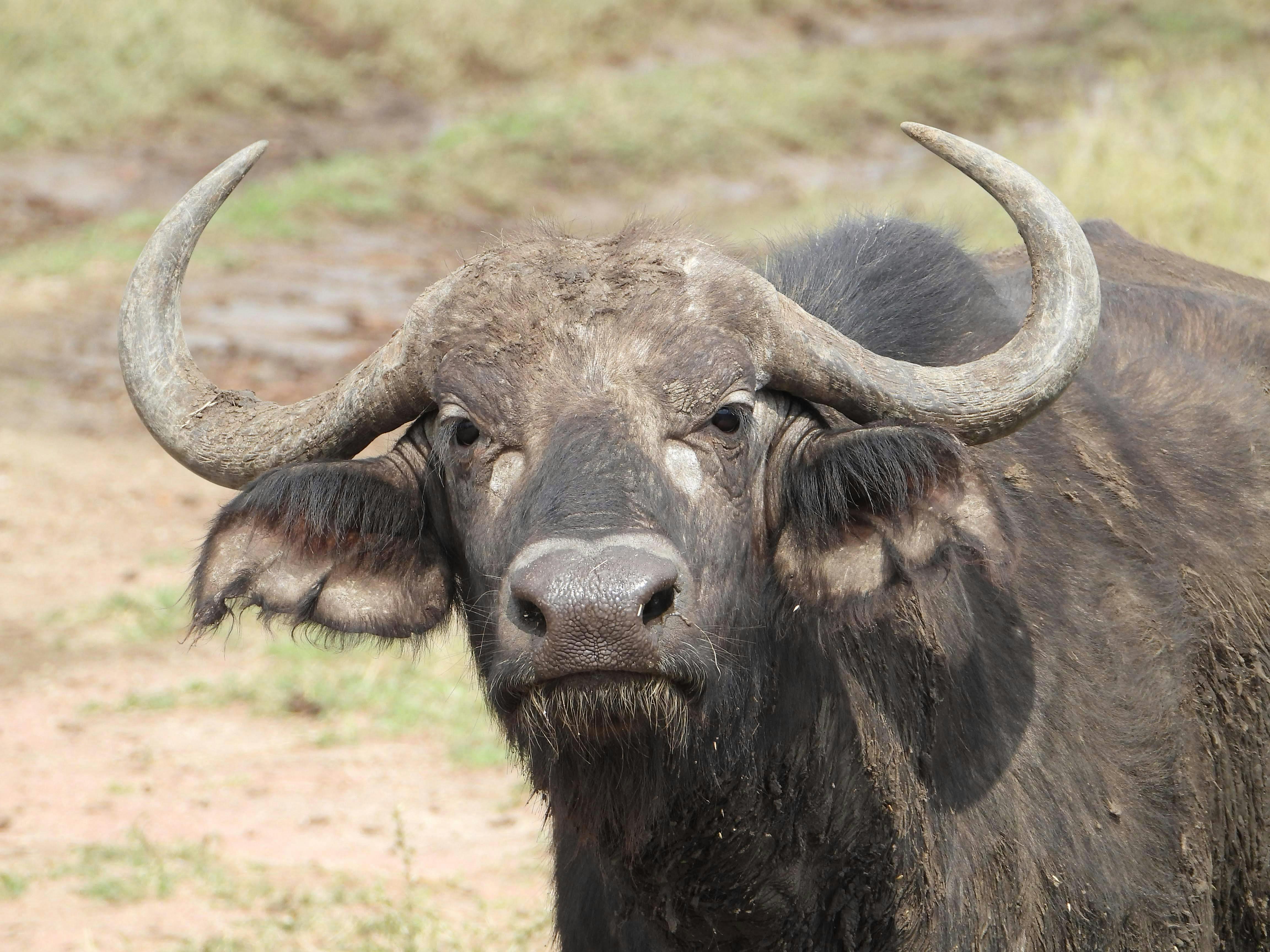
Cape buffalo have earned a fearsome reputation in Africa for a reason. They are heavily built, bad-tempered when wounded, and famous for sudden charges through brush that leave almost no time to recover from a mistake. Hunters call them dangerous game with genuine respect, not theatrical flair.
A firearm that seems adequate on paper can feel laughably insufficient once several hundred kilograms of muscle and horn start coming your way. Penetration is everything here, especially because shoulder structure and thick hide can soak up weak performance. This is the kind of animal that has shaped entire traditions around powerful rifles and disciplined follow-up shooting.
African Elephant
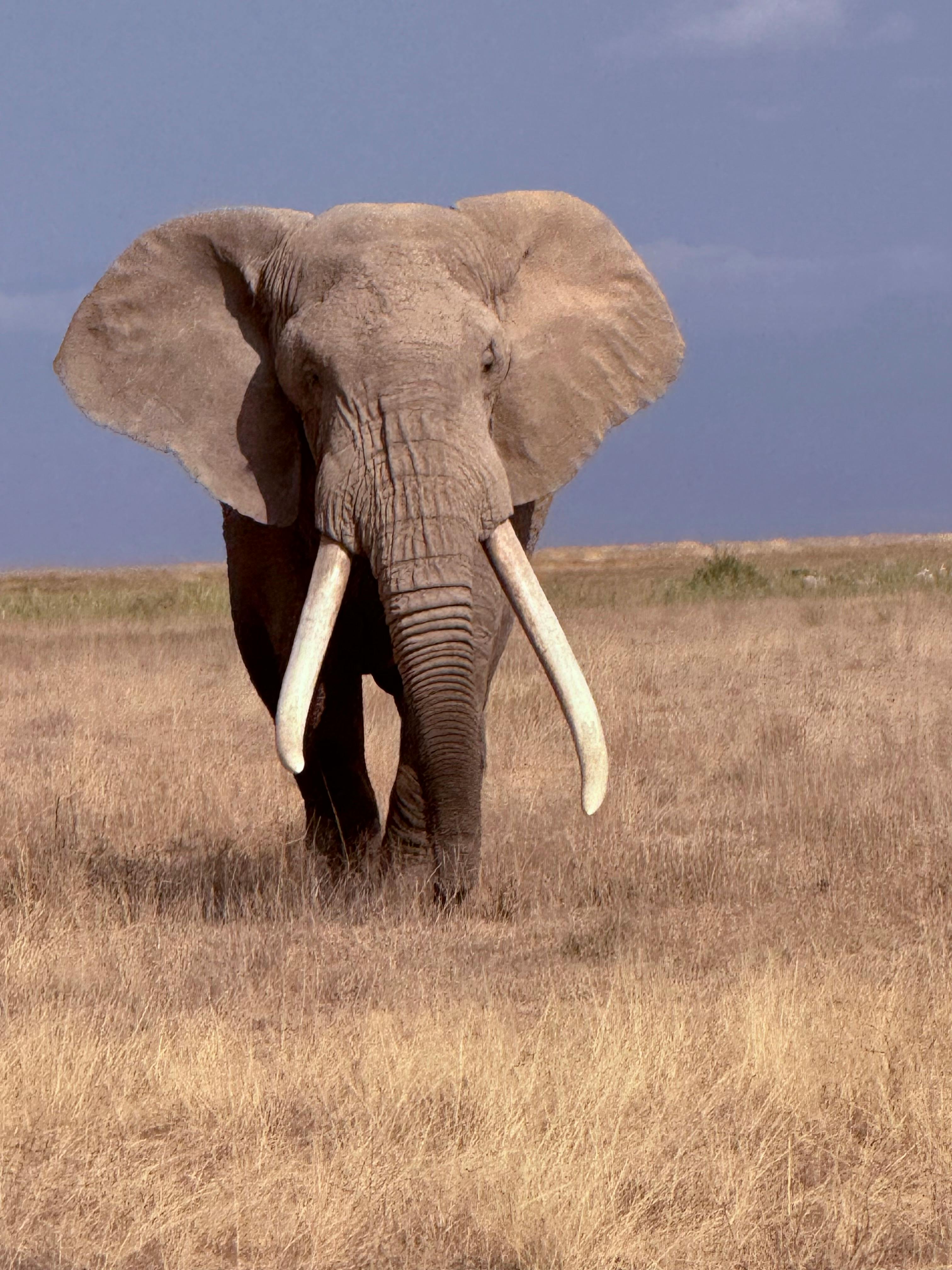
An African elephant is not merely large; it is overwhelmingly large in every sense that matters during a dangerous encounter. If one is charging in earnest, the scene stops feeling like wildlife viewing and starts feeling like an unstoppable wall of speed, mass, and momentum.
That reality is why dangerous-game professionals stress precise shot placement paired with serious caliber. Thick bone, huge body structure, and the need for deep, decisive penetration leave little tolerance for underpowered choices. On an animal this formidable, the firearm is only part of the equation, but having too little gun can turn a terrible moment into a fatal one very quickly.
Hippopotamus
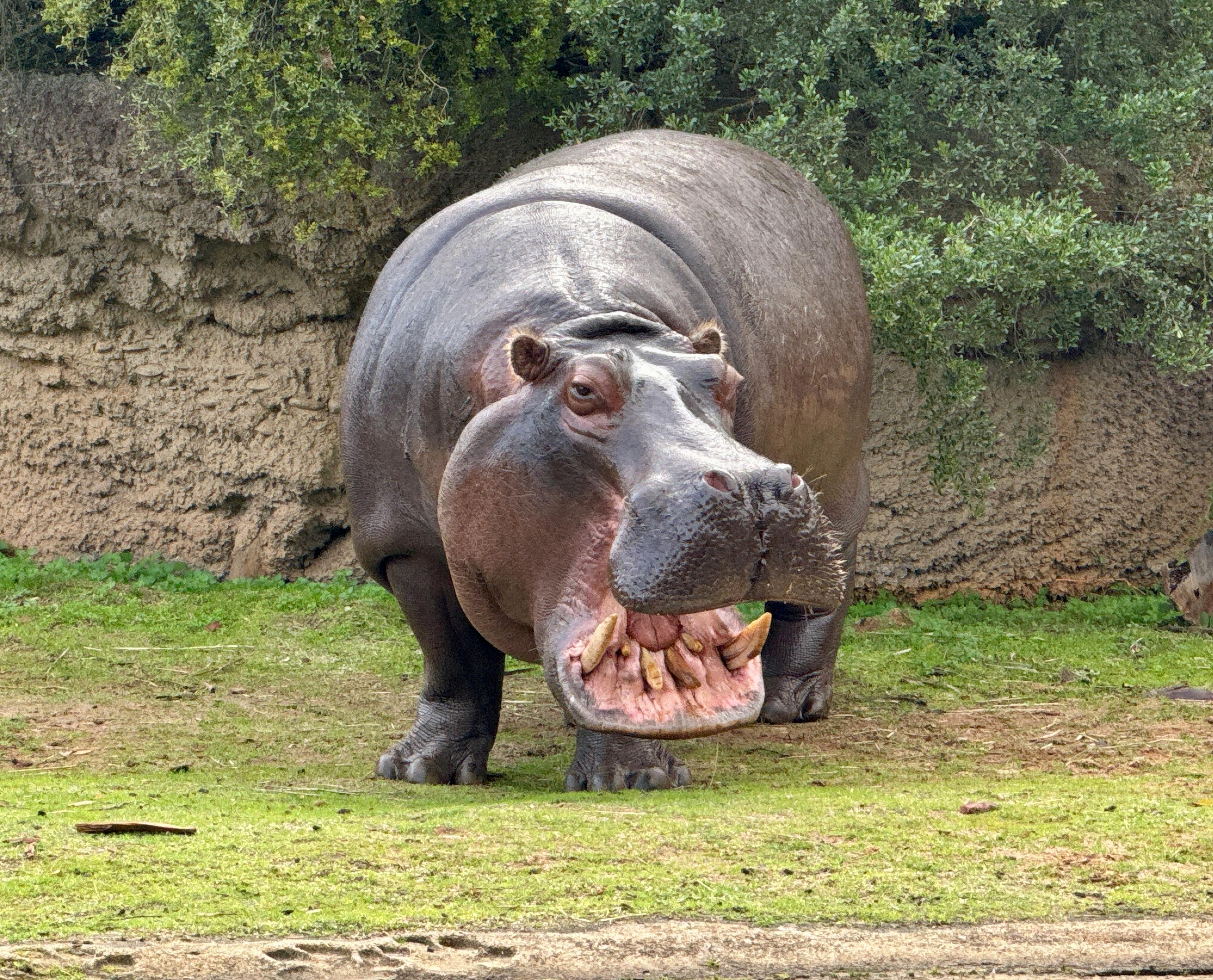
Hippos don’t always get the same cinematic villain treatment as lions or crocodiles, but they should never be underestimated. They are intensely territorial, astonishingly aggressive, and responsible for more human deaths in parts of Africa than many people realize. On land, they can move far faster than their barrel-shaped bodies suggest.
A bad encounter near water or along a riverbank becomes especially dangerous because there is so little time to create distance. Their hide is thick, their bones are substantial, and their determination can be shocking once provoked. In those moments, a lightly built firearm feels like a confidence trick rather than a serious defensive tool.
Lion

A lion’s power is obvious, but what catches people off guard is how quickly one can appear where there was only stillness a second earlier. In the bush, tall grass and patchy visibility work in the predator’s favor, and a close encounter can feel alarmingly sudden even to experienced people.
That’s why the right firearm matters so much in lion country. You need dependable function, quick handling, and enough authority to end the threat before it reaches you. When the animal in front of you is built around speed, muscle, and a killing instinct honed over millennia, underestimating the need for stopping power is a costly kind of optimism.
Tiger
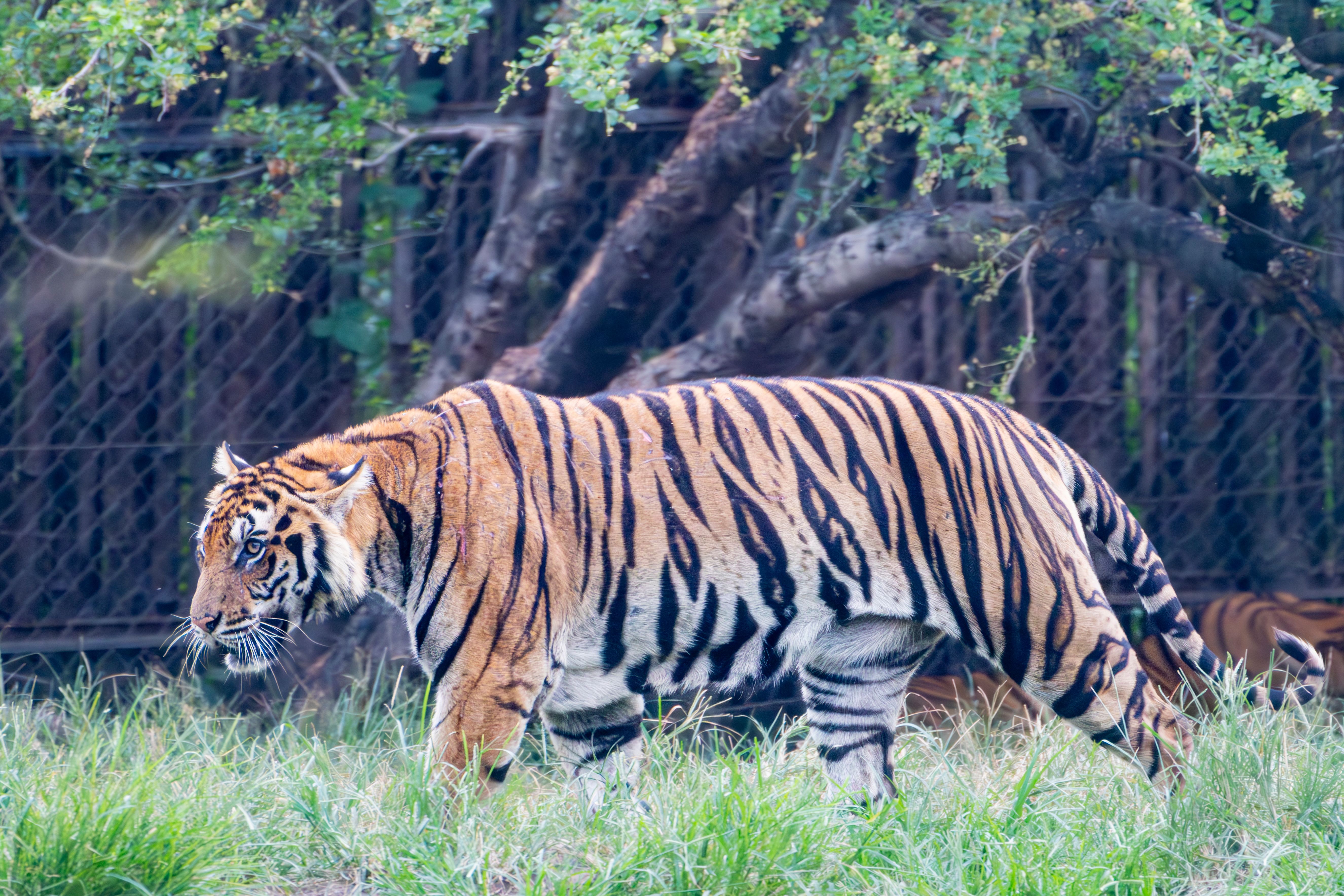
Tigers carry a different kind of menace than many other dangerous animals because they are stealth specialists. They can move quietly through dense cover and strike with terrifying explosiveness, which means a defensive response may begin at very short distance and under extreme stress.
In that kind of encounter, the right firearm has to balance power with speed into action. There is no reward for carrying something cumbersome if you can’t deploy it quickly, but there is even less comfort in a light choice that lacks penetration. Against a huge cat capable of crushing force and sudden violence, preparedness is about realism, not bravado.
Moose

Moose surprise people because they don’t fit the classic predator profile, yet they can be shockingly dangerous. A big bull during the rut or a cow protecting a calf can turn confrontational fast, and their sheer size makes every stomp, charge, or swing of the antlers a serious threat.
What complicates matters is that many people underestimate them until they are already too close. Moose are tall, heavily muscled, and capable of absorbing poor shot placement far better than casual observers expect. In remote country, the right firearm provides a margin of safety that becomes very important when an animal usually described as majestic suddenly acts like a freight train.
American Alligator
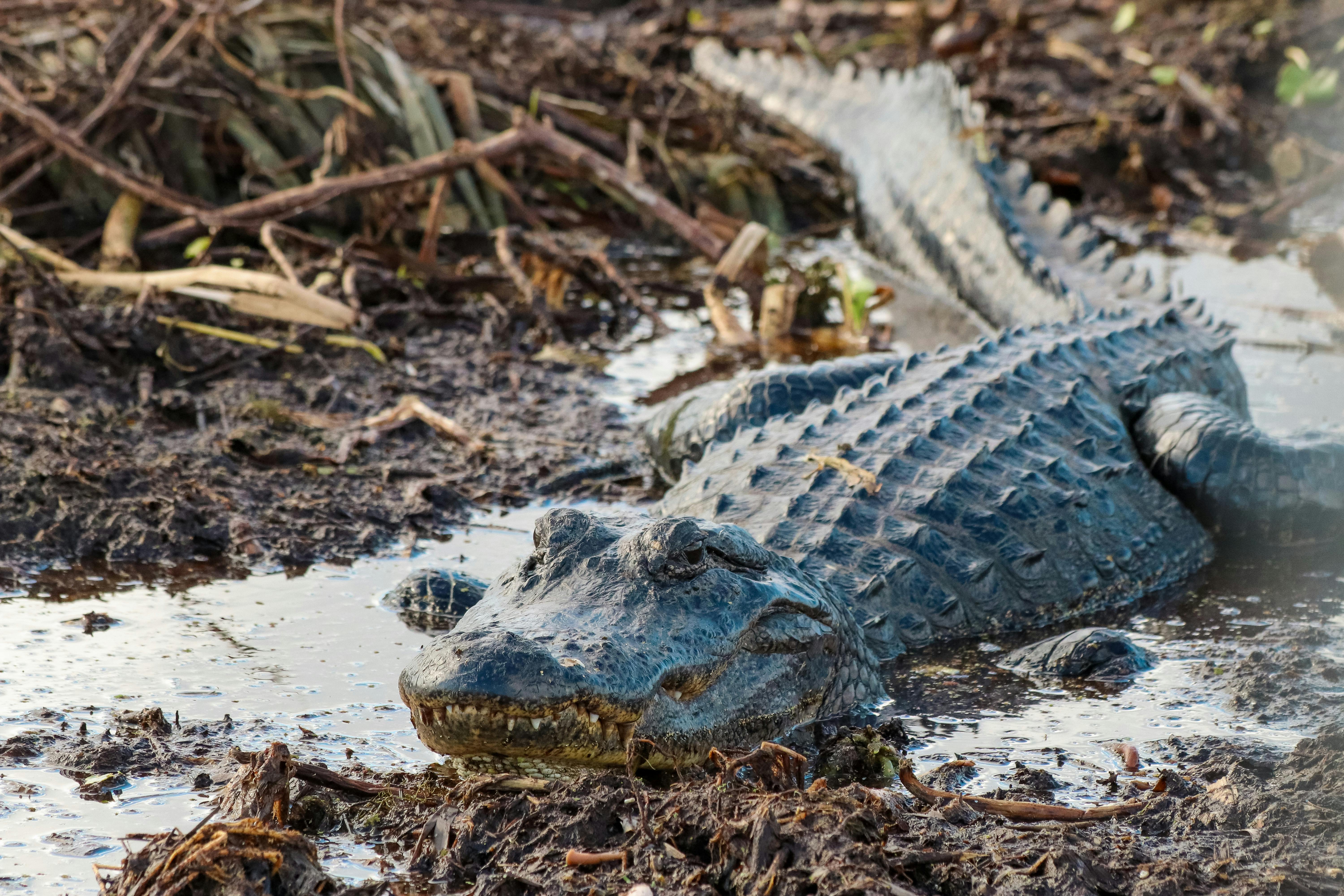
An alligator usually prefers ambush over pursuit, but that doesn’t make it less dangerous. Around marshes, riverbanks, and boat launches, the threat is often tied to proximity and surprise. If things go wrong at close range, the animal’s bite force and sudden burst of motion can make the moment feel brutally one-sided.
A firearm in this context is less about fantasy and more about having enough power for a desperate emergency. Tough skin, heavy bone, and difficult shot angles can quickly expose the limits of weak cartridges. In wet, muddy environments where footing and visibility are compromised, dependable gear becomes part of a larger survival equation.
Nile Crocodile
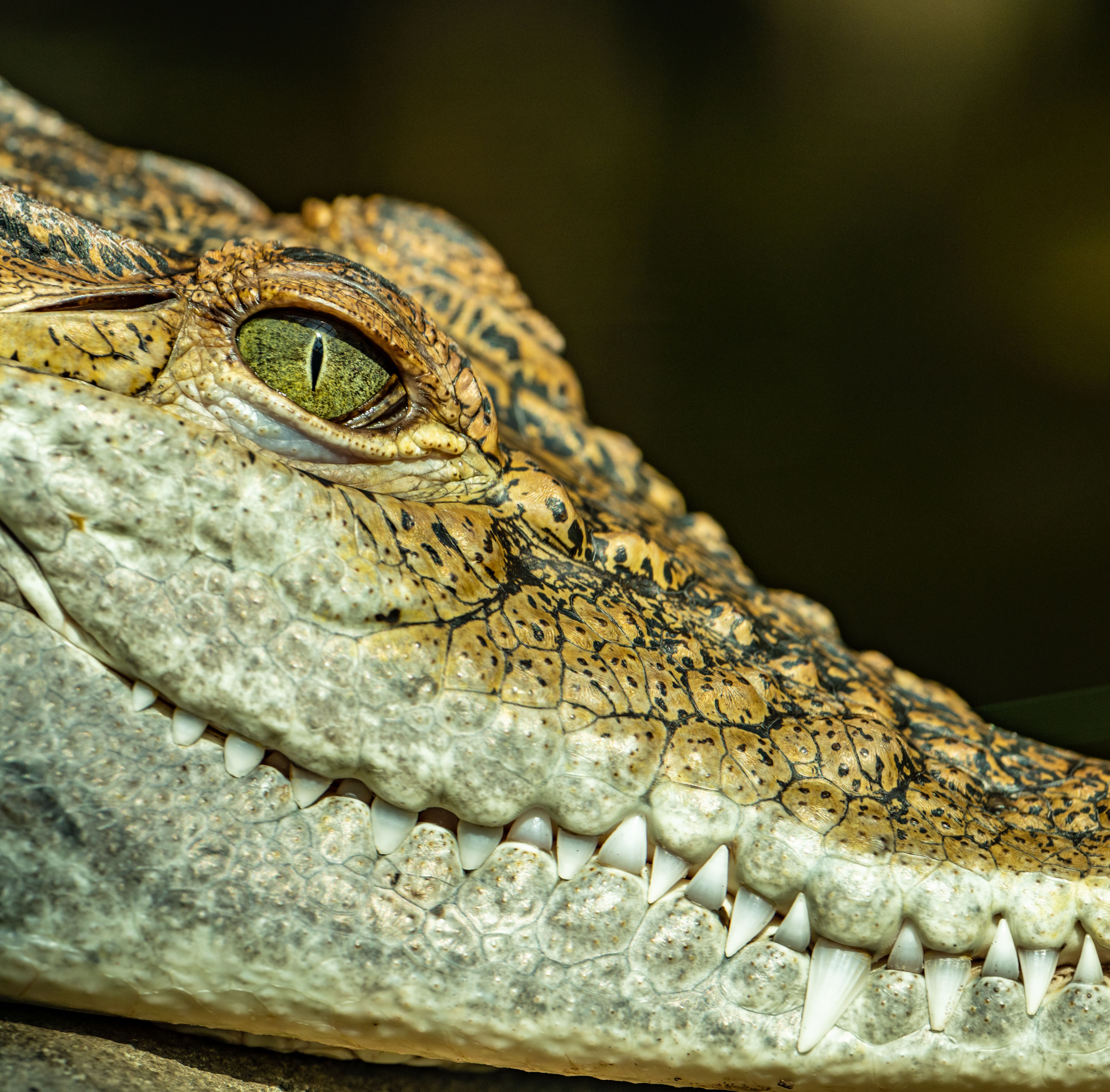
The Nile crocodile is one of those animals that changes the atmosphere of a place simply by being there. It is ancient-looking, immensely powerful, and perfectly designed for ambush at the water’s edge. By the time many victims realize the danger, the attack is already underway.
That’s what makes firearm choice so serious in crocodile country. If an emergency shot is required, penetration and precision become everything, because this is a heavily armored reptile with terrifying leverage and bite force. Near rivers and lakes where visibility can be deceptive, carrying an inadequate gun is less a mistake than an invitation to lose a fight you never wanted.
Jaguar
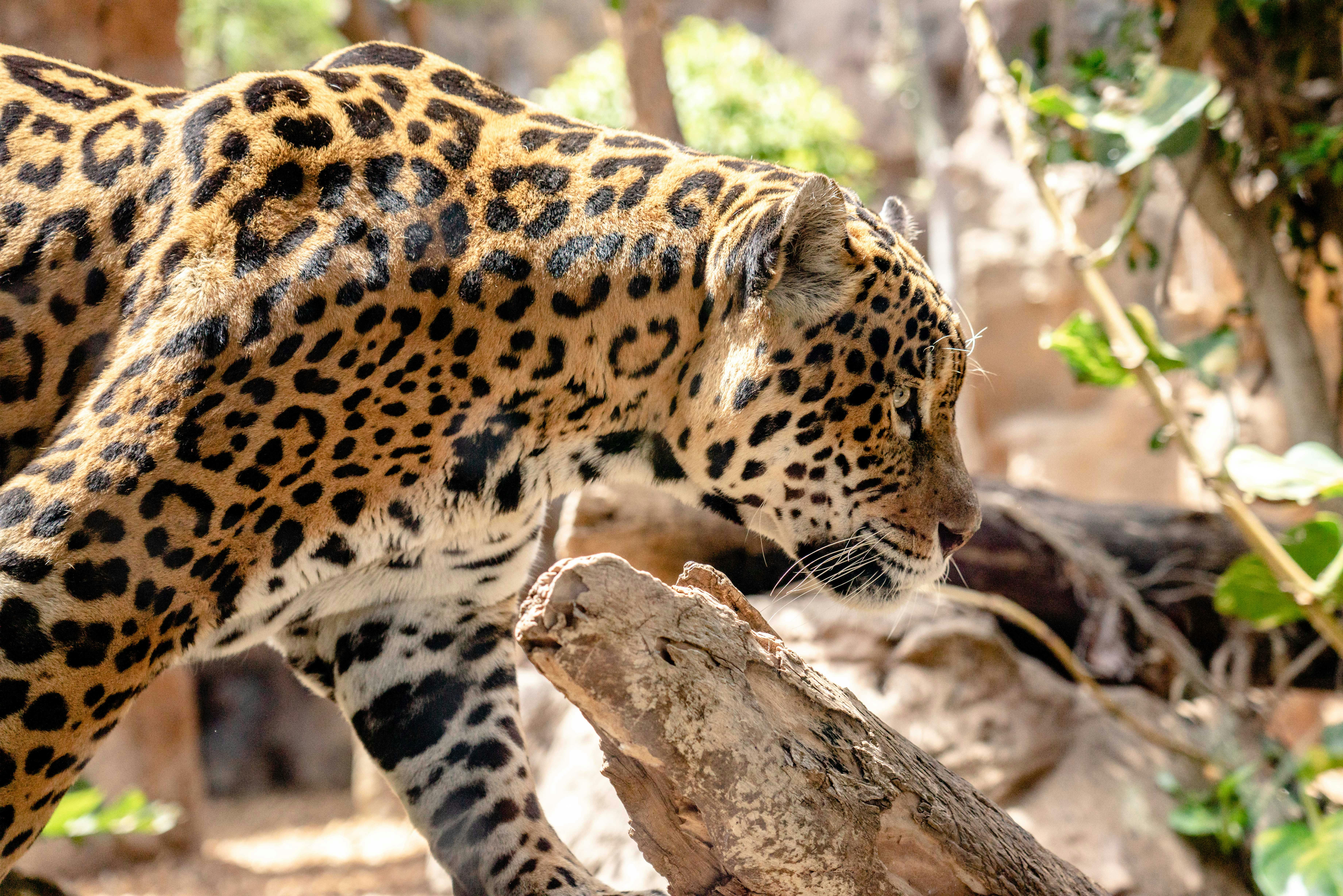
Wild boars may not match big cats in stealth, but they are among the most dangerous animals you can encounter at close range. Thick-bodied, low to the ground, and driven by powerful muscles, they can charge with explosive speed when threatened. Their tusks are capable of inflicting deep, slashing injuries, and their unpredictable aggression makes them especially dangerous in dense vegetation where visibility is limited. In such terrain, encounters can escalate in seconds, often with little warning.
Because of that, the right firearm needs to be quick to handle and deliver decisive stopping power. Dense undergrowth can restrict movement and shorten reaction time, leaving almost no margin for error. Against an animal built for sudden charges and close-quarters impact, hesitation or inadequate equipment can quickly turn a tense situation into a serious one.
wild boar

Wild boars may not match big cats in stealth, but they are among the most dangerous animals you can encounter at close range. Thick-bodied, low to the ground, and driven by powerful muscles, they can charge with explosive speed when threatened. Their tusks are capable of inflicting deep, slashing injuries, and their unpredictable aggression makes them especially dangerous in dense vegetation where visibility is limited. In such terrain, encounters can escalate in seconds, often with little warning.
Because of that, the right firearm needs to be quick to handle and deliver decisive stopping power. Dense undergrowth can restrict movement and shorten reaction time, leaving almost no margin for error. Against an animal built for sudden charges and close-quarters impact, hesitation or inadequate equipment can quickly turn a tense situation into a serious one.