Some old American shotguns have already reached blue-chip status, but plenty of worthy names still sit in the shadows. This gallery looks at eight classic models that seasoned collectors often praise for their craftsmanship, shootability, and historical character, even as prices remain surprisingly restrained. For buyers who appreciate smart value as much as walnut and steel, these are the kinds of guns that inspire a second look.
Winchester Model 12

The Winchester Model 12 is hardly unknown, yet many collectors argue it still does not get full credit outside the top-condition and small-bore examples. Built with a silky action and a reputation for durability, it represents the kind of old-school pump gun craftsmanship that is getting harder to find at approachable prices.
Part of the appeal is its broad usefulness. Field grades remain attainable, many still handle beautifully, and the gun carries real sporting history without demanding museum-level money. For collectors who value mechanical quality over trend chasing, the Model 12 often feels like an obvious classic hiding in plain sight.
Remington Model 31

Ask knowledgeable shotgun fans about underrated pumps, and the Remington Model 31 comes up fast. It earned the nickname ball-bearing repeater for good reason, with an action so smooth that many shooters still compare everything else against it. Yet it often trails more famous rivals in market buzz.
That gap creates opportunity. The Model 31 offers elegant lines, strong build quality, and a connection to Remington’s pre-war and post-war sporting heritage that feels substantial in hand. It may never outshine the biggest household names at auction, but for collectors who actually admire refinement, this one looks more undervalued than obscure.
Ithaca Model 37
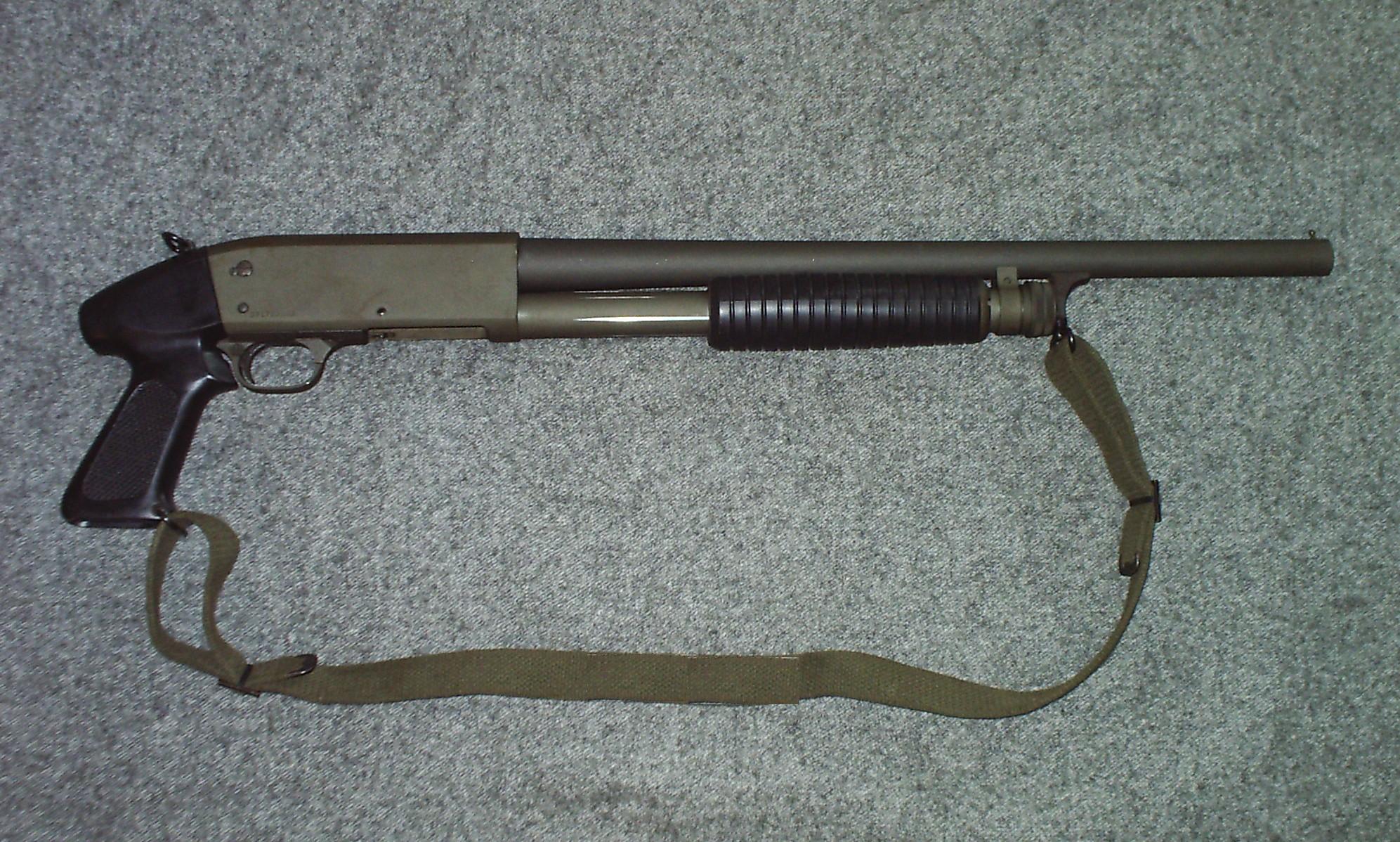
The Ithaca 37 has loyal followers, but its long-term collector profile still feels lower than its significance suggests. With its bottom eject design, trim receiver, and famously lively handling, it stands apart from many American pumps. It is one of those guns that tends to win people over the moment they carry or shoot one.
Collectors also like the breadth of the line. Early examples, riot configurations, featherlight field guns, and honest hunting pieces all have their audience, yet many remain accessible compared with similarly storied competitors. That combination of innovation, utility, and unmistakable American character gives the Model 37 more upside than current prices always reflect.
Savage Fox Model B

Purists may spend more time discussing earlier Fox doubles, but the Savage Fox Model B deserves a fair hearing from practical collectors. It was built as a working side-by-side, not an aristocratic showpiece, and that straightforward mission gives it honest appeal. These guns brought the double-gun experience to everyday sportsmen across America.
Because of that humble reputation, the Model B is often overlooked in favor of flashier names. Still, it offers vintage lines, simple utility, and the kind of blue-collar nostalgia that increasingly resonates with buyers. In a market where many classic doubles have become expensive to enter, the Model B still offers heritage without the steep emotional or financial toll.
Stevens 520 and 620

The Stevens 520 and its later 620 sibling are the kinds of guns that collectors often discover backward. Someone handles one, notices the John Browning connection, works the action, and suddenly wonders why these models do not command more attention. They have real design pedigree and a visual personality that stands out from more familiar pumps.
Condition matters, of course, and military versions have their own following, but ordinary sporting examples can still represent very good value. These guns bridge utility, history, and mechanical interest in a way that appeals to both firearms enthusiasts and Americana-minded collectors. They may not be fashionable, but they are far from forgettable.
L.C. Smith Field Grade

The L.C. Smith name carries prestige, yet many Field Grade guns remain more affordable than newcomers expect. That matters because these side-by-sides still deliver the visual warmth and classic handling that draw people into American doubles in the first place. A well-kept example has presence without feeling precious.
Collectors are often paying for accessibility to craftsmanship here. The engraving may be restrained and the finish may show a working life, but that can be part of the charm. In a market that frequently rewards rarity over experience, the Field Grade offers a convincing reminder that an honest, elegant shotgun can still be a deeply satisfying collectible.
Parker Trojan

Mention Parker, and many collectors immediately think of higher grades with stronger price tags. That is exactly why the Trojan can feel overlooked. It gives buyers entry into one of the most admired American shotgun names through a simpler, more attainable package that still carries the Parker silhouette and heritage people want.
The Trojan was built as a practical gun, and that practicality now works in its favor. It is easier to approach, easier to justify, and often easier to enjoy than elite examples that spend most of their lives in safes. For collectors who want authentic Parker ownership without chasing peak market territory, the Trojan deserves much more attention.
Remington 11-48
The Remington 11-48 lives in the long shadow of the Model 11 and the wildly successful 870, which helps explain why it remains a sleeper. As a recoil-operated autoloader with streamlined mid-century styling, it captures a fascinating transition point in American shotgun design. It looks modern for its era but still feels rooted in older craftsmanship.
That in-between identity is exactly what makes it interesting today. Collectors can still find examples with period charm, solid shootability, and genuine historical appeal without paying headline prices. In a market that often races toward the most famous autoloaders, the 11-48 offers a cooler, quieter story and better value than many buyers realize.