A lot of hunters discover this the hard way. The rifle that grouped fine in October suddenly feels unpredictable when the temperature drops below freezing.
Cold weather changes more than most shooters realize
Budget ammo often looks perfectly adequate on the shelf because the cartridge dimensions, bullet weight, and advertised velocity seem close to premium loads. What is harder to see is how tightly the ammunition was assembled, how consistent the powder charge is, and how temperature-stable the components are. Those hidden differences are exactly what cold weather tends to expose first.
Smokeless powder does not behave identically across all temperatures. In general, colder conditions reduce the energy available at ignition and can slow the burn rate, which usually means lower chamber pressure and lower muzzle velocity. Premium hunting loads often use powders chosen specifically for stable performance across a wide temperature range, while cheaper loads may rely on more economical propellants that show wider swings.
That matters in the field because even modest velocity loss can shift bullet impact enough to matter on game. A 100-150 fps drop may not sound dramatic, but at longer distances it can mean more bullet drop, less expansion, and a different point of impact than the one confirmed during warmer weather. Hunters aiming at a deer’s vital zone may still have margin, but coyotes, small targets, or quartering shots leave less room for error.
The powder is usually the real story

When shooters complain that budget ammo “doesn’t like the cold,” they often assume the brass or the bullet is to blame. In reality, the powder is usually the biggest factor. Lower-cost ammunition is commonly built to hit a price point, and powder selection is one of the places manufacturers can manage costs while still producing safe, functional cartridges.
Temperature-sensitive powder can show more extreme spread and standard deviation as conditions worsen. In plain terms, one round may lose a little velocity while the next loses a lot more. That inconsistency opens groups, changes vertical dispersion, and makes a once-reliable zero feel random. Hunters may blame themselves for a bad shot when the ammunition has simply become less uniform.
Industry testing over the years has shown that some modern propellants hold velocity far better from summer heat to winter cold than older or cheaper formulations. Ammunition makers in the premium category often advertise this indirectly through phrases like consistent ignition or all-weather performance. They are signaling that the load was designed to remain predictable in the exact kind of cold dawn conditions hunters face from tree stands, blinds, and mountain ridges.
Primers, brass, and bullet construction play a role, too
Powder gets most of the attention, but the rest of the cartridge matters as well. Primers must ignite reliably in low temperatures, and lower-cost loads may use components with wider manufacturing tolerances. In marginal conditions, that can translate to delayed ignition, weak ignition, or subtle shot-to-shot differences that show up on target before they become obvious to the shooter.
Brass quality also affects consistency more than many hunters realize. Cases that vary more in internal volume can create pressure variations even when the powder charge is nominally the same. In warm weather, those differences may stay small enough to ignore. In freezing temperatures, the same variability can stack on top of slower powder burn and create noticeably different velocities.
Bullet construction matters once the bullet reaches the animal. Many budget hunting loads use simpler cup-and-core bullets that can perform perfectly well within a certain impact-speed window. But if cold weather reduces velocity enough, a bullet designed for fast upset may expand less aggressively at distance. Premium bullets and premium loads are often engineered around broader performance windows, which is one reason they tend to inspire more confidence when weather, range, and shot angle get complicated.
Why hunters notice the problem most on opening morning
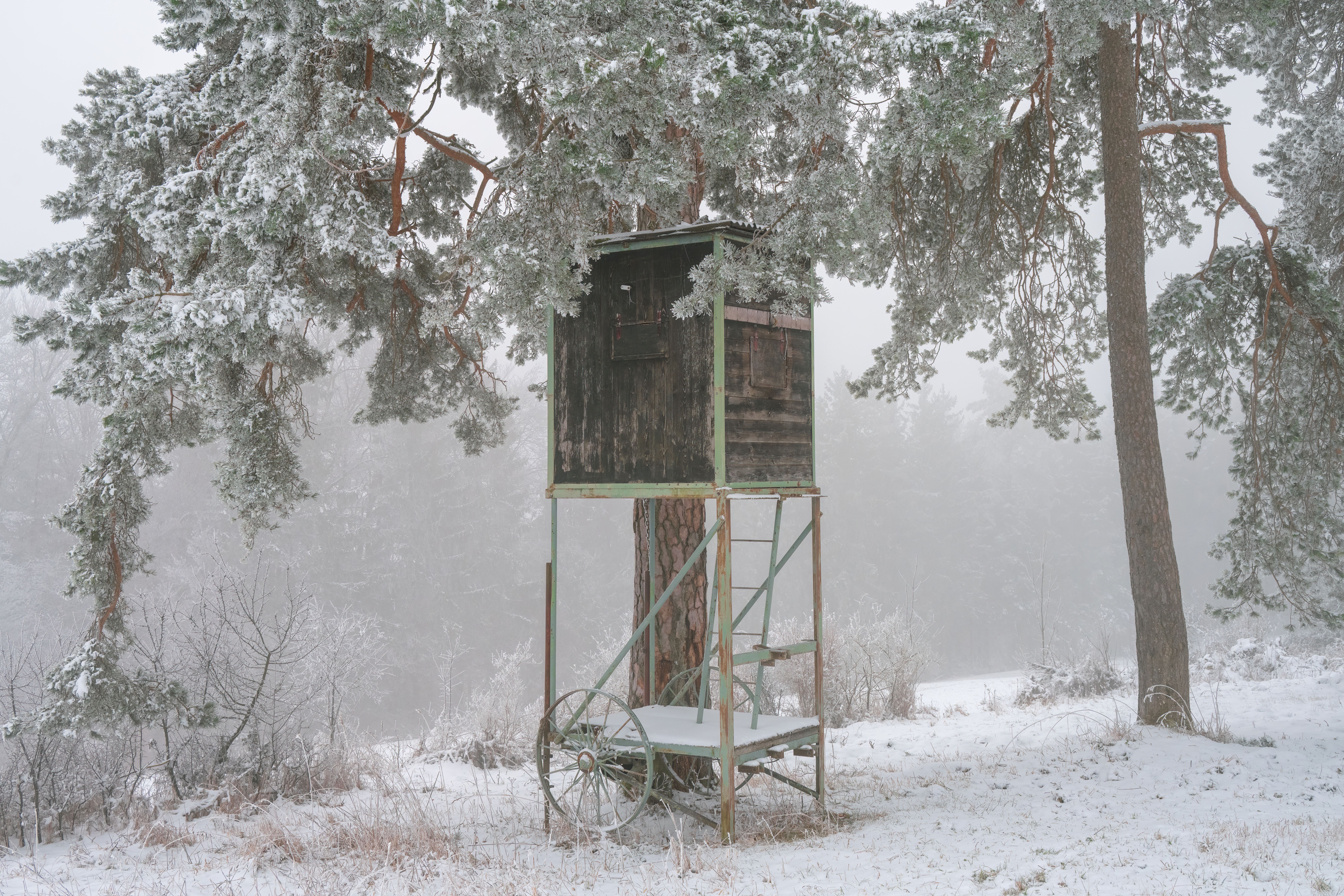
The range session where a rifle was sighted in may have happened at 55°F on a calm afternoon. Opening morning might be 12°F with wind, gloves, a racing pulse, and a rifle that has been sitting in a cold truck for hours. That is the perfect setup for ammunition differences to become obvious. The whole system is colder, including the cartridge, chamber, barrel, optic, and shooter.
Hunters also tend to notice cold-weather ammo problems because they fire so few shots in the field. A competitive shooter might immediately identify a velocity issue after a string over a chronograph. A hunter may get only one shot all day, so any unexplained miss feels sudden and mysterious. In truth, the ammunition may have been showing the same weakness all along, just not under hunting conditions.
Real-world reports from whitetail camps, western mule deer hunts, and late-season predator setups tend to sound similar. A rifle that prints 1″ groups in mild weather opens to 2″ or 3″ in the cold. The impact drops a couple of inches at 200 yards. Nothing is technically broken, but the system is no longer behaving the way the hunter expects, and expectation is a huge part of making clean, confident shots.
The biggest risks are missed shots and weaker terminal performance
The first risk is simple: point-of-impact shift. If cold weather knocks velocity down and increases shot-to-shot variation, bullets can land lower and with more vertical spread. At 100 yards, that may barely register. At 250 or 300 yards, especially with a lower-velocity deer cartridge, the change can become large enough to push a shot toward the edge of the vital zone.
The second risk is terminal performance. Hunting bullets are built to work within a velocity band, and some inexpensive loads already operate near the lower end of that band at moderate range. If a cold morning subtracts more speed, expansion can become less reliable. That does not mean the bullet fails every time, but it does mean the margin for fast, humane kills gets thinner.
There is also a reliability concern, even if it is less common than online stories suggest. Hard bolt lift is not the cold-weather symptom hunters usually report; low pressure and sluggish performance are more typical. But weak ignition, hang fires, or a round that simply sounds softer than normal should be taken seriously. In hunting, inconsistency is not just inconvenient. It can directly affect ethics, recovery distance, and confidence on the next shot.
How to test your ammo before hunting season
The best solution is not guessing. It is testing the exact load you plan to carry, in temperatures as close as possible to the conditions you expect. If you hunt late-season deer in the Midwest or elk in the Rockies, that means checking performance in genuinely cold weather, not just from a warm bench in early fall. A chronograph helps because it reveals whether velocity is dropping and whether extreme spread is widening.
A practical test is to leave your rifle and ammunition in safe outdoor conditions or in an unheated vehicle long enough to stabilize, then shoot a careful group at known distance. Compare that to your warm-weather zero. If the group shifts and widens noticeably, you have learned something valuable before it costs you an animal. Many serious hunters now keep separate notes for summer zero and winter confirmation for exactly this reason.
It also helps to test for terminal expectations, not just paper accuracy. If your chosen cartridge is already modest in velocity, be honest about your max range in freezing conditions. According to many experienced guides and gunsmiths, hunters get into trouble when they assume box velocity, warm-weather zero, and ideal bullet expansion all still apply in January. Sometimes the smartest move is simply shortening your distance limit.
What smart hunters do differently with budget ammo
Using budget ammo does not automatically mean you are underprepared. Plenty of lower-cost loads are accurate enough and dependable enough for normal hunting distances, especially in mild weather. The key is understanding their limitations and refusing to treat bargain ammunition as interchangeable with premium hunting ammunition just because the box lists similar numbers.
Smart hunters often practice with cheaper loads but verify and hunt with a premium load that has shown better cold-weather consistency. Others stick with one budget load year-round, but only after proving it holds zero and velocity in the cold. The common thread is not brand loyalty. It is verification. They are making decisions based on observed performance instead of assumptions or marketing language.
If you want a simple rule, here it is: hunt with ammunition that has earned your trust in the weather you actually hunt. Cold temperatures do not magically ruin budget ammo, but they do magnify weak spots in powder stability, ignition consistency, and terminal margin. For hunters, that means the real issue is not price alone. It is whether the cartridge remains predictable when the season gets cold and the shot finally matters.