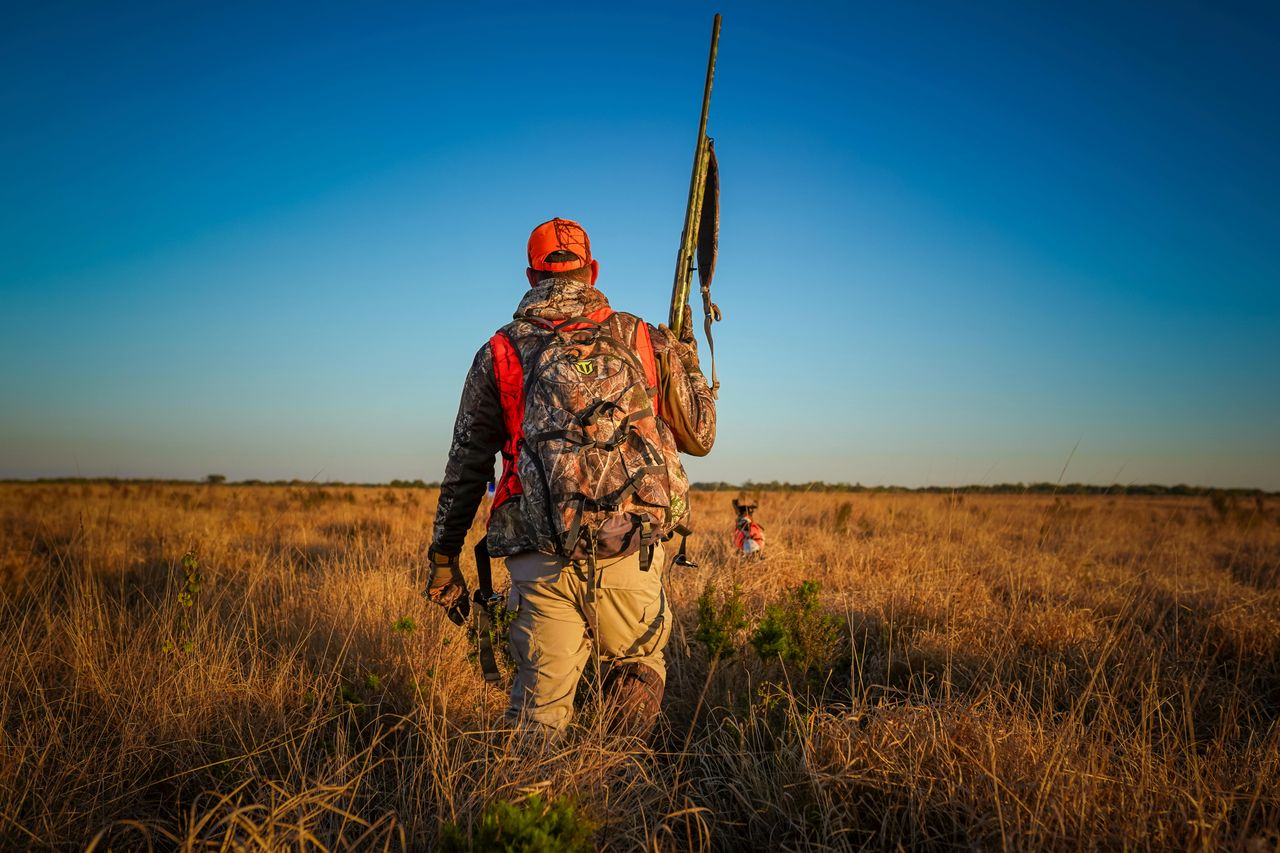
For many hunters, the season can go sideways long before the first serious outing. Small oversights in planning, gear, safety, and scouting often create bigger problems once the woods get busy. This gallery breaks down the common mistakes that can cut a season short and explains how to avoid them before they cost you time, money, or opportunity.
Ignoring License and Tag Deadlines

A surprising number of seasons are ruined before they start because paperwork gets pushed aside. Missing a licensing window, forgetting to buy the right tag, or overlooking a draw deadline can leave a hunter sitting at home while everyone else heads out.
Regulations can also change from year to year, and assumptions are where trouble starts. A permit you bought last season may not cover the same unit, dates, or species this time.
The fix is simple but easy to neglect. Check your state agency’s current rules early, confirm every document you need, and keep digital and printed copies ready before opening day arrives.
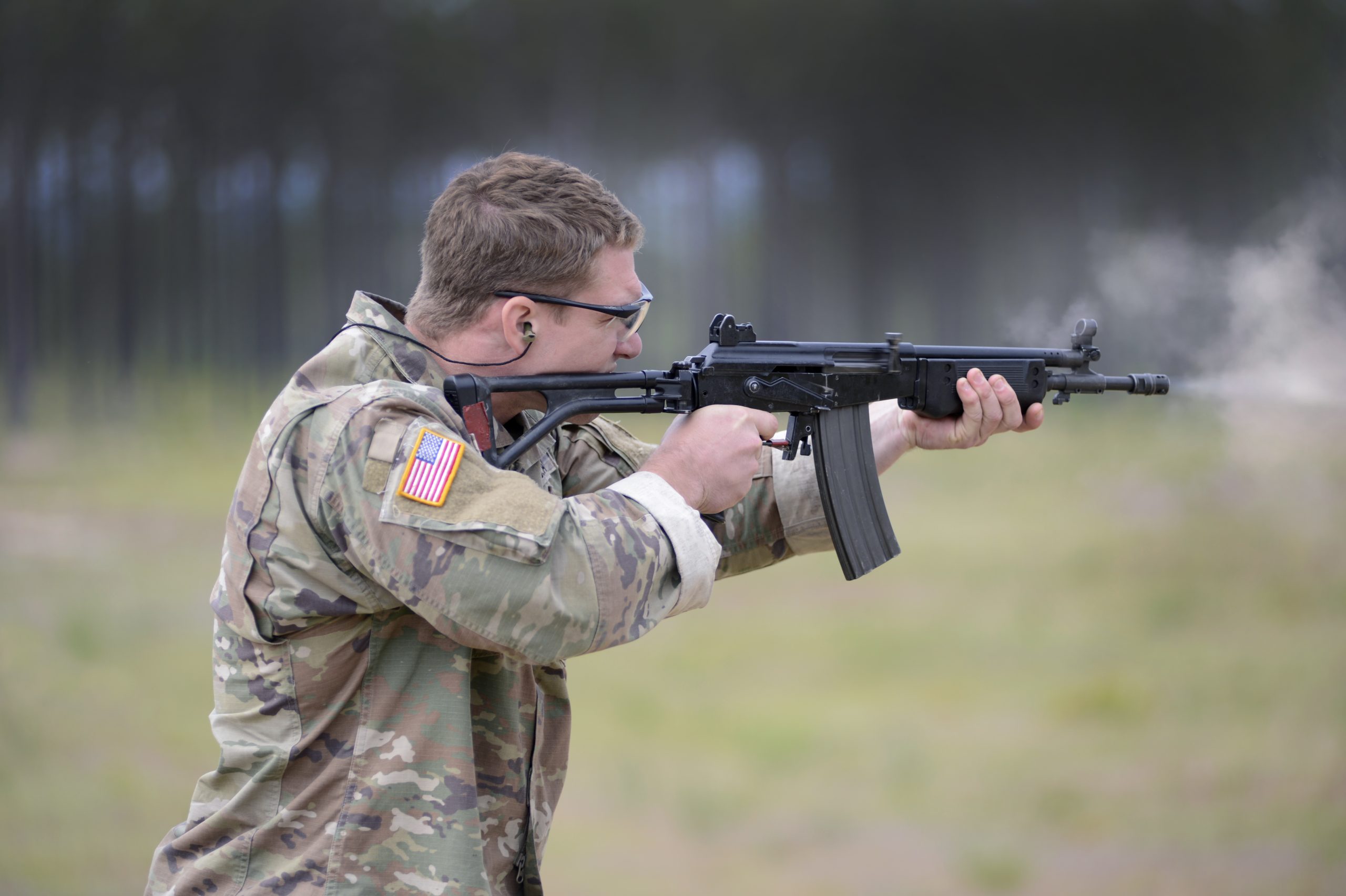
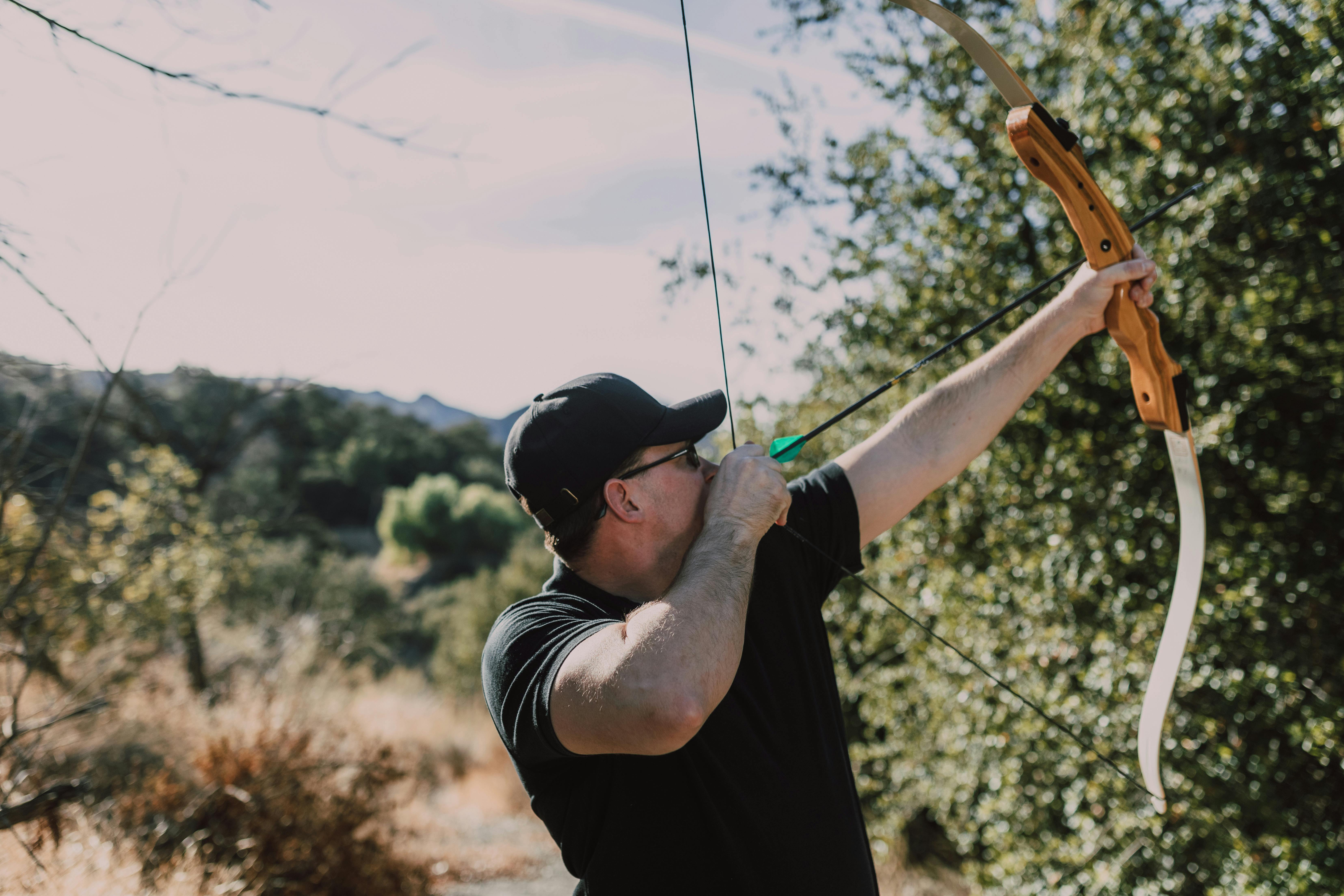
Skipping Preseason Firearm or Bow Checks

Gear that worked fine at the end of last year is not guaranteed to be ready now. A rifle can lose zero in storage or transport, and a bow can develop tuning issues that only show up when you finally shoot it again.
That becomes a season-ending mistake when the first shot is unsafe, inaccurate, or impossible. Even something as basic as dead optics batteries or worn strings can turn a carefully planned hunt into a wasted morning.
Preseason range time is about more than confidence. It confirms that your setup is legal, dependable, and truly ready when a shot opportunity appears under real field pressure.
Overlooking Safety Equipment
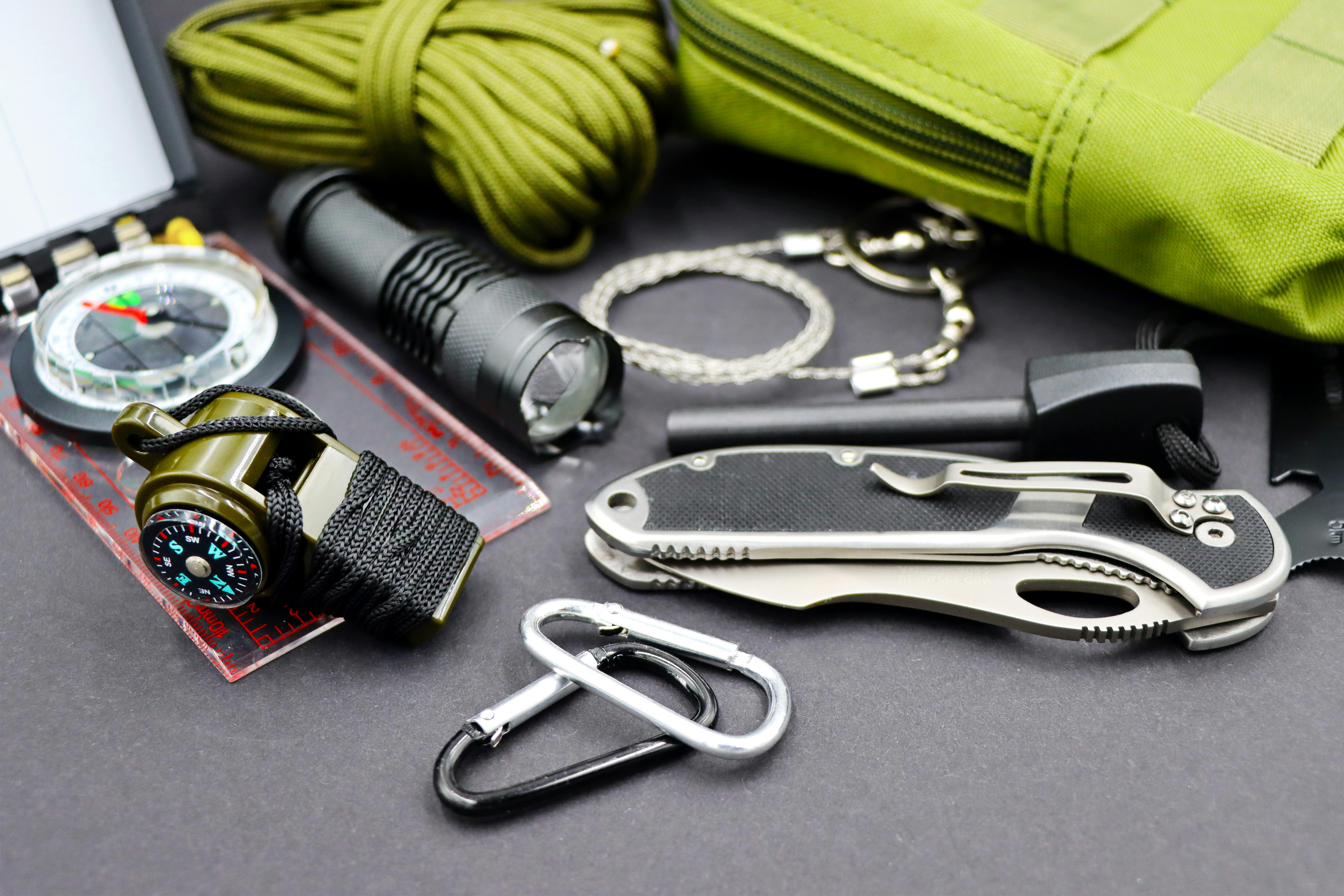
Safety gear tends to feel less urgent than a new pack or better optics, but it is often the difference between a close call and a disaster. Hunters who skip a harness, neglect a first-aid kit, or fail to carry a light are gambling with the season and more.
Tree stand incidents, slips on wet ground, and navigation mistakes happen fast. What starts as a routine hunt can turn into an injury that ends the year in a single afternoon.
Being prepared does not mean being overly cautious. It means respecting how quickly conditions change and making sure one preventable mistake does not become the story of your entire season.
Failing to Scout Before Opening Day

Hunting memories are often made in places that were studied long before the season began. Going in blind can leave you guessing about food sources, bedding areas, travel routes, and pressure patterns when every hour in the field matters.
Without scouting, hunters often burn out a property quickly. They walk too much, set up in poor spots, or educate game before the season has really found its rhythm.
Scouting does not have to mean endless weekends in the woods. A few smart trips, careful glassing, map work, and well-placed cameras can give you the kind of information that saves a season from the start.
Not Practicing Physical Conditioning
It is easy to romanticize the season and forget how demanding it can be. Long hikes, steep terrain, cold weather, and carrying gear all become much harder when your body has not been prepared for the workload.
That matters even on shorter hunts. Fatigue leads to sloppy decisions, rushed shots, poor footing, and a tendency to call it early when patience might have paid off.
You do not need elite fitness to hunt well, but basic conditioning changes everything. A little preseason work on endurance, mobility, and leg strength can help you hunt safer, stay longer, and recover better between outings.
Using Unchecked or Outdated Clothing
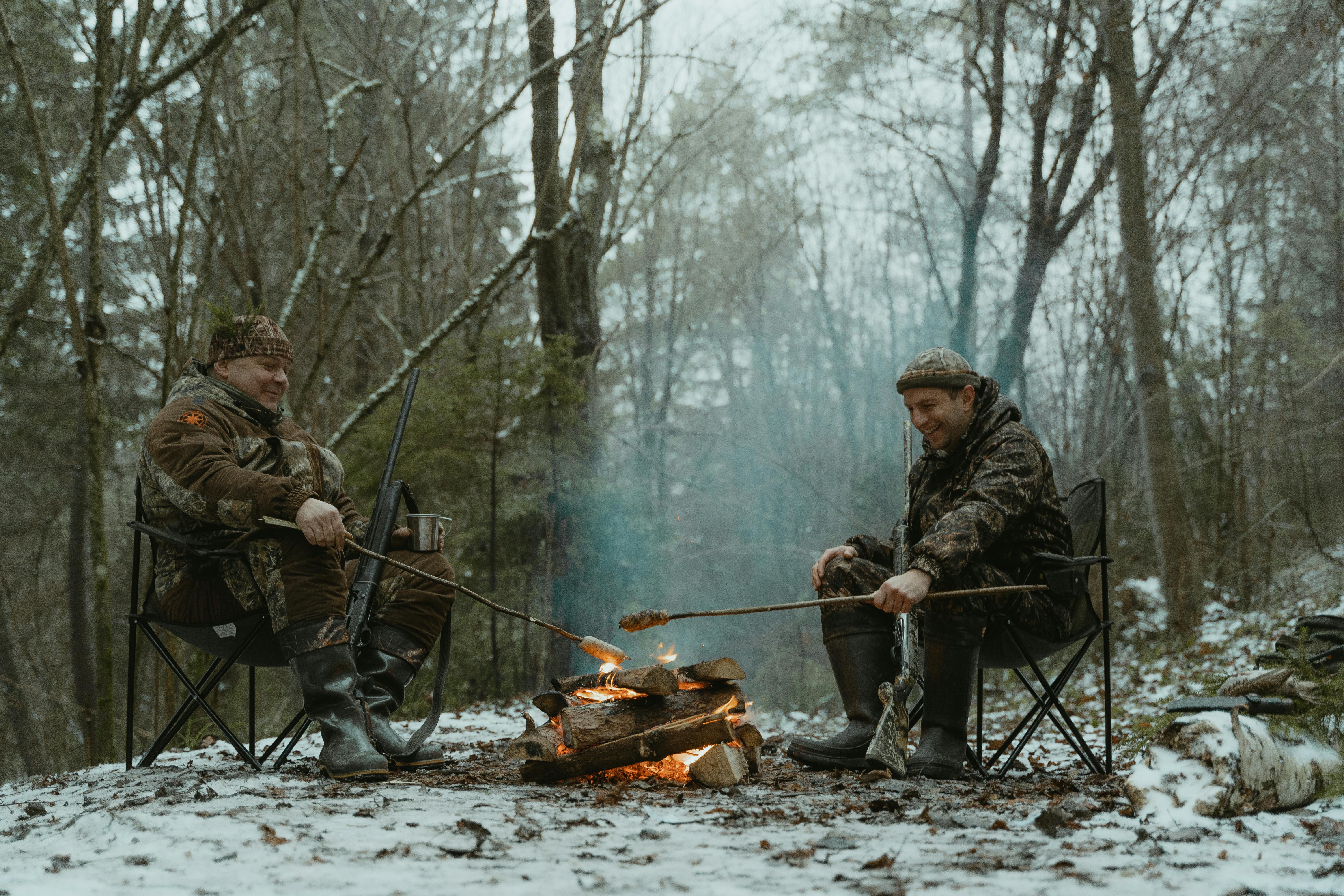
Clothing problems sound minor until they become all you can think about in the field. Leaky boots, noisy fabric, broken zippers, and layers that no longer fit the weather can turn a promising day into an uncomfortable retreat.
The issue is not just comfort. Cold, wet, or overheated hunters move more, lose focus, and often leave prime locations earlier than planned. That can shrink your season one miserable outing at a time.
Preseason clothing checks are worth the effort. Try everything on, test it outdoors, and make sure your system handles changing conditions instead of creating fresh problems when temperatures swing.
Misreading Property Lines and Access Rules

Access mistakes can end a hunt faster than almost anything else. Crossing onto the wrong property, parking where you should not, or assuming old permission still applies can create conflicts that ruin your day and damage your reputation.
In some places, the consequences are much more serious than embarrassment. Trespassing citations, lost access, and tension with landowners can follow a hunter well beyond one season.
This is why maps matter as much as ammo. Review boundaries, confirm easements, save offline mapping tools, and talk to landowners early so there is no confusion when the season gets busy and emotions run high.
Neglecting Weather and Seasonal Patterns

Plenty of hunters check the forecast, but fewer really plan around it. Wind direction, temperature swings, storm fronts, and unusual seasonal timing can all affect animal movement and how a property should be hunted.
Ignoring those factors often leads to bad stand choices, poor scent management, and hunts scheduled at the wrong times. Then frustration builds because the woods seem empty when conditions were simply working against you.
A strong season usually belongs to hunters who adapt. Watching weather trends and understanding local seasonal shifts can help you choose better locations, smarter entry routes, and more productive days to be in the field.
Poor Gear Organization at the Last Minute
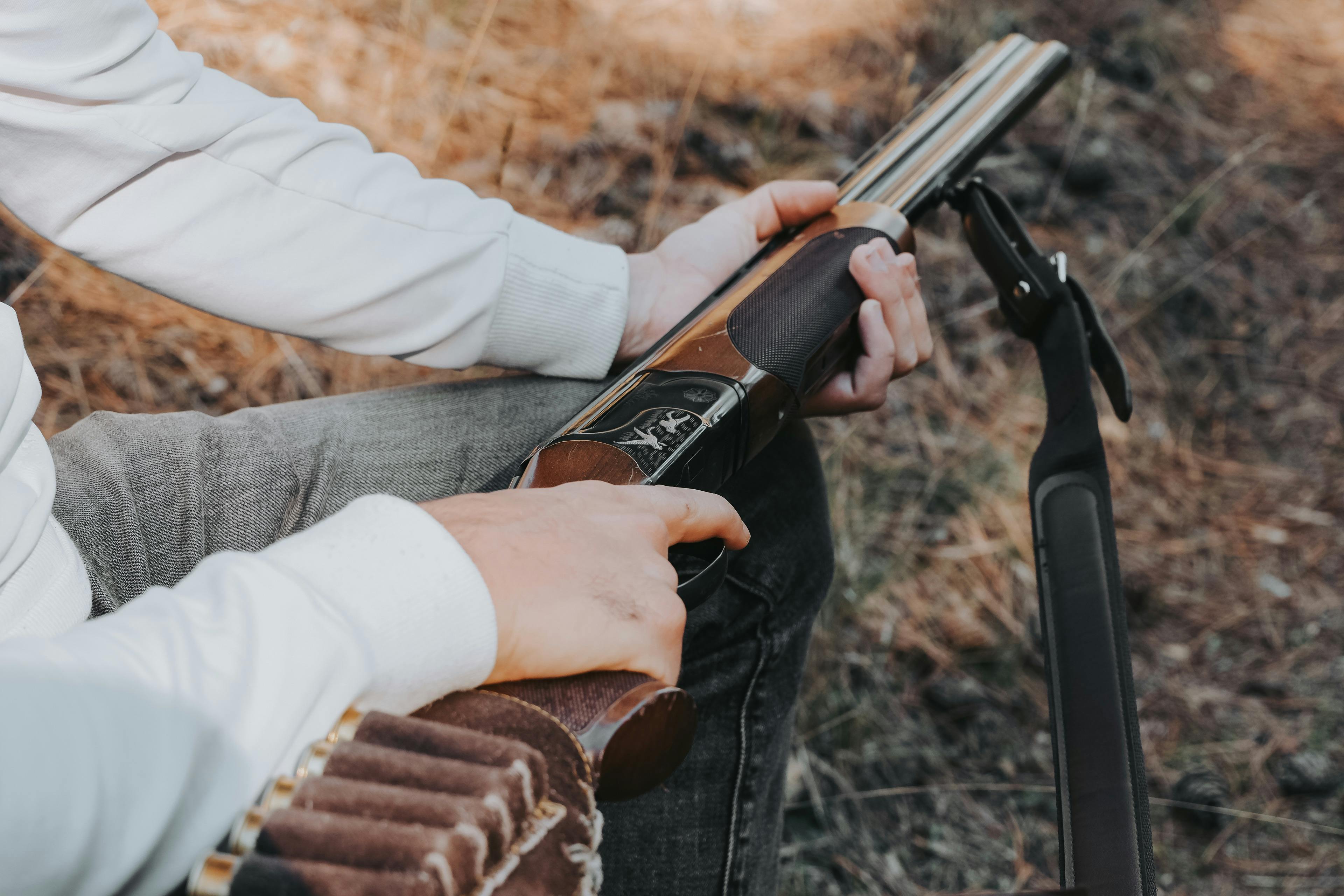
The night-before scramble has ended many hunts before sunrise. When essentials are scattered across the garage or buried in old bags, it becomes easy to forget calls, ammunition, release aids, knives, chargers, or even the keys to a lock.
Disorganization does more than waste time. It raises stress, causes rushed departures, and creates the kind of mental clutter that follows you into the field and leads to more mistakes.
A clean gear system pays off immediately. Packing early, using dedicated storage, and running a final check the day before can make opening morning feel focused instead of chaotic, which is exactly how a season should begin.