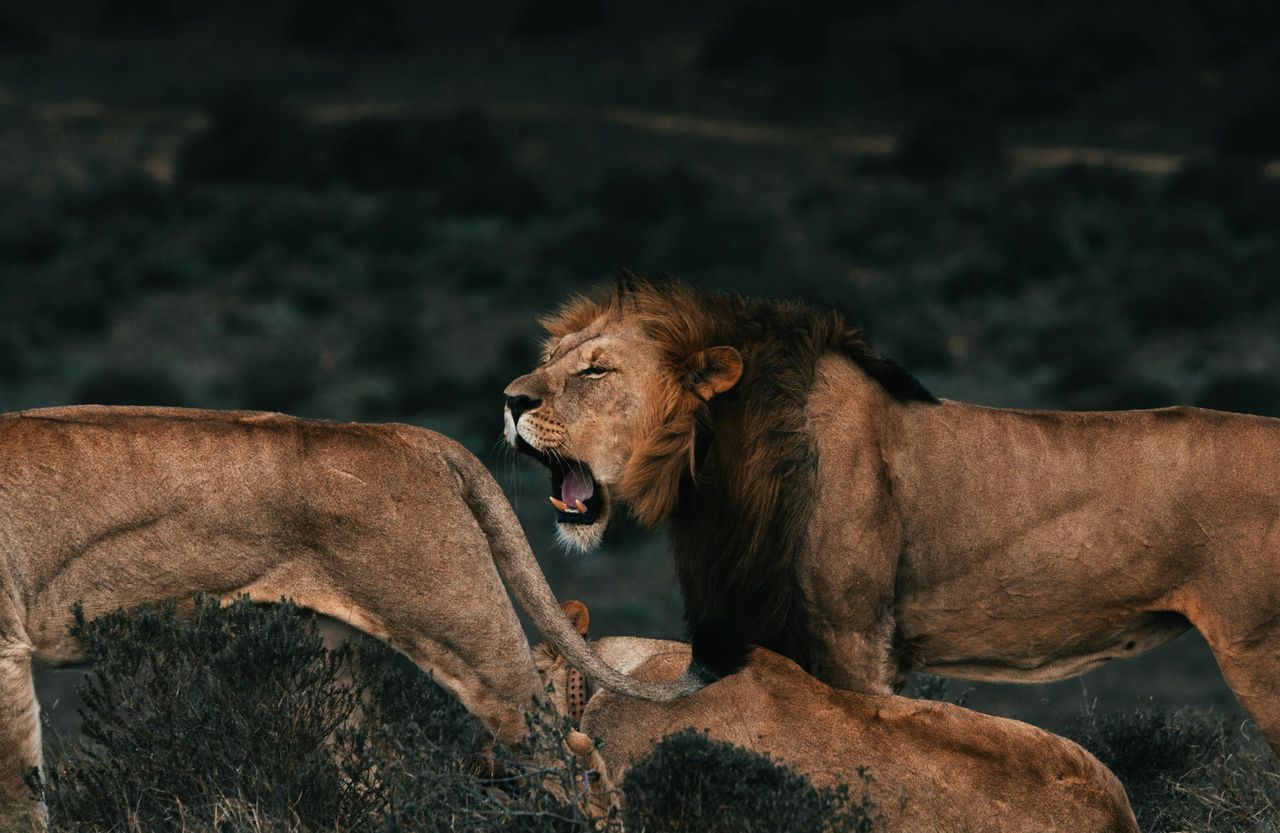
The wild can be breathtaking, but it can also turn dangerous in a heartbeat. Some animals are masters of ambush, some rely on sheer force, and others can do serious damage before you even realize they are near. This gallery explores nine creatures that demand respect, quick thinking, and a healthy sense of caution from anyone who shares their territory.
Grizzly Bear

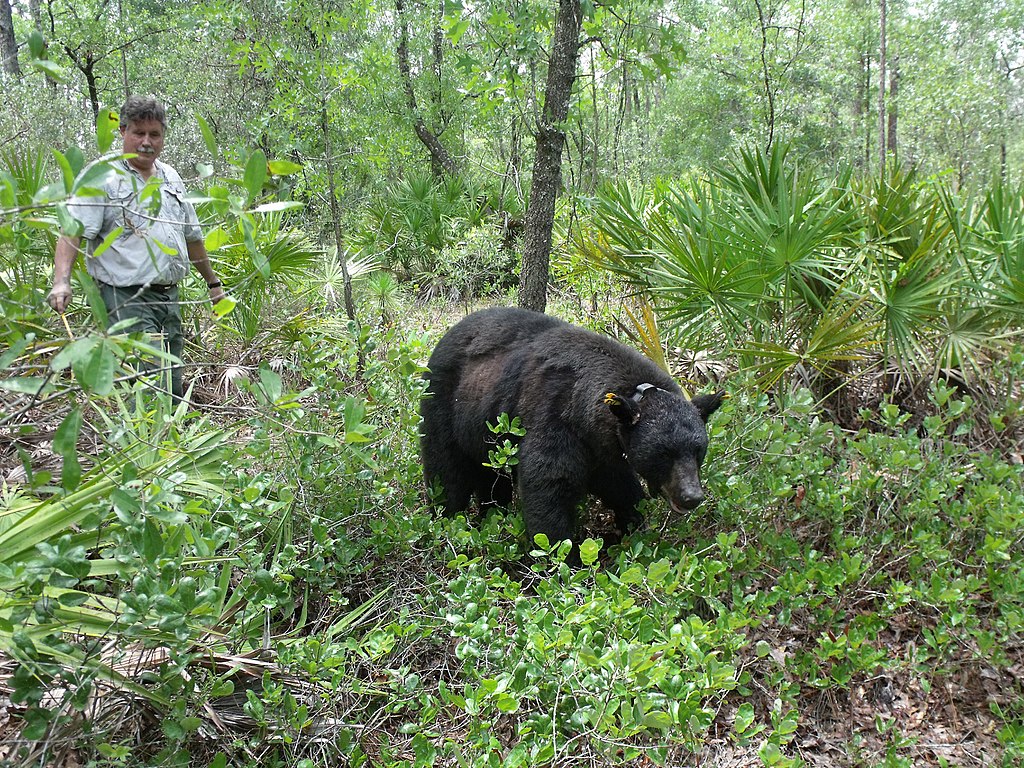
A grizzly bear has the kind of presence that instantly changes the mood of any landscape. One second you are admiring a quiet valley, and the next you are thinking about wind direction, escape routes, and whether your food was packed carefully enough. Their size alone can trigger pure adrenaline.
What makes grizzlies especially unnerving is how fast they can move despite looking almost lumbering from a distance. In the wrong encounter, hesitation becomes a real risk. Surviving around them is often less about bravery and more about staying calm, reading behavior, and never giving a bear a reason to feel surprised or threatened.
Saltwater Crocodile

Few animals feel more prehistoric, or more perfectly built for ambush, than a saltwater crocodile. It can lie almost invisible at the water’s edge, giving no obvious warning that a massive predator is only feet away. That quiet stillness is part of what makes it so unsettling.
When a saltwater crocodile strikes, it does so with explosive force, and usually on its own terms. Riverbanks, mangroves, and murky shallows suddenly become places where every step matters. In croc country, survival instinct is not dramatic at first glance. It is the disciplined choice to stay alert, keep distance, and never mistake calm water for safe water.
Cape Buffalo
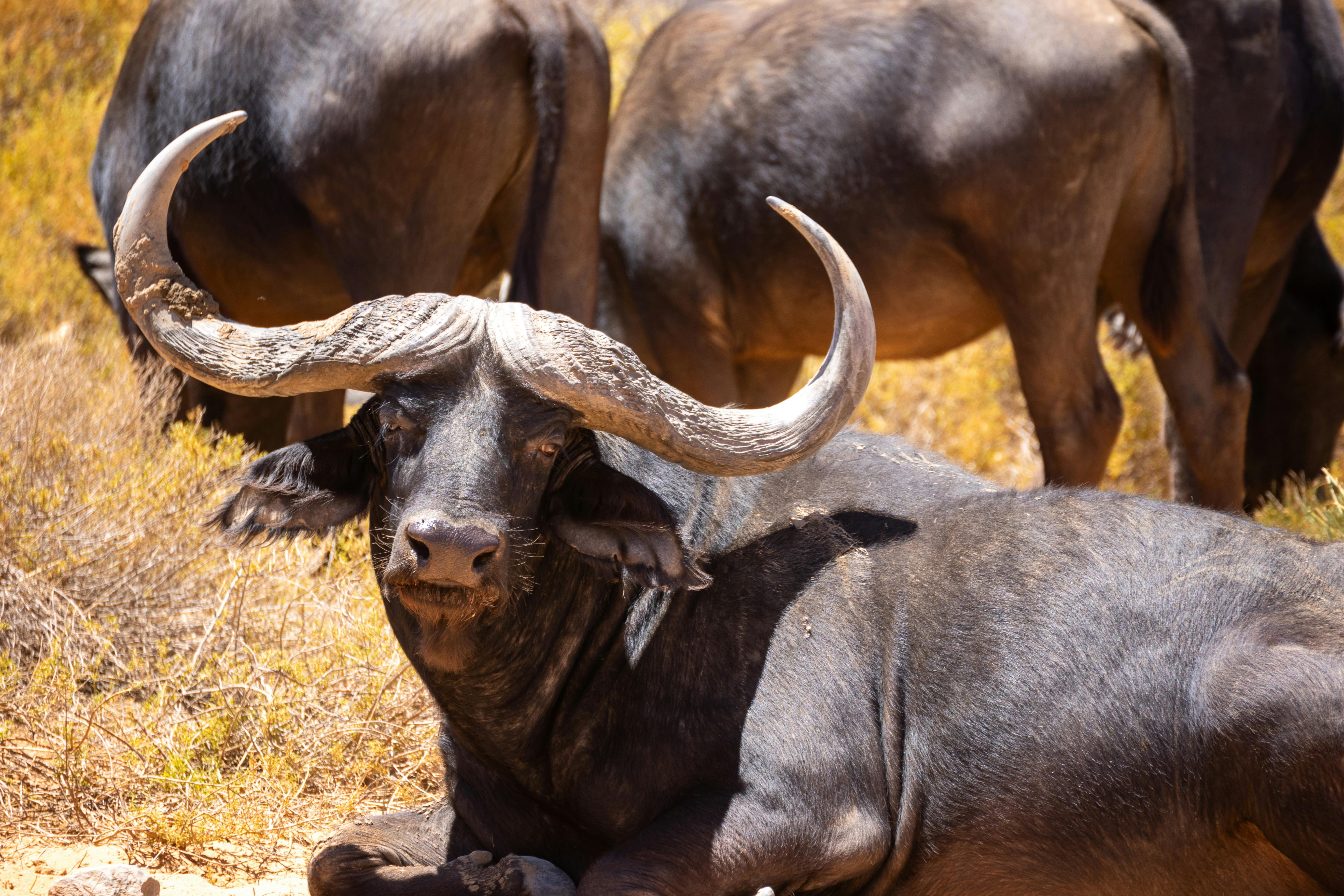
Cape buffalo do not always get the same dramatic reputation as lions or crocodiles, but people who know the African bush tend to give them serious respect. They are powerful, stubborn, and famously unpredictable when agitated. That combination can turn a routine sighting into a dangerous situation very quickly.
Part of their menace comes from attitude as much as anatomy. A wounded or cornered buffalo may charge with startling speed and very little interest in backing down. In the wild, they test survival instincts by forcing you to recognize that danger does not always look sleek or theatrical. Sometimes it looks like a heavy animal that refuses to be intimidated by anything in its path.
Tiger

A tiger has a way of making the forest feel suddenly smaller. It moves with stealth, patience, and a confidence that reminds you this is a top predator in every sense. Even when unseen, the possibility of one nearby can sharpen every sound and shadow around you.
Tigers are solitary hunters, and that makes them especially mysterious to people moving through their habitat. You are not just dealing with raw power, but with an animal evolved for concealment and timing. In survival terms, the real psychological challenge is that you may never get much warning. Respecting tiger territory means understanding that being observant is not paranoia. It is common sense.
Hippopotamus

At a glance, a hippopotamus can seem almost oddly relaxed, as if it belongs in a lazy river scene rather than a survival story. That impression disappears fast once you learn how territorial and aggressive hippos can be, especially in water. They are responsible for more human fatalities in Africa than many people expect.
The danger is partly about misunderstanding what you are looking at. A hippo’s bulk hides remarkable speed, and its massive jaws can do catastrophic damage. In the wild, that mismatch between appearance and reality is exactly what tests instinct. If you read the scene too casually, the animal has already gained the advantage.
African Elephant

An African elephant inspires awe, but in the wrong circumstances, awe can turn into alarm with startling speed. A charging elephant is not just large. It is overwhelming, a moving wall of muscle and momentum that can flatten brush, vehicles, and any false sense of control you thought you had.
Most elephant encounters are not about aggression for its own sake. They are often about space, stress, and perceived threats, especially around calves. That is what makes them such a true test of survival instinct. You have to respect body language, stay aware of the herd, and understand that nature’s most majestic animals still demand serious caution.
Moose

A moose can look almost comically oversized at first, like a creature assembled from spare parts on a grand scale. Then it steps into the road, lowers its head, or pivots with surprising speed, and suddenly it feels much less funny. In northern wilderness, moose are one of those animals people underestimate at their own risk.
They are especially dangerous because they often appear in places humans treat casually, near roads, campsites, and trails. During rutting season or when protecting calves, they can become intensely defensive. Survival instinct kicks in when you realize you are not dealing with a gentle forest giant. You are dealing with a powerful wild animal that wants your distance immediately.
Black Mamba

The black mamba carries a reputation that reaches far beyond its sleek body. It is fast, highly venomous, and capable of making even experienced outdoors people feel a pulse of fear. In dry grass, brush, or rocky terrain, the idea of meeting one unexpectedly is enough to sharpen anyone’s senses.
Part of the dread comes from how quickly things can escalate. A bite is a medical emergency, and distance from treatment can become just as dangerous as the snake itself. Survival here depends on composure more than drama. Panic leads to bad decisions, while awareness, careful footing, and immediate response can make all the difference in a high stakes encounter.
Polar Bear

A polar bear represents a very specific kind of wild danger: remote, cold, and mercilessly efficient. In the Arctic, there are few places to hide and even fewer second chances. Seeing one in the distance might be unforgettable. Realizing it has noticed you is something else entirely.
Unlike many animals that prefer to avoid people, polar bears can be intensely curious and are powerful enough to turn a bad situation worse in moments. Add brutal weather and isolation, and every decision becomes more urgent. Survival instinct in polar bear country is about preparation long before the encounter happens, because once the animal is close, your margin for error is painfully small.