Long before rangefinders, trail cameras, and digital maps, hunters relied on a quieter set of skills that demanded patience, memory, and close attention to the land. Many of those techniques were passed from one generation to the next, then slowly faded as technology took over. This gallery revisits the tracking and predator calling methods that once defined a good woodsman and shows why they still inspire respect today.
Reading Bent Grass and Scuffed Leaves
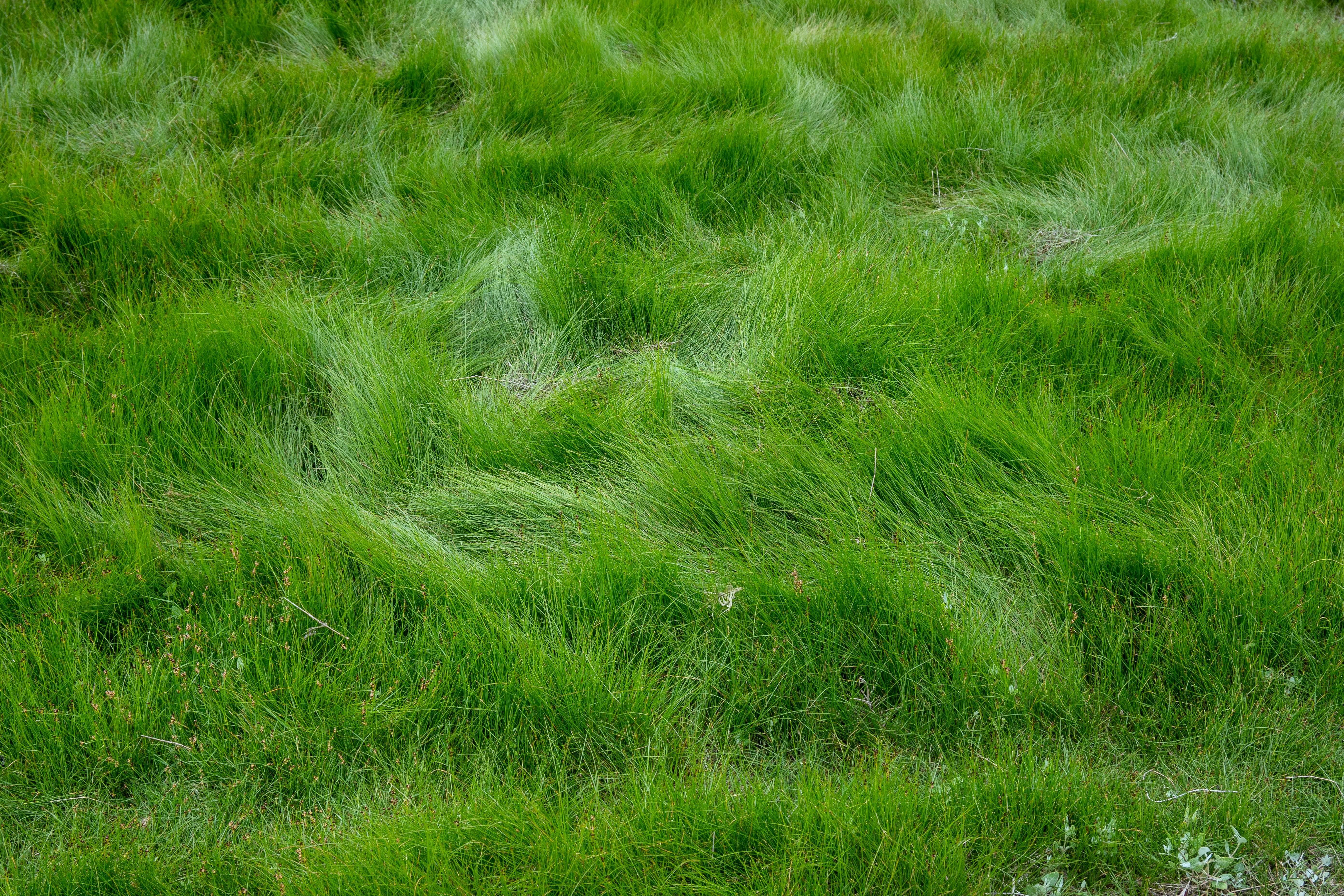
Older hunters were taught to notice what an animal disturbed above the soil, not just what it printed into mud or snow. A faint line of bent grass, a turned leaf, or a rubbed stem could reveal the direction, speed, and confidence of a moving coyote or bobcat.
That kind of reading took slow walking and a sharp eye trained by repetition. Today, many hunters jump from sign to sign, looking for obvious tracks, but the old timers often followed what looked like almost nothing at all. They treated the whole landscape like a page of handwriting, with every crease and scuff adding meaning.
Aging Tracks by Moisture and Edge Collapse
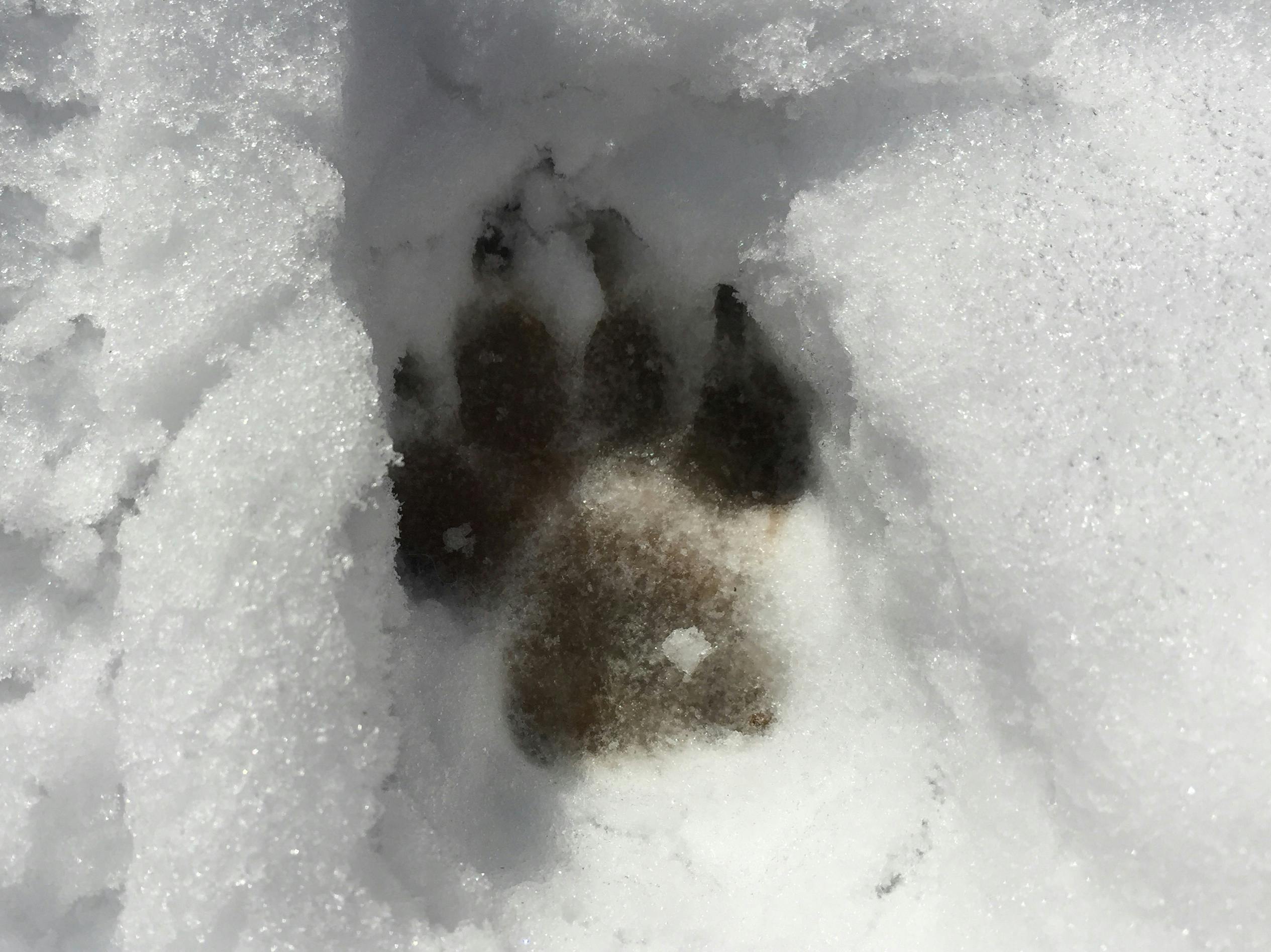
Fifty years ago, experienced trackers could often estimate whether a print was minutes old or from the previous night just by studying its edges. Crisp rims, damp soil, and undisturbed dust all told one story, while drying, crumbling sides suggested the animal had passed much earlier.
This was especially important when calling predators, because being in the right place at the right time mattered more than making noise everywhere. Hunters used sun exposure, wind, and soil type to judge freshness with surprising confidence. It was not perfect, but in practiced hands, it helped separate hot sign from stale sign long before anyone checked a camera card.
Following a Wounded Animal by Pin Drops of Blood
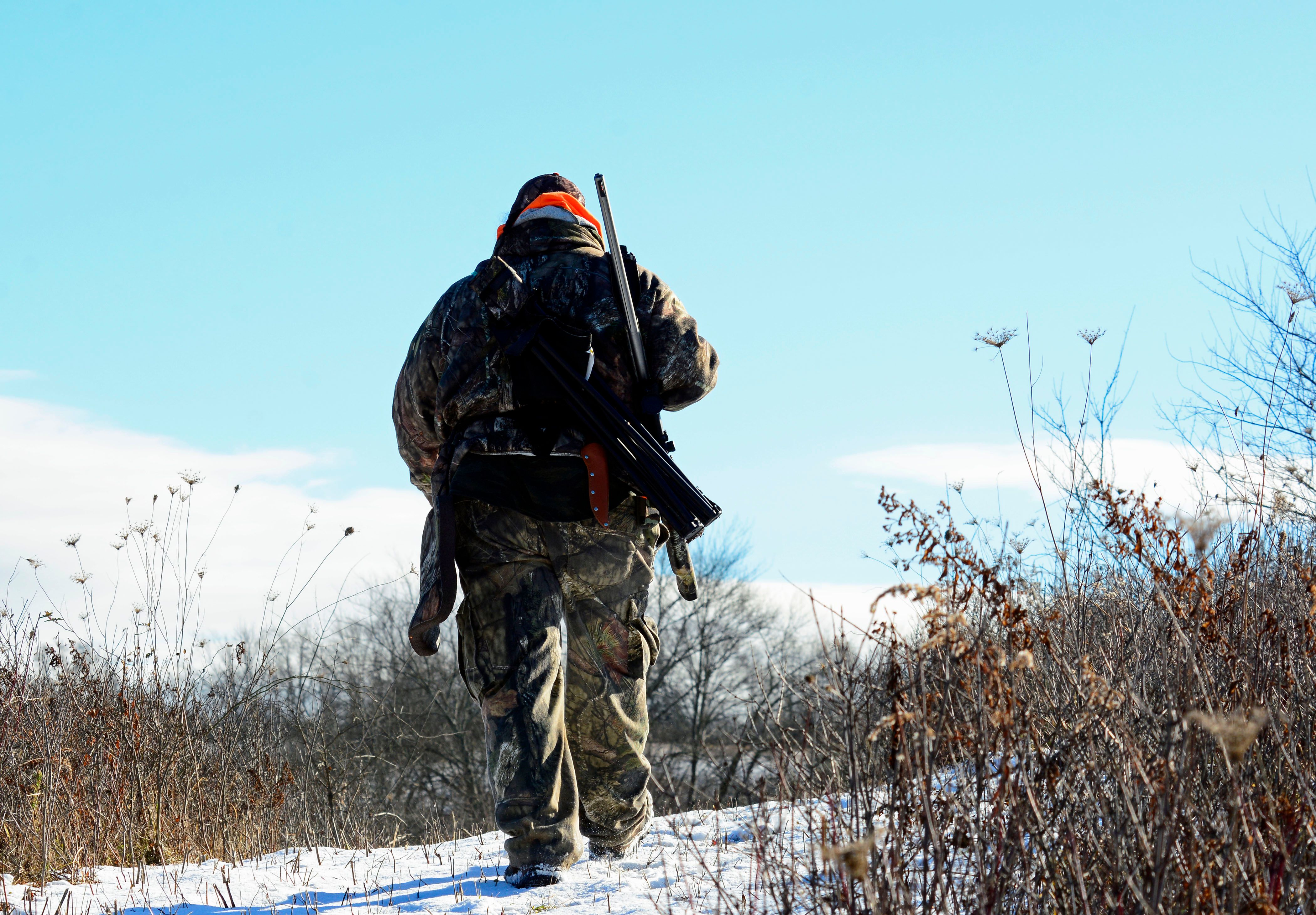
Before bright tape, handheld lights, and thermal optics became common, hunters learned to trail wounded game by finding tiny drops of blood that others would walk right past. They looked at the tops of leaves, the sides of saplings, and the undersides of grass where a brushing body might leave a faint mark.
This kind of tracking demanded discipline because rushing usually meant losing the line. Hunters often advanced a few steps, stopped, and scanned in widening circles until the next speck appeared. It was careful, humbling work, and it sharpened observation skills that carried over into predator hunting as well, where the smallest clue could keep a pursuit alive.
Interpreting Gait From Track Spacing
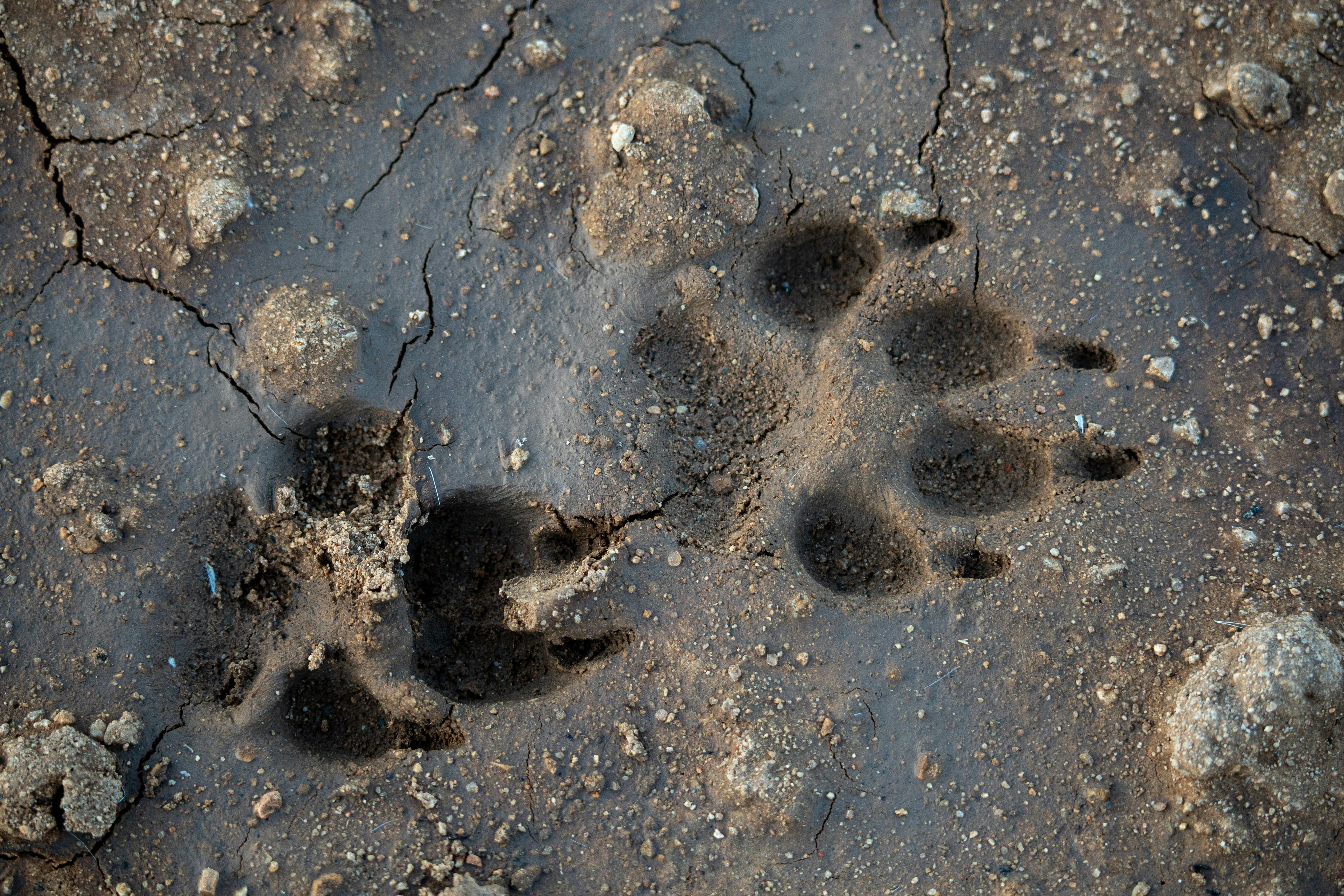
Old-school trackers did not just ask what animal made the track. They asked how it was moving. The spacing between prints, the depth of toe marks, and the way a trail drifted around cover helped hunters decide whether a predator was mousing, trotting, circling, or already alarmed.
That mattered because calling setups depended on behavior. A relaxed fox moving with purpose might respond differently from a coyote that had started weaving and checking the wind. Skilled hunters could picture motion from a line of prints the way a mechanic hears trouble in an engine. It was part intuition, part field study, and it rewarded people who paid attention over many seasons.
Using Crow and Jay Reactions to Locate Predators

Hunters once paid close attention to what noisy birds were saying about the woods around them. Crows mobbing in one patch of timber, or blue jays raising a sharp, repeated alarm, could indicate a fox, bobcat, or even a bedded coyote hidden nearby.
This was a form of listening that went beyond hearing a single sound. It meant recognizing tone, direction, and whether the disturbance was moving or staying put. Many modern hunters still notice birds in a general way, but older woodsmen sometimes used them like a living detection system. They trusted the local chatter because the small creatures of the woods usually knew danger had arrived first.
Throwing Sound With Terrain and Wind

Older callers understood that where a sound landed could matter as much as the sound itself. They used ridges, creek bottoms, brush lines, and crosswinds to push a call into places predators felt safe moving through, almost like aiming a voice instead of simply making one.
Rather than sit anywhere and start calling, they studied how hills softened volume and how cold air carried distress cries at dawn. A stand might be chosen because the sound would spill over a draw without exposing the hunter. It was part acoustics, part fieldcraft, and it demanded a real sense of landscape. That subtle positioning is less talked about now, but it once separated average callers from excellent ones.
Circling Ahead Instead of Walking Directly on the Trail
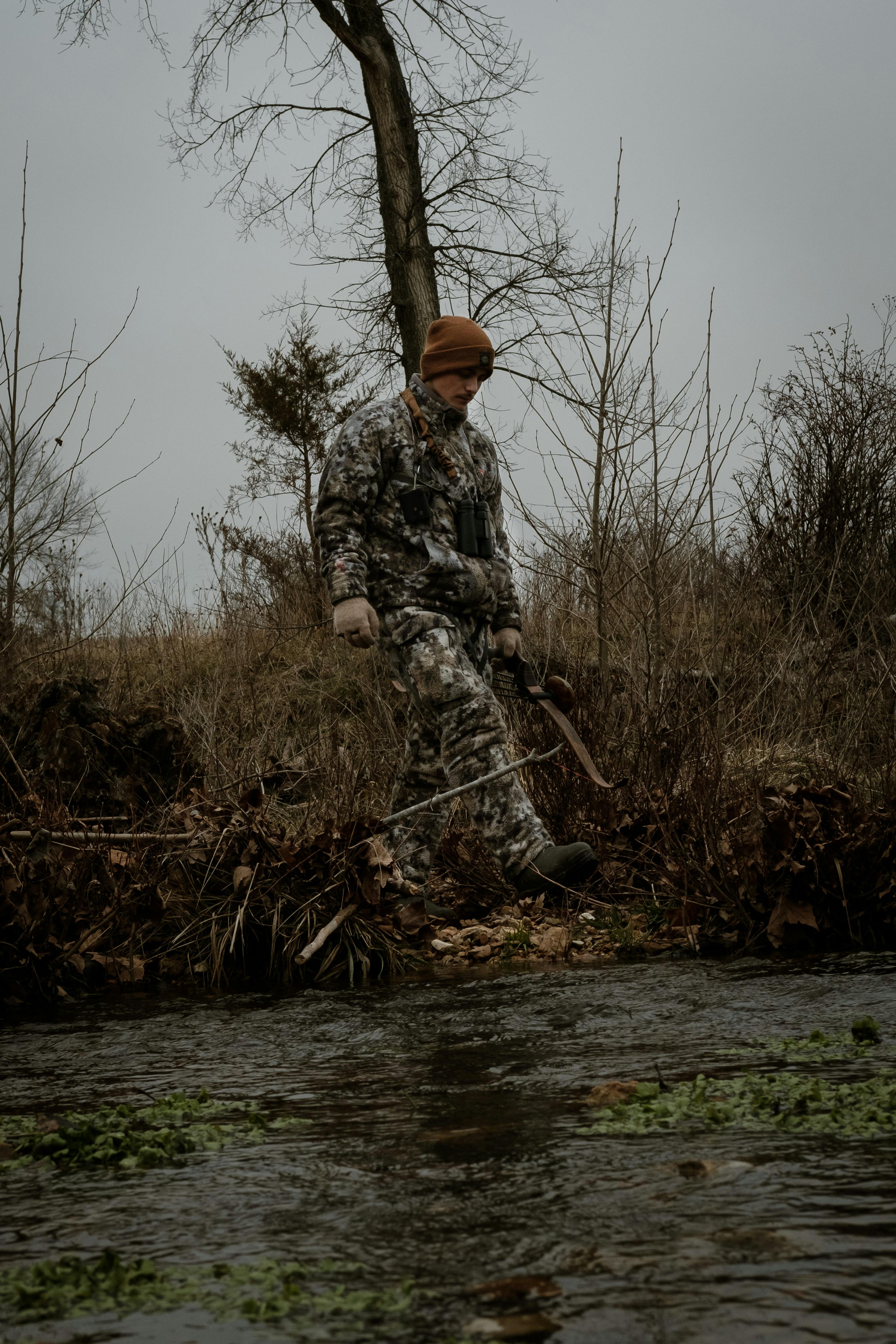
A veteran tracker often avoided stepping directly down the line of travel. Instead, he would move off to one side, keep the sign in view, and circle ahead to likely crossings, openings, or pinch points where the animal might reveal itself again. This protected fragile evidence and reduced noise.
The method also reflected patience. Rather than chasing a sign like a pointer to the answer, hunters tried to think like the animal and intercept its route. In thick cover, especially with predators, this was often smarter than grinding forward foot by foot. It called for woodsmanship, map sense, and confidence in reading terrain, all of which used to be drilled into hunters at a younger age.
Judging Animal Weight and Condition From Track Depth
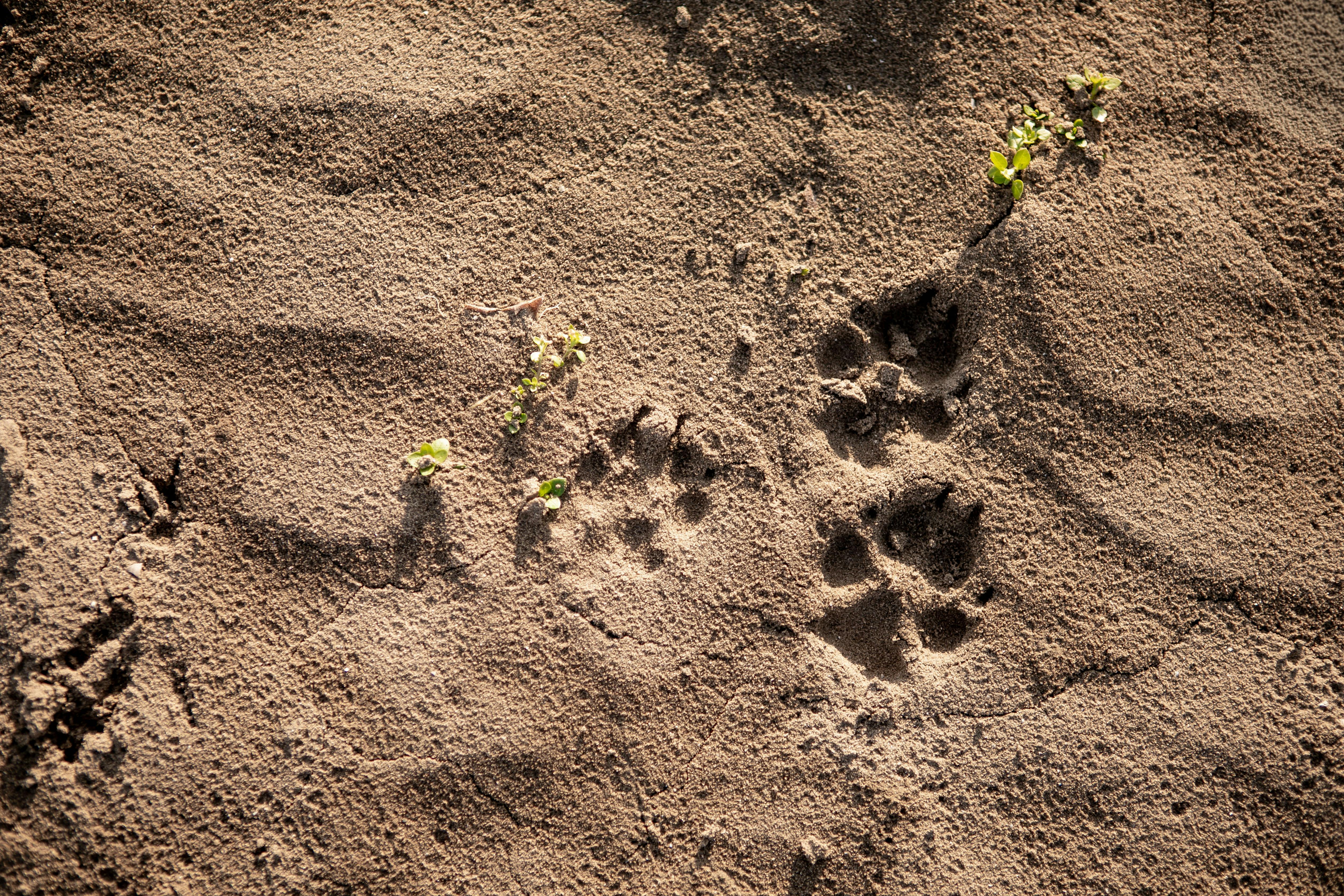
Not every deep print meant a big animal, and older hunters knew it. They considered soil moisture, stride, and the load on each foot to guess whether a track belonged to a heavy mature coyote, a lighter fox, or an animal carrying extra winter conditions. They were reading pressure, not just shape.
This mattered because it helped them decide whether the sign was worth following or setting up on. A strong, evenly planted trail might suggest a healthy animal moving comfortably through its home ground. Uneven depth could hint at injury, caution, or a quick change in pace. It was an interpretive skill that blended natural history with practical hunting, and it has largely faded from everyday conversation.
Matching Calls to the Season Without a Sound Library
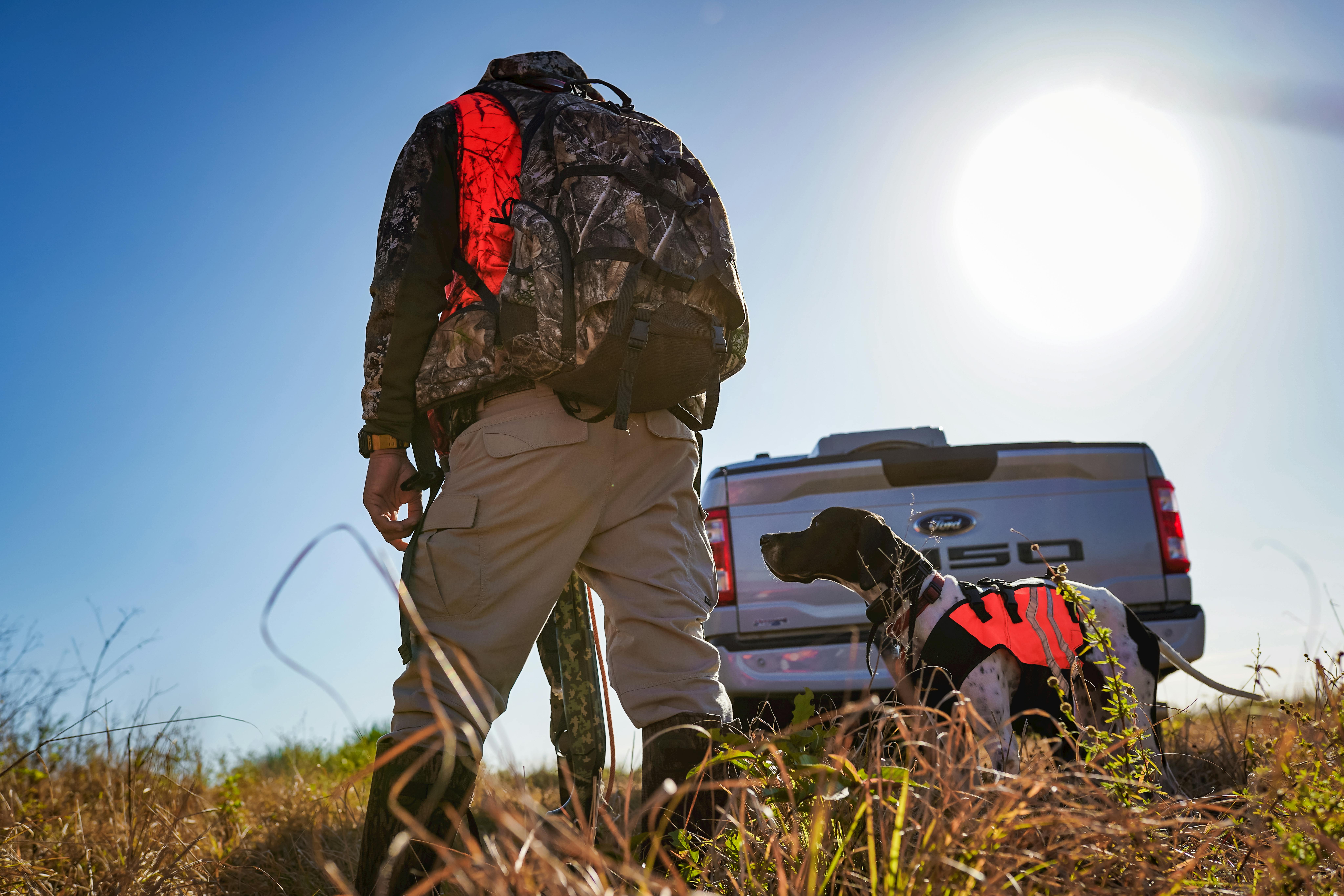
Hunters once had to know what animals naturally sounded like in each part of the year because they could not scroll through preset files. In winter, they leaned on hunger and territorial sounds. In spring, they might soften their approach. During pup season, they changed tone and urgency again.
That demanded more than owning a call. It required familiarity with breeding cycles, prey availability, weather stress, and local behavior. A hunter who matched sounds to the season could educate every predator in earshot. Today, sound libraries do much of that organizing for people, but the older method forced hunters to study the animals first and make noise second.
Using Silence as Part of the Calling Sequence
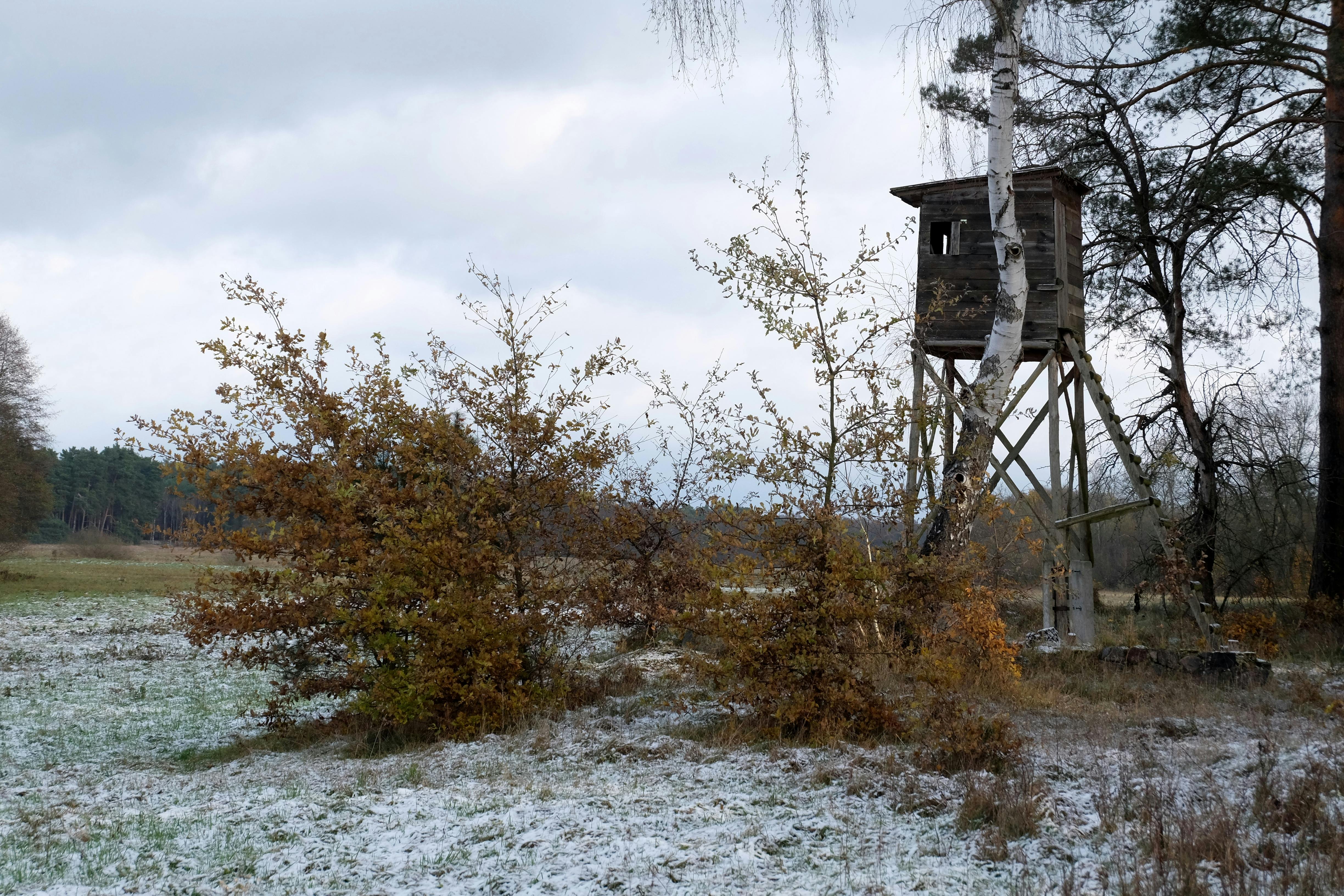
Many old predator callers believed the quiet between sounds was when the real work happened. Instead of running a constant stream of distress, they called briefly, then let the woods settle. That silence gave approaching animals time to commit, listen, and move without being overpressured by nonstop noise.
It also matched nature better than many people realize. Real prey does not scream at one fixed volume for ten straight minutes. The pauses created realism and let hunters catch soft movement, a paw step, or a cautious approach from downwind. In an era of remote speakers and endless audio options, the discipline to do less has become one of the least practiced old skills of all.
Memorizing Travel Routes Without Maps or Cameras
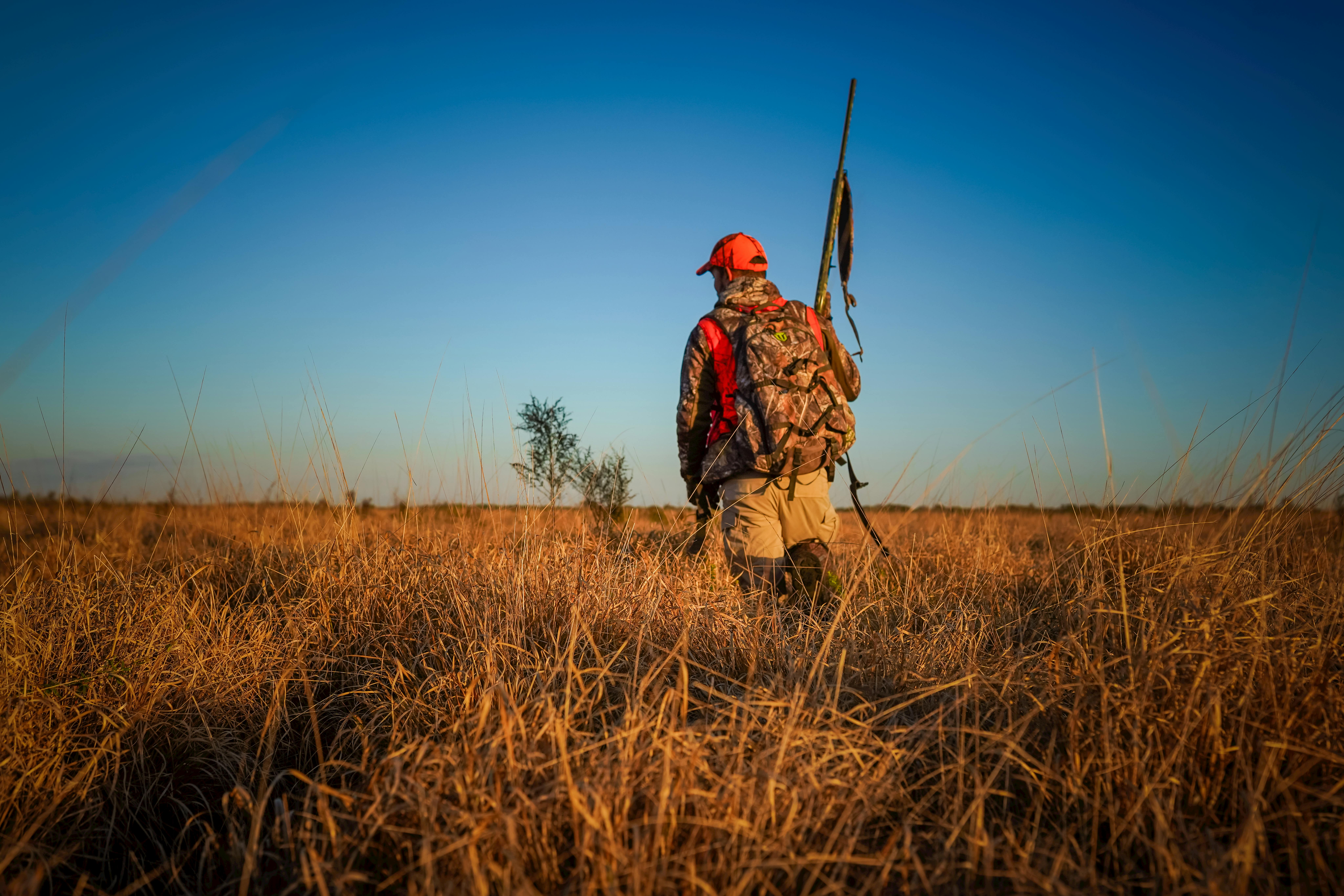
Long before satellite imagery and trail cameras turned movement into data, hunters built mental maps of how predators used a property. They remembered where tracks crossed after snow, where foxes skirted hedgerows, and which saddle a coyote preferred when wind shifted from west to north.
That knowledge came from walking the land repeatedly and storing details season after season. It was less convenient, but it created a deep familiarity with the place that technology cannot fully replace. A hunter did not just know that an animal had been there. He knew why it chose that route, what cover it trusted, and where it was likely headed next. That level of memory once defined true fieldcraft.