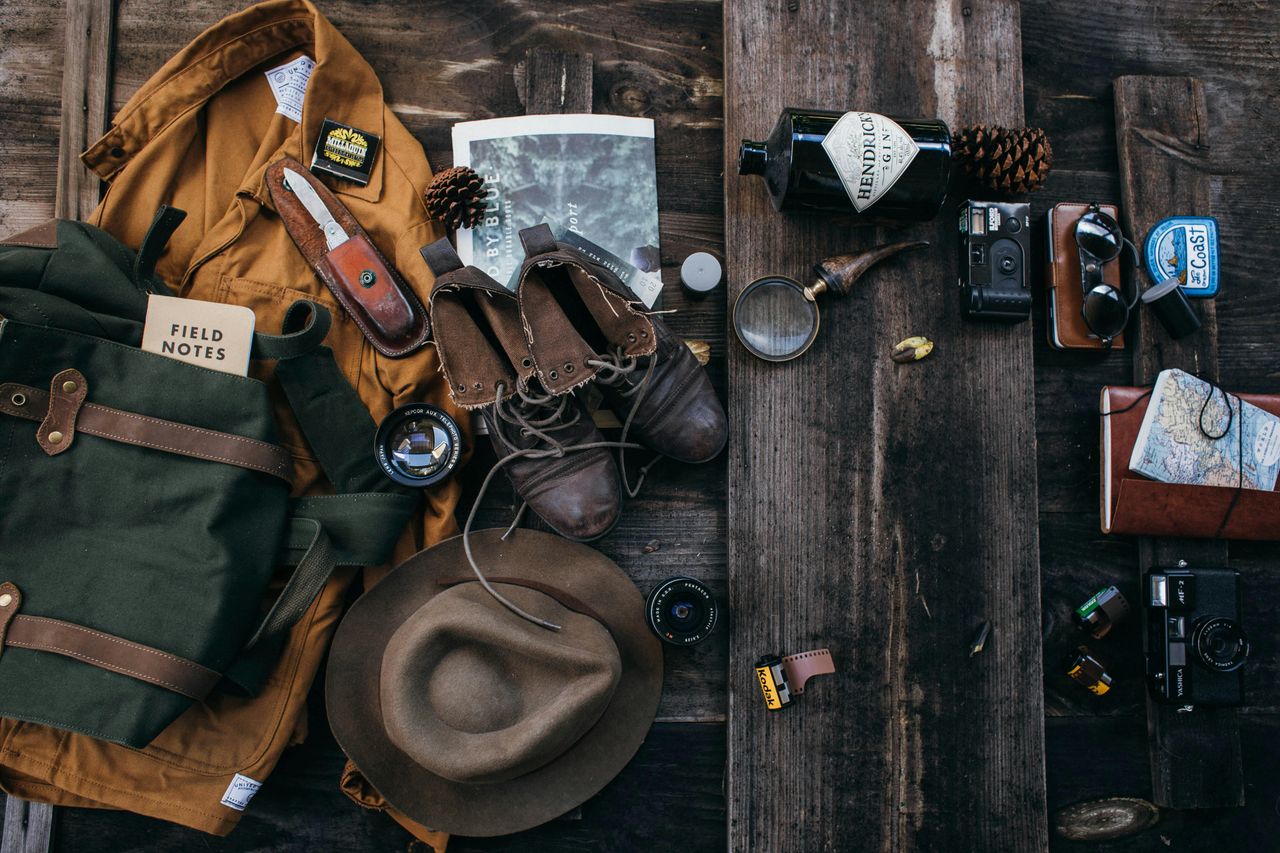
Most campers remember the obvious gear, then realize too late that the little things are what save the trip. A few compact, overlooked items can solve problems before they turn into soggy sleeping bags, dead headlamps, or miserable mornings. This gallery highlights the camp kit additions that rarely make the packing list but almost always prove their worth outdoors.
Extra Guy Lines and Cord
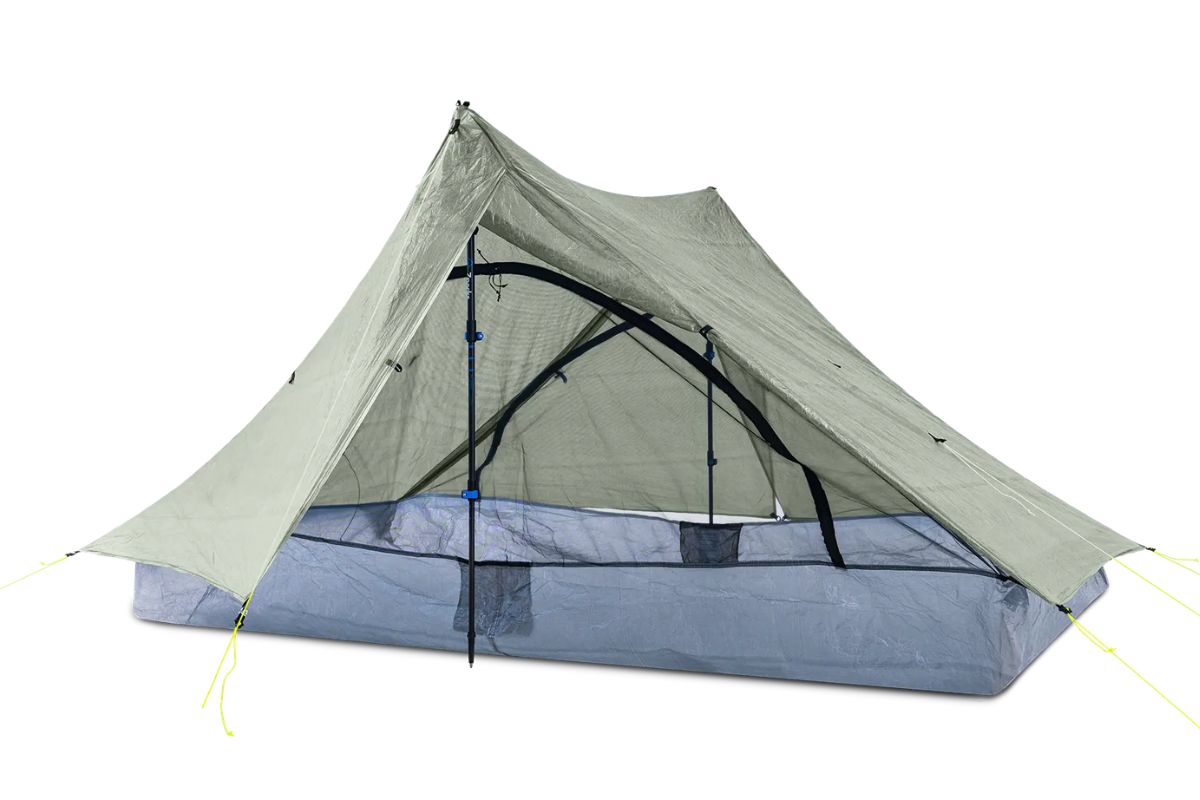
Campers tend to pack a tent and assume the included lines will cover everything, but spare cord solves a surprising number of problems. It can secure a rainfly in shifting wind, reinforce a tarp, replace a broken line, or create a quick clothesline after a wet hike.
The best part is how little space it takes up. A small bundle of reflective cord disappears into a side pocket and suddenly becomes one of the most useful things at camp. When weather changes fast, having extra line on hand feels less like overpacking and more like good judgment.
A Small Repair Kit
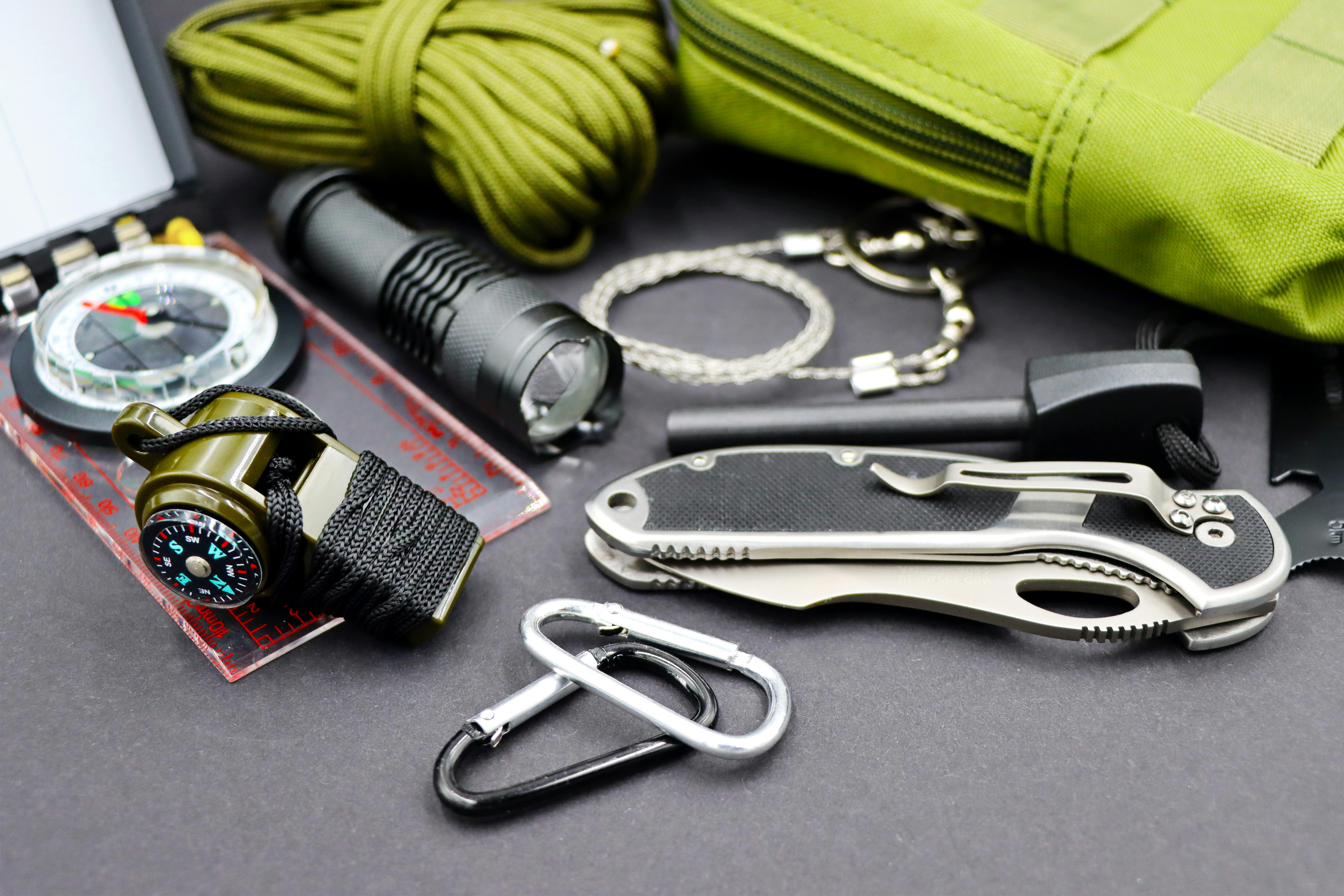
Outdoor gear rarely fails at a convenient moment. A tiny repair pouch with gear tape, a needle, strong thread, a patch or two, and a few zip ties can keep a ripped tent, torn pack strap, or punctured sleeping pad from ending the trip early.
This is the kind of item people only appreciate after something breaks. You do not need a full workshop, just a compact collection of fixes that buys you time until you get home. In camp, the difference between ruined and repaired is often a strip of tape and a little patience.
Backup Water Treatment

Even if you bring plenty of water, a backup way to make more safe to drink is one of the smartest additions to any camp kit. Filters clog, bottles get left in the sun, and streams that looked plentiful on a map can be lower than expected by the time you arrive.
Water purification tablets or a compact secondary filter weigh almost nothing, but they add real peace of mind. If your primary system fails, you are not improvising with crossed fingers. You are simply switching plans and getting on with the day, which is exactly what good camp gear should let you do.
A Packable Tarp

A lightweight tarp is one of the most versatile pieces of camp gear you can carry, yet plenty of campers still leave it behind. It creates instant shelter over a cooking area, protects gear from sudden rain, and gives you a dry place to sit when the ground turns muddy.
It also makes a campsite feel more livable. Instead of retreating to the tent at the first drizzle, you can keep reading, cooking, or sipping coffee under cover. For something so simple and compact, a tarp punches well above its weight every single time the weather gets moody.
A Dedicated Trash Bag Roll
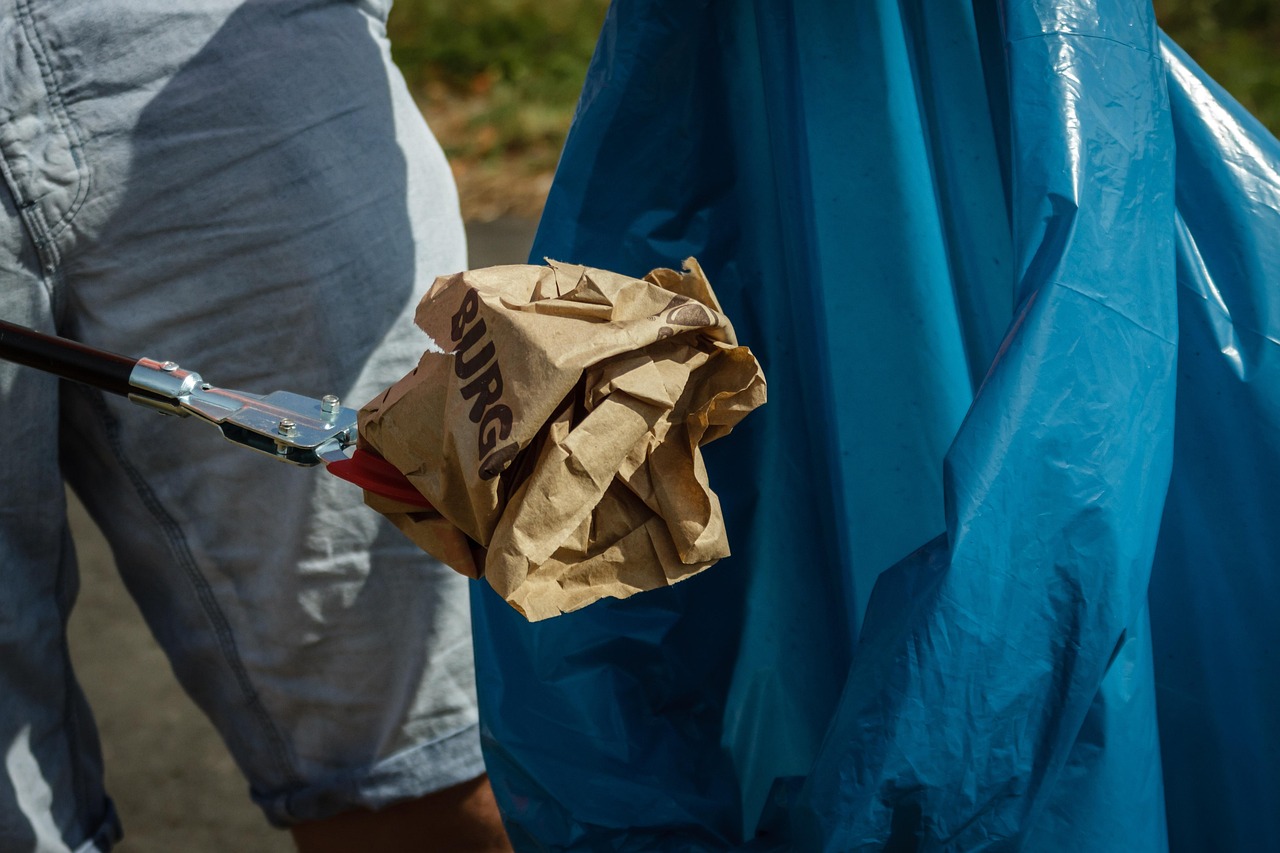
Trash management is not glamorous, which is probably why so many people forget it. But a small roll of sturdy bags keeps a campsite cleaner, helps separate wet gear from dry gear, and makes it much easier to leave no trace when it is time to head out.
These bags end up doing far more than holding garbage. They can store muddy shoes, contain damp clothes, protect firewood, or line a pack in bad weather. A few packed intentionally are much better than scrambling for one half-torn grocery bag when dinner cleanup gets messy.
A Real Camp Towel
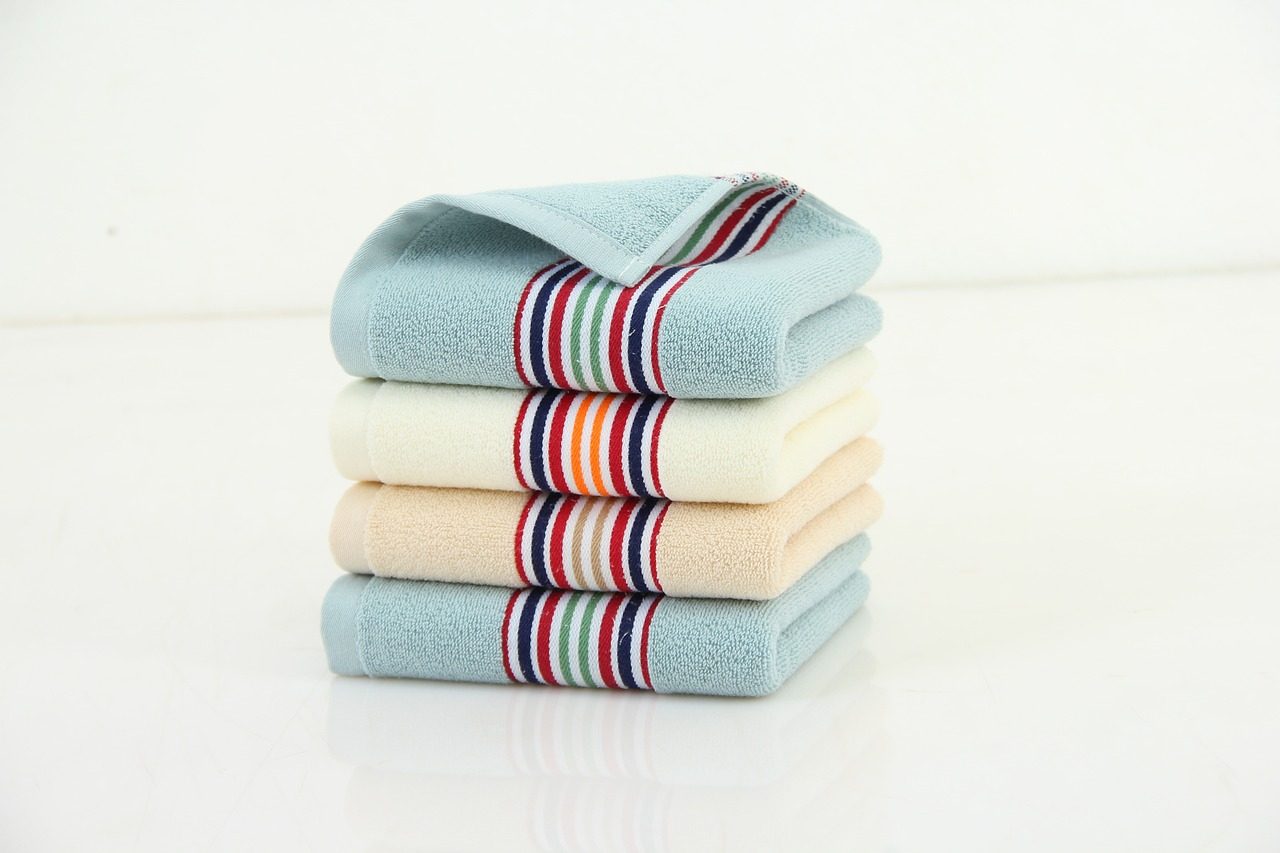
A proper camp towel is one of those items that sounds optional until everything is wet. Microfiber or quick-dry towels handle morning condensation, unexpected rain, dish duty, lake swims, and the muddy chaos that seems to follow every outdoor weekend.
Unlike a random bathroom towel grabbed at the last minute, a camp towel dries fast and packs small. That means it is still useful on day two instead of becoming a cold, damp lump in the corner of the tent. For comfort and cleanliness, it earns its place faster than most people expect.
Spare Batteries in a Waterproof Case
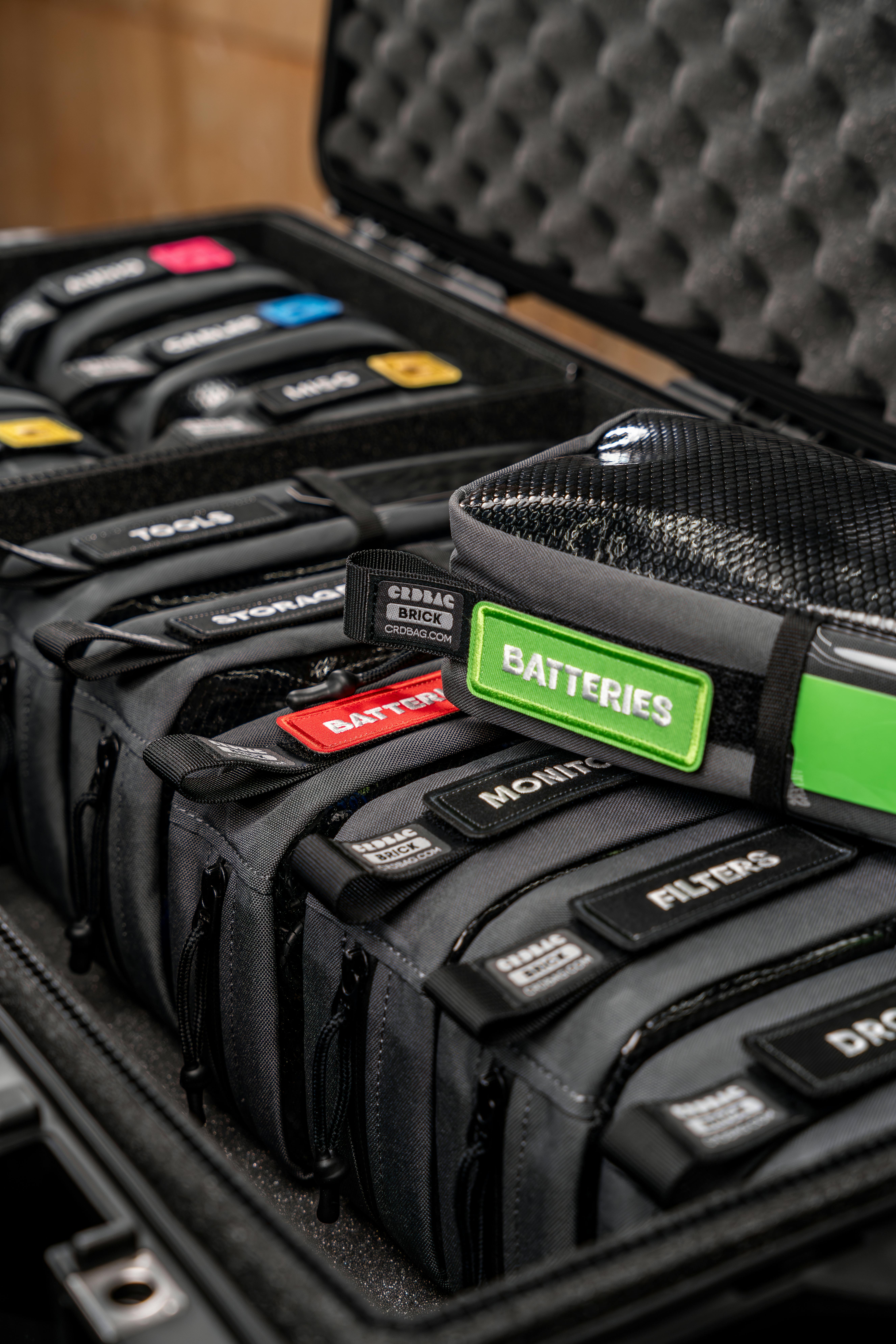
Headlamps, lanterns, GPS devices, and even some stoves all depend on power, yet spare batteries often get tossed loosely into a bag if they get packed at all. Keeping fresh batteries in a small waterproof case protects them from moisture and makes them easy to find after dark.
This is a simple upgrade with a big payoff. When your light fades in the middle of dinner prep or just before a late-night walk to the restroom, you do not want to be digging through gear by feel. Dry, organized backup power is a tiny luxury that feels essential instantly.
A Lightweight Sit Pad
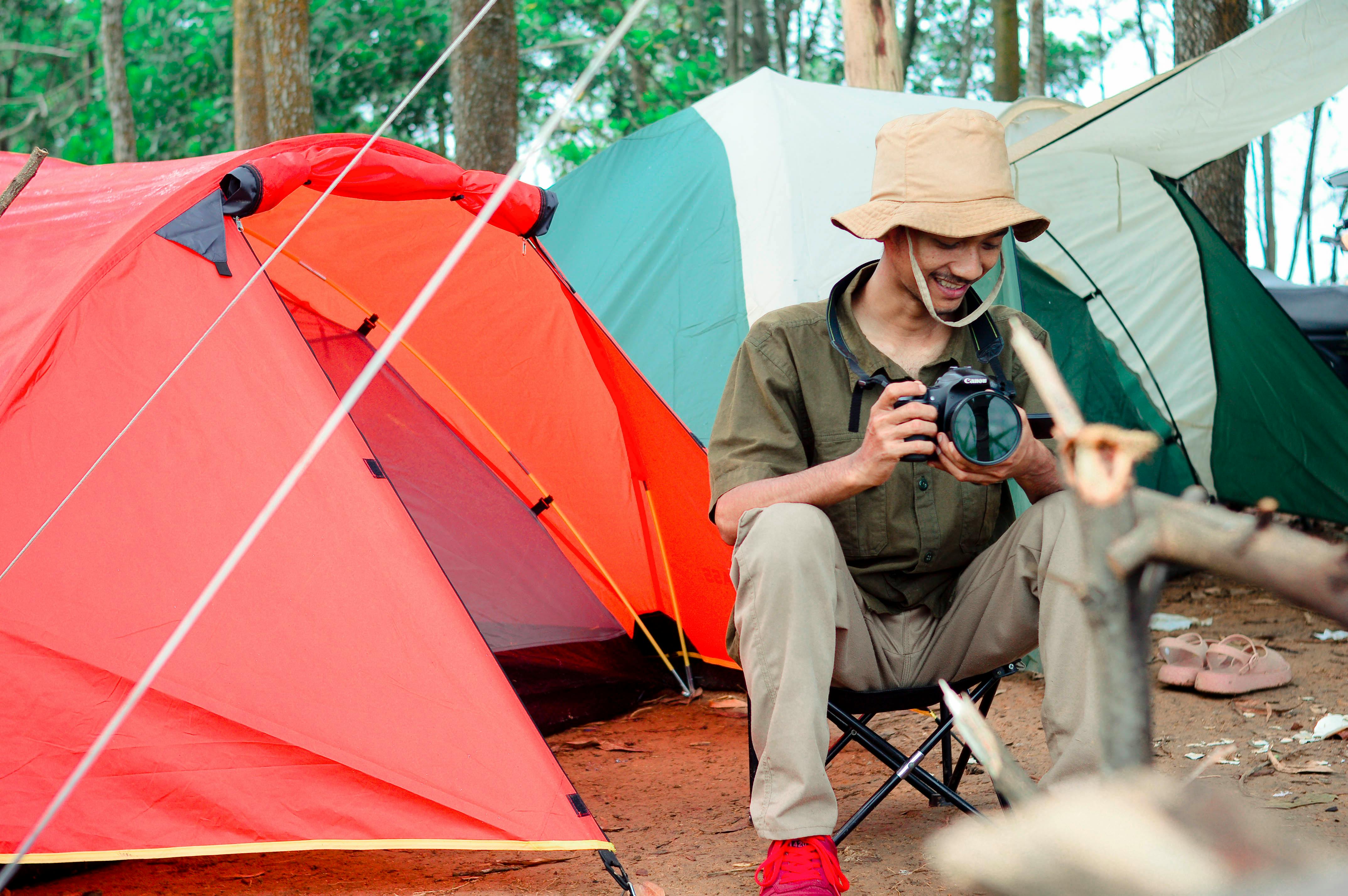
There is always a log that is too damp, a rock that is too cold, or a patch of ground that looks fine until you sit down. A lightweight foam sit pad gives you a clean, dry spot almost anywhere and makes ordinary camp tasks noticeably more comfortable.
It is especially handy around the fire, while cooking, or when you stop for a break on the trail. Because it is so small, many people skip it without realizing how often they would use it. Once you have one, sitting directly on the ground starts to feel unnecessarily dramatic.
A Printed Map
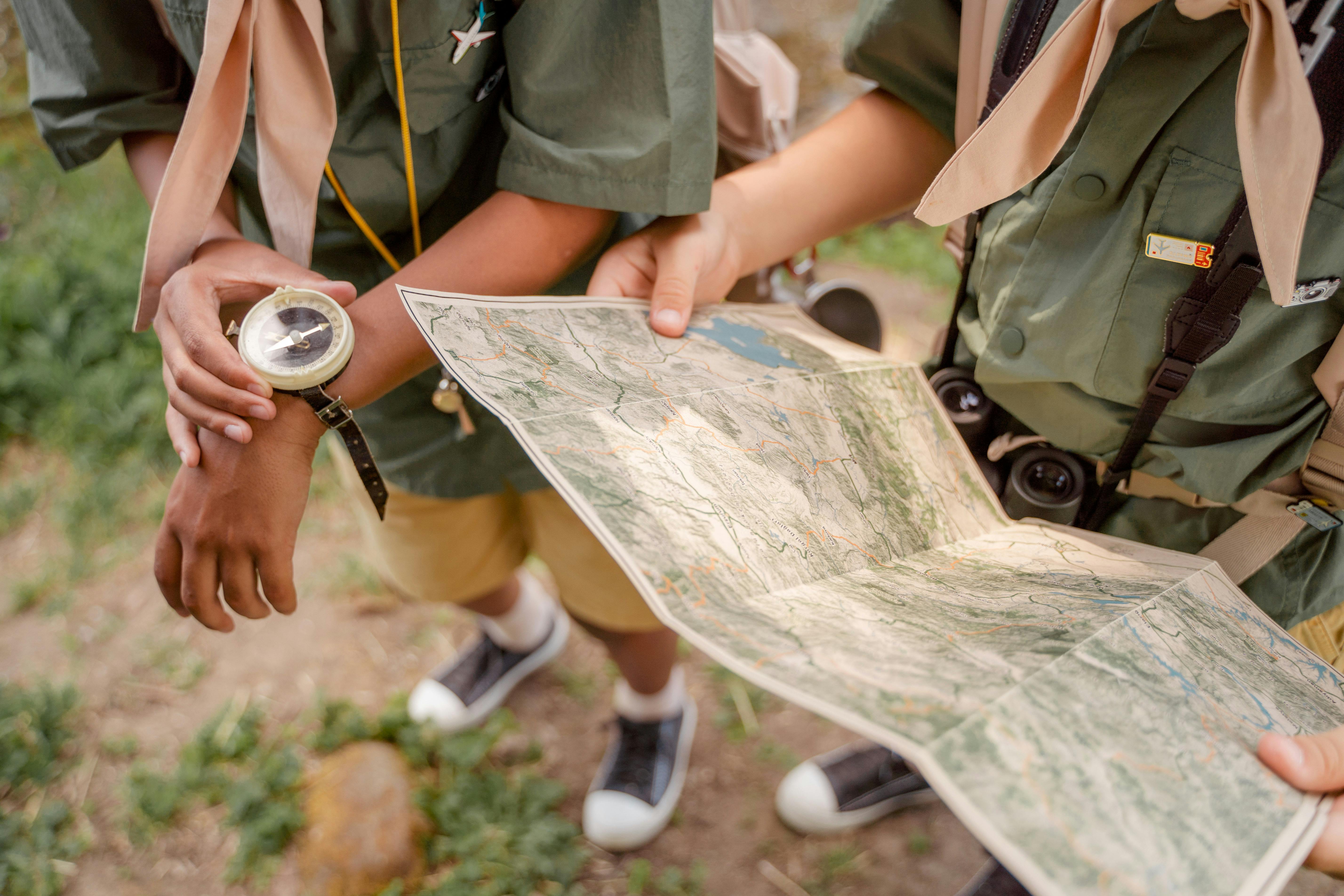
Phones are helpful until batteries die, signals disappear, or screens become impossible to read in rain and glare. A printed map gives you a reliable backup that does not need power, updates, or luck. It also encourages a broader view of the area than a tiny blue dot ever can.
Even at established campgrounds, paper maps are useful for trail planning, water access, emergency routes, and finding your bearings. Fold one into a waterproof sleeve and forget about it until you need it. When plans shift or technology fails, that quiet little sheet of paper suddenly looks very smart.