A high price tag can make a rifle look like a smart buy, but cost and quality do not always travel together. Some models arrived with big marketing promises, only to frustrate owners with jams, odd ergonomics, weak accuracy, or expensive upkeep. This gallery looks at ten rifles that developed a reputation for leaving buyers with more regret than bragging rights.
Remington R51 Rifle-Line Hype Spillover

Strictly speaking, the R51 is remembered as a pistol, but it became a cautionary tale for buyers who assumed a famous name still guaranteed polished engineering. That same trust shaped how many shoppers approached other premium-tagged long guns from the brand during a rough period. People paid for legacy, not always for consistent execution.
The bigger complaint was simple: consumers expected old-school Remington dependability and got uncertainty instead. Fit, finish, and function became part of a wider conversation about quality control, and that hurt confidence across the board. When a company name carries a premium, disappointment feels even more expensive.
It is less about one exact rifle and more about the cost of buying into branding alone. For many shooters, that lesson came with a receipt they wished they could undo.
Colt Sauer Sporting Rifles

The Colt Sauer rifles looked upscale, and in many ways they were. Fine wood, European styling, and a prestige-heavy name made them feel like heirloom purchases rather than simple hunting tools. The trouble was that many buyers paid deeply for the badge and finish, then discovered the resale market did not share the same enthusiasm.
They were not universally terrible shooters, but they often landed in that painful category of expensive rifle that never quite justified its sticker. Parts, service, and broad market interest never matched the original ambition. That is how a handsome rifle becomes a money pit in slow motion.
Collectors may still appreciate them, but average owners often learned a harsh truth. Beautiful does not always mean smart, especially when practical value lags far behind the price.
Winchester Model 100
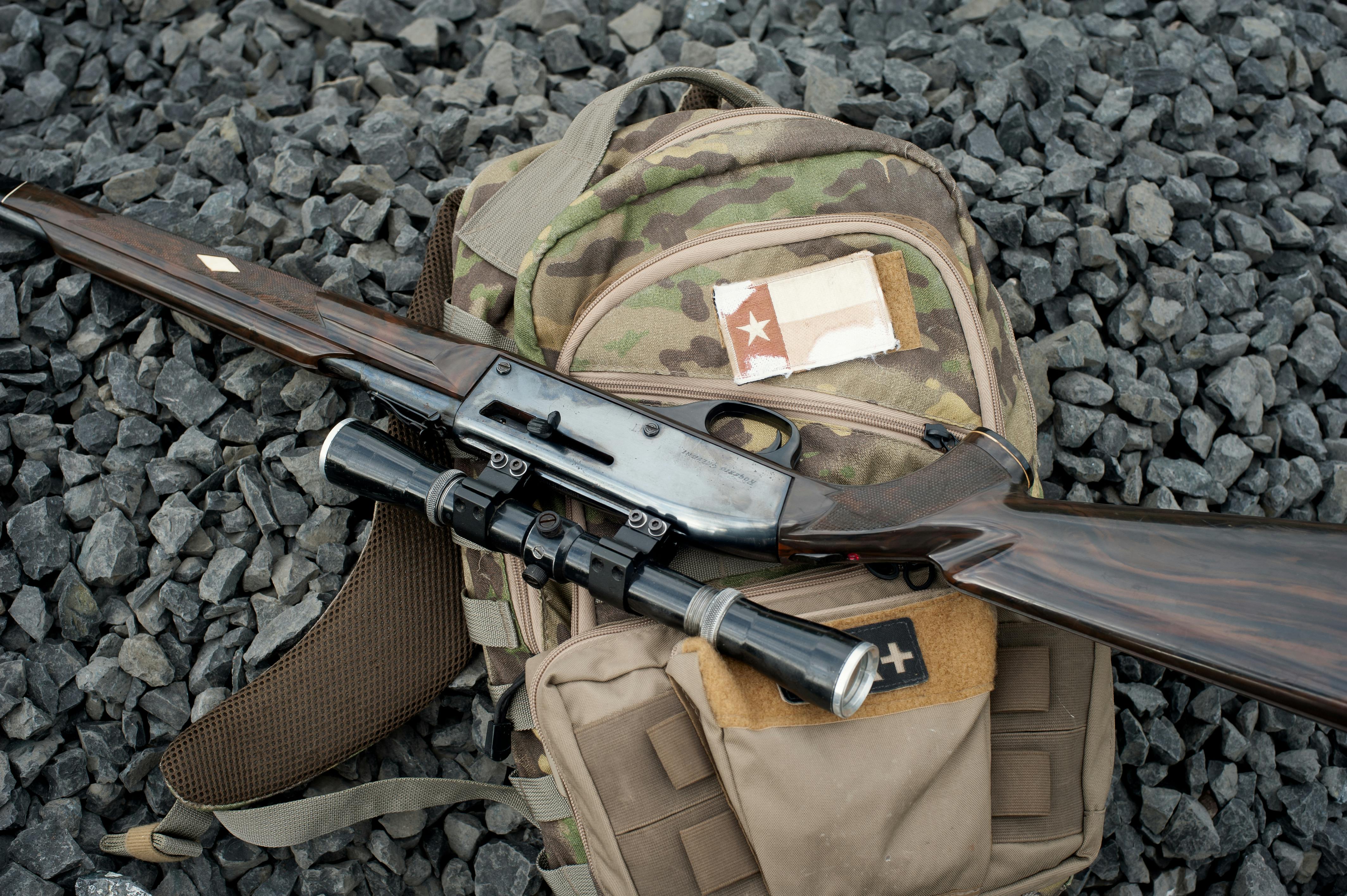
The Winchester Model 100 had style, a recognizable name, and plenty of appeal for shooters who wanted a semi-auto deer rifle with pedigree. On paper, it sounded like a great way to blend tradition with speed. In practice, it developed a reputation that made some owners wonder why they had spent so much in the first place.
Reliability concerns and a long-shadow safety issue damaged confidence, and once a rifle makes people second-guess every trip to the range, the shine wears off quickly. Even fans admitted it could be a temperamental companion. That is a rough trait in a rifle often bought at a premium.
Today it has historical interest, but history does not erase frustration. For many buyers, the Model 100 asked for loyalty it did not consistently return.
Remington Model 740

The Remington Model 740 sold well because it promised quick follow-up shots in a familiar hunting package. For a lot of deer hunters, that sounded worth every dollar. Over time, though, the rifle built a reputation for wearing poorly, becoming finicky, and turning routine ownership into an exercise in patience.
The issue was not that every single example was awful. It was that enough shooters encountered feeding trouble, extraction headaches, and long-term durability complaints that the rifle became a gamble. Nobody likes paying premium hunting-rifle money for something that feels happiest when left alone.
That gap between expectation and ownership experience is what keeps the 740 on lists like this. When a rifle becomes known for aging badly, buyers tend to feel they financed their own annoyance.
Ross Rifle

The Ross Rifle had ambition, precision claims, and a polished image that helped justify its cost. Some examples could shoot very well under the right conditions, which made it even more tempting to buyers who valued accuracy and refinement. But rifles do not live on promise alone, especially when reliability under stress matters.
Its complicated reputation came from real-world handling concerns that overshadowed any target-range strengths. The design became infamous for issues that made users question whether elegance had been prioritized over practical dependability. That is a dangerous trade when people are paying serious money.
In hindsight, the Ross is a classic case of expensive engineering losing the plot. A rifle can be clever, distinctive, and still feel like a bad investment once use reveals the cracks.
Chauchat Conversion Rifles

Any firearm tied to the Chauchat name starts with an uphill battle, and civilian or adapted examples never escaped that baggage. Buyers drawn in by rarity or novelty often paid more than common sense suggested. Owning an oddball piece of firearms history sounds fun until the reality involves awkward handling and a reputation built on mockery.
The broader problem is that collectible weirdness can trick people into mistaking scarcity for quality. A rifle or conversion can be expensive simply because it is unusual, not because it is satisfying to shoot or sensible to own. That distinction matters more than many wallets realized.
For enthusiasts of military curiosities, there is value in the story. For everyone else, spending heavily on something notorious is a quick path to buyer’s remorse with a historical footnote attached.
Iver Johnson M1 Carbine Copies
The M1 Carbine is beloved, which made commercial copies easy to sell to people chasing nostalgia. Iver Johnson versions attracted buyers who wanted the look and feel of a classic without military-original pricing. Unfortunately, many learned that cheaper lineage can still add up to too much money if the rifle does not deliver dependable performance.
Some owners reported perfectly serviceable carbines, but others ran into inconsistency that made the purchase feel risky. Reliability, parts compatibility, and overall quality varied enough to keep these copies under a cloud. Paying good money for a maybe is rarely a satisfying experience.
That is the trap here. The emotional appeal of the M1 Carbine platform did a lot of work, while the rifle itself sometimes failed to keep up with the dream buyers had already paid for.
Cobb MCR Civilian Rifles
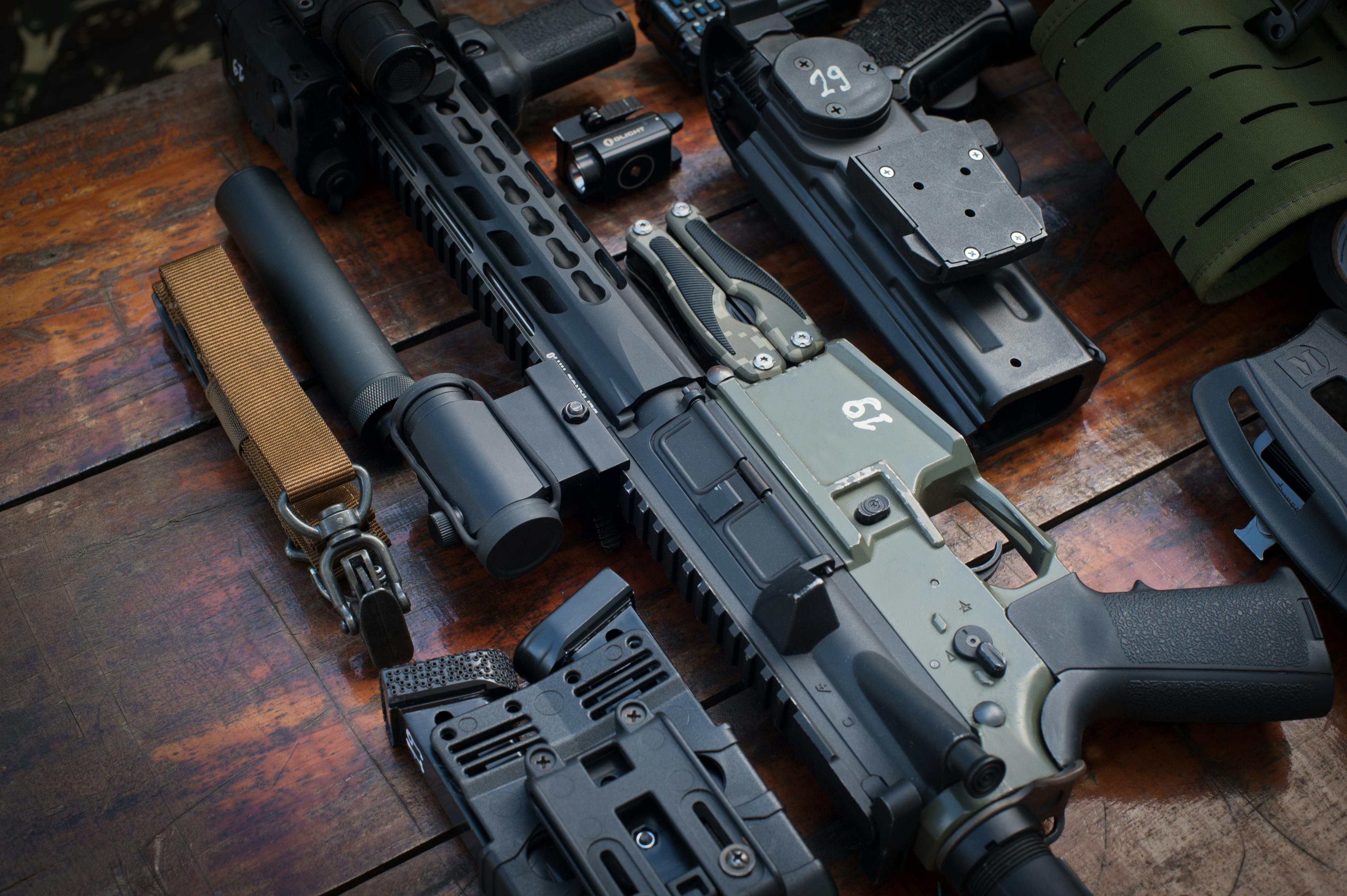
The Cobb MCR family drew attention because it promised big-caliber semi-auto power in a modern package that looked serious and expensive. For buyers who wanted something rare and imposing, it checked the right visual boxes. The problem was that bold concepts and premium pricing do not automatically create a refined ownership experience.
Shooters often complained that these rifles felt more like ambitious projects than fully matured products. Weight, parts concerns, and practical support issues made the cost harder to defend. If you are spending luxury-rifle money, you expect confidence, not caveats.
That mismatch between appearance and long-term usability is what pushed these rifles into disappointment territory. They looked like elite hardware, but many buyers discovered they had paid top dollar for a platform that never felt truly sorted out.
Early Bushmaster ACR

The Bushmaster ACR arrived with enormous buzz. It was presented as the adaptable, next-generation rifle that would bring modularity and premium engineering to the masses, and early pricing reflected those lofty expectations. Buyers were not just purchasing a rifle; they were buying into a future that sounded exciting and expensive.
Then reality set in. The rifle was often criticized for being heavy, under-evolved, and missing the ecosystem of parts and conversions people expected. For the money, shooters found themselves asking a tough question: why not just buy a proven platform that already worked better and cost less?
That is why the ACR still stings for early adopters. It was not useless, but it was one of those rifles where the dream sold faster than the product could actually deliver.
Zip-Converted Survival Carbine Builds

This category sits at the edge of conventional rifle ownership, but it deserves mention because some buyers poured astonishing amounts of money into novelty-based survival builds and conversions around famously poor host designs. The idea was usually clever on social media: make something compact, weird, and conversation-starting. The end result was often just costly frustration wearing accessories.
Once the base platform already has a shaky reputation, adding conversion hardware rarely transforms it into a wise purchase. Instead, owners end up overpaying for gimmick value, then discovering the setup is awkward, unreliable, or both. That is not innovation. That is expensive self-sabotage.
People love the fantasy of a hidden gem custom build. Sometimes, though, the better lesson is much simpler: if the foundation is junk, the bill only gets uglier from there.