
It starts with a single sighting, then another, then a pattern experts can no longer ignore. That is exactly what is happening with one of America’s most notorious invasive reptiles.
Why are Burmese pythons drawing so much alarm?
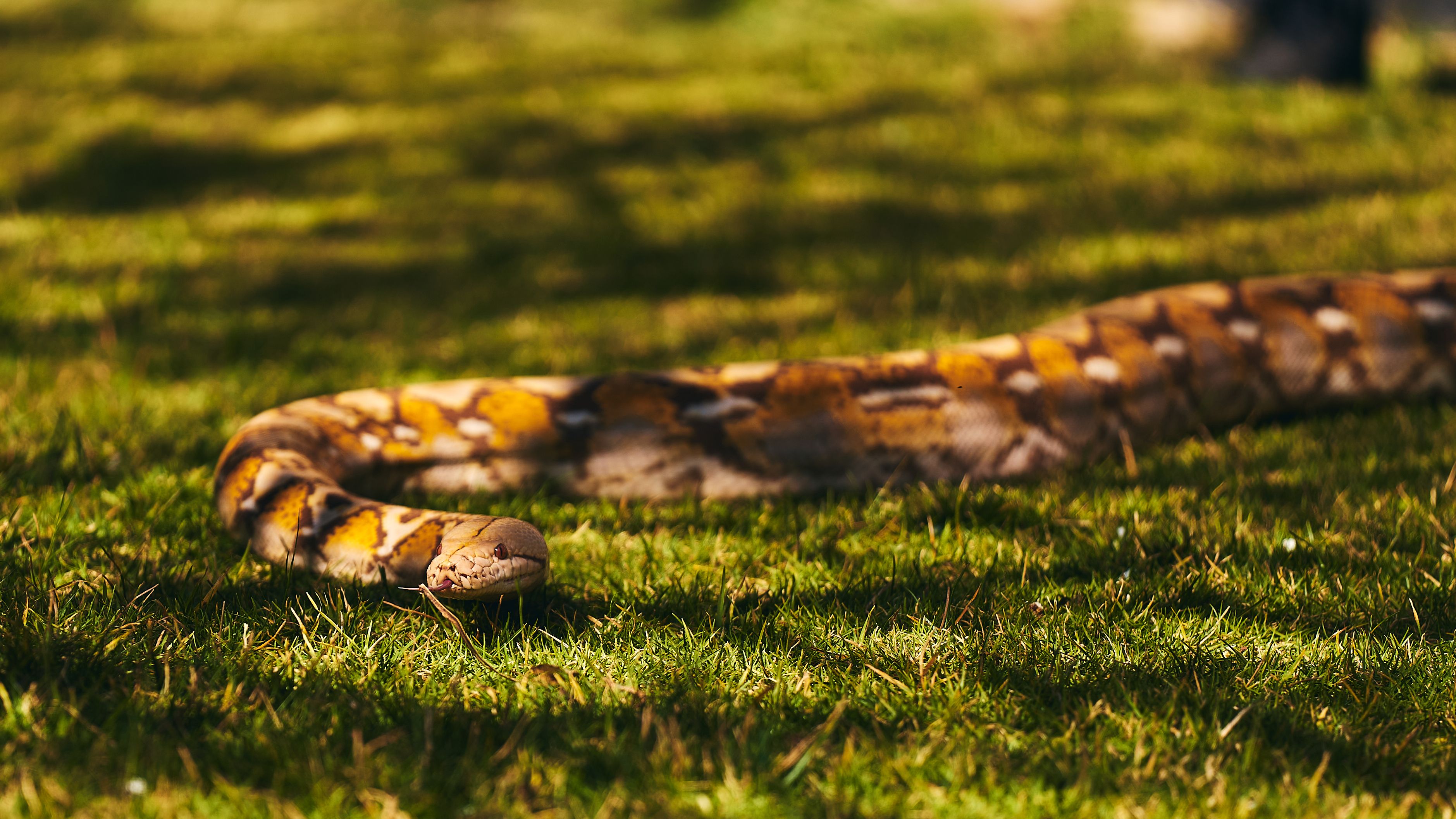
The snake species at the center of this concern is the Burmese python, a giant constrictor native to Southeast Asia that has become firmly established in South Florida. For years, the Everglades was viewed as the core of the invasion. Now, biologists and state wildlife officials are paying close attention to reports farther beyond that traditional footprint.
Florida Fish and Wildlife says the species is established in South Florida, while the U.S. Geological Survey has documented evidence of pythons north of the Everglades through sightings, captures, and genetic traces such as shed skin and other biological material. That matters because range creep is how a contained ecological crisis can become a much broader one.
Experts are alarmed for a simple reason: this is not a snake that slips quietly into an ecosystem without changing it. Burmese pythons are apex predators in places where native animals did not evolve alongside them. Once they gain a foothold, they can prey on everything from rabbits and raccoons to birds, deer, and even alligators.
The concern is not just the snake’s size, although adults can grow to extraordinary lengths. It is the combination of stealth, adaptability, and reproductive power that makes them so difficult to stop. By the time people start seeing them regularly, a breeding population may already be well underway.
How the snakes got here and why they keep advancing

The python problem began with the exotic pet trade. Over time, intentional releases, accidental escapes, and likely storm-related disruptions helped seed wild populations in Florida. Once enough animals were on the landscape, the Everglades provided exactly what invasive species need most: warmth, cover, prey, and space.
That habitat advantage is one reason the species has proven so resilient. Wetlands, canals, tree islands, and dense vegetation give pythons ideal hunting territory while making them extremely hard for people to detect. Mike Kirkland of the South Florida Water Management District summed up the central challenge in comments reported by the Associated Press: removing them is easier than finding them.
As populations grow, outward expansion becomes more likely. Wildlife managers and local reports have pointed to increased sightings along Florida’s Gulf Coast and in places well north of the snakes’ historical stronghold. A notable capture in Brevard County several years ago underscored how far outside the expected range an individual python can turn up.
That does not necessarily mean every new sighting marks a self-sustaining colony. Some snakes may be isolated releases. But from a management standpoint, every credible detection matters. Officials evaluate those reports carefully because early confirmation is often the only chance to keep a new area from becoming the next long-term invasion zone.
What these snakes are doing to native wildlife
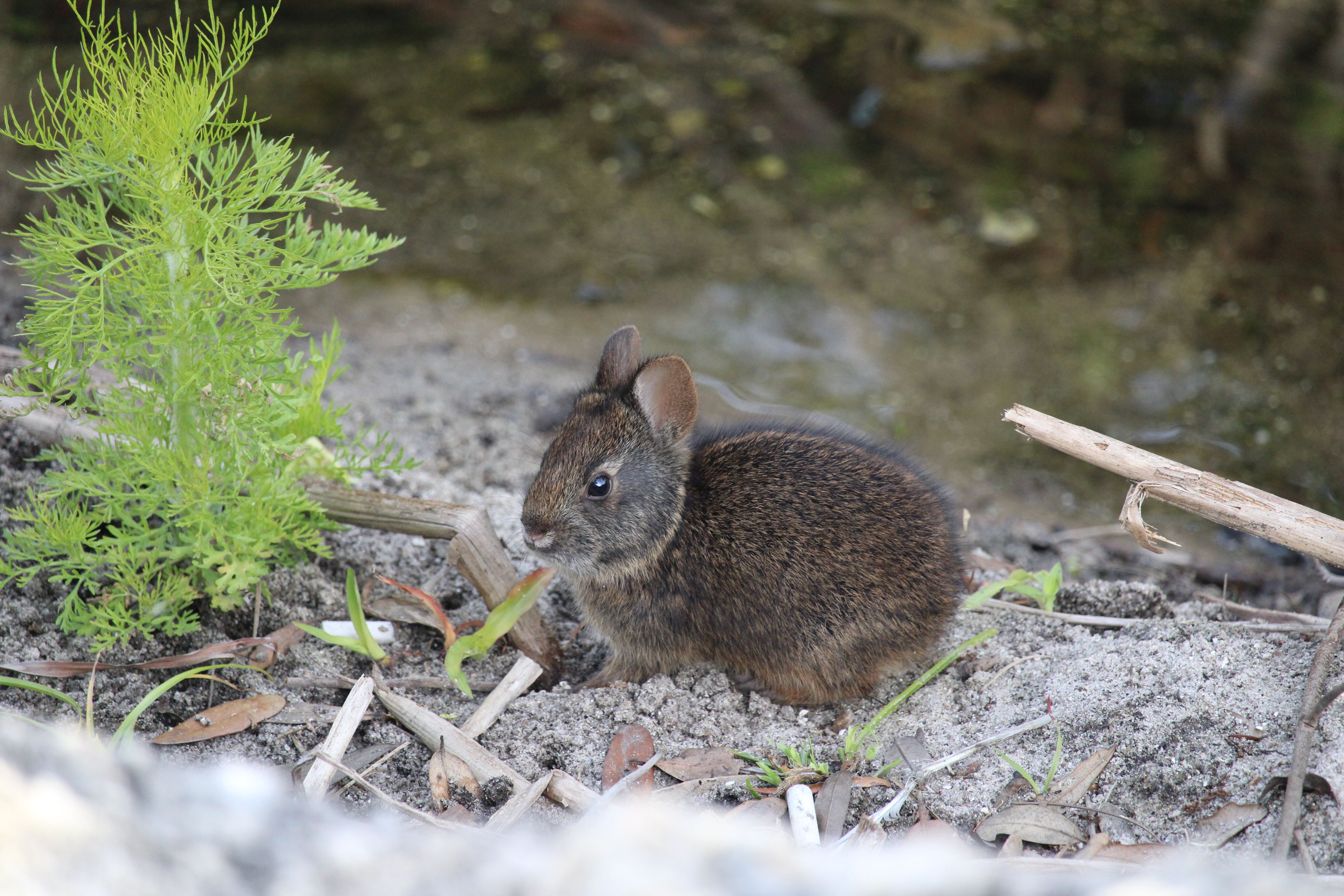
The ecological damage linked to Burmese pythons is the real reason scientists treat this as more than a curiosity story. In Everglades National Park, officials have said the snakes have helped wipe out 95% of small mammals in some areas, along with thousands of birds. That is not a subtle shift. It is an ecosystem-level shock.
Earlier scientific work also found severe declines in animals such as raccoons, opossums, and bobcats, where python numbers rose. Marsh rabbits offer one of the clearest examples. Research has shown that pythons became a major predator of released rabbits in the Everglades, demonstrating how quickly the invader can overwhelm vulnerable prey populations.
When small and medium mammals disappear, the effects ripple outward. Predators that rely on those animals lose food. Seed dispersal changes. Nest predation patterns change. Mosquito dynamics may even shift when mammal communities collapse. In other words, one invasive predator can alter the basic wiring of an entire wetland food web.
That is why wildlife experts sound so urgent when discussing the spread into new territory. The fear is not simply that residents in another county might see a giant snake. The fear is that an established breeding population could silently begin stripping away native wildlife long before the public realizes the scale of the damage.
Why has stopping them been so difficult
If there were an easy fix, Florida would have found it by now. Instead, the fight against Burmese pythons has become a long, expensive lesson in how hard it is to control a well-established invasive reptile. The U.S. Geological Survey has said eradication is likely impossible at this stage in South Florida.
Part of the problem is biology. These snakes are cryptic, meaning they blend into the landscape with almost unfair efficiency. They spend time in water, marsh grass, brush, and burrows, and they can remain undetected even in areas that are heavily searched. People may be standing surprisingly close to one another and never know it.
Another problem is sheer scale. Officials and researchers have described the population only in rough terms, often as tens of thousands, because counting them precisely is nearly impossible. Annual contests, contracted removal agents, detector dogs, telemetry, and scout snake programs have removed thousands, yet the species remains entrenched.
Even the newest tactics show how challenging the hunt has become. In 2025, the South Florida Water Management District and University of Florida researchers deployed robot rabbits to lure hidden pythons into view. It sounds futuristic because it is, but it also reflects a sobering truth: traditional methods alone have not been enough.
Where the spread may go next
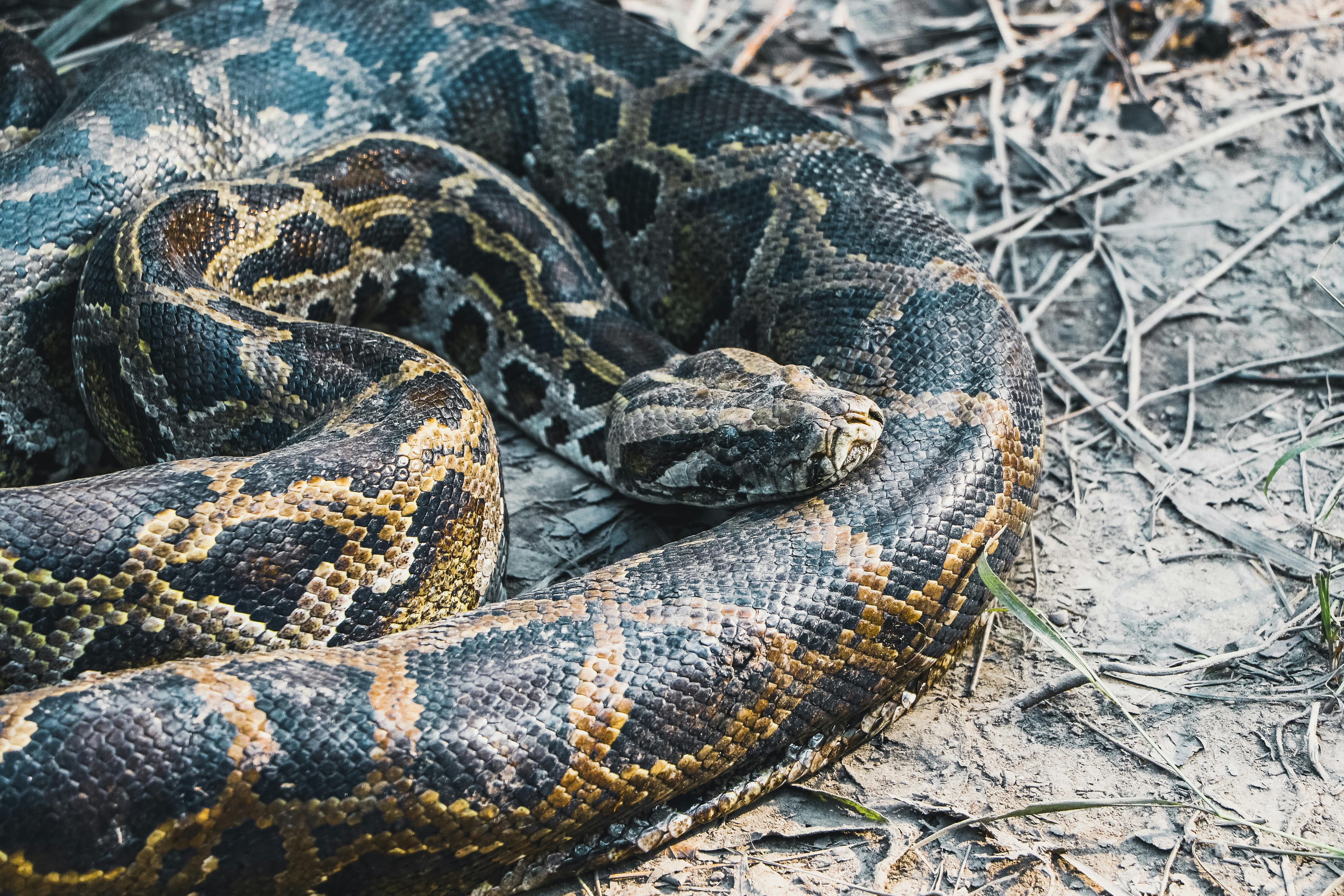
The most immediate concern remains Florida, especially areas outside the best-known invasion core. State and federal agencies are watching the northward movement carefully, including places beyond the Everglades and around Lake Okeechobee. Officials do not treat every outlying sighting as proof of a new colony, but they do treat them as warnings.
Long-term, climate suitability is a major question. Some projections and expert discussions have suggested that parts of the broader Southeast could offer favorable conditions, especially as winters become less limiting. That does not mean giant pythons are about to overrun half the country, but it does mean the risk conversation is no longer confined to one park.
For other states, the first sign of trouble may not be a dramatic headline. It may be a single roadkill report, a captured pet release, or genetic evidence in water samples. That is why early detection systems are so important. Once breeding begins in a suitable habitat, the window for easy containment can close fast.
Wildlife experts are especially concerned because invasive reptiles tend to exploit human blind spots. They are often underestimated until the damage is obvious. By then, managers are no longer preventing an invasion. They are trying to suppress one.
What happens next, and what the public can do
The outlook is not hopeless, but it is realistic. Florida has built a much more aggressive response than it had in the early years of the invasion, combining public reporting, paid removal programs, research partnerships, and highly targeted capture efforts. Those strategies can reduce local numbers and protect priority habitats, even if complete eradication is off the table.
The Conservancy of Southwest Florida announced a major milestone in 2025, saying its team had removed 20 tons of Burmese pythons over roughly a decade of work. That kind of number shows both how large the problem is and how much dedicated removal can still matter. Suppression may not sound dramatic, but in conservation terms, it can save wildlife populations.
For the public, the message is straightforward. Do not release exotic pets. Report unusual snake sightings to wildlife authorities. Support rules that limit risky trade and transport. Invasive species crises often begin with seemingly small human decisions, and preventing the next establishment is always easier than cleaning up after one.
What has experts alarmed is not just the existence of Burmese pythons in America. It is the pattern of persistence, spread, and ecological harm. Once that pattern starts extending into new areas, wildlife managers know exactly what could come next, and they are trying to get ahead of it before another landscape pays the price.