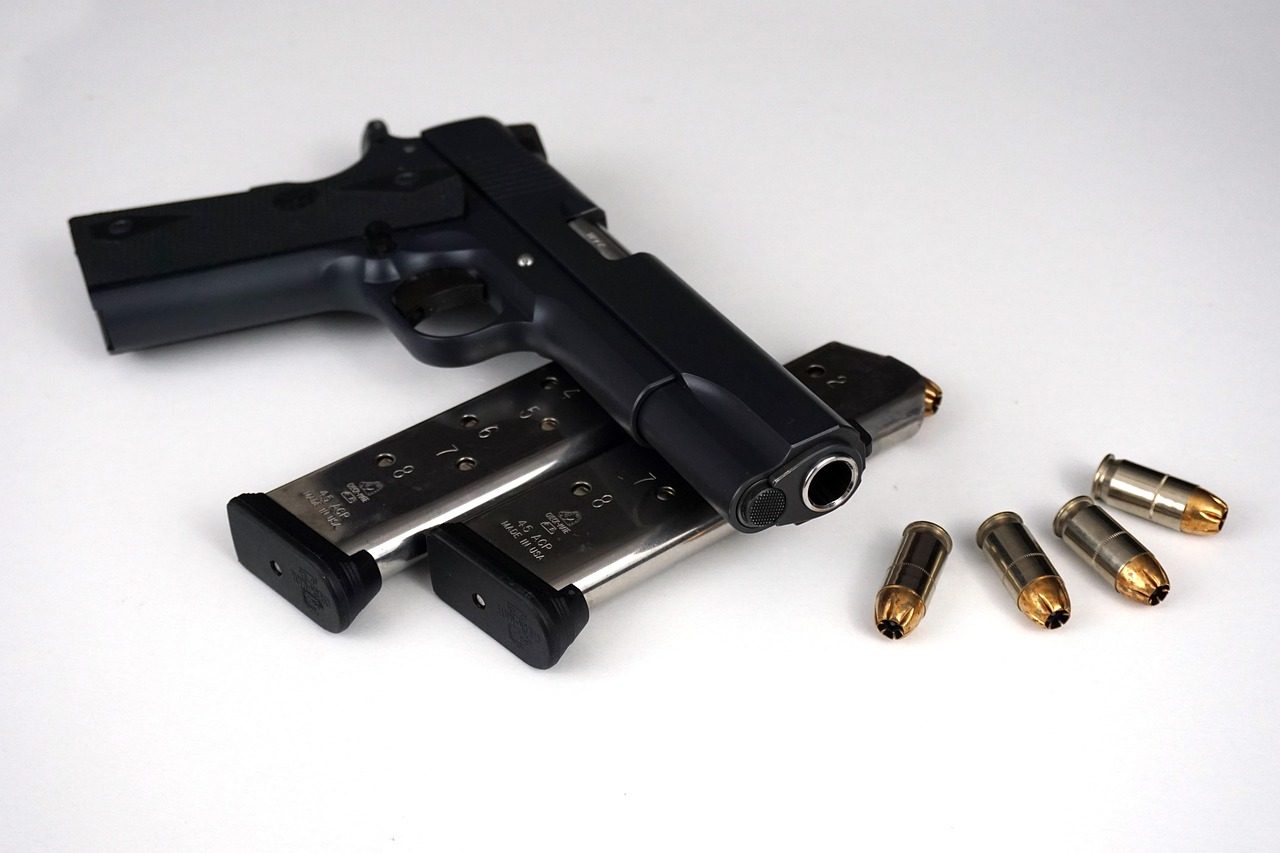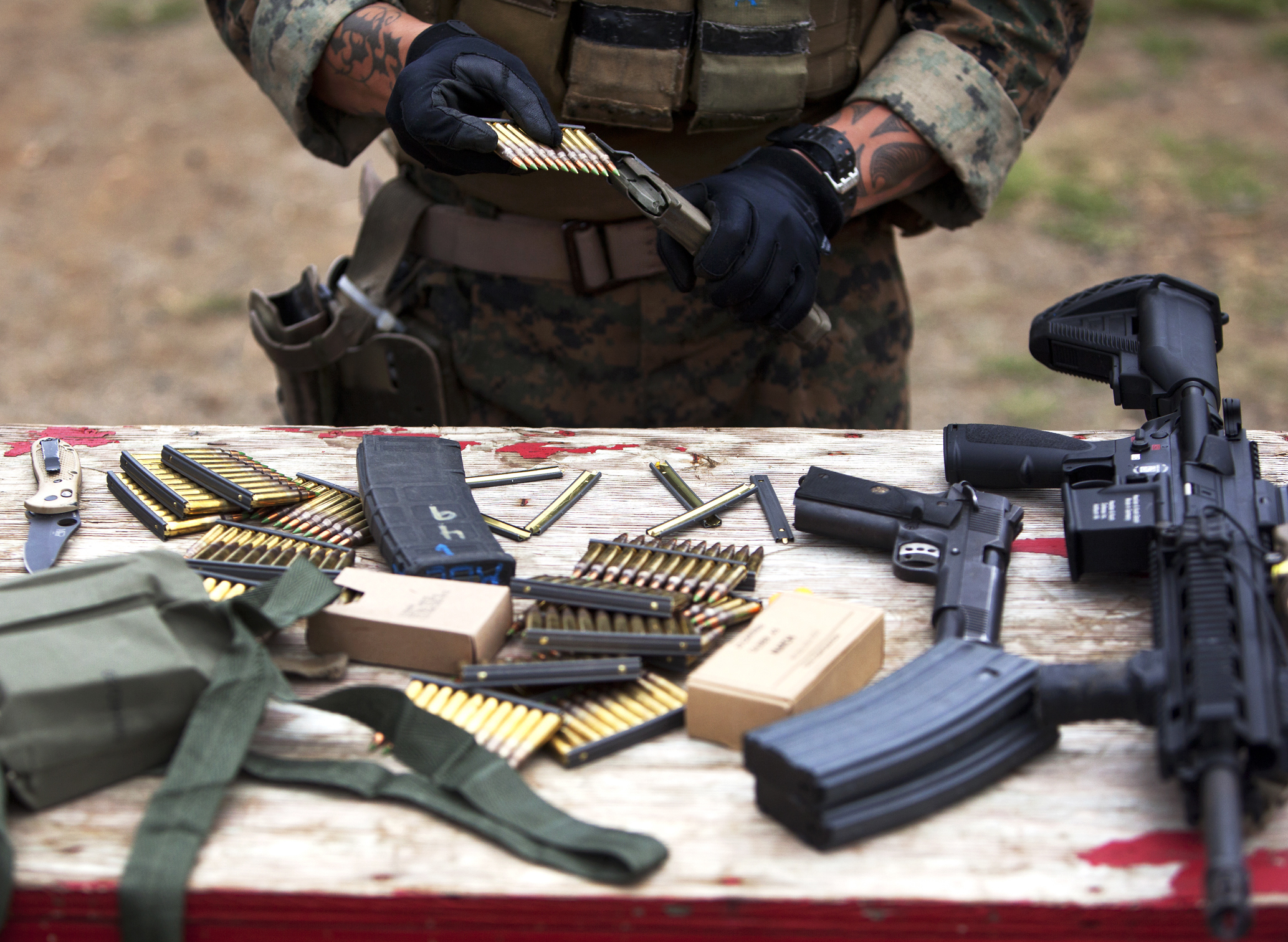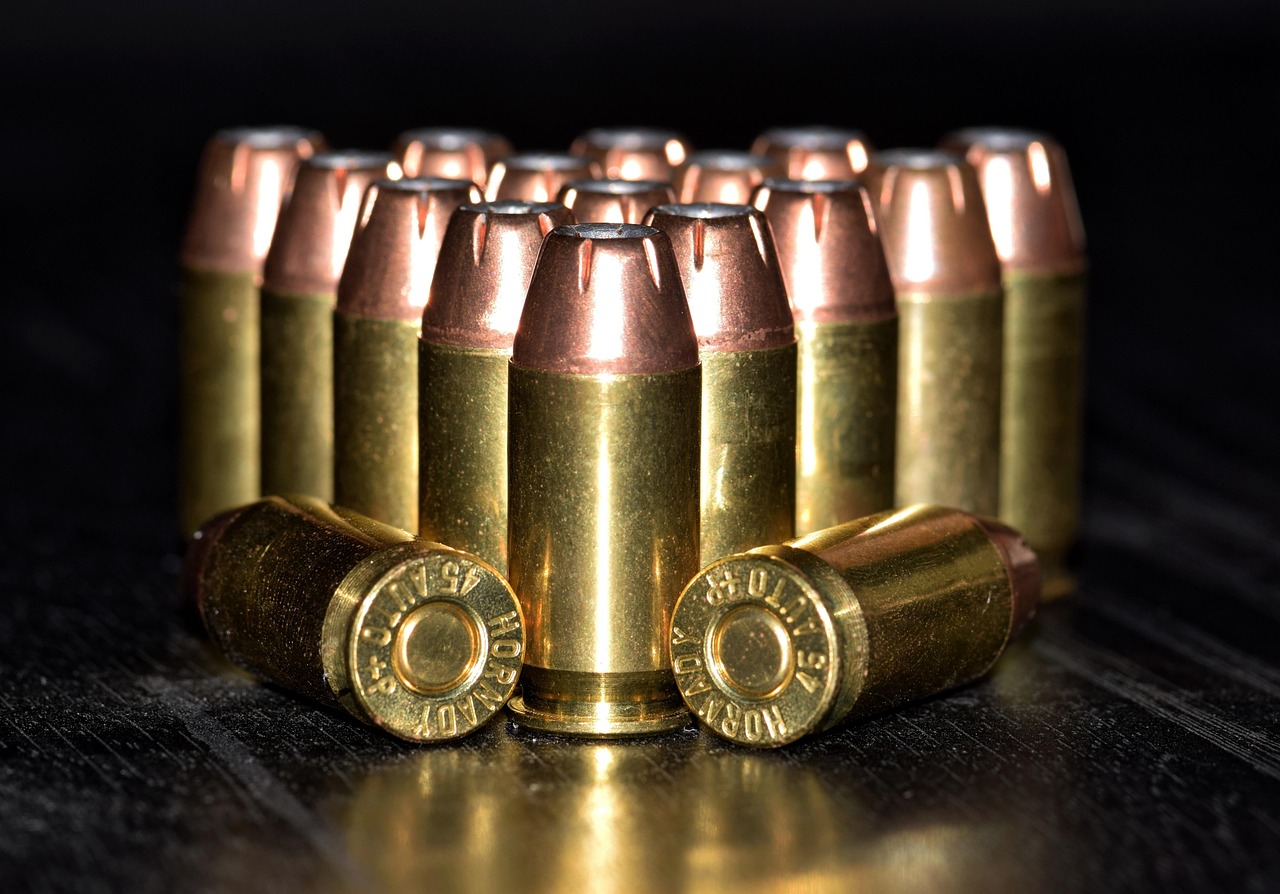
Big caliber talk gets emotional fast. The .45 ACP is one of those cartridges people either swear by or dismiss as outdated.
Why the .45 ACP still has such a strong reputation
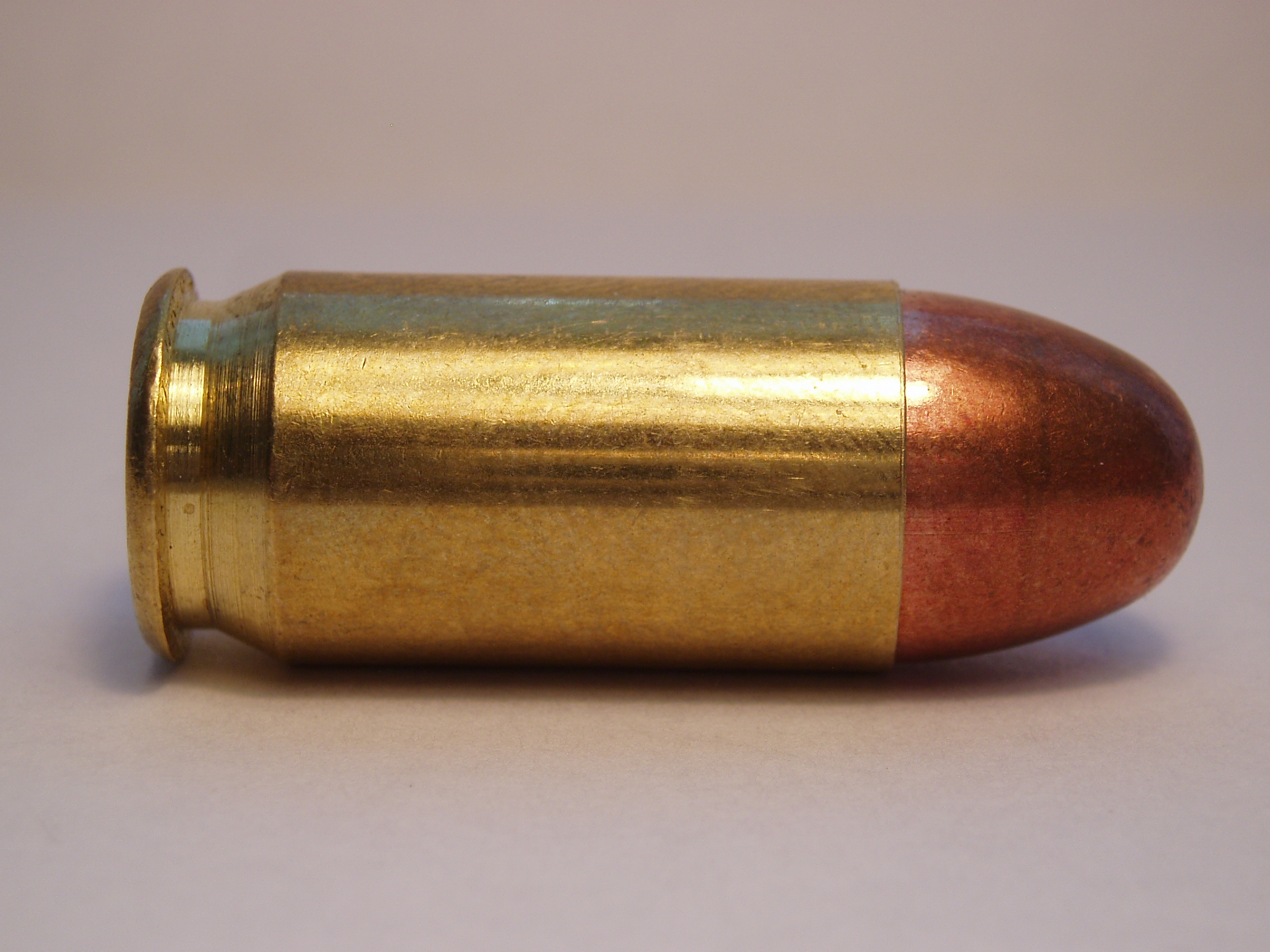
The .45 ACP earned its reputation the old-fashioned way: through long military service, decades of police use, and a deep cultural presence in American gun history. Designed by John Browning in the early 1900s, it became closely tied to the 1911 pistol and the idea of heavy, authoritative stopping power. For many shooters, that history still matters, and it shapes how the round is discussed today.
Part of the appeal is simple physics. A standard .45 ACP round usually fires a heavier bullet than a typical 9mm, often around 185 to 230 grains. That creates a broad, slow-moving projectile with a strong push on impact and a distinct recoil impulse. Many experienced shooters describe it as more of a shove than a snap, which some people actually prefer.
There is also the intangible factor of confidence. Some gun owners feel more comfortable carrying a round with a reputation for making a large permanent wound channel, especially with quality modern hollow points. Even when ballistic science has narrowed the practical gap between service calibers, perception remains powerful. The .45 ACP still benefits from a century of stories, service records, and plain old brand loyalty.
What “overkill” really means in the real world
When people call the .45 ACP overkill, they usually do not mean it is too powerful in the cinematic sense. They mean it may offer more cartridges than the average person can use efficiently, especially when compared with easier-shooting alternatives. In defensive shooting, effectiveness is not just about bullet size. It is about getting accurate hits quickly under stress, and that changes the conversation.
For most civilians, realistic self-defense distances are short, often measured in feet rather than yards. At those ranges, modern 9mm defensive loads have performed well in FBI-style testing for years, expanding reliably and penetrating to accepted standards. That has pushed many law enforcement agencies back toward 9mm, not because .45 ACP stopped working, but because the practical advantages of 9mm became hard to ignore.
Overkill can also mean unnecessary trade-offs. If a cartridge gives you more recoil, lower magazine capacity, slower follow-up shots, and higher training cost, you need a clear benefit to justify it. For some shooters, that benefit exists. For many others, especially newer gun owners, the extra bulk and effort may simply not pay off in real-world performance.
Recoil, accuracy, and what average shooters actually shoot best
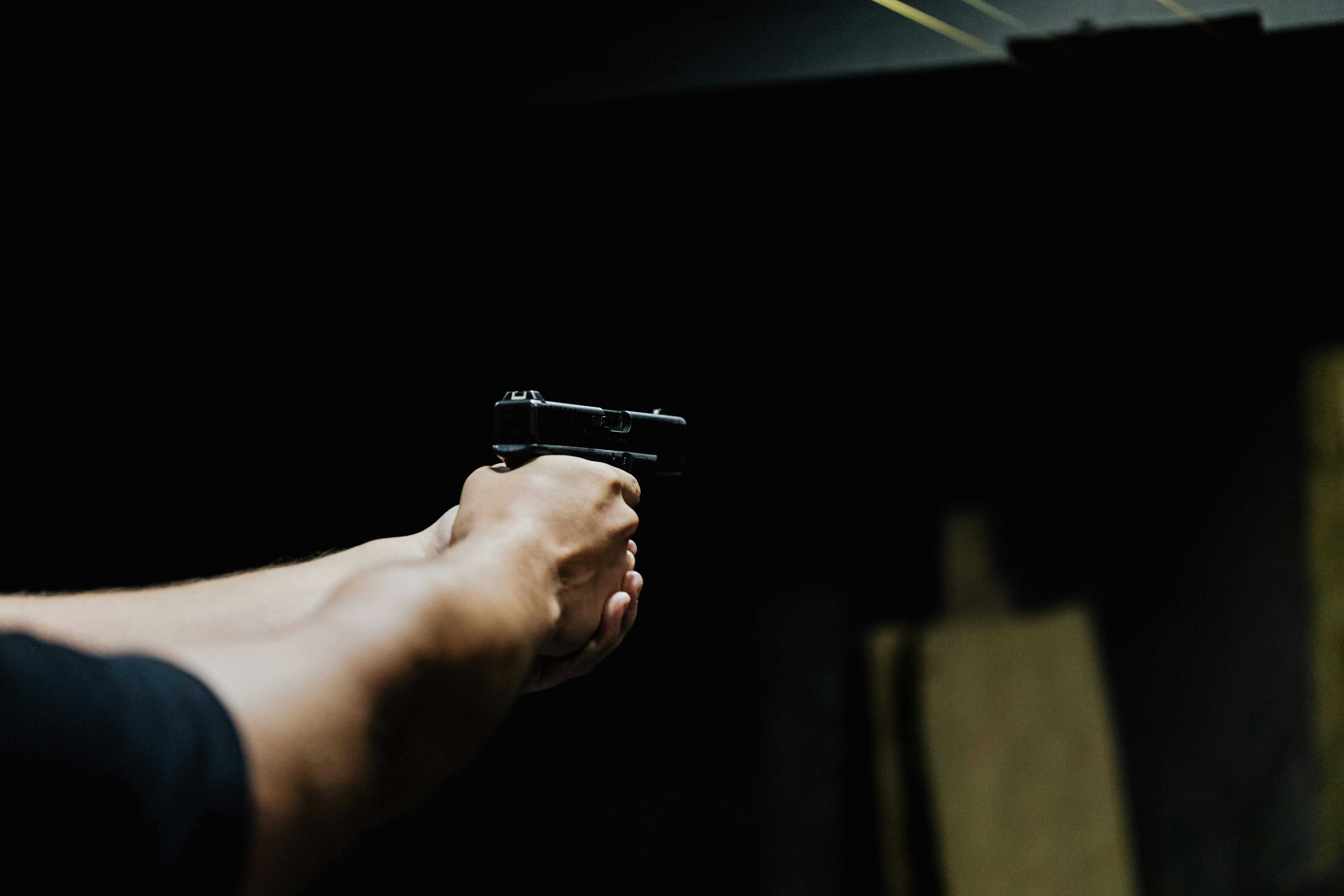
On paper, recoil discussions can get misleading because people experience recoil differently. A full-size steel 1911 in .45 ACP can feel surprisingly soft, while a lightweight compact .45 can feel abrupt and demanding. That matters because average gun owners are not always shooting heavy range pistols. They are often buying smaller handguns for carry, and that is where .45 ACP gets less forgiving.
The average shooter tends to do better with cartridges that allow faster sight recovery and less anticipation of recoil. Training classes consistently reveal the same pattern: many people shoot 9mm more accurately in rapid strings than .40 S&W or .45 ACP. That does not mean no one can master a .45. It means mastery usually requires more practice, better grip technique, and more tolerance for mistakes in trigger control.
There is also the issue of one-handed or weak-hand shooting. Under stress, a perfect stance and grip can disappear quickly. A cartridge that remains manageable when things go wrong often gives ordinary people a better margin for success. In that context, calling the .45 ACP overkill is really another way of saying it can ask more of the shooter than most people are prepared to give.
Capacity, concealability, and the everyday carry problem

One of the biggest practical knocks against .45 ACP is capacity. In similarly sized handguns, .45 magazines almost always hold fewer rounds than 9mm magazines because the cartridge is simply larger in diameter. A single-stack .45 may carry 7 or 8 rounds, while a comparable compact 9mm may hold 10, 12, or more. That difference is not theoretical when your pistol is chosen for personal protection.
Concealability is tied to this, too. To carry a useful amount of .45 ACP, many people end up with a thicker grip, a heavier gun, or both. That can affect comfort, wardrobe choices, and how consistently someone carries. A defensive firearm left at home because it is bulky or unpleasant to wear loses every caliber argument before it starts.
There are good compact .45 pistols on the market, and some people carry them very effectively. But they often demand sharper recoil management and can be less pleasant during long practice sessions. For the average carrier, the sweet spot tends to be a lighter-recoiling pistol with enough capacity to handle uncertainty. That is one reason the mainstream carry market keeps leaning toward 9mm.
Cost, training habits, and why the best caliber is the one you practice with
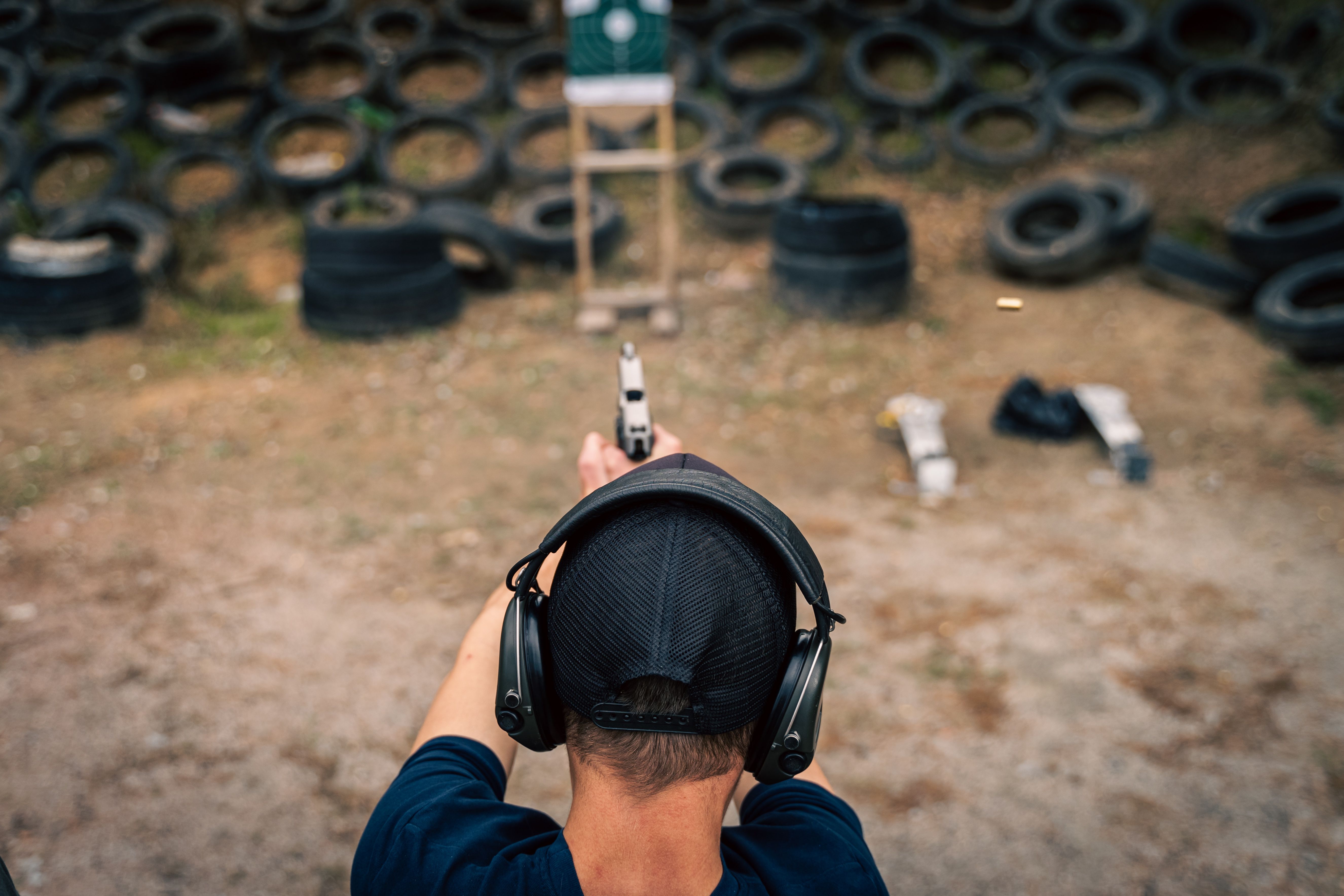
A caliber debate often ignores the unglamorous part of shooting: ammo costs money, range time takes effort, and skill is perishable. Historically, .45 ACP has cost noticeably more than 9mm, especially in bulk practice ammunition. Even small price differences add up fast over 500 or 1,000 rounds. For regular shooters, that can mean fewer practice sessions and slower improvement.
That training gap matters more than caliber preference. A person who shoots 9mm weekly and has clean fundamentals will usually outperform someone who owns a .45 ACP but practices occasionally. Instructors have made this point for years because they watch students struggle with recoil, flinch, and recovery times in live fire. The cartridge itself is only one variable, and it is rarely the most important one.
There is also wear and tear on motivation. A gun that feels punishing or expensive to feed often becomes a gun that sits in the safe. By contrast, a manageable pistol encourages repetition, confidence, and experimentation with drills. If .45 ACP reduces how often someone trains, then it can absolutely be overkill for that person, even if the round remains fully effective in experienced hands.
When the .45 ACP makes perfect sense
Calling the .45 ACP overkill for most people does not mean it lacks a valid role. Some shooters simply run it very well. People with years of 1911 experience, strong recoil control, and a preference for heavier bullets may find they shoot .45 ACP naturally and confidently. In those cases, the cartridge is not a burden. It is a familiar tool that matches the shooter.
There are also niche preferences that remain reasonable. Some users like the subsonic nature of standard-pressure .45 ACP, especially in suppressed setups where that characteristic can be useful. Others value the cartridge in full-size home-defense pistols, where weight helps tame recoil and capacity matters a bit less than it does in a slim carry gun. Context changes the answer.
Personal comfort should not be dismissed either. Defensive firearms are as much about trust as ballistics. If someone has tested quality hollow points, verified reliability, and trains enough to stay proficient, a .45 ACP is hardly a bad choice. The problem only comes when myth replaces honest evaluation, and someone assumes bigger automatically means better for every body type, skill level, and use case.
So, is it overkill for most people?
For most people, yes, the .45 ACP is probably more gun than they need. Not because it is absurdly powerful, but because its benefits are usually modest while its drawbacks are immediate and easy to feel. Lower capacity, larger gun size, more expensive practice, and harder follow-up shots all matter to ordinary shooters more than caliber folklore does. Practical performance tends to beat nostalgia.
That said, “most people” is not “all people.” A confident, practiced shooter with a reliable .45 ACP handgun can be extremely well armed. The cartridge remains credible, proven, and effective with modern defensive ammunition. It just no longer stands so far above alternatives that the trade-offs disappear. In today’s handgun world, it is one good option rather than the obvious best option.
The smartest conclusion is boring but true: choose the caliber you can shoot accurately, carry consistently, and afford to practice with. For a large share of the public, that will point to 9mm. For a smaller group, .45 ACP will still feel right. Overkill, in the end, is less about raw caliber and more about whether the tool fits the person using it.