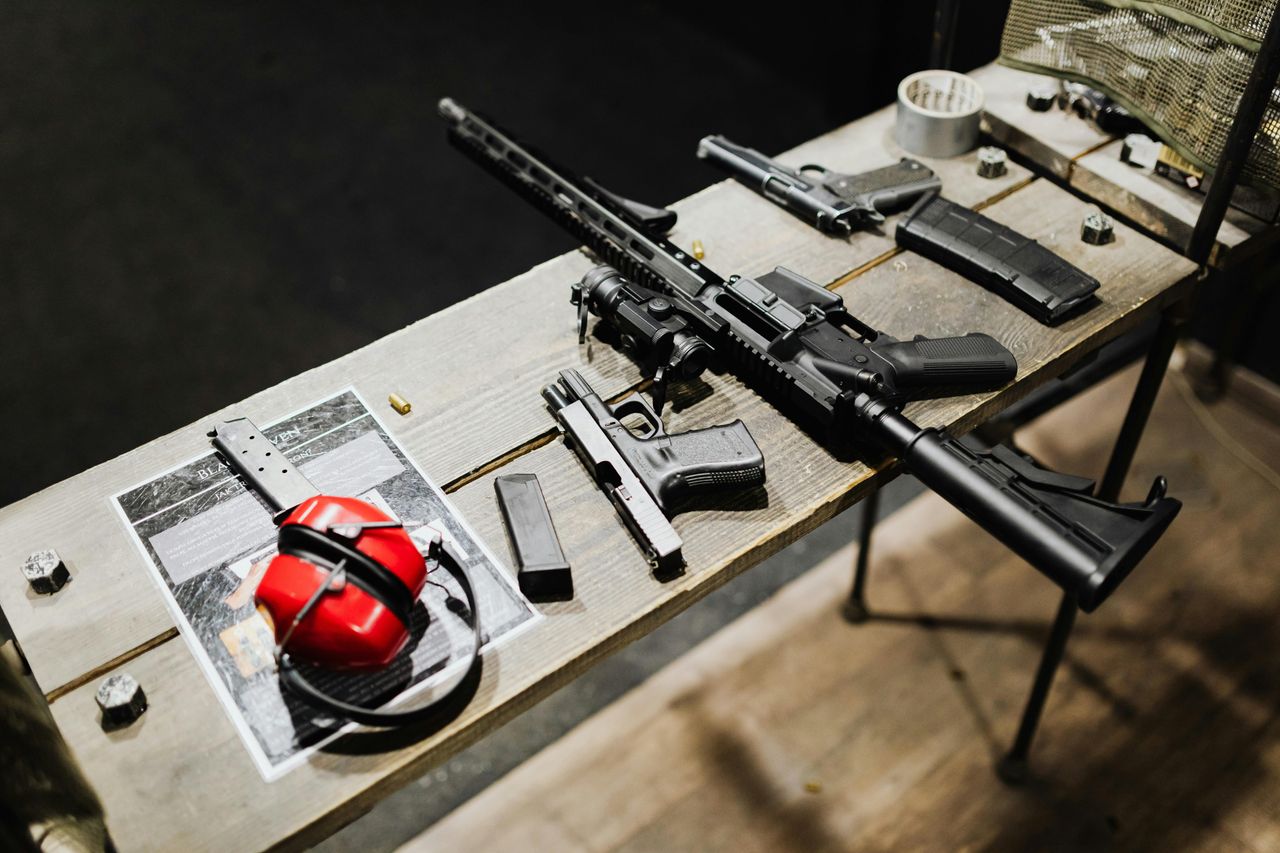
Some pistols earn a near-mythic reputation for running forever, no matter what. But ask enough owners, armorers, and range regulars, and a more complicated story starts to emerge. This gallery explores nine widely trusted handguns and the less glamorous issues that often surface only after the honeymoon period ends.
Glock 19
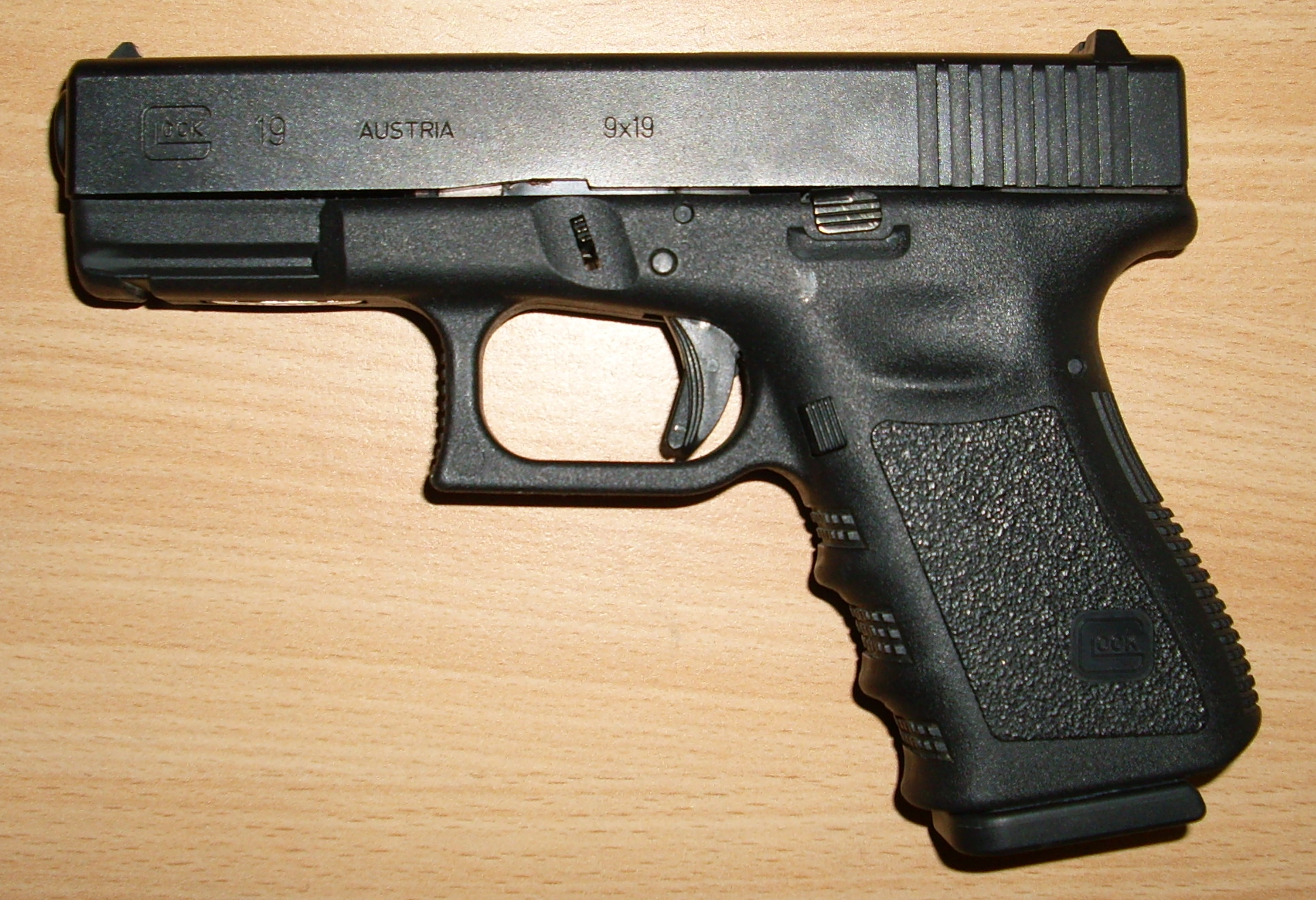
The Glock 19 is the default answer in countless reliability debates, and for good reason. It has a long track record, broad parts support, and a reputation for running under neglect that few pistols can match in the public imagination.
The dirty secret is that many owners quietly spend time and money fixing what they do not love about it. The trigger feel, factory sights, grip angle, and occasional ejection complaints have inspired an entire aftermarket ecosystem.
That does not make it bad. It just means “reliable” and “perfect out of the box” are not the same thing, even for the industry’s benchmark compact.
SIG Sauer P320

The P320 built its reputation on modularity, modern design, and major institutional adoption. Owners often praise its accuracy and easy-to-swap grip modules, which helped it stand out in a crowded striker-fired market.
Its uncomfortable secret is that reliability talk around the gun often gets overshadowed by endless discussion of safety controversies, drop-fire history, and trust. Even after design updates, that cloud never fully left the conversation for many buyers.
For some owners, the issue is not whether their pistol runs at the range. It is whether complete confidence can ever return once a gun’s reputation takes a hit that public.
Smith & Wesson M&P Shield

The M&P Shield became a concealed-carry staple because it is slim, familiar, and generally dependable. It filled a sweet spot for people who wanted something flatter than a duty pistol without moving to a tiny pocket gun.
The part owners do not always brag about is how quickly a small, lightweight pistol exposes compromise. Recoil can feel snappy, practice sessions get fatiguing, and some shooters discover they simply shoot it worse than a larger handgun.
That matters because practical reliability is more than whether the gun cycles. If it is unpleasant enough to discourage training, the dependable carry choice can become the gun that spends more time untouched than trusted.
Springfield Hellcat
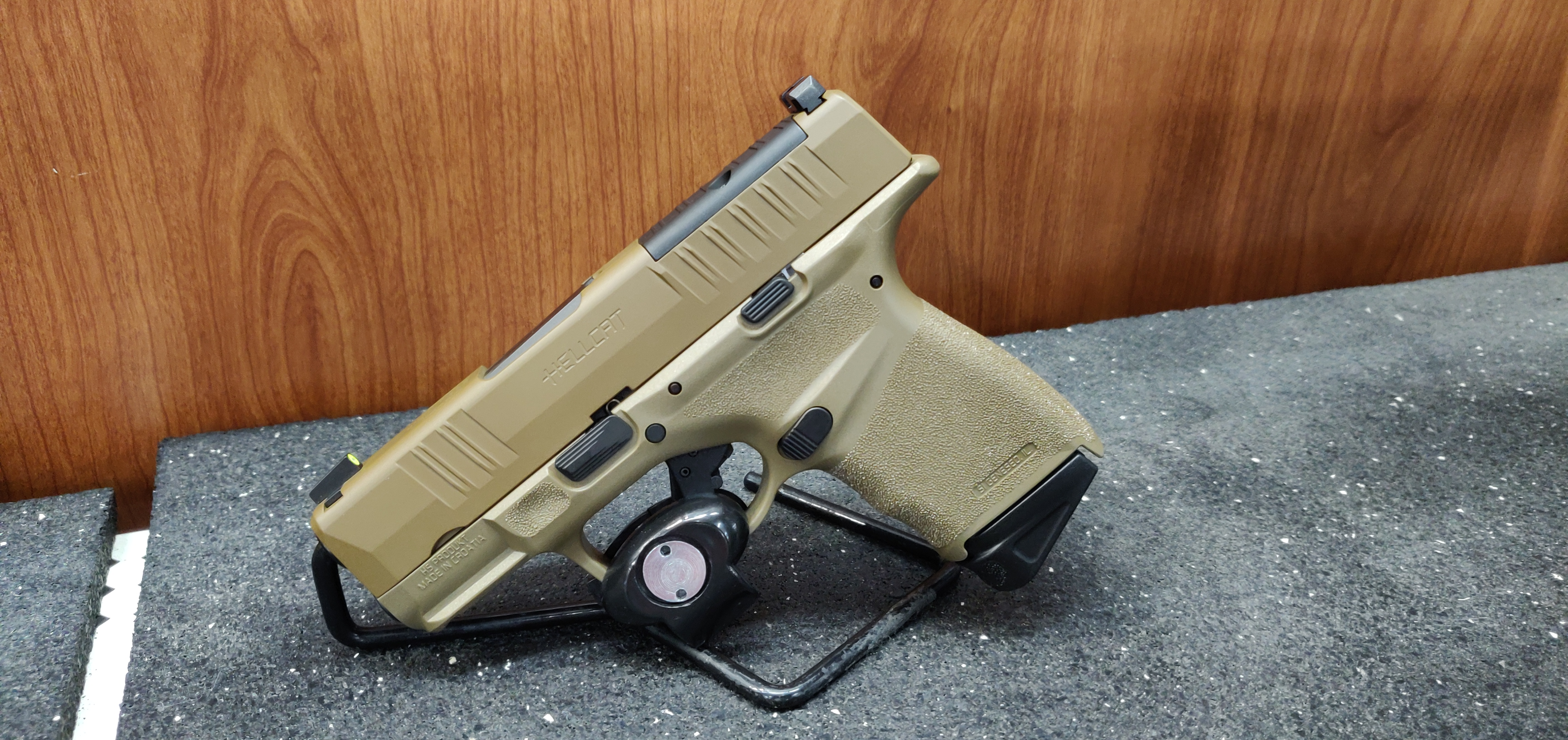
The Hellcat arrived with big capacity for its size and quickly won fans who wanted maximum rounds in a very compact package. On paper, it looked like the answer to every old complaint about low-capacity carry pistols.
What owners often admit later is that tiny high-capacity guns can be demanding to shoot well. The Hellcat’s abbreviated grip and energetic recoil impulse can turn fast follow-up shots into more work than the brochure suggests.
There is also the maintenance reality of a pistol carried daily in close contact with sweat, lint, and pocket debris. Reliable on the range is one thing. Reliable after months of real-world carry without careful upkeep is the quieter challenge.
SIG Sauer P365

The P365 changed the concealed-carry market by proving a very small pistol could hold far more ammunition than buyers had come to expect. It felt like a category reset, and rivals spent years chasing the formula.
Its dirty little secret is that early adopters learned the hard way that revolutionary products sometimes mature in public. Reports of striker issues, breakage, and inconsistent early production colored owner conversations long after newer guns improved.
Even today, the pistol’s huge success can drown out a simple truth: many owners keep careful track of production runs, upgrades, and small parts because they remember the launch period better than the marketing does.
Ruger LCP
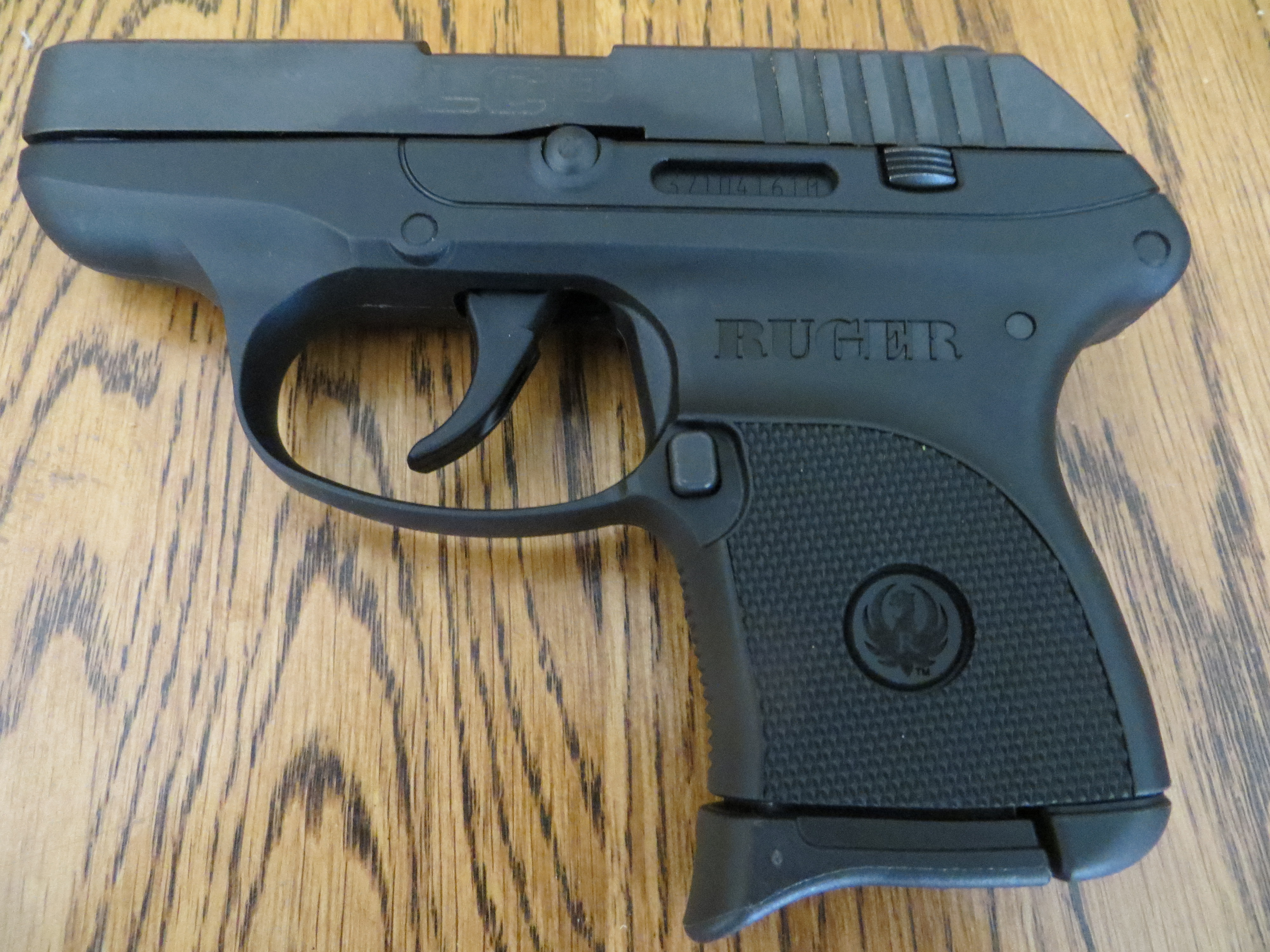
The Ruger LCP earned loyalty by being a gun people would actually carry. It is light, thin, and easy to slip into a pocket when a larger handgun feels unrealistic for the day.
The secret owners know is that extreme convenience often comes with extreme compromise. Tiny sights, a minimal grip, a long trigger pull, and sharp recoil can make practice feel more like obligation than enjoyment.
That is where the reliability conversation gets slippery. A pistol may function mechanically, yet still be hard to shoot accurately and consistently under stress. For many owners, the LCP’s real weakness is not breakdowns. It is how much skill and patience it asks from the person behind it.
Beretta 92FS
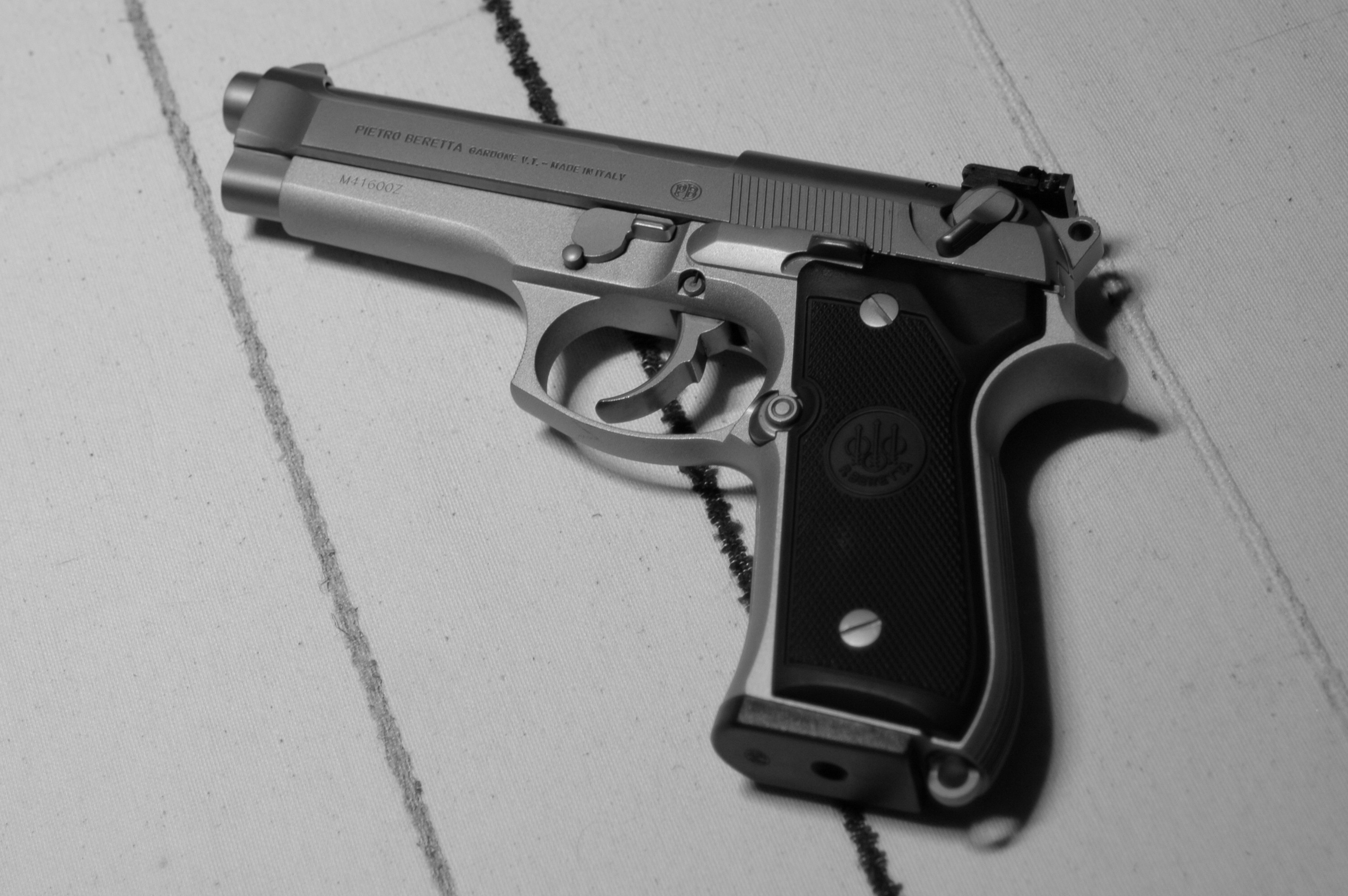
The Beretta 92FS has one of the most recognizable profiles in the handgun world, and its reputation for smooth shooting is well earned. Many owners love the soft recoil, classic styling, and long service history.
The less glamorous truth is that this full-size metal pistol asks more of the user than modern marketing trends usually celebrate. It is large, its controls can feel dated to some hands, and the slide-mounted safety still frustrates people who want a simpler manual of arms.
Reliability is rarely the issue people mention first. The secret is that many owners quietly accept its size and complexity because they adore how it shoots, not because it is the easiest pistol to live with every day.
CZ P-10 C

The CZ P-10 C earned praise as a serious competitor to the best-known striker-fired compacts. Shooters often point to its ergonomics, crisp trigger feel, and shootability as reasons it deserves more attention.
But the quiet complaint around some examples has been inconsistency in the finer details. Stiff magazines, a stubborn slide stop, and a rough break-in period have all shown up in owner chatter often enough to become part of the pistol’s folklore.
None of that ruins the platform. Still, the dirty secret is that a gun praised for feeling refined can sometimes require more patience than expected before it starts living up to that polished first impression.
Taurus G3C

The Taurus G3C attracts buyers with its value proposition. It offers a modern feature set, decent capacity, and an approachable price that can make first-time gun owners feel they are getting a lot for their money.
Its dirty secret is that affordability always invites questions about quality control, long-term durability, and confidence. Even when an individual example runs fine, the brand’s historical baggage can linger in the owner’s mind more than they care to admit.
That creates a strange kind of reliability debate. Some users report thousands of trouble-free rounds, while others remain cautious simply because trust in a defensive pistol is emotional as much as mechanical, and reputations are hard to shake.