When you step into the wild, survival is not just about having the right tools but also about knowing how to use the natural world to your advantage. Bushcraft teaches you to work with your environment instead of against it, whether you are building shelter, finding food, or starting a fire. By mastering simple but powerful techniques, you can turn nature into your greatest ally. Here are ten bushcraft secrets that can transform the way you thrive outdoors.
Using Natural Shelter Materials
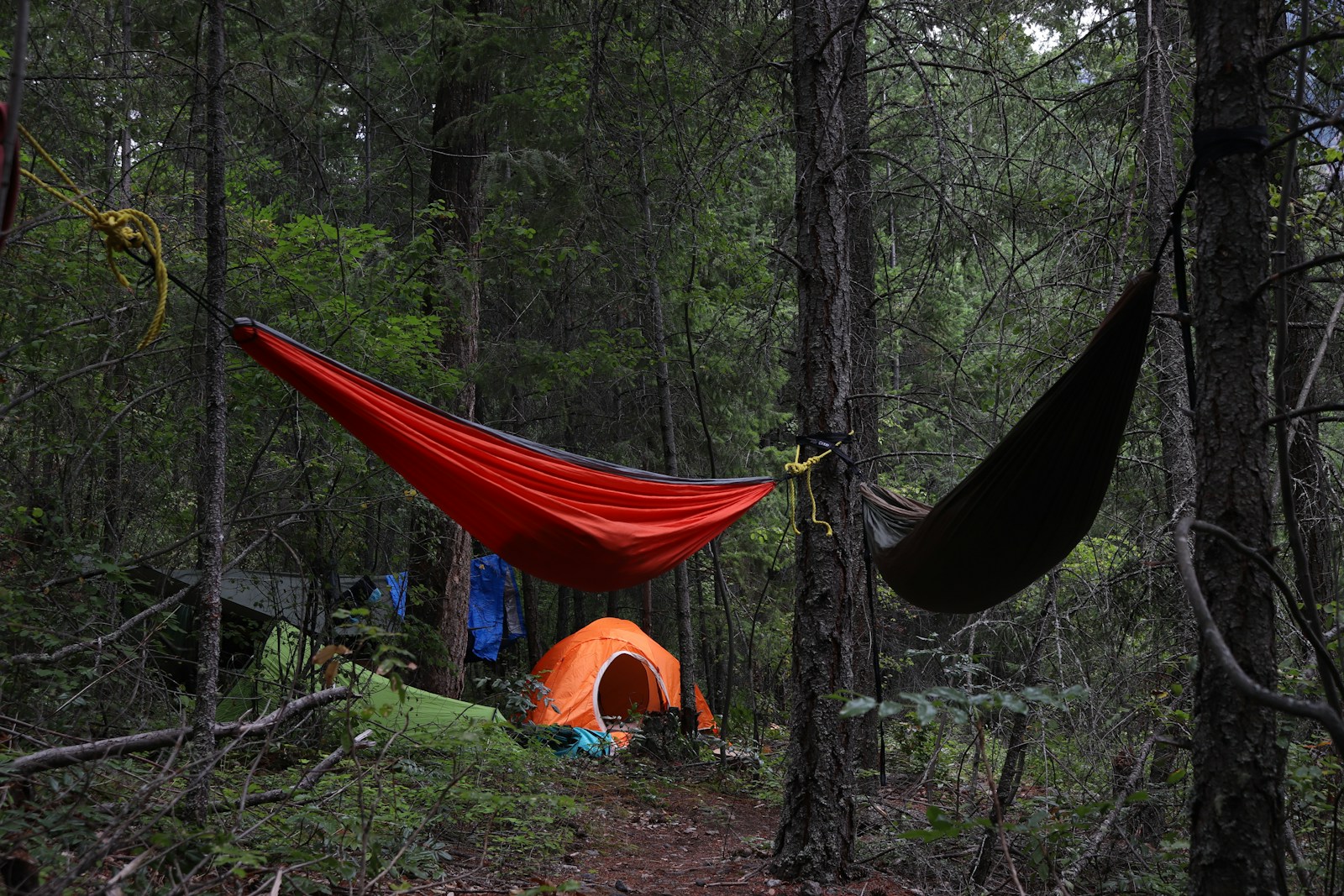
You do not always need a tent to stay safe from the elements. Fallen branches, leaves, and pine needles can be shaped into lean-tos or debris shelters that block wind and hold warmth. Using local materials saves energy and blends your shelter into the environment. This skill ensures you can stay dry and protected in almost any condition.
Finding Direction Without a Compass

When technology fails, nature still gives you clues about where you are. Moss often grows on the north side of trees in shaded forests, while the sun’s arc can help you estimate east and west. At night, the North Star remains a reliable guide in the northern hemisphere. These tricks allow you to navigate without modern tools.
Making Cordage From Plants
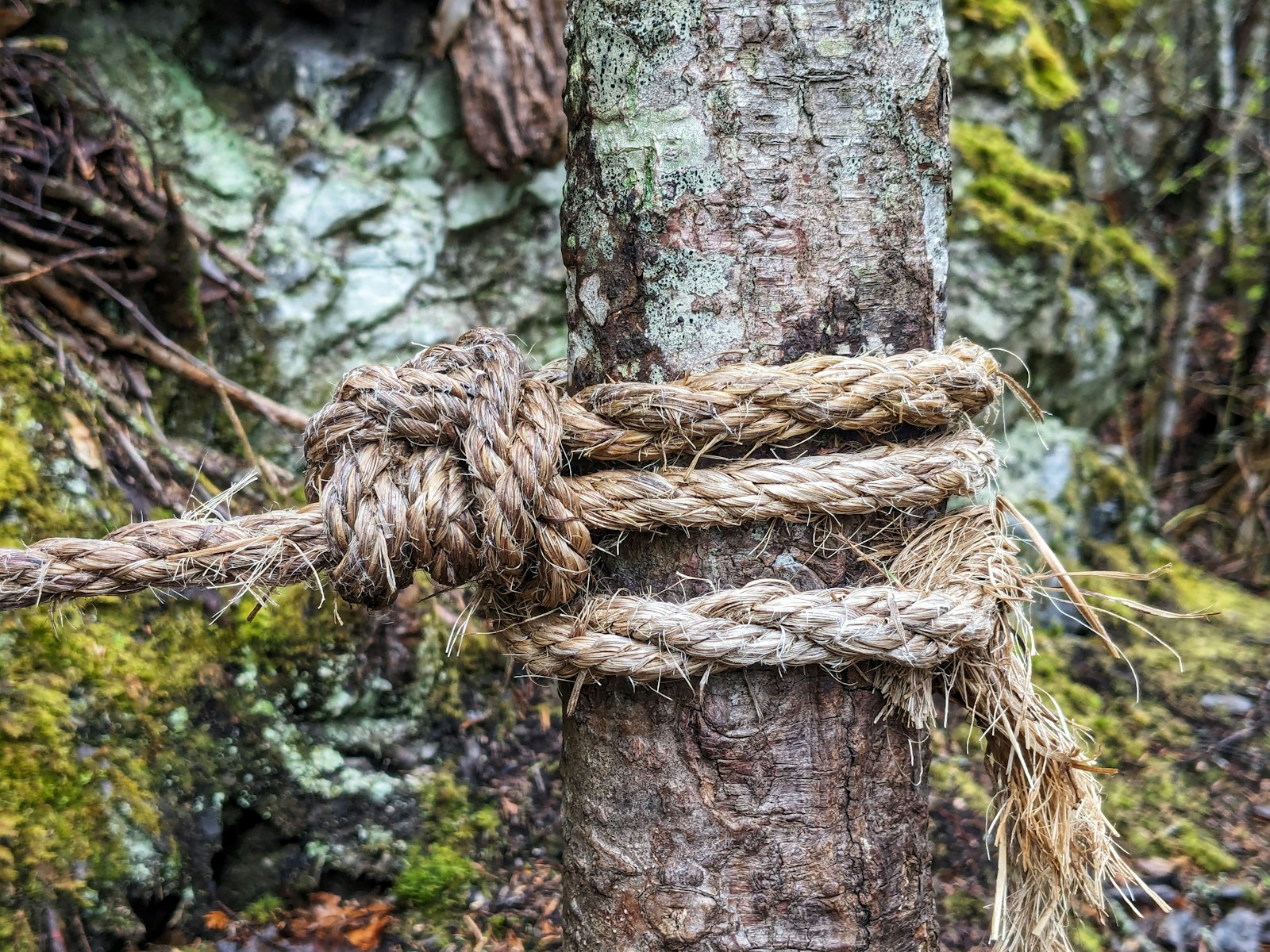
Strong cord is one of the most useful items in the wild, and you can make it from plants like yucca, nettle, or inner bark fibers. By twisting and braiding the strands, you create durable cordage for tying shelters, traps, or tools. This technique saves you from carrying extra gear. Once mastered, it becomes an essential survival skill.
Reading Animal Tracks for Clues
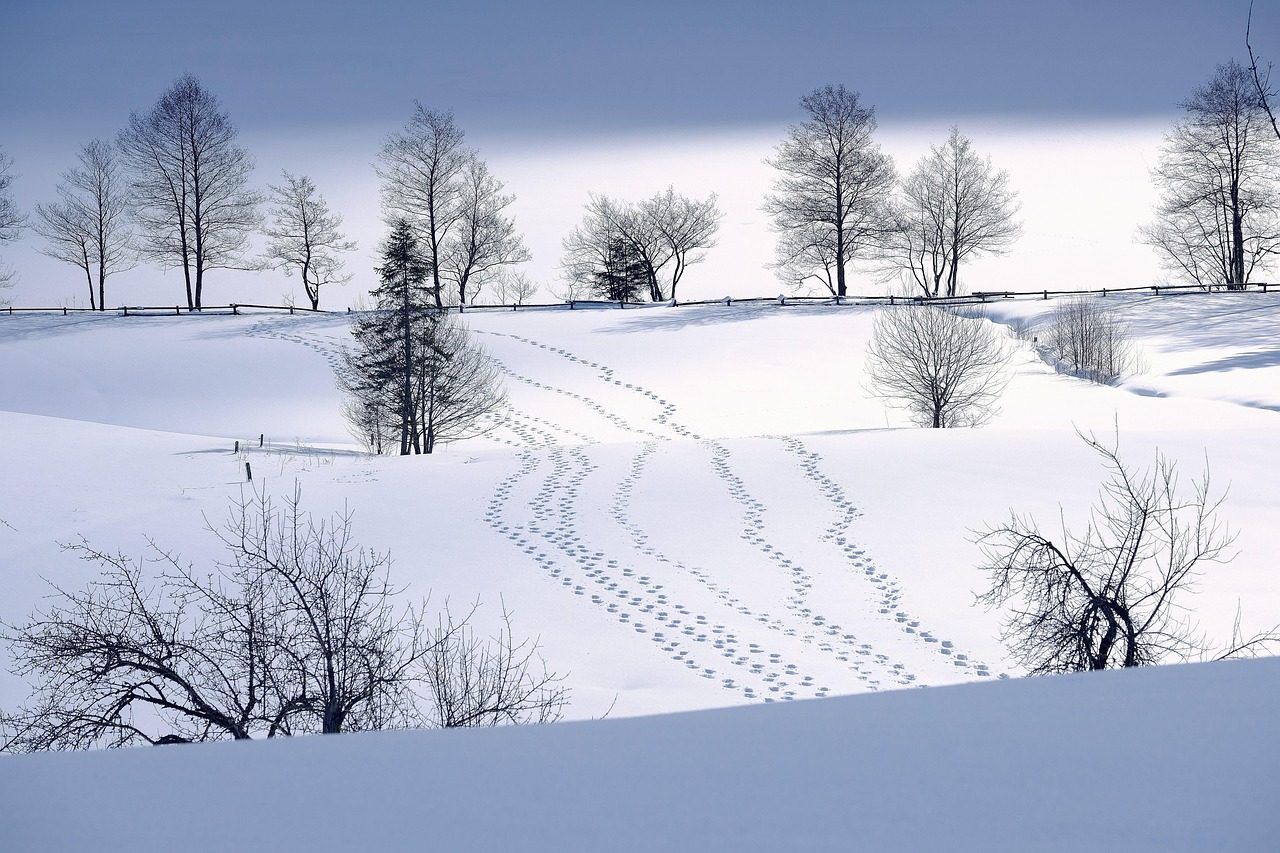
Animal tracks are more than footprints, they reveal water sources, food, and even safe paths. Following deer trails can lead you to streams, while small bird activity might hint at nearby berries. Learning to read these signs connects you to the rhythm of the wild. It also helps you track game if hunting becomes necessary.
Building Fire with Natural Tinder
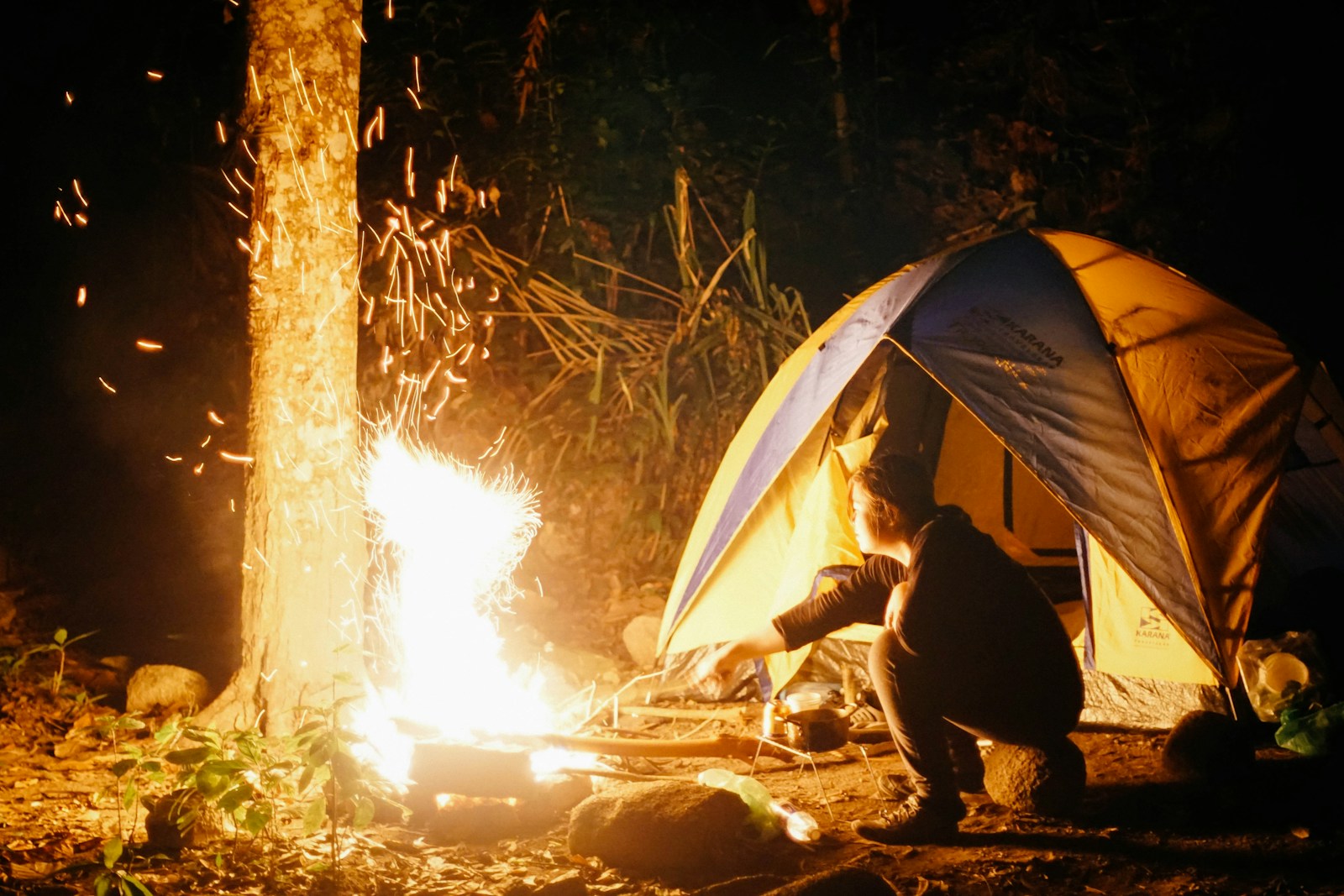
Even without matches or lighters, fire is possible if you know where to look. Birch bark, dry grasses, and pine resin catch sparks easily and burn hot. Combining them with friction fire techniques or flint and steel makes fire-starting much simpler. Natural tinder ensures warmth, cooking, and safety in challenging environments.
Using Rocks as Tools
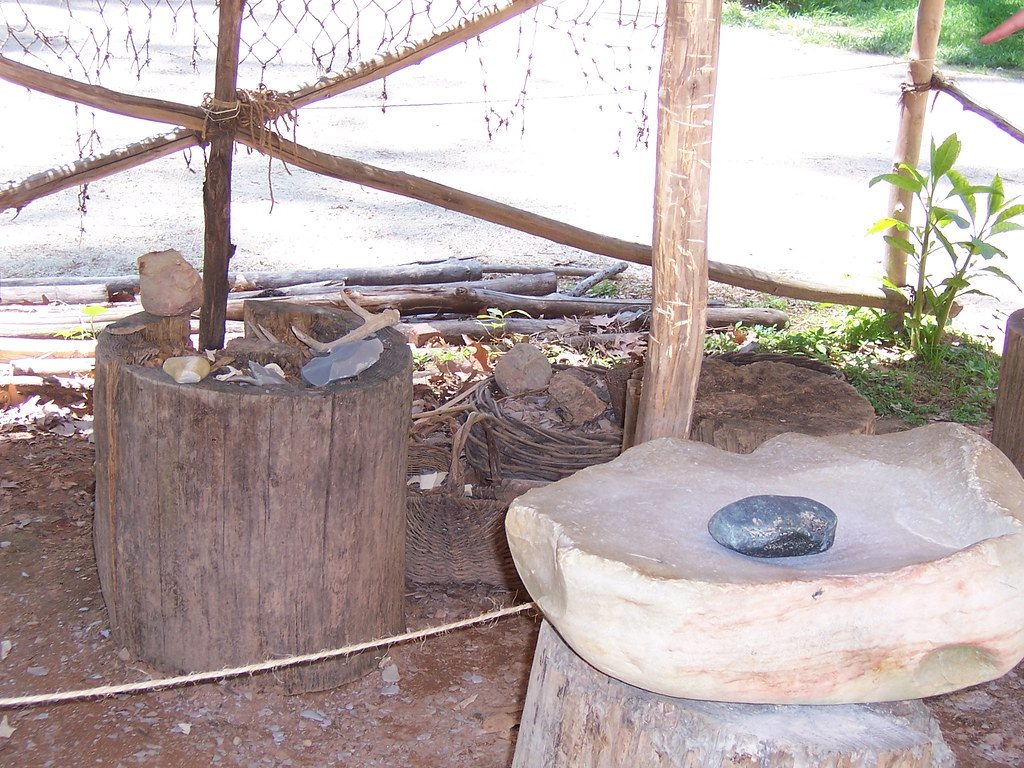
Sharp-edged rocks can serve as knives, scrapers, or even hammers in the absence of metal tools. With a bit of shaping, you can cut cordage, clean fish, or process wood. Rocks are abundant and reliable, giving you a backup option when your gear fails. This ancient skill keeps you resourceful in the wild.
Collecting Water from Plants

Plants like bamboo, vines, and even certain trees can provide drinkable water. By cutting them carefully, you can collect fresh sap or condensation. Large leaves can also be used to funnel dew into containers. Knowing these tricks helps you stay hydrated without relying solely on rivers or streams.
Creating Natural Camouflage
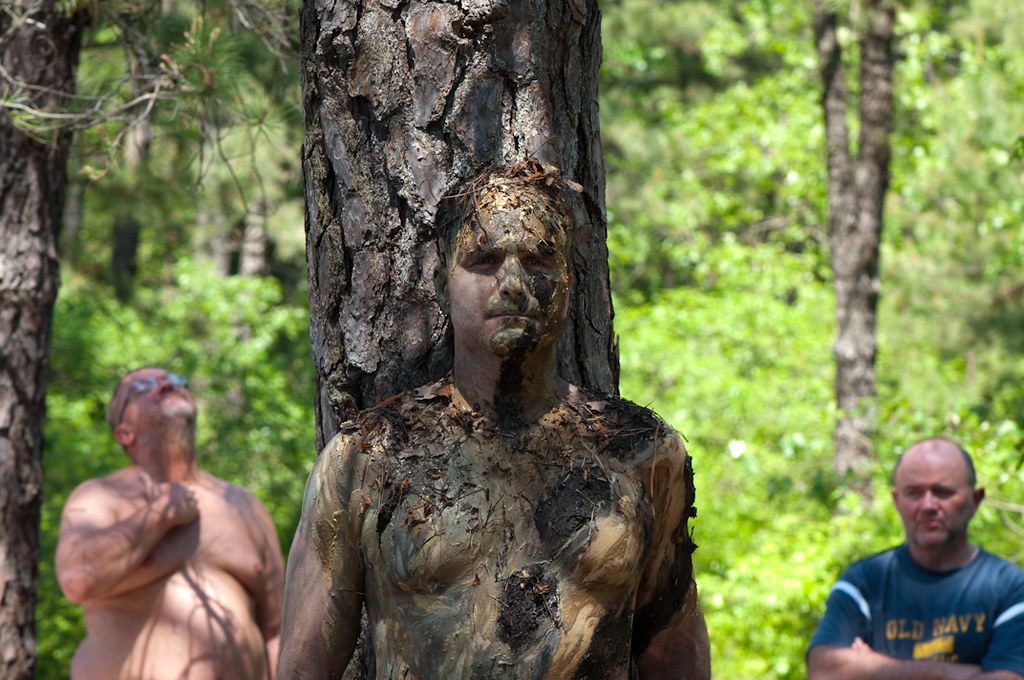
Nature offers everything you need to blend into your surroundings. Mud, leaves, and branches can conceal you from wildlife if you are hunting or observing. Camouflage also helps you protect your camp from unwanted attention. This skill makes you less noticeable while keeping you in harmony with the environment.
Harnessing Wind and Shade for Comfort

Instead of fighting the elements, use them to your advantage. Positioning your shelter to block wind or choosing shaded areas during hot days keeps you more comfortable. Understanding microclimates, like cooler valleys or warmer south-facing slopes, helps you save energy. These small adjustments can make survival much easier.
Using Plants for First Aid
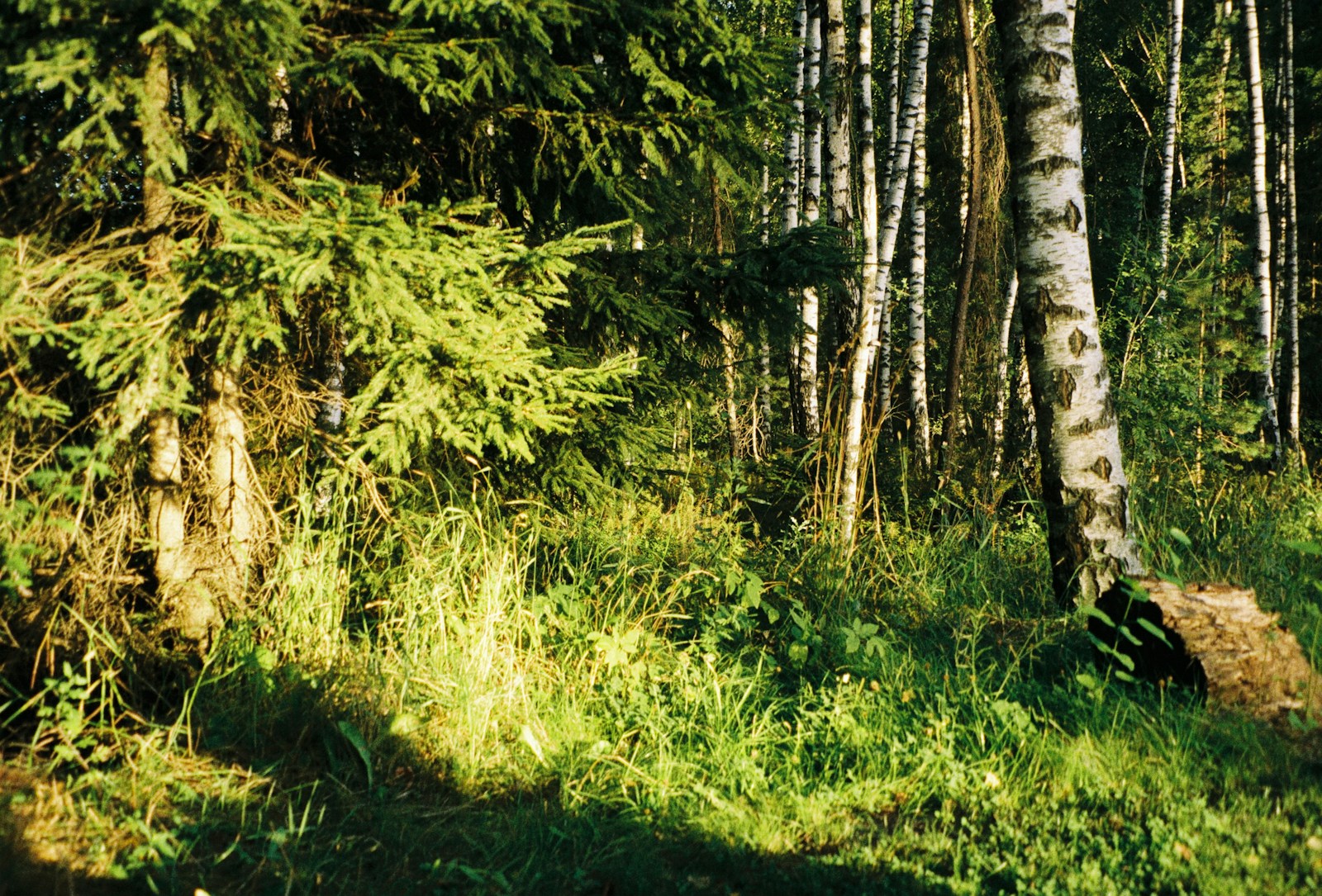
The wild is a natural pharmacy if you know where to look. Aloe can soothe burns, plantain leaves help with insect bites, and yarrow can stop minor bleeding. While you should learn to identify them properly, these remedies can provide quick relief when medical supplies are far away. Using plants for first aid turns nature into your healer.