Getting a Colorado elk tag used to feel hard. Now it feels like homework, strategy, and luck all rolled into one.
That is not hunters imagining things. The system really is getting tighter.
More hunters are chasing the same dream.
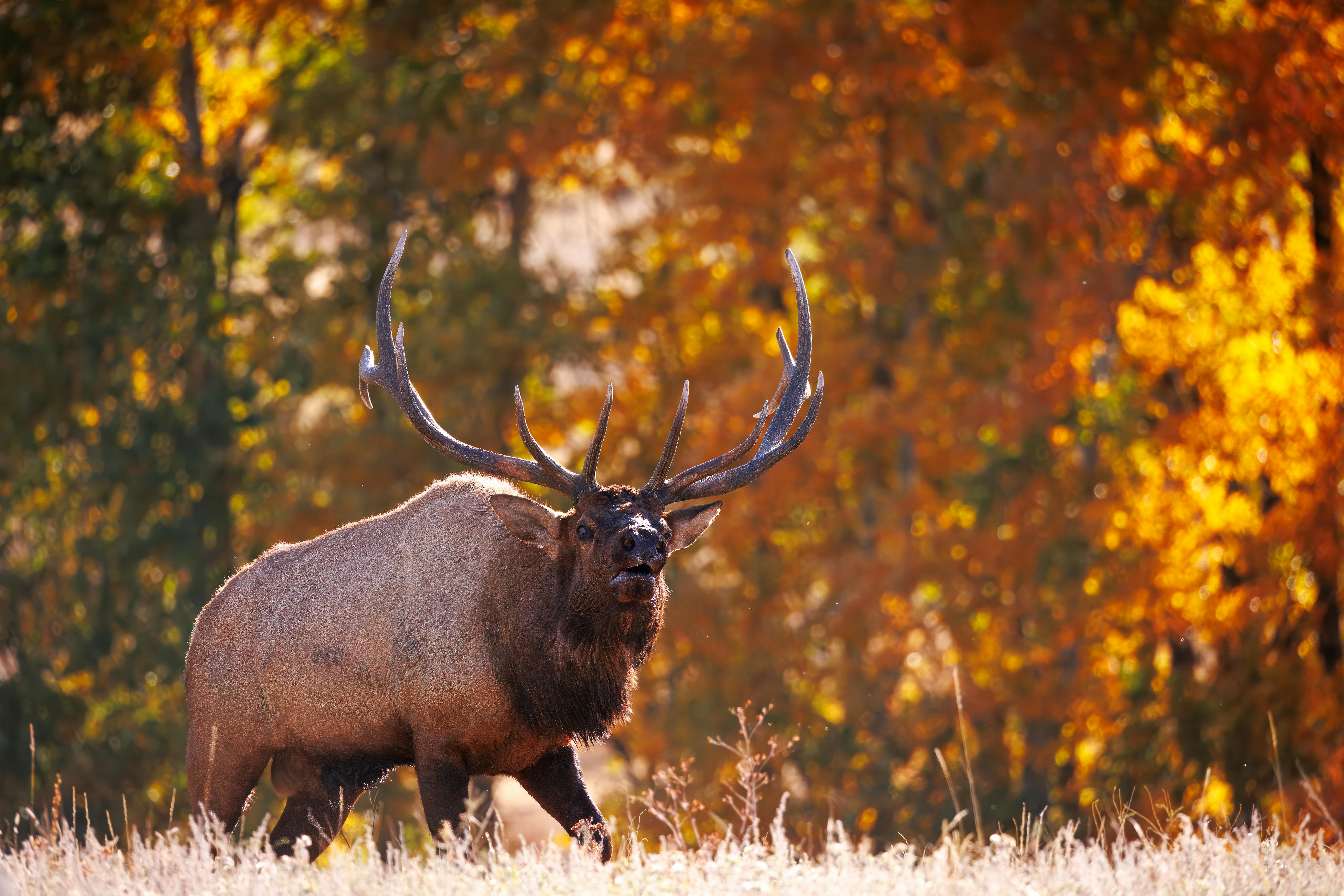
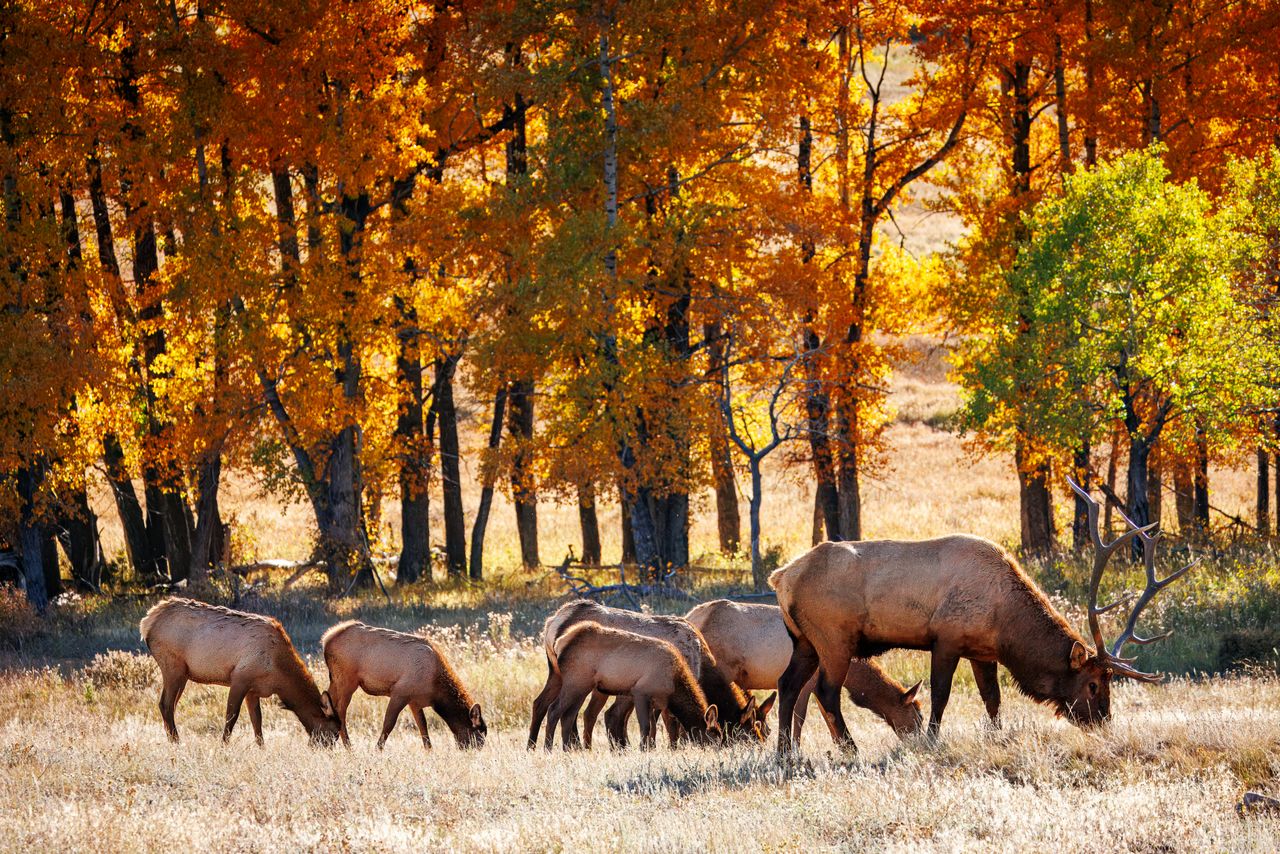
Colorado remains the biggest name in elk hunting for one simple reason: it has the animals. Colorado Parks and Wildlife says the state has the largest elk population in the world, with more than 280,000 animals, and its elk pages still market the state as the place many hunters look first when they want a realistic western elk trip. That reputation has become a magnet.
The problem is that reputation keeps feeding demand faster than the state can expand opportunity. CPW’s elk statistics page makes clear that every year, hunters can review how many licenses were available, how many people applied, and how many actually drew. Even without digging into every hunt code, the pattern is obvious across the state: application pressure keeps building.
Colorado also became the fallback plan for a lot of western hunters. In many states, elk tags are already difficult, expensive, or both. So when hunters strike out elsewhere, they look at Colorado as the one state that still offers scale, access, and at least some chance to hunt every year. Once enough people adopt the same backup plan, the backup stops being easy.
That is why draw odds shrink even when elk still exist in strong numbers. A healthy elk population does not automatically mean a healthy supply of tags. What matters is how many people want the same license in the same unit during the same season, and that number keeps climbing.
Limited licenses are doing exactly what they were designed to do.
A lot of hunters talk about poor draw odds as if they are a glitch. They are not. They are the result of a management system that intentionally limits pressure in specific game management units and seasons.
CPW explains that limited licenses work by setting a fixed quota for each hunt code in each game management unit. Hunters apply through the primary draw, and those licenses are capped. Once demand rises beyond that cap, the math gets ugly fast. It does not take a collapsing elk herd to make a hunt hard to draw. It only takes more applicants than available tags.
That design exists for good reasons. Managers are not only balancing elk numbers. They are also balancing sex ratios, age structure, harvest pressure, crowding, land access, migration timing, and local herd objectives. In some places, CPW has actually reduced antlerless harvest as herds approach or fall below objectives, especially in parts of southwest Colorado. When those adjustments happen, fewer licenses enter the system.
Hunters often focus on the tag they want, while biologists focus on the herd they need to manage over several years. Those are not always the same thing. If a unit needs fewer harvests, or a different mix of harvests, tag numbers tighten. The draw gets harder, not because the state wants to frustrate hunters, but because license supply is being used as a management tool.
Preference points create a line that keeps getting longer
Colorado’s primary draw is still driven mainly by preference points. CPW states it plainly: limited license priority goes to applicants with the most points, except where quotas, nonresident caps, or hybrid rules intervene. That sounds fair on paper, but in practice, it creates a classic backlog problem.
Every year, many hunters who do not draw gain another point and come back stronger the next year. The trouble is, they are joining an already stacked line of hunters who have been doing the same thing. When demand grows faster than license supply, point creep takes over. A tag that once took 2 points may take 3, then 4, then 5, without anything dramatic changing on the ground.
This is the part that frustrates new hunters most. They are not only competing against this year’s applicants. They are competing against years of accumulated demand. In effect, they are trying to enter a line that has been growing for a decade.
Even experienced hunters get trapped by the system. Some keep banking points while waiting for the perfect unit, only to watch that dream hunt move farther away. Others settle for lesser choices because they realize the premium tags are drifting out of reach. The result is a strange market where even average elk licenses can become difficult simply because hunters are constantly repositioning within the same crowded queue.
The nonresident archery change shifted pressure across the board
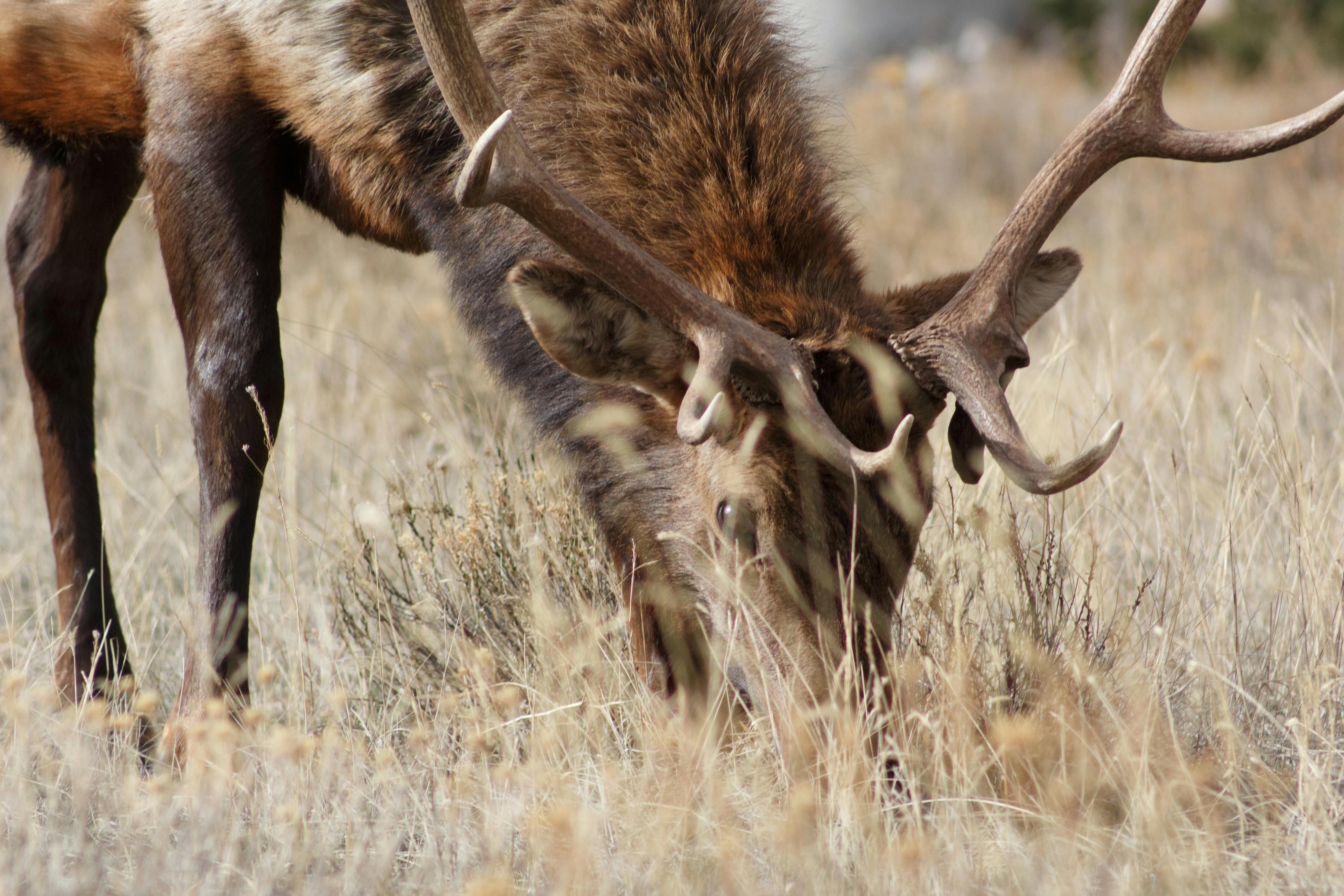
One of the biggest recent changes came when Colorado eliminated over-the-counter archery elk licenses for nonresidents in game management units west of I-25 and GMU 140. CPW says the decision was made to address crowding, and the state replaced that old unlimited system with new limited nonresident archery hunt codes in the draw.
That single policy shift matters because nonresident demand in Colorado is enormous. CPW says about 13,000 OTC archery elk licenses were sold to nonresidents in 2024, and an April 24, 2026 memo to the Parks and Wildlife Commission says the 2025 quotas for the new nonresident archery hunts were set at 12,415 licenses based on 2024 demand. During the primary draw, 64% of those licenses were awarded.
In other words, a major pool of hunters that once had broad OTC access was redirected into quota-based hunts. That may help crowding in certain places, but it also pushes more people into the draw mindset. Some will draw. Some will move to leftovers or secondary options. Some will shift to rifle hunts, private land, or different units. Pressure does not disappear. It redistributes.
That redistribution affects residents too, even when a rule targets nonresidents. Once hunters are forced to adapt, they spread out across the system. A change meant to fix one bottleneck can easily tighten three more.
Residents and nonresidents are competing inside stricter rules
Colorado is not an open-door system anymore, especially once you start looking at how tags are allocated. CPW says that for hunt codes in the primary draw requiring fewer than 6 resident points for elk or deer, up to 25% may go to nonresidents. For tougher tags, the nonresident share is even lower. That helps residents, but it also makes the competition inside each pool more intense.
From the resident side, hunters often assume smaller nonresident caps should make tags easier to draw. Sometimes they do. But if resident demand is also surging, those gains disappear quickly. A smaller nonresident slice does not solve the bigger issue, which is that more Colorado hunters are applying hard every year too.
From the nonresident side, the cap creates fierce compression. More people chase fewer tags, especially in recognizable units with public land access and a reputation for quality bulls. That drives up point requirements, pushes applicants into second and third choices, and increases pressure on units that used to be considered backup options.
This is why everybody feels squeezed at once. Residents feel like their home-state opportunity is eroding. Nonresidents feel like access is getting rationed. Both are right in different ways. The rules have become more structured, and once structure tightens around rising demand, nobody experiences the system as loose or easy anymore.
The easy tags are disappearing, not just the famous ones
When people hear that elk tags are harder to draw, they often picture trophy units. But the real story is broader than that. The hardest hit category is often the ordinary, practical, middle-class hunt: a unit with decent public access, a reasonable success rate, and the possibility of hunting without waiting a decade.
As more premium tags drift out of reach, hunters slide downward into those middle-tier choices. Then those hunts start requiring more points too. That is how draw pressure spreads. It cascades from elite hunts into good hunts, then from good hunts into basic opportunity hunts.
Colorado still has over-the-counter options, including rifle elk for nonresidents and certain archery opportunities east of I-25, according to CPW. But once hunters perceive that OTC opportunity is shrinking, behavior changes immediately. People begin applying sooner, point-building more aggressively, and protecting future options before they vanish. The fear of losing access becomes its own demand engine.
That is why many hunters say tags are getting harder every single year even if they are not applying for glamorous units. The squeeze is not limited to once-in-a-lifetime tags. It is happening in the hunts that regular people once counted on as dependable.
What this means for the future of Colorado elk hunting
The big picture is simple: Colorado elk hunting is not disappearing, but the era of casual certainty is. Hunters now need a strategy. They need to know which seasons fit their goals, which units are likely to point-creep, and when it makes sense to burn points instead of hoarding them.
The state is also in the middle of a broader long-term management framework. CPW’s big game program operates within a 5-year season structure, which means major licensing changes are increasingly deliberate and planned. Hunters should expect more fine-tuning, not less, especially where crowding, herd objectives, and hunter distribution collide.
For residents, that likely means home-state loyalty is no longer enough to guarantee easy access. For nonresidents, it means Colorado remains attractive, but less forgiving than its old reputation suggests. The days of assuming you can just pivot into an elk hunt at the last minute are fading.
So yes, Colorado elk tags are getting harder to draw every single year. More people want in, more licenses are managed tightly, and policy changes are funneling hunters into narrower lanes. The elk are still there. The easy path to them is what is disappearing.