A bushcraft knife can be one of the most useful tools in the outdoors, but it also reveals bad habits almost instantly. Seasoned outdoorsmen tend to notice the same beginner mistakes again and again, especially when safety, control, and knife care are ignored. This gallery breaks down the most common errors so new campers and hikers can build better skills before those habits become problems.
Choosing a knife that is too big
Beginners often assume a bigger knife automatically means more capability. In reality, oversized blades can feel clumsy during classic bushcraft jobs like carving tent pegs, making feather sticks, or preparing kindling with precision. Experienced outdoorsmen usually favor a knife that feels balanced and controllable in the hand, not one that looks dramatic clipped to a pack.
A blade that is too large encourages heavy, inefficient movements and makes fine work harder than it needs to be. It also tires the hand faster, which is when sloppy technique starts to appear. If a knife feels more like a showpiece than a working tool, seasoned campers notice right away.
Using the wrong blade shape for bushcraft tasks
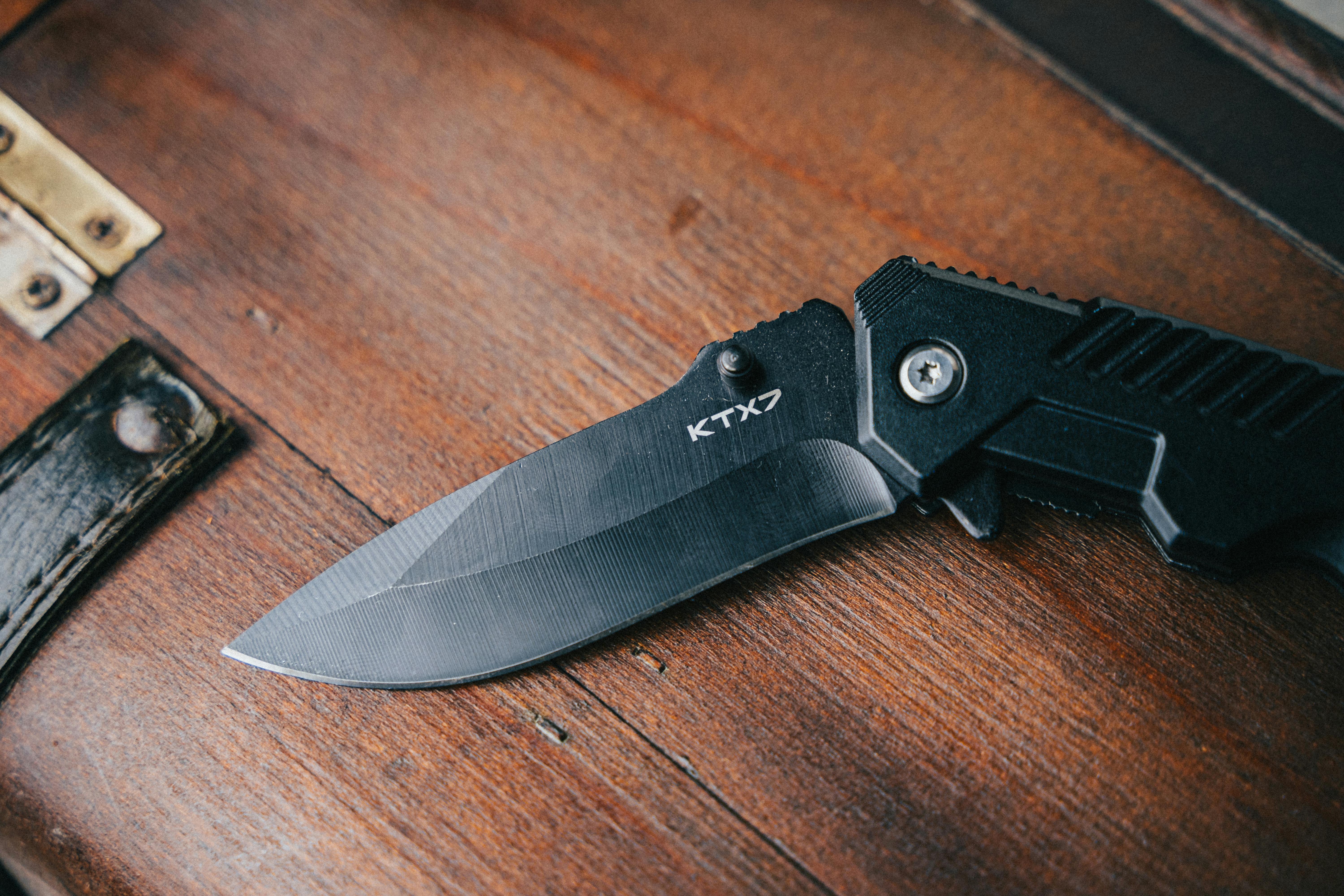
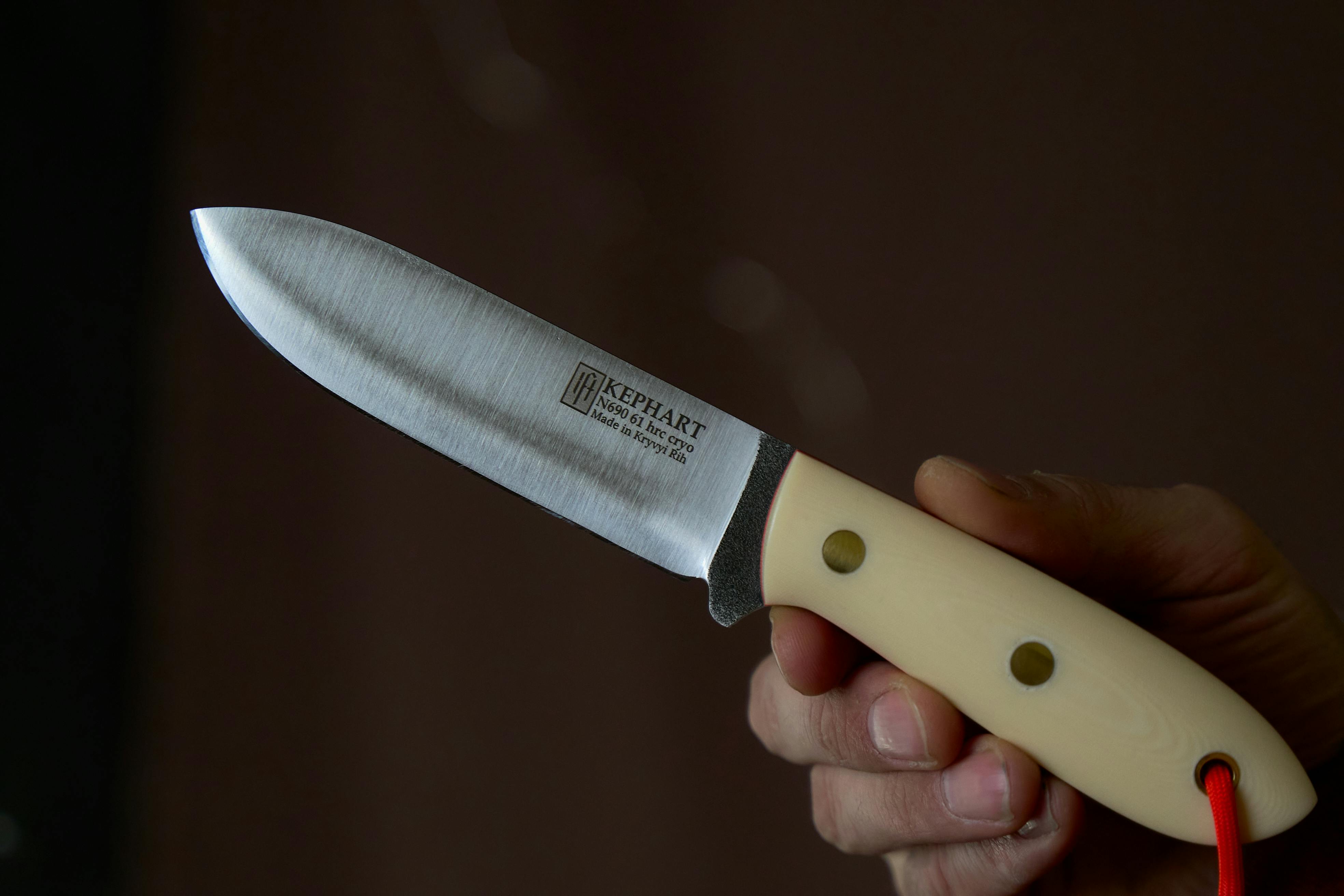
Not every knife profile is built for bushcraft, even if it looks rugged in photos. Beginners sometimes bring a tactical-style blade with an aggressive tip or deep belly, then struggle when trying to carve wood cleanly. Outdoorsmen who spend real time in the woods usually spot this mismatch immediately because the knife fights the task instead of helping it.
Bushcraft rewards simple, practical geometry. A comfortable drop point or a classic Scandinavian-inspired shape tends to offer better control for carving, slicing, and general camp chores. When the blade shape is chosen for style over function, the awkward cuts and repeated repositioning are a dead giveaway.
Ignoring the importance of a comfortable handle

A lot of new knife buyers focus almost entirely on steel, brand, or blade finish while forgetting the part they actually hold. An uncomfortable handle becomes obvious after only a few minutes of carving, especially when hot spots begin forming in the palm. Experienced outdoorsmen can usually tell when someone chose a knife by specs alone and never considered how it feels during repeated use.
Handle comfort matters because bushcraft often involves controlled, repetitive movements rather than quick cuts. A slick, blocky, or overly narrow grip can reduce control and increase fatigue. If someone is constantly adjusting their hold or shaking out their hand, seasoned users recognize the problem immediately.
Trying to baton with a knife that is not suited for it
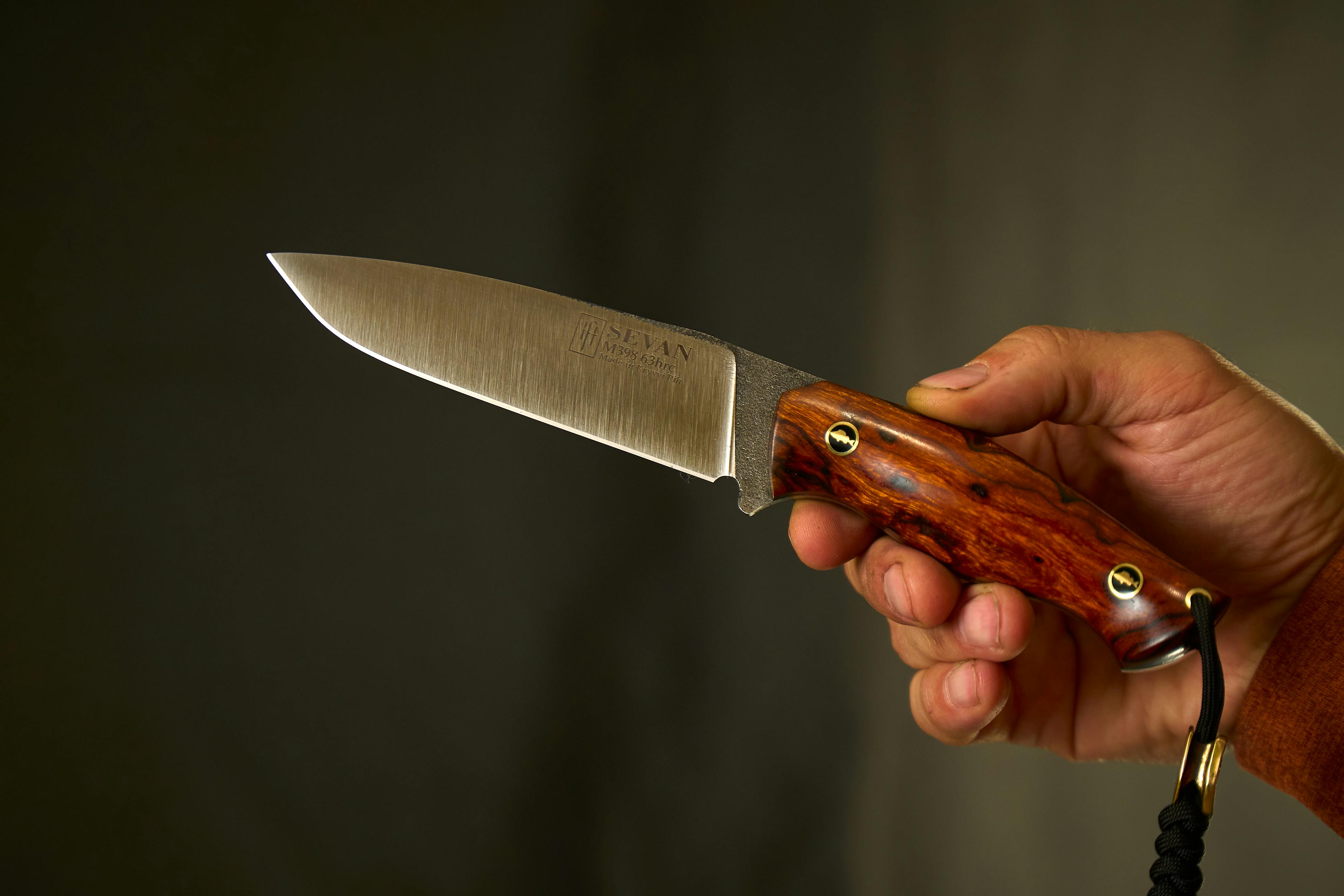
Batoning has become one of those bushcraft skills that beginners rush to imitate, often without understanding when it makes sense. They may use a thin, delicate knife or a folding knife for splitting wood, then act surprised when the tool flexes, binds, or feels unstable. To an experienced outdoorsman, this is one of the quickest signs that someone learned from dramatic videos instead of practical time outdoors.
Batoning can be useful, but only when the knife is robust enough and the wood, angle, and task justify it. Many camp chores do not require it at all. Reaching for baton work as the default solution often signals poor judgment before the first strike lands.
Using unsafe hand positions while carving
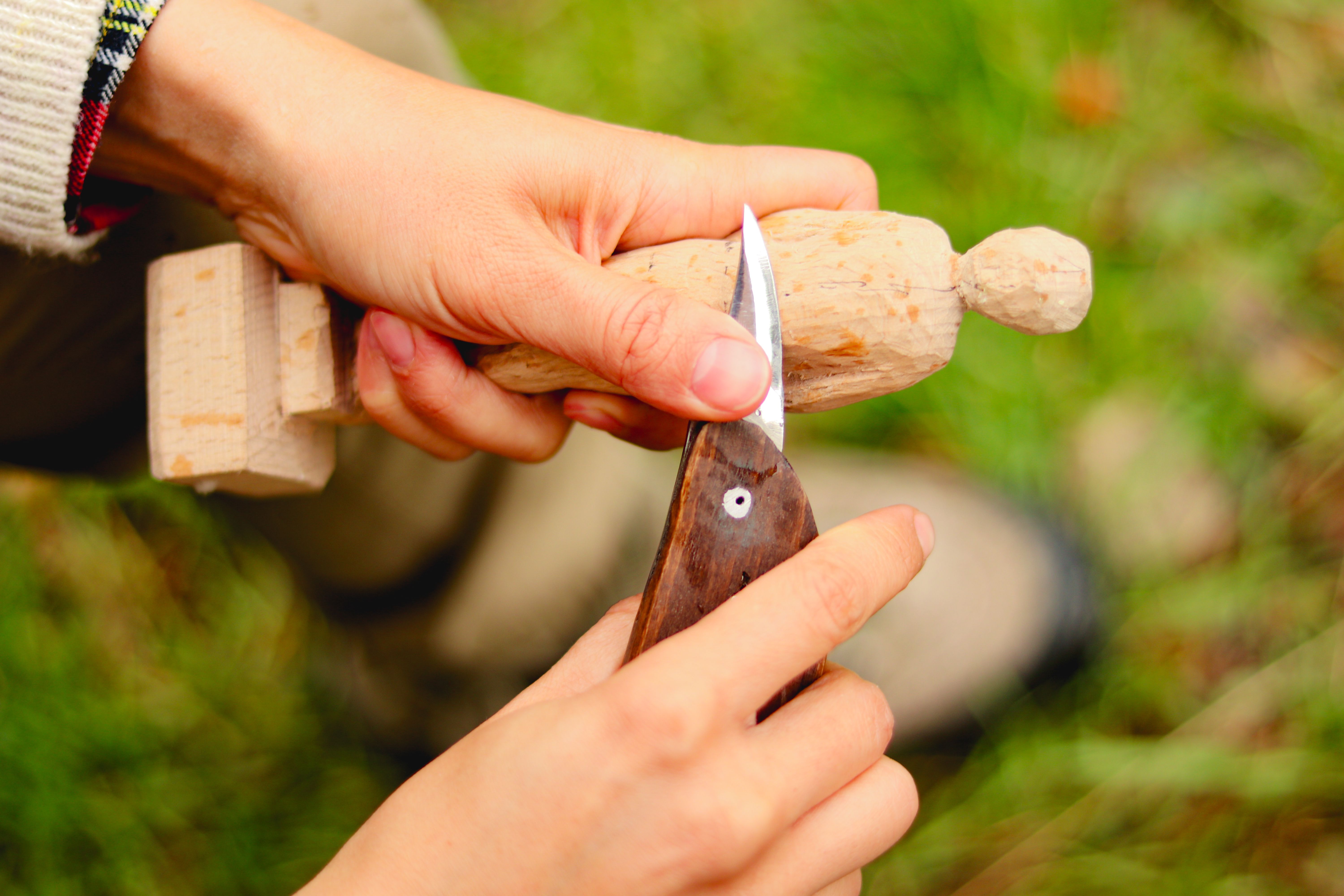
Nothing catches a veteran’s eye faster than careless hand placement. Beginners often carve with fingers in the path of the blade, brace wood against their leg, or pull cuts toward exposed skin without realizing how little room there is for error. The problem is not just technique. It shows a lack of awareness about where the blade will go if the cut suddenly slips.
Good bushcraft knife work looks calm, deliberate, and almost boring, which is exactly the point. Experienced outdoorsmen watch for controlled grips, stable material, and safe cutting angles that direct force away from the body. When someone is one awkward motion away from a nasty gash, it is obvious immediately.
Letting the knife get dull and working harder
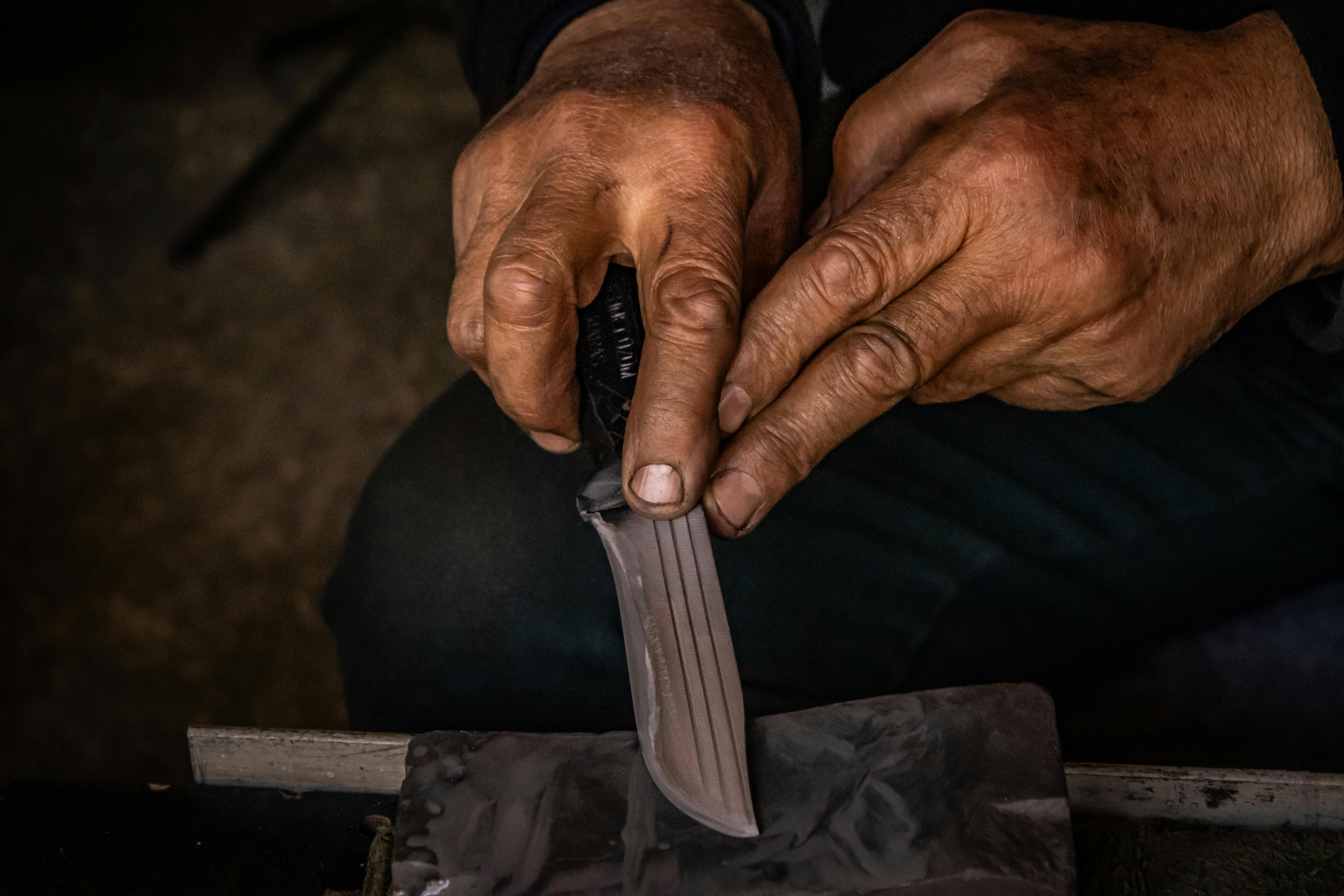
Many beginners think a dull knife is safer because it feels less threatening. In the woods, the opposite is usually true. A dull edge forces extra pressure, tears through wood fibers instead of slicing them, and makes simple camp tasks unexpectedly frustrating. Experienced outdoorsmen can spot this problem from a distance because the user is sawing, twisting, and muscling through cuts that should be smooth.
Sharp knives reward good technique and require less force when used properly. That means better control, cleaner carving, and less fatigue over the course of a day. When someone keeps blaming the material instead of touching up the edge, seasoned users know exactly what is going wrong.
Neglecting basic sharpening skills

Owning a good bushcraft knife is only half the equation. Beginners often invest in quality steel but never learn how to maintain an edge, which means the knife performs worse and worse with each trip. Experienced outdoorsmen usually notice this in conversation before they even see the blade. If someone talks about edge retention like it replaces sharpening altogether, that is a familiar clue.
Field maintenance does not need to be fancy, but it does need to be practiced. A few consistent touch-ups are usually better than waiting until the edge is badly worn and then guessing at the angle. Confidence with a stone or strop says far more about experience than a premium logo ever will.
Using the knife as a pry bar or screwdriver
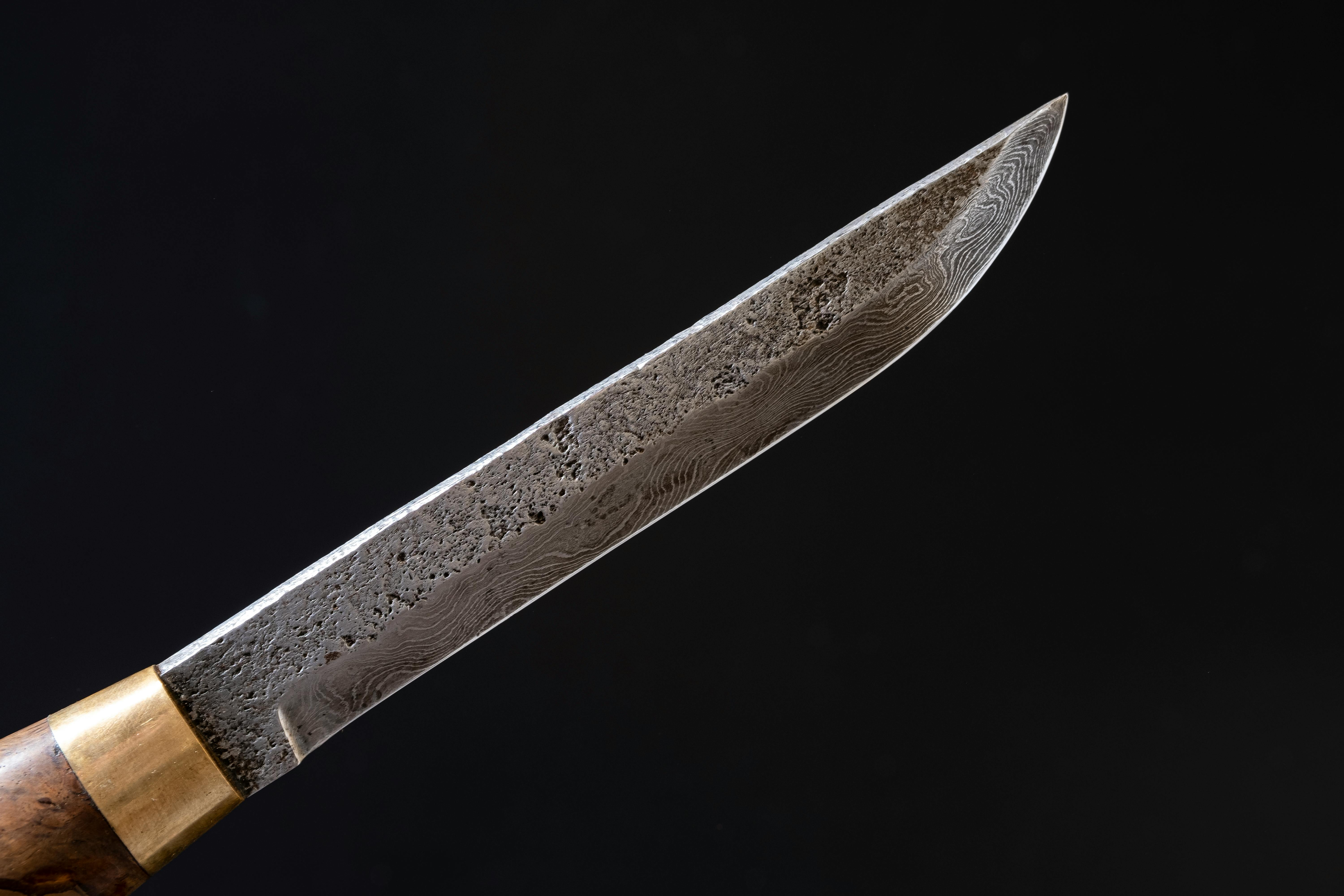
When beginners run into a stubborn task, they sometimes ask the knife to do work it was never designed to handle. They pry open knots, twist the tip into cracks, or use the blade like a flathead screwdriver around camp gear. To seasoned outdoorsmen, this is painful to watch because it risks damaging both the knife and the user in one move.
A bushcraft knife is a cutting tool first, not a general abuse tool. Prying stresses the tip and edge in ways that can chip, bend, or snap steel unexpectedly. Experienced campers tend to carry or improvise the right tool for the job. Treating a knife like a multitool is a very visible beginner habit.
Buying steel for hype instead of real use

Knife steel discussions can pull beginners into a rabbit hole fast. They start chasing super steels, exotic names, and online bragging rights without thinking much about what conditions they actually camp in. Experienced outdoorsmen usually care more about ease of sharpening, toughness, corrosion resistance, and sensible maintenance than a spec sheet that sounds impressive.
A knife that is hard to sharpen in the field or rusts quickly when neglected can become more burden than benefit. Real-world bushcraft tends to reward dependable, practical choices over fashionable ones. When someone knows every steel trend but struggles to maintain a working edge at camp, veterans notice the mismatch right away.
Overlooking the sheath
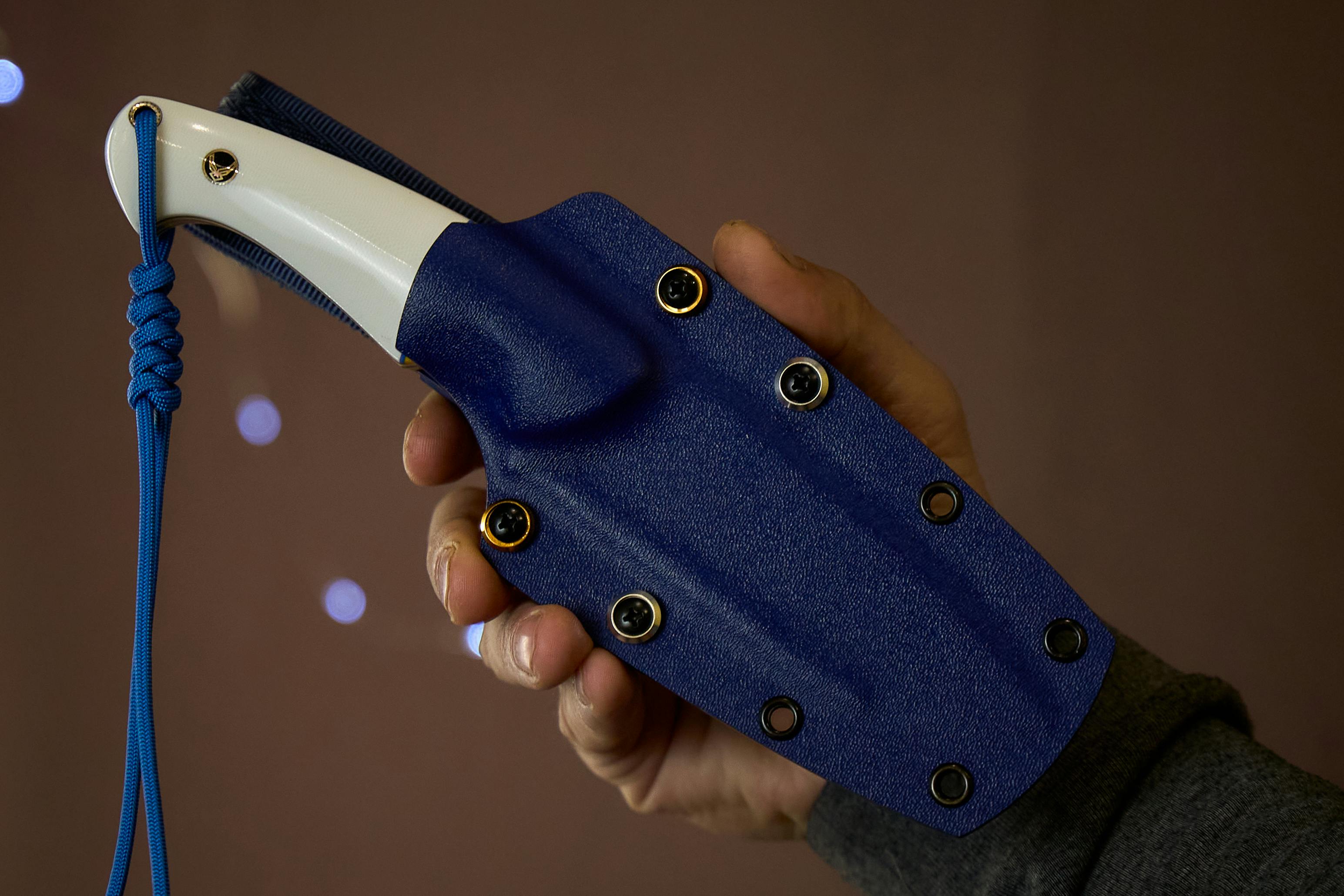
A surprising number of beginners treat the sheath like packaging instead of part of the tool. They focus on the knife, then end up with a loose, awkward, or poorly positioned sheath that rattles on the belt and slows down access. Outdoorsmen who have spent years carrying knives know that a bad sheath becomes irritating quickly and can create real safety issues.
Retention, drainage, comfort, and carry position all matter more in the field than they do in a product photo. A sheath should secure the knife, protect the edge, and let the user draw and re-sheath with confidence. When someone fumbles every time they put the knife away, experienced eyes immediately take note.
Failing to clean and dry the knife after use

Bushcraft knives see hard, messy work. They slice sap-rich wood, cut food, scrape damp bark, and get exposed to rain, sweat, and dirt. Beginners often toss the knife back into its sheath and forget about it until the next outing. Experienced outdoorsmen know that habit can invite rust, stained handles, and sheaths that trap moisture against the blade.
Basic cleaning is not glamorous, but it is one of the clearest markers of respect for gear. Wiping down the blade, drying it thoroughly, and checking for buildup keeps the knife ready for the next trip. Neglect tends to show up fast, especially on carbon steel, and seasoned users spot it immediately.
Thinking the knife can replace skill
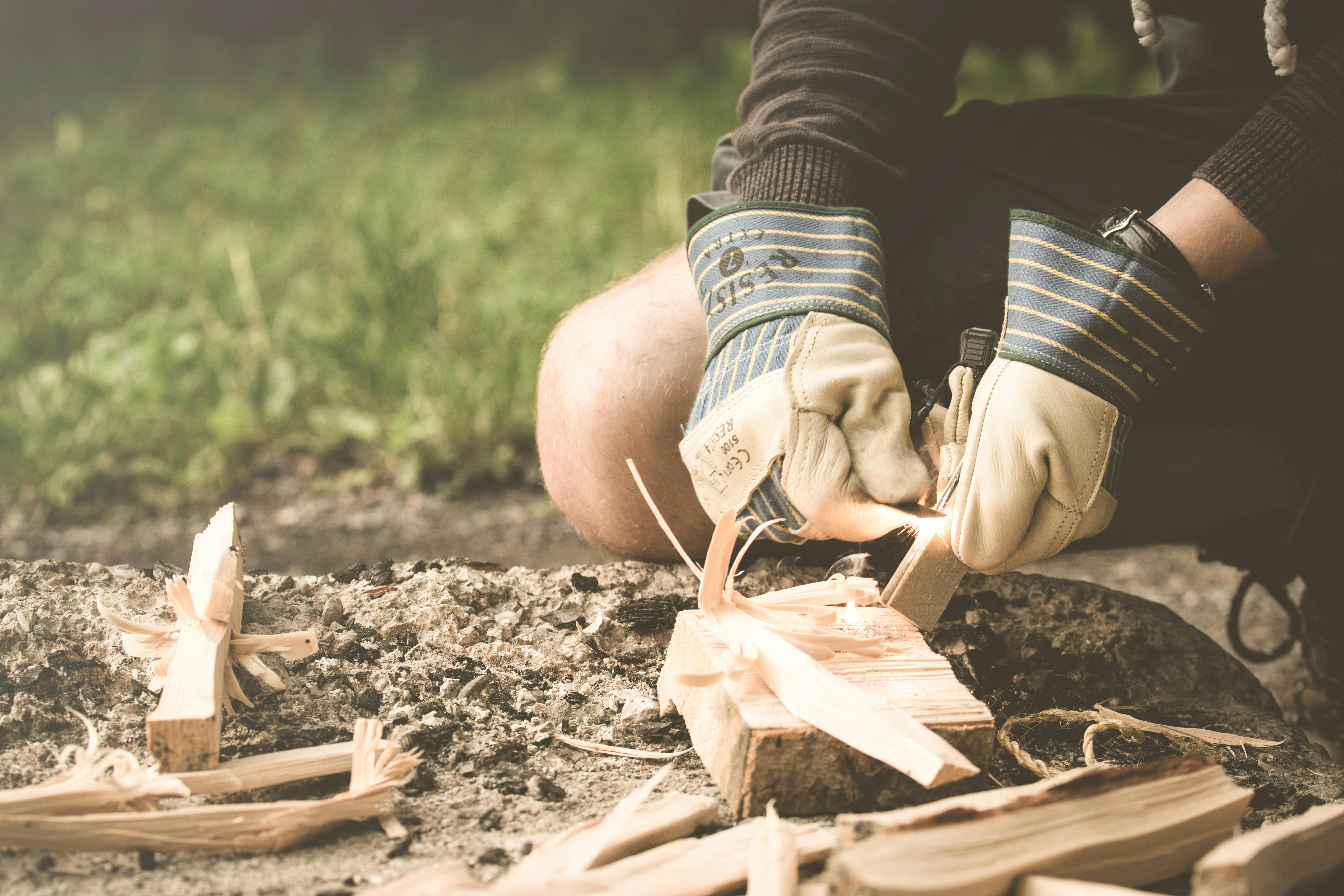
The biggest beginner mistake is believing the right knife will somehow create competence on its own. New outdoors enthusiasts sometimes obsess over brands, blade coatings, and gear lists while spending very little time practicing controlled cuts, feather sticks, or simple carving tasks. Experienced outdoorsmen usually recognize this instantly because the confidence is tied to the tool, not the technique.
Bushcraft is still about judgment, repetition, and calm hands. A modest knife in skilled hands will almost always outperform an expensive one used poorly. The people who stand out in the woods are rarely the ones with the flashiest gear. They are the ones whose knife work looks safe, efficient, and quietly practiced.