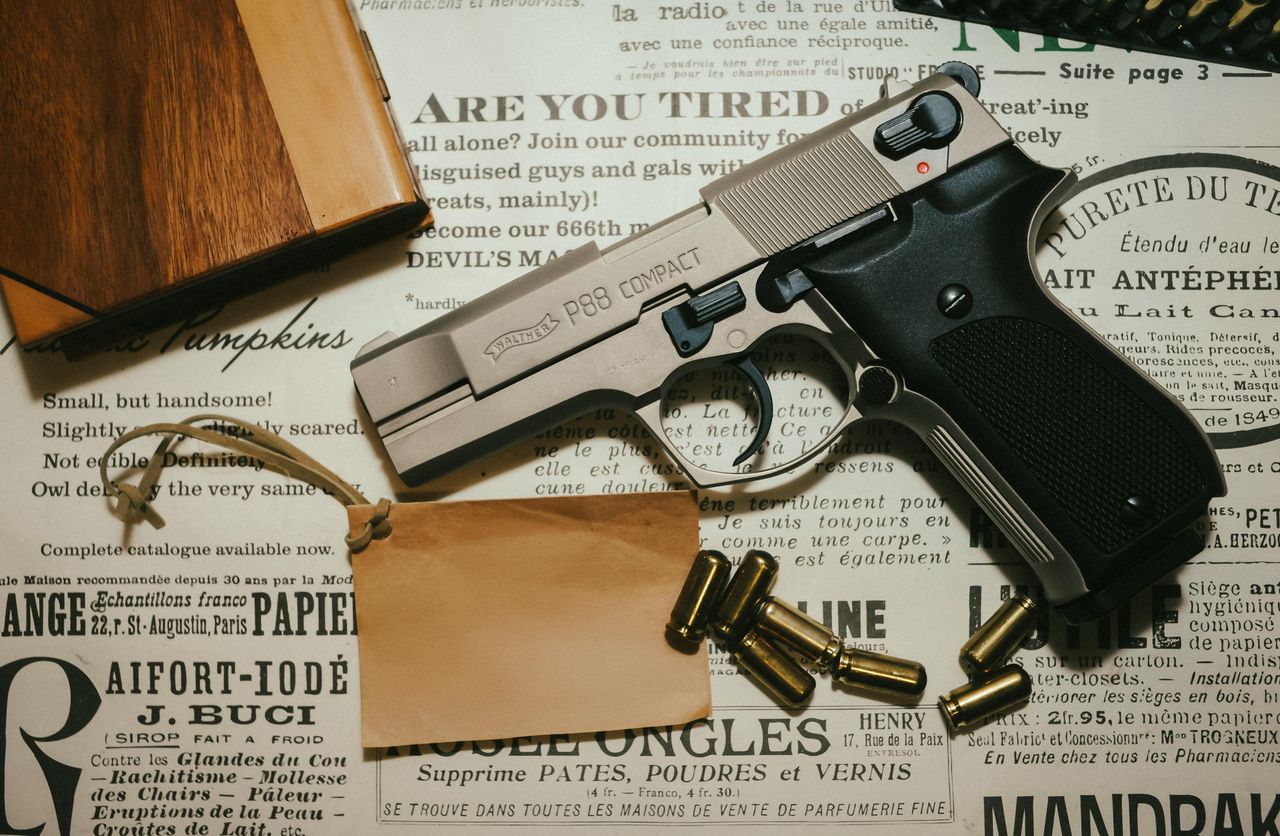
The Walther PDP has built a strong reputation, but owner reports show that even well-liked pistols can develop frustrating quirks. This gallery looks at the recurring malfunctions shooters keep talking about, especially the ones that seem inconsistent, ammo-sensitive, or tough to pin on one obvious cause. The goal is not to sensationalize the platform, but to map the gray-area problems that send people searching for answers.
Failure to return fully to battery

One of the most commonly discussed complaints is a slide that stops just shy of full lockup. Owners often describe it as barely out of battery, enough to halt the next shot but subtle enough that it does not always happen on command.
What makes this issue so hard to chase is how many variables can be involved. Ammunition length, recoil spring tension, lubrication, magazine drag, carbon buildup, and even grip pressure can all play a role. For some shooters it appears only in the first few boxes of ammo, while for others it returns unpredictably after the pistol seems fully broken in.
That inconsistency is what leaves many owners without a clear answer.
Failures to feed with hollow points
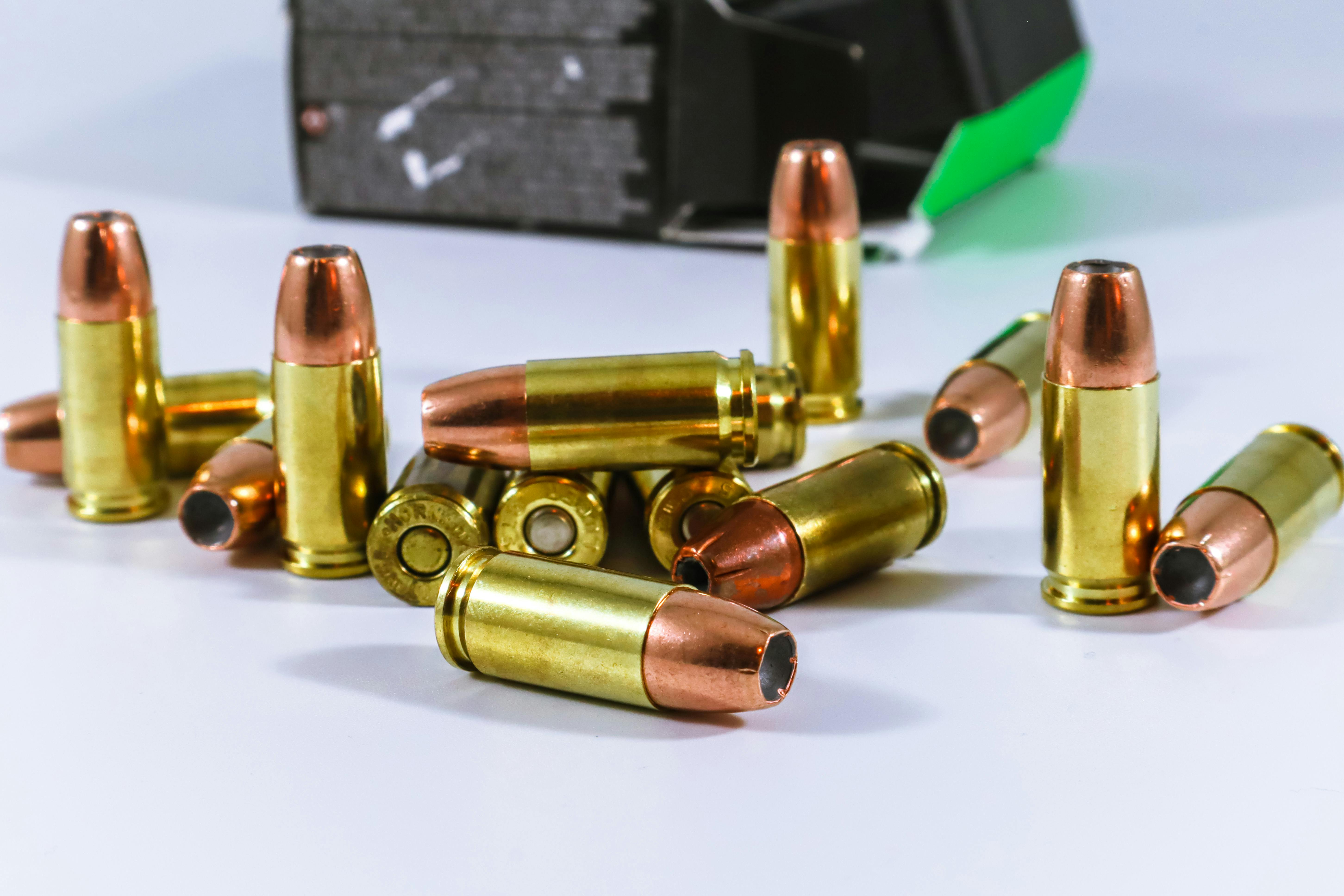
Range reports often sound reassuring with ball ammo, then get complicated when defensive loads enter the picture. Some PDP owners say round-nose training ammunition runs cleanly, while certain hollow points nose-dive, hang on the feed ramp, or stall before the chamber.
The frustrating part is that there is no single hollow-point profile. Bullet shape, overall cartridge length, jacket design, and spring pressure in a full magazine can all change the feeding path just enough to matter. A pistol may like one premium carry load and strongly dislike another that looks similar on paper.
That leaves owners testing expensive ammo one box at a time and still wondering whether the problem is the gun, the magazine, or the load.
Premature slide lock during firing

Another complaint that pops up in owner discussions is the slide locking back with rounds still in the magazine. It can look like a simple shooter-induced problem at first, especially on a gun with controls that some hands contact more easily than others.
But that explanation does not satisfy everyone. Some shooters insist the issue appears even with a carefully adjusted grip, and only with certain magazines or loads. Others say it vanishes when a different shooter tries the same pistol, which muddies the diagnosis even more.
When a malfunction depends on hand size, thumb placement, recoil impulse, and magazine follower behavior at the same time, clear answers are naturally hard to come by.
Failure to extract spent casings

Extraction issues tend to trigger immediate concern because they can look serious even when they happen only once in a while. Owners reporting this problem usually describe a spent casing left partly in the chamber or a fired case that does not clear the extraction cycle cleanly.
The challenge is that extraction can overlap with other malfunctions. Weak ammo, a dirty chamber, rough brass, extractor tension, and slide velocity can all produce symptoms that seem similar from the firing line. A stovepipe, a stuck case, and a short-stroke event may share the same root causes or point to entirely different ones.
That overlap makes internet diagnosis tricky, and many owners end up replacing parts or changing ammo without ever finding one definitive explanation.
Erratic ejection patterns

Not every malfunction stops the pistol cold. Some owners instead notice odd ejection behavior, with brass dribbling weakly to one side, flying straight back, or changing direction from magazine to magazine. The gun may still fire, but the pattern suggests something is not entirely settled.
Erratic ejection is annoying because it sits in that gray zone between normal variation and early warning sign. Minor changes in grip, ammo power, recoil spring behavior, extractor geometry, and slide speed can all influence where brass lands. Shooters comparing notes online often find that one person calls it harmless while another treats it as evidence of a deeper problem.
That split is why this issue so often lingers without a universally accepted answer.
Light primer strikes and intermittent ignition
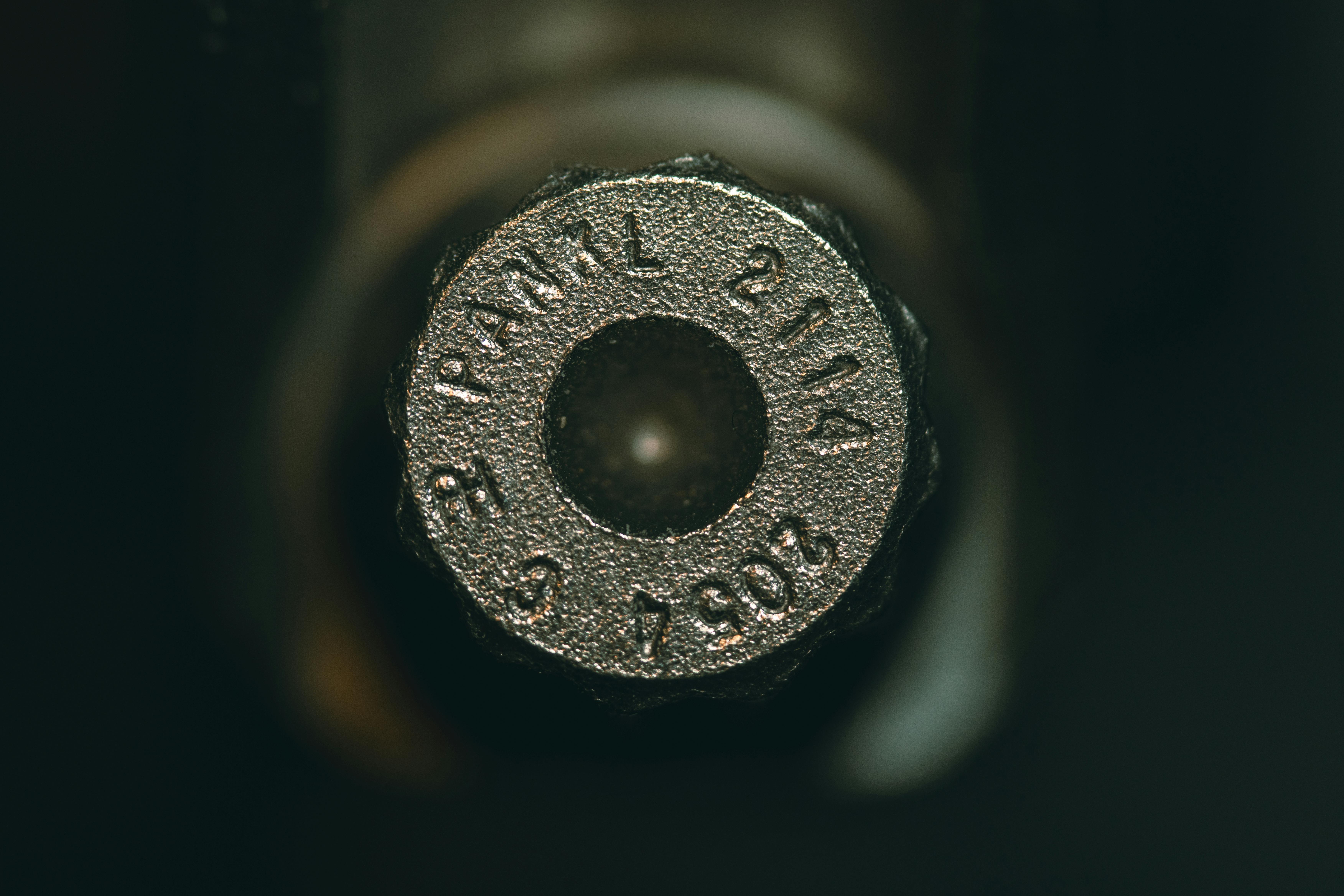
Some of the hardest problems to verify are the ones that happen rarely but undermine confidence immediately. A few PDP owners describe getting a click instead of a bang, then finding a shallow primer mark or a round that fires on a second attempt.
Light strikes can point in several directions at once. Hard primers, striker channel fouling, debris, lubricant migration, tolerance stacking, or a slightly out-of-battery condition can all reduce ignition energy. Because the issue may vanish for hundreds of rounds, it can be difficult to reproduce under controlled conditions.
That creates a familiar cycle where owners clean the pistol, swap ammo, change striker-related parts, and still never feel entirely sure they found the real cause.
Magazine-related feeding hesitation
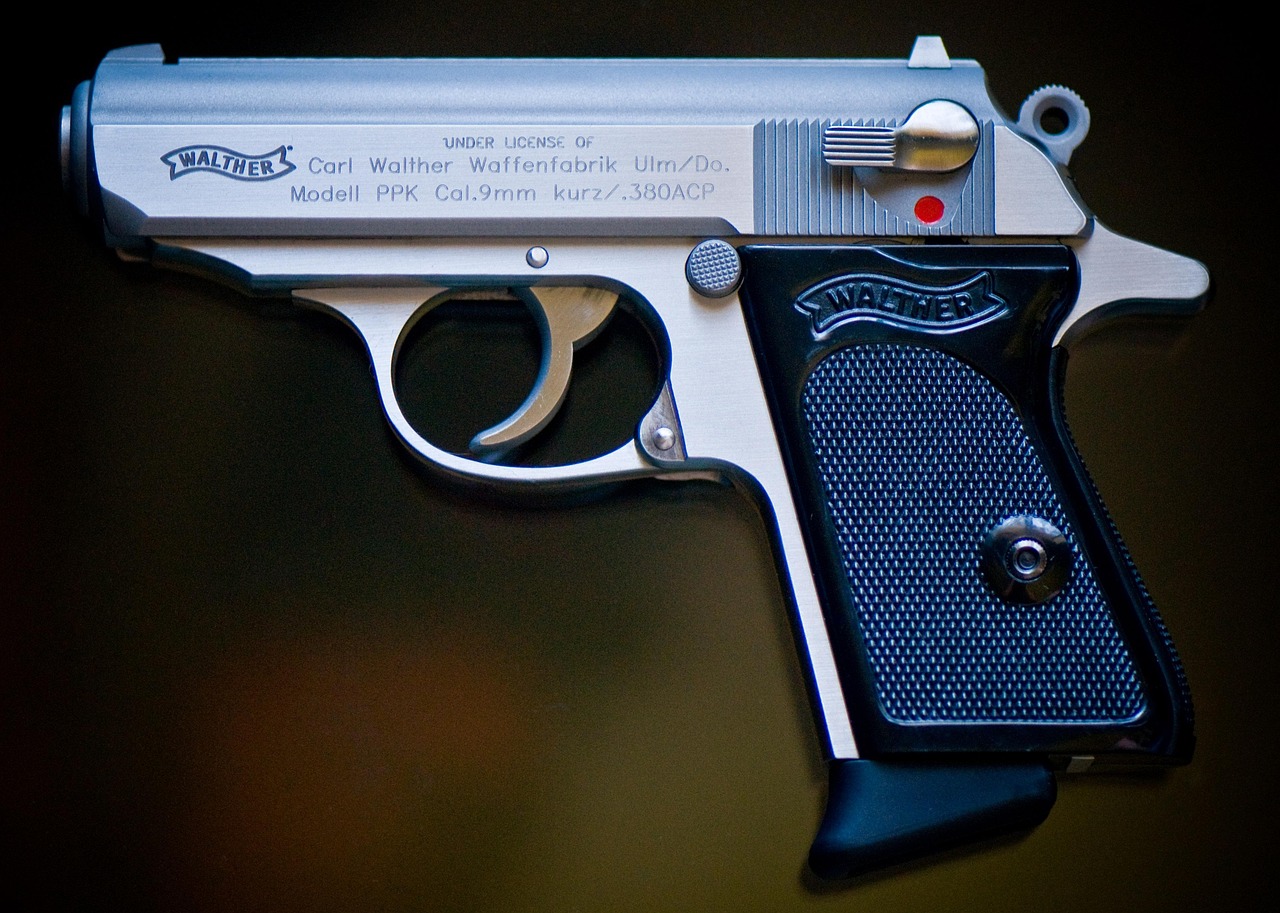
When owners compare experiences, magazines often emerge as the quiet variable behind multiple complaints. A pistol that runs perfectly with one magazine may start hesitating, nose-diving rounds, or feeling unusually sluggish with another, even when both look fine externally.
Spring tension, follower angle, feed lip geometry, and how a fully loaded magazine interacts with the underside of the slide can all change reliability. Problems may appear only when the magazine is topped off, only after extended use, or only with a particular bullet shape. That makes the malfunction seem random until a pattern finally reveals itself.
Even then, answers can stay elusive because a magazine issue can mimic feed, extraction, or slide-speed problems almost perfectly.
Optic mounting and zero-shift problems

The PDP is closely associated with red-dot use, which is why mounting complaints get so much attention. Some owners report screws backing out, optics losing zero, or plates that seem secure at first but become suspect after repeated range sessions.
This is not a classic firing-cycle malfunction, but it creates a reliability problem all the same. Plate fit, screw length, thread locker use, torque consistency, recoil forces, and optic design all matter, and a small mismatch can turn into wandering point of impact. Because the pistol itself may be mechanically fine, shooters can spend a long time blaming ammo or technique first.
By the time the real issue surfaces, trust in the setup has usually taken a hit.