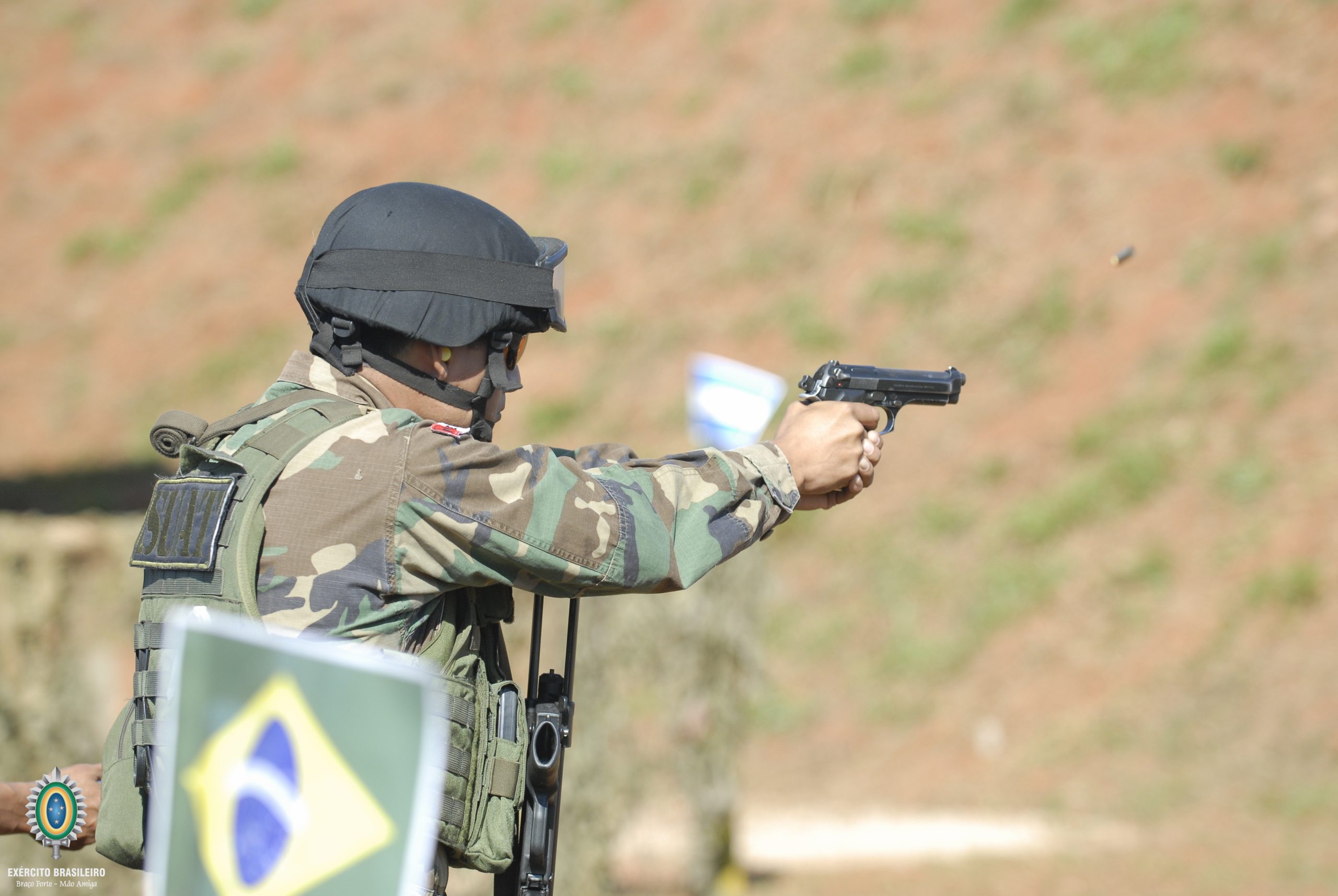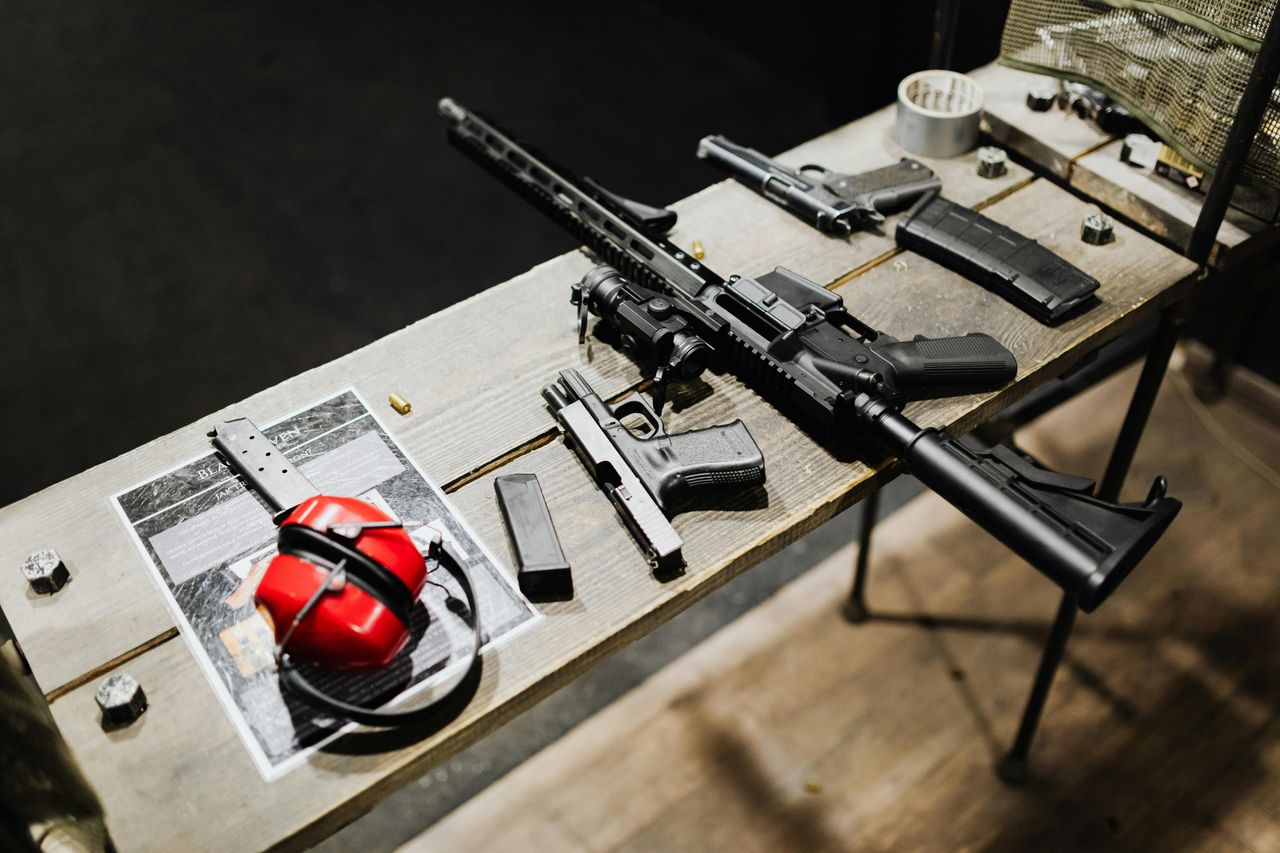
Some guns spend decades sitting in display cases, pawn shop racks, and estate-sale corners without much fanfare. Then the market shifts, collectors catch on, and suddenly those once-overlooked models start bringing serious money. This gallery looks at nine firearms that went from easy to ignore to impossible to overlook once rising prices made everyone pay attention.
Russian SKS Carbines
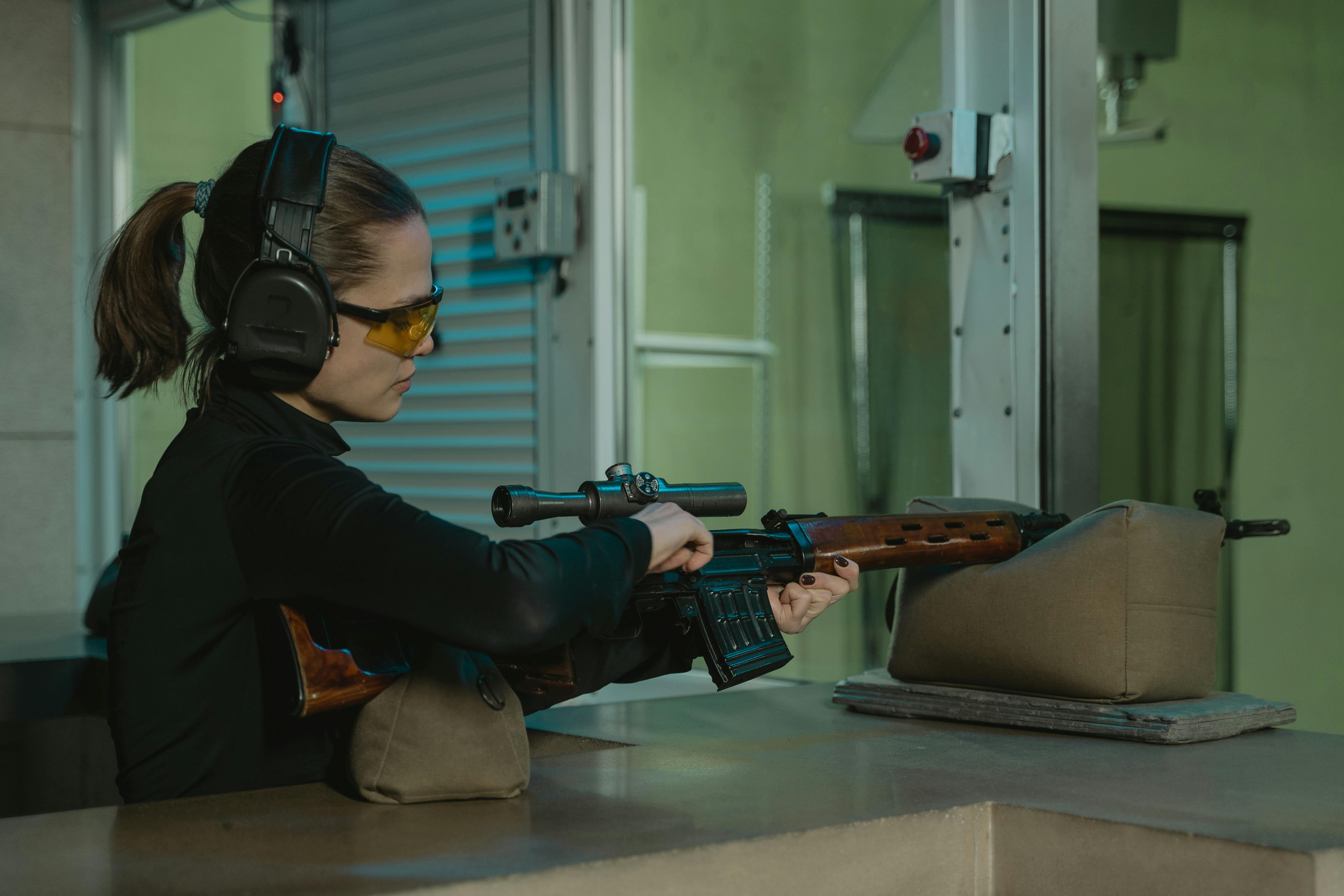
For years, the Russian SKS was the rifle people bought when they wanted something historic, rugged, and affordable. It lived in the shadow of the AK platform, and that kept prices comfortably low for a long time. Collectors appreciated them, but the broader market often treated them as entry-level surplus rather than a serious prize.
That changed when imports tightened, clean examples became harder to find, and buyers started noticing matching numbers, arsenal marks, and original configuration. Suddenly, the same carbines once stacked on racks for bargain prices were being discussed with real enthusiasm. Rising values turned casual interest into active hunting, especially for unaltered rifles.
Swiss K31 Rifles

The Swiss K31 long had a reputation among shooters as a wonderfully accurate straight-pull rifle, but it still flew under the radar compared with more famous military bolt-actions. It was admired in niche circles, yet many mainstream buyers passed it by. That made it one of those rare guns that offered craftsmanship far beyond its asking price.
As collectors began to appreciate Swiss manufacturing and the supply of nice examples thinned, prices moved upward quickly. People who once hesitated at modest price tags suddenly found themselves wishing they had bought two. Interest grew even more when buyers realized many rifles still included troop tags and unusually strong original condition.
Smith & Wesson Third Generation Pistols
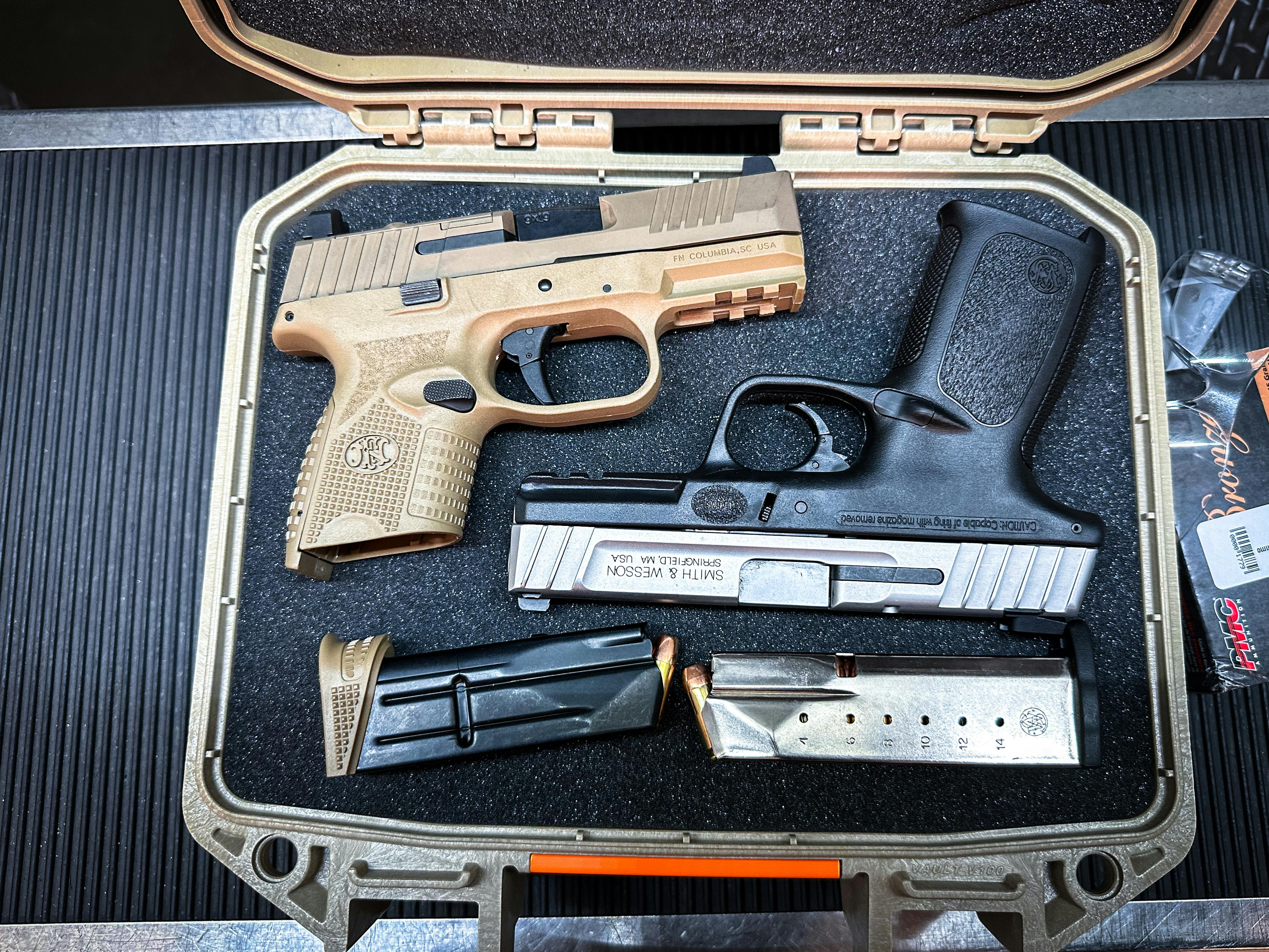
Before the polymer era fully took over, Smith & Wesson’s Third Generation pistols were respected duty guns with loyal fans and surprisingly little hype. Models like the 5906 and 4506 were seen as solid, even overbuilt, but not especially glamorous. For years, that kept them available at prices that now seem almost impossible to believe.
Then nostalgia, quality, and scarcity began working together. Retired law enforcement trade-ins dried up, stainless steel construction became more appreciated, and buyers started valuing their connection to a distinct American service-pistol era. Rising prices helped rewrite their reputation, turning old workhorses into collectible handguns with real momentum behind them.
Colt Woodsman Pistols

The Colt Woodsman always had admirers, especially among people who appreciate classic .22 pistols, but it spent years as a somewhat quiet corner of the collector market. It was elegant, beautifully made, and historically important, yet often overshadowed by louder names and more aggressively marketed collectible handguns.
Once collectors started chasing condition, box and papers, and specific variations, values began climbing steadily. Buyers realized the Woodsman represented an era of fit and finish that simply does not come cheaply anymore. Rising prices brought more attention from newer collectors, who suddenly saw it not as an old plinker, but as a serious piece of Colt history.
Makarov Pistols

The Makarov was once the definition of affordable surplus practicality. It was compact, reliable, and easy to find, which ironically made many buyers take it for granted. People bought them as inexpensive shooters, truck guns, or first curios, not necessarily as future collectibles with much upside.
Over time, the easy supply started shrinking, import patterns changed, and collectors paid closer attention to country of origin, military markings, and condition. East German examples, in particular, gained a devoted following. As prices rose, the market began treating the Makarov with a level of seriousness it never enjoyed when it was cheap, and that shift changed how people looked at the whole category.
Marlin Lever-Action Rifles
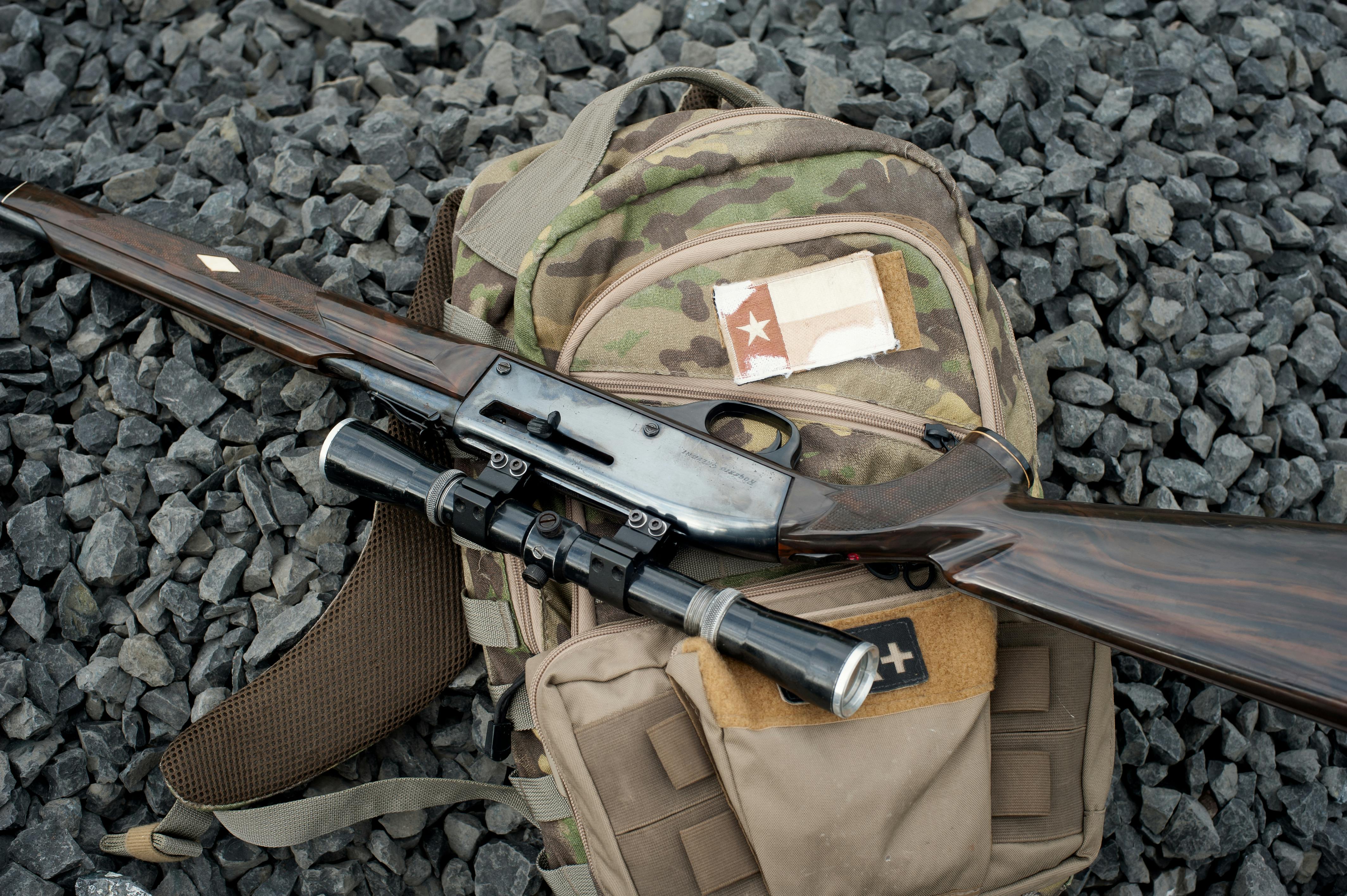
Marlin lever guns were never exactly unknown, but for many years they were often the practical choice next to more talked-about Winchester models. Hunters and shooters loved them, collectors liked them, and the market generally kept them within reach. They were appreciated, just not always chased with the urgency seen today.
Factory changes, production interruptions, and broader interest in lever-actions helped push values noticeably higher. Buyers began distinguishing sharply between older JM-marked rifles and later production, which only intensified demand for certain examples. Rising prices made even casual observers realize these were no longer just dependable woods rifles, but highly desirable firearms with strong collector and shooter appeal.
Browning Hi-Power Pistols

The Browning Hi-Power has immense historical prestige today, but there was a stretch when many examples felt strangely underappreciated in the American market. Shooters often compared them unfavorably to newer designs, and plenty of used pistols changed hands without much drama. They were respected, but not always pursued with real intensity.
That changed as production status shifted, surplus and commercial examples dried up, and a new generation rediscovered the pistol’s lines, history, and shootability. Collectors began paying closer attention to Belgian manufacture, tangent sights, and military contracts. Once prices climbed, people who had overlooked them started to understand they were watching a classic move into a different league.
Ruger Old Army Revolvers

The Ruger Old Army occupied an unusual place for years. Black-powder enthusiasts knew it was one of the strongest and best-made percussion revolvers ever produced, but outside that world it rarely generated much excitement. Because it sat between historical replica interest and modern Ruger fandom, it often felt like a sleeper.
Once production ended and collectors recognized how well these revolvers were built, prices moved with surprising force. Clean examples, especially with original boxes or stainless finishes, started drawing attention from buyers who previously had not considered cap-and-ball guns at all. Rising values gave the Old Army a broader audience and elevated it from specialty item to serious collectible.
HK P7 Pistols

The HK P7 was always a little different, and that may be one reason it stayed underestimated for so long. Its squeeze-cocker system, slim profile, and distinctive gas-delayed design earned admiration, but also made it feel specialized. For years, police trade-ins let curious buyers sample an engineering oddity without paying truly elite prices.
That window eventually closed. Surplus supplies faded, condition premiums widened, and collectors started valuing not just the mechanics, but also the pistol’s uniquely German combination of precision and innovation. As prices rose, the P7 stopped being the clever secret of informed enthusiasts and became the kind of handgun people mention with immediate respect and, often, a little regret.