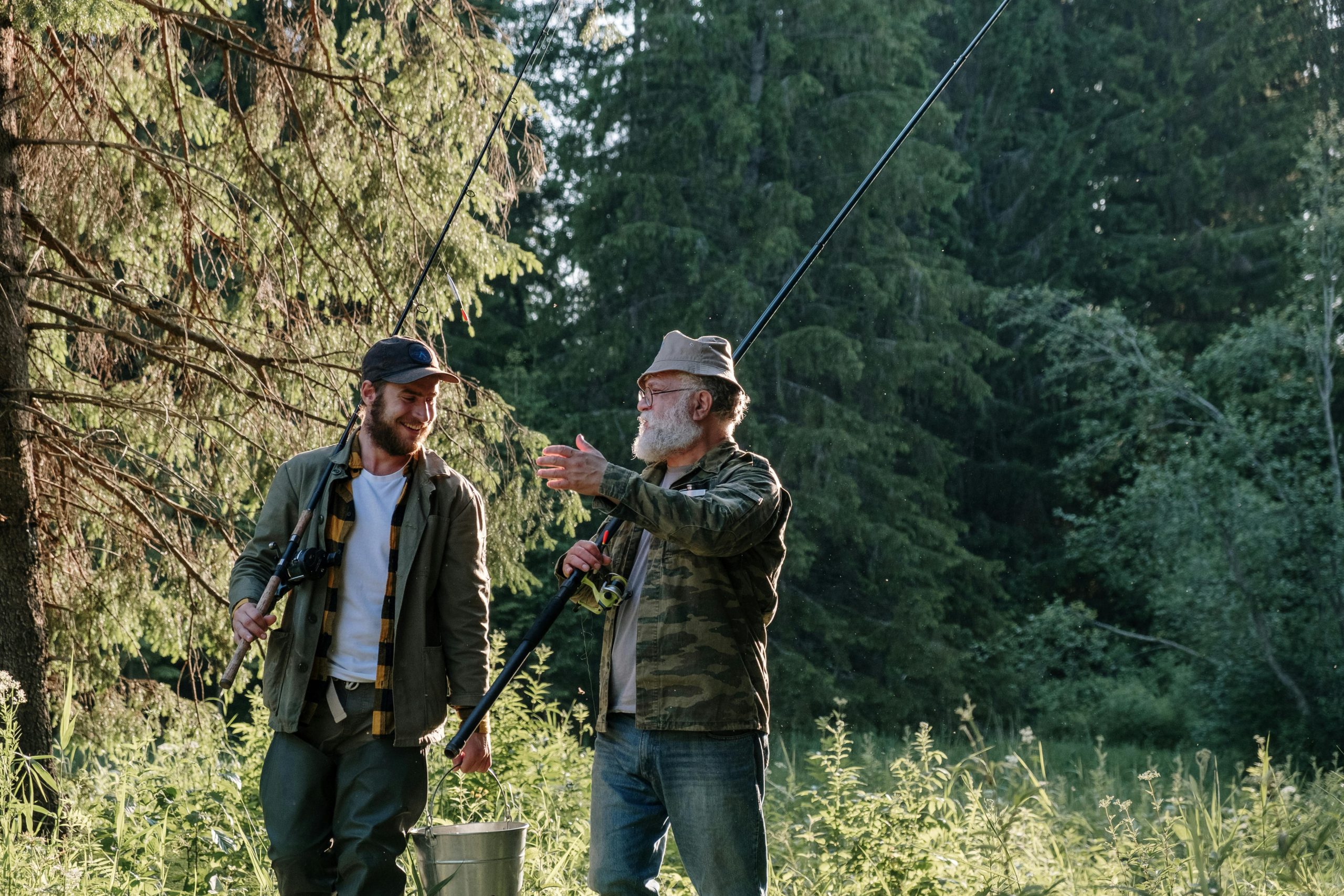
Bushcraft isn’t just about surviving; it’s about thriving in the wilderness. Beginners often focus on gear and technique, while experienced bushcrafters rely on intuition, adaptability, and deep knowledge of nature. Over time, these skills develop into habits that make the difference between struggling and moving confidently in the wild. Here are eight essential skills that distinguish seasoned bushcrafters from novices.
1. Fire Building Without Modern Tools

Beginners may rely on lighters or matches, but skilled bushcrafters can create fire from friction, flint, or natural sparks. They understand which materials ignite quickly, how to build efficient shelterside fire structures, and how to manage airflow for longer burns. This skill isn’t just about warmth; it’s survival, cooking, and signaling. Mastery comes from trial, error, and patience, and it’s a mark of confidence in any remote environment.
2. Water Sourcing and Purification
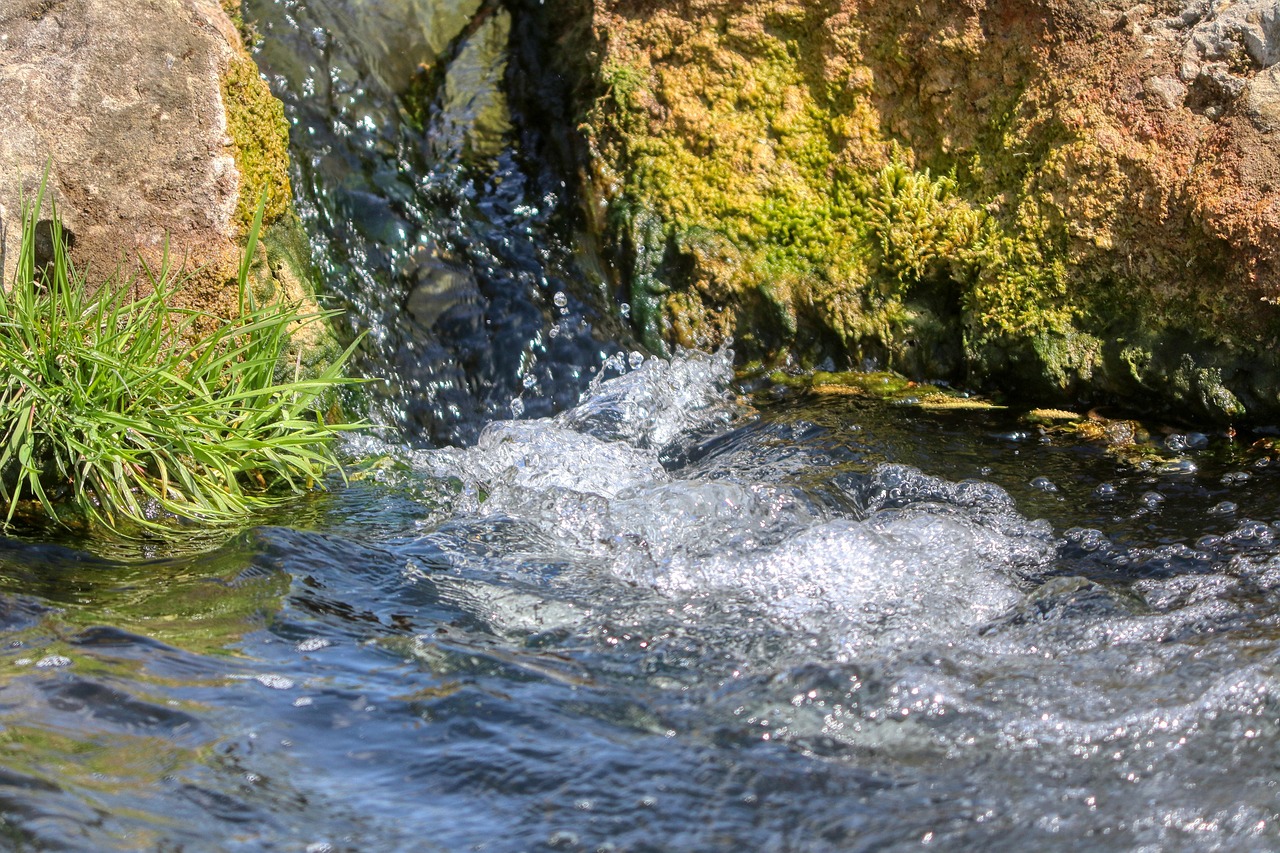
Finding safe drinking water is critical. Experts know how to identify streams, collect rainwater, and even extract moisture from plants. They carry purification knowledge, too, boiling, filtration, or chemical treatments, so they can stay hydrated in any environment. Beginners often overlook water’s hidden challenges, while seasoned bushcrafters integrate collection and purification into their routine seamlessly, ensuring safety and efficiency in long-term wilderness excursions.
3. Shelter Construction from Natural Materials
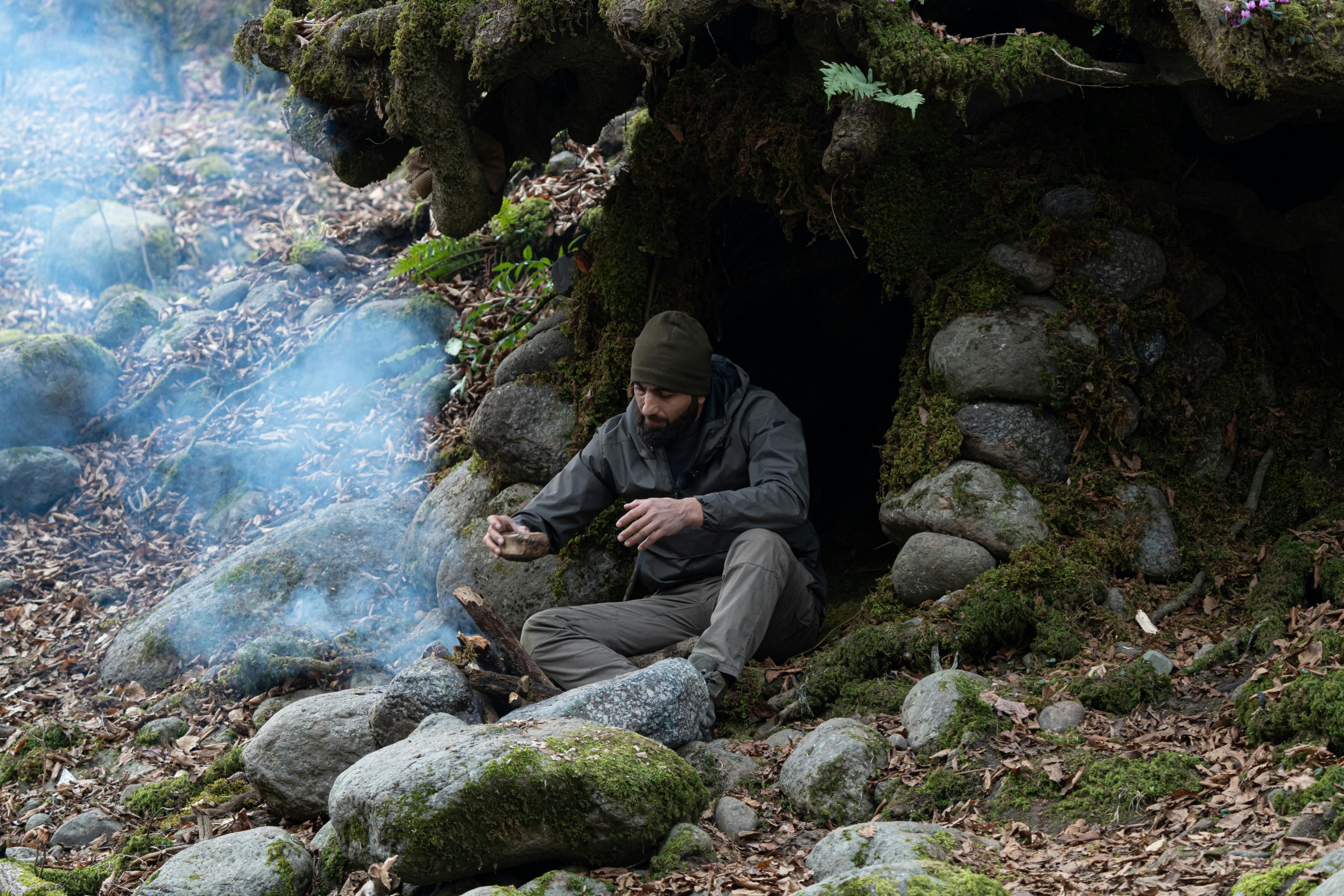
While novices may bring tents or tarps, experienced bushcrafters craft shelters using what the land provides. They know how to build debris huts, lean tos, and windbreaks that offer warmth, stability, and camouflage. Understanding local materials, layering techniques, and weather patterns allows them to survive harsh nights comfortably. This skill requires observation, patience, and creativity, and it separates those who endure discomfort from those who feel protected and confident outdoors.
4. Tracking and Wildlife Awareness

Tracking isn’t just about finding prey; it’s about reading the land. Skilled bushcrafters notice footprints, broken branches, and droppings to understand animal behavior. They also recognize dangerous wildlife, signs of predators, and safe foraging zones. Beginners often overlook subtle clues, while experts integrate environmental awareness into every step. This knowledge keeps them safe, informed, and in harmony with nature, allowing decisions that minimize risk and maximize opportunity.
5. Advanced Knife and Tool Use
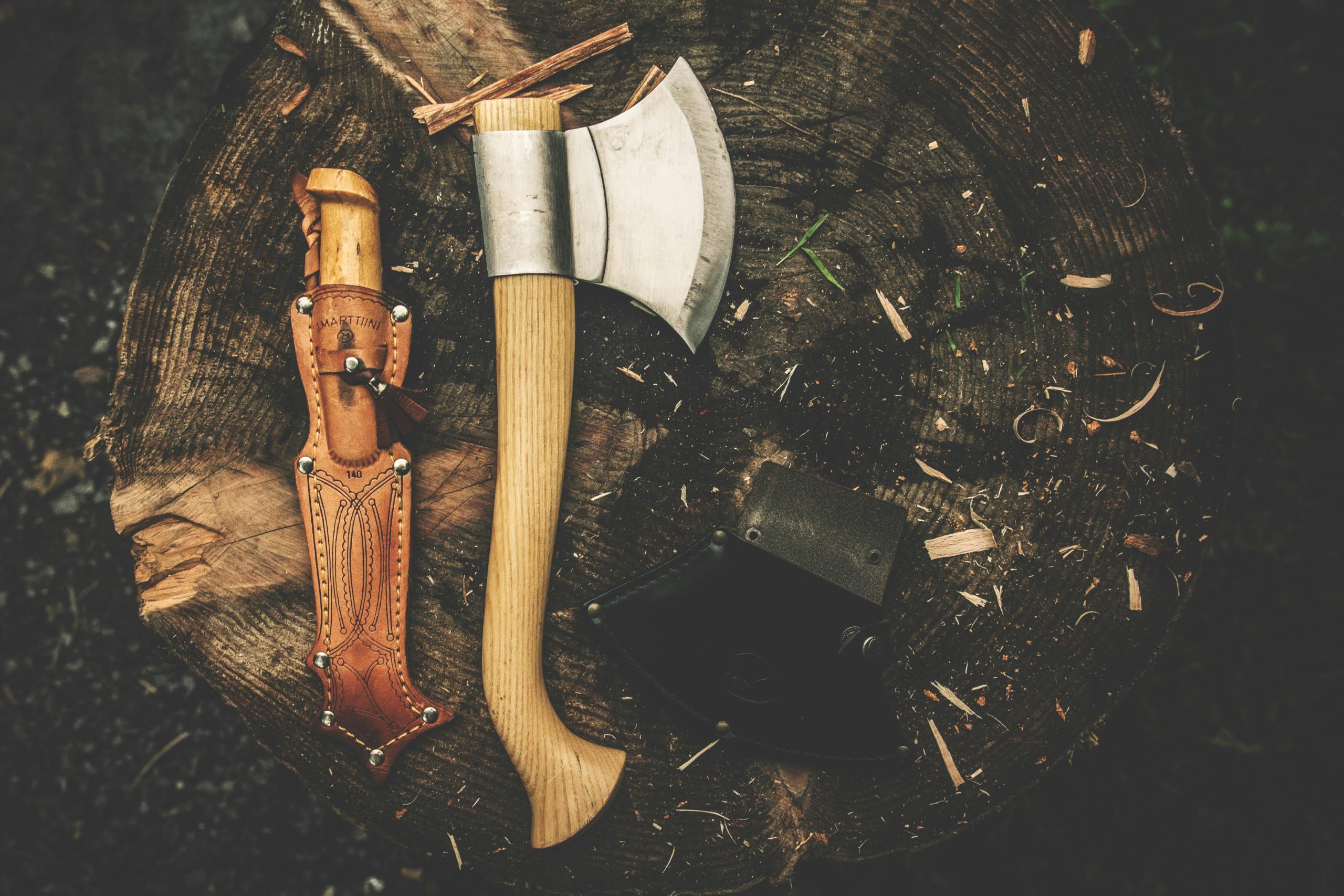
A knife is more than just a cutting tool; it becomes an extension of skill. Experienced bushcrafters know how to carve, baton wood, and maintain sharp edges safely. They use knives, axes, and saws for shelter building, fire preparation, and food processing without relying on brute force. Beginners often misuse these tools, leading to inefficiency or injury. Mastery comes from understanding leverage, material behavior, and controlled technique, making every movement deliberate and effective.
6. Navigation Without Electronics

GPS is convenient, but seasoned bushcrafters rely on maps, compasses, and natural indicators like the sun, stars, and moss growth. They can plan routes, estimate distances, and correct errors when devices fail. Beginners may panic without gadgets, while experts maintain calm and direction through observation and preparation. This skill builds confidence, independence, and resilience, ensuring they never feel truly lost, even in unfamiliar wilderness.
7. Efficient Foraging and Food Knowledge

Finding edible plants, roots, and insects requires knowledge, caution, and respect for the ecosystem. Experienced bushcrafters know which species are safe, seasonal, and nutritious, avoiding toxins or overharvesting. They can supplement limited rations naturally, extending their ability to stay in the field. Beginners often rely entirely on pre-packed food, missing the opportunity to integrate sustainable foraging habits that make long-term bushcraft both safe and rewarding.
8. Mental Resilience and Patience
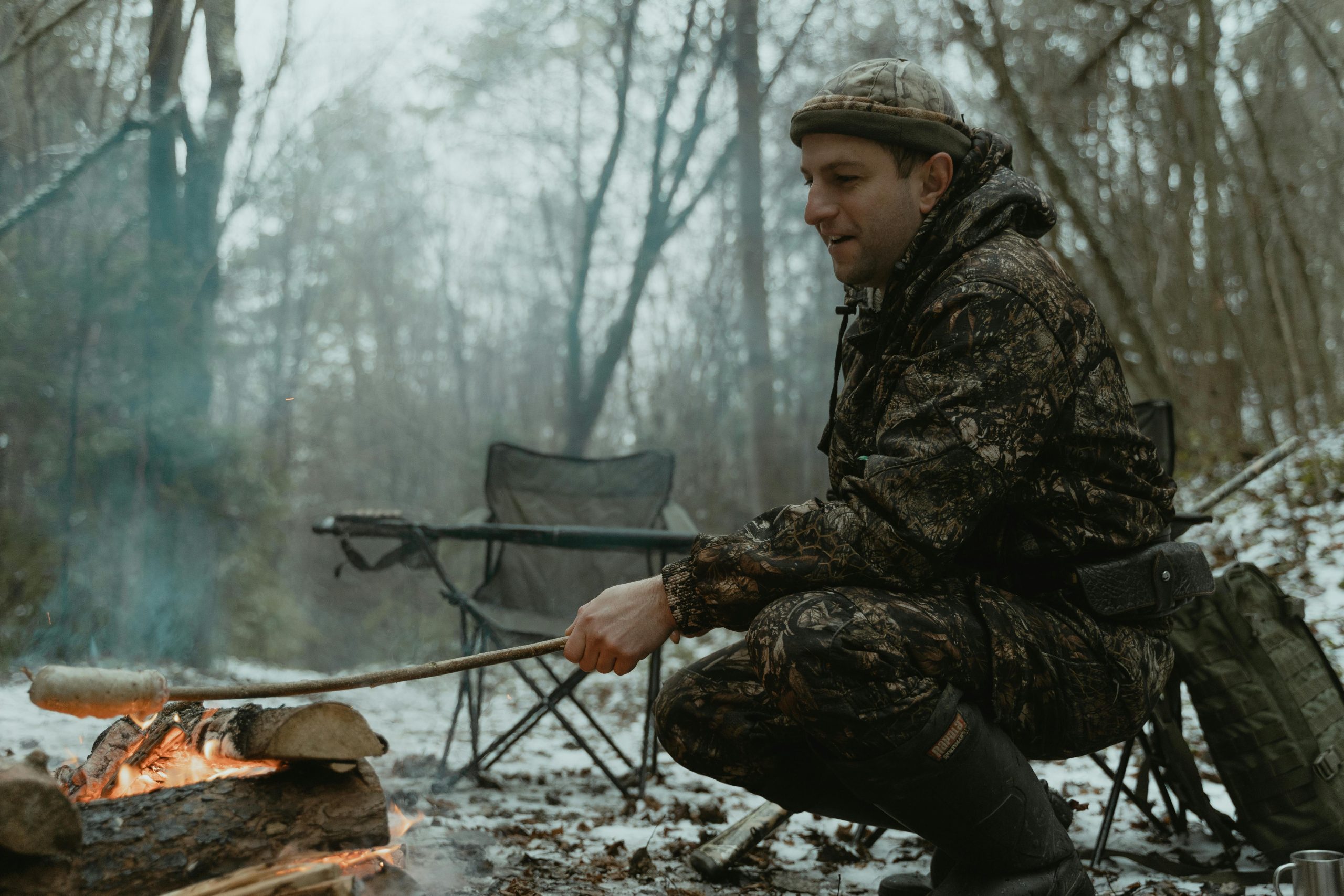
Perhaps the most defining skill in bushcraft is mindset. Experienced bushcrafters stay calm through long waits, unexpected challenges, and harsh conditions. They accept discomfort, think creatively, and adjust to whatever the environment presents. Patience, awareness, and confidence turn difficulties into learning opportunities rather than frustrations. While beginners may feel hurried or anxious, seasoned practitioners know that endurance, focus, and mental resilience are just as essential as any physical skill in the wild.