Some handgun matchups feel predictable. This one feels like a clash of philosophies.
Why This Comparison Is So Unusual

At first glance, comparing a Glock Gen 6 to the SIG P365 seems odd because they do not occupy the same lane. The P365 is already famous as a micro-compact carry pistol, while a Gen 6 Glock label suggests an evolution of a broader platform that could include several frame sizes. That mismatch is exactly what makes the comparison interesting for everyday buyers.
Glock has built its reputation on consistency, simplicity, and a design language that changes slowly. When new generations arrive, the company usually refines ergonomics, controls, coatings, and internal geometry rather than reinventing the pistol. Buyers who follow Glock closely tend to care about things like trigger feel, slide finish durability, optic compatibility, and subtle recoil behavior more than dramatic cosmetic changes.
The SIG P365, by contrast, became a breakout product because it disrupted expectations. It offered higher capacity in a very compact footprint and quickly grew into a family of models, including the XL, XMacro, and optics-ready variants. In practical terms, the P365 line shifted what many people expect from a concealed-carry pistol, especially for those who want a smaller gun without giving up too many rounds.
So this is less a pure apples-to-apples contest and more a real-world shopping dilemma. Many buyers are not choosing between identical categories; they are choosing between a proven full-system brand ecosystem and a carry-first design that changed the market.
Size, Capacity, and the Carry Equation

If concealed carry is the priority, the SIG P365 starts with an obvious advantage: it is built around being small enough to disappear under ordinary clothing. That matters more than people sometimes admit. A pistol that is easier to carry consistently is often the one that actually gets carried, and in the defensive world, consistency beats theoretical performance left at home.
The P365’s original appeal centered on fitting 10+1 capacity into a footprint that made older single-stack carry guns look outdated. Later versions pushed capacity even further while maintaining a compact profile. That combination gave shooters more confidence without forcing them into a noticeably larger holster setup, and that helped the platform gain traction fast among civilians, trainers, and off-duty users.
A Glock Gen 6, depending on model, may offer more flexibility than a direct concealment advantage. If Glock applies Gen 6 updates to compact and slimline pistols alike, the buyer may get choices that range from deep-carry practical to duty-capable. But Glock’s traditional compact models generally print more than a true micro-compact, especially for smaller-framed users or those dressing for hot-weather concealment.
That said, bigger is not always worse. A slightly larger Glock can be easier to draw, easier to grip under stress, and easier to shoot rapidly. The carry equation is never just dimensions on paper; it is comfort, confidence, wardrobe, and how the pistol behaves when the timer starts.
Shootability Under Real Range Conditions
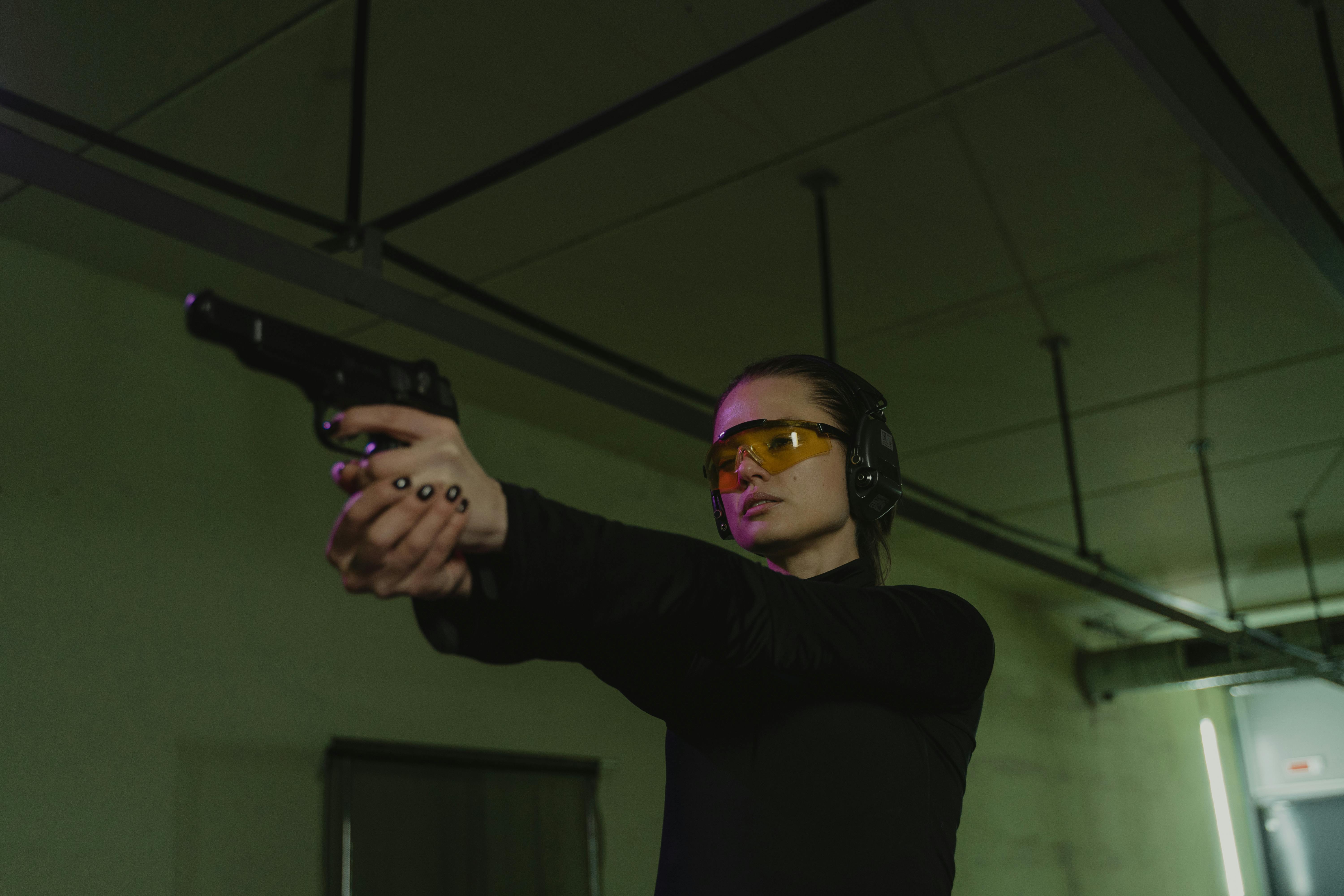
This is where the comparison gets genuinely wild. The SIG P365 is impressively shootable for its size, but physics still matters. Smaller pistols usually have shorter sight radii, snappier recoil impulses, and less grip surface, which can make fast follow-up shots harder for newer shooters or anyone with larger hands.
SIG has done a strong job tuning the P365 platform through grip modules, textures, XL-length slides, and compensated variants that soften some of that sharpness. Many owners report that once they settle on the right configuration, the gun feels bigger in action than it looks in the holster. That is a major reason the platform has remained relevant rather than fading as a one-hit wonder.
A Gen 6 Glock, especially in compact form, would likely have the edge in forgiving shootability. Glock’s low bore axis reputation, familiar trigger cadence, and broad aftermarket support all contribute to faster adaptation for many users. Even modest frame size increases can make a substantial difference in recoil control, support-hand placement, and confidence during rapid strings.
Range performance also depends on round count and fatigue. Over a long practice session, many shooters find that a compact Glock remains comfortable and predictable, while a very small carry gun becomes more demanding. In a brief defensive drill, both may perform well, but in sustained training, the larger platform often reveals its advantage.
Triggers, Optics, and Modern Features
Modern pistol buyers expect more than reliability and decent sights. They want optics-ready slides, accessory compatibility, usable factory triggers, and controls that do not fight the shooter. The SIG P365 line leaned hard into that demand, and it has benefited from offering variants that feel current rather than merely serviceable.
Optics have become especially important. A red dot can improve target focus, help aging eyes, and flatten the learning curve for precise shooting, though it also adds cost and requires training. SIG recognized this trend early in the P365 family, and many models now arrive in configurations that make dot mounting feel normal rather than premium.
Glock, meanwhile, often wins by ecosystem strength. If a Gen 6 continues Glock’s MOS approach while refining plate fit, sight height compatibility, and control layout, it could appeal to both long-time Glock owners and first-time buyers who want a dependable optics host. Glock’s accessory market is still one of the strongest in the handgun world, and that matters when people want holsters, sights, triggers, and magazines everywhere.
Trigger feel is more subjective. Some shooters prefer the consistent, familiar break of Glock’s striker system, while others like the way certain P365 variants feel out of the box. Neither platform is universally loved in stock form, but both can satisfy shooters who value repeatability over marketing hype.
Reliability, Reputation, and What Buyers Remember
When people spend serious money on a defensive pistol, they are often buying confidence as much as metal and polymer. Glock’s long-standing reputation gives it a huge advantage here. Law enforcement adoption, decades of field use, and a track record for functioning under abuse all combine to create trust that is hard for any competitor to match.
That does not mean SIG lacks credibility. The P365 became one of the most talked-about carry pistols in the country because it addressed a real need, and many owners have put substantial round counts through them successfully. Still, conversations around any fast-rising platform tend to include scrutiny of early production issues, parts updates, and online reports that shape consumer memory long after fixes are made.
In practical terms, both brands can produce trustworthy defensive handguns when the guns are vetted with quality ammunition and proper maintenance. Trainers routinely emphasize a simple rule: shoot enough rounds through your chosen carry pistol to verify reliability with your defensive load, your magazines, and your optic if you use one. Brand reputation helps, but individual gun validation matters more.
Buyers also remember customer service, parts availability, and magazine cost. Glock’s dominance means replacement components and support are generally easy to find. SIG counters with modularity and product diversity, but some buyers still see Glock as the lower-drama choice.
Ergonomics, Modularity, and Who Each Gun Fits
Hand fit is where spec sheets stop telling the full story. The P365 family has impressed many shooters because the grip geometry feels surprisingly natural for such a small pistol, and the platform’s modular fire control unit concept allows different grip modules and configurations without changing the core serialized component. That gives owners room to tailor the gun as needs evolve.
For smaller-handed shooters, the P365 can feel immediately manageable in a way that double-stack compacts sometimes do not. Reaching the trigger, concealment comfort, and the ability to establish a decent firing grip all matter. A pistol that fits the hand well often inspires better training habits because it feels less like work and more like a tool that cooperates.
Glock’s advantage is familiar uniformity across its lineup. If Gen 6 refines texture, backstrap options, and control placement, it could preserve the brand’s consistency while improving comfort for a wider range of users. Shooters who already run Glock pistols often appreciate that one model can translate to another with minimal learning curve, especially under speed.
The question becomes whether the buyer values modular personalization or a standardized manual of arms. For someone building a do-everything concealed-carry setup, SIG’s flexibility is compelling. For someone who wants the same feel across multiple pistols, Glock remains extremely hard to beat.
So Which One Actually Makes More Sense?
The best answer depends less on brand loyalty and more on use case. If you want the smallest practical carry gun with serious capacity, strong modern feature support, and a design that still feels ahead of the older micro-compact class, the SIG P365 remains one of the smartest choices on the market. It is easy to understand why the platform became a category-defining success.
If a Glock Gen 6 delivers the expected formula of incremental refinement, broad compatibility, and excellent reliability across compact and slimline options, it may be the better long-term ownership play for shooters who train often and want a larger ecosystem. Glock rarely wins by being flashy; it wins by being familiar, dependable, and easy to support for years.
In a pure concealment contest, the P365 has the more dramatic argument. In a shootability-and-system contest, especially if the Gen 6 updates are meaningful, Glock could have the steadier one. That is why this matchup feels so wild: one pistol line pushes the size-to-capacity frontier, while the other represents disciplined evolution.
For most buyers, the smartest move is not choosing the internet’s favorite. It is handling both, shooting both if possible, and deciding whether your priority is maximum concealability or a slightly larger platform that may reward you more during training. That is where the real difference lives.