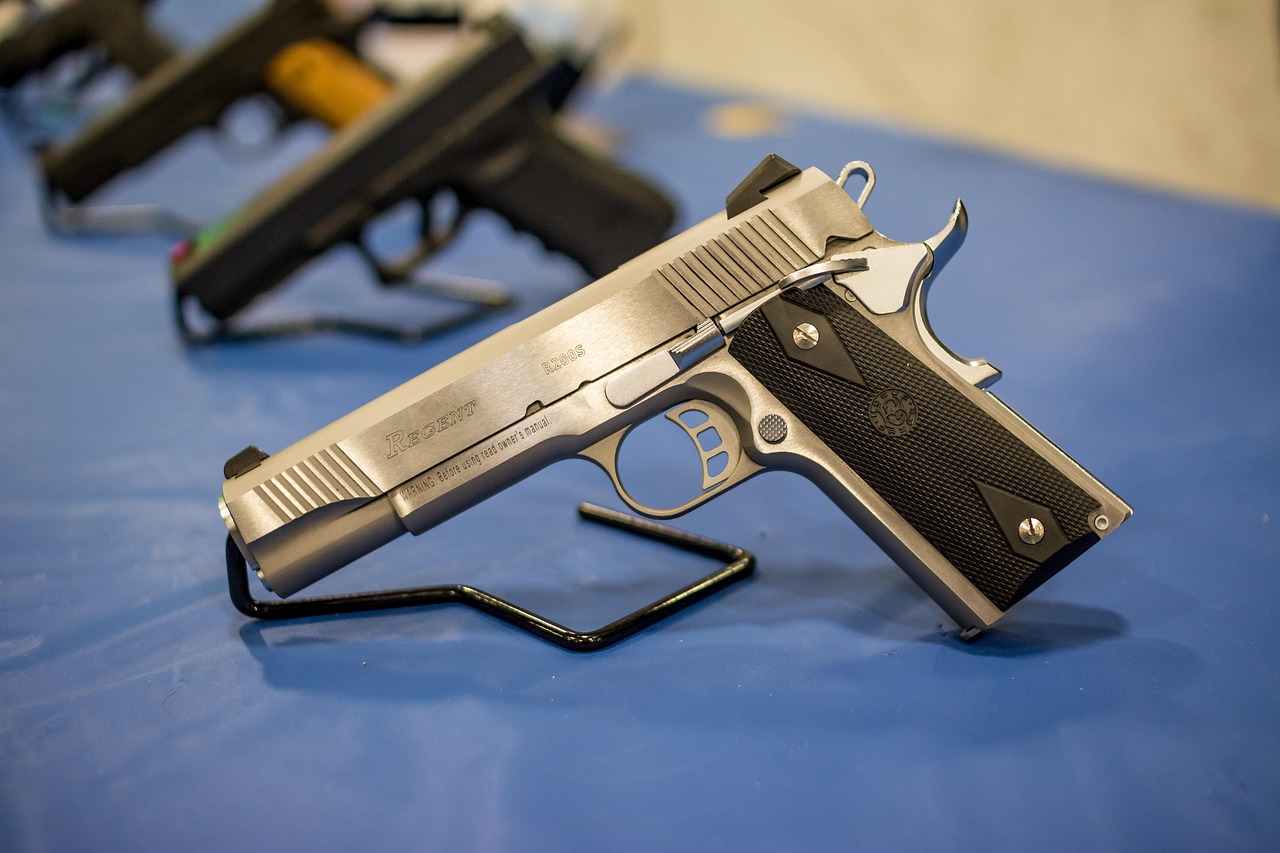
Some pistols make a stunning first impression. Glossy finishes, clever marketing, and eye-catching lines can make a handgun seem like a must-have before it ever reaches the range. This gallery looks at 13 pistols that dazzled in the display case but left many owners underwhelmed once reliability, ergonomics, and practical use entered the conversation.
AMT Hardballer

The AMT Hardballer had undeniable showroom charm. Its stainless-steel 1911 profile looked modern, premium, and a little exotic at a time when that finish still turned heads behind the glass.
Then came the part that mattered. Many shooters found the pistol could be finicky, especially when fit and finish didn’t match its upscale appearance. Reliability complaints and inconsistent quality control followed it for years.
For collectors, it still has style and a certain movie-fed mystique. For practical owners, though, looking impressive and running impressively were often two very different things.
Remington R51

The Remington R51 arrived with elegant lines and a strong historical hook. Its low-profile silhouette stood out instantly, and many buyers loved the idea of a concealed-carry pistol that looked refined instead of blocky.
Early examples quickly damaged that excitement. Reports of malfunctions, rough operation, and quality issues spread fast, overshadowing the design’s appeal. A handgun built to feel innovative instead became a warning about rushed releases.
Even after later efforts to correct course, the first impression was hard to erase. It’s a classic example of a pistol whose visual confidence far exceeded its real-world debut.
Zip 22
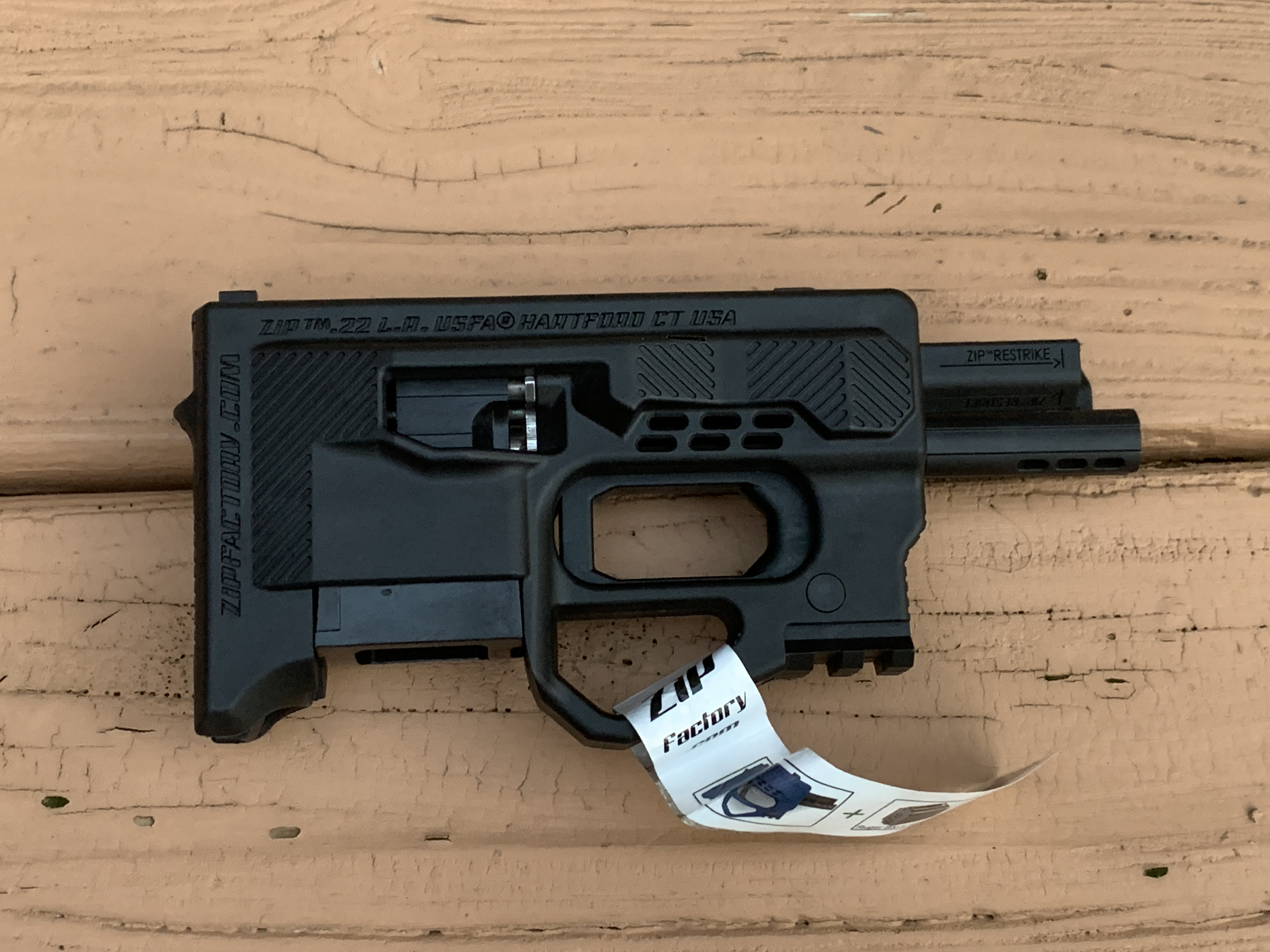
The Zip 22 looked like something pulled from a sci-fi prop department. Compact, unusual, and impossible to ignore, it generated curiosity from people who wanted a fun plinker with a radically different personality.
That curiosity faded once shooting started. The platform became notorious for awkward handling, frustrating controls, and reliability complaints that made range time feel more like troubleshooting than recreation.
It’s hard to overstate how good this thing was at grabbing attention. It’s equally hard to ignore how often that attention turned into disbelief once owners discovered that clever styling couldn’t compensate for a deeply disappointing user experience.
Walther P22

The Walther P22 had plenty going for it at first glance. It looked like a scaled-down tactical pistol, with styling that made it feel far more serious and refined than many rimfire handguns sitting beside it.
For some owners, the honeymoon ended at the range. Ammunition sensitivity, breakage concerns, and uneven reliability meant the experience could vary wildly from one pistol to the next. That’s not what buyers expect from a gun that looks this polished.
It still has fans, especially as a casual range toy. But for many shooters, the P22 is remembered as a pistol that sold itself beautifully and performed far less convincingly.
SIG Sauer Mosquito

The SIG Sauer Mosquito benefited from familiar branding and excellent visual appeal. It resembled a centerfire defensive pistol in miniature, which made it especially attractive to new shooters and fans of the SIG look.
What followed was a lot of frustration. Many users reported picky feeding, frequent malfunctions, and a general need for ideal ammo and careful maintenance just to achieve acceptable performance.
That mismatch hurt because the pistol promised easy fun and accessible training. Instead, it often delivered a reminder that a strong logo and handsome proportions don’t guarantee a smooth shooting experience.
Beretta Nano
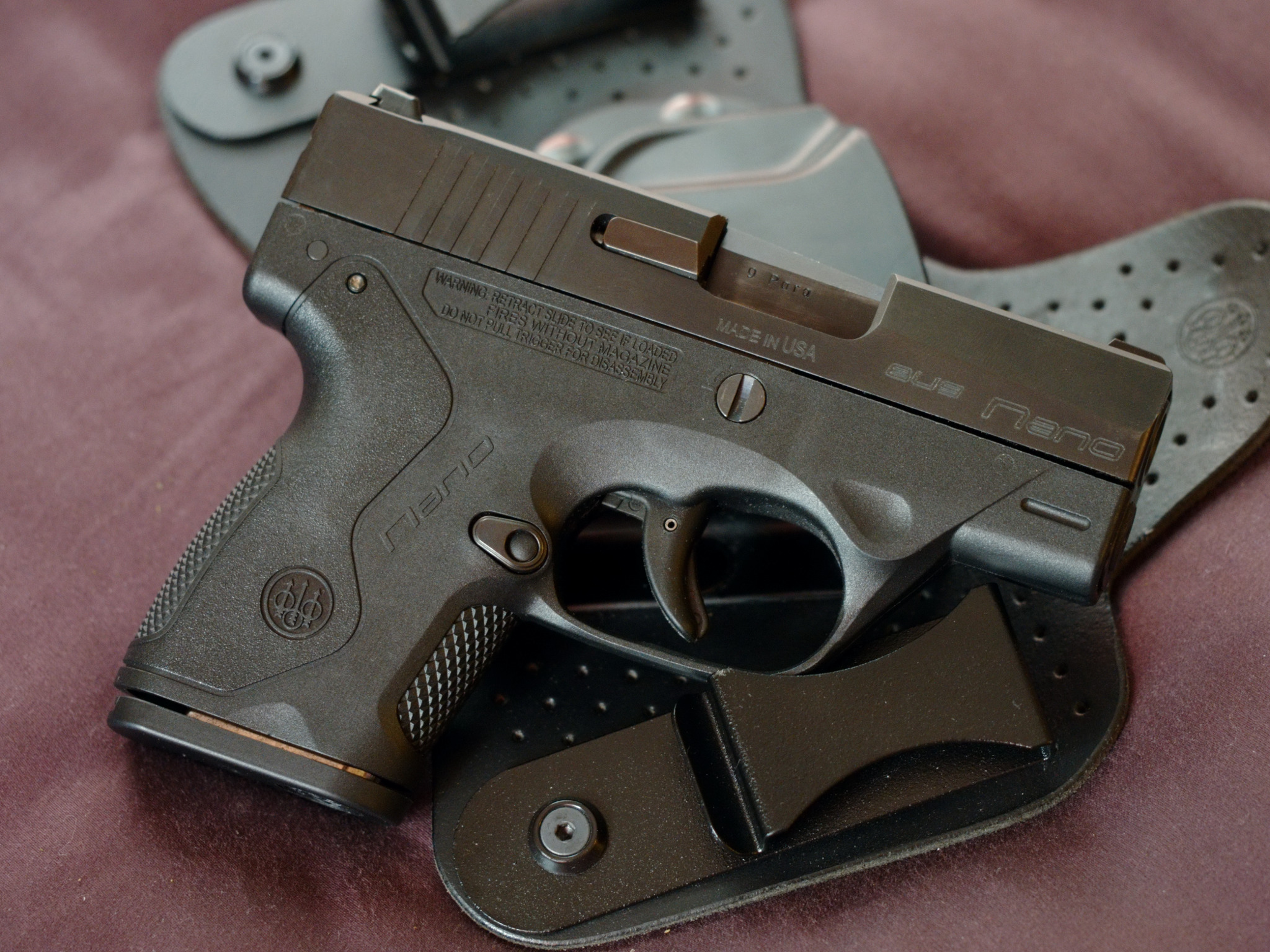
The Beretta Nano looked clean, modern, and perfectly timed for the concealed-carry boom. Its snag-free shape and minimalist exterior gave it a premium, purpose-built feel in the display case.
Once people started carrying and shooting it regularly, enthusiasm cooled. The trigger divided opinion, the ergonomics felt plain at best, and many shooters found more comfortable, more shootable alternatives in the same class.
The Nano wasn’t the worst pistol on the market, which is part of what makes it memorable. It simply looked more exciting than it felt, and in a crowded category, that kind of letdown stands out fast.
Kimber Solo

Kimber gave the Solo the kind of upscale presentation that made shoppers stop and stare. It was stylish, compact, and clearly aimed at buyers who wanted a carry gun with a more premium personality.
The trouble was performance. Reports of ammunition sensitivity and reliability problems quickly followed, and many owners discovered that a pistol this attractive still demanded a lot of patience to trust.
That disappointment landed harder because the Solo seemed so close to greatness. In the hand and in advertisements, it promised a refined everyday carry experience. Too often, it delivered a lesson in how unforgiving tiny semiautos can be.
Ruger SR22P
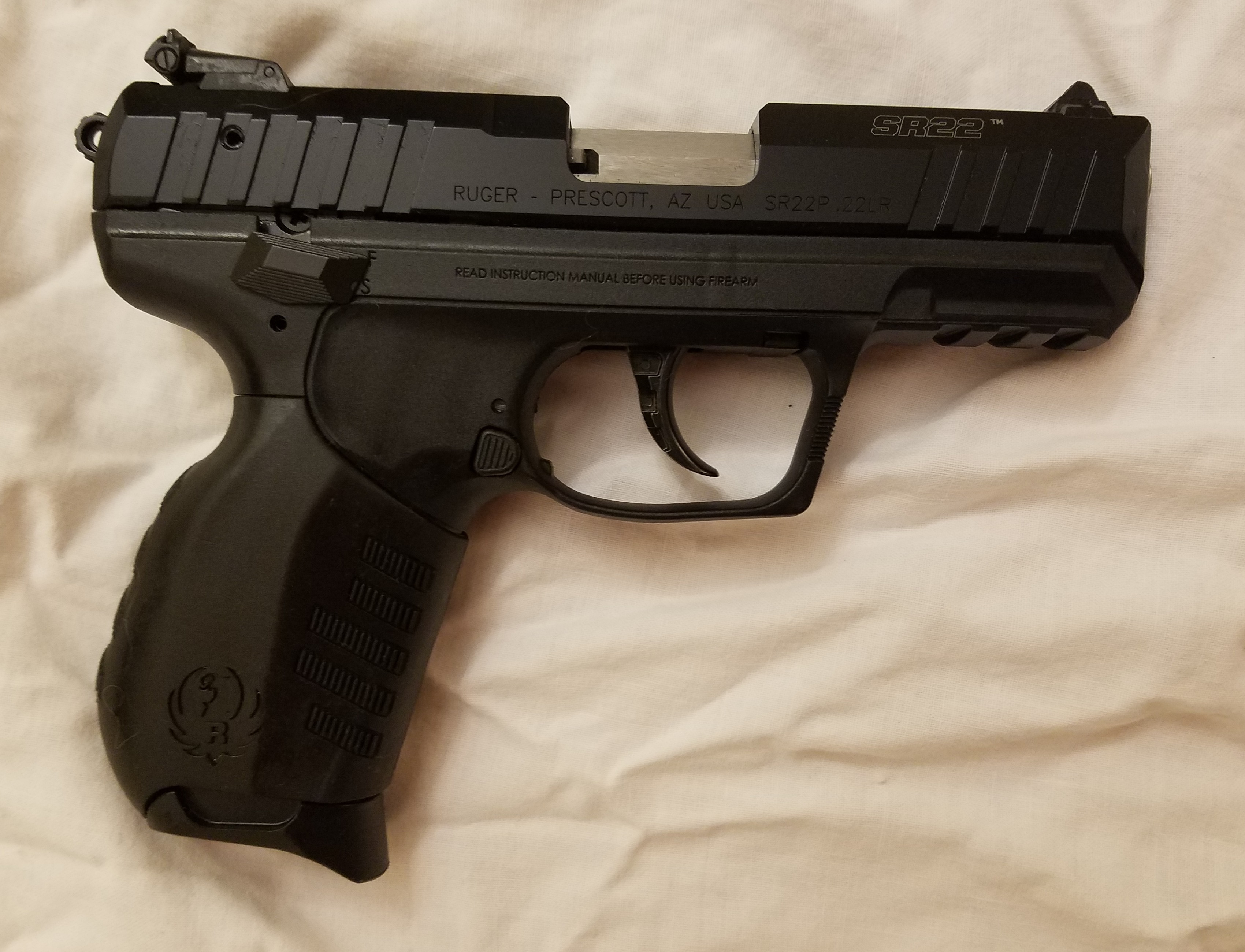
The Ruger SR22P presented itself as the friendly, modern rimfire everyone could enjoy. It was compact, attractive, and dressed with enough tactical styling to appeal to both beginners and experienced shooters.
Even so, some owners came away underwhelmed. The pistol could feel more like a compromise than a standout, especially for buyers expecting centerfire-like control or a truly premium training platform. It was pleasant, but not always impressive.
That’s what makes it a quieter kind of disappointment. The SR22P looked like a tiny do-everything pistol, yet for some shooters it landed in the broad middle, neither bad enough to hate nor good enough to love.
Taurus PT-24/7

The Taurus PT-24/7 looked like a serious duty pistol. Its sculpted frame, aggressive styling, and feature-rich presentation made it seem like an affordable answer to more expensive service handguns.
Plenty of buyers later wished the reality matched the image. The pistol’s reputation became tangled with quality concerns, uneven reliability, and a lack of confidence that is hard to overcome in any defensive firearm.
That’s the risk with guns that impress quickly at the counter. The PT-24/7 had the visual language of a trustworthy workhorse, but too many shooters felt they were taking a gamble once live rounds entered the equation.
Walther CCP

The Walther CCP arrived with elegant branding and a reassuringly sleek profile. Its soft-shooting concept and clean lines made it look like a thoughtful alternative for people who wanted carry comfort without harsh recoil.
But ownership sometimes came with tradeoffs. Complaints about complexity, maintenance frustrations, and uneven enthusiasm from shooters kept it from becoming the easy favorite its looks suggested it might be.
The CCP wasn’t a visual miss by any measure. If anything, that was the problem. It looked like a breakthrough pistol, the kind of gun that would quietly become everyone’s recommendation. Instead, it settled into a far less glamorous reputation.
Heckler & Koch VP70

The HK VP70 still looks startlingly futuristic. With its angular polymer frame and almost austere lines, it had the kind of ahead-of-its-time presence that could make collectors and curious shooters instantly take notice.
Shooting it, however, was another story. The trigger became infamous, and the overall experience left many people cold despite the gun’s historical importance and unusual design pedigree.
That contrast is exactly why it belongs on a list like this. The VP70 is visually bold and undeniably significant, but those qualities don’t automatically make it enjoyable. Sometimes a gun can be fascinating, influential, and still disappointing in the most practical ways.
Bersa Thunder 9 Ultra Compact
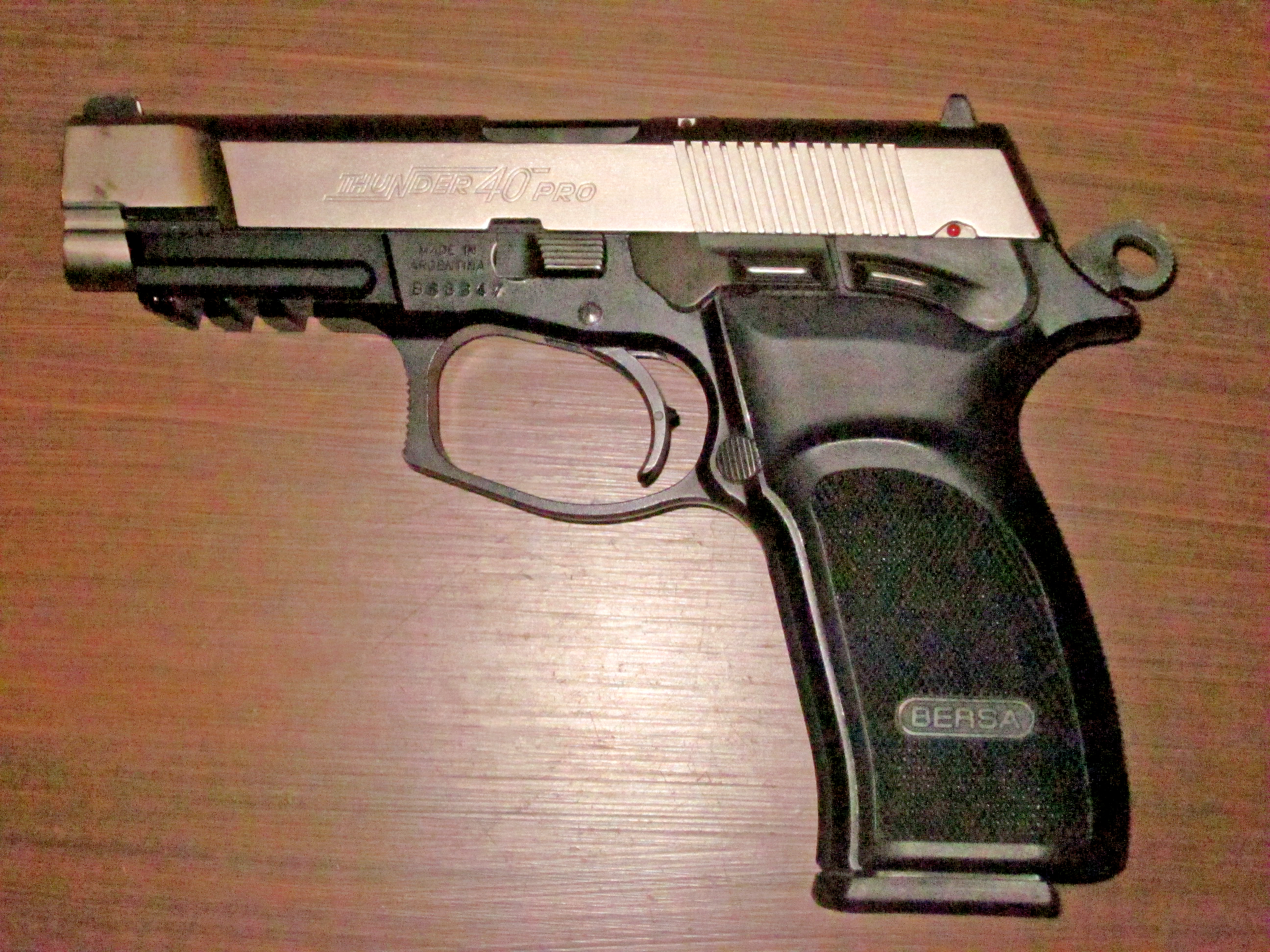
The Bersa Thunder 9 Ultra Compact looked like a practical hidden gem. It had enough heft to seem serious, enough styling to look refined, and enough value appeal to attract buyers who felt they were making a smart choice.
For some, the ownership experience never quite matched that optimism. The pistol could feel chunky for its role, and in a market full of increasingly polished compact options, it struggled to stand out where it mattered most.
That doesn’t make it a disaster. It makes it disappointing in a very specific way: a gun that appears ready to outperform its class but often leaves shooters thinking it’s merely acceptable when they expected memorable.
Desert Eagle
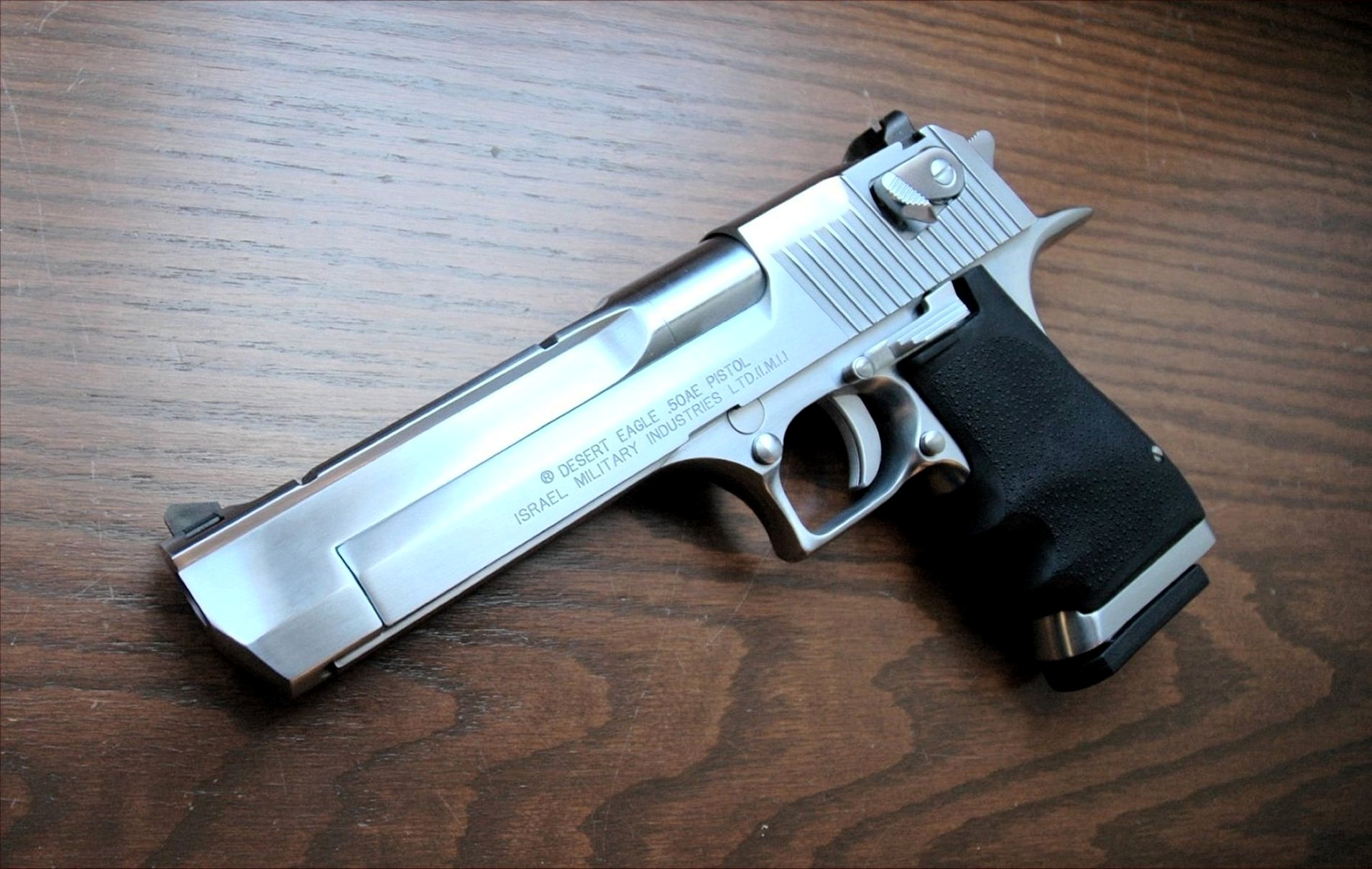
Few pistols own the display case like the Desert Eagle. It’s enormous, theatrical, and instantly recognizable, the kind of handgun that makes people stop mid-conversation just to take a second look.
Then practical reality enters the picture. Its size, weight, recoil, and limited everyday usefulness make it a poor fit for most shooters who want something beyond novelty, spectacle, or collection value.
That doesn’t erase its icon status. It simply explains why so many first impressions turn into second thoughts. The Desert Eagle is unforgettable to admire, but admiration alone doesn’t make it satisfying for the ordinary range session or any realistic carry role.