Some firearms look so polished, engraved, or finely machined that they seem destined for display cases instead of combat. But history is full of weapons that blended elegance with deadly practical purpose. This gallery explores military arms whose refined looks can fool the eye, even though they were built to serve in war.
Luger P08

With its sharply angled grip, deep blued finish, and almost sculptural toggle action, the Luger P08 looks like something made for a glass-front cabinet. In pristine condition, it has the kind of precision-machined elegance collectors love to admire up close.
That beauty can distract from the fact that it was a serious military sidearm. Adopted by Germany and carried through major conflicts, the P08 was built for battlefield service, not polite display. Its refined profile and tight tolerances gave it an aristocratic air, but its purpose was unmistakably martial.
Walther P38

The Walther P38 has a clean, balanced silhouette that feels modern even now. Early examples, especially those with strong finish and matching parts, can look more like carefully preserved heirlooms than tools intended for wartime issue.
Yet this was one of Germany’s most important combat pistols of World War II. It introduced practical service features that influenced later military handguns around the world. However polished an example may appear today, the P38 was engineered for soldiers, field wear, and the harsh routines of war rather than the quiet dignity of a collector’s safe.
Colt M1911

A well-kept Colt M1911, especially an early example with rich bluing and handsome grip panels, can project pure American craftsmanship. The lines are so confident and familiar that it is easy to see why collectors often treat fine specimens like mechanical art.
But the M1911 earned its fame through hard service, not showroom appeal. It was built as a fighting pistol and accompanied U.S. forces through multiple wars. Behind its classic profile was a rugged, big-bore sidearm meant to function under pressure, in mud, dust, and fear, where elegant looks mattered far less than battlefield reliability.
Browning Hi-Power
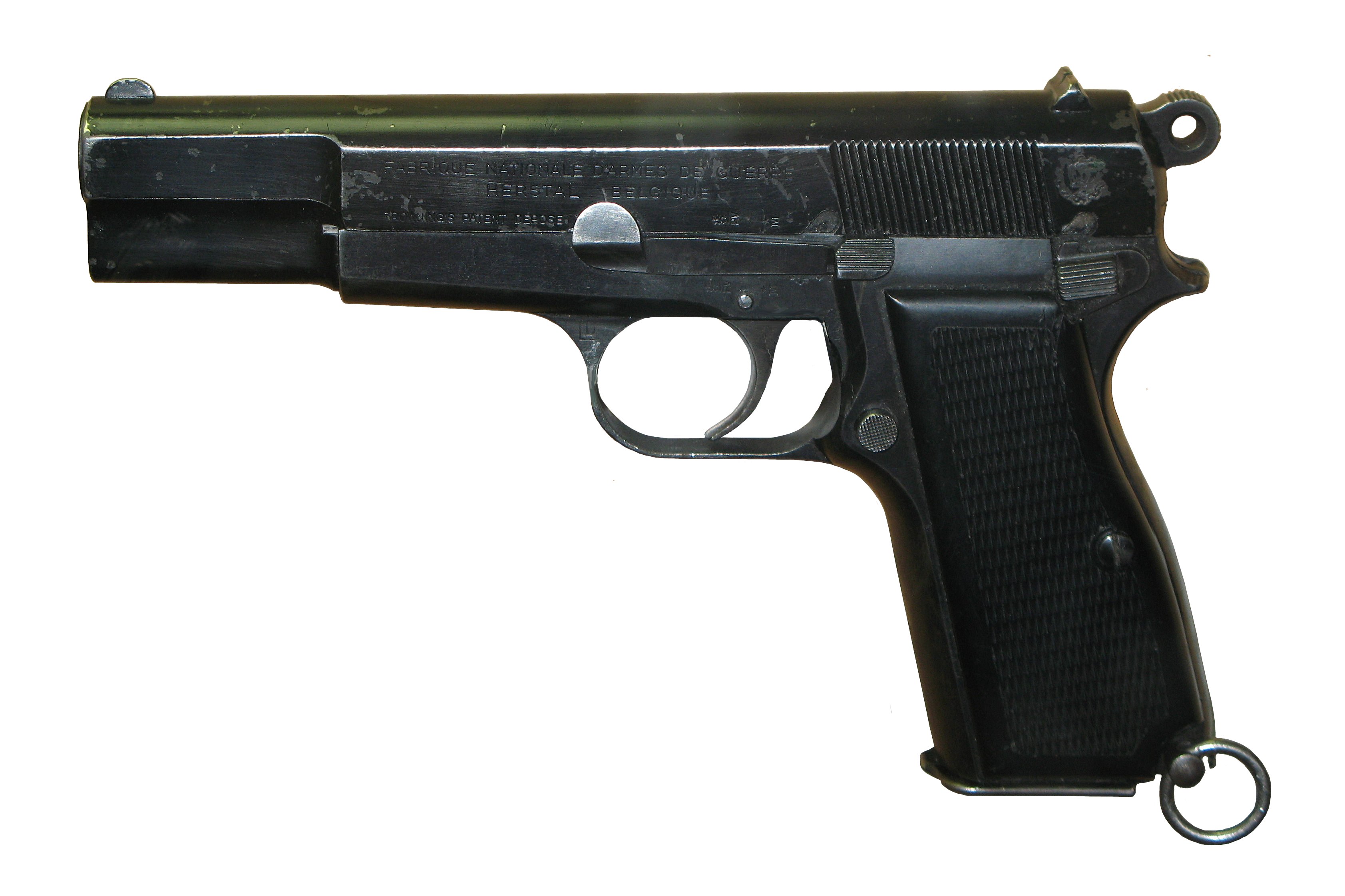
The Browning Hi-Power has the kind of graceful proportions that make it look almost too refined for combat. Its slim profile, curved grip, and tidy details give it the visual poise of a sidearm that belongs in a walnut presentation case.
In reality, it became one of the most widely used military pistols on earth. Carried by armed forces across continents and conflicts, it was built to serve troops, not flatter collectors. Its beauty is real, but so is its record as a durable combat handgun that bridged old-world craftsmanship and modern military practicality.
Mauser C96
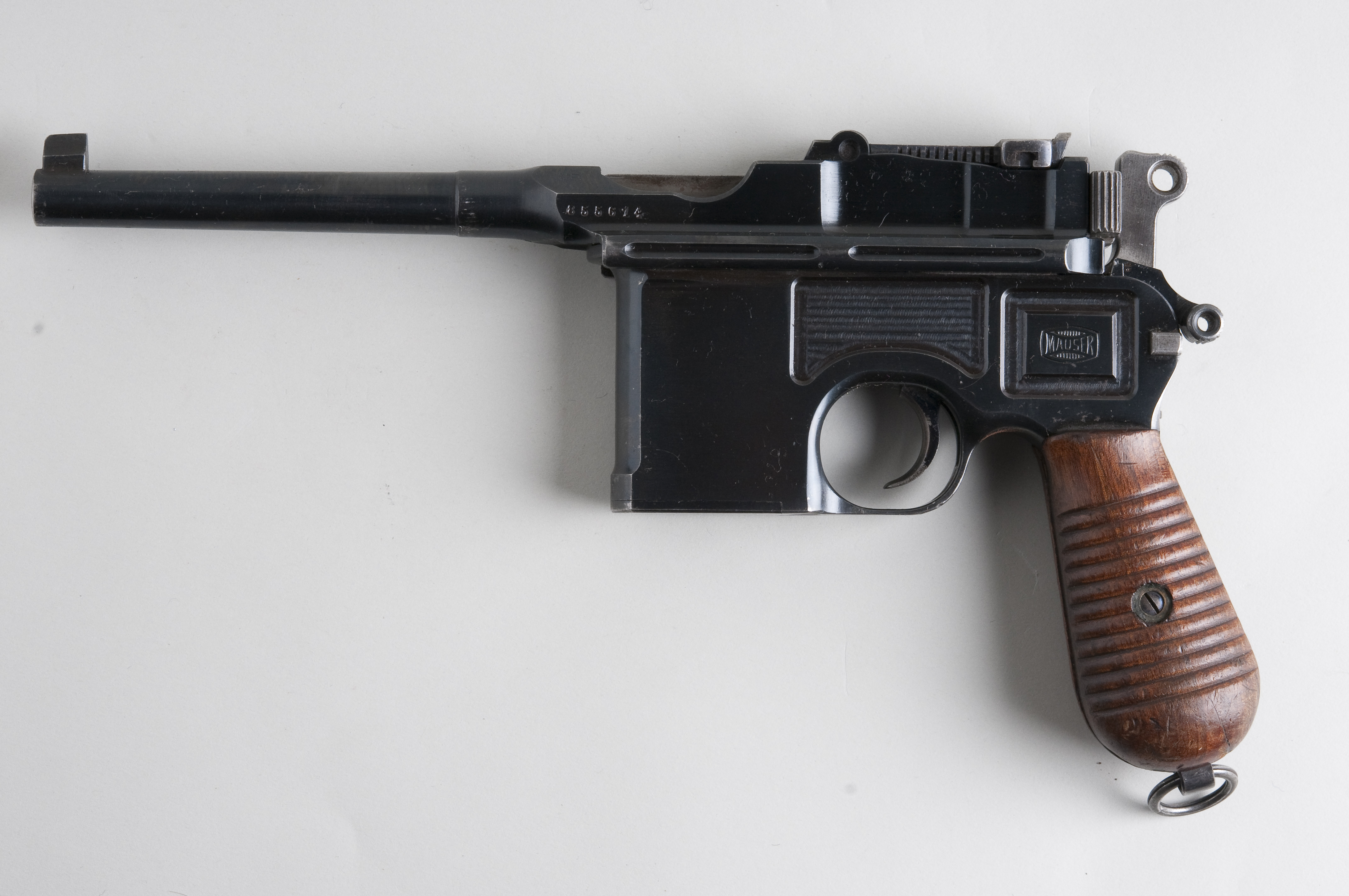
The Mauser C96 is so distinctive that it can feel more like an art-deco prop than a combat weapon. Between the slab-sided receiver, broomhandle grip, and finely machined parts, it has an unmistakable old-world charm that collectors and film fans instantly recognize.
That unusual look should not obscure its military pedigree. The C96 saw real service in conflicts around the globe and was prized for its power and range in an era of evolving sidearms. Its elegance came from ambitious engineering, but its destination was war, where innovation counted far more than visual flair.
Webley Mk VI

A clean Webley Mk VI revolver can look almost ceremonial, with its broad frame, break-top action, and unmistakably British character. In fine condition, it has the stately presence of an object meant to be admired for craftsmanship as much as mechanics.
Still, this revolver was built for officers and service in the most demanding settings of the early 20th century. It accompanied British and Commonwealth forces through brutal wartime conditions. However dignified it may seem on a display stand, the Webley was designed for quick handling, dependable operation, and the very undignified realities of close combat.
Swedish Mauser M96
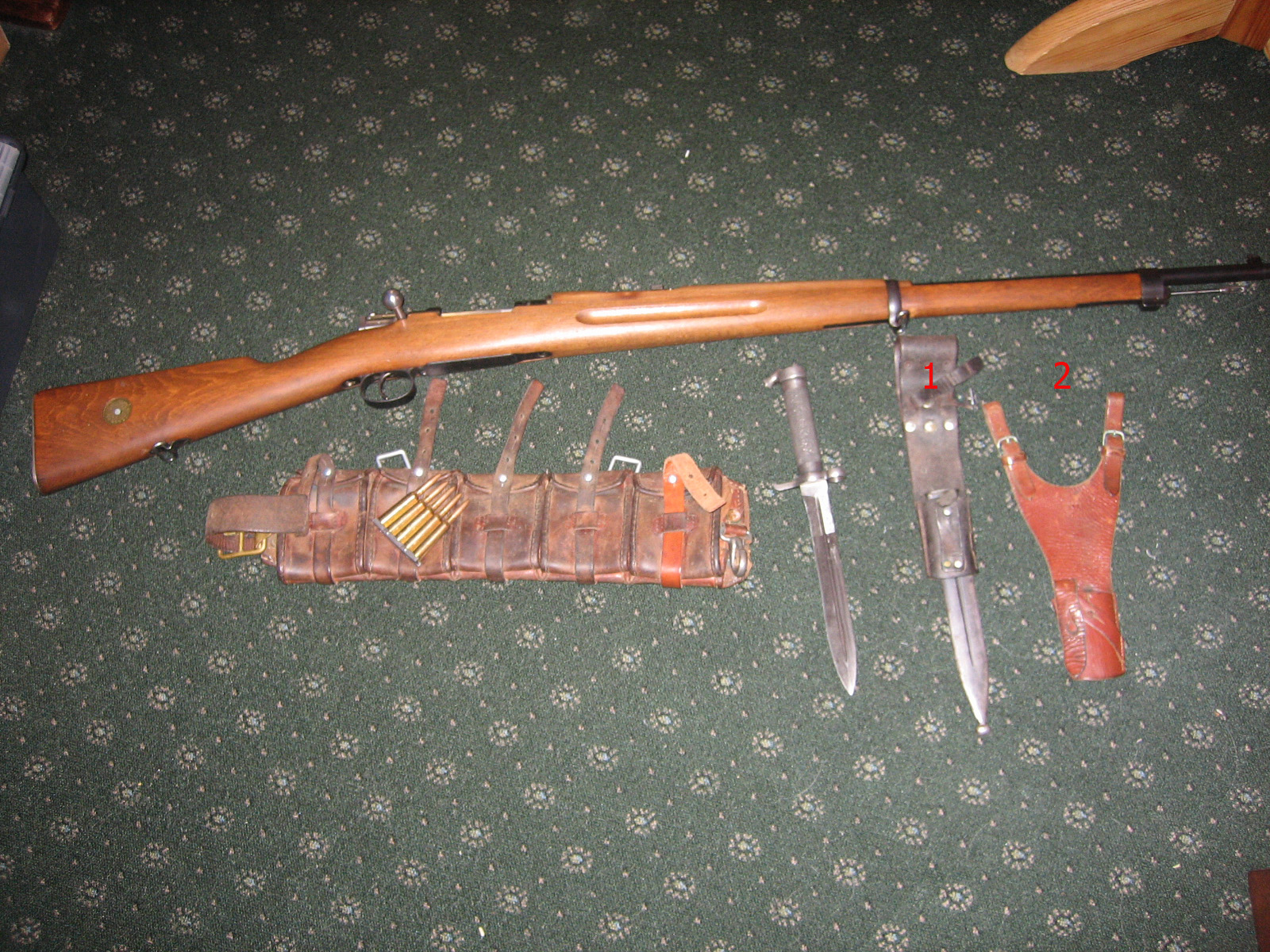
The Swedish Mauser M96 has a quiet elegance that can make it seem almost too handsome for service life. Long, slim, and often paired with beautifully figured wood and crisp metalwork, it looks like the kind of rifle a careful owner would treasure for decades.
It was, nevertheless, a serious military arm. Built for Sweden’s armed forces, the M96 reflected a philosophy that valued precision and quality without compromising readiness. Its refined appearance was not decorative excess but the result of exacting manufacture. Underneath that polished exterior was a rifle meant to equip soldiers, train marksmen, and stand ready for conflict.
Mannlicher M1895

The Mannlicher M1895 has a lean, almost elegant profile, and many surviving rifles still show the kind of fine machining that catches the eye immediately. Its straight-pull action feels advanced for its time, adding to the sense that this was a precision object built with unusual care.
That sophistication was directed toward military utility. The rifle served the Austro-Hungarian Empire and continued to appear in the upheavals that followed. It may look like a refined piece from a collector’s rack, but the M1895 was designed for speed, battlefield handling, and the demands of armies preparing for industrial-era war.
Lee-Enfield No. 1 Mk III

A nicely preserved Lee-Enfield No. 1 Mk III has an undeniable classic appeal. Between the warm wood, intricate rear sight, and long, balanced shape, it can look more like a gentleman’s range rifle than one of the great working guns of military history.
In practice, it was exactly the opposite of delicate. This rifle armed British and Commonwealth troops through punishing campaigns and became famous for speed, capacity, and rugged field performance. Its polished prewar appearance can soften its image today, but the SMLE was built for soldiers who needed a dependable rifle when conditions turned chaotic.
Springfield M1903

The Springfield M1903 often looks like the textbook example of a beautifully made bolt-action rifle. Its clean receiver lines, rich stock, and finely finished components give it an almost ceremonial neatness, especially when seen in well-preserved condition.
Yet this rifle was born from military urgency and battlefield lessons. It served U.S. forces in war and earned a reputation for accuracy, strength, and adaptability. The M1903 can resemble a collector’s pride piece today, but it was built as a practical service rifle first, intended to arm troops in an era when precision and ruggedness both mattered immensely.
M1 Garand

The M1 Garand can look almost noble in profile, especially with a clean walnut stock and well-maintained parkerized metal. Its shape is so iconic and balanced that it is easy to forget it was once a cutting-edge infantry rifle rather than a centerpiece for collectors.
That graceful silhouette belonged to one of the most important battle rifles of World War II. Semi-automatic fire gave U.S. troops a major advantage, and the Garand was built to be used hard in combat. It may wear its age with dignity now, but its true identity was forged in wartime service.
SVT-40

Original uploader was Uzz75 at it.wikipedia/Wikimedia Commons
A complete, matching SVT-40 with strong finish can have a surprisingly refined presence. The long handguard, ventilated metalwork, and sleek semi-automatic layout give it a distinctly modern elegance, one that feels almost too advanced and stylish for the brutal era that produced it.
But the Soviet Union did not create it as a showpiece. The SVT-40 was intended as a frontline service rifle, part of an effort to bring more firepower to infantry formations. Its streamlined looks may charm collectors today, yet it was designed for war, where maintenance, scarcity, and harsh conditions quickly stripped away any romantic aura.
FN FAL

The FN FAL has an understated sophistication that can make it seem almost too polished for hard field use. With its long receiver, balanced proportions, and often handsome furniture, it projects a cool, composed confidence instead of the raw aggression people sometimes expect from a battle rifle.
That restraint hides a formidable military career. Adopted by numerous nations, the FAL became one of the defining rifles of the Cold War. It was built to arm soldiers across climates and continents, not to sit untouched in climate-controlled storage. Its stylish restraint is part of the appeal, but war was always the assignment.
Heckler & Koch G3

A well-kept G3 can look strikingly clean and almost architectural. The stamped steel receiver, slim handguard, and purposeful lines give it a restrained industrial beauty, the kind that feels more curated than chaotic when photographed in a collection.
Its actual life story is far more rugged. The G3 became a standard service rifle for many armed forces and proved itself in military and security roles around the world. Its appeal lies partly in that no-nonsense design language, but it was never intended as a safe queen. It was built for mass issue, training grounds, and the demands of conflict.
SIG P210

Few military pistols look as refined as the SIG P210. Its fit, finish, and famously precise construction give it the aura of a competition pistol or luxury sidearm, something more likely to be wrapped in cloth and admired than exposed to the rough edges of service life.
Yet the P210 was a military sidearm, adopted by Switzerland and built with defense in mind. Its extraordinary quality reflected a national manufacturing culture that valued exactness, not ornamental excess. Today it is easy to view it as a collector’s treasure, but its original job was serious service in a nation prepared for war.