Some firearms become family heirlooms because of sentiment. Others earn that status by refusing to quit, season after season, owner after owner. This gallery explores 10 shotguns that built legendary reputations for durability, often staying in the field for decades without ever needing a true repair.
Remington 870

The Remington 870 became the sort of shotgun people bought once and then handed down. Its twin action bars, steel receiver, and simple internal layout gave it a reputation for cycling through mud, rain, and endless boxes of shells without drama.
That reliability made it a favorite with hunters, police departments, and farm families alike. Plenty of owners will tell you theirs never saw a gunsmith, only a wipedown, a fresh coat of oil, and the occasional replacement of expendable parts after decades.
What keeps the 870 in this conversation is consistency. It was built to work, and in countless duck blinds and pickup trucks, it simply did.
Mossberg 500

The Mossberg 500 earned its following by being tough, affordable, and remarkably forgiving of hard use. It may not have been treated like a safe queen in many homes, but that was exactly the point. This was the shotgun that got tossed in a truck, carried through brush, and still came back ready.
Its aluminum receiver kept weight manageable, while the action itself proved dependable over very long stretches. Owners often talk about years of bird hunting and home duty with no repair visit in sight.
Part of the 500’s staying power is how little fuss it demands. Basic cleaning and sensible storage were often enough to keep it running for generations.
Browning Auto-5
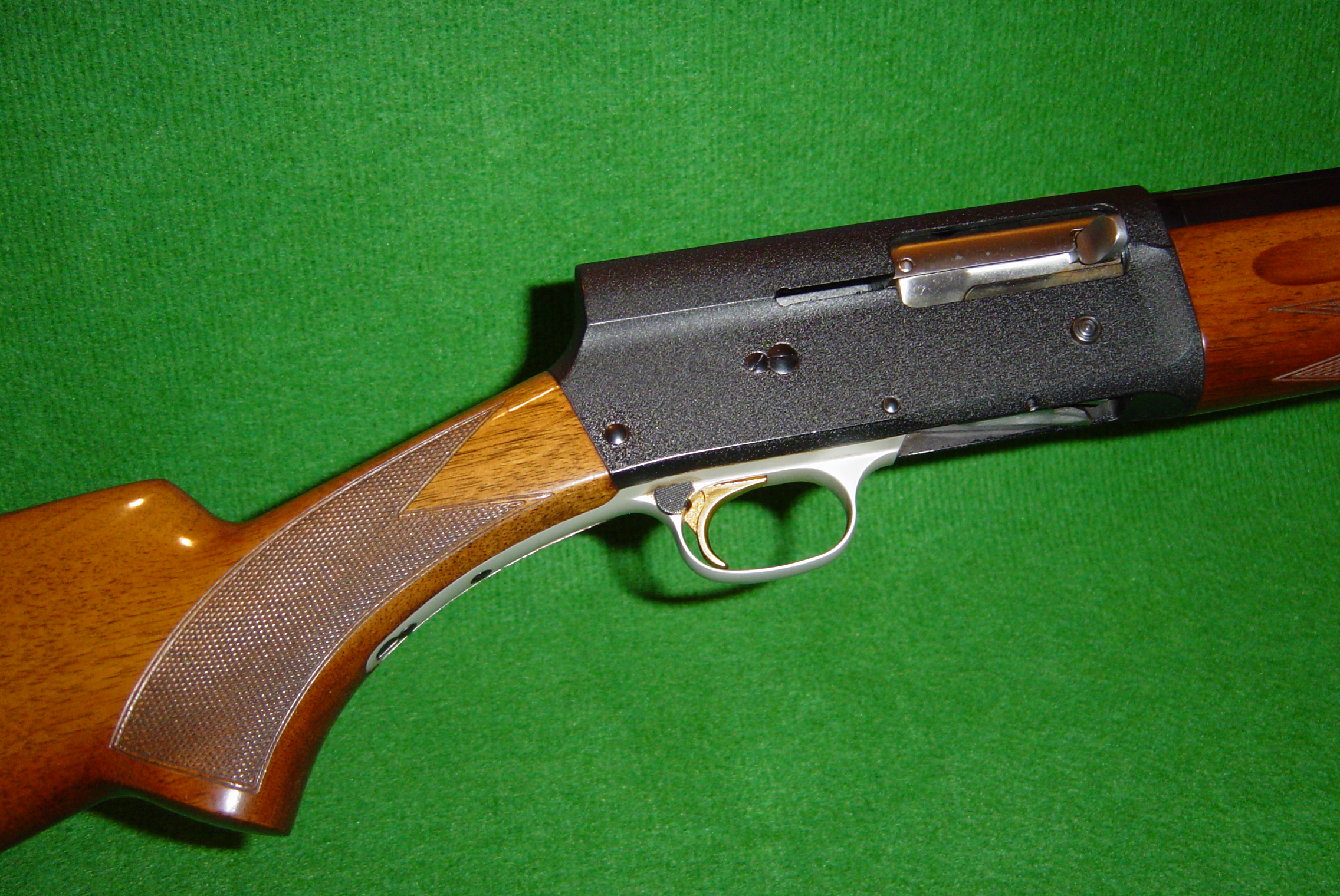
The Browning Auto-5 looks like another era because it is. Yet this long-recoil autoloader kept proving that old design did not mean delicate design. In fact, many Auto-5 owners describe a gun that kept running through decades of upland birds, waterfowl seasons, and family ownership.
Its humpback receiver made it instantly recognizable, but durability is what made it unforgettable. When set up correctly for the loads being used, it could go astonishingly long without needing actual repair work.
That mix of steel, walnut, and clever engineering gave the Auto-5 uncommon staying power. It felt substantial in the hands, and it often stayed dependable well beyond its first owner’s lifetime.
Winchester Model 12

The Winchester Model 12 has long been spoken of with a kind of reverence, and durability is a big reason why. Machined from forged steel and fitted with the kind of old-school craftsmanship collectors still admire, it built a reputation as a pump shotgun that just kept going.
For many families, the Model 12 was a do-everything gun. It rode along for rabbits, pheasants, ducks, and clay targets, then sat in the cabinet waiting for the next season with very little complaint.
Owners often describe decades of use with no repairs beyond ordinary maintenance. That is the sort of record that turns a shotgun from a tool into a trusted household fixture.
Ithaca 37
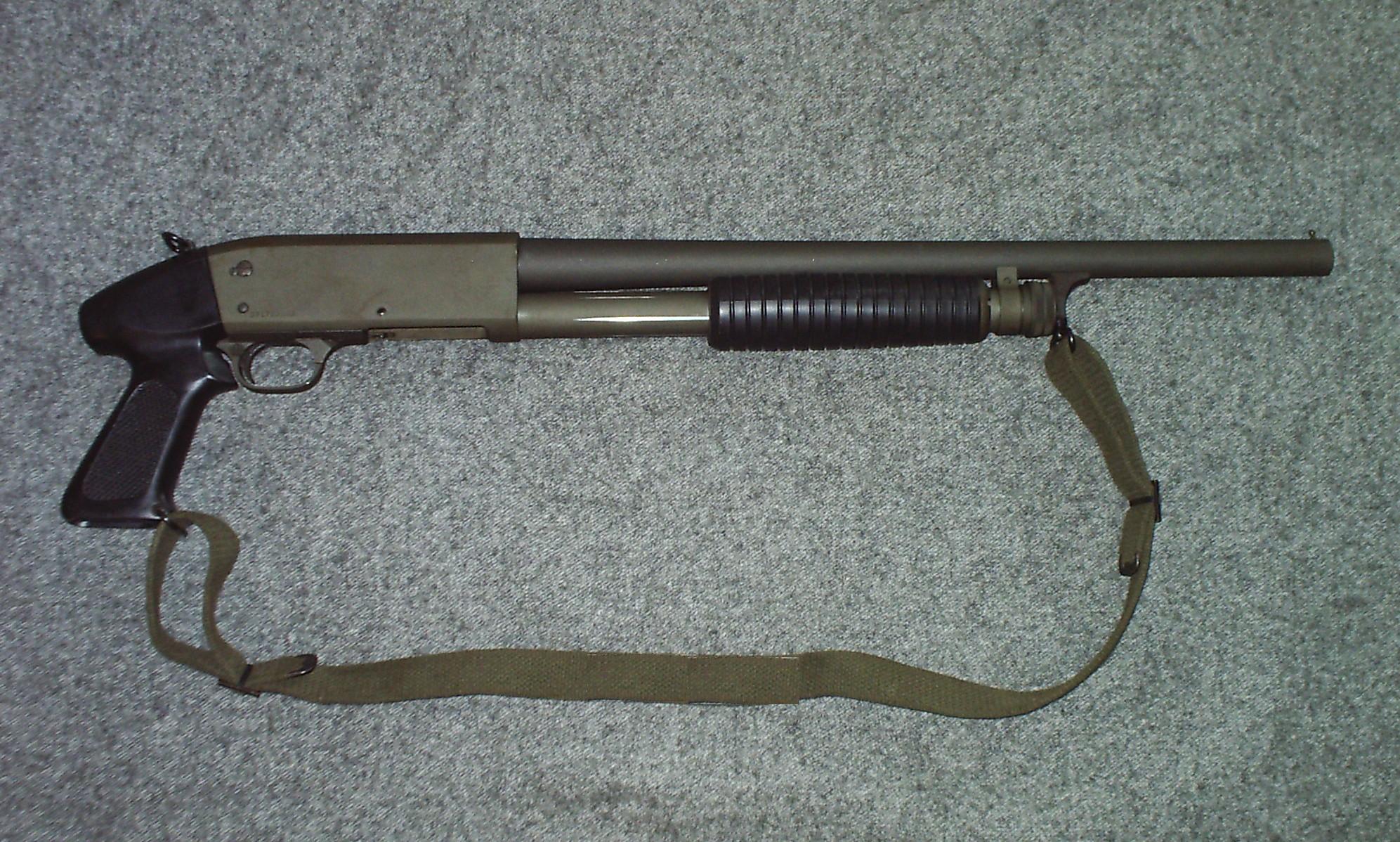
The Ithaca 37 has always had a loyal following among shooters who appreciate elegant simplicity. Its bottom-eject design helped keep dirt and weather out of the action, while also making it friendly for left-handed users long before that became a common selling point.
That streamlined layout translated into a shotgun with very few complaints over a very long service life. Farmers, hunters, and law enforcement users all leaned on it, and many examples seemed to shrug off decades of regular use.
The 37 also has a trim, lively feel that made people want to keep carrying it. When a gun is both dependable and pleasant to shoot, it tends to remain in the family for a very long time.
Benelli M1 Super 90

The Benelli M1 Super 90 brought a different kind of durability story to the shotgun world. Instead of leaning on old-world heft, it used Benelli’s inertia-driven system to deliver reliability with fewer moving parts and less fouling than many gas-operated competitors.
That design gave it a reputation for running clean and staying dependable across long periods of use. Hunters and tactical shooters alike found that the M1 could digest seasons of shooting without ever becoming a regular visitor to the repair bench.
Its toughness also came with speed and light weight, which helped modernize expectations for semi-automatic shotguns. For many owners, it proved that simple engineering can still be brutally effective over time.
Beretta 686 Silver Pigeon

An over-under might seem too refined for a list like this, but the Beretta 686 Silver Pigeon belongs here because of how often it simply keeps working. Its low-profile action and proven locking system have made it a favorite among clay shooters and upland hunters who put truly serious round counts through their guns.
The 686 has the kind of durability that hides behind good manners. It opens smoothly, points naturally, and keeps doing both year after year with little more than careful cleaning and lubrication.
That balance of elegance and mechanical stamina is rare. Many owners buy one expecting a premium shotgun and discover they also bought something their kids may still be shooting decades later.
Winchester 1897

The Winchester 1897 is older than most people imagine when they think of a still-usable shotgun, yet that is exactly what makes it remarkable. Designed by John Browning, it earned a place in hunting camps and military history alike, then kept proving that robust early engineering could endure astonishingly well.
Many surviving examples have seen more than a century of ownership changes. Even so, stories persist of 1897s that continue to function with only sensible care and no real repair history worth mentioning.
It is not just nostalgia that keeps this gun respected. The 1897 reminds people that when steel, fit, and function come together properly, longevity stops being a claim and becomes a legacy.
Stoeger Coach Gun

The Stoeger Coach Gun does not have the age of some classics on this list, but it has earned a modern reputation for being sturdy, simple, and surprisingly enduring. Its side-by-side break-action design strips away complexity and leaves owners with very little to worry about mechanically.
That simplicity matters more than ever in a gun expected to sit ready for years and still function when called upon. Many owners use theirs for recreation, cowboy action shooting, and home utility with nothing more than basic maintenance.
A durable shotgun does not always need pedigree or fine engraving. Sometimes it just needs a strong lockup, solid barrels, and a design that gives wear very few places to become a real problem.
Parker Side-by-Side

Parker shotguns have long been treasured as collectibles, but their endurance in actual use is part of the reason they became treasured in the first place. Built in an era when craftsmanship was expected to show up in every surface and every internal fit, these side-by-sides often stayed serviceable across multiple generations.
Hunters carried Parkers in fields long before they became cabinet showpieces. Many family stories describe one that was used for birds every fall, cleaned carefully, and never once sent away for repair.
That kind of survival says as much about quality as it does about care. A Parker was built to last, and when owners respected it, the gun often returned the favor for a lifetime and beyond.