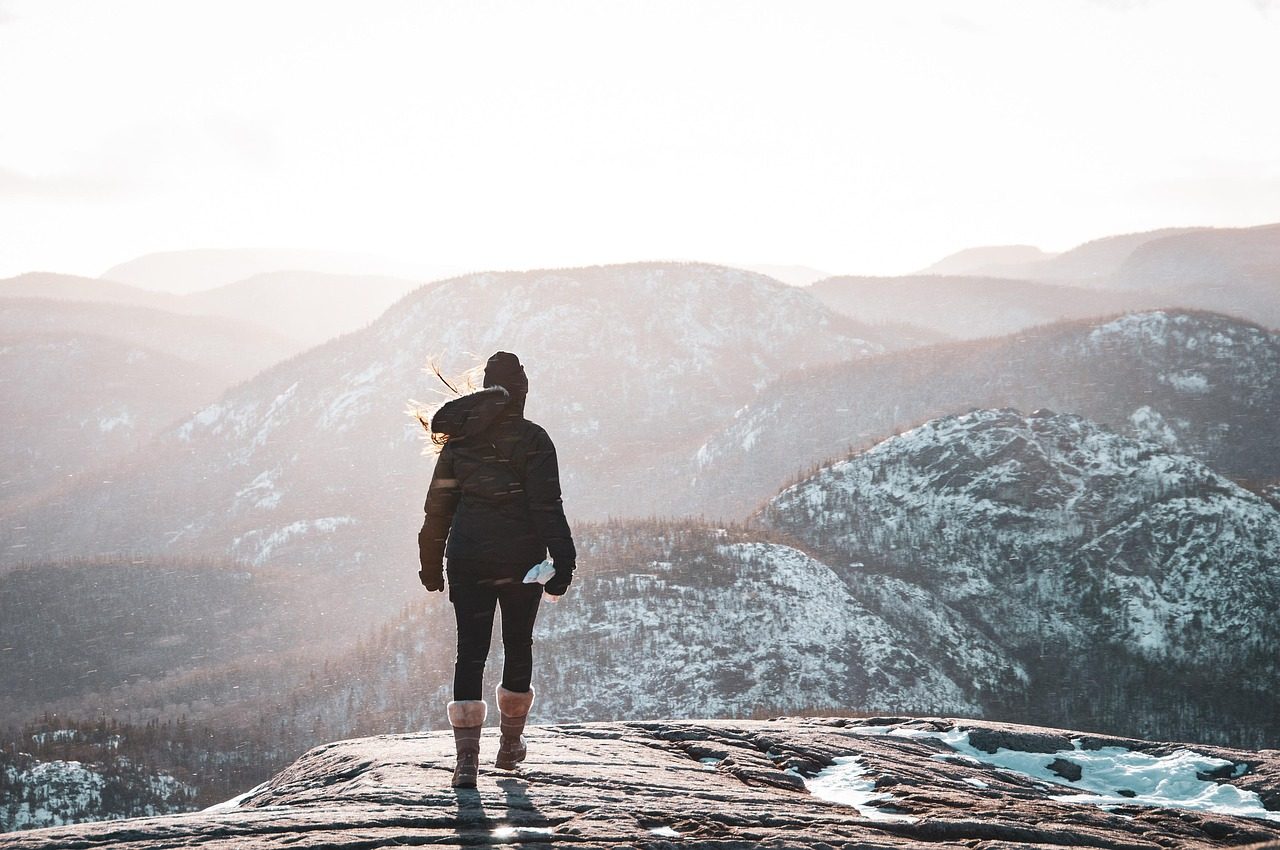
More Americans are spending time outdoors than ever before, marking a record rise in outdoor recreation participation. From hiking and kayaking to camping and cycling, people are rediscovering the joy of open spaces and fresh air. According to the Outdoor Industry Association, more than 175 million Americans, about 58% of the U.S. population, participated in outdoor recreation in 2023, the highest number ever recorded. As city life grows busier, nature offers balance, adventure, and a renewed sense of freedom for millions of Americans.
Rising Interest in Outdoor Activities
Across the country, hiking trails, campgrounds, and parks are seeing unprecedented attendance. The Outdoor Foundation reports that nearly 90% of Americans took part in at least one outdoor activity in 2023, up from just 54% a decade ago. Families and solo travelers are heading to local and national parks in record numbers, with Yellowstone and Yosemite welcoming over 10 million visitors combined. What began as a pandemic-driven habit has turned into a lasting movement toward wellness, stress relief, and outdoor adventure.
Popular Activities Leading the Growth
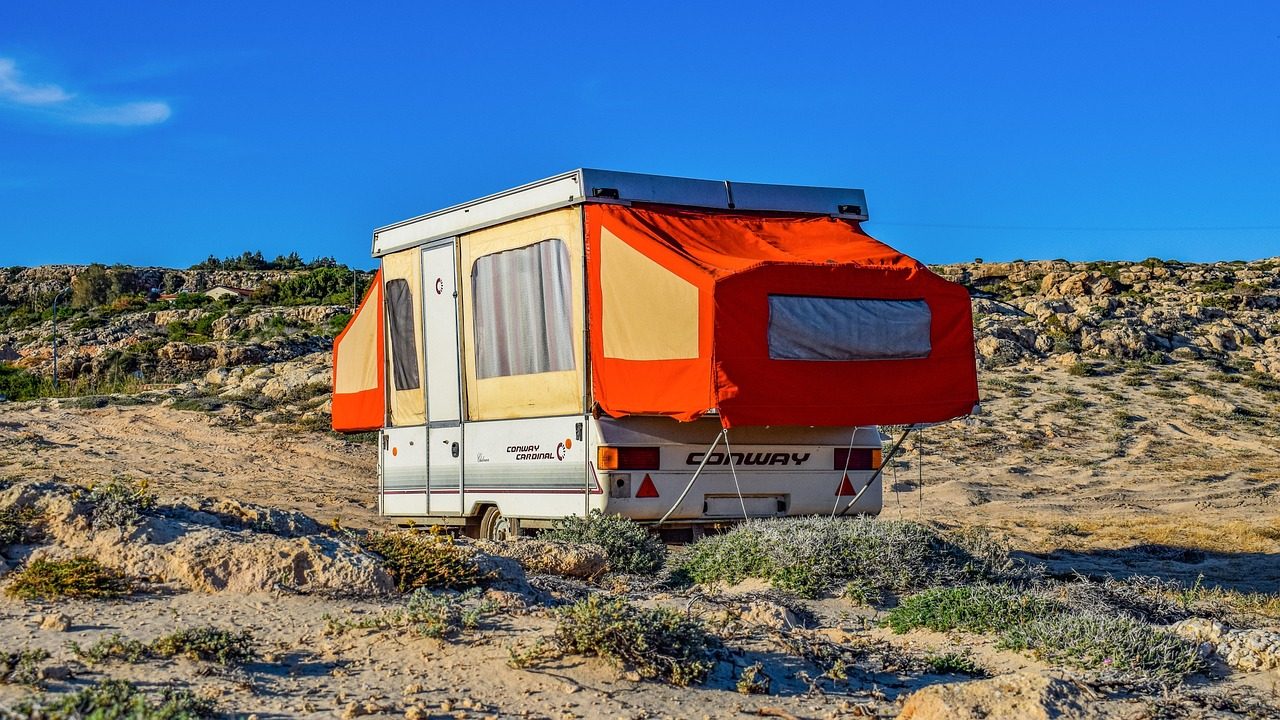
Hiking continues to lead participation, with 63 million Americans hitting the trails in 2023. Cycling has grown by 20% since 2020, while water-based recreation such as kayaking and paddleboarding has seen a 35% increase in the last five years. Even traditional activities like fishing and camping are experiencing a resurgence, with 50 million anglers and more than 60 million campers nationwide. The variety of options ensures that everyone can find their own way to enjoy the outdoors, from quiet forest paths to sunlit lakes.
Economic and Community Impact
The outdoor recreation industry has become a powerhouse, contributing $1.1 trillion to the U.S. economy in 2023, according to the Bureau of Economic Analysis. It supports over 5 million American jobs in fields like manufacturing, hospitality, and guiding services. Small towns near popular parks and trails are seeing renewed growth, with local gear shops and lodges thriving. In response, many communities are building new trails, campgrounds, and visitor centers to welcome more travelers while keeping sustainability front and center.
The Role of Mental and Physical Health
Outdoor recreation is increasingly recognized as a key part of healthy living. The Outdoor Industry Association found that 82% of participants say being outside helps relieve stress and improve mood. Just 20 minutes outdoors can lower stress hormone levels and boost focus. Activities like hiking and biking not only improve fitness but also help people disconnect from screens and find mental clarity. The fresh air, movement, and scenery combine to create an easy and accessible path to better well-being.
Expanding Access to the Outdoors
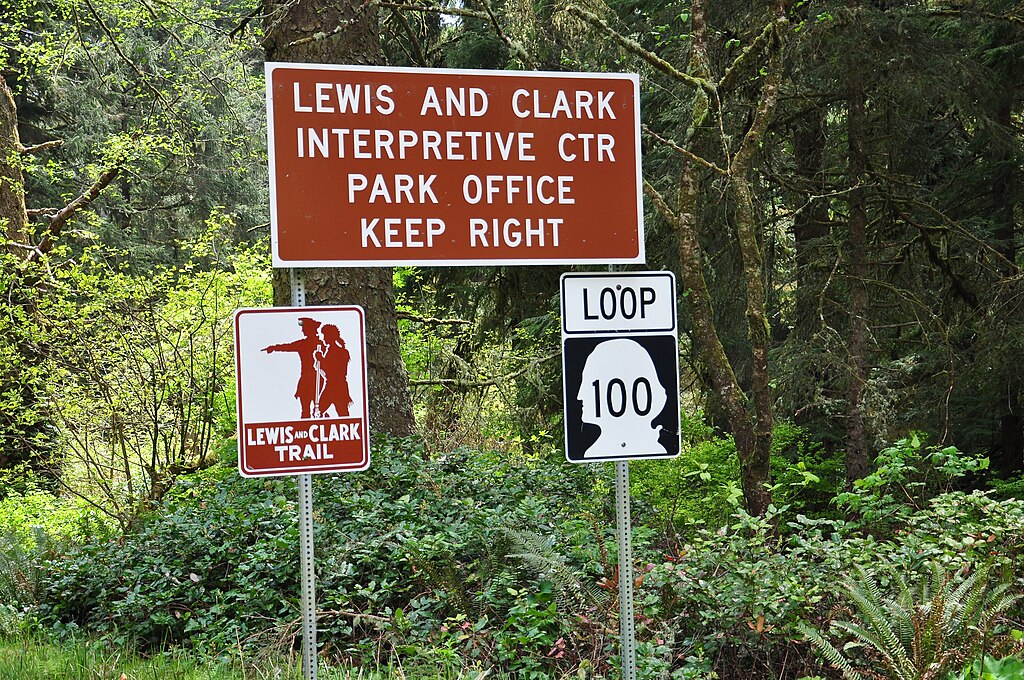
Efforts to make the outdoors more inclusive are opening doors for millions. National programs such as Every Kid Outdoors and local park initiatives are giving more families access to nature. Cities like Denver, Minneapolis, and Portland have added new bus routes and bike paths leading to green spaces. The National Park Service reports a 25% rise in urban park visitation, showing how investments in public access are helping people connect with nature right in their own neighborhoods.
Technology’s Influence on Participation
Technology is transforming how Americans explore the outdoors. More than 70% of hikers now use apps like AllTrails or Gaia GPS to navigate safely and plan routes. Drones and smartwatches help capture experiences while tracking progress. Social media has also fueled interest among younger generations, inspiring a 15% increase in Gen Z participation since 2021. While overexposure can raise concerns about overcrowding, technology has also encouraged education, safety, and responsible exploration in natural spaces.
Environmental Awareness and Stewardship
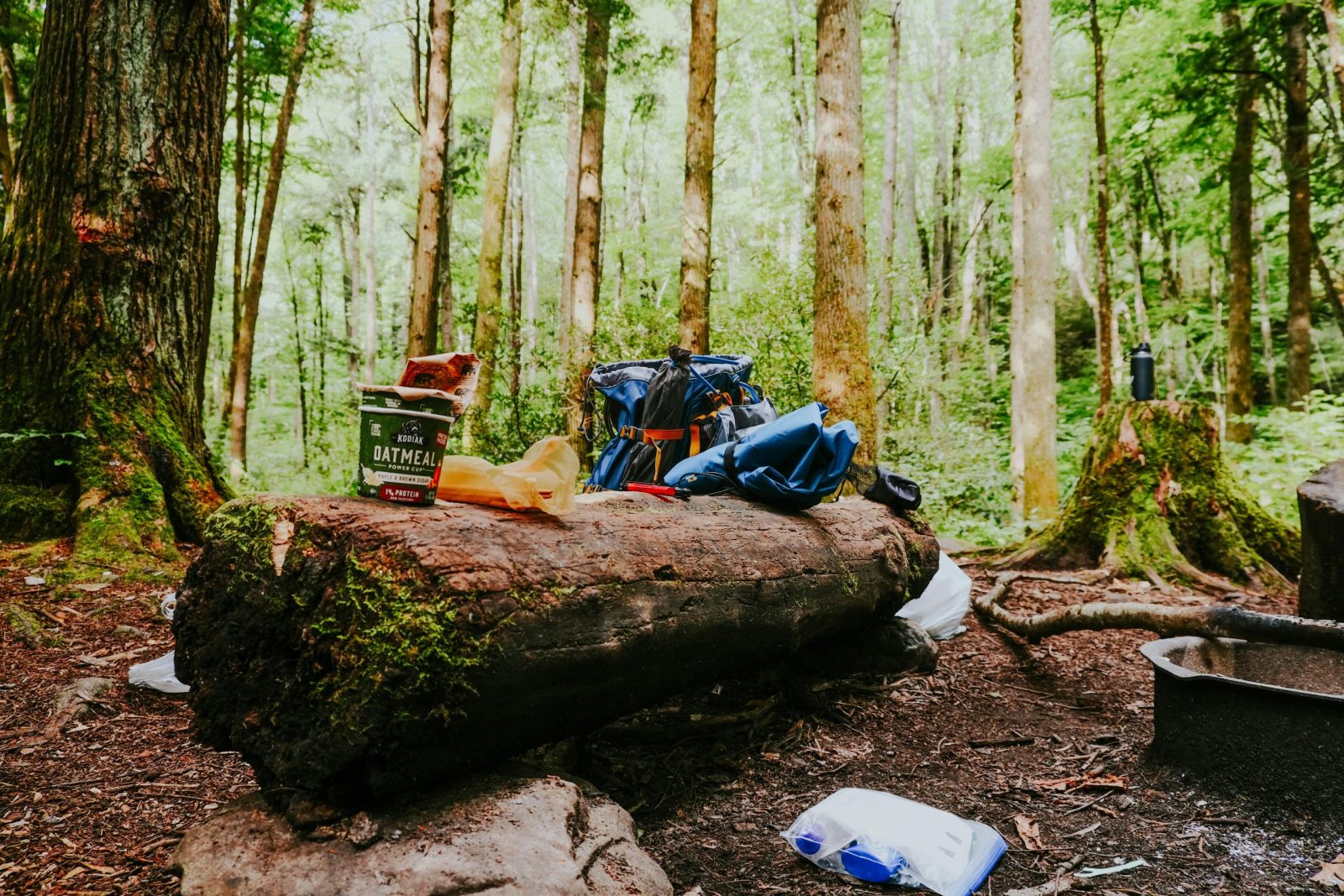
As more people spend time in nature, awareness of conservation has grown stronger. Volunteer cleanup efforts have increased by 40% since 2020, and 65% of outdoor participants now follow Leave No Trace principles. Many travelers are supporting conservation groups and eco-friendly tourism to protect public lands. This rising sense of responsibility is creating a generation of outdoor enthusiasts who see nature not just as a playground but as something worth protecting for the future.