Some firearms fade into nostalgia. The Smith & Wesson 686 never really did. Decade after decade, it keeps showing up in conversations about reliability, shootability, and all-around practicality, which says a lot in a market crowded with newer designs and constant innovation.
It got the basics right from the start
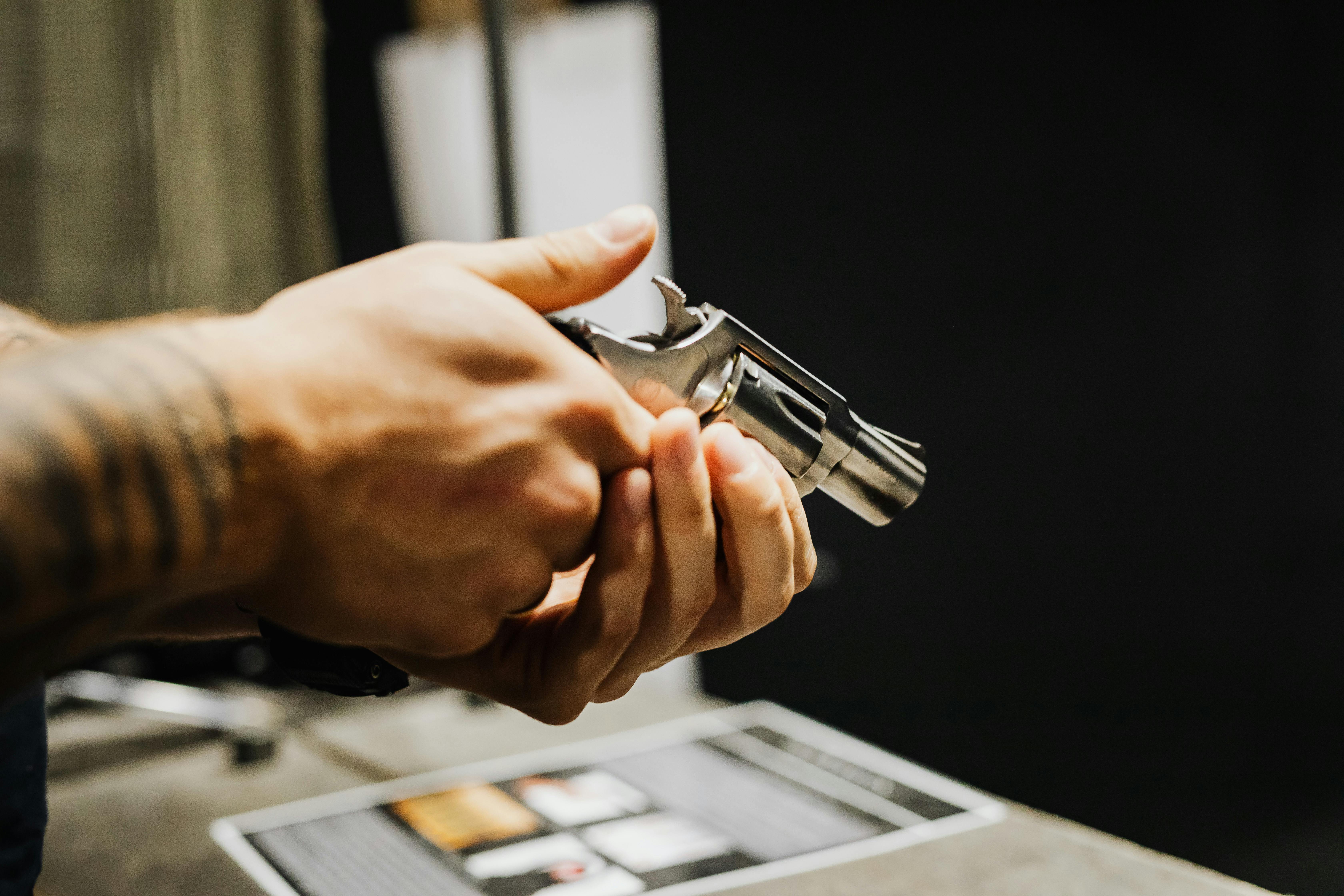
The 686 endures because it arrived with a formula that felt complete. Built on Smith & Wesson’s L-frame, it offered a smart middle ground between lighter duty revolvers and heavier big-bore platforms, giving shooters a gun that balanced strength, size, and comfort in a very convincing way.
That matters more than flashy innovation. A lot of firearms try to win attention with one standout feature, but the 686 became a staple by doing nearly everything well. It was sturdy without feeling clumsy, substantial without becoming exhausting, and refined enough that owners rarely felt they needed a replacement.
Its balance makes it easy to shoot well

One of the 686’s biggest strengths is how naturally it sits in the hand. The weight of the stainless steel frame helps soak up recoil, while the overall proportions keep the gun from feeling nose-heavy or awkward during extended range sessions.
That balance translates into confidence. Newer shooters often appreciate how controllable it feels, and experienced shooters tend to notice how easy it is to return the sights to target. Plenty of revolvers are powerful, and plenty are elegant, but the 686 built its reputation by making practical accuracy feel accessible instead of demanding.
The trigger keeps people coming back

Ask longtime revolver fans what makes a gun memorable, and the trigger usually enters the conversation quickly. The 686 developed a loyal following because its double-action pull can feel smooth and predictable, while the single-action break offers the crisp control many target shooters still love.
That kind of feel is difficult to replace with marketing language or spec-sheet bragging. Trigger quality shapes the entire shooting experience, and the 686 often delivers the sort of consistency that turns a firearm from a tool into a favorite. People may shop for features, but they tend to stay for the way a gun actually performs in the hand.
Its durability built real trust

A firearm can look impressive in a display case and still disappoint over time. The 686 earned its standing the old-fashioned way, through years of hard use, regular carry, range work, and a reputation for holding up when owners expected a lot from it.
The stainless steel construction helped its case from the beginning. It resists the wear, weather, and routine handling that can age other finishes more dramatically, and that practical toughness gave buyers a sense that this was a revolver they could rely on for years, not just admire for a season. Trust like that is difficult for newer challengers to manufacture quickly.
It works for more than one kind of shooter

Part of the 686’s staying power comes from its flexibility. It has been used for target shooting, home defense, recreational range days, and even handgun hunting in longer-barreled versions, which gives it a reach many specialized firearms never achieve.
That broad appeal keeps it in circulation across generations. Someone might first encounter it as a range rental, then later consider one for personal ownership because it already proved adaptable and approachable. In a world of niche products, the 686 keeps standing out by being useful to a wide range of people with very different expectations.
The design still looks timeless

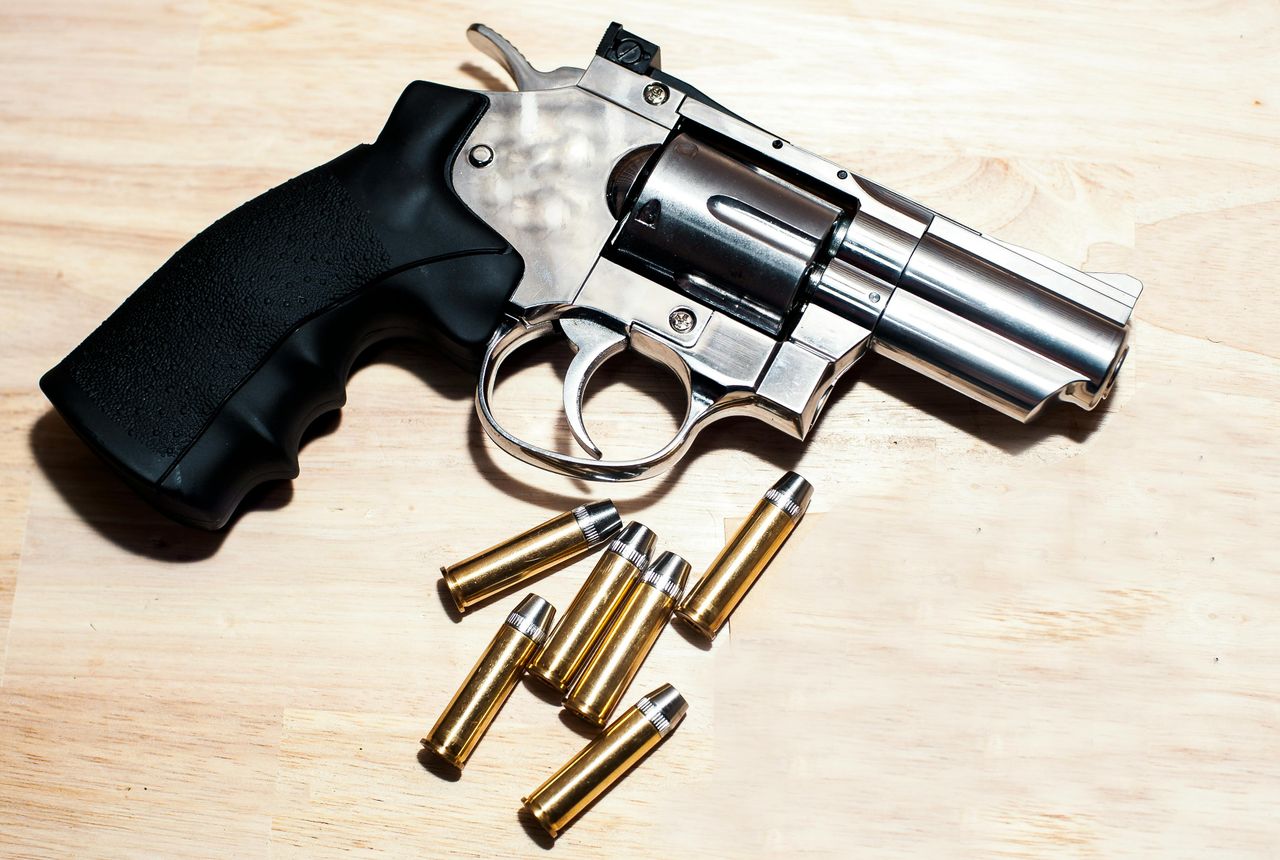
Not every enduring firearm survives on performance alone. The 686 also benefits from a look that has aged remarkably well. Its stainless finish, full underlug barrel, and clean revolver lines give it a purposeful style that feels classic without seeming stuck in another era.
That visual appeal matters because ownership is emotional as well as practical. People like tools that do their job, but they also tend to keep and cherish the ones that still feel special every time they open the case. The 686 has managed to remain handsome and authoritative in a way that newer designs often struggle to match.
Aftermarket support keeps it relevant

Another reason the 686 refuses to fade is that owners are not locked into a single setup. Grips, sights, holsters, speedloaders, and gunsmith tuning options have remained widely available, making it easy for shooters to tailor the revolver to their preferences rather than replacing it outright.
That ecosystem extends the life of the platform in a practical way. A gun that can evolve with its owner stays useful longer, whether the goal is better concealment, improved range performance, or a more personalized feel. The 686 benefits from decades of support, and that kind of staying power is hard for newer competitors to duplicate.