On paper, the Smith and Wesson 500 looks like the ultimate hand cannon: powerful, iconic, and impossible to ignore. In real life, ownership comes with tradeoffs that rarely show up in glamorous range photos or casual shop talk. Before the novelty wears off, these are the details many buyers wish they had understood from day one.
The recoil is more than a talking point

People love to describe the Smith and Wesson 500 with dramatic words, but recoil is not just impressive, it is physically demanding. Even experienced shooters are often surprised by how quickly a few cylinders can turn excitement into fatigue. The blast, muzzle rise, and shock through the hands add up faster than many expect.
That matters because the gun can expose weak fundamentals immediately. A shaky grip, poor stance, or casual trigger press becomes obvious in a hurry. What looked like a fun range showpiece can become something you hesitate to practice with, and a gun you avoid shooting regularly is rarely a gun you master.
Ammunition costs add up fast

The purchase price gets attention, but the real financial surprise often starts after you bring the revolver home. .500 S&W Magnum ammunition is expensive compared with more common handgun rounds, and even casual range sessions can feel like a premium event. The bigger the grin, the bigger the receipt.
That changes how often many owners actually shoot the gun. What seemed like a frequent range companion becomes an occasional novelty because each pull of the trigger carries a meaningful cost. Some owners turn to handloading to manage expenses, but that brings its own equipment, time, and learning curve. Either way, this is not a platform that stays cheap after checkout.
The gun is heavier and bulkier than expected

Photos rarely communicate scale very well, and that is part of the surprise. The Smith and Wesson 500 is a large-frame revolver with serious weight, and it feels substantial the moment you pick it up. In the display case it looks impressive. After an hour of carrying or handling it, impressive can start to mean cumbersome.
This has practical consequences beyond simple comfort. Holster options become more specialized, storage takes more room, and the revolver can feel awkward for people with smaller hands. Many buyers imagine a dramatic sidearm they will carry often, then realize it is much better suited to deliberate range use or niche field roles than everyday convenience.
Noise and muzzle blast can overwhelm the experience
Recoil gets the headlines, but the sound and concussion are what many first-time owners remember most. Firing a Smith and Wesson 500 indoors can feel especially intense, with blast reflecting off lane walls and turning each shot into a full-body event. It is attention-grabbing in a way that can stop being fun quickly.
That level of noise changes how and where you want to shoot it. Double hearing protection becomes less of a suggestion and more of a smart habit. Range neighbors may notice, new shooters may dislike being nearby, and some owners eventually reserve the revolver for outdoor sessions only. The gun may be legal and functional indoors, but it is not always enjoyable there.
Finding accessories is not always easy
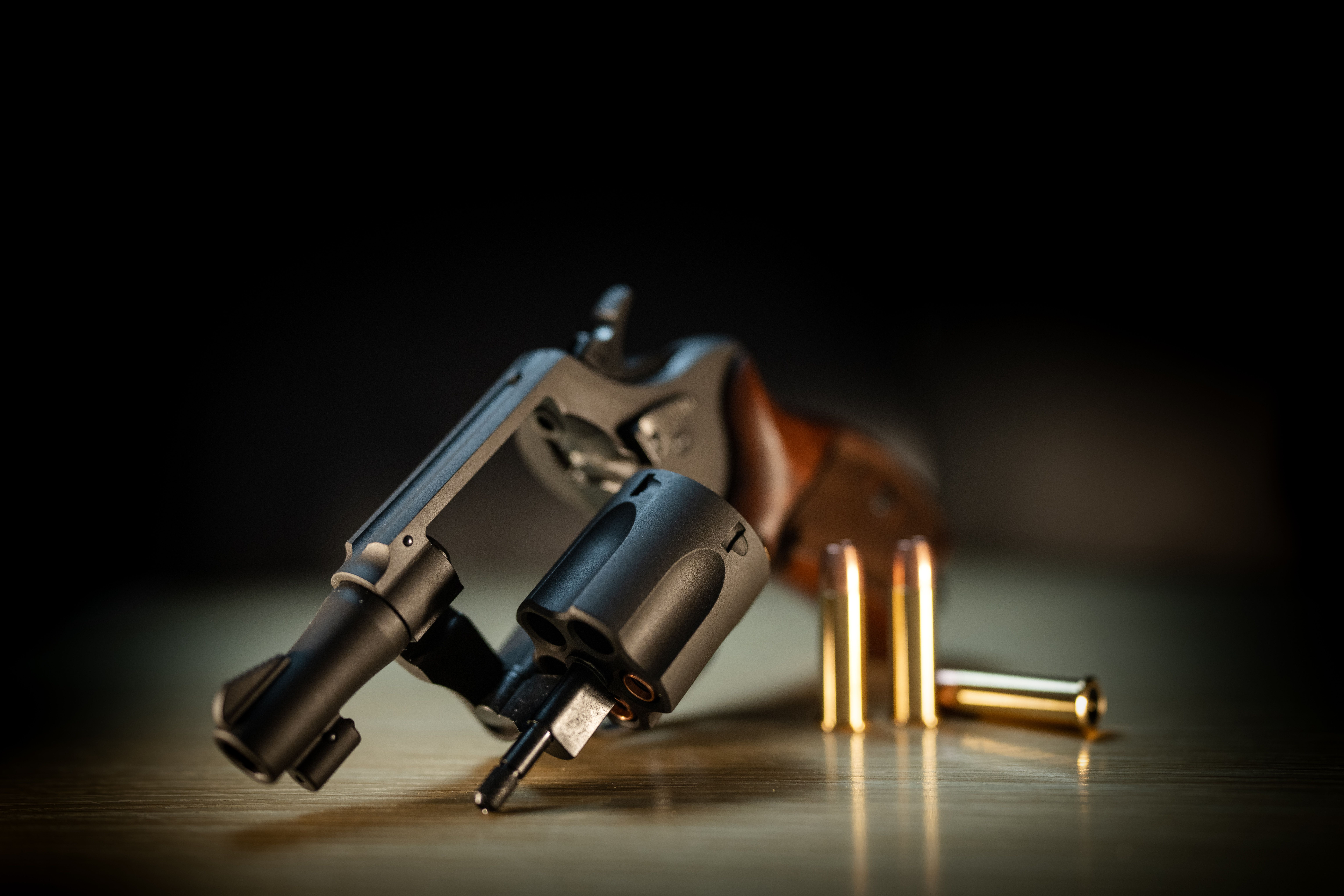
Owning a more specialized firearm means living with a smaller accessory market. Holsters, speedloaders, cases, optics mounts, and even comfortable grips can be harder to find for the Smith and Wesson 500 than for mainstream handguns. Selection exists, but it is not always sitting on the shelf waiting for you.
That can turn basic setup decisions into research projects. You may wait longer, pay more, or settle for gear that is functional rather than ideal. This matters because such a large, heavy revolver really benefits from the right support equipment. When accessories are limited, the gun can feel less practical and more like a commitment that keeps asking for one more special order.
It is not automatically easier to shoot accurately

A long barrel and hefty frame can make the Smith and Wesson 500 look like an accuracy machine, but power does not guarantee precision in real hands. The recoil cycle, anticipation, and sheer force involved can pull groups apart if your technique is inconsistent. Many owners discover that accuracy with this revolver is earned, not included.
The challenge is partly mental. When every shot feels consequential, even seasoned shooters can begin to flinch or rush the trigger. Lighter loads may help, and careful practice can absolutely produce excellent results, but the gun demands respect and repetition. If you thought the weight alone would do the work for you, the target usually delivers that lesson quickly.
Cleaning and maintenance feel bigger too

Revolvers are often praised for simplicity, and in broad terms that is fair. Still, a Smith and Wesson 500 is not the kind of handgun many owners clean in five casual minutes and forget about. Large chambers, heavy fouling, and high-pressure ammunition can make post-range maintenance feel like a more serious ritual.
The size of the gun changes the experience as well. You need enough bench space, the right brushes and solvents, and a willingness to pay attention to the details that keep a powerful revolver running smoothly. Ignore routine care and the gun can become less pleasant to shoot over time. This is a premium firearm that rewards consistency, not shortcuts.
Other people react to it more than you think

The Smith and Wesson 500 has a reputation, and that reputation enters the room before you do. At the range, people may stare, ask questions, or drift over after hearing a shot. Sometimes that attention feels flattering. Other times it turns a quiet practice session into a performance you did not ask to give.
That social factor can shape ownership more than expected. Some owners enjoy the conversation and the spectacle, while others eventually grow tired of being the center of attention every time they uncase the revolver. The gun makes a statement whether you intend it to or not, and that can affect where, when, and how comfortably you choose to shoot it.
Its practical use is narrower than the fantasy

Before buying, many people imagine the Smith and Wesson 500 as an all-purpose powerhouse. After owning one, they often realize it shines in a much narrower lane. It can make sense for certain hunting, backcountry, or specialty roles, but that does not automatically make it the right tool for frequent, everyday handgun use.
That gap between fantasy and function is where buyer’s remorse can creep in. A firearm can be fascinating, beautifully made, and mechanically impressive while still spending most of its life in the safe. The issue is not that the revolver fails to deliver. It is that many owners eventually admit they bought the idea of it more often than the actual role it fills.
Resale reality can feel different from the purchase thrill

Buying a Smith and Wesson 500 can feel like claiming a piece of firearms legend. Selling one later is usually a more practical exercise. Interest exists, but the pool of buyers is smaller than for standard defensive handguns or common range pistols, and niche guns often move on a different timetable.
That does not mean the revolver lacks value. It means the right buyer may take time to find, and your original enthusiasm may not translate into a quick, easy sale at the number you imagined. For some owners, that is the final surprise: the most powerful handgun in the case may also be one of the least casual purchases they ever make.