A lot of survival planning falls apart at the ammo shelf. People talk themselves into a caliber that looks powerful on paper, then discover it solves the wrong problem in the real world.
The prepper caliber debate usually starts in the wrong place.
Most prepper conversations about rifle caliber begin with stopping power, barrier penetration, or mythical long-range shots. That sounds serious, but it skips the first question that matters in an actual emergency: what problem are you really trying to solve? Home defense, rural predator control, neighborhood security, and bug-out mobility are not the same mission.
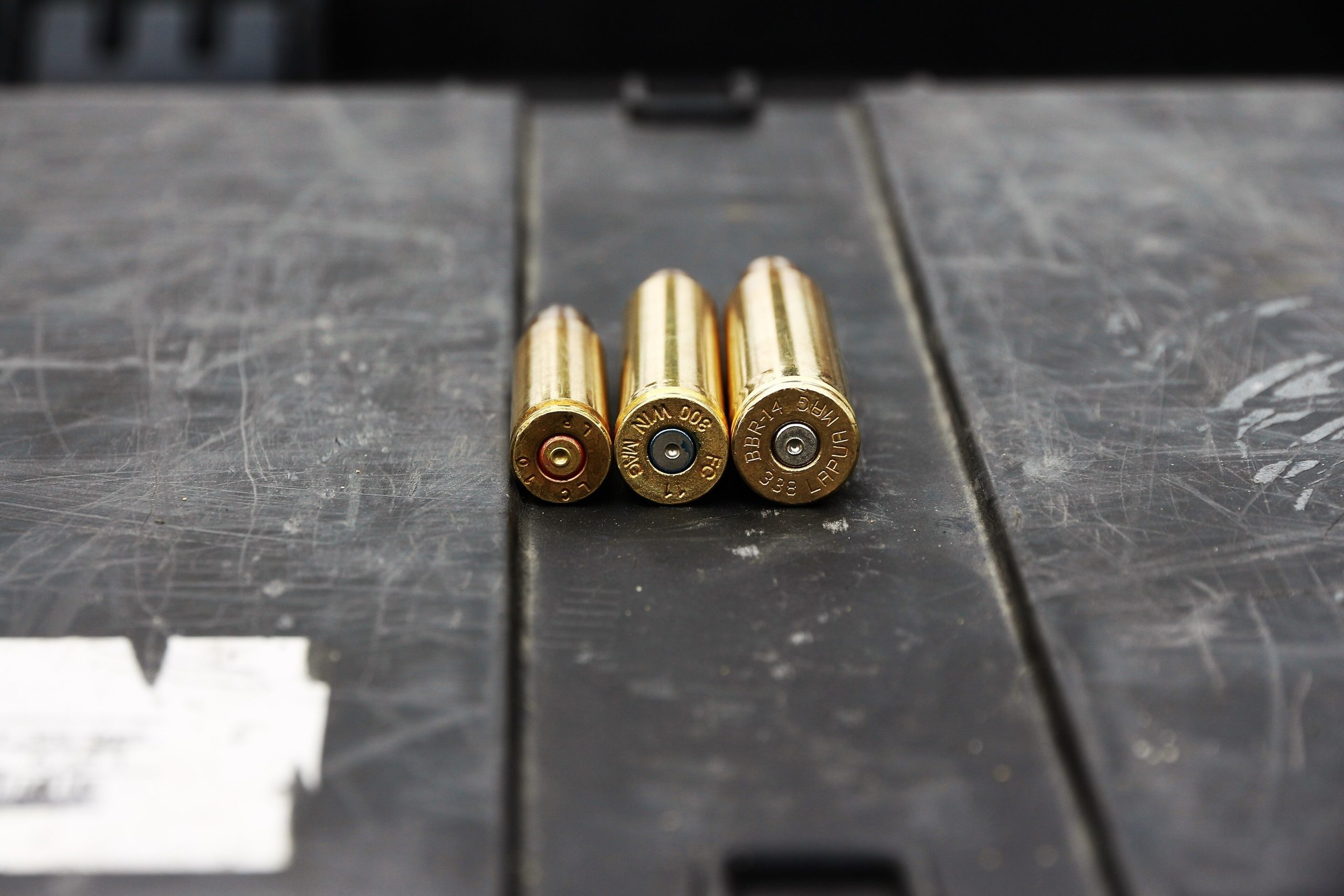
Too many buyers jump straight to .308 Winchester, 7.62×51, or another heavier round because it feels more reassuring. Bigger bullets seem like insurance. The trouble is that reassurance is not the same thing as preparedness, and heavy calibers create costs that show up every time you train, store, or carry them.
For most civilians, the realistic engagement envelope is much shorter than online arguments suggest. FBI active shooter reporting consistently shows incidents happening in populated environments like commerce areas, schools, residences, and open spaces, not across wide open valleys. The old fantasy of routinely needing a full-power battle rifle at extended distance is just that for most people: fantasy.
That is why so many preppers are stockpiling the wrong caliber. They are buying for drama instead of logistics. In preparedness, the caliber that wins on paper can lose badly once you factor in recoil, weight, cost, availability, and how much useful training you can actually sustain.
The cartridge most people overlook is usually the one that makes the most sense.
For a broad slice of American gun owners, the practical answer is some version of .223 Remington or 5.56 NATO in a reliable rifle. That is not because it is magical. It is because it sits in the sweet spot between controllability, common availability, useful effective range, and manageable carry weight.
The U.S. military and Marine Corps have long treated 5.56 platforms as viable out to 500 meters in trained hands, which tells you plenty about the cartridge’s real capability. Civilian preparedness needs are usually far less demanding than that. Inside normal defensive distances, a light, low-recoil rifle that allows quick follow-up shots is a major advantage.
There is also a safety and compatibility point that many casual owners misunderstand. According to SAAMI and the NSSF, .223 Remington ammunition is generally safe in a true 5.56 chamber, but 5.56 NATO should not be fired in a rifle marked only for .223 Remington unless the manufacturer says otherwise. That detail matters because many people buy ammo first and learn chamber differences later.
In other words, the boring answer is often the best. The caliber that lets you keep a common rifle running, train more often, and share magazines and spare parts across a huge ecosystem usually beats the caliber that merely sounds more serious in conversation.
Weight, cost, and recoil matter more than internet bravado
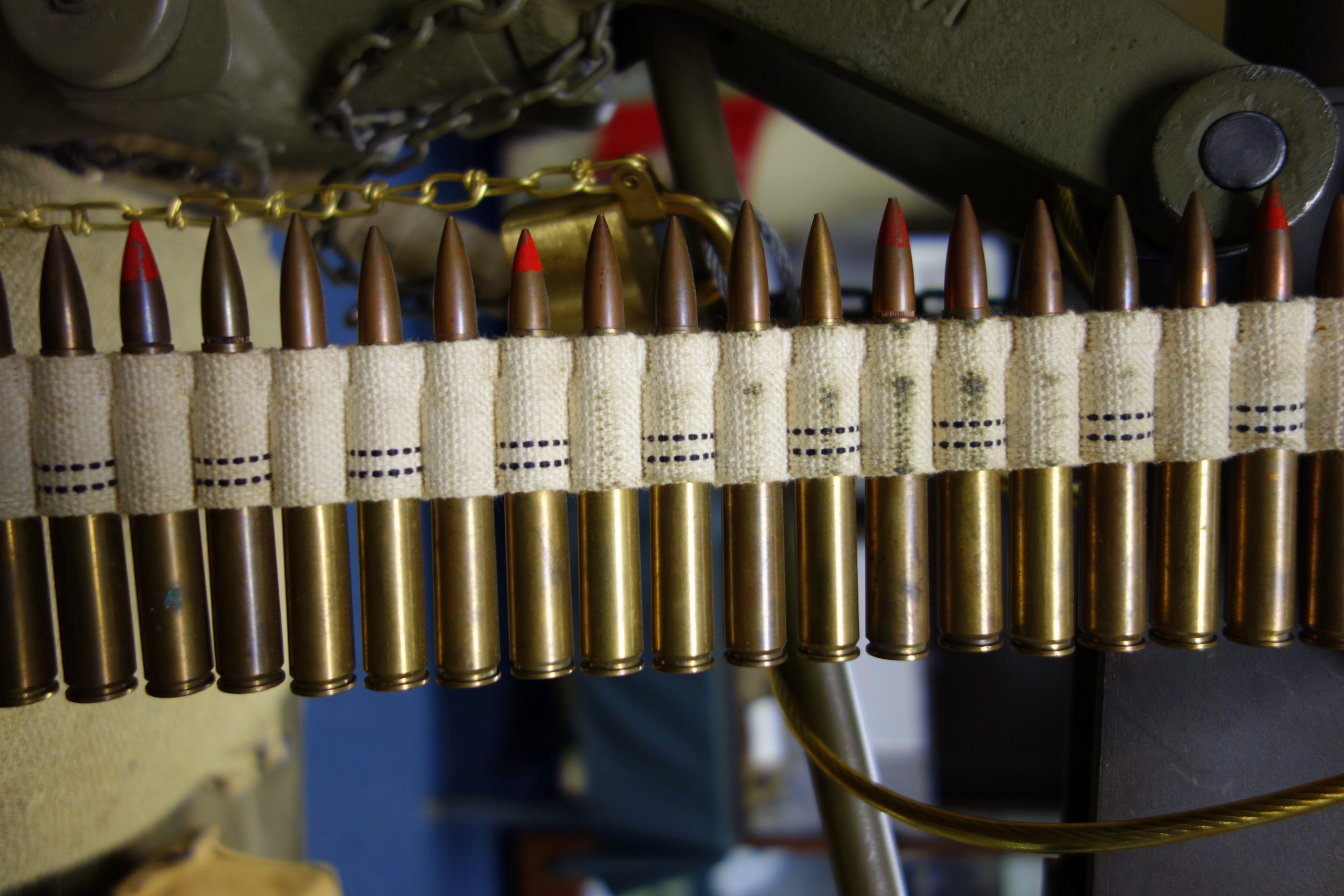
Preparedness is logistics, and logistics are brutally honest. A cartridge is not just a ballistic number. It is something you have to buy repeatedly, store in quantity, transport under stress, and shoot well when tired, cold, and scared. That is where many heavier rifle calibers stop looking wise and start looking expensive.
A lighter cartridge lets you carry more rounds for the same burden. That matters if your plan involves moving on foot, even for a short distance. It also matters if you are storing a meaningful reserve at home while still budgeting for water, food, medical supplies, batteries, tools, and communications gear. Ready.gov still advises at least one gallon of water per person per day for several days, which is a useful reminder that ammo is only one line item in a real emergency plan.
Recoil is another overlooked tax. Lower recoil means faster follow-up shots, less shooter fatigue, and a smoother learning curve for newer or smaller-framed shooters. In a household rifle, that matters a lot more than many hobbyists admit. A gun that only one confident person can run well is not nearly as practical as one that the household can actually use.
Then there is training volume. If your caliber is costly enough that you avoid range time, your stockpile becomes a security blanket, not a capability. The prepper who can afford regular practice with a lighter cartridge is usually better prepared than the one sitting on cases of ammo they barely shoot.
Real emergencies reward familiarity, not theoretical power.
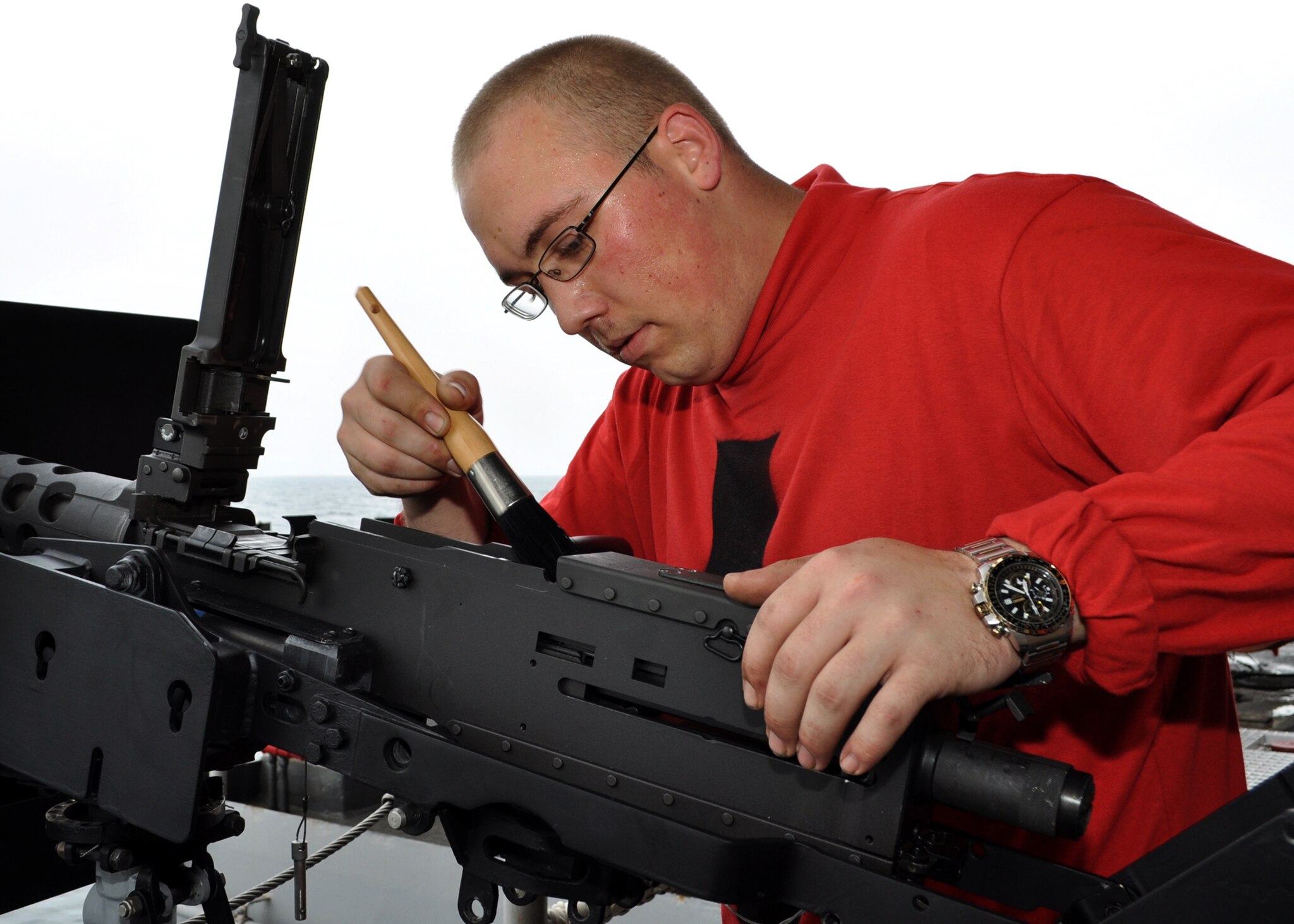
Preparedness is full of gear traps, and caliber is one of the biggest. People assume that if a round can do more, it must be better. But in actual crises, performance usually comes from competence under stress. A familiar rifle with common ammo tends to outperform a more powerful rifle that the owner shoots rarely and carries reluctantly.
That principle shows up in defensive training again and again. Under stress, people do not rise to the occasion as much as they fall back on what they have actually practiced. If your rifle is loud, punishing, and expensive to feed, you are less likely to build that practice base. That weakens the whole preparedness plan.
Noise is part of the equation, too. CDC guidance on noise exposure notes that impulse sounds and anything at or above 85 dBA can threaten hearing over time, and firearm noise can be dramatically higher. CDC-published hearing material has noted peak sound levels from small-caliber rifles well above 140 dB. In a home or vehicle, that is not a trivial issue. A cartridge you can manage with proper protection at the range is one thing. A rifle that becomes miserable to train with is another.
This is where moderate calibers shine. They are not quiet, and they are not toy rounds, but they are generally easier to live with. In preparedness, the system you can train with consistently has an enormous edge over the system that only impresses on spec sheets.
The bigger-caliber argument is not totally wrong, just badly overapplied
There are legitimate reasons to choose .308 or another full-power rifle cartridge. Hunting larger game, working open rural property, and shooting intermediate barriers at longer distances can justify it. If that is your actual use case, great. The mistake is pretending those needs apply to everybody.
A rancher in wide country and a suburban homeowner do not have the same problem set. Neither does a family building a modest emergency kit versus a hobbyist assembling a fantasy loadout. The problem is not that bigger calibers are useless. The problem is that they get treated as universal answers when they are really specialized tools with real tradeoffs.
Those tradeoffs add up quickly. Heavier rifles are slower to carry and often slower to bring back on target. Heavier ammo eats storage space and budget. Stronger recoil reduces accessibility for less experienced shooters. Even optics, spare magazines, and overall rifle setup tend to get more demanding as you scale up.
That is why the smarter prepper does not ask, “What hits hardest?” The smarter question is, “What gives me the best total package for my terrain, budget, likely distances, household skill level, and sustainment plan?” Once you ask that honestly, a lighter intermediate caliber starts looking a lot less compromise-minded and a lot more mature.
The smartest stockpile is balanced, not dramatic
The most prepared households usually do not obsess over one ballistic variable. They build layered resilience. Food, water, power, first aid, sanitation, communications, and home hardening all compete for the same dollars. If your ammo budget crushes the rest of the plan, you are not more prepared. You are just more specialized.
That is why caliber choice should support the entire system. A common rifle round lets you buy deeper without wrecking your budget. It also tends to support broader parts availability, more magazine compatibility, and more abundant training resources. In the United States, that commonality matters. It is hard to overstate how much value there is in running a cartridge and platform with a massive installed base.
There is also a household readiness angle. A practical prep rifle should be shootable by more than the strongest or most experienced person in the family. If a spouse, adult child, or trusted relative cannot run the gun comfortably, the stockpile is less useful than it looks. A modest recoil cartridge expands who can train and who can step in.
Preparedness is not about flexing. It is about making sure your rifle setup fits into a sane, sustainable plan. The best stockpile is the one you can afford, rotate, practice with, and support alongside everything else that keeps people alive.
What most preppers should do instead?
Most people would be better served by choosing a common intermediate rifle caliber, verifying their chamber markings, buying quality magazines, and investing the money they save into training and essentials. For many, that means a 5.56-chambered rifle that can also safely fire .223 Remington, with the important caveat that you should always follow the firearm maker’s guidance. SAAMI and the NSSF are very clear that 5.56 ammo in a rifle marked only .223 can create dangerous pressure issues.
After that, build depth where it matters. Buy enough ammunition to confirm reliability, zero the rifle, train regularly, and maintain a reasonable reserve. Then stop chasing caliber debates and fill the bigger preparedness gaps. Water storage, medical gear, flashlights, batteries, radios, and nonperishable food will matter in far more emergencies than exotic ballistic performance.
The hard truth is that many preppers are stockpiling the wrong rifle caliber because they are preparing for an identity, not an event. Real preparedness looks boring from the outside. It favors commonality over novelty, repetition over fantasy, and practical competence over macho theory.
If your caliber choice helps you shoot more, carry easier, spend smarter, and support the rest of your emergency plan, you are probably on the right track. If it mostly helps you win arguments, you probably are not.