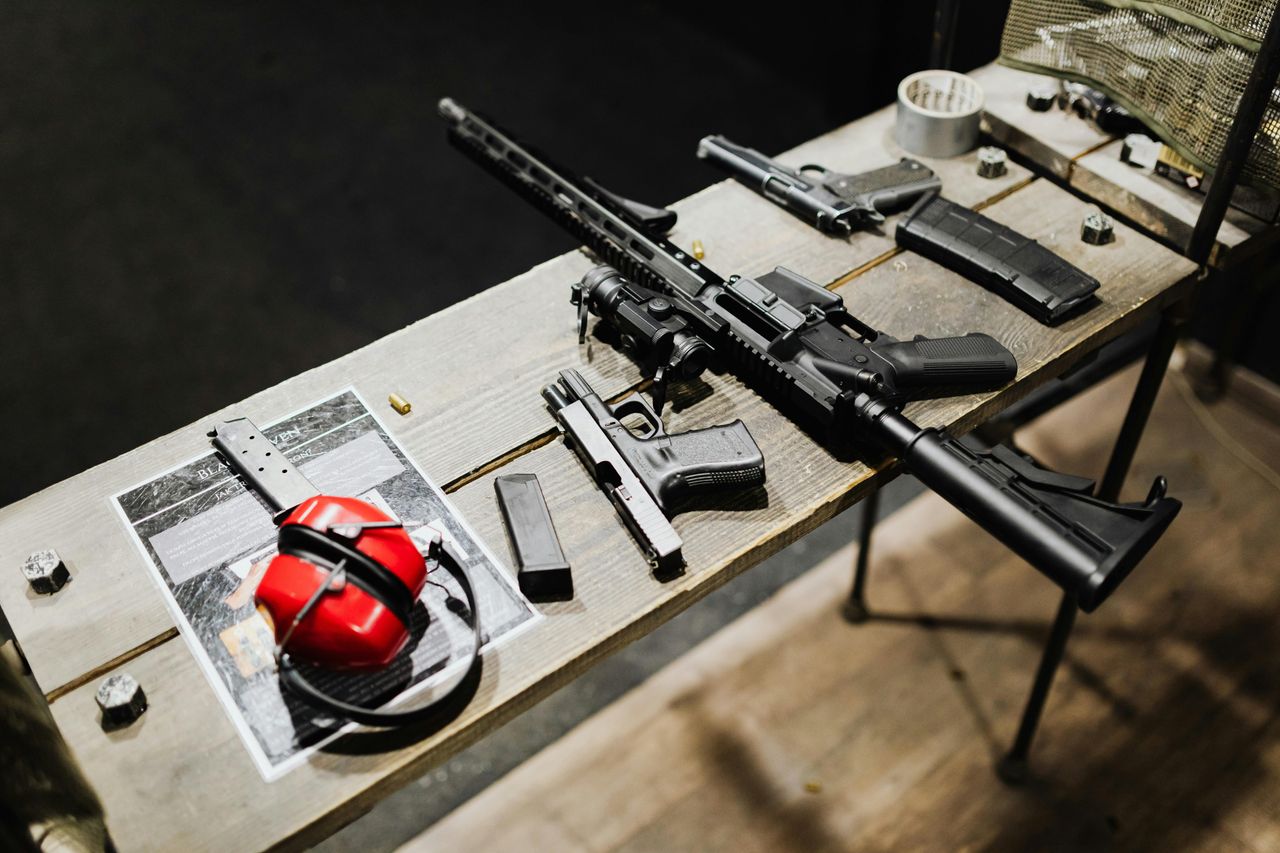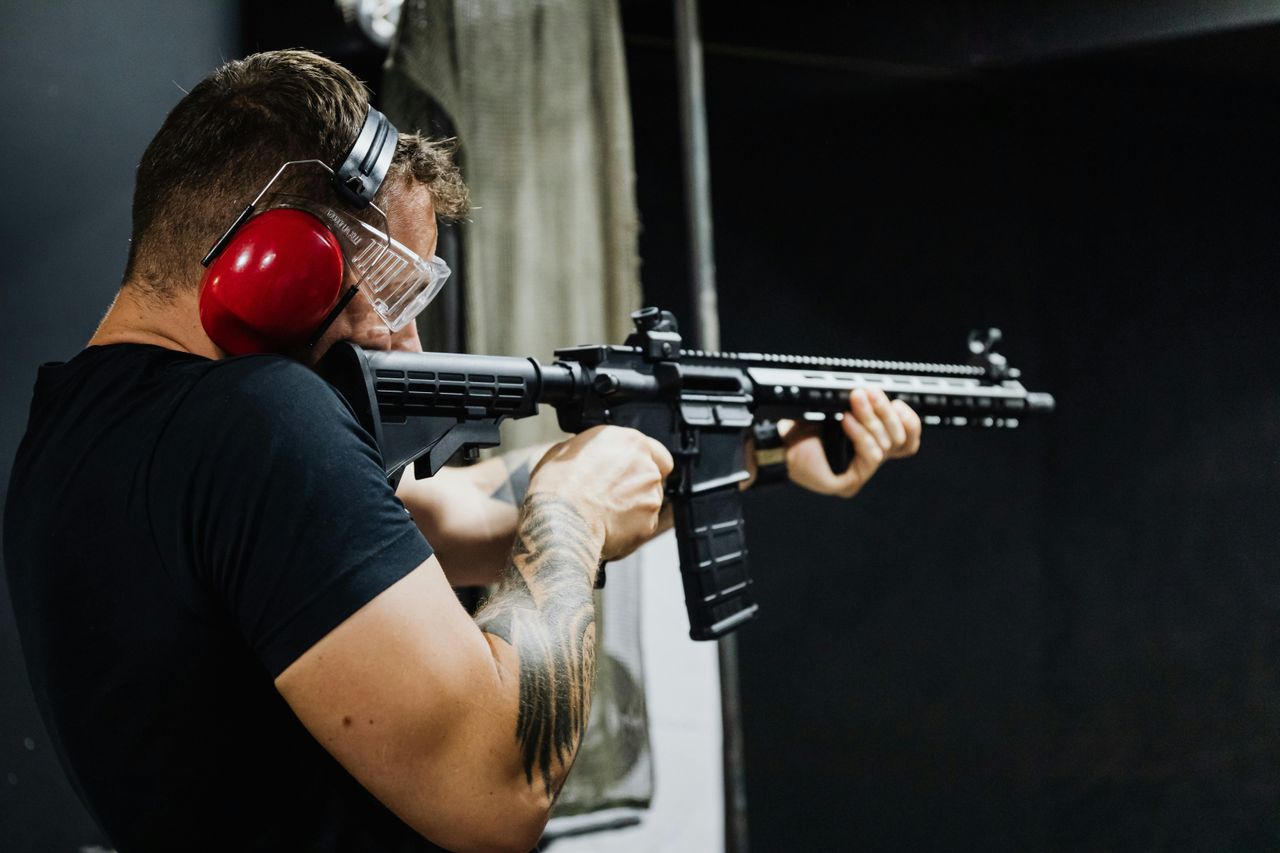
Something has changed in the American gun world. In 2026, the AR platform is still everywhere, but it no longer feels like the automatic first choice it once was.
The market is saturated, and buyers know it.

For years, the AR platform dominated store racks, online discussions, and range culture. It was promoted as the most versatile rifle in America, and for a long stretch, that claim matched the market. Manufacturers flooded the space with options at every price point, from bargain builds to premium rifles loaded with upgraded triggers, rails, and optics-ready setups.
That success created its own problem. By 2026, many gun owners who wanted an AR already own one, and quite a few own several. Retailers across the country have been dealing with a buyer base that is no longer discovering the platform but comparing one nearly identical rifle against another in a market packed with overlapping products.
When a category becomes mature, excitement fades. Consumers start asking harder questions about what they actually need, not just what has the biggest aftermarket. Dealers have noted that first-time buyers now spend more time looking at compact handguns, hunting rifles, pistol-caliber carbines, and shotguns because those options feel more purpose-built instead of endlessly customizable.
That does not mean the AR is disappearing. It means it has become ordinary. And once a product becomes ordinary, it stops pulling buyers with pure momentum.
Price pressure is pushing owners toward simpler choices
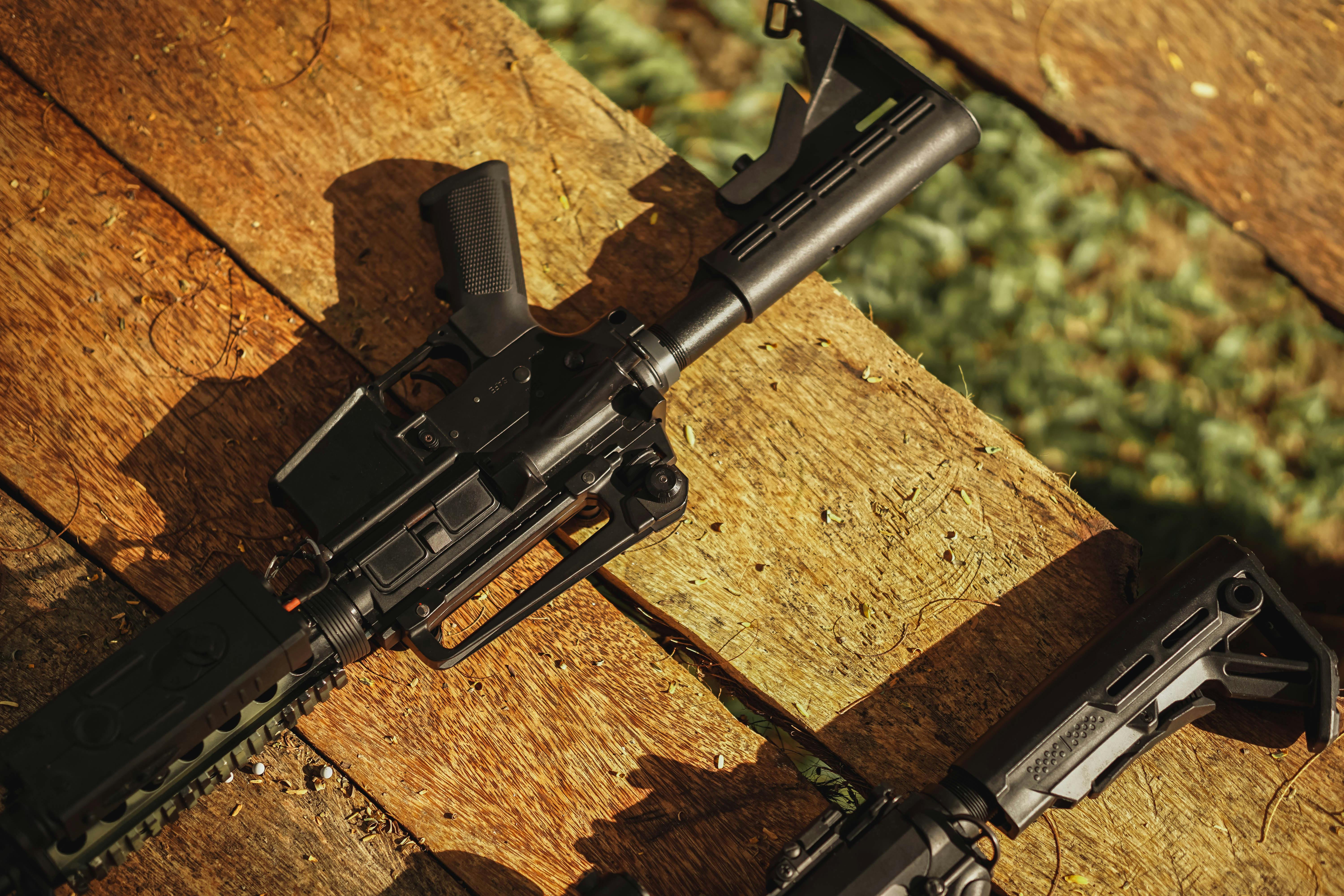
One of the biggest reasons for the shift is money. Inflation has changed how many Americans spend on hobbies, and firearms are no exception. Even when entry-level AR rifles remain available, the real cost of ownership often extends far beyond the rifle itself.
A basic AR tends to invite additional spending. Owners often feel pushed toward buying magazines, optics, slings, lights, upgraded furniture, spare parts, and more ammunition to make the rifle feel complete. A platform that starts at a moderate price can quickly become a far more expensive project, especially for buyers trying to match what they see in training circles or social media gun culture.
By contrast, many consumers in 2026 are choosing firearms that feel finished out of the box. A practical bolt-action rifle, a defensive shotgun, or a carry pistol may not offer the same modular appeal, but they often demand fewer follow-up purchases. In a tighter household budget, that matters.
Gun store owners have been talking about this shift in simple terms: customers want fewer accessories and more value. They are less interested in building a rifle over time and more interested in buying a firearm that already fits a clear job.
Ammo costs and shooting habits have changed the equation

The AR platform has always depended on regular shooting to justify its appeal. Part of the attraction is speed, low recoil, and the fun of running drills with a semi-automatic rifle. But in 2026, changing ammunition costs and range habits are making that experience less central for many owners.
Even when 5.56 ammunition is available, price sensitivity affects how often people train. Plenty of recreational shooters still enjoy the platform, but many now ration range time or shift toward calibers and firearm types they perceive as more economical for the way they actually shoot. For some households, every extra magazine fired feels like part of a larger budgeting decision.
There is also a practical reality at public ranges. Not every owner has access to dynamic rifle bays, private land, or structured carbine training. A lot of AR rifles spend most of their lives being bench-fired at static distances, where their tactical image matters less than accuracy, comfort, and affordability.
That mismatch has changed buying behavior. If a shooter mostly hunts, plinks casually, or keeps one firearm for home defense, the AR can start to feel like a specialized answer to a lifestyle they do not really live.
Buyers are favoring utility over identity.

For a long time, the AR platform was more than a rifle. It was an identity marker inside American gun culture. It signaled modernity, preparedness, customization, and a certain kind of enthusiast mindset. In 2026, that identity value still exists, but it no longer carries the same weight across the broader market.
A growing share of buyers want firearms to solve specific problems rather than express belonging to a tribe. They ask straightforward questions: What is easiest to store, maintain, and train with? What works for home defense in a small house? What is legal without confusion in my state? What can I take hunting this fall? Those questions do not always lead to an AR.
This is especially true among newer owners entering the market after the major buying waves of the previous decade. Many did not come in through tactical culture. They came in through personal protection, rural utility, or general preparedness, and their tastes are often less influenced by the idea that every serious owner needs a black rifle.
The result is a quieter but important cultural change. The center of the market is becoming more practical, less performative, and less attached to one platform as the default symbol of gun ownership.
Legal uncertainty has made other platforms feel easier
Another major factor is legal fatigue. In many parts of the country, gun owners are tired of tracking feature restrictions, magazine rules, transportation requirements, and changing state-level definitions tied to semi-automatic rifles. Even where AR platform rifles remain legal, the compliance landscape can feel annoying, unstable, or politically exposed.
That uncertainty affects normal buyers more than enthusiasts sometimes admit. Dedicated hobbyists may be willing to navigate pinned stocks, compliant grips, registration concerns, or state-specific configurations. Casual owners often are not. They would rather buy something that attracts less scrutiny and comes with fewer questions.
This is one reason lever actions, pump shotguns, and traditional hunting rifles have seen renewed interest. They are familiar, broadly accepted, and usually easier to understand from a legal standpoint. For buyers who do not want their purchase wrapped up in constant regulatory debate, that simplicity is a serious selling point.
The issue is not always fear of confiscation or bans. More often, it is exhaustion. People are moving toward platforms that feel less bureaucratic and less likely to become a legal headache down the road.
Training culture now rewards realistic ownership.p
The firearms training world has matured, and that has influenced consumer behavior. A decade ago, buying an AR often came first, with practical skill development treated as optional. In 2026, more instructors and experienced shooters are emphasizing an uncomfortable truth: the best firearm is the one you can actually afford to train with, maintain properly, and use competently under stress.
That message has landed with buyers. It is one thing to own an AR with premium accessories. It is another to understand zeroing, malfunction clearing, parts wear, optic maintenance, safe storage, and consistent rifle practice. For many casual owners, that learning curve is steeper than expected, especially when compared with simpler firearm choices.
Instructors around the country increasingly frame equipment decisions around lifestyle. If someone lives in an apartment, visits the range a few times a year, and mainly wants practical home defense, a handgun or shotgun may be the more honest recommendation. If someone hunts deer every season, a bolt gun may make much more sense than a modular rifle they rarely train with.
That realism is reducing impulse buying. Owners are becoming less interested in owning what looks capable and more interested in owning what they will genuinely master.
The AR platform is not dying, but its era of dominance is fading
It is important to be clear about what is happening. Americans are not abandoning AR platform rifles in some dramatic collapse. The rifle remains one of the most popular firearm designs in the country, with a massive installed base, deep aftermarket support, and strong loyalty among recreational shooters, competitors, and defensive users.
What is changing is the assumption that the AR should be the default answer for nearly everyone. In 2026, buyers are looking harder at cost, legality, training time, storage, and actual use. Once those factors enter the conversation, the AR often becomes one option among many instead of the obvious winner.
That is the real reason gun owners are moving away from the platform. It is not just politics, media narratives, or fatigue with tactical branding, though all of those play a role. The deeper story is that the market has grown up. Consumers are making colder, more practical decisions.
And practical decisions rarely favor hype forever. The AR platform built an empire on flexibility, but many American gun owners now want something simpler, clearer, and easier to live with.