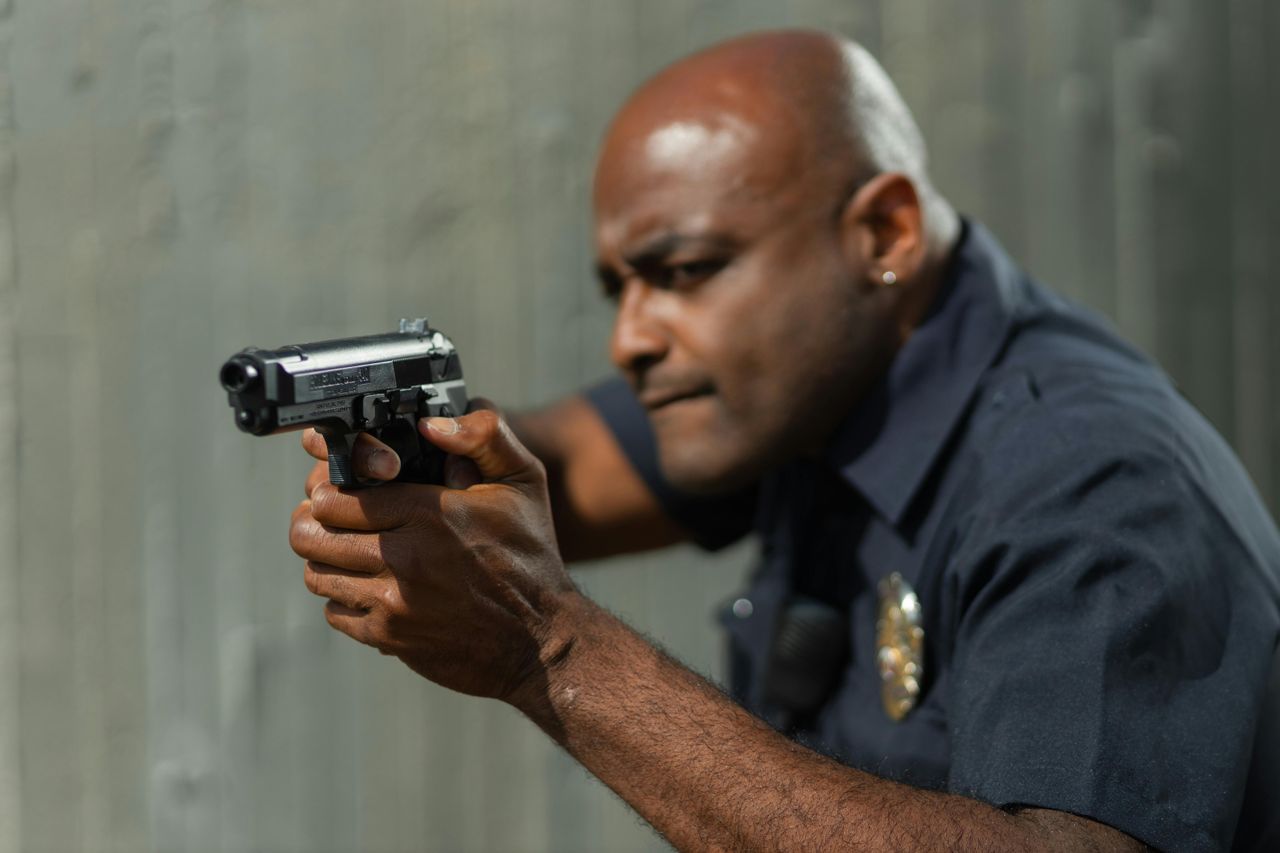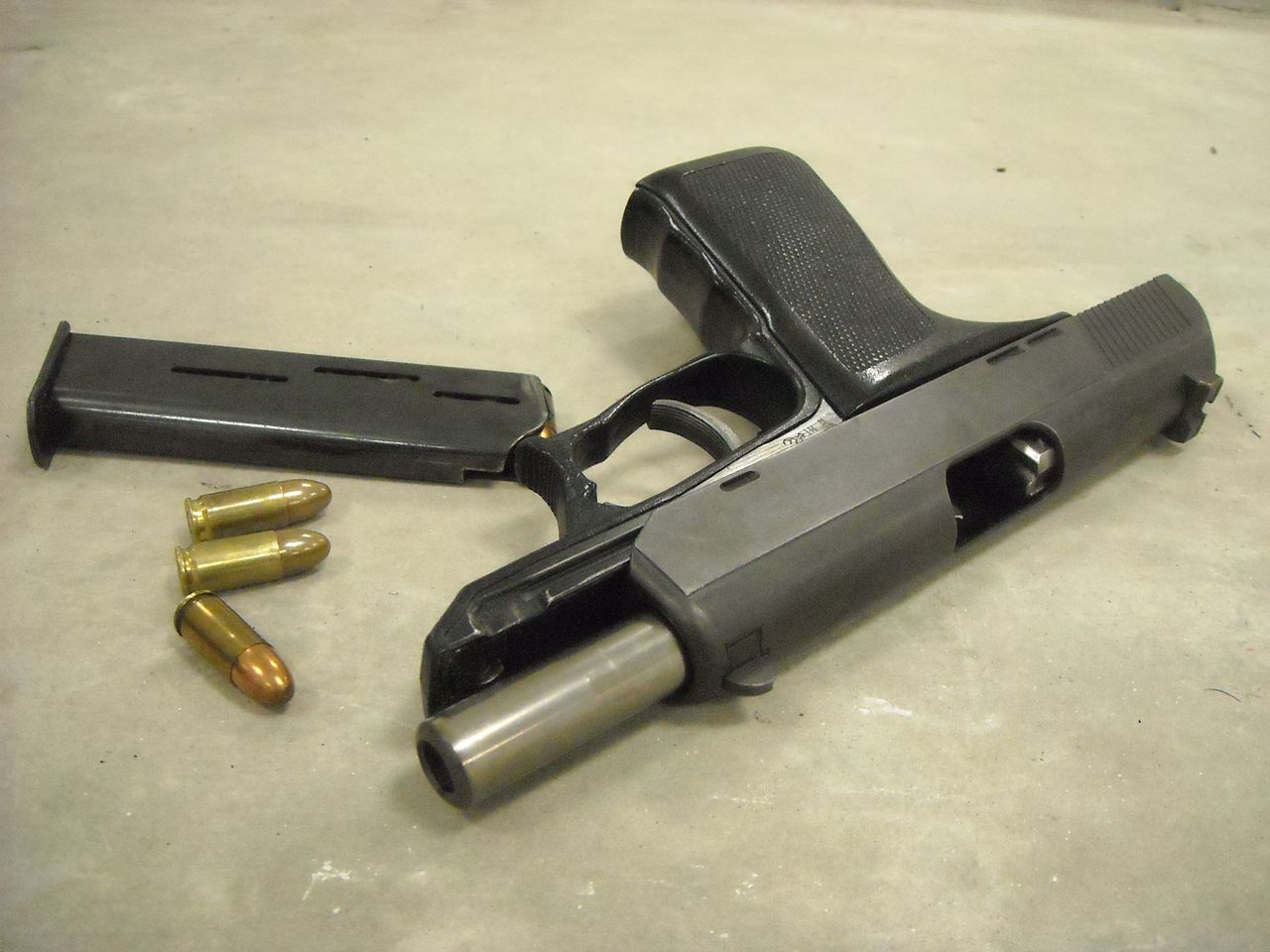
The caliber debate still gets people talking. But if you look past the marketing, the nostalgia, and the ego, the result is already sitting in plain view.
The argument lasted longer than the evidence did
For years, American shooters were sold a familiar script. The 9mm was fast and high-capacity, .40 S&W was the serious duty round, and .45 ACP was the heavyweight stopper with mythic status. Gun counter debates made it sound like these choices represented radically different levels of real-world effectiveness.
That was true enough in an earlier era, when bullet design was less consistent and hollow point performance varied widely. A lot of the old distrust of 9mm came from the 1980s and 1990s, when some loads underperformed and agencies reacted by moving to larger calibers. Those decisions hardened into culture long after ammunition technology improved.
Once modern bonded jacketed hollow points became reliable across major calibers, the practical gap started shrinking fast. Today, high-quality 9mm duty loads routinely meet the penetration and expansion standards that law enforcement and defensive experts care about most. The old arguments did not completely disappear, but they stopped matching the evidence.
That is why the debate survives mostly as a story, not as a conclusion supported by current results. People still repeat old caliber wisdom because it is emotionally satisfying, and because admitting the argument is over means admitting a lot of expensive opinions aged badly.
Modern ammunition changed everything

The strongest case for 9mm is not that bigger bullets stopped mattering. It is that modern 9mm bullets got good enough that the remaining advantage of larger calibers became too small to outweigh their downsides. In the real world, that shift is decisive.
A 2024 review of duty and defensive ammunition trends showed what industry professionals have been seeing for years: premium 9mm loads consistently penetrate within accepted FBI performance windows while expanding dependably through common barriers. That matters far more than internet theories about raw diameter on paper. Handguns are weak compared with rifles, so what counts is reliable terminal performance, not fantasy.
When one caliber gives you acceptable penetration, dependable expansion, manageable recoil, and more rounds in the gun, the burden shifts to the larger calibers to justify themselves. They still can, in narrow use cases or by personal preference, but the broad practical case has weakened.
This is exactly why agency adoption changed. Departments and instructors did not wake up one day and decide they liked trends. They saw that with quality ammunition, 9mm met the job requirements while making officers easier to train, easier to qualify, and more effective under stress.
Recoil and training matter more than caliber pride

Most handgun fights are not won by caliber charts. They are won by hits, and hits are a function of control, speed, and consistency under pressure. That is where 9mm quietly dominates the conversation.
Compared with .40 S&W and .45 ACP, 9mm generally produces less recoil and less muzzle rise in similarly sized pistols. That translates into faster follow-up shots, less shooter fatigue, and better accuracy for average people. Elite shooters can run almost anything well, but the average concealed carrier, patrol officer, or new gun owner is not an elite shooter.
Training data has reflected this for years. Instructors routinely report that shooters learn faster and maintain proficiency more easily with 9mm. Qualification scores tend to improve, especially for smaller-statured shooters or those who do not train constantly. In a defensive handgun, controllability is not a comfort feature. It is performance.
The uncomfortable truth for the industry is that this point undermines decades of macho selling. Recommending the softer-shooting cartridge used to sound like a compromise. Now it sounds like what it actually is: the smart choice for the largest number of people who may need to shoot quickly, accurately, and repeatedly.
Capacity, cost, and logistics finished the job

Even if terminal performance were a dead heat, 9mm would still be hard to beat because the practical advantages pile up quickly. In full-size, compact, and subcompact pistols, it almost always gives you more rounds for the same grip size. More capacity is not a theoretical benefit. It is more chances to solve a problem without reloading.
Then there is cost. Across the commercial market, 9mm is usually the cheapest centerfire handgun cartridge to buy in volume. That means people practice more. Agencies qualify more affordably. New shooters can build skill without feeling punished every time they open a case of ammo. A caliber that gets shot more often creates better shooters, and better shooters create even more demand for that caliber.
Manufacturers also love efficiency, even when they do not always say it directly. Standardizing around 9mm simplifies procurement, inventory, magazine design, and product planning. Retailers know it moves. Ranges know customers ask for it. Police departments know it reduces training friction and ammunition costs.
At a certain point, logistics become destiny. Once one cartridge is good enough ballistically and superior economically, the market starts closing around it. That is what happened with 9mm, and everyone in the business can see it in the sales numbers.
Law enforcement already cast the deciding vote
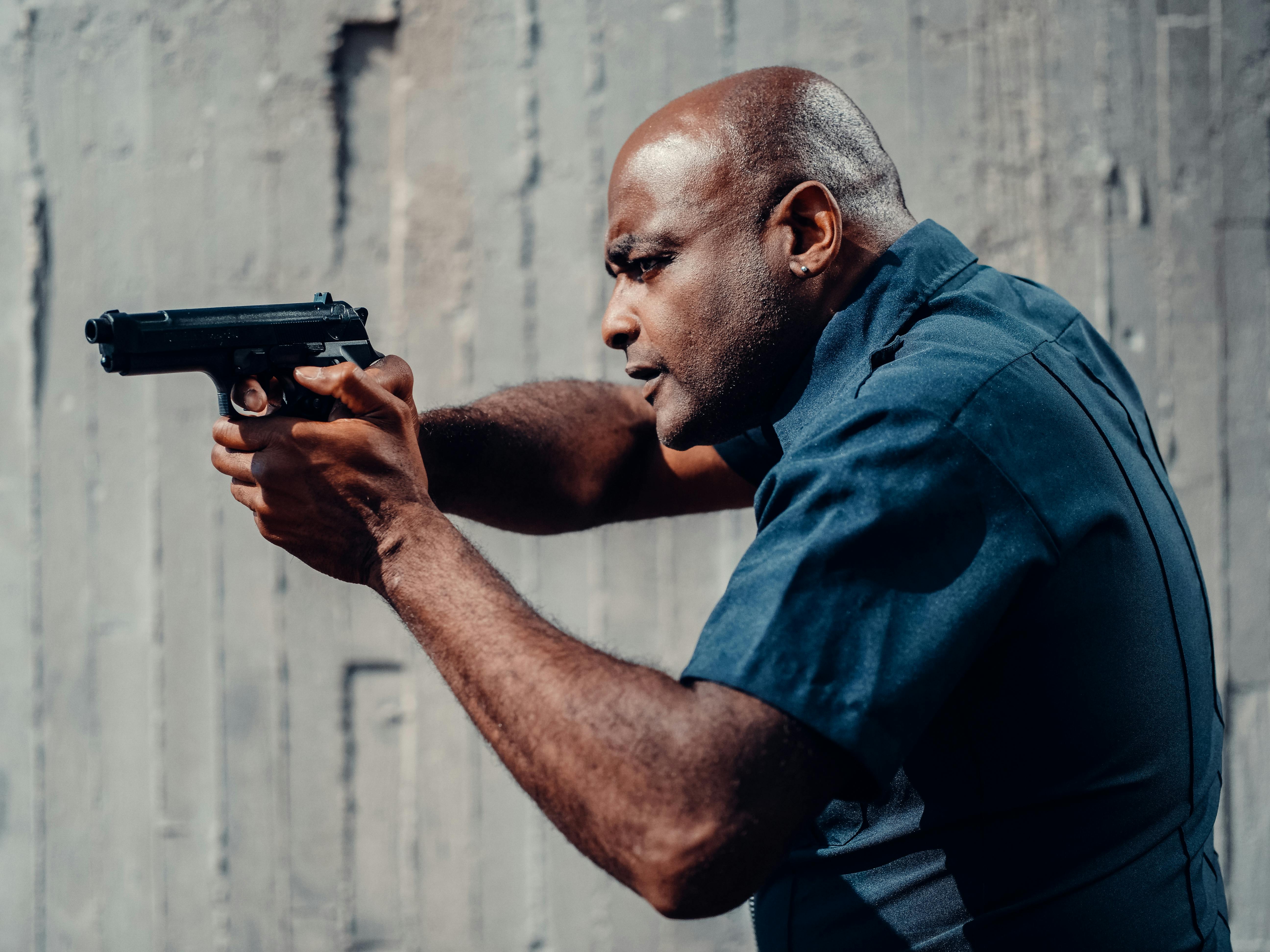
The clearest public signal came when major law enforcement agencies moved back to 9mm after years of flirting with .40 S&W or maintaining older caliber loyalties. The FBI’s return to 9mm became especially influential because it carried both symbolic and practical weight.
That decision was not based on fashion. The bureau concluded that modern 9mm ammunition offered performance on par with larger service calibers while improving hit probability, reducing recoil-related training issues, and lowering wear on firearms. Those are exactly the kinds of boring operational reasons that end real debates, even if they do not make for dramatic advertising copy.
Local and state agencies took note, and so did the manufacturers supplying them. Once duty contracts, training standards, and institutional procurement all start favoring one caliber, the ripple effects are enormous. Holster makers, ammo producers, pistol brands, and instructors all follow where the volume goes.
The industry may still talk about choice and mission-specific preference, because that language is politically safer. But when the largest professional users converge on one answer for reasons of performance, cost, and qualification success, it is hard to pretend the contest remains unresolved.
The holdouts are selling identity, not necessity
None of this means .45 ACP, 10mm, or even .40 S&W are useless. They still have dedicated fans, legitimate niche applications, and strong emotional pull. The problem is that many of the arguments used to defend them as general-purpose defensive calibers rely more on identity than on measurable advantage.
The .45 ACP still carries historical prestige and a long cultural shadow from the 1911 era. The .40 S&W still has defenders who came up in the years when it defined serious police sidearms. The 10mm has surged because power is exciting and because outdoor defense and hunting roles give it a real lane. But those realities do not change the mainstream answer.
If you are choosing one handgun caliber for concealed carry, home defense, duty use, and regular practice, 9mm keeps winning on the total package. It performs, it is easier to shoot, it is cheaper to train with, and it fits more rounds into manageable guns. That is not hype. That is a stacked scorecard.
What the market continues to sell is the fantasy that your caliber choice says something profound about your toughness, expertise, or seriousness. In truth, for most people, choosing 9mm simply says you prioritized outcomes over image.
Why nobody wants to admit the debate is over
If 9mm has so clearly taken the crown, why does the argument continue? Because entire slices of the firearms world benefit from keeping it alive. Debate sells magazines, videos, gun counter conversations, and new product launches built around the promise of rediscovered stopping power.
Manufacturers also have every reason to preserve the illusion of equal competition. If buyers fully accepted that 9mm is the default answer for most defensive handguns, a lot of product differentiation would collapse. It is easier to market a new pistol line or premium load when every caliber still seems like a dramatic lifestyle choice rather than a narrowing set of tradeoffs.
There is also a human factor. People do not like being told that the cartridge they defended for 20 years is no longer the rational first pick. They especially do not like hearing that the boring, common, widely available option turned out to be right. That feels anticlimactic, even insulting.
But boring often wins in mature markets. The best tool is usually the one that solves the real problem with the fewest compromises. That is 9mm today. The industry may keep talking as if the verdict is pending, but on the range, in police holsters, and at the cash register, the decision was made years ago.