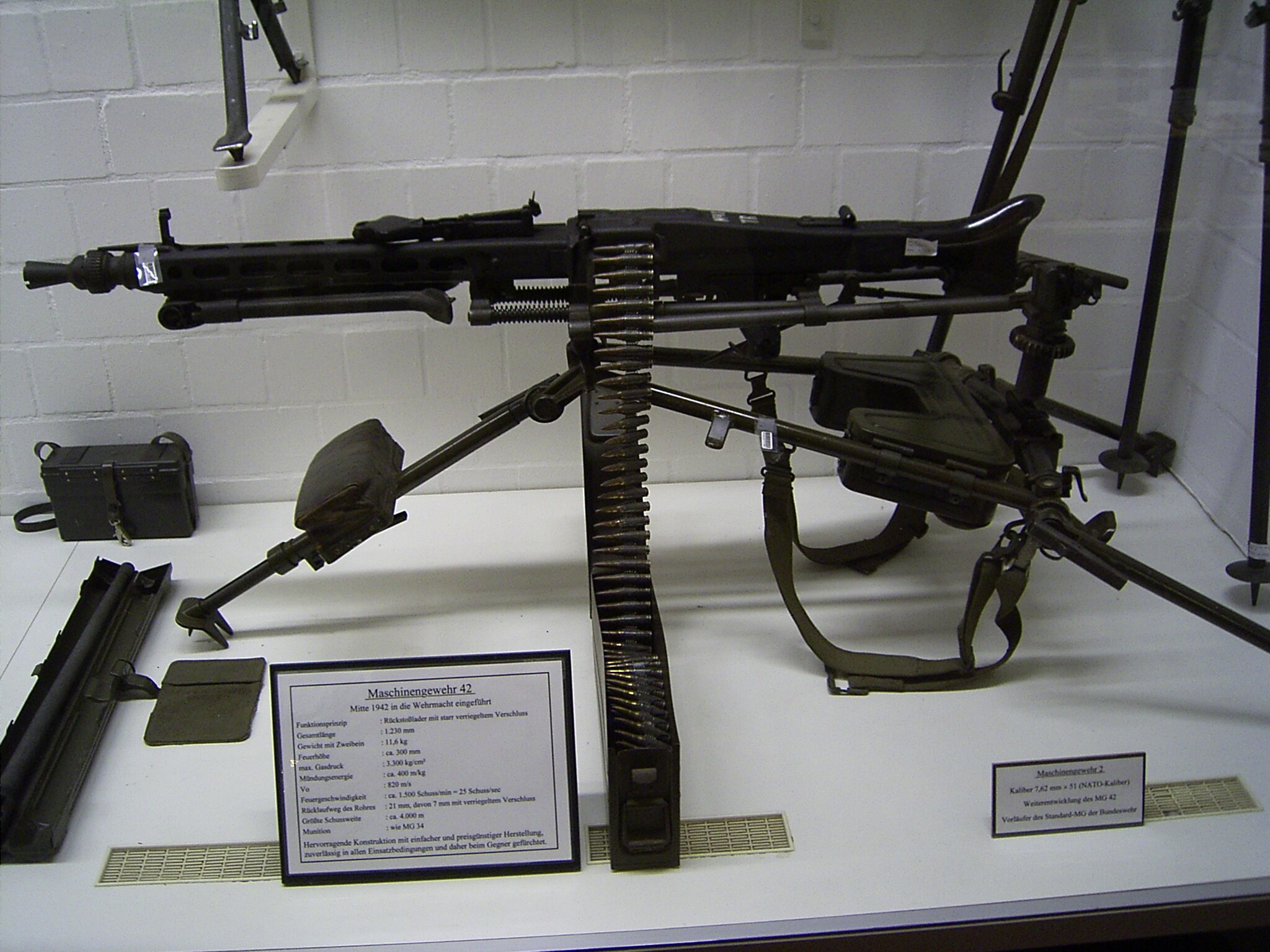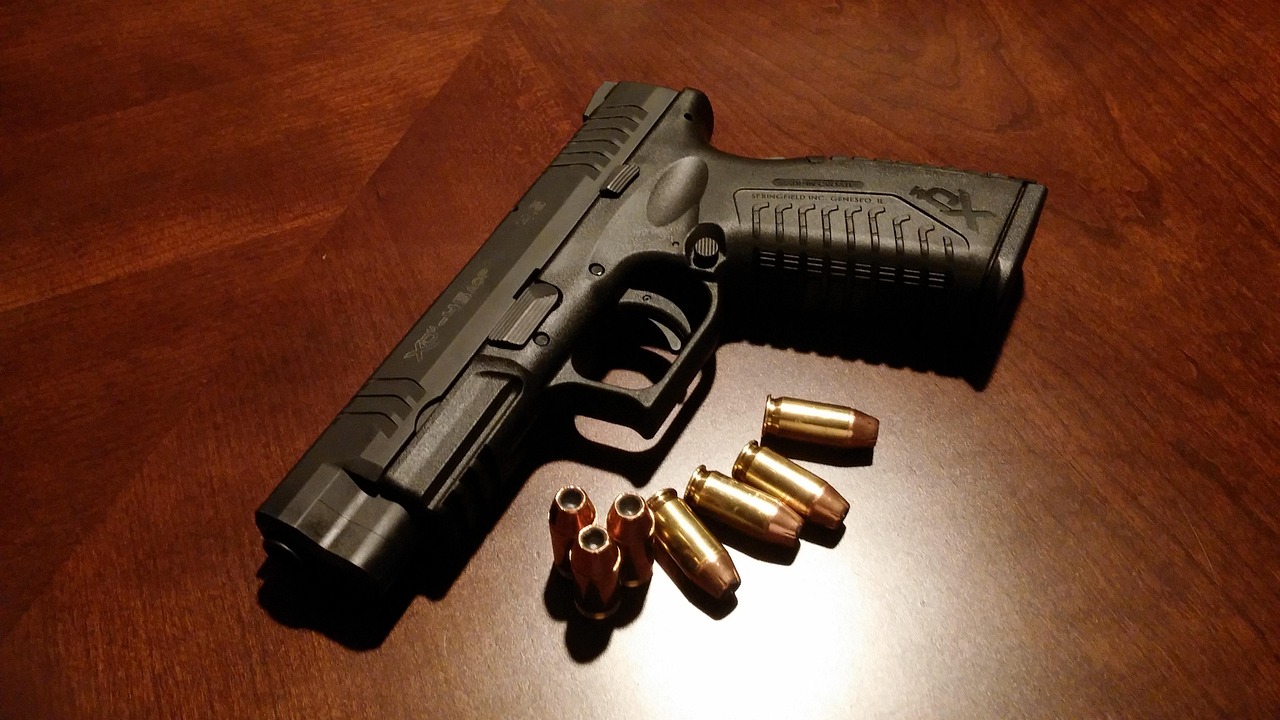
Some guns age quietly. That does not mean they stay exactly the same.
A stored handgun does not stay frozen in time.
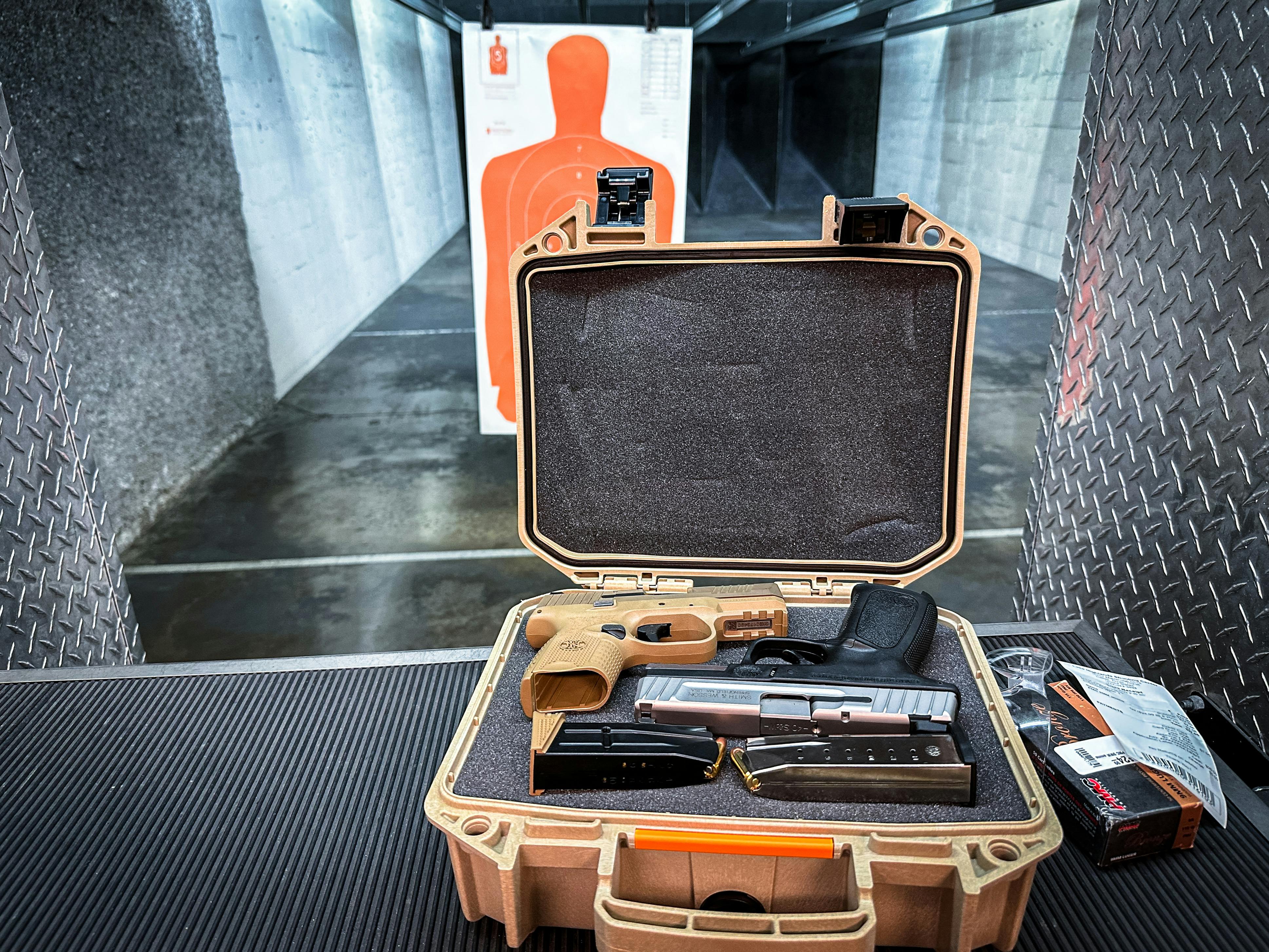
People often imagine a handgun in a locked safe as being preserved like a time capsule. In reality, storage only slows change. Metal, oil, springs, wood, polymer, and even ammunition continue reacting to temperature shifts, humidity, air chemistry, and the residues left behind from the last time the gun was handled or fired.
A pistol that sits untouched for ten years may come out looking almost perfect on the outside. Yet internal surfaces can tell a different story. Thin films of lubricant can dry out, migrate, or turn gummy. Microscopic rust can begin in places owners rarely inspect, such as under grips, inside magazines, around pins, or in the barrel where fingerprints and combustion residue were never fully removed.
This matters because firearms are mechanical tools with tight tolerances. A defensive handgun that worked flawlessly in 2014 is not automatically trustworthy in 2024 after a decade of neglect. The difference between cosmetic aging and functional degradation is exactly why long-term storage deserves more attention than many owners give it.
Moisture is the biggest enemy, even inside a good, safe place.e

The most important factor in ten-year storage is not whether the gun was expensive or well-made. It is moisture control. Safes are excellent at restricting access, but many are not truly climate-controlled. If humid air gets in and temperatures fluctuate, condensation can occur on metal surfaces, especially in garages, basements, and rooms without steady heating or cooling.
Blued steel is particularly vulnerable because its finish offers only limited corrosion resistance. Stainless steel resists rust better, but it is not rust-proof. Nickel finishes can also suffer if tiny defects allow corrosion to creep underneath. Owners are often surprised to find faint pitting on the slide, surface haze on the barrel, or corrosion where the gun contacted foam, fabric, or a leather holster.
Leather is a known long-term storage mistake because it can trap moisture and hold salts against metal. Foam can be almost as problematic if it absorbs humidity. Even a quality safe can become a corrosion chamber if a handgun is stored in the wrong material with no desiccant, no dehumidifier rod, and no periodic inspection over the course of a decade.
Lubricants, springs, and small parts age in less obvious ways
Gun oil does not remain in ideal condition forever. Some lubricants evaporate, some separate, and some oxidize into sticky residue that slows moving parts. A semi-automatic pistol with old congealed oil may cycle sluggishly, fail to return fully to battery, or feel gritty when the slide is worked by hand after years of storage.
Springs deserve a more nuanced explanation. A common fear is that a spring simply being compressed for years automatically ruins it. In well-made firearms, modern springs generally suffer more from repeated cycling than from resting in a stable state. Still, age, prior wear, corrosion, poor metallurgy, and poor storage conditions can weaken magazine springs, recoil springs, or small trigger mechanism springs over a ten-year period.
Magazines are often where hidden problems show up first. Dust, dried oil, rust on the spring, and corrosion inside the tube can reduce feeding reliability. A handgun owner may pull a pistol from storage, rack the slide, and think everything seems fine, only to discover at the range that the real issue was sitting quietly inside the magazine the whole time.
Ammunition can survive for years, but that does not mean ignore it
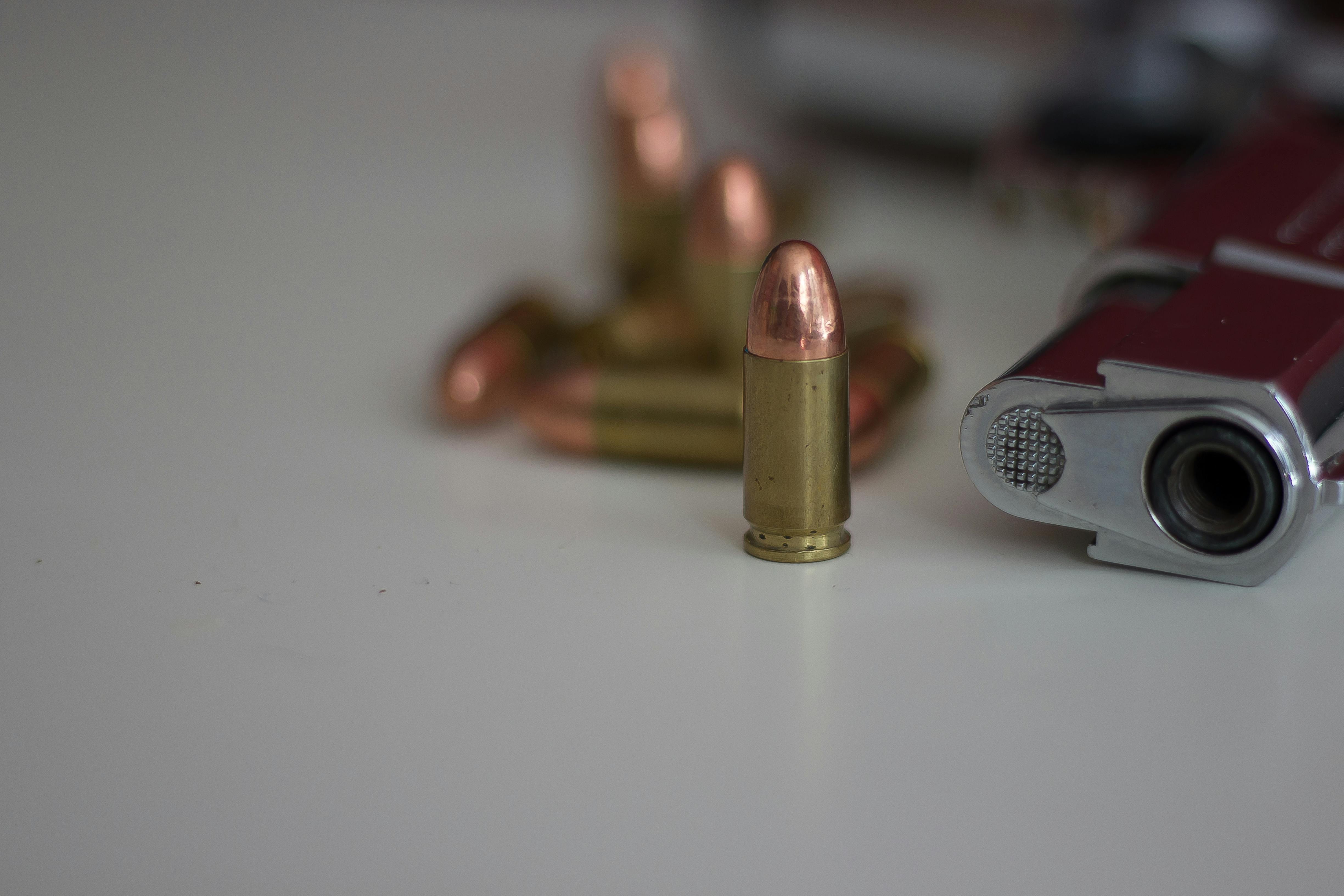
Modern factory ammunition can last decades when stored correctly. Military stockpiles and careful civilian storage prove that point all the time. But a handgun left loaded in a safe for ten years introduces variables that should not be brushed aside, especially if the cartridges were exposed to humidity, oil contamination, or large temperature swings.
Primer compound and powder are fairly durable, but neither is improved by neglect. Oil can migrate into primers and case mouths, potentially causing misfires or inconsistent ignition. Brass cases may tarnish harmlessly, yet severe corrosion, verdigris, or pitting is a warning sign. Nickel-plated defensive cartridges can also deteriorate in poor conditions, even if they still appear usable at a glance.
There is also the practical issue of confidence. If a handgun has been sitting loaded for ten years as an emergency weapon, the owner should not assume both gun and ammunition are ready on demand. Defensive firearms are meant to work under stress. That is why many instructors recommend rotating carry or home-defense ammunition periodically and function-testing the firearm rather than treating storage as a substitute for maintenance.
Different materials and gun types age differently
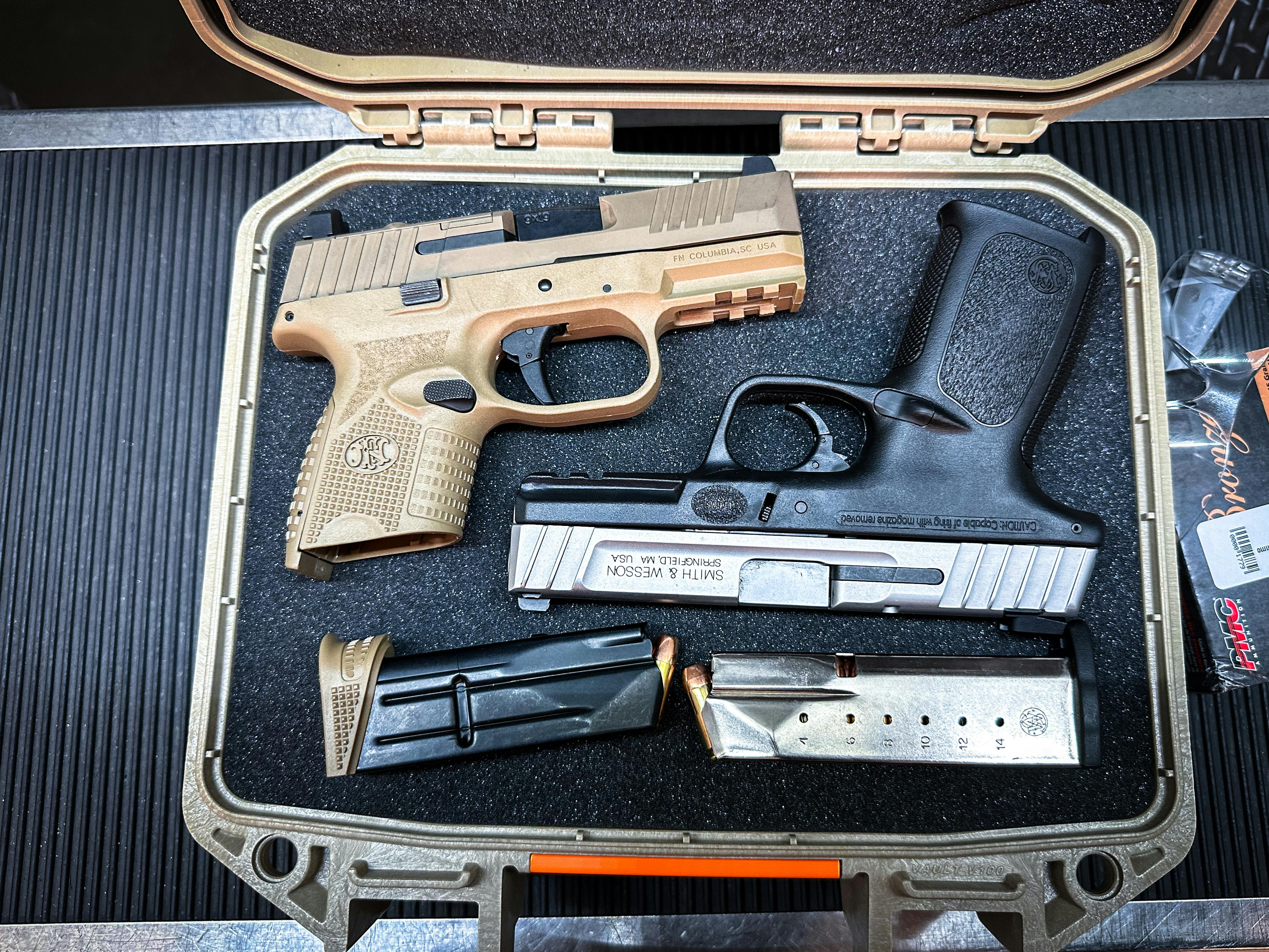
Not all handguns come out of ten-year storage in the same condition. A polymer-framed striker-fired pistol may resist exterior corrosion better than an older all-steel blued revolver, but it still contains steel rails, pins, springs, and internal parts that can rust. The frame may look fine while critical internals quietly deteriorate.
Wood grips can shrink, swell, or crack with changing humidity. Rubber grips can harden or become tacky depending on age and chemical exposure. Older plastics may become brittle, especially if they were stored near solvents or under pressure. Sights secured with adhesive or tiny screws can loosen over time, and tritium night sights often dim substantially after a decade, whether the gun was used or not.
Collectors see another angle. Original condition matters, but so does proper preservation. A vintage Colt, Smith & Wesson, or Browning stored carelessly can lose value through rust freckles, damaged grips, or stained finish. Meanwhile, a modest modern handgun stored correctly can emerge after ten years needing little more than cleaning, fresh lubrication, and new magazines or springs.
The first inspection after ten years should be careful, not casual.
When opening the safe after a decade, resist the urge to load the handgun and assume it is ready. Start with a full safety check and verify it is unloaded. Then inspect the bore, chamber, slide rails, cylinder, extractor, magazines, and all visible screws or pins. Look for rust, dried lubricant, cracked grips, damaged sights, and anything that feels stiff or unusually loose.
Field-strip the handgun if you know how to do it correctly. Old grease and oil should be removed and replaced, not merely topped off, if the bore shows obstruction, heavy fouling, or corrosion, which needs attention before any firing. Revolvers deserve special attention around the cylinder crane, ejector rod, and chambers, while semi-autos need close inspection of the recoil spring assembly and magazine condition.
For a gun with sentimental value, collector value, or uncertain history, a qualified gunsmith is worth the cost. A professional can measure spring condition, identify hidden corrosion, and check safe function. That matters because the most dangerous assumption is that a gun that looks clean enough is automatically mechanically sound after ten years of silence.
Why this matters for safety, reliability, and ownership
A neglected handgun is not just a maintenance story. It is a safety issue, a reliability issue, and sometimes a legal or family preparedness issue, too. Many firearms sit untouched because they belonged to a parent, were bought for home defense and forgotten, or were stored during a major life change. Years later, someone expects instant readiness from a machine that has had no inspection or care.
Real-world failures often come from ordinary neglect rather than dramatic abuse. Misfires from contaminated ammunition, failures to feed from corroded magazines, and stuck parts from dried lubricant are all preventable. Firearms trainers and armorers routinely stress that reliability is proven on the range, not assumed from appearance. Ten years in storage is reason for caution, not confidence.
The good news is that most handguns are durable. If stored in a dry environment, cleaned before storage, lightly lubricated, and checked occasionally, many will emerge in excellent shape. But that outcome is earned, not automatic. A handgun that sits in a safe for ten years may be fine, compromised, or somewhere in between, and knowing the difference is exactly why responsible ownership matters.