Not that long ago, everyday survival depended less on apps and delivery services and more on knowing how to fix, build, grow, and endure. Many grandfathers carried a quiet toolkit of practical knowledge that turned problems into manageable chores. This gallery revisits 12 of those once-common skills and shows why they still matter in a modern world that can feel surprisingly fragile.
Starting a Fire Without Convenience
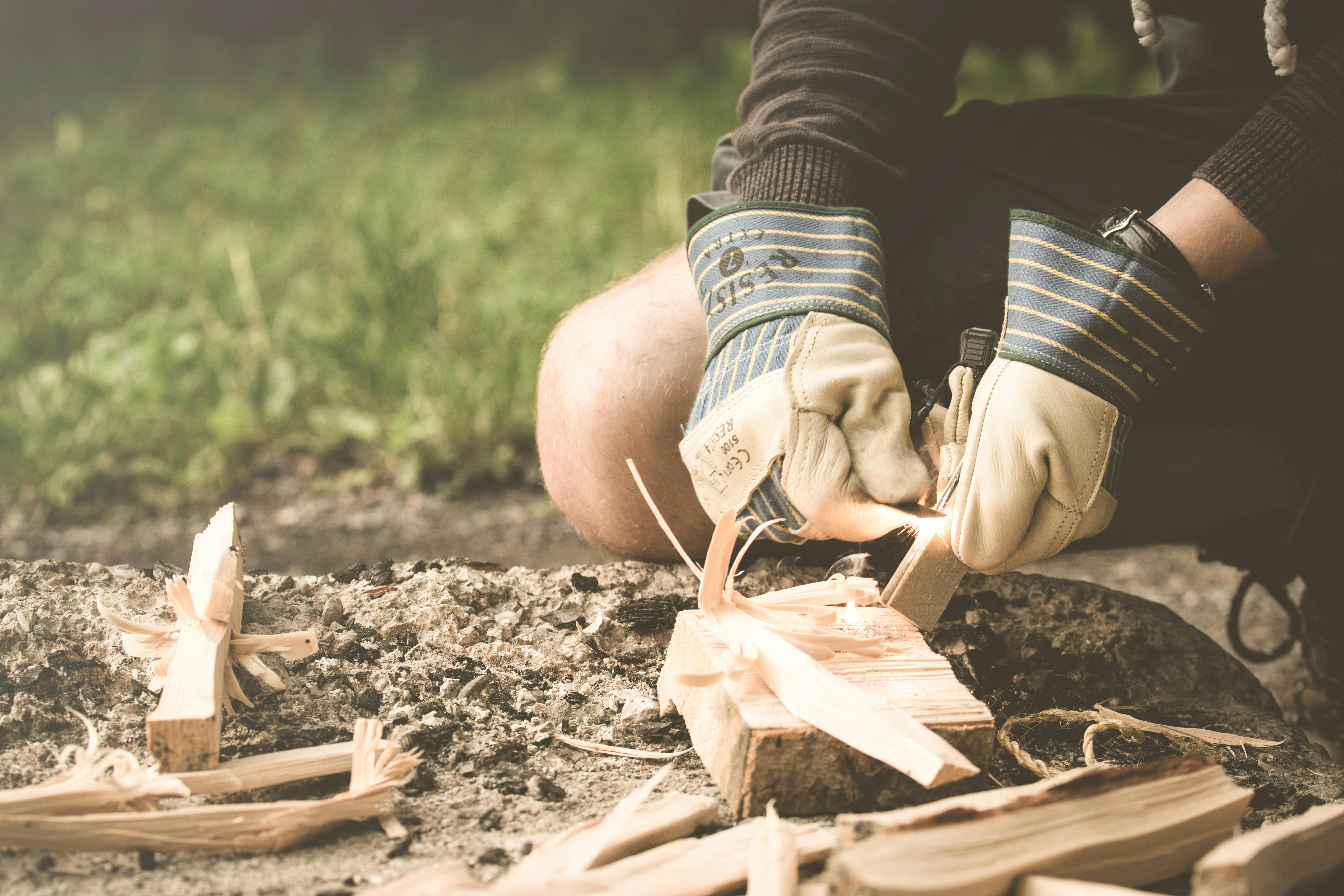
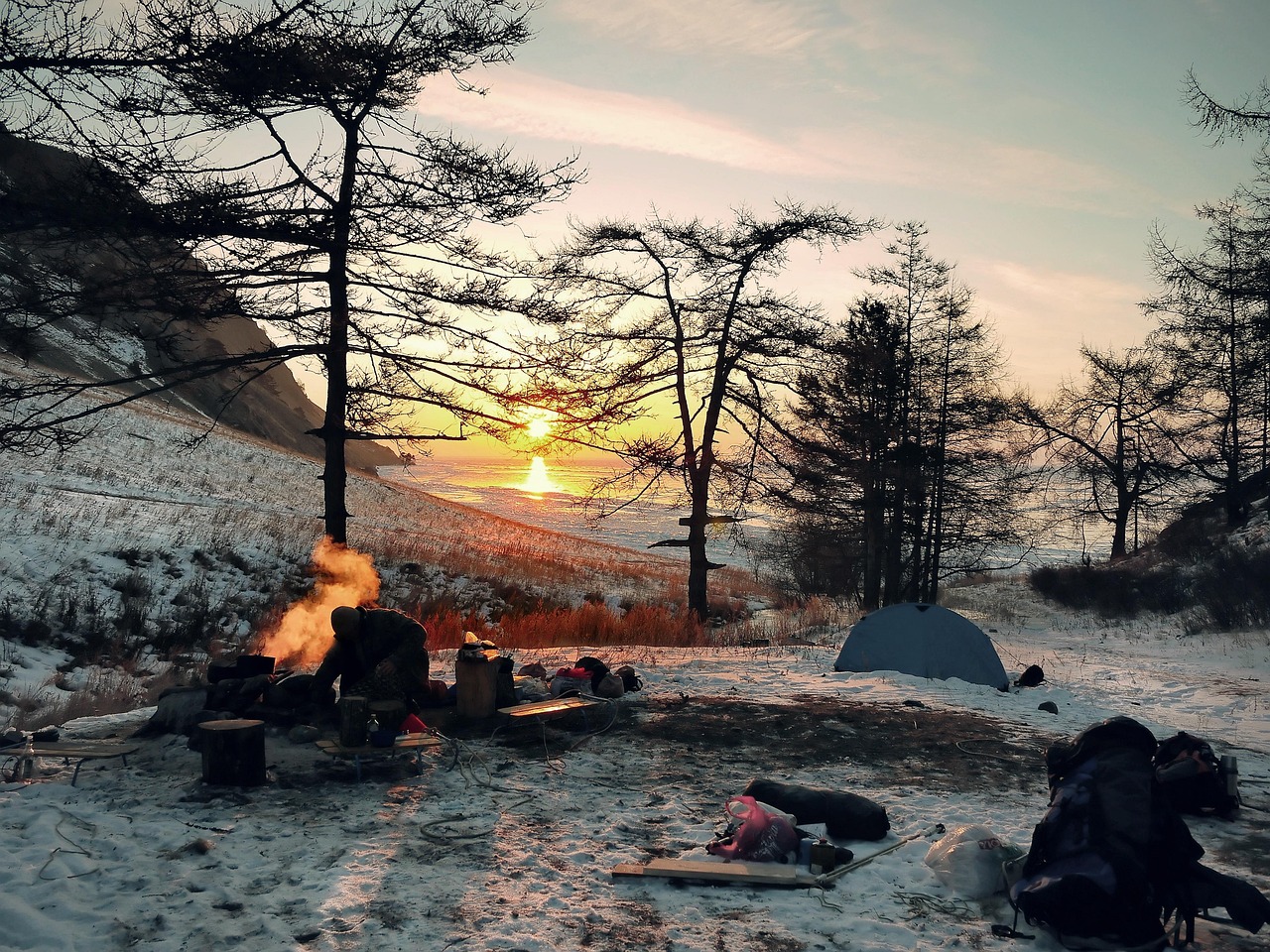
Your grandfather likely knew that fire was more than comfort. It meant heat, cooked food, dry clothes, and one reliable way to push back against darkness and bad weather when the power was out or help was far away.
He also knew fire-starting was a process, not a gadget. Dry tinder, kindling, airflow, and patience mattered as much as the match itself. People learned how to protect a flame from wind, coax damp wood to catch, and keep embers alive overnight.
Today, many people own lighters but don’t really know how fire works. When conditions turn rough, that difference matters fast.
Reading the Weather by Looking Around

Before radar apps and hourly forecasts, people paid close attention to the sky. A ring around the moon, a sudden shift in wind, or towering clouds on a warm afternoon could signal a storm long before the first raindrop fell.
Your grandfather may not have used meteorological jargon, but he probably trusted patterns. He noticed bird behavior, morning fog, humidity in the air, and the smell of rain moving in. That kind of observation helped people decide when to harvest, travel, or stay put.
It wasn’t superstition. It was experience sharpened into judgment, and it often kept families safer than guesswork ever could.
Finding Direction Without GPS

There was a time when getting lost carried real consequences, so people learned to navigate with what they had. A paper map, a compass, the position of the sun, and familiar landmarks were enough to cross town, woods, or farmland with confidence.
Older generations often built a mental map as they traveled. They remembered creek bends, fence lines, ridges, church steeples, and road numbers instead of waiting for a voice to tell them where to turn.
That habit created more than independence. It built awareness. When batteries die or cell service disappears, knowing how to orient yourself becomes less of a nostalgic trick and more of a serious advantage.
Growing Food in the Backyard

For many grandfathers, gardening wasn’t a trendy hobby. It was backup, insurance, and often a meaningful part of the family food supply. A few rows of beans, tomatoes, potatoes, and corn could stretch a budget and fill a cellar.
They knew what to plant, when frost would likely hit, and how to keep soil producing year after year. Seeds were saved, compost was valued, and nothing useful from the kitchen was wasted if it could feed the garden.
That knowledge taught patience and realism. Food did not simply appear on shelves. It came from weather, labor, timing, and a willingness to work with the seasons instead of against them.
Preserving Food for Lean Times
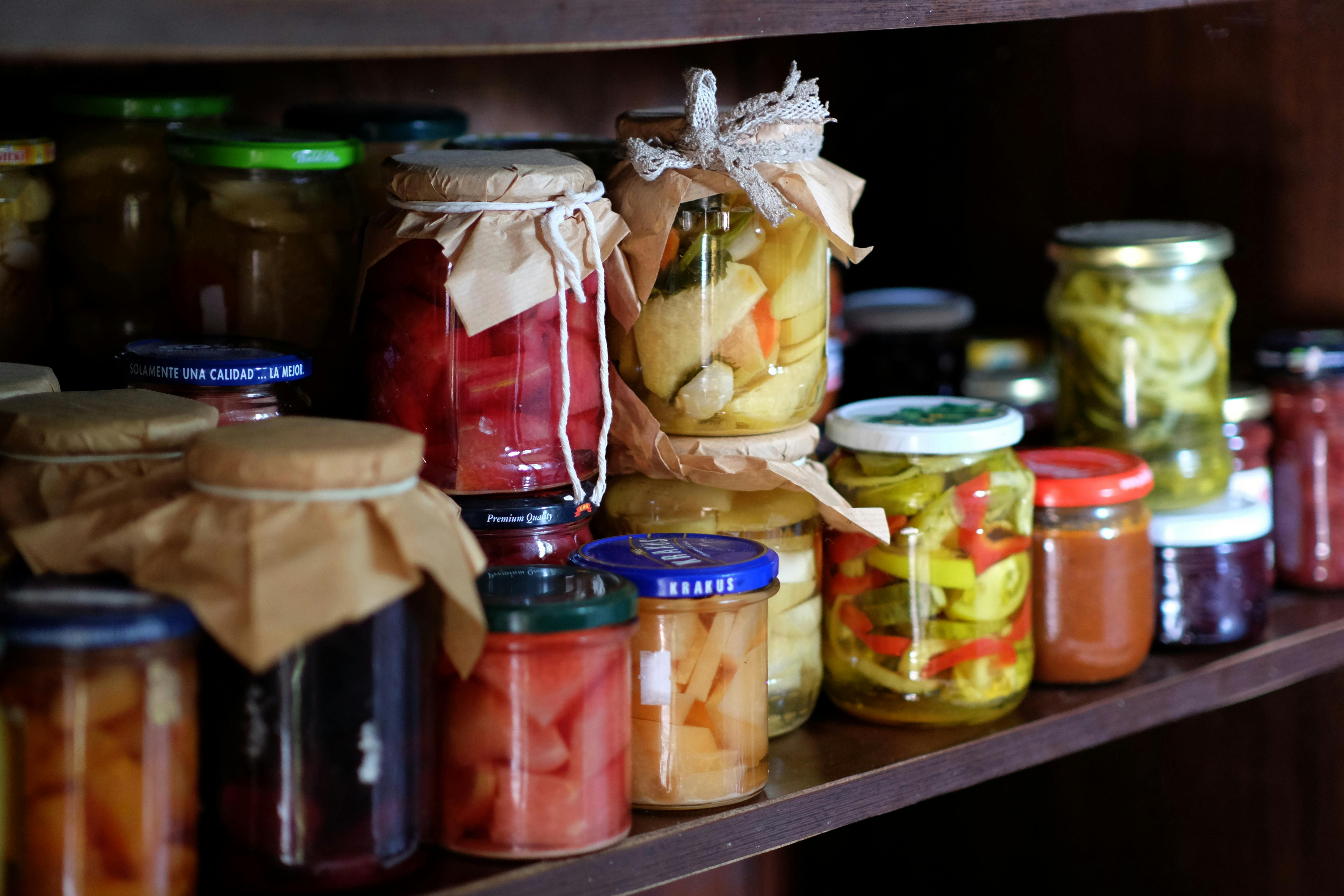
A full pantry used to be a sign of preparedness, not excess. Canning, drying, pickling, and root-cellar storage helped families get through winter, crop failures, and weeks when money was tight but meals still had to happen.
Your grandfather’s generation understood seasonality in a practical way. When produce was abundant, it was preserved. Jars were sterilized, lids were checked, and shelves filled with peaches, beans, tomatoes, and relishes meant months of security.
This skill was about more than thrift. It was a way to control uncertainty. In a fragile supply chain world, the old habit of putting food by suddenly looks less quaint and a lot more smart.
Fixing Things Instead of Replacing Them
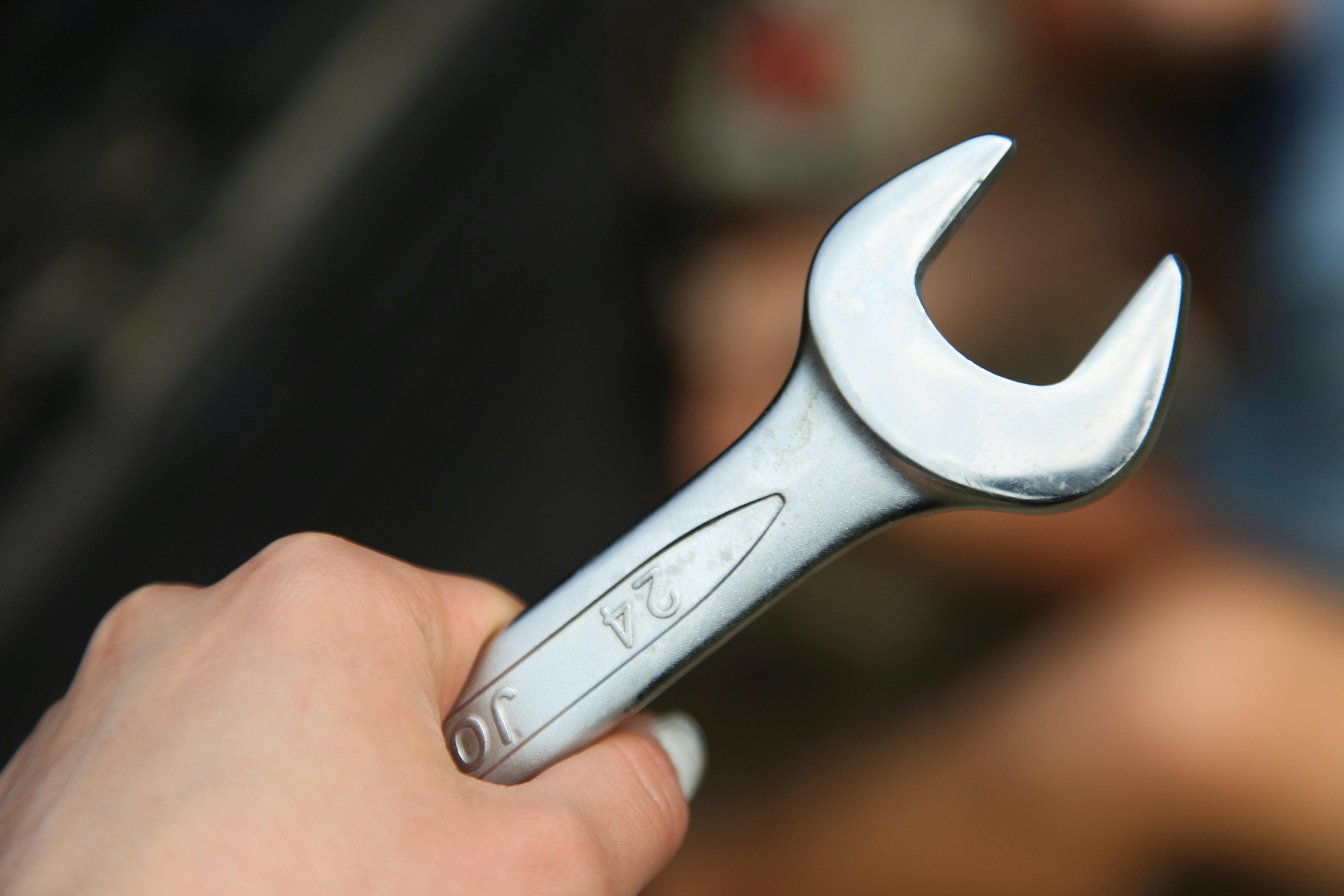
Older generations lived closer to the true value of objects. A broken chair, torn coat, leaky pipe, or stubborn engine part was usually repaired first, because buying new wasn’t always easy, affordable, or immediate.
That created a culture of practical competence. People kept tools, spare parts, wire, oil, and scrap lumber because nearly everything could be made useful again with enough patience. Small repairs prevented bigger failures and stretched limited resources.
Today, convenience often wins over repair, but that comes at a cost. Knowing how to patch, tighten, sharpen, seal, or reattach something restores a kind of self-reliance that modern life has quietly trained many people to outsource.
Tying Knots That Actually Hold

A good knot used to be basic competence, not a niche hobby. Whether securing a load, pitching a tarp, towing a vehicle, or hanging food out of reach, the right knot could make the difference between control and chaos.
Your grandfather probably learned by doing. He knew some knots slip, some jam, and some hold under strain but release cleanly when the job is done. That knowledge mattered on farms, boats, job sites, and hunting trips.
There’s a reason knot-tying remains essential in so many trades and outdoor settings. Rope is simple, but only if the person using it understands tension, friction, and how not to trust a lazy loop.
Using Basic First Aid Without Panic

Cuts, burns, sprains, and accidents were once handled first by the people present, not by an online search. Your grandfather’s generation often knew how to clean a wound, bandage it properly, reduce risk, and stay calm until more help arrived.
That calm was part of the skill. First aid is not only about supplies. It’s about noticing bleeding, shock, dehydration, fever, or exhaustion early enough to act with a level head instead of freezing.
Modern medicine is a gift, but immediate response still matters. In an emergency, the person who can improvise a sling, stop bleeding, or recognize danger signs becomes the bridge between trouble and real safety.
Hunting, Fishing, and Field Dressing Food
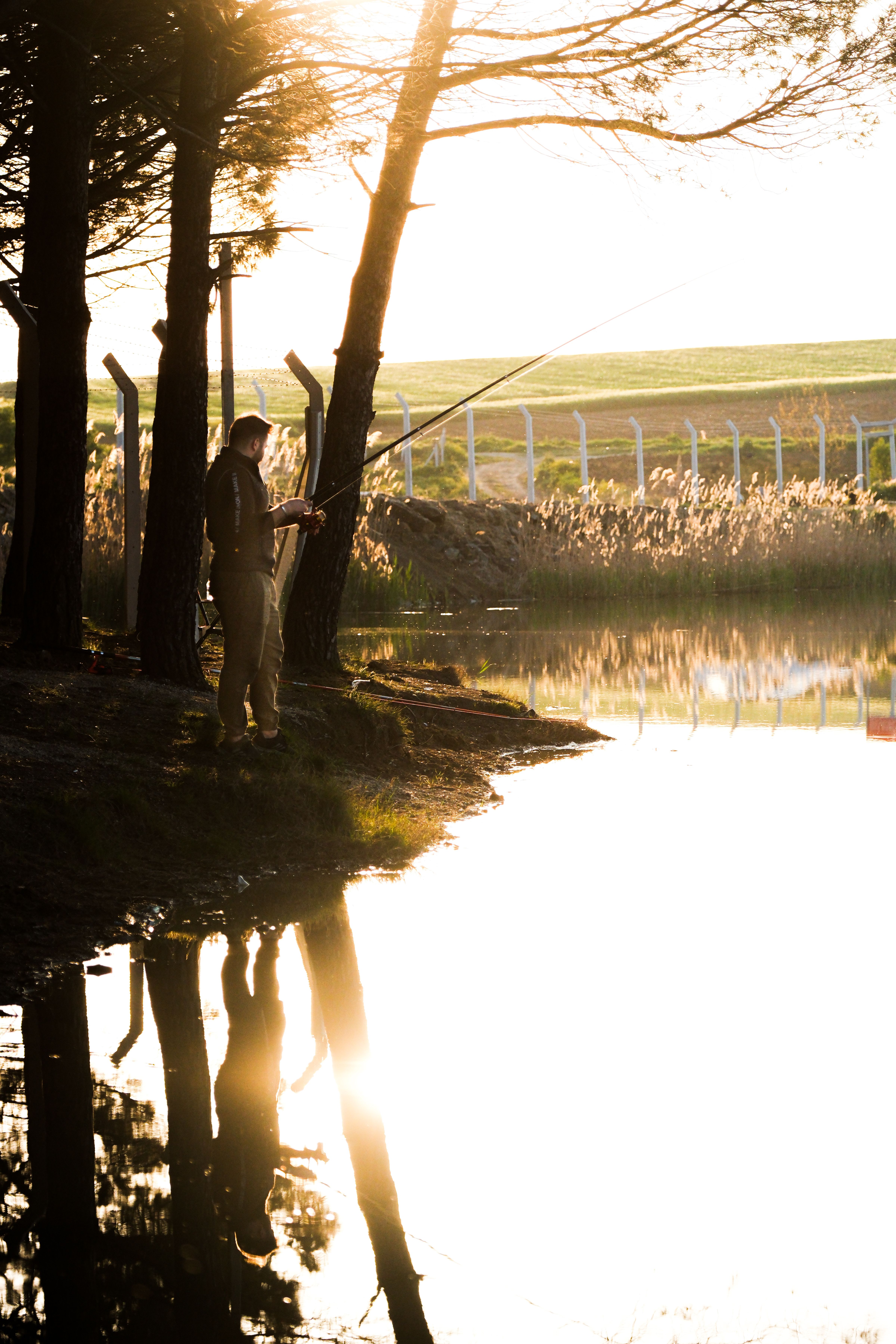
Plenty of grandfathers grew up understanding that food could come from woods, streams, and open water, not just a store. Hunting and fishing were recreation for some, but for many families they were also practical ways to put protein on the table.
The overlooked part was what came after the catch. Cleaning fish, dressing game, preserving meat, and using as much of the animal as possible were treated as normal knowledge, not specialized expertise.
Even people who never plan to hunt can recognize the larger lesson here. Survival is easier when you understand where food comes from, how to handle it safely, and how much work stands behind every meal.
Building Shelter From What Was Available

Comfort used to be negotiable, but shelter wasn’t. Your grandfather likely understood how to make a space dry, insulated, and safe using what was on hand, whether that meant canvas, lumber scraps, brush, tarps, or packed snow.
The principle was simple: get out of wind, off wet ground, and under something that sheds weather. People knew where water would pool, how cold creeps upward from the earth, and why a badly placed shelter can be worse than none at all.
This kind of practical thinking remains deeply relevant. In outages, storms, or breakdowns, knowing how to create protection quickly can preserve energy, body heat, and precious time.
Sharpening and Maintaining Tools
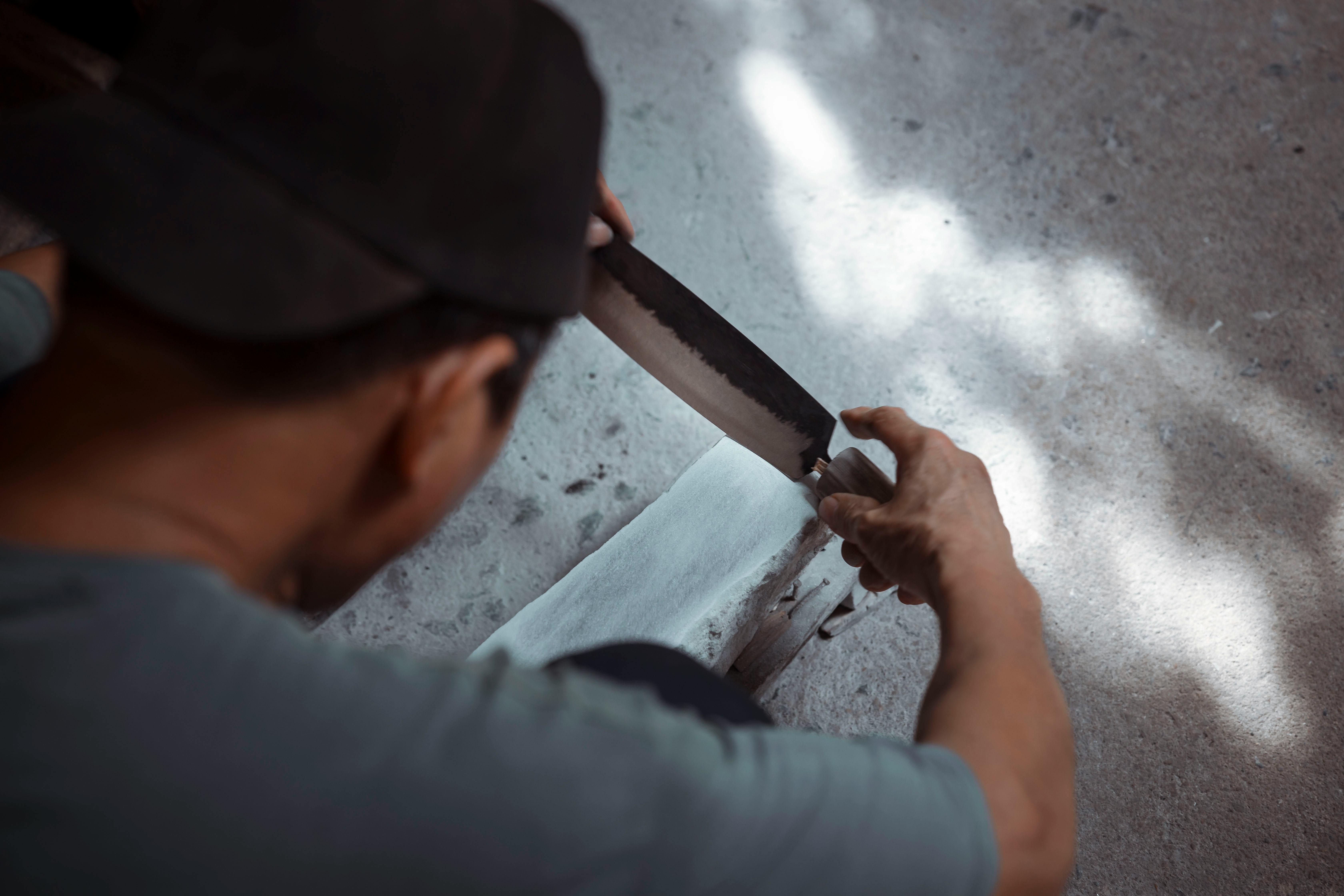
A dull blade wastes effort and invites mistakes, and older generations knew it. Axes, knives, saws, hoes, and scissors were maintained regularly because dependable tools made every job faster, safer, and less exhausting.
Your grandfather probably didn’t see tool care as a separate hobby. It was just part of ownership. Edges were honed, wooden handles were oiled, rust was removed, and equipment was put away clean because neglect always showed up later as trouble.
There’s a broader survival lesson in that mindset. Preparedness isn’t only about owning gear. It’s about keeping gear ready, because the worst moment to discover a useless tool is the moment you urgently need it.
Staying Calm and Making Do
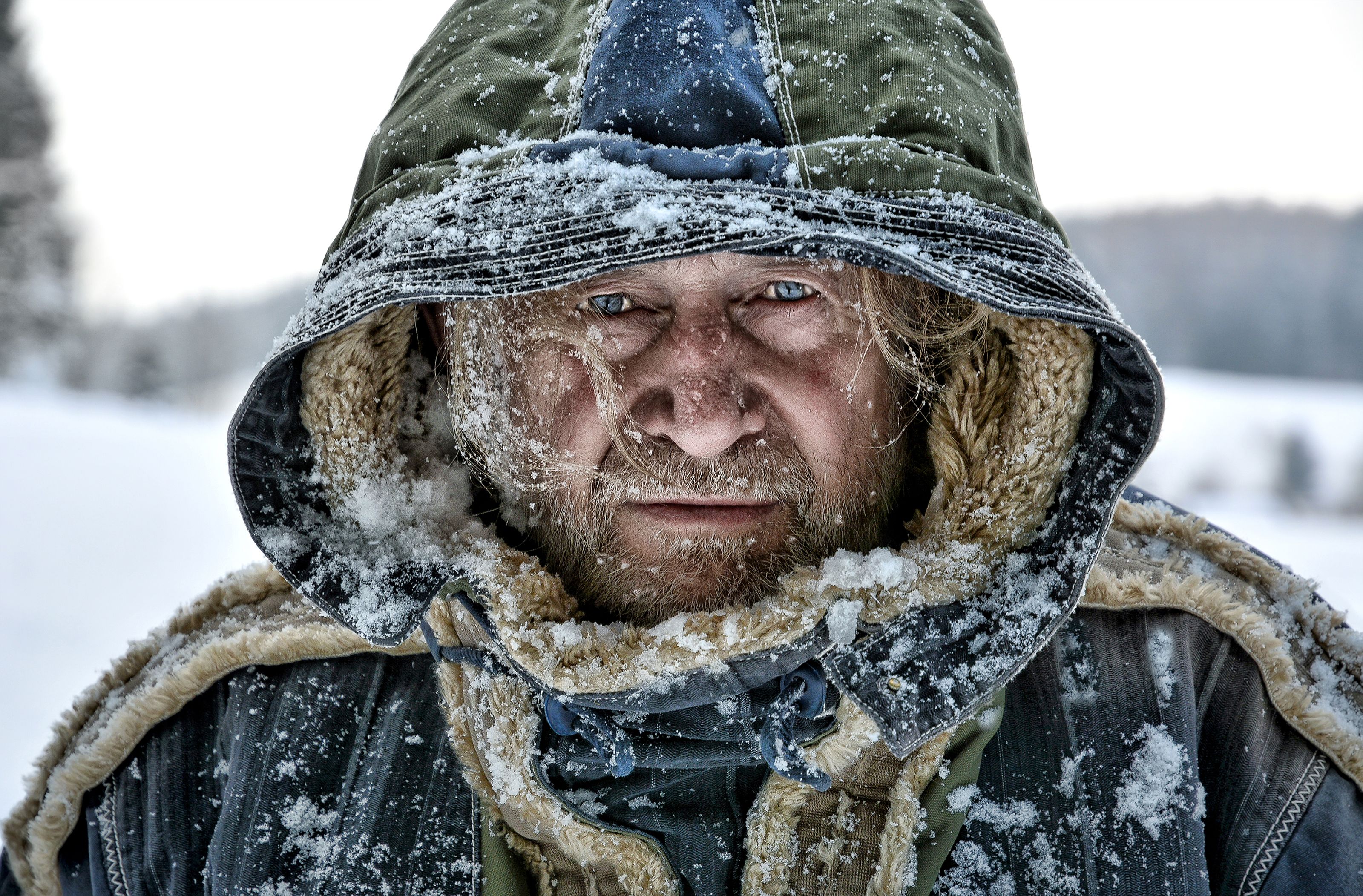
Maybe the most important survival skill your grandfather had was mental, not mechanical. He was often raised to endure inconvenience, adapt on the fly, and solve problems with limited supplies because there simply wasn’t another option.
That attitude produced a certain steadiness. If the truck broke down, weather turned ugly, or money ran short, the first move was usually not panic. It was assessment. What do we have, what do we need, and what can we improvise right now?
In many ways, that lost habit ties all the others together. Skills matter, but mindset activates them. Resourcefulness, patience, and composure are still among the strongest tools anyone can carry.