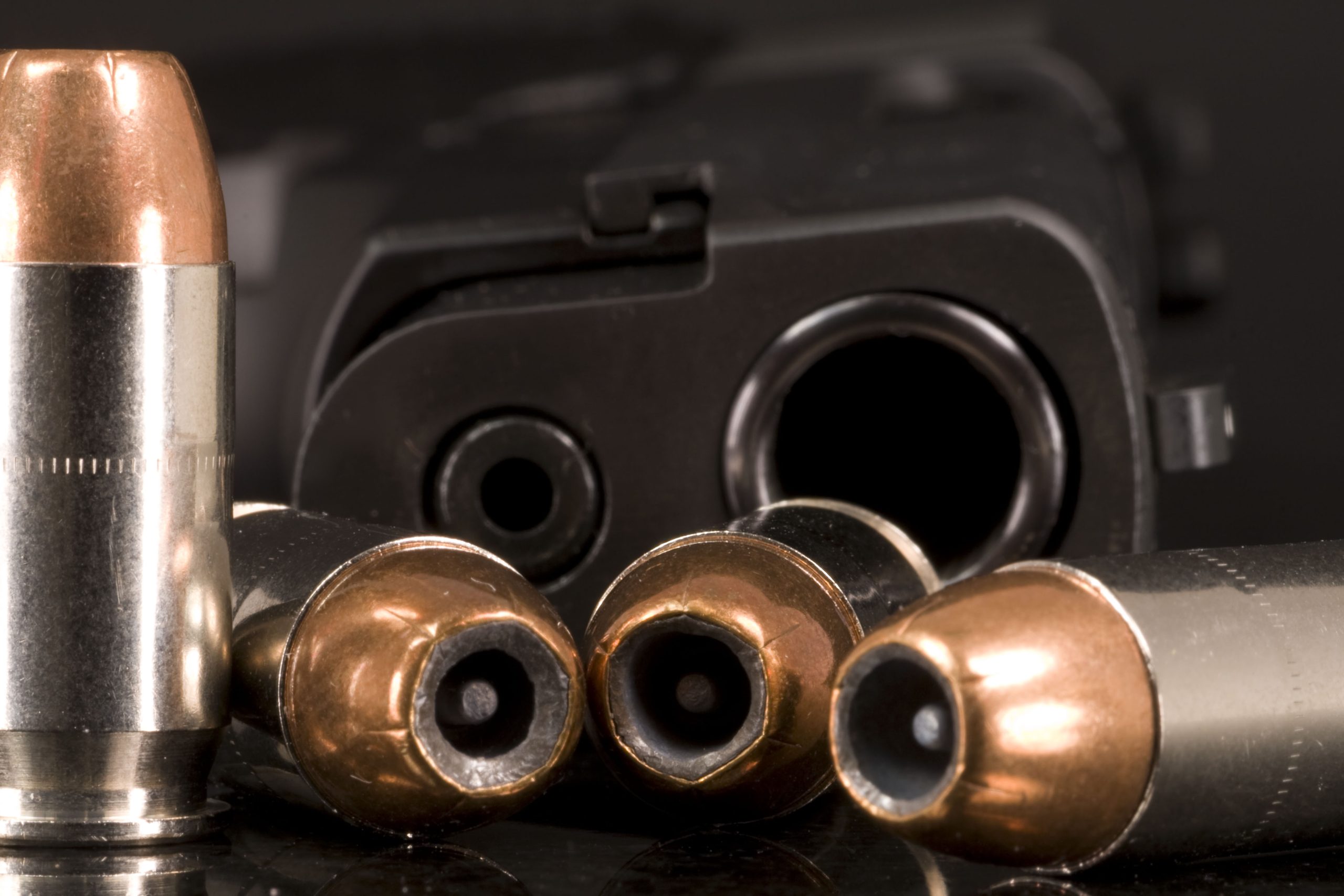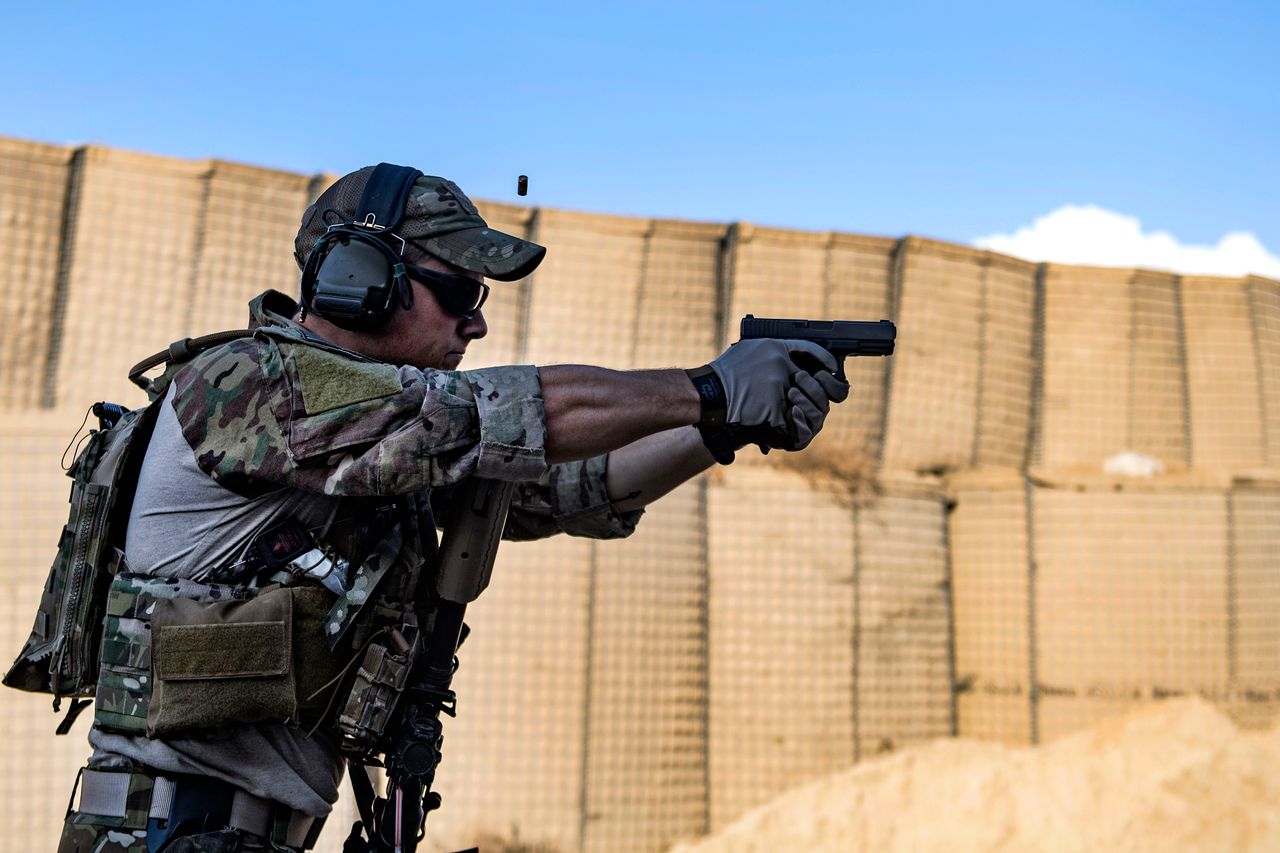
Some handgun debates never really die. This one survives because both pistols represent two very different ideas of what trust feels like in the hand.
Why this matchup still gets people talking

The Glock 19 and the 1911 are not just two handguns. There are two philosophies. One is a modern, polymer-framed, striker-fired 9mm built around simplicity, capacity, and broad reliability. The other is an all-steel, single-action design born in the early 20th century, famous for its trigger, ergonomics, and deep emotional pull among serious shooters.
On paper, the contrast is easy to explain. Glock lists the Glock 19 Gen5 with a standard 15-round magazine, a 4.02-inch barrel, and an unloaded weight of about 23.63 ounces. A traditional Government size 1911 typically brings a 5-inch barrel, a single-stack magazine, and notably more weight, especially in steel-framed .45 ACP trim. That means the two guns can feel worlds apart before the first shot is fired.
Yet people still compare them because both are trusted sidearms. The Glock 19 became a dominant defensive and law enforcement benchmark, while the 1911 remains a carry gun, duty gun, competition gun, and heirloom piece all at once. When shooters say they would trust one with their life, they are really talking about reliability, shootability, maintenance, and whether the pistol helps them perform under stress.
What 100 shooters usually mean when they say trust

If you ask 100 shooters which pistol they would trust with their life, you will not get a pure engineering answer. You will get a mix of experience, identity, training history, and what each person values most when things get ugly. Some define trust as absolute feed reliability with any decent ammunition. Others define it as how well they can draw, fire, and make accurate hits at speed.
That distinction matters. A shooter who grew up on striker-fired guns often trusts a Glock 19 because there is less to manage. The manual of arms is straightforward, the trigger press is consistent from shot to shot, and replacement parts, holsters, and magazines are everywhere. For many people, that translates into confidence, and confidence is a huge part of trust.
A committed 1911 shooter tends to frame the answer differently. They point to the crisp single-action trigger, narrow grip, natural pointability, and the way a good 1911 seems to reward disciplined shooting. In their hands, trust comes from precision and control. They know the thumb safety, they train with it, and they do not see that extra step as a liability. They see it as part of the system.
The Glock 19 case: simple, light, and hard to argue against
The strongest argument for the Glock 19 is not romance. It is predictability. Glock designed the platform to be easy to run, easy to maintain, and forgiving in hard use. The Gen5 Glock 19 remains a compact pistol that is large enough to shoot well and small enough to carry, which is exactly why it has become such a common answer when people are told to pick one handgun for almost everything.
There is also a numbers advantage that is hard to ignore. A standard Glock 19 gives you 15+1 capacity in 9mm, and modern defensive 9mm loads have narrowed the practical terminal performance debate compared with larger service calibers. Ballistic testing published by Lucky Gunner has long shown that quality 9mm hollow points can deliver penetration and expansion that fit accepted self-defense expectations, which helps explain why so many shooters prioritize capacity and controllability over bigger bullets.
Institutional confidence matters too. Glock handguns, especially in 9mm, remain deeply entrenched in law enforcement. Industry reporting continues to show Glock with an overwhelming agency market share. That does not automatically prove personal trust, but it does tell you something important: organizations that care about reliability, training efficiency, and logistics keep landing in roughly the same place.
The 1911 case: unmatched trigger, deep confidence, real caveats
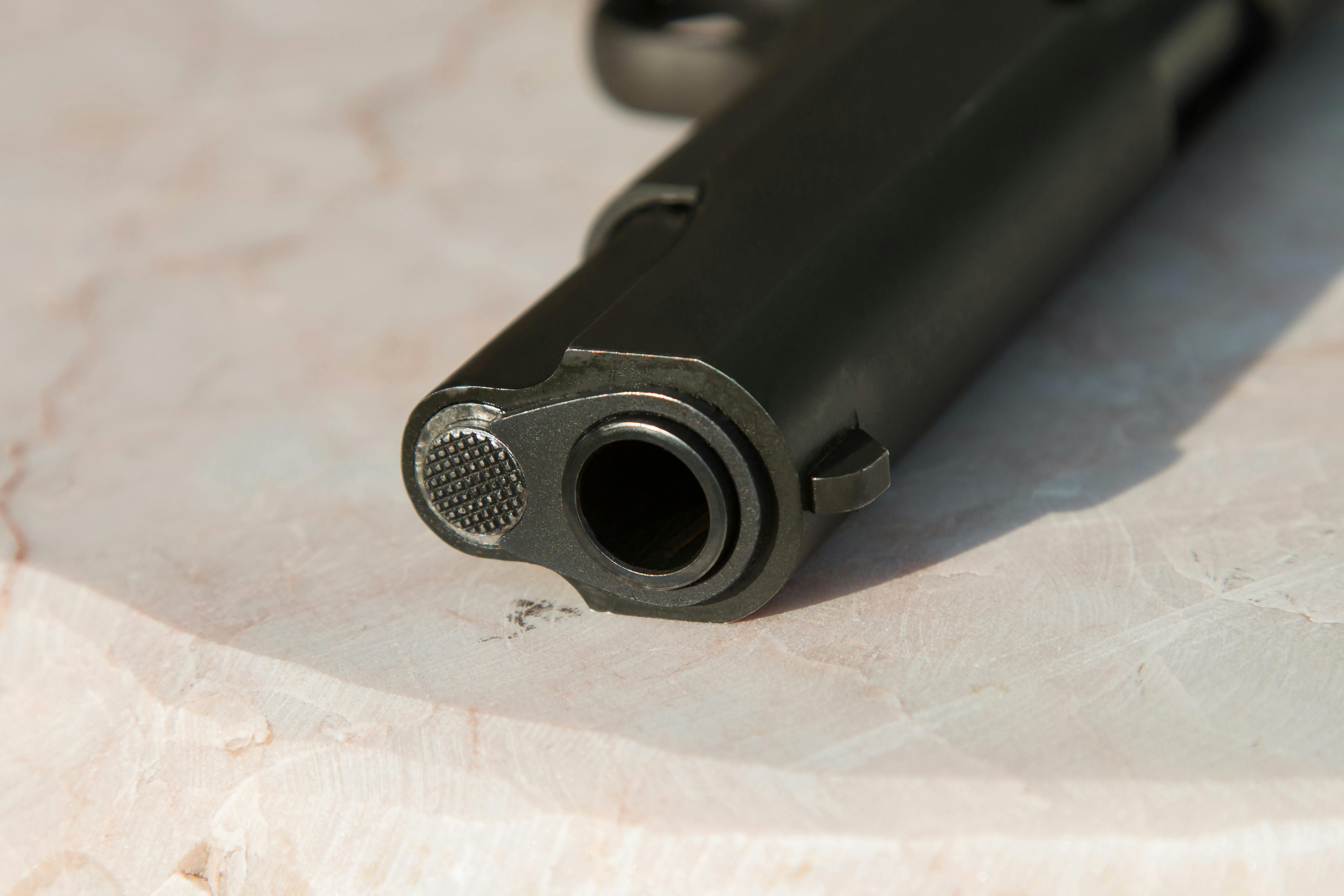
The best defense of the 1911 begins with how it shoots. A properly built 1911 offers one of the cleanest handgun triggers ever put into mass production. The grip angle, slim profile, and straight-to-the-rear trigger press make fast, accurate work feel almost intuitive. For experienced shooters, especially those who train regularly, that creates a level of trust that is hard to capture in a spec sheet.
There is also the matter of shootability under pressure. Steel-framed 1911s, particularly in Government size, soak up recoil well and track smoothly. Even in .45 ACP, many shooters describe the gun as a softer, slower push rather than a sharp snap. That sensation can help some people deliver more deliberate follow-up shots, especially when they value precision over raw speed and round count.
But the caveats are real. The 1911 was originally built around .45 ACP, and even premium makers acknowledge that 9mm 1911s can demand more attention to magazines, spring tuning, lubrication, and overall setup than a typical Glock. Wilson Combat says outright that keeping a 9mm 1911 running flawlessly can require more care and knowledge than a traditional .45 1911. That does not mean a good 1911 cannot be trusted. It means the trust often has to be earned and maintained more actively.
Capacity, carry comfort, and the reality of daily use
When shooters move from the range to real life, the conversation changes quickly. A Glock 19 is lighter, thicker, and less elegant, but easier for most people to live with day after day. Its weight, polymer frame, corrosion-resistant finish, and higher magazine capacity make practical sense for concealed carry, home defense, and general readiness. If trust includes the likelihood that you will actually have the gun on you, the Glock gains ground fast.
The 1911 answers with a different kind of comfort. It is flatter through the slide and grip, and many carriers love how a slim single-stack pistol disappears inside the waistband. A Commander or lightweight model can carry beautifully. Still, once you factor in magazine capacity, loaded weight, spare mags, and long-term maintenance, the 1911 usually asks more of its owner.
This is where a lot of shooters quietly switch camps. They may adore the 1911 at the range or in the safe, but when the question becomes what rides on the belt every day, many choose the Glock 19 because it is easier to feed, easier to support, and less demanding. Trust, in that context, becomes less about what feels best and more about what is easiest to sustain over years of actual use.
Training changes the answer more than brand loyalty.
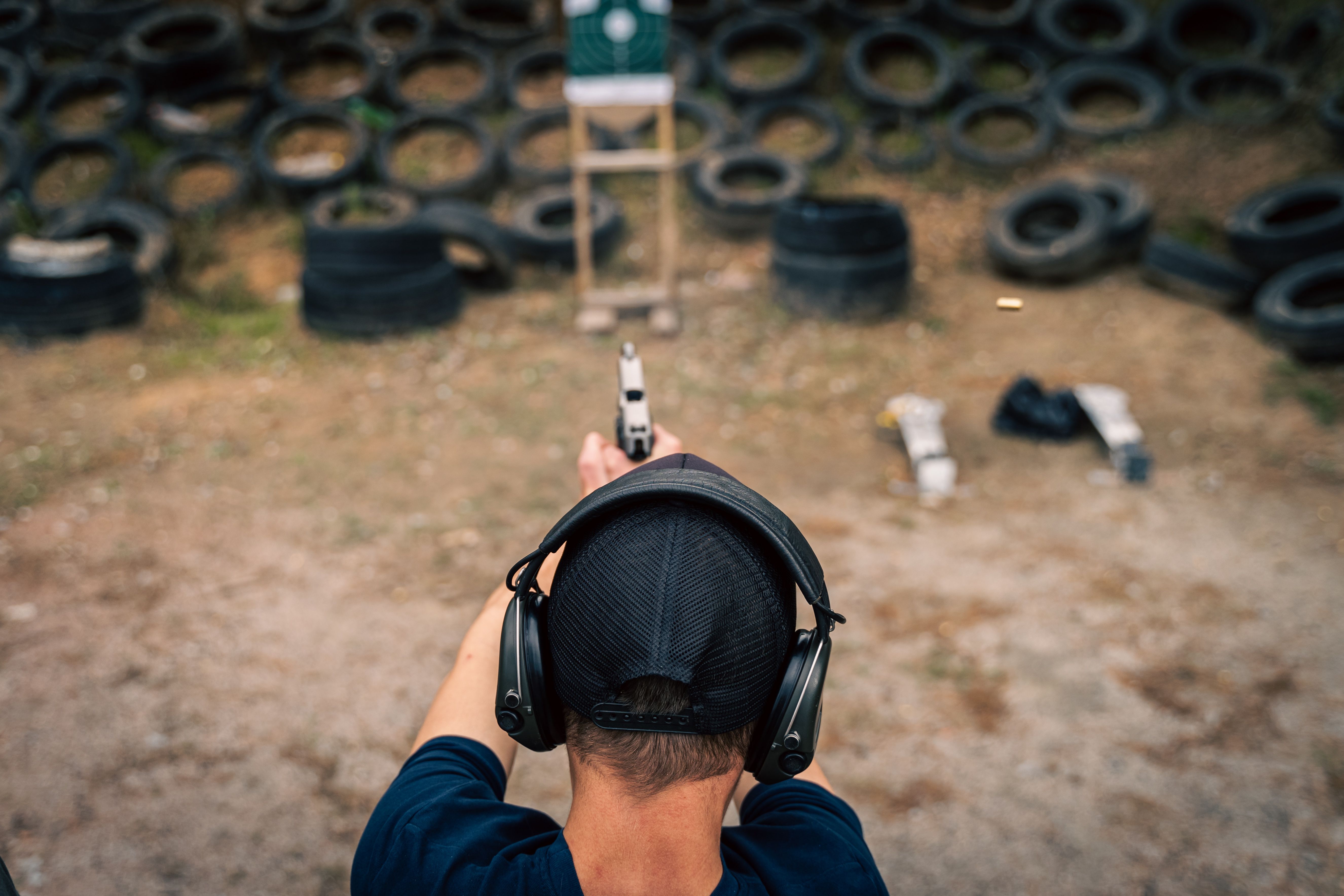
One reason this debate never ends is that skill can flip the result. A lightly trained shooter often performs better and faster with a Glock 19. The consistent trigger, low maintenance profile, and lack of a manual safety reduce friction during learning. For new owners or occasional range visitors, that matters more than enthusiasts sometimes admit. Simpler systems usually win when repetition is limited.
A highly trained 1911 user can be a different story. In practiced hands, the draw stroke, safety sweep, trigger press, and recoil control become seamless. At that point, the 1911 stops looking like a nostalgic indulgence and starts looking like a precision fighting tool. The shooter is not ignoring its demands. They have built routines around them.
Cost also drives training reality. 9mm is generally cheaper and easier to find than .45 ACP, which means Glock 19 owners often shoot more for the same money. More rounds downrange usually lead to better performance. That is not a law, but it is a strong trend. In a practical sense, the pistol that gets practiced with most often becomes the pistol most likely to earn real trust.
So which one would most shooters actually choose
If you gathered 100 shooters and forced a clean answer, the Glock 19 would likely win the life trust vote. Not because it is more lovable, and not because the 1911 is obsolete, but because the Glock 19 stacks too many practical advantages in one place. It offers strong capacity, manageable recoil, broad parts support, lower operating cost, and a reputation for dependable function with less upkeep.
The 1911 would still pull a passionate, serious minority, and for good reason. In the hands of a dedicated owner running a proven example, it can feel like an extension of intent. Few pistols inspire the same confidence in trigger control and precision. For some shooters, that kind of intimate familiarity outweighs every spreadsheet advantage the Glock holds.
So the honest answer is this: most shooters trust the Glock 19 with their life, but the shooters who trust a 1911 really mean it. One is the rational majority pick. The other is the earned preference of people willing to master its strengths and accept its demands. If your standard is the broadest margin for reliability and practicality, pick the Glock. If your standard is maximum shootability in a platform you know deeply, a good 1911 still makes a powerful case.