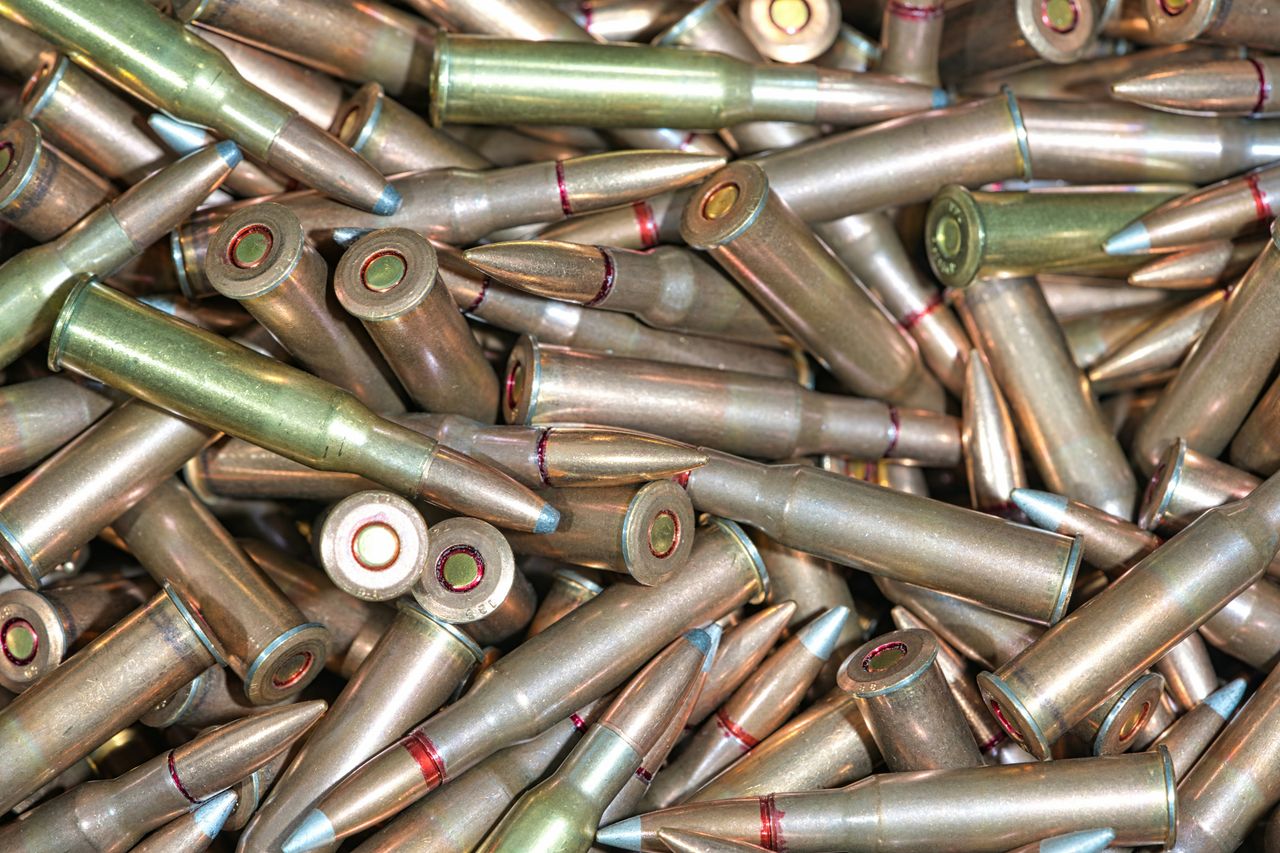
Some cartridges earn a glowing reputation online, in gun shops, and around the range, only to feel disappointing once real-world tradeoffs show up. This gallery looks at calibers that are often oversold by self-appointed experts and separates hype from practical value. The point isn’t that these rounds never work — it’s that many shooters are promised far more than they actually deliver.
.25 ACP
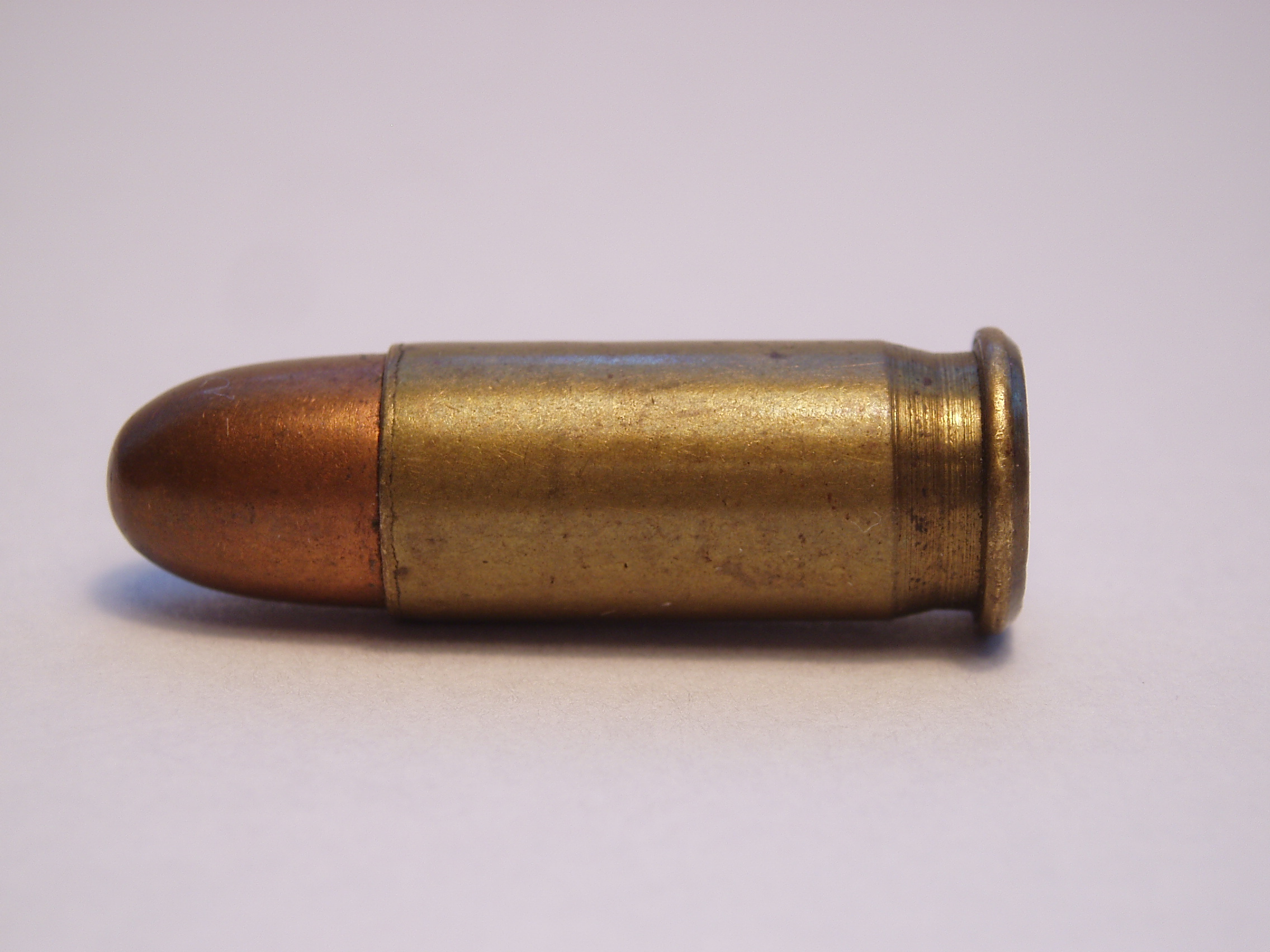
.25 ACP keeps getting defended as a clever deep-concealment round, usually by people nostalgic for vest-pocket pistols. In theory, it offers centerfire reliability in tiny handguns and less recoil than larger pocket calibers. That sounds tidy until you compare what you give up in terminal performance and practical shootability.
In real life, the guns chambered for it are often miserable to aim well, slow to run, and not meaningfully more capable than better modern options. Ammunition is rarely cheap enough to justify practice, and the ballistic payoff is underwhelming. For most buyers, it survives on old reputation, not modern usefulness.
.32 ACP

.32 ACP has a loyal following because it feels civilized. Recoil is mild, classic pistols chamber it beautifully, and enthusiasts love pointing out that smart shot placement matters more than raw energy. All true, but that argument often becomes a shield for a round that asks a lot while giving back only modestly.
Modern compact 9mm pistols have crushed its old advantage. You can now get better capacity, better sights, better ammunition selection, and stronger performance in packages that are still easy to carry. .32 ACP can be pleasant, even charming, but charm is not the same thing as value when ammunition costs stay oddly high.
.22 TCM

.22 TCM gets pitched as a futuristic speed demon, the kind of cartridge that makes people grin at the chronograph. It is loud, flashy, and undeniably fun when everything lines up. That excitement is exactly why some experts oversell it as a practical breakthrough rather than what it mostly is: a niche novelty.
Outside a narrow circle of fans, ammunition can be hard to find and expensive to stack deep. The muzzle blast is fierce for the actual job being done, and platform choices are limited compared with mainstream alternatives. If you want a fun range toy, fine. If you want easy logistics and broad support, this one quickly stops looking clever.
.30 Super Carry
.30 Super Carry arrived with a polished sales pitch: near-9mm performance, extra capacity, and a modern answer to an already solved problem. On paper, that sounds like smart engineering. In practice, it landed in a market where 9mm already dominates cost, availability, defensive loads, and shelf space.
That means buyers are gambling on a thinner ecosystem for a benefit many shooters will barely notice. A round can be competent and still not make sense, and that is the trap here. When mainstream stores stock limited loads and fewer guns support it, the supposed advantage starts feeling more theoretical than real. Experts may admire the idea, but ordinary owners have to live with the logistics.
10mm Auto

10mm Auto has become the internet’s favorite answer to nearly every handgun question. Need defense, hunting backup, trail carry, or just bragging rights? Someone will insist 10mm does it all. It certainly can do a lot, but that broad capability often gets confused with being the best practical choice for most shooters.
Full-power loads are snappy, expensive, and not especially forgiving in fast follow-up shooting. Many factory offerings are also watered down enough that buyers end up paying for the name more than the performance. Unless you truly need its upper-end potential, a simpler option often trains cheaper, shoots easier, and covers daily use just as well.
.357 SIG
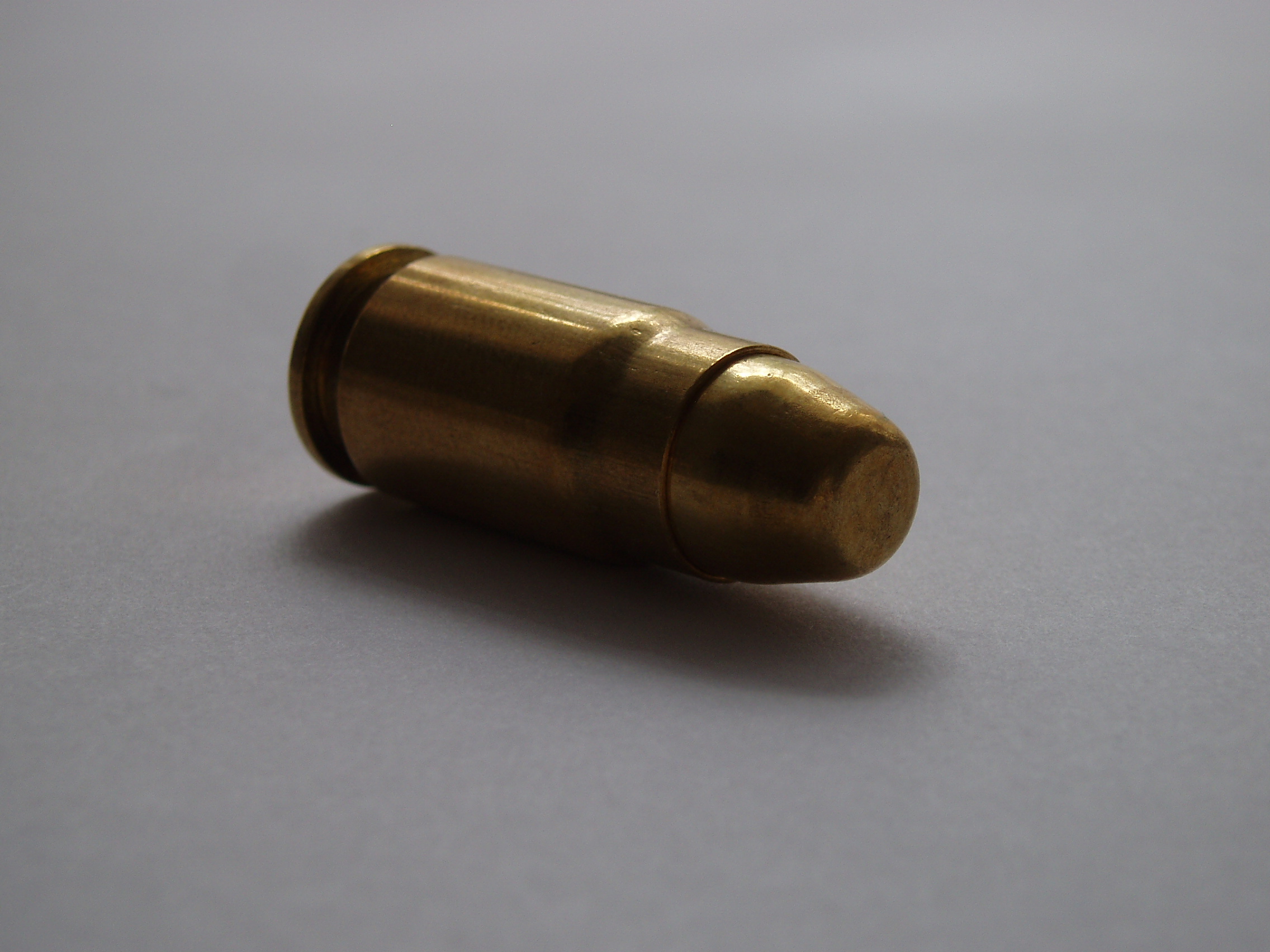
.357 SIG built its reputation on velocity, barrier performance, and a bottleneck case that looks wonderfully serious. Experts who love it talk as if it is the secret handshake of informed shooters. The problem is that the real-world downside list is much longer than fans usually admit.
Ammo tends to cost more, selection is thinner, and recoil plus muzzle blast can be sharper than many people expect. It also asks owners to commit to a round that fewer manufacturers and fewer stores seem eager to support. Yes, it can perform impressively. But as a long-term, practical caliber for average shooters, it often feels like paying premium pricing for a shrinking lane.
.45 GAP

.45 GAP was supposed to deliver .45-caliber appeal in a more compact package, and for a moment, that sounded like a smart compromise. But the cartridge never escaped the question that quietly doomed it: why adopt a new, less available round when .45 ACP and 9mm already had deep support and loyal users?
That is the issue experts sometimes dance around. Even if the concept had merit, the market never fully embraced it, and that leaves ordinary owners with limited ammo choices and fewer compatible guns. Buying into a caliber with a weak ecosystem can turn every range trip into a scavenger hunt. Good ideas still need broad support to matter.
.224 Valkyrie
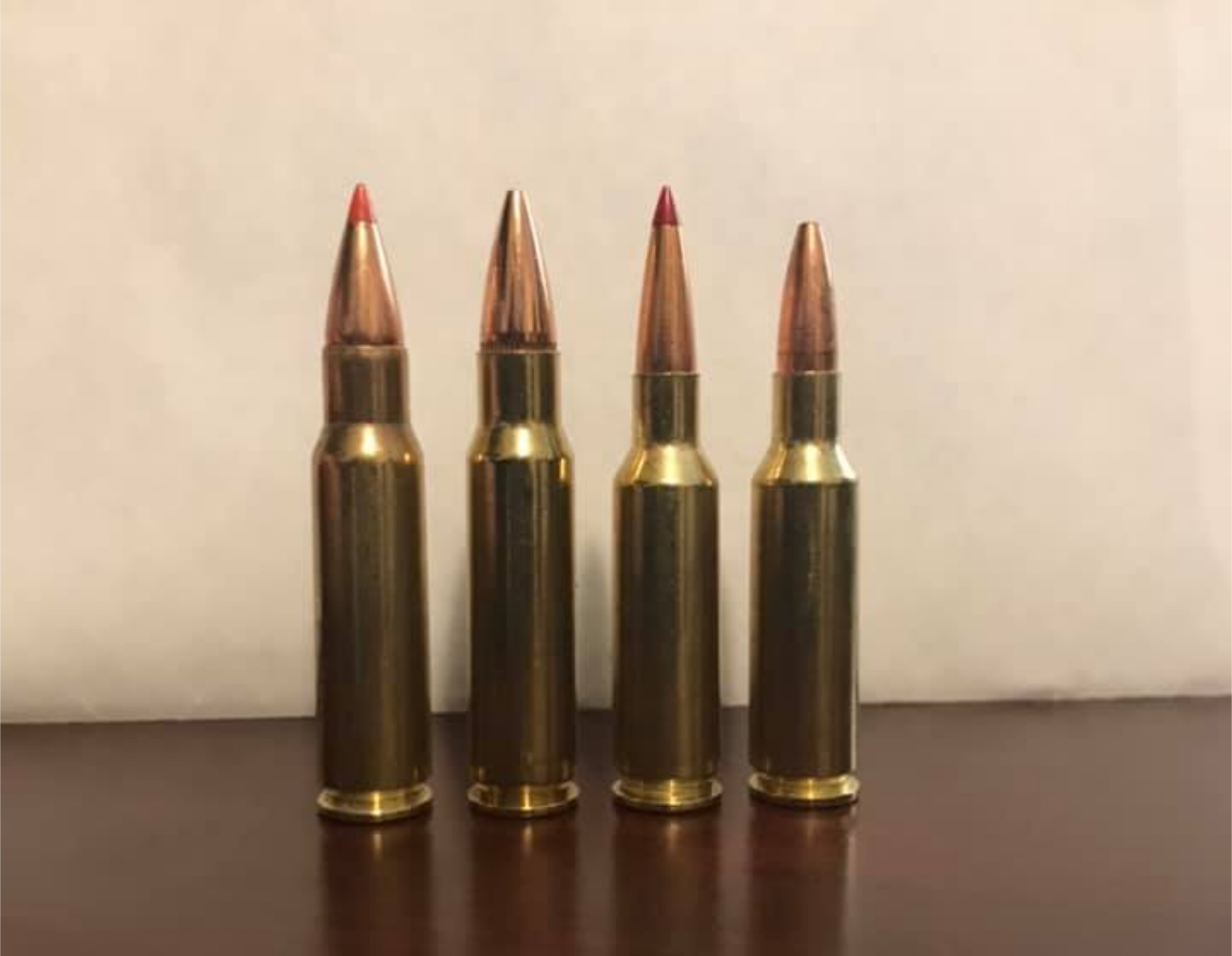
.224 Valkyrie was introduced like a long-range cheat code for the AR platform. The promise was seductive: flatter shooting, strong ballistics, and serious reach without stepping up to a larger rifle system. Early excitement made it sound like standard 5.56 shooters had been living in the dark.
Then the practical headaches showed up. Real rifles and real ammunition did not always match the dream, and inconsistent performance undercut confidence fast. For many owners, the gains were too finicky, the support too uneven, and the payoff too dependent on specific setups. When a caliber needs a long explanation to justify itself, average shooters usually drift back to simpler, proven choices.
6.8 Remington SPC
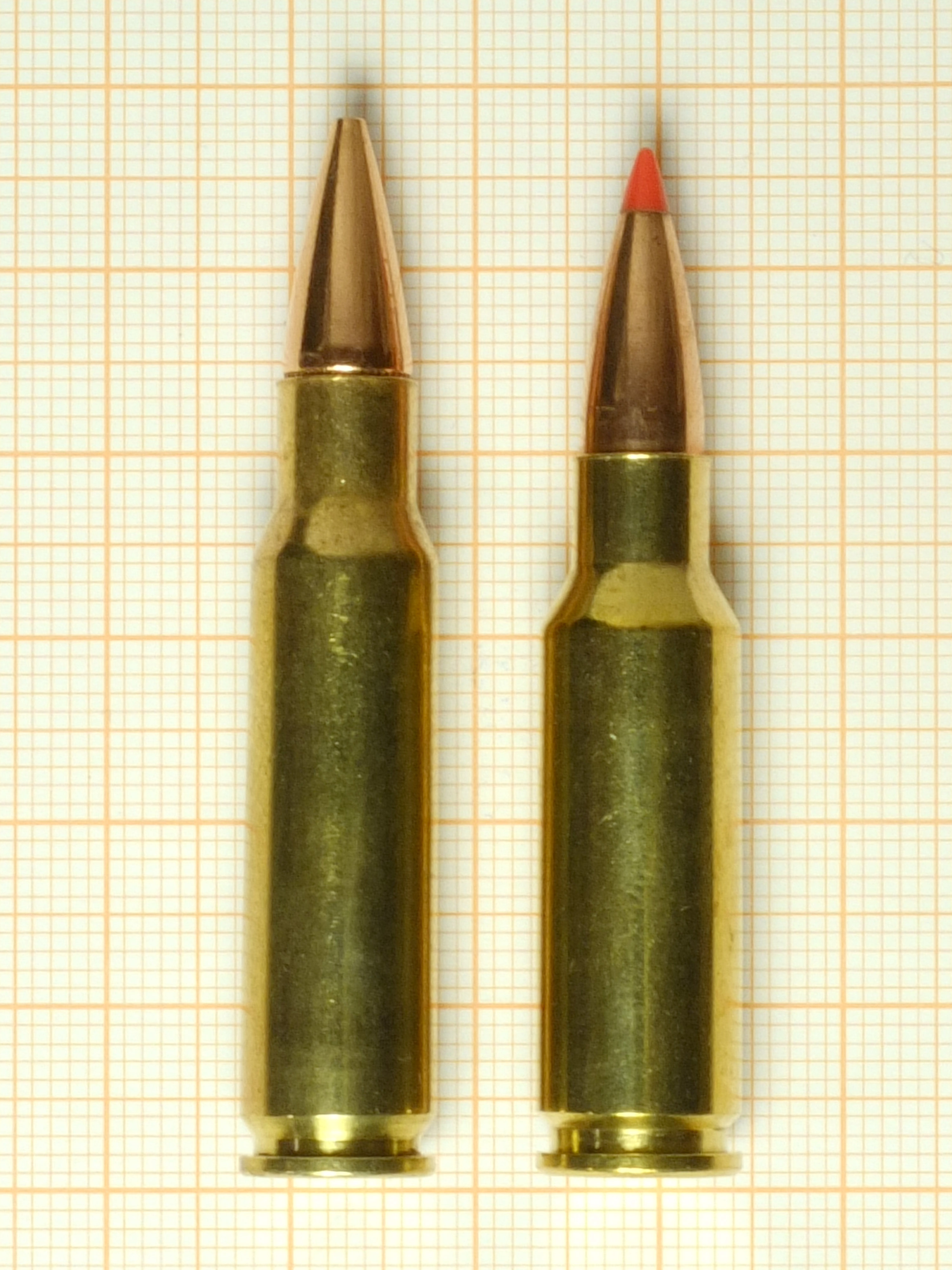
6.8 SPC still gets praised as a smarter fighting cartridge for the AR-15, especially by people who remember the original enthusiasm around it. The argument sounds sensible: more punch than 5.56 in a familiar platform. But many of those endorsements freeze the conversation in a moment that the market has already moved past.
Today, it lives in a crowded field with better-known alternatives, broader factory support, and more momentum. That matters more than caliber debates usually admit. If ammunition is harder to find and fewer new rifles are built around it, practical value starts slipping fast. A cartridge can be decent and still be a dead-end buy for most shooters.
.300 Blackout

.300 Blackout is not useless, but it gets recommended far too casually by people who ignore how specialized it really is. Its strengths with short barrels and suppressors are real, and in the right setup, it absolutely makes sense. The problem starts when experts pitch it as a universal upgrade instead of a purpose-built solution.
If you are not running suppressed or chasing a specific role, the costs pile up quickly. Ammunition is pricier, range use becomes less economical, and performance advantages over common alternatives can feel narrower than advertised. It is a caliber with a valid lane, not a magic answer. Too often, buyers discover that after paying premium money to learn it.
6.5 PRC

6.5 PRC has become catnip for gear-driven rifle culture. It is marketed as sleek, modern, and serious, the kind of cartridge that signals you have graduated from ordinary hunting and target rounds. There is real performance here, but there is also a familiar pattern where extra capability gets sold to people who will never actually need it.
Barrel life, ammunition cost, and rifle expense all deserve more attention than hype sessions usually give them. For many shooters, a less flashy cartridge will do the same work with less punishment to wallet and throat. The PRC label sounds sharp, but practical ownership often turns out to be much less glamorous than the sales pitch.
.28 Nosler

.28 Nosler is the classic example of magnum enthusiasm outrunning ordinary reality. It offers speed, reach, and impressive numbers that look fantastic in marketing copy and campfire conversations. Experts who adore it often speak as if every serious hunter should be chasing maximum ballistic drama, no matter the tradeoffs.
Those tradeoffs are exactly why it is a rough fit for most people. Recoil is substantial, ammunition is expensive, and barrel life is not something casual buyers should shrug off. Unless your use case truly justifies that level of performance, the cartridge can feel like a lot of punishment for very little practical gain. Big numbers are fun, but fun is not always smart buying.